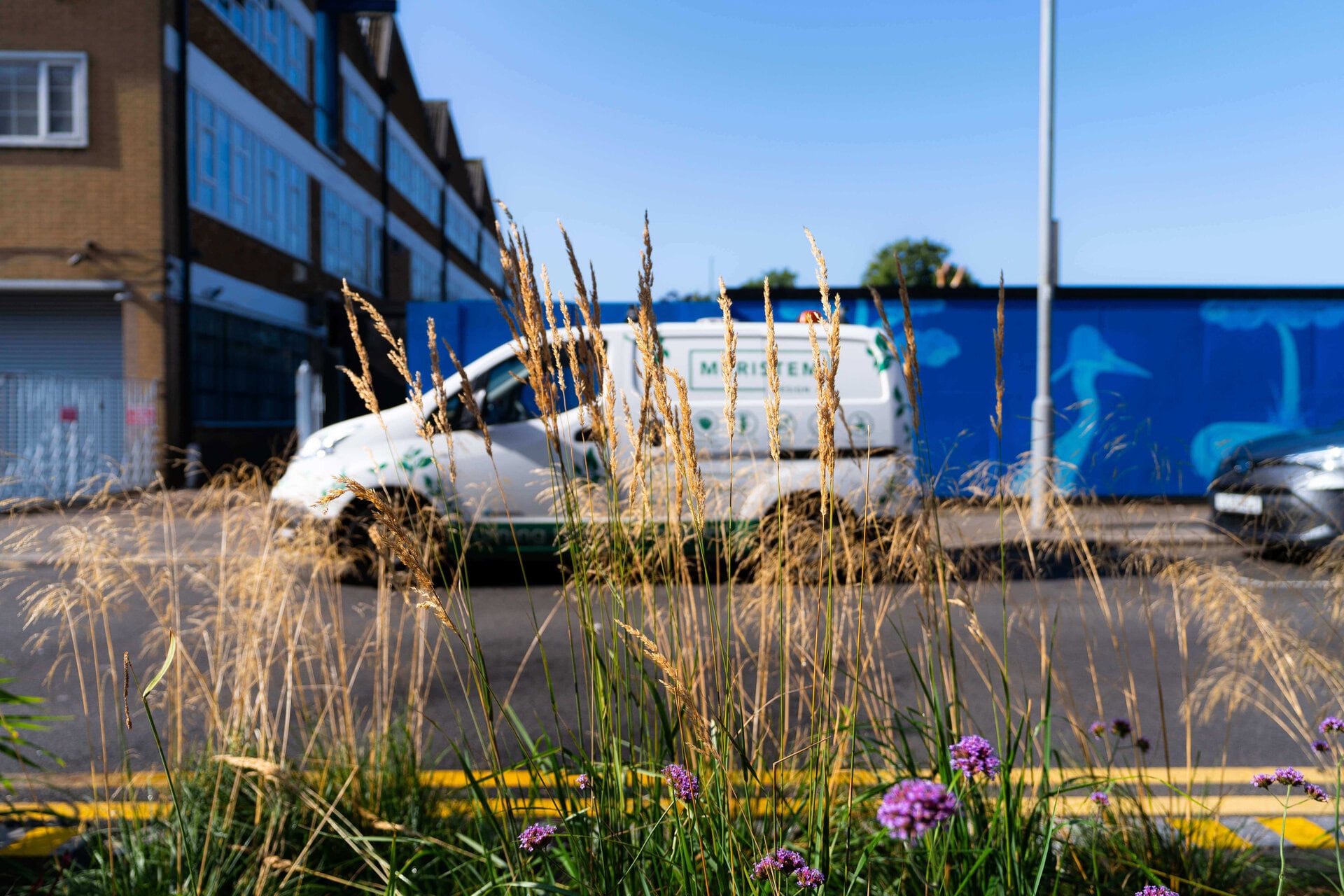
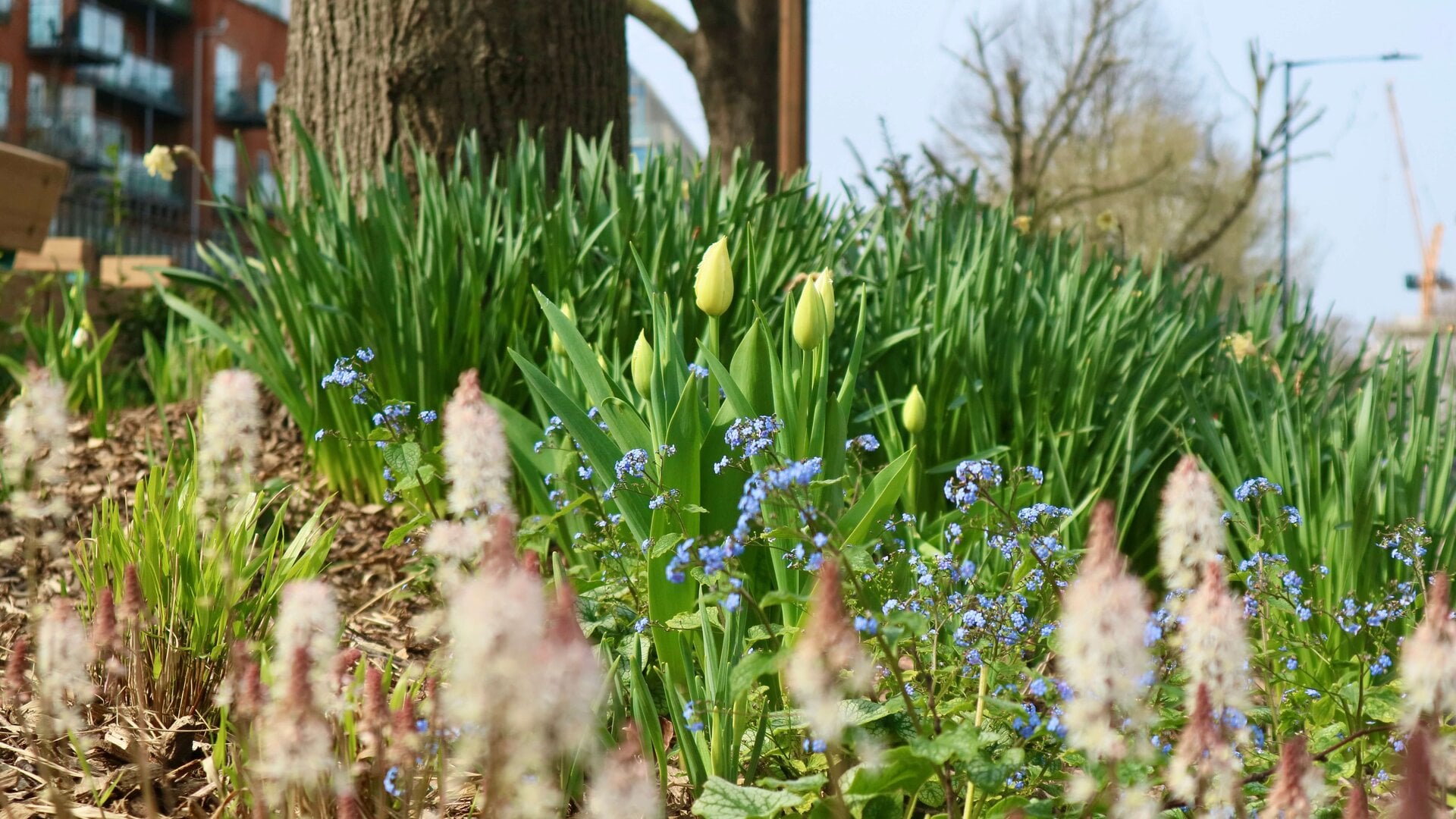
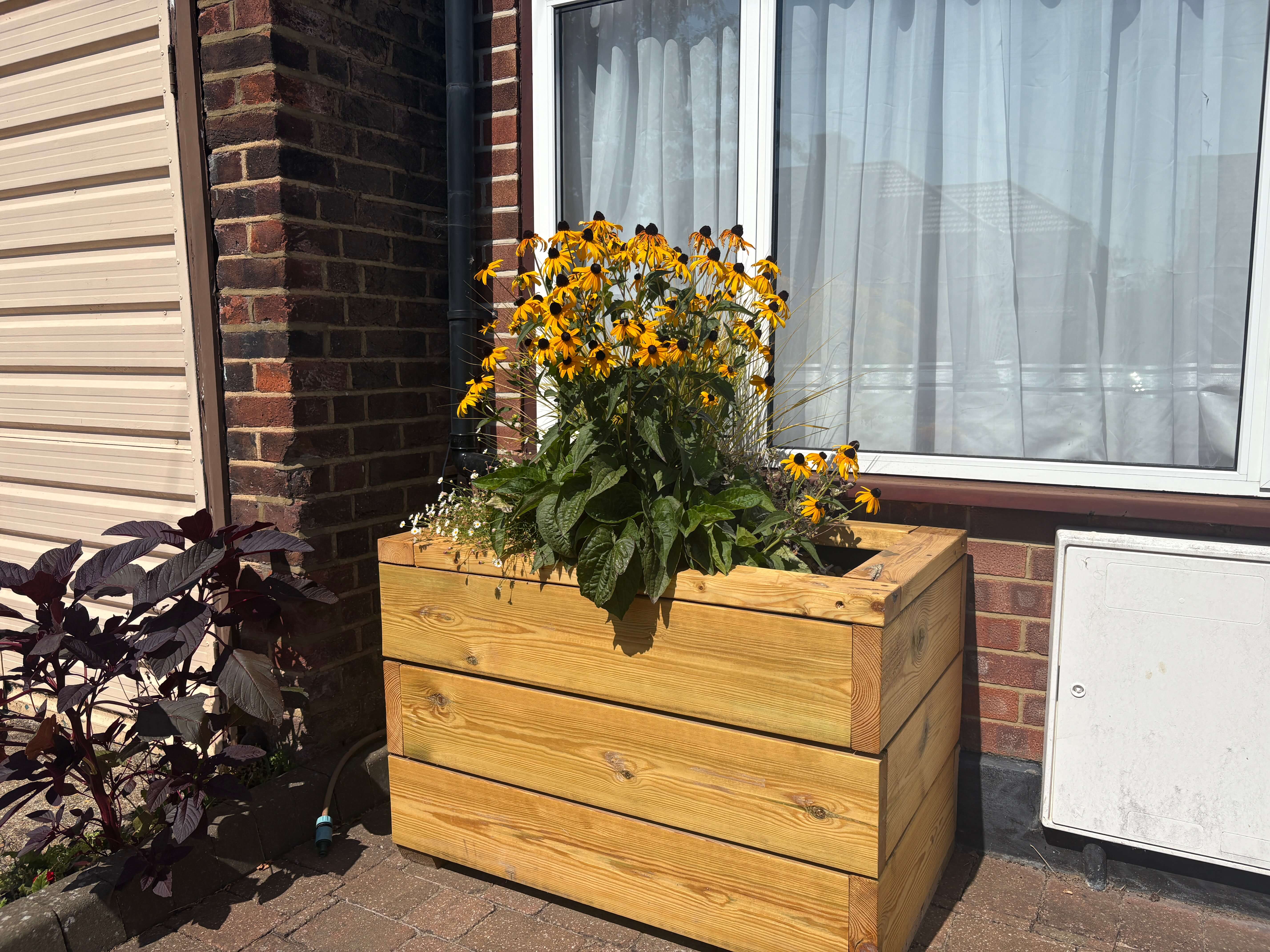
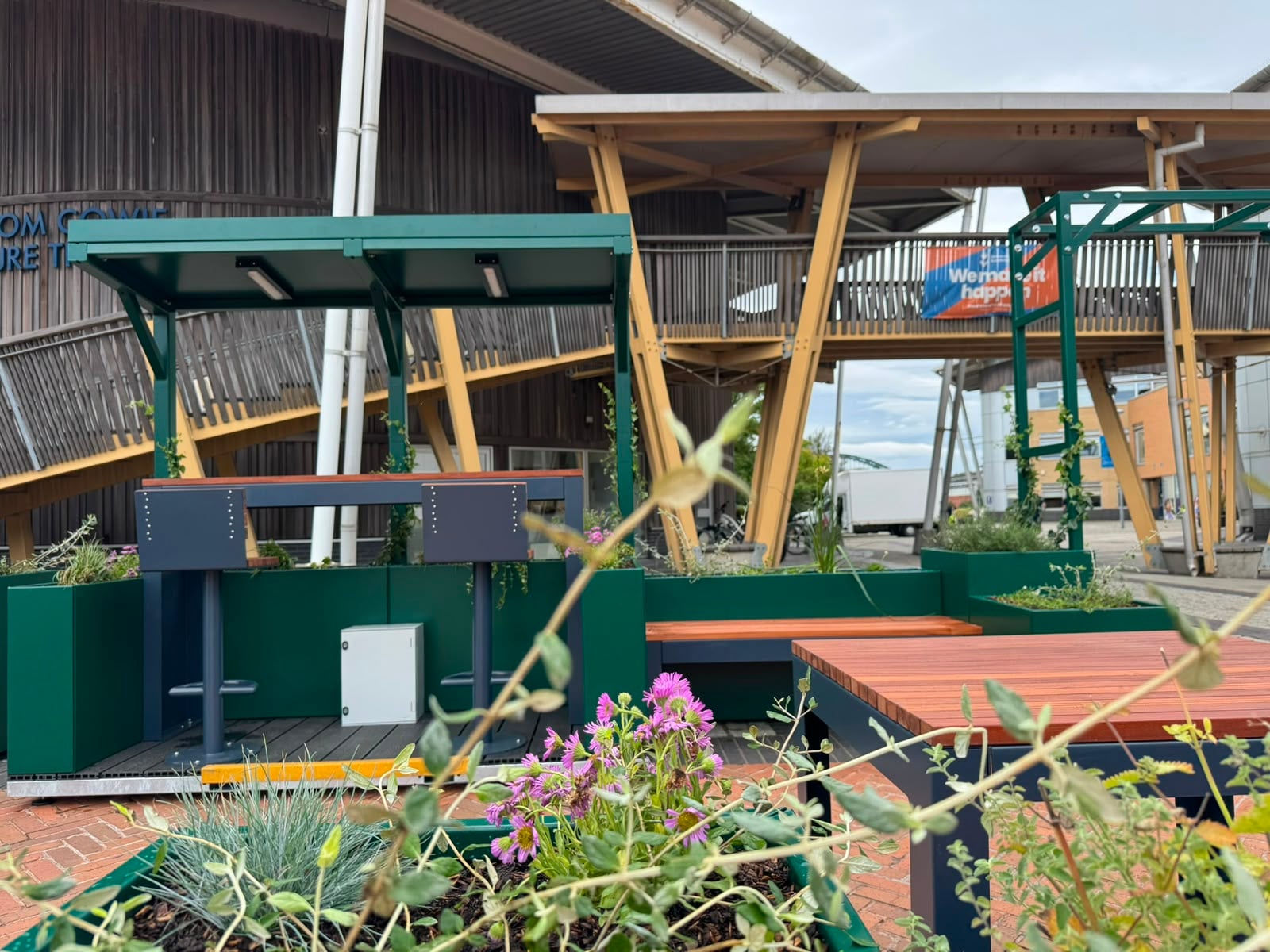
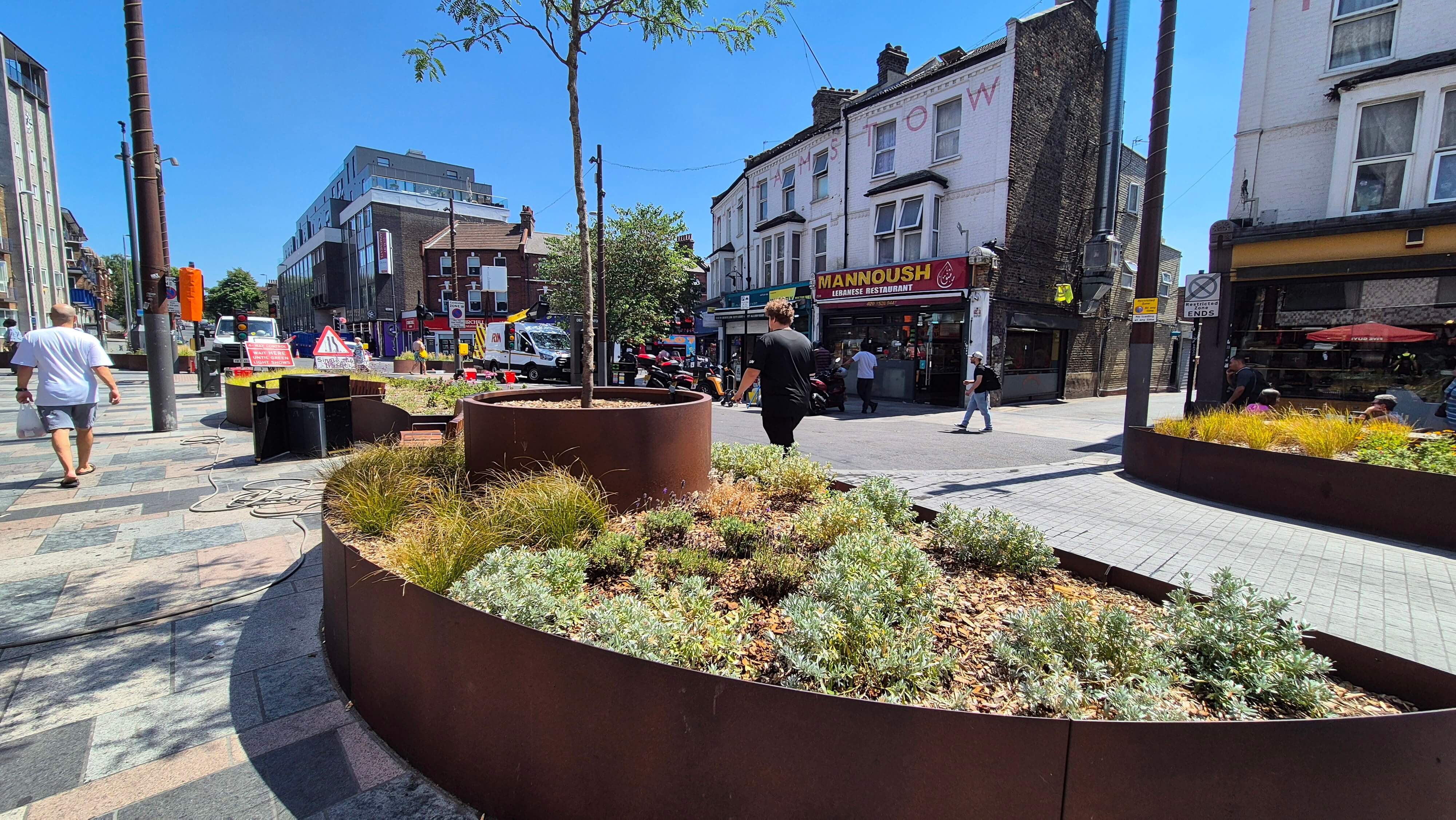
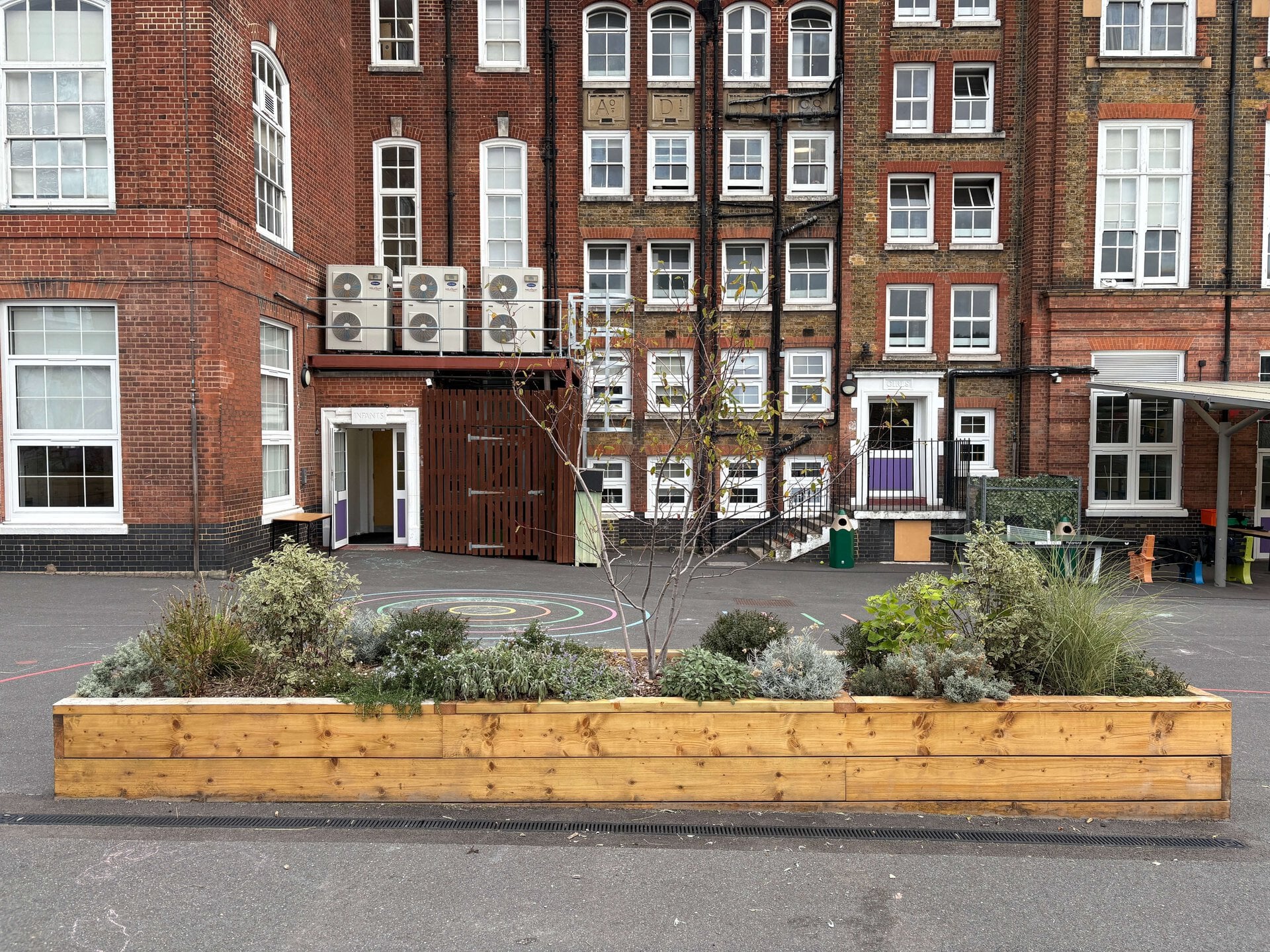
In cities like London, where hard surfaces dominate and drainage systems are under stress, even small-scale interventions can play a major role in flood mitigation. That’s where pocket parks and nature gardens come in.
These compact green spaces are more than just visual upgrades, they are designed to absorb, store, and slow rainwater to help reduce surface water flooding while creating healthier, more inviting urban environments.
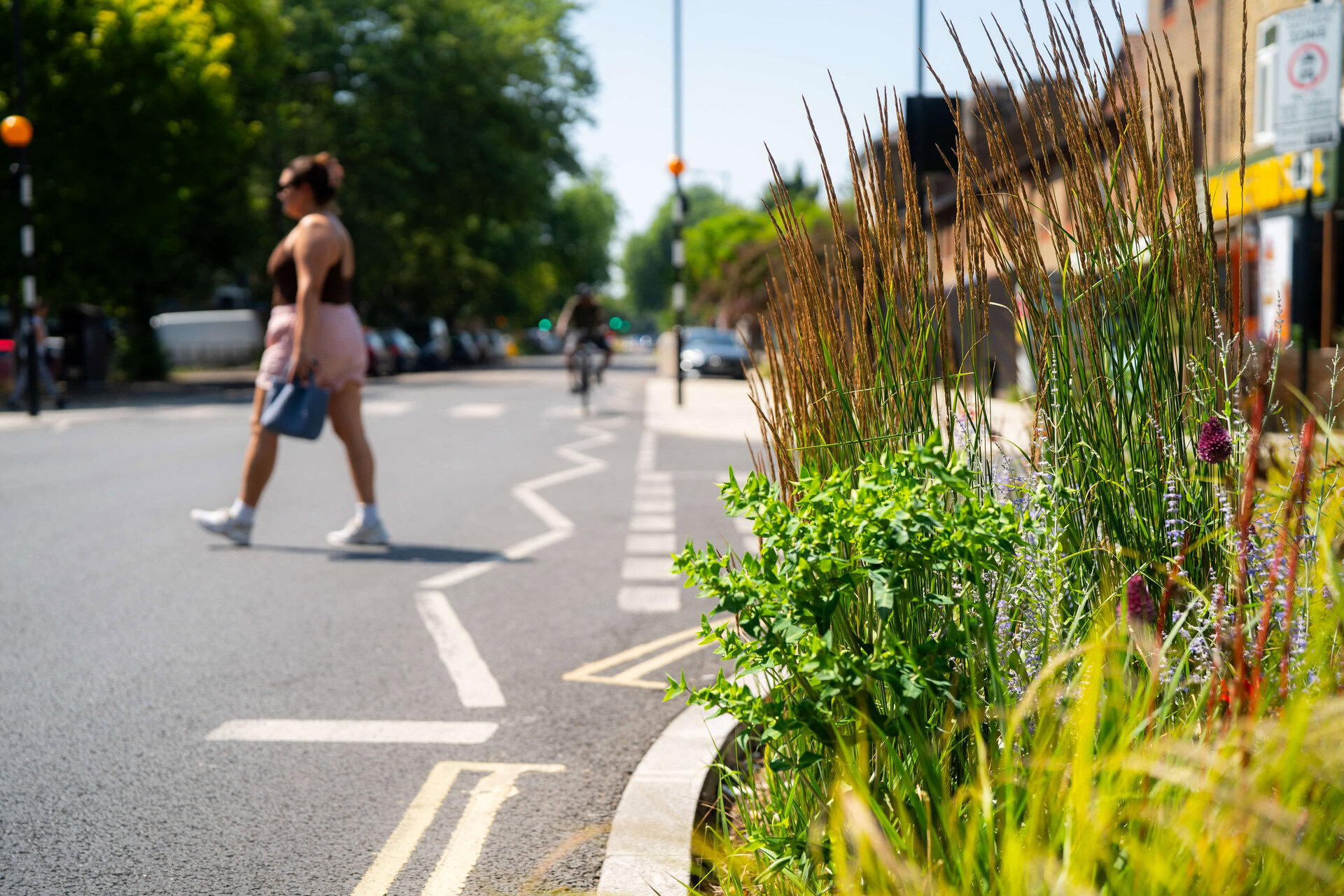
 Marvin Street Pocket Park, Hackney
From impermeable to impactful
Urban flash flooding is on the rise, especially in dense neighbourhoods where paved surfaces leave nowhere for rain to go. But by transforming these underused grey spaces into green, permeable ones, we can tackle this challenge head-on.
 Before - Marvin Street Pocket Park
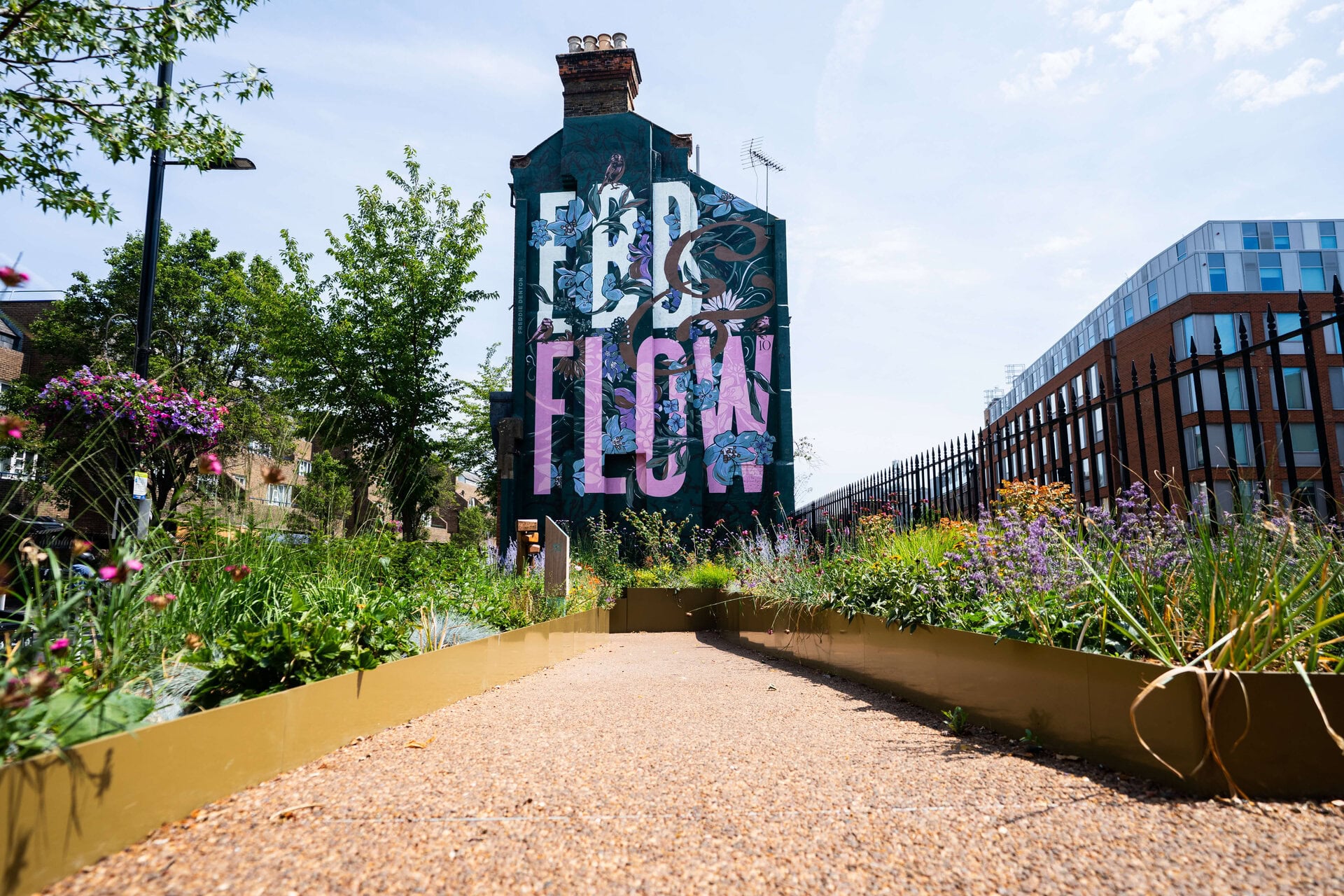
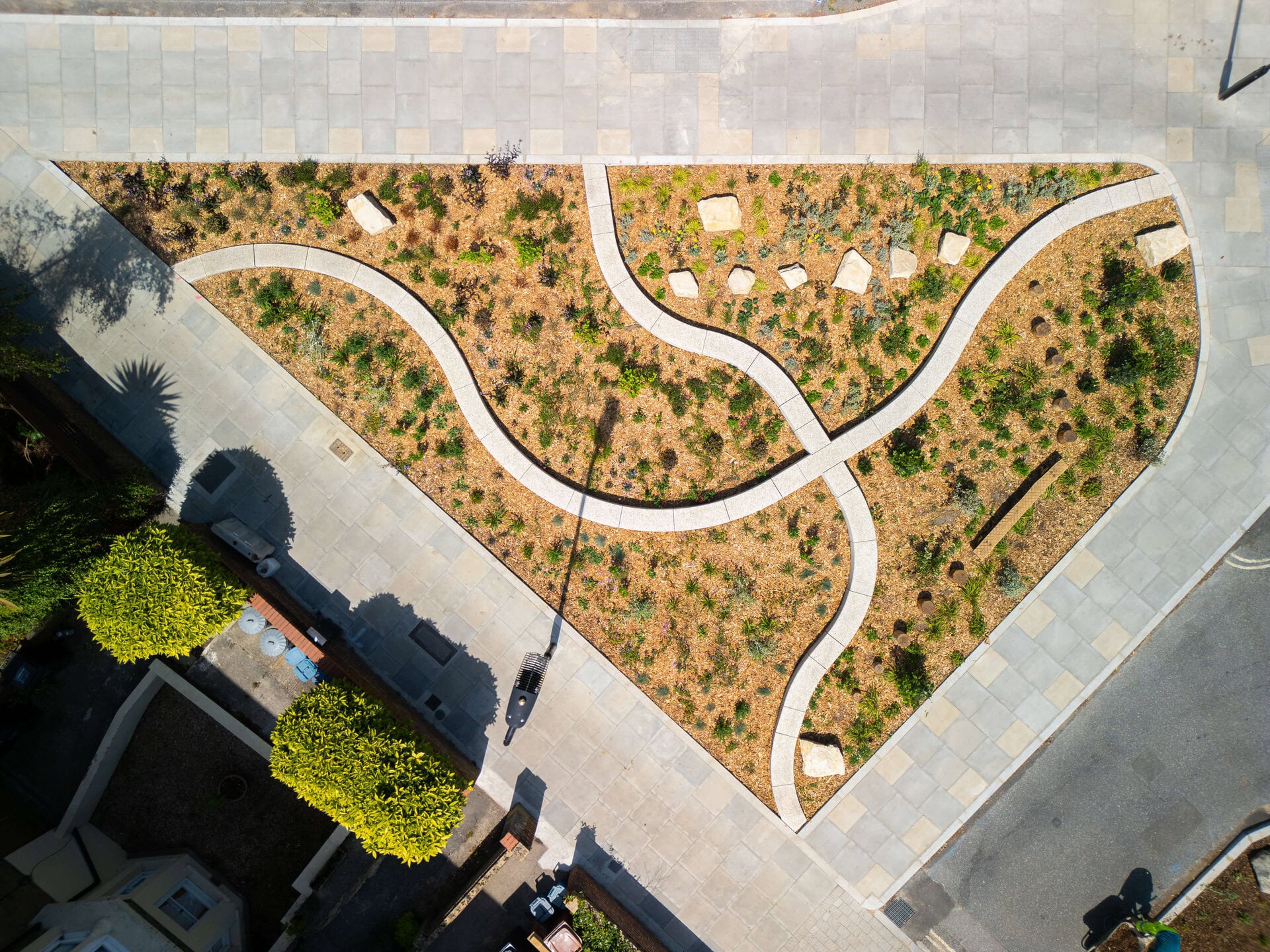
 After - Marvin Street Pocket Park
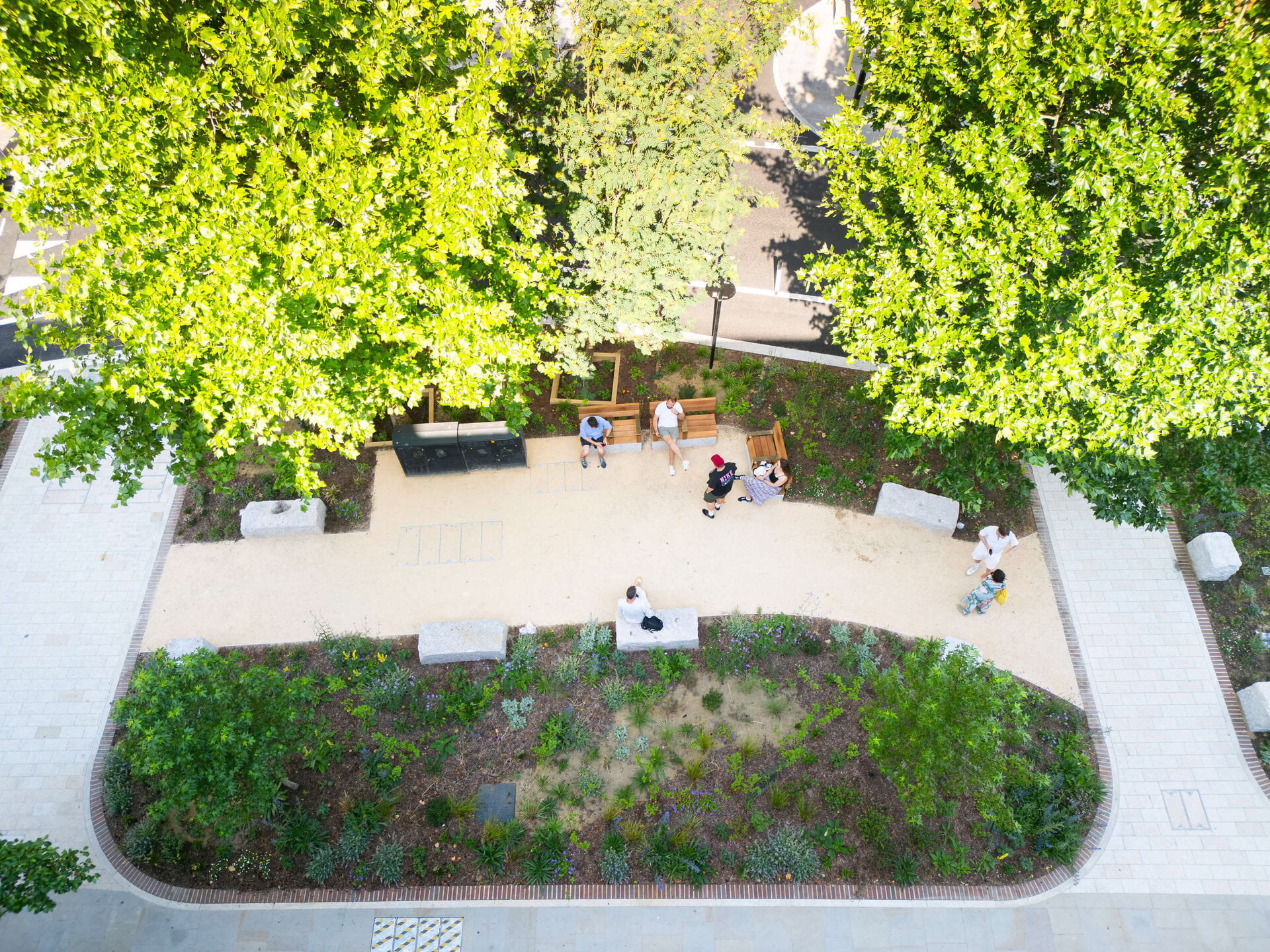
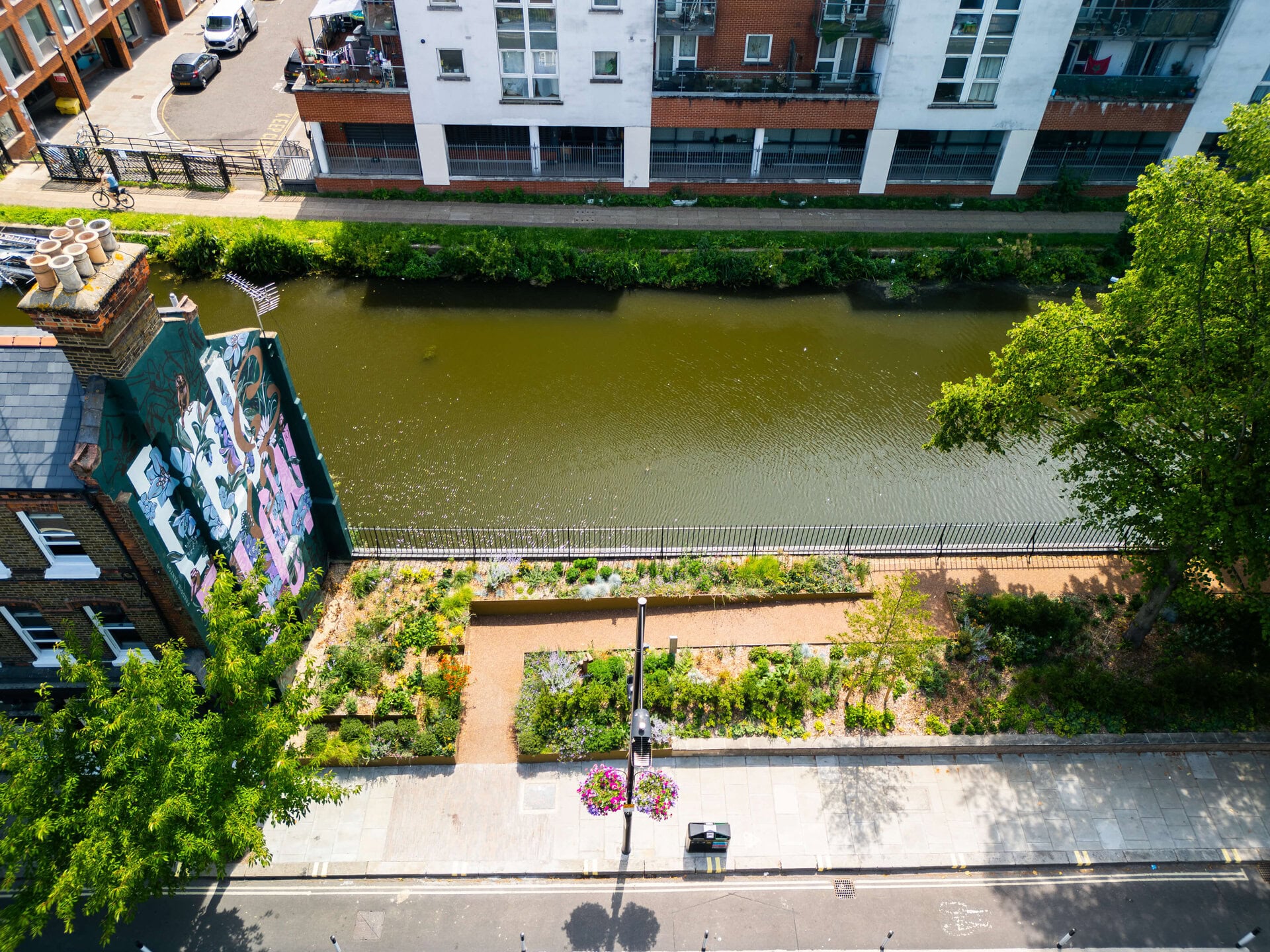
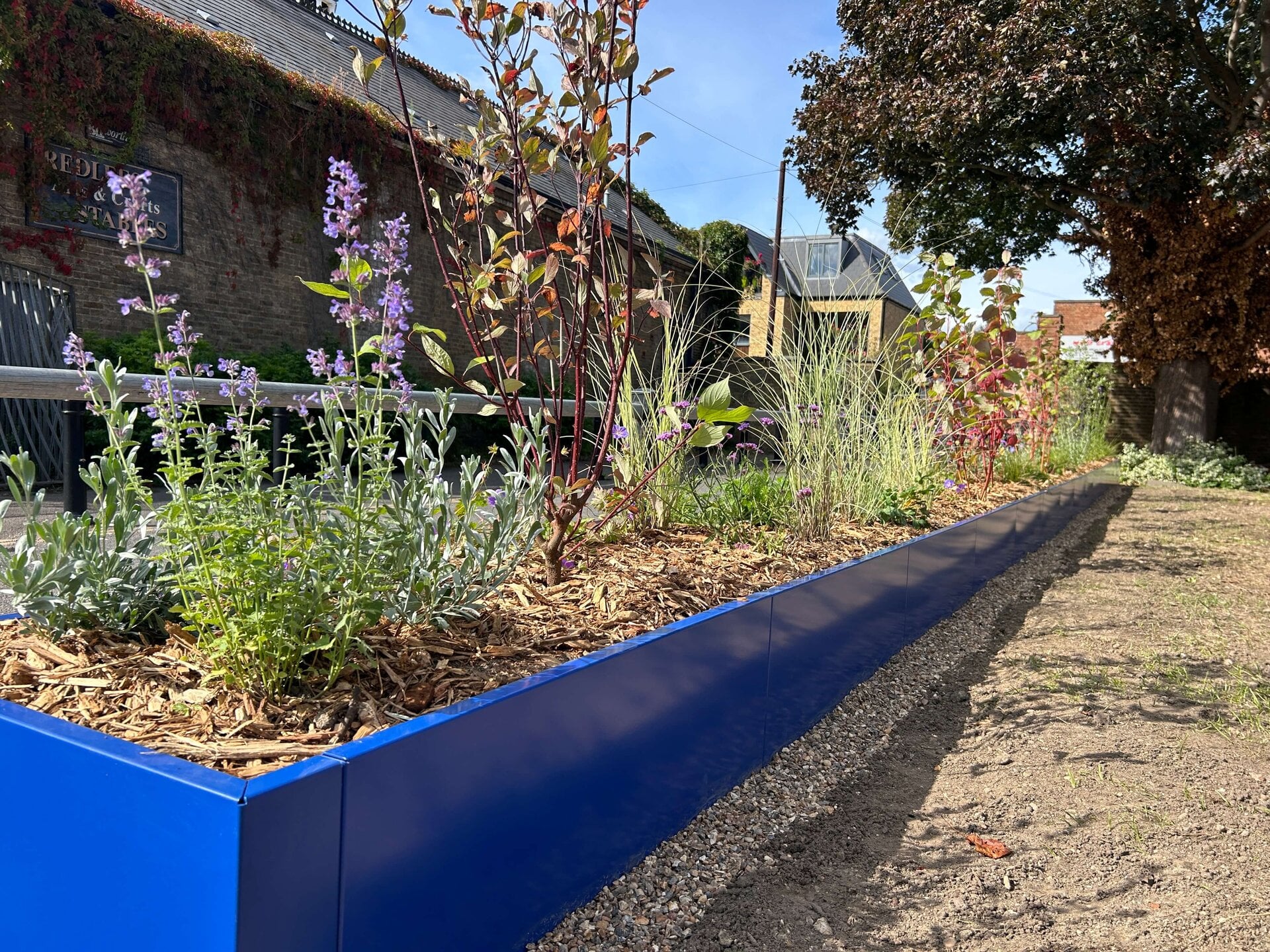
In partnership with Hackney Council, we transformed a short section of Marvin Street in Hackney, into a pocket park centred around a planted rain garden. Designed to manage surface water and increase biodiversity, the space replaced grey tarmac with greenery, offering a more inviting, climate-resilient route for pedestrians and passers-by.
Function meets wellbeing
Green infrastructure has the power to do more than just manage rainwater. When thoughtfully designed it can also create spaces for people to gather and connect with the natural world, even in the heart of the city.
 Before- Kenilworth Green Nature Garden
After - Kenilworth Green Nature Garden
Before- Kenilworth Green Nature Garden
After - Kenilworth Green Nature Garden
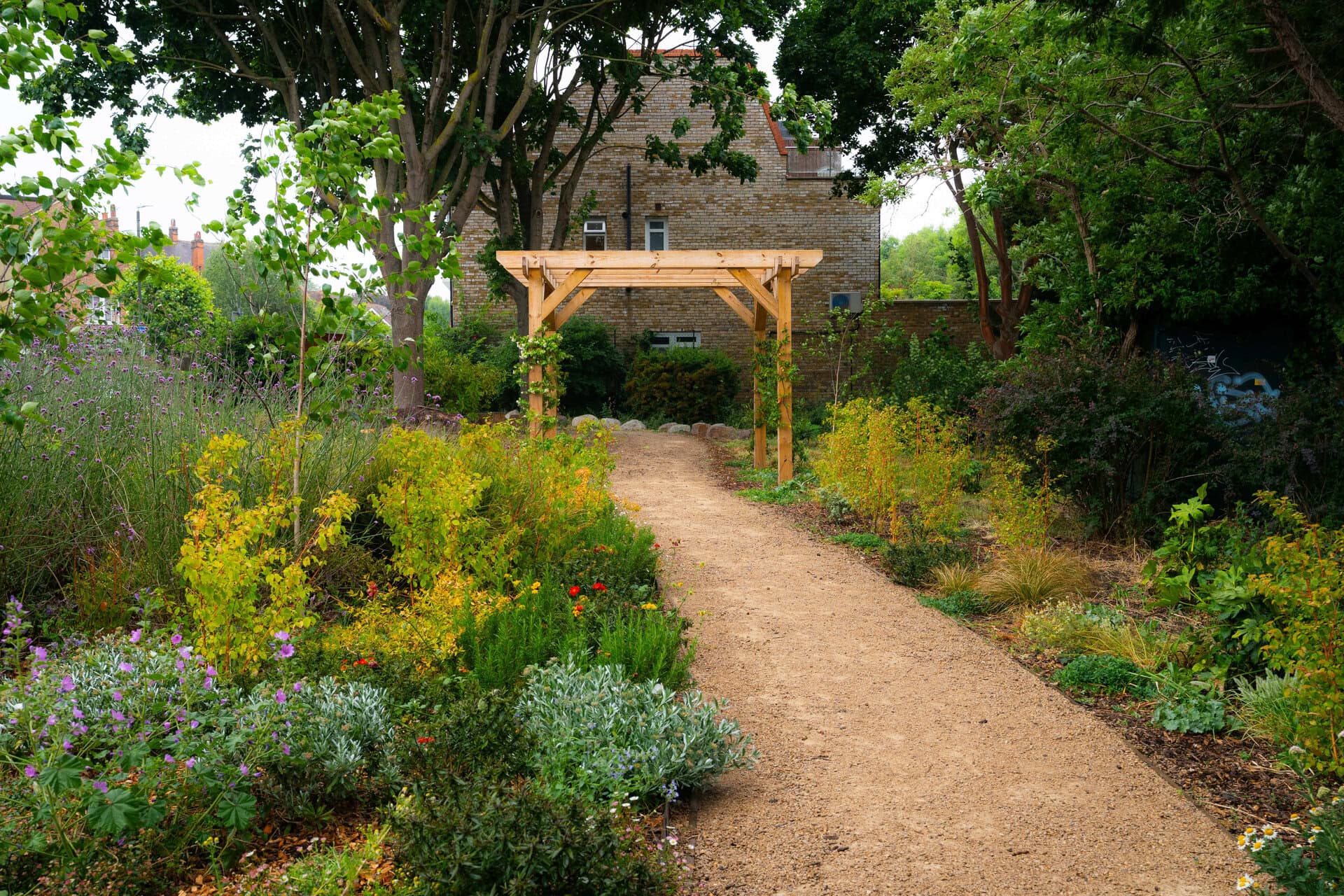
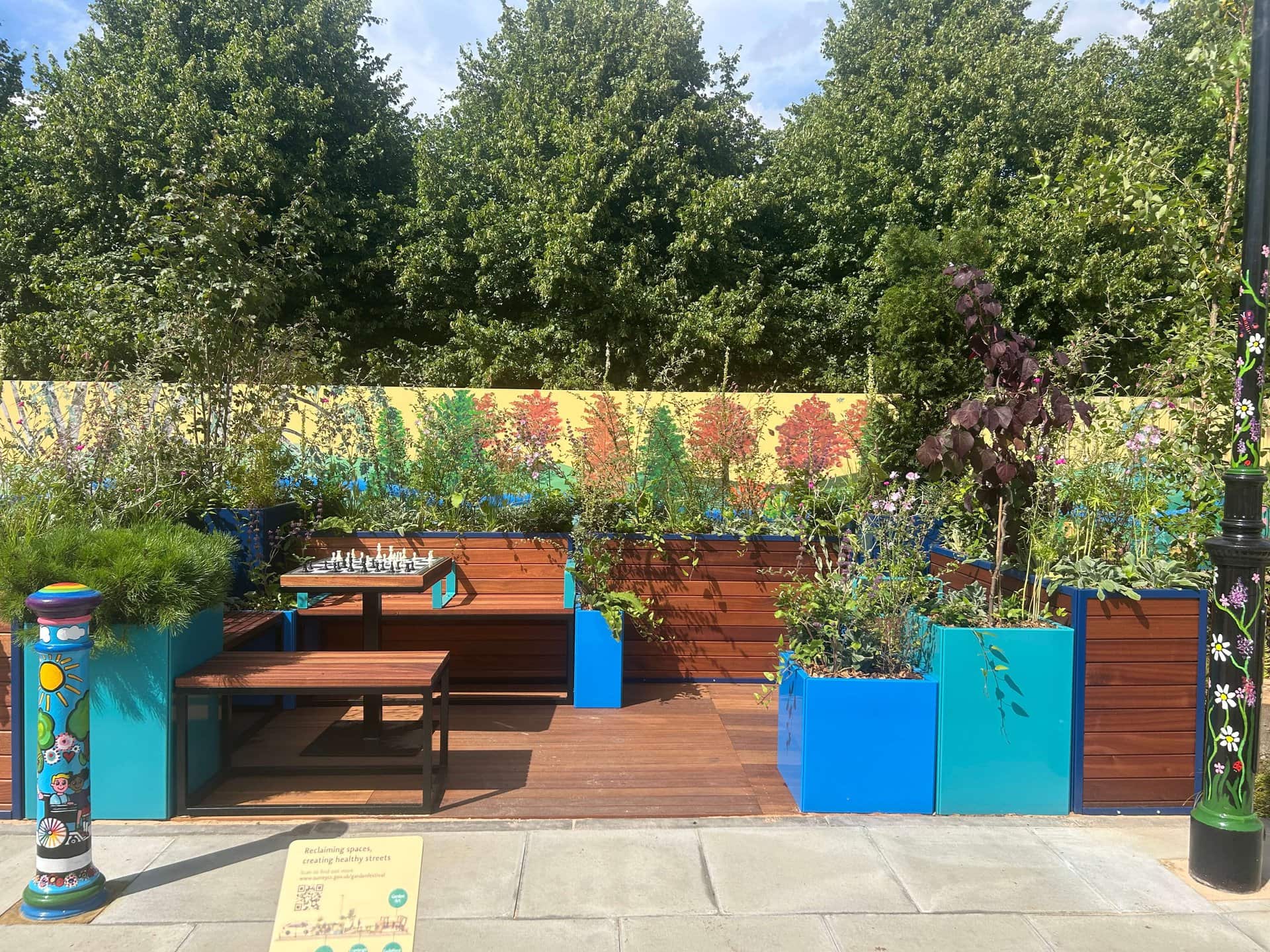
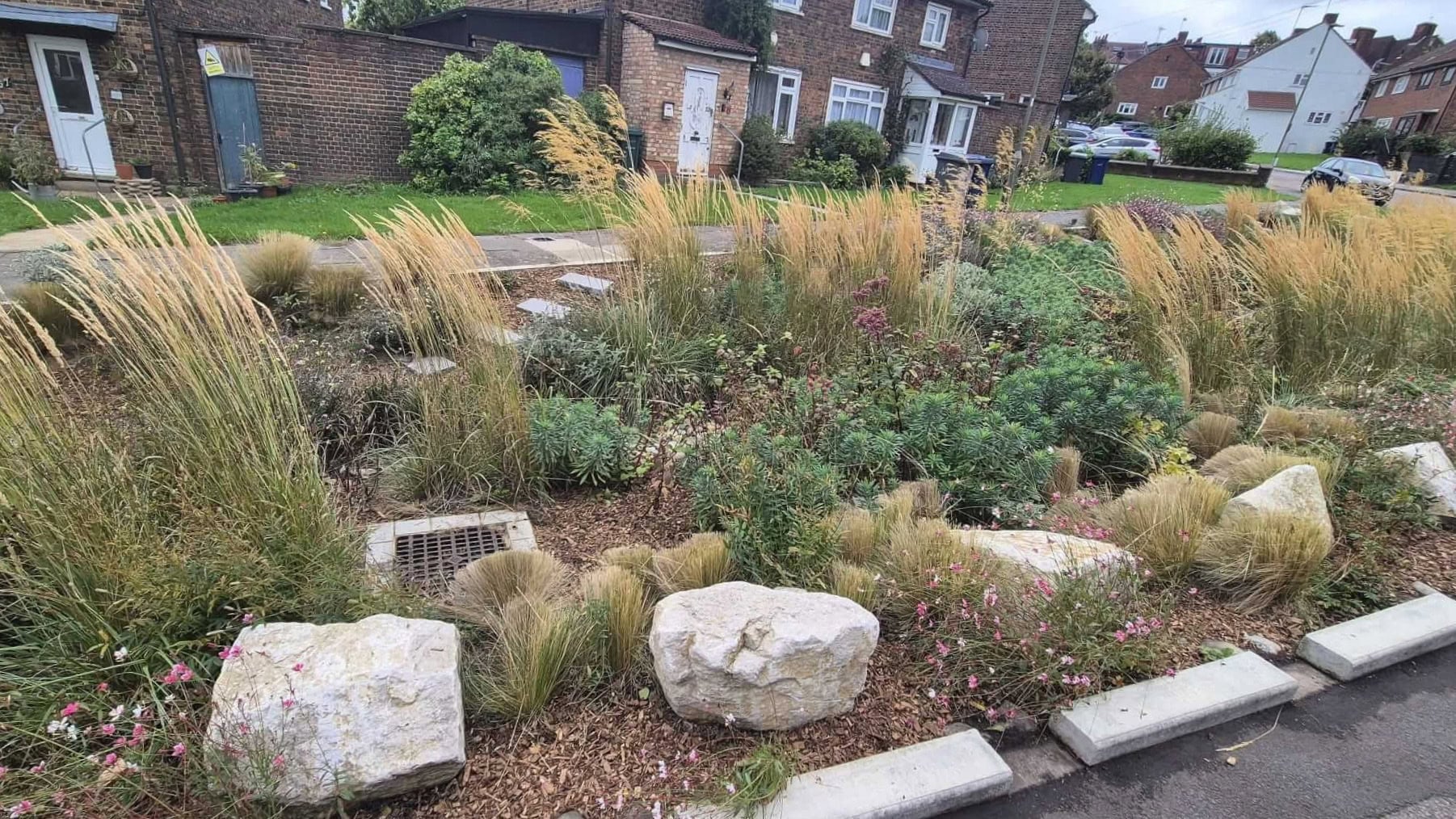
In this Kenilworth Green Nature Garden project, we worked with Merton Council to transform an overgrown and underutilised corner of the borough into a functional nature garden complete with a pergola, petanque court and a large rain garden. This installation not only functions to mitigate flood risk, but it has created a vibrant and engaging community space that supports wellbeing and encourages human-nature connection.
Kenilworth Pocket Park, Merton Council
Projects like Marvin Street and Kenilworth Nature Garden show how even small interventions can help cities like London adapt to the growing threat of flash flooding. By transforming underused, grey corners into green, functional spaces, we can manage surface water more sustainably while creating places people enjoy, pass through and connect with.