
About us















Sectors
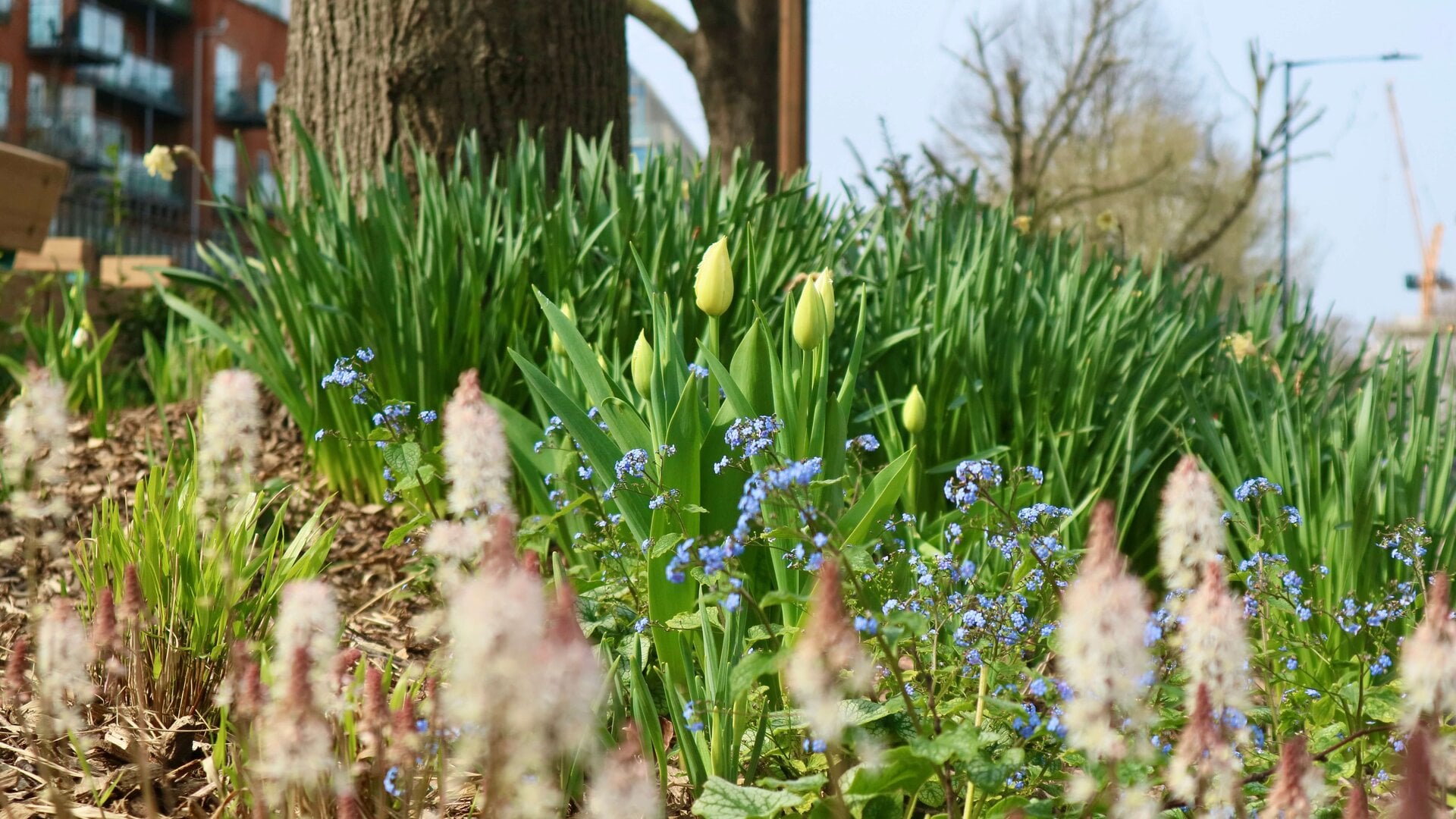
Residential Green Spaces
Tailored indoor and outdoor garden designs for residential properties to create inspiring, sustainable environments.


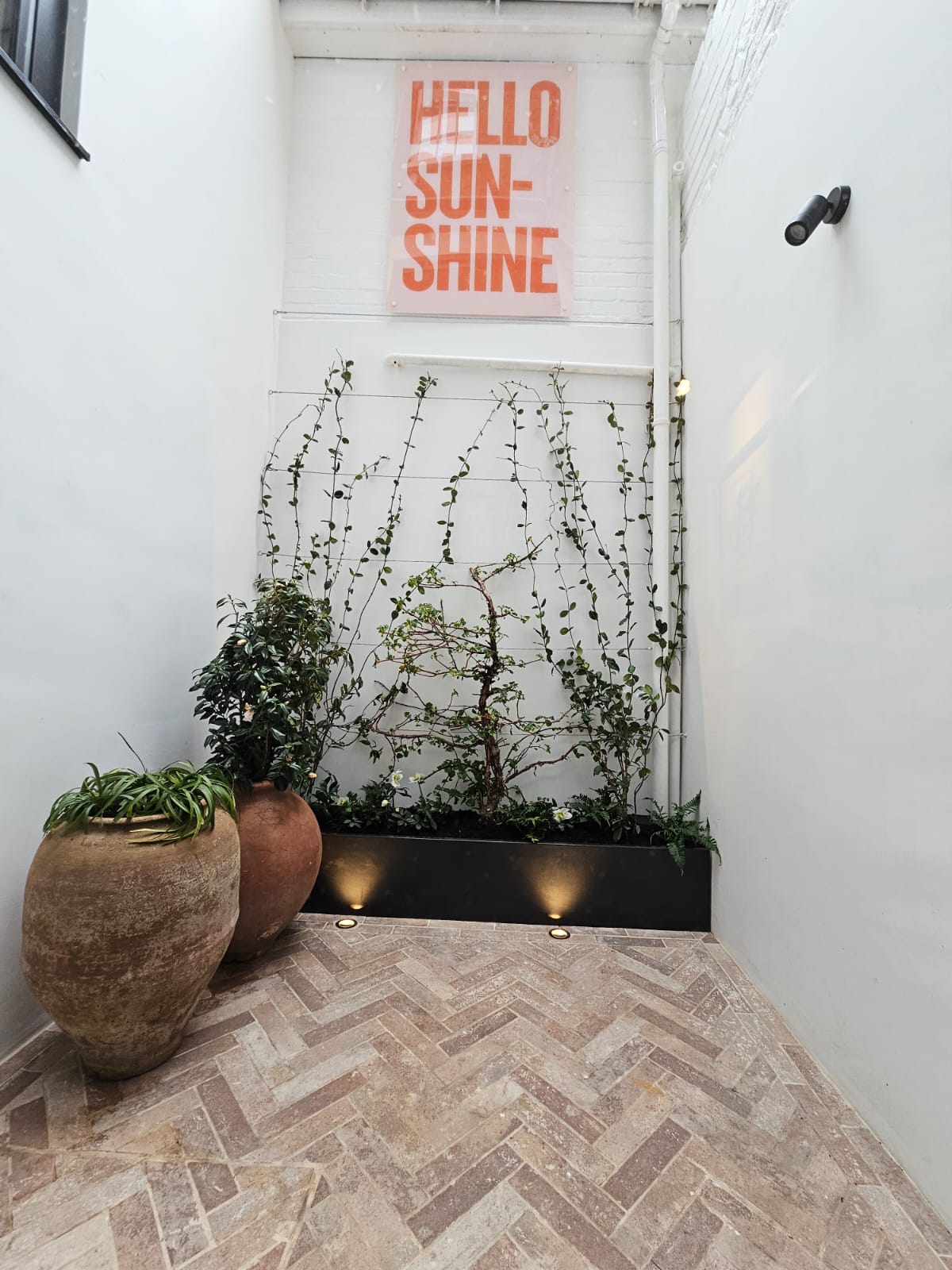
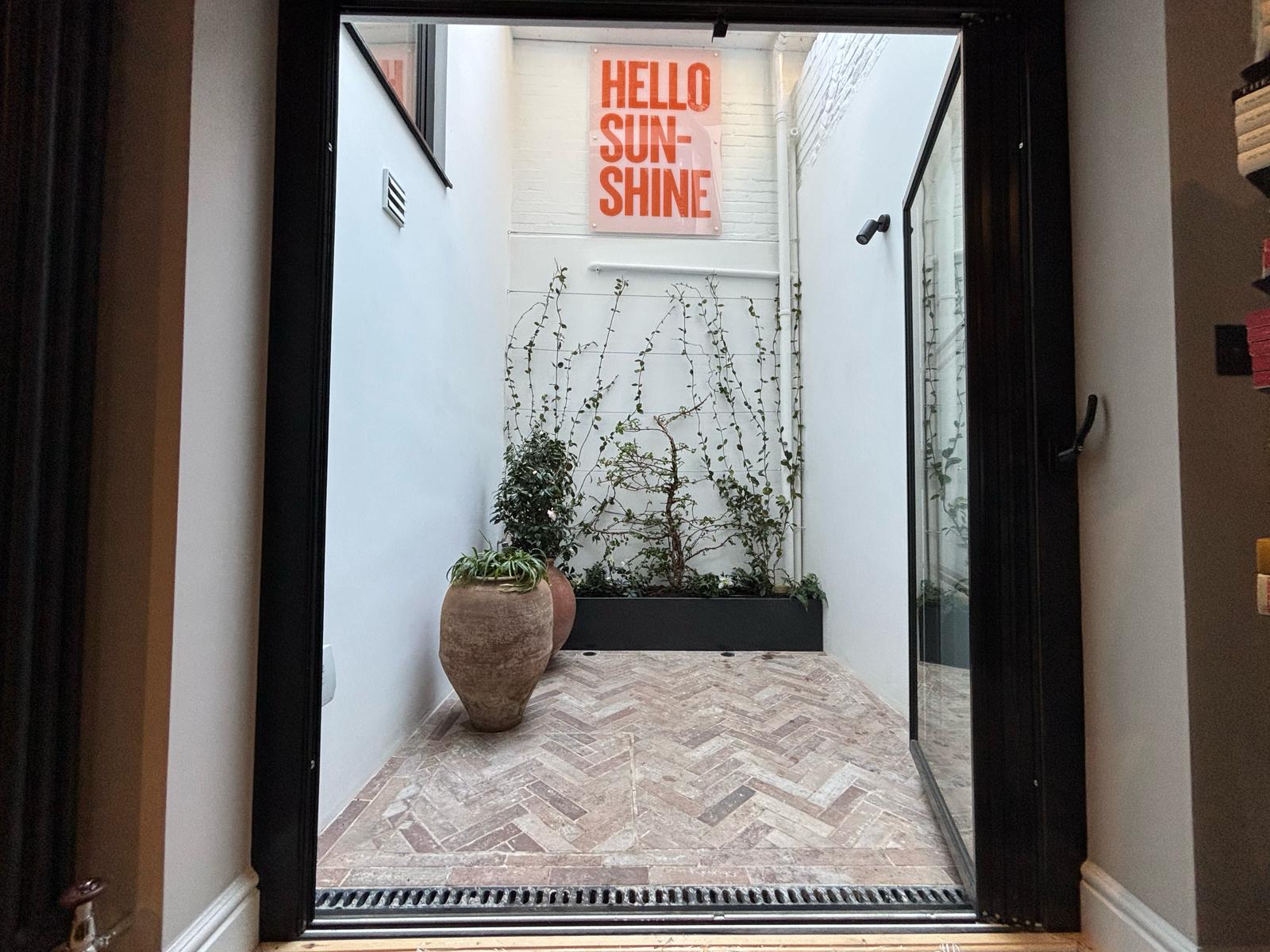
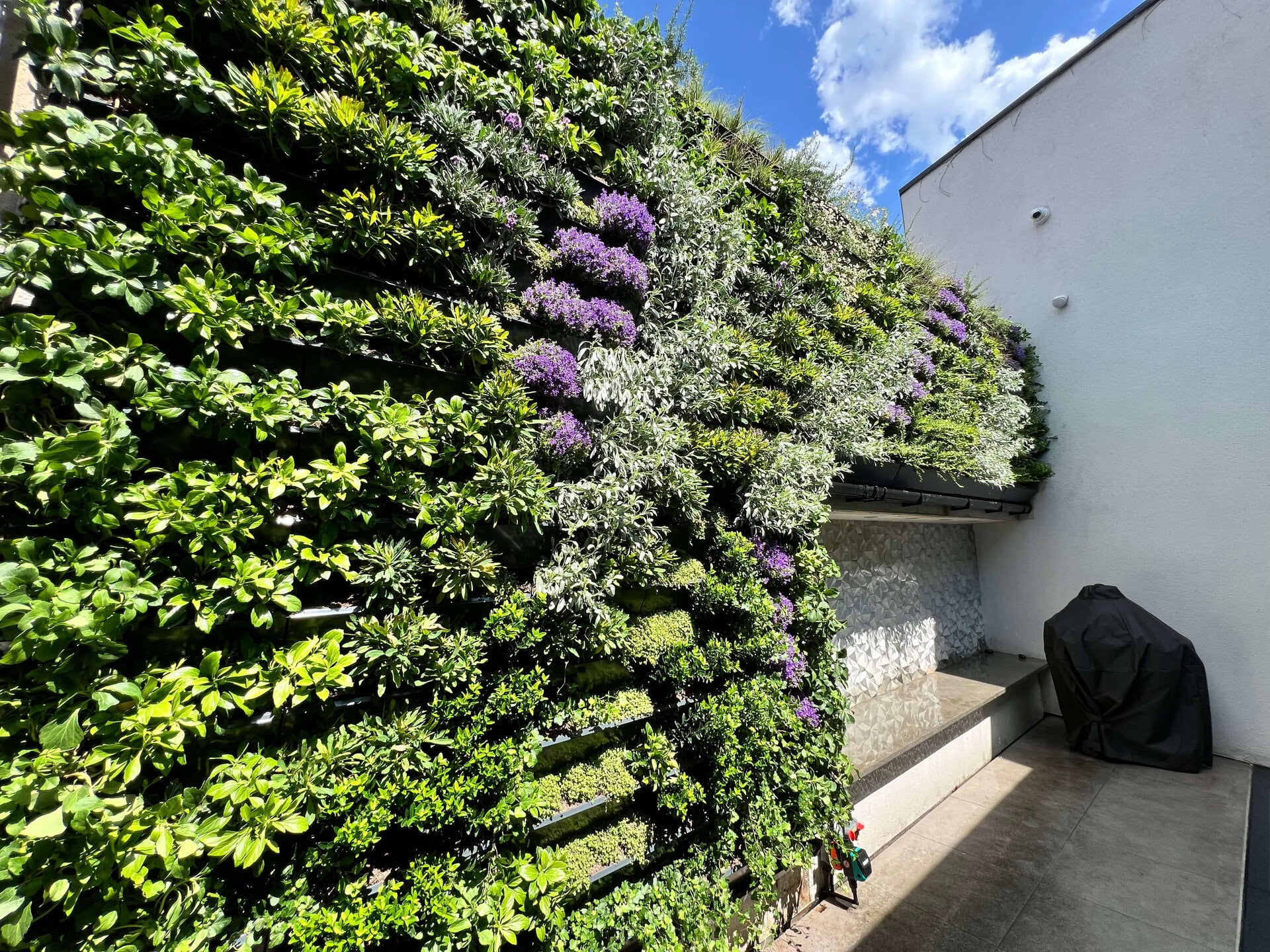
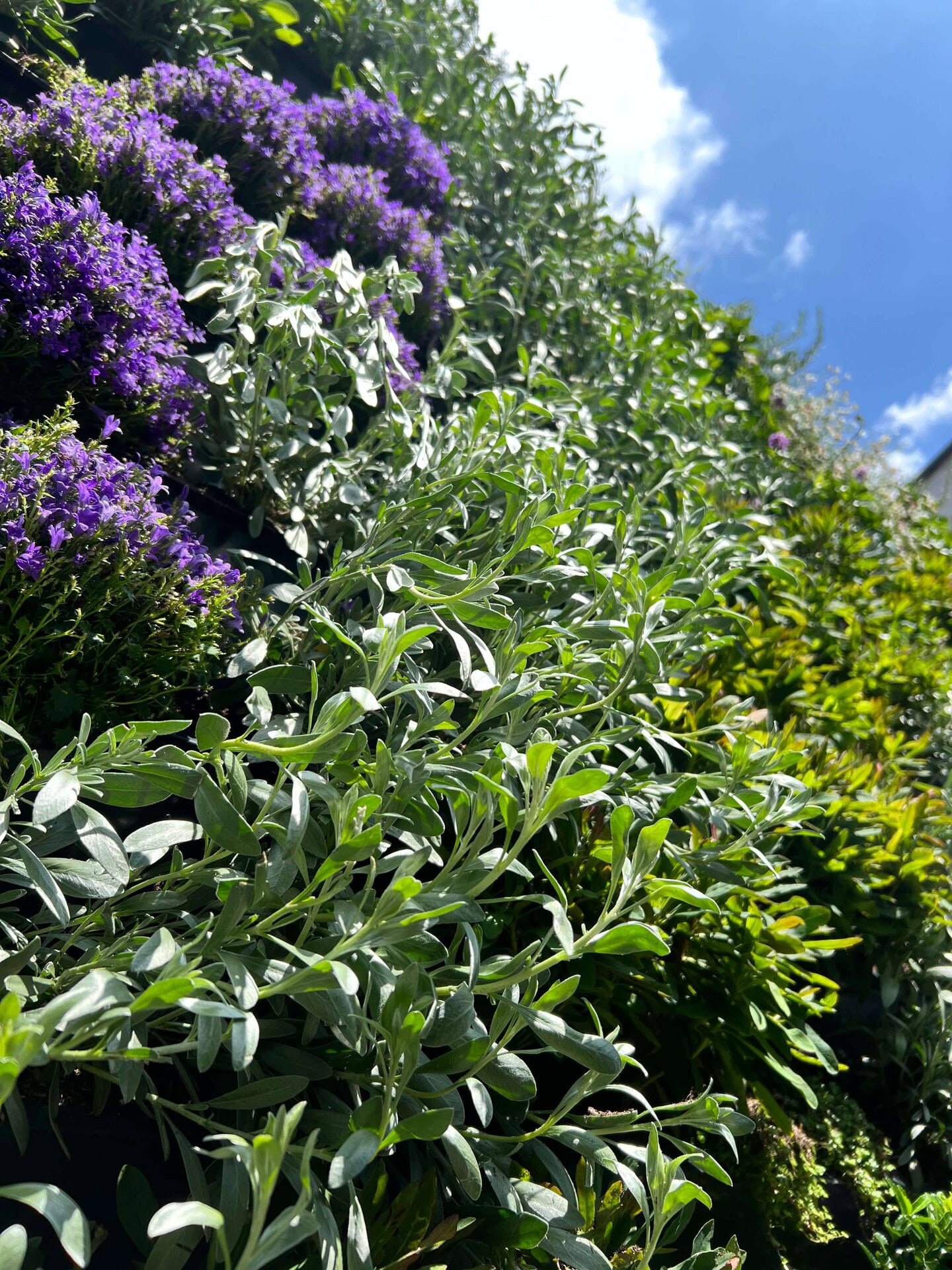

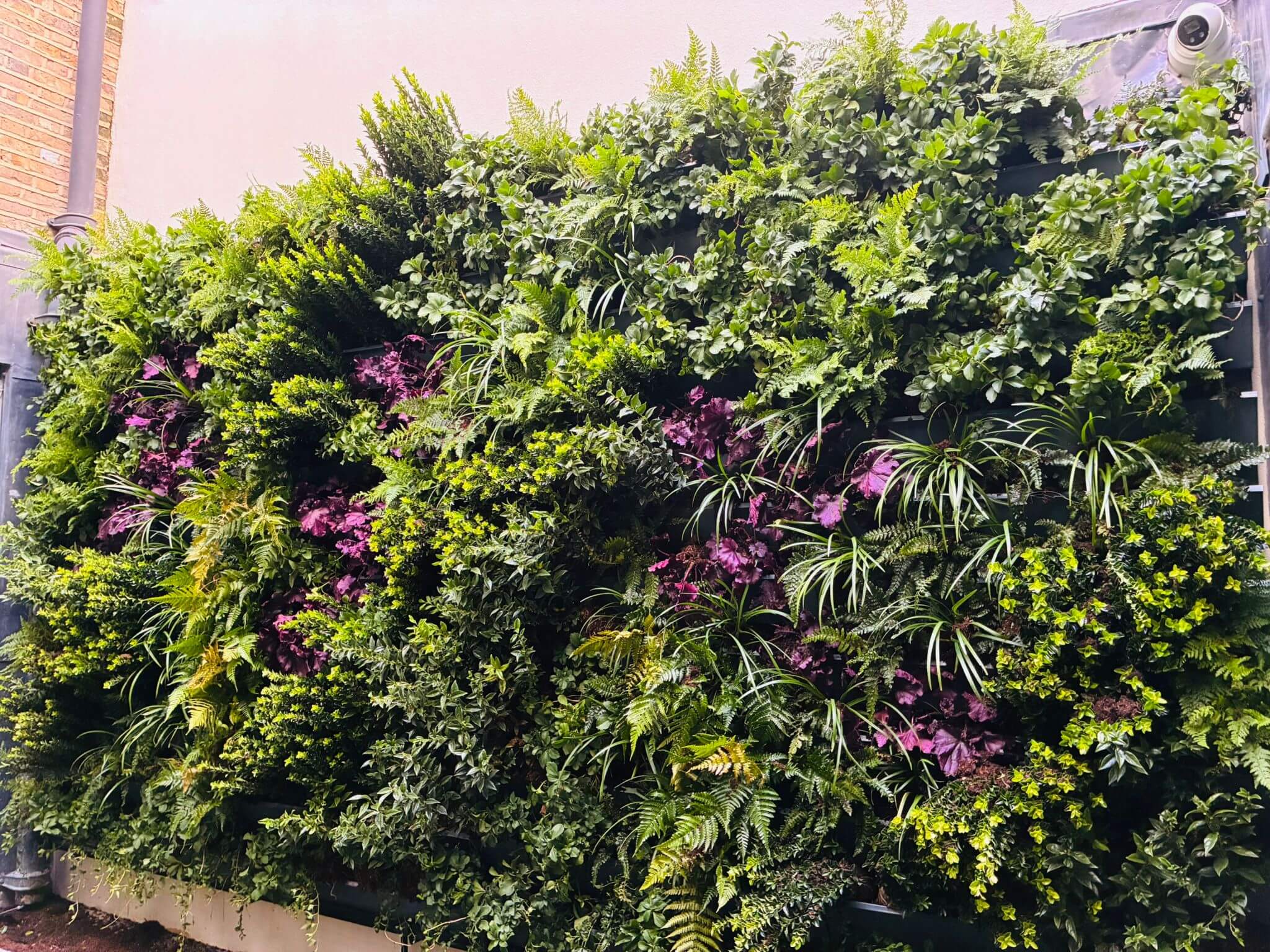


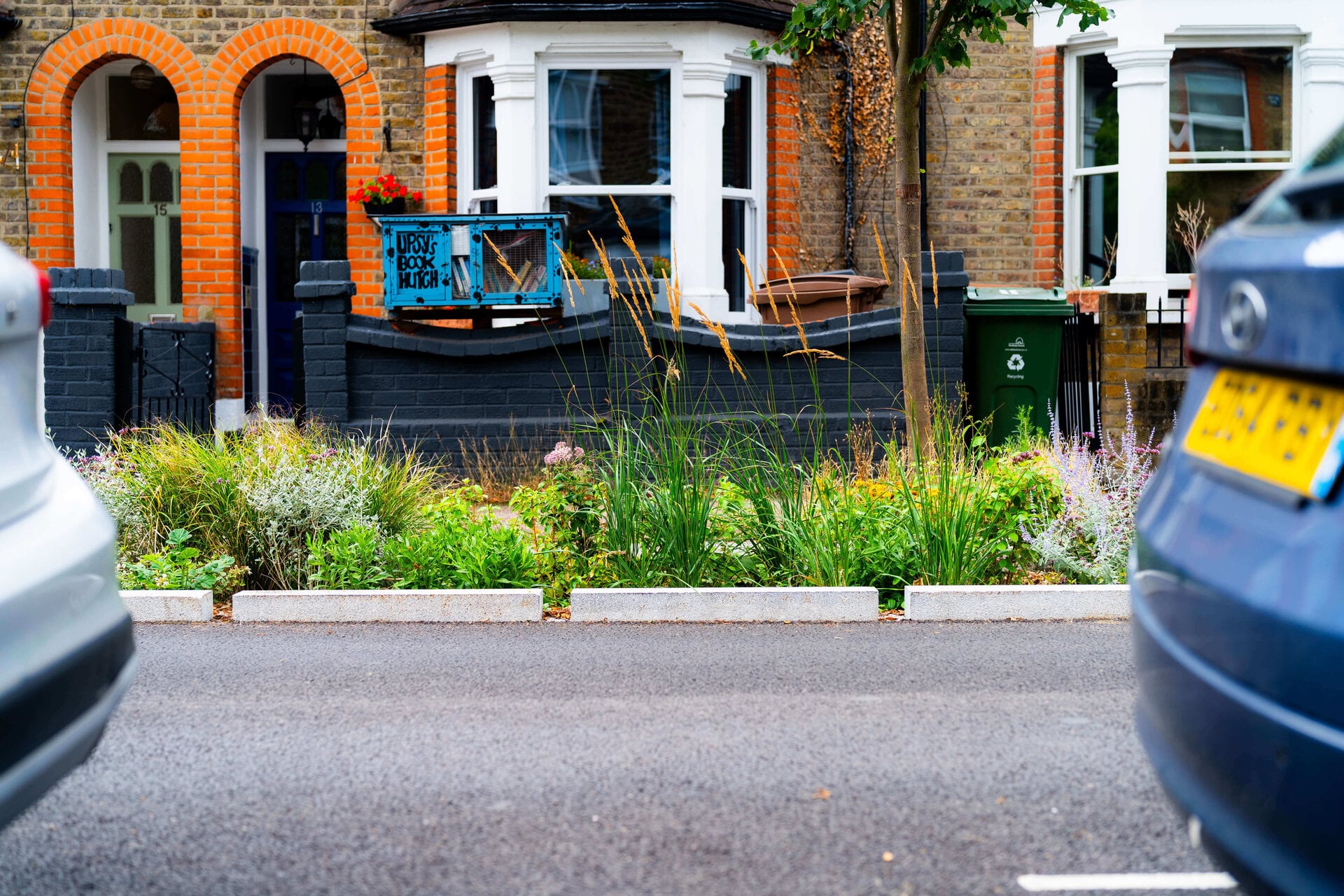


We are dedicated to enriching your home into a beautiful, thriving oasis. Whether you’re enhancing indoor spaces with plants, designing a garden, installing a living wall, creating a rooftop garden, or refreshing your entrance, our skilled designers will work with you every step of the way.
Each project is tailored to reflect your vision, bringing beauty, functionality, and inspiration to your environment.
Connection with nature
Surrounding yourself with plants transforms your space into a calming retreat, enhancing your daily wellbeing and grounding you in the tranquillity of nature.
Biodiversity support
Plants provide essential habitats for diverse wildlife, including birds, insects, and beneficial pollinators, contributing to a healthier ecosystem.
Enhances aesthetic appeal
Bringing plants into your home and garden offers a unique blend of beauty and vitality that can transform your space.
Improves Air Quality
Plants naturally filter pollutants, absorb carbon dioxide, and release oxygen, enhancing the air you breathe.
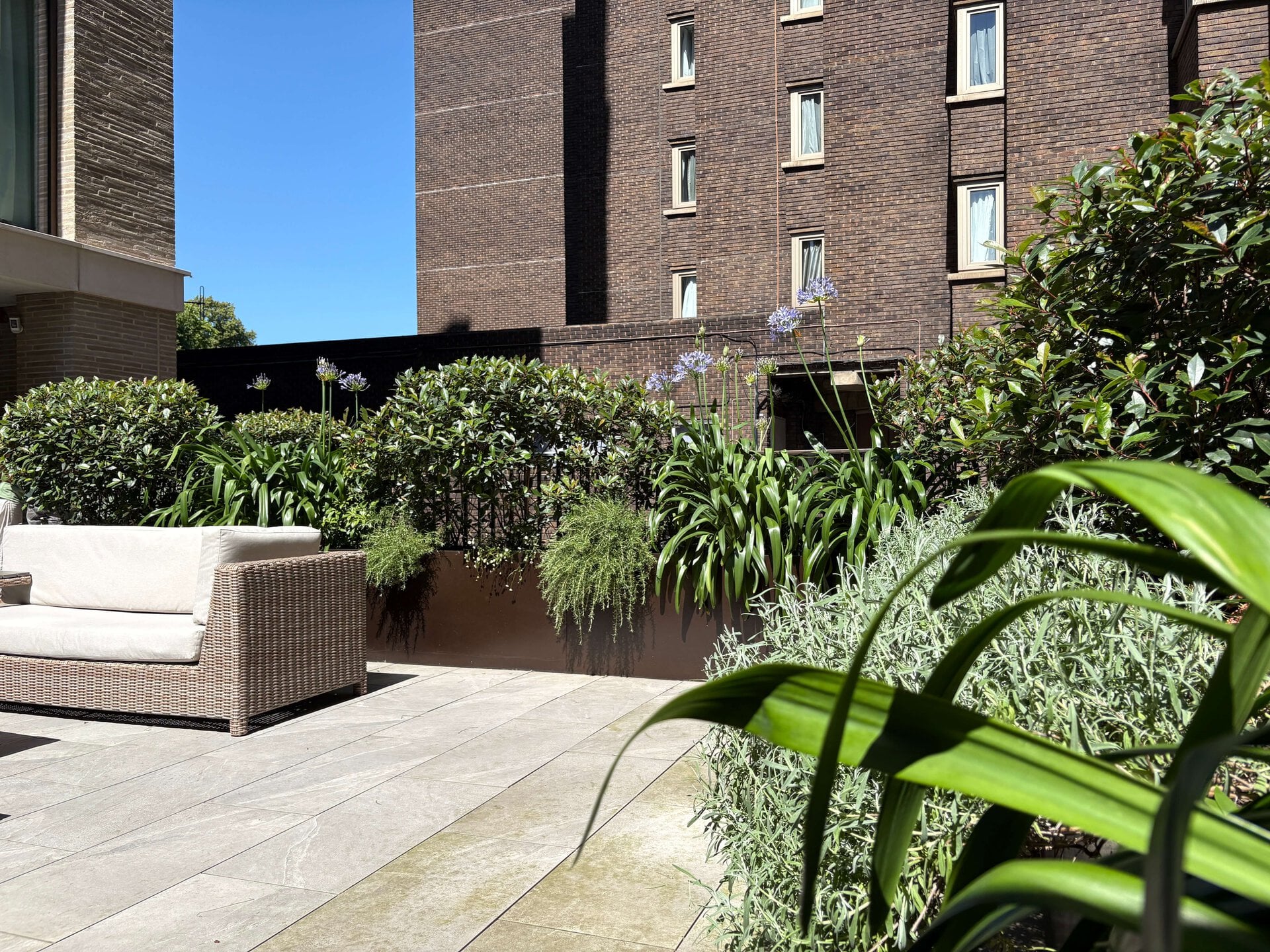

Residential Living Walls
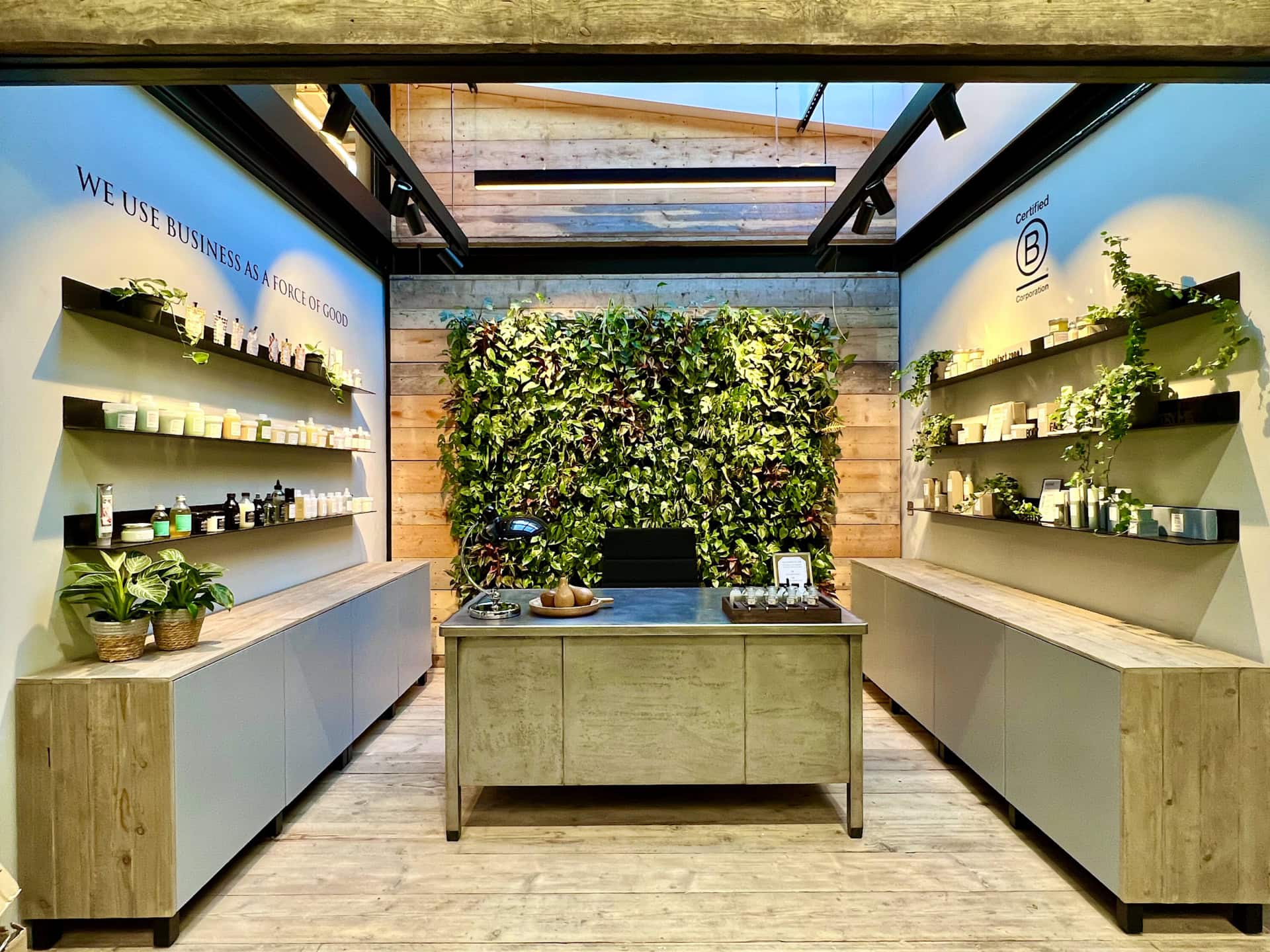
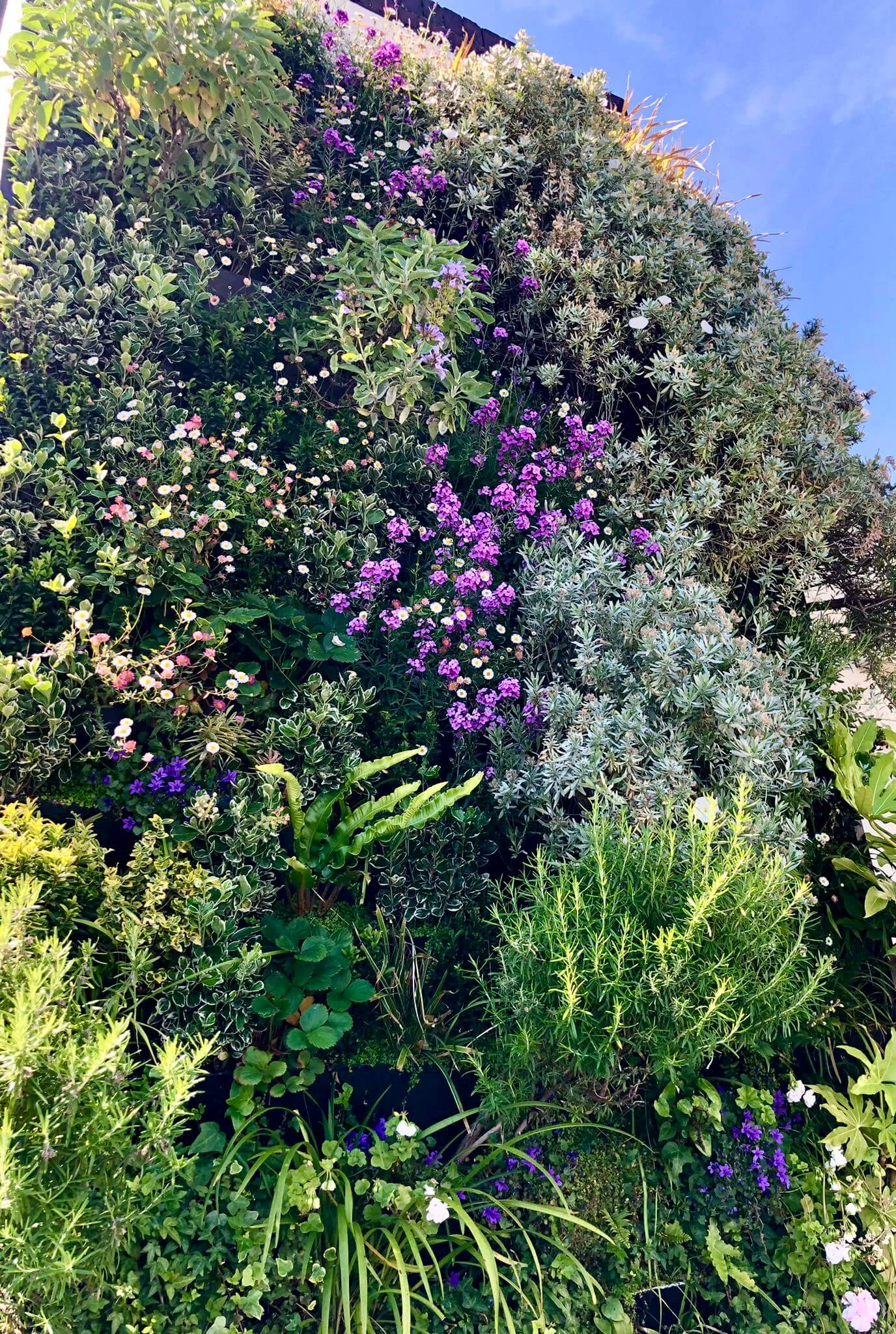
We design our living walls with precision and skill, ensuring a lush, seamless tapestry of plants that delights at eye level.
To keep your wall vibrant year-round, we select 90% evergreen plants, thoughtfully layered with varied textures to maintain fullness, even through winter. For seasonal splashes of colour, we incorporate perennials among the evergreens, ensuring your wall remains rich and captivating every season.
Our approach minimises bare patches, delivering a lush, thriving living wall that looks beautiful all year.
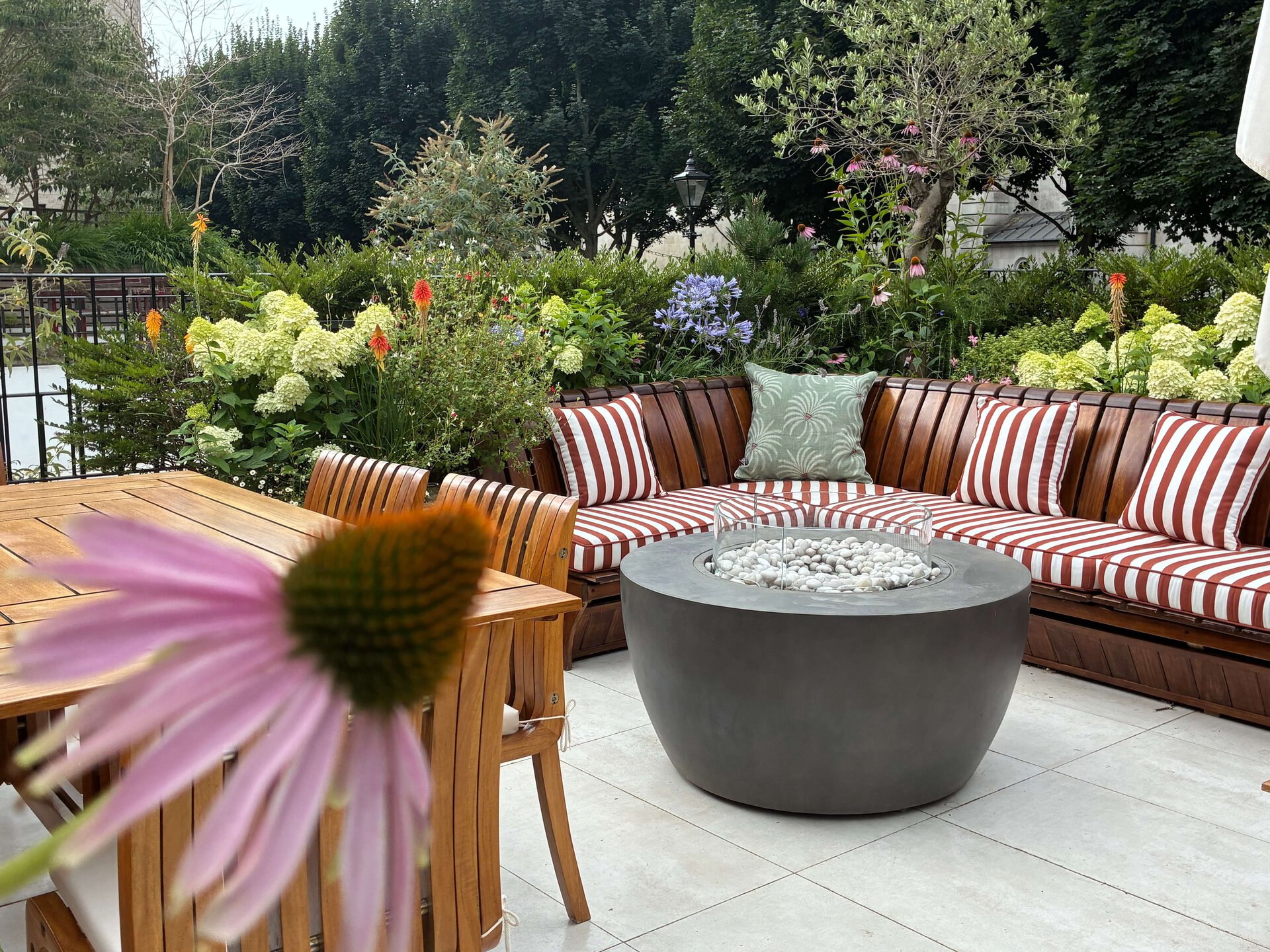
Bespoke Gardens for residential properties
At Meristem Design, we design gardens because we believe in the magic that green spaces can bring to your life. We love transforming spaces into a personal retreat where you can unwind, connect with nature, and find joy in everyday moments.
We’re passionate about creating beautiful, vibrant and functional gardens that reflect your unique style and enhance your wellbeing, making your outdoor space a true extension of your home whilst boosting biodiversity and improving air quality.
Featured products & services
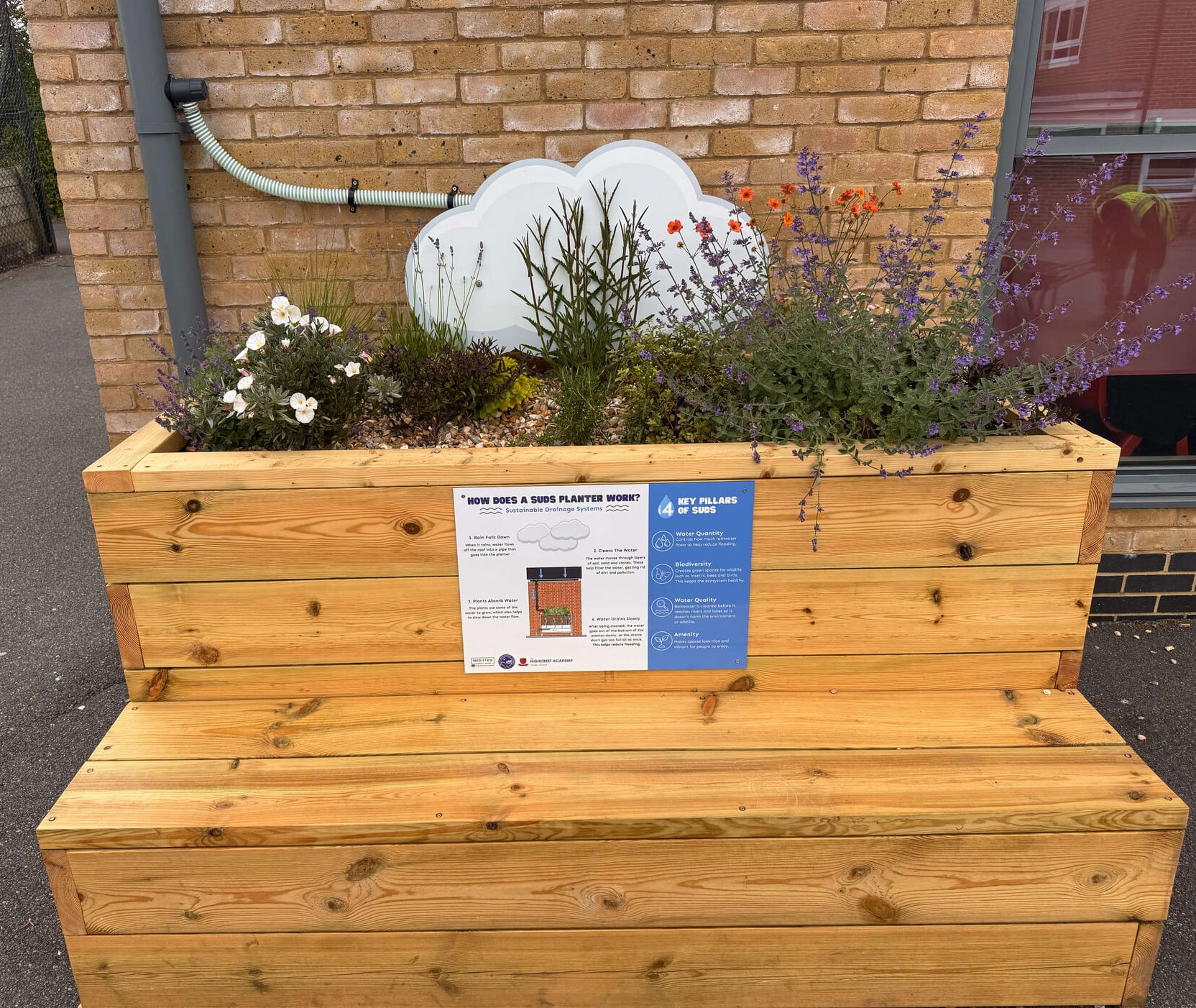
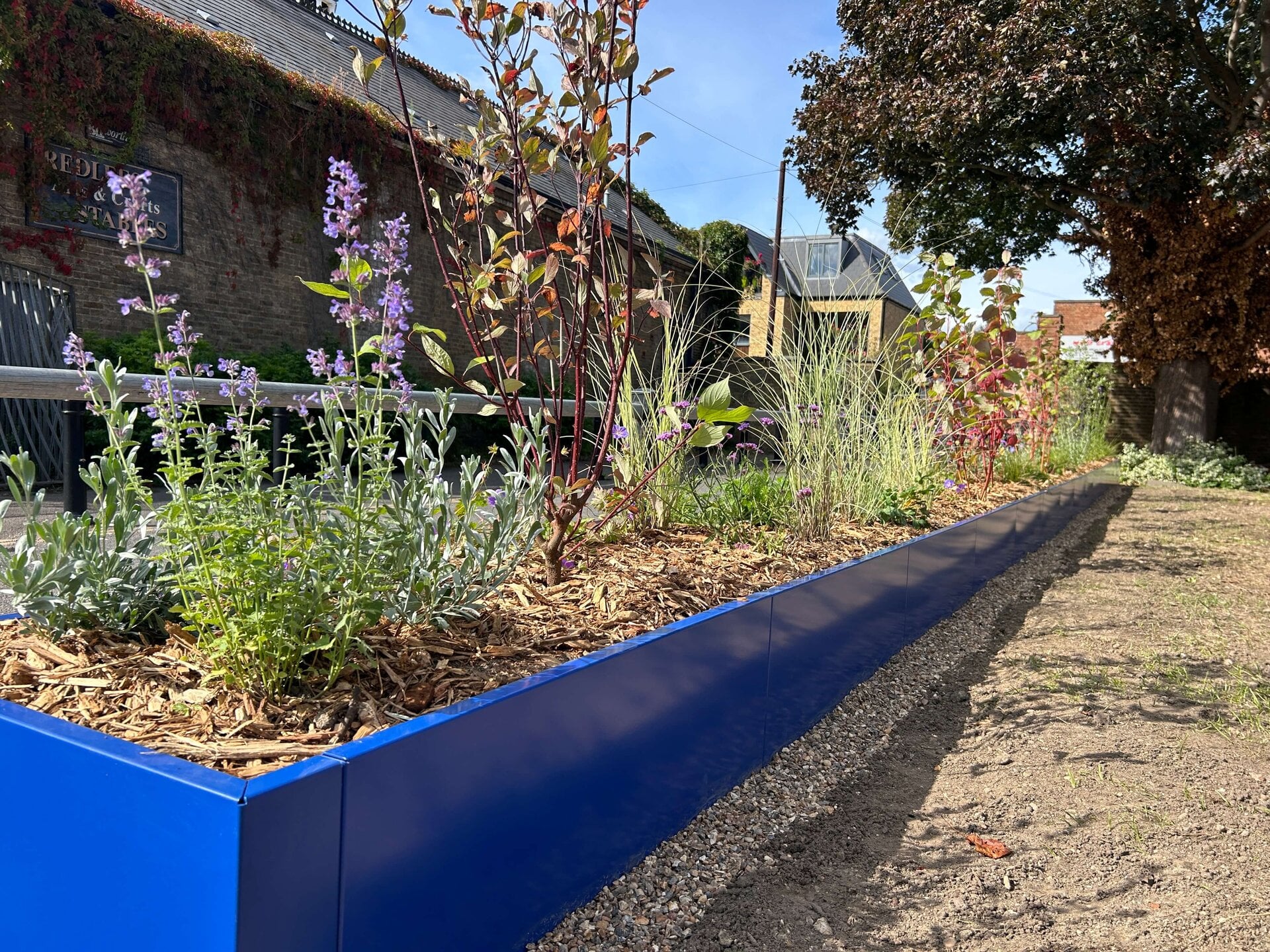
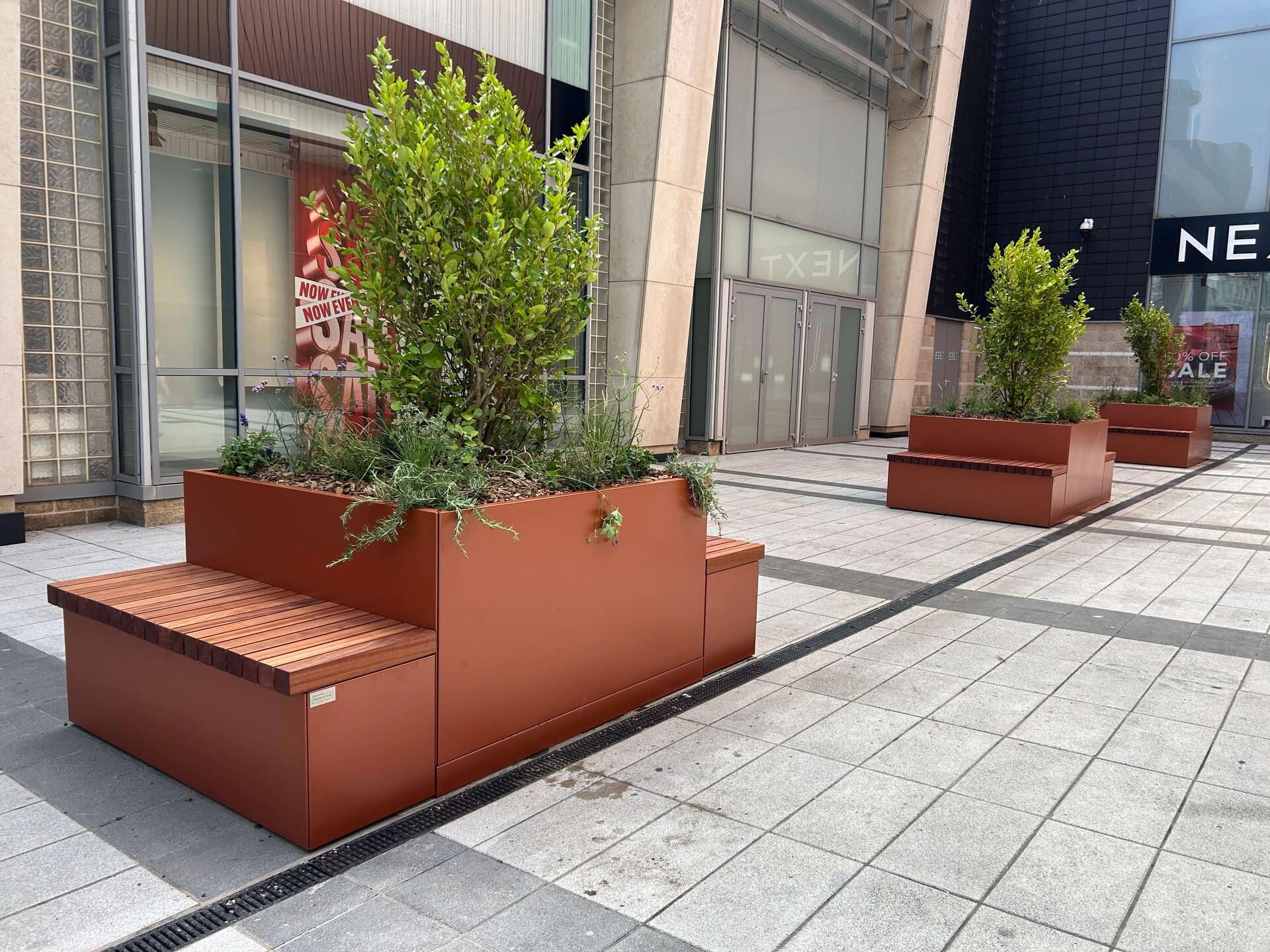
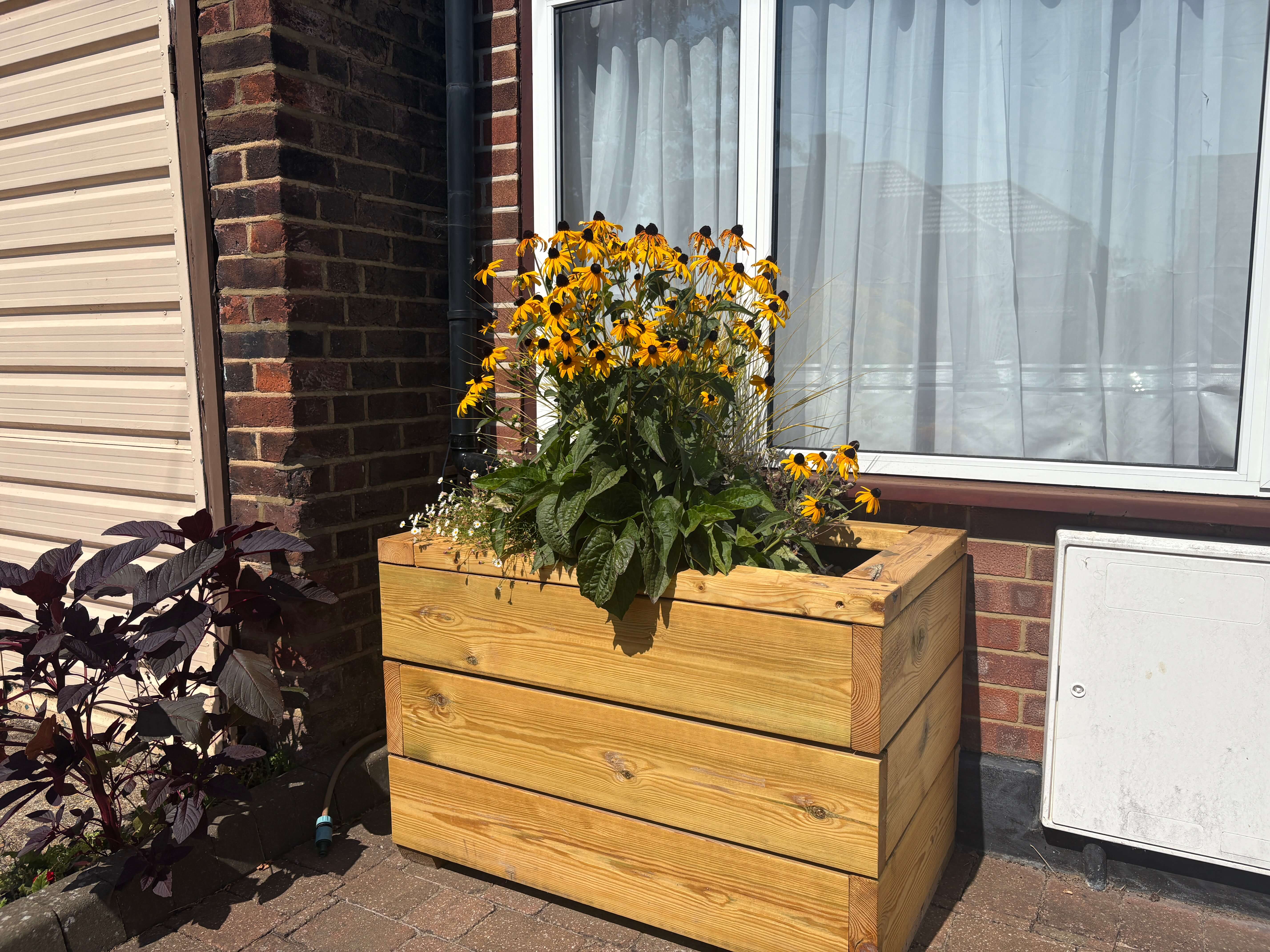
To ensure your plants thrive, we offer high-quality pots and bespoke planters designed to enhance both indoor and outdoor spaces. Our planters are crafted with durability and style in mind, providing a beautiful, bespoke touch to brighten any environment.
Our living wall system was developed in the UK by our team of designers and horticulturalists. It is available in galvanised and powder-coated steel. It features integrated irrigation lines laid along each channel for efficient and controlled delivery of water and optimum plant growth.
Our maintenance services ensure your green spaces remain vibrant and healthy year-round. Through regular plant healthcare, precise pruning, thoughtful seasonal planting, and nutrient-enriched fertilising, we nurture every plant to its fullest potential.
With our plant expertise, we can transform your indoor spaces, gardens, and vertical surfaces into thriving, vibrant areas uniquely tailored to each environment.
Get in touch
If you like what you've seen and want to learn more about how this could work in your setting, please get in touch.
"*" indicates required fields
Frequently Asked Questions
How do I get started on a residential garden or planting project?
Get in touch with our team, or view our brochure for further inspiration.
Will my garden or planting scheme be tailored to my personal style?
Yes. Every project is designed to reflect your individual vision and feel genuinely personal to you and your home.
Can residential planting support local wildlife and biodiversity?
Yes. Plants provide habitats for wildlife, including birds, insects and beneficial pollinators, contributing to a healthier local ecosystem.
Do plants really improve air quality at home?
Yes. Plants naturally filter pollutants, absorb carbon dioxide and release oxygen, enhancing indoor air quality.
How does bringing plants into my home benefit my wellbeing?
Surrounding yourself with plants can transform your space into a calming retreat, helping ground you in the tranquillity of nature.
Can you help with rooftop gardens?
Yes. Rooftop gardens are one of our core residential services, bringing greenery to spaces that might otherwise go unused.
What is a bespoke garden design service?
It's about transforming your outdoor space into a personal retreat, tailored to your unique style - beautiful and functional, and designed as a true extension of your home.
Do you design both indoor and outdoor spaces?
Yes. Whether you're bringing greenery indoors, redesigning a garden, installing a living wall, creating a rooftop garden or refreshing an entrance, our designers work with you at every stage.
What residential services does Meristem Design offer?
We work with homeowners on both indoor and outdoor garden design, including bespoke gardens, living walls, rooftop gardens, entrance planting and indoor plant schemes, tailoring each project to reflect your vision and space.
How do I choose the right plants for my space?
We consider soil type, sunlight, maintenance needs and biodiversity goals when selecting plants to ensure visual appeal and long-term success.
What is a living wall?
A living wall – also called a green wall, plant wall, or vertical garden – is a vertical structure covered with living plants, providing a sustainable and creative way to bring nature into urban spaces.
Can you help with both landscape design and installation?
Yes, we can work with existing designs, collaborate with your team, or offer a full service tailored to your space.
What type of landscaping projects do you work on?
We work across public realm, commercial and community spaces, including streetsides, schools and green infrastructure projects.
What are the benefits of landscaping in urban spaces?
Landscaping can increase biodiversity, reduce surface water runoff, improve air quality and create spaces that are more attractive, welcoming and usable for people.
What’s the difference between hard and soft landscaping?
Soft landscaping focuses on living elements like planting, trees and turf. Hard landscaping includes structural features such as paving, edging and decking.
Can we install living walls or planters in small spaces?
Yes! We offer compact and vertical greening options like living walls and slimline planters that fit perfectly in small spaces, bringing greenery to balconies, patios, and even interior spaces.
How to select plants for residential spaces?
Our design team selects resilient, low-maintenance plant species that suit each project’s light, space, and care requirements. Our experience ensures the right plants are in the right place, creating a stunning and resilient space for you.
Can residential urban greening help soundproof homes?
Absolutely. Green walls for example help absorb sounds and reduce noise levels, making them an ideal choice for creating a quieter indoor or outdoor space in residential properties.
Can urban greening help reduce energy costs?
Yes, plants can provide insulation that help keep buildings cooler in summer and warmer in winter, potentially reducing heating and cooling costs.
Latest Residential news
We are a group of designers, horticulturalists and ecologists who have a shared passion; to turn the grey green.
28th September 2026
Blogs
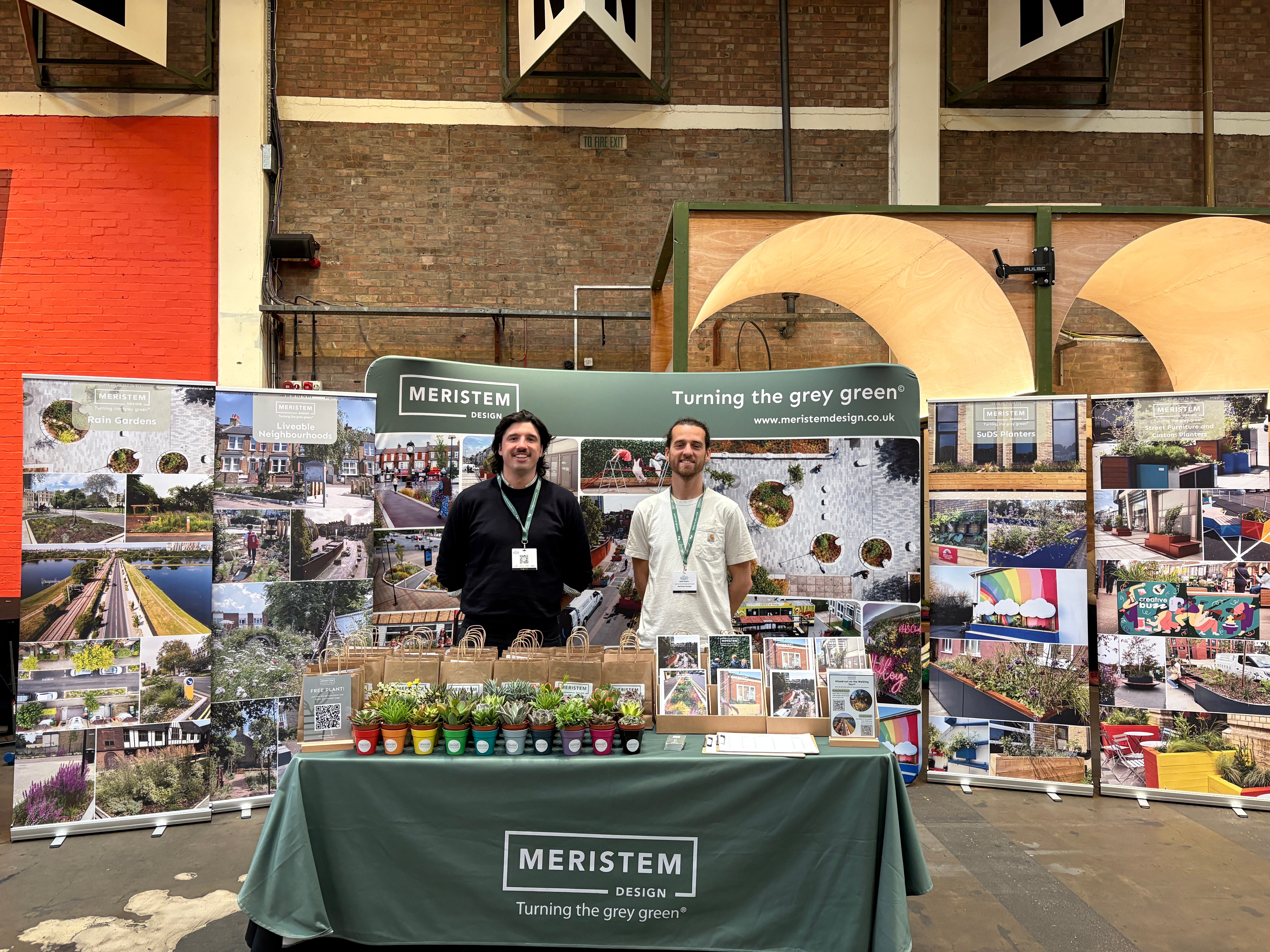
We're heading back to Liveable Neighbourhoods 2026
We're back at this year's Liveable Neighbourhoods conference. See who will be speaking and check out the event details....
31st July 2026
News
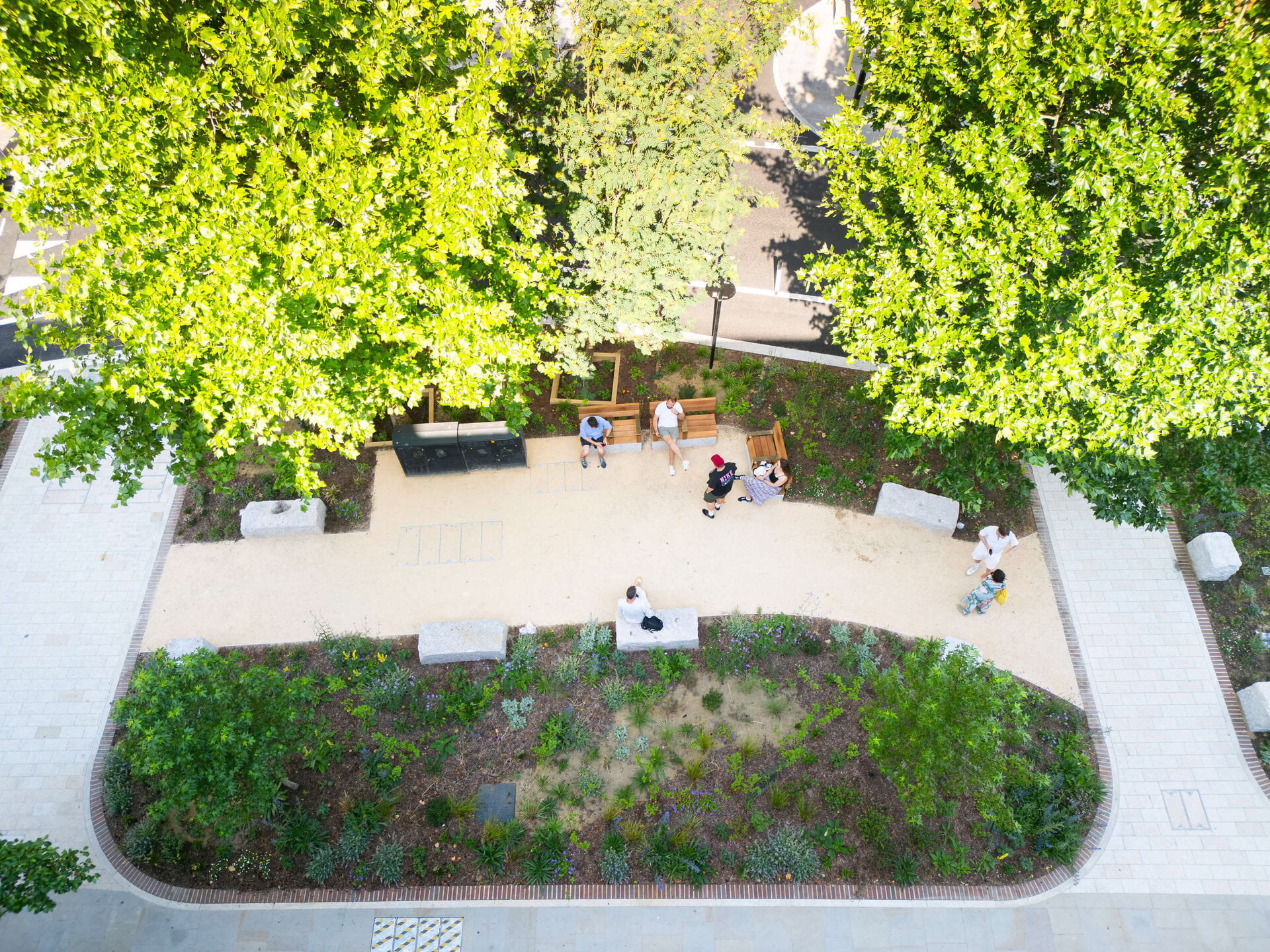
Meristem Design transforms LTN junction into an interactive rain garden in Hackney
From temporary scheme to permanent installation, find out how we transformed this residential junction in Hackney to be interactive, biodiverse and climate resilient....
23rd July 2026
Blogs
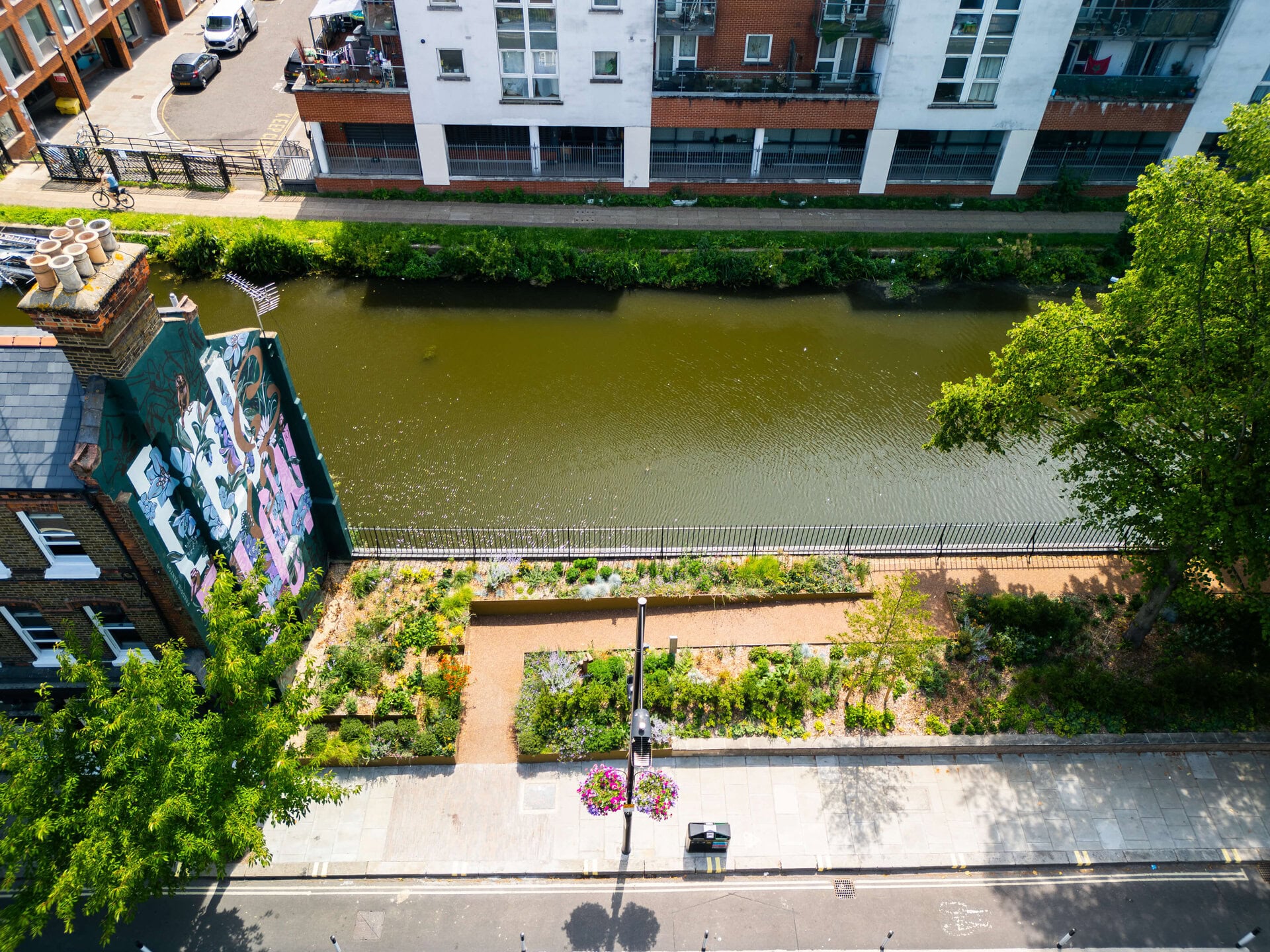
The urban challenge of solving residential flooding
Solving residential flooding can be very challenging. Read our case study examples and check out our toolkit that guides you through how to carry out a successful residential flood mitigation scheme....