Green Screens and Living Walls often get confused for one another and as more and more of our urban spaces are embracing greenery, it is important for us to solidify this distinction. However, while they may look similar at a glance, they serve very different purposes. Understanding the distinction helps ensure you choose the right solution for your space.
What is a Living Wall?
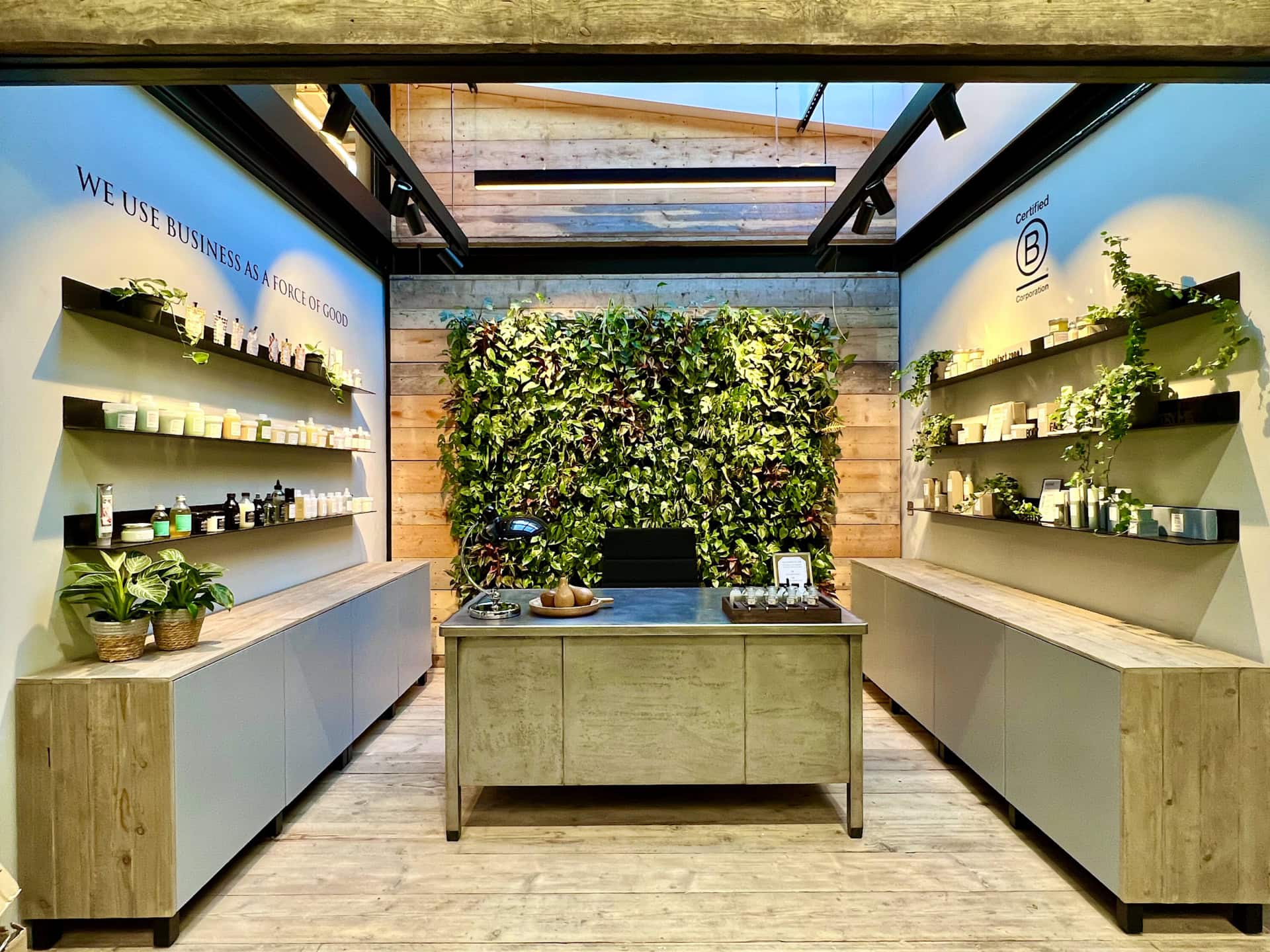
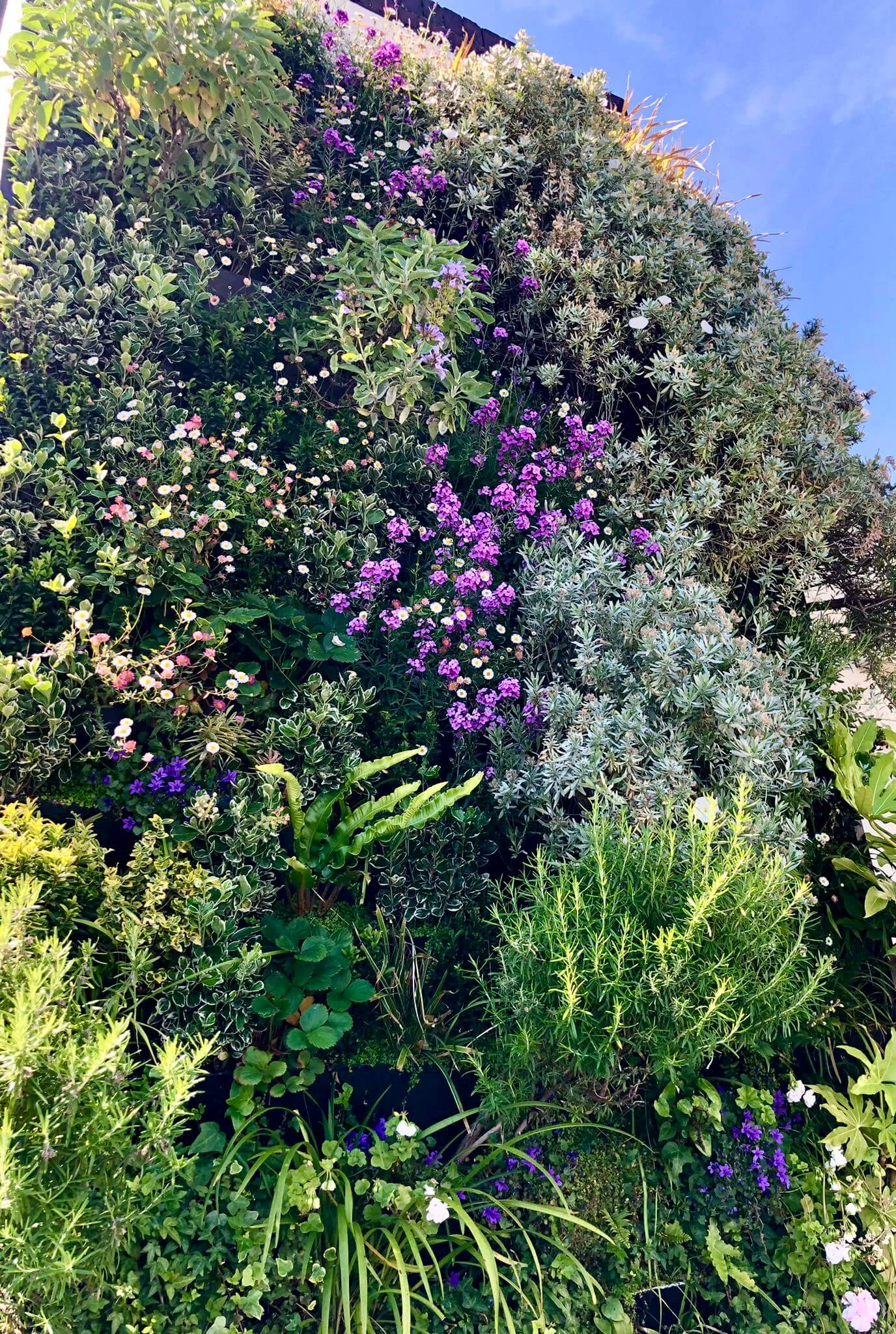
A living wall (or a green wall) is a decorative planting system designed to visually enhance a space. Installed directly onto a wall, it creates a lush single-sided feature that can transform blank or grey surfaces.
Beyond visual improvements, living walls are also known to improve wellbeing. Studies show that an increase in green and natural surroundings can boost productivity and the amount of time spent in a space.
Typically, living walls feature a diverse selection of plants that have been chose for texture, colour and seasonal variation.
 Living wall troughs at City Junior School
 Commercial living wall at Davines
What is a Green Screen?
A green screen, by contrast, tends to be a more functional installation. It is designed to act as a barrier to noise, air and visual pollution.
Green screens are usually double-sided structures and are often installed between spaces such as roads and pedestrian areas, or between schools and surrounding properties. They help to create a natural divide to improve both privacy and environmental quality.
Most green screens use climbing plants such as ivy, that are attached to a framework and are often mounted in a support system such as planters.
Green screen planters and structure - Knaphill School
 Green screen as barrier to air, noise and visual pollution - Hackney School
How to spot a Living Wall:
- Installed directly onto an existing wall surface
- Are made up of multiple troughs
- Designed to be viewed from one side
- Features a variety of plant species for visual impact
- Often used as a focal point in commercial or residential spaces
- Emphasis on design and experience
 Sussex Mews living wall - before
Sussex Mews living wall - after
Sussex Mews living wall - before
Sussex Mews living wall - after
How to spot a Green Screen:
- Typically planted with climbers such as ivy
- Often supported by a frame or trellis
- Commonly installed in planters at ground level
- Often used in repeated sections to form a continuous barrier
- Provides screening on both sides
Hackney schools green screens - before
 Hackney schools green screens - after
When should you use each?
Choosing between a living wall and a green screen depends on your goal.
If you are prioritising visual appeal and enhancing a space, a living wall will be the better option. It works in offices, hospitality, commercial and residential spaces where aesthetics are prioritised.
If your priority is screening, privacy and environmental enhancement, a green screen is more suitable. They are ideal for roadside and public improvements, creating a boundary or anywhere that you want to reduce noise and air pollution.