
About us












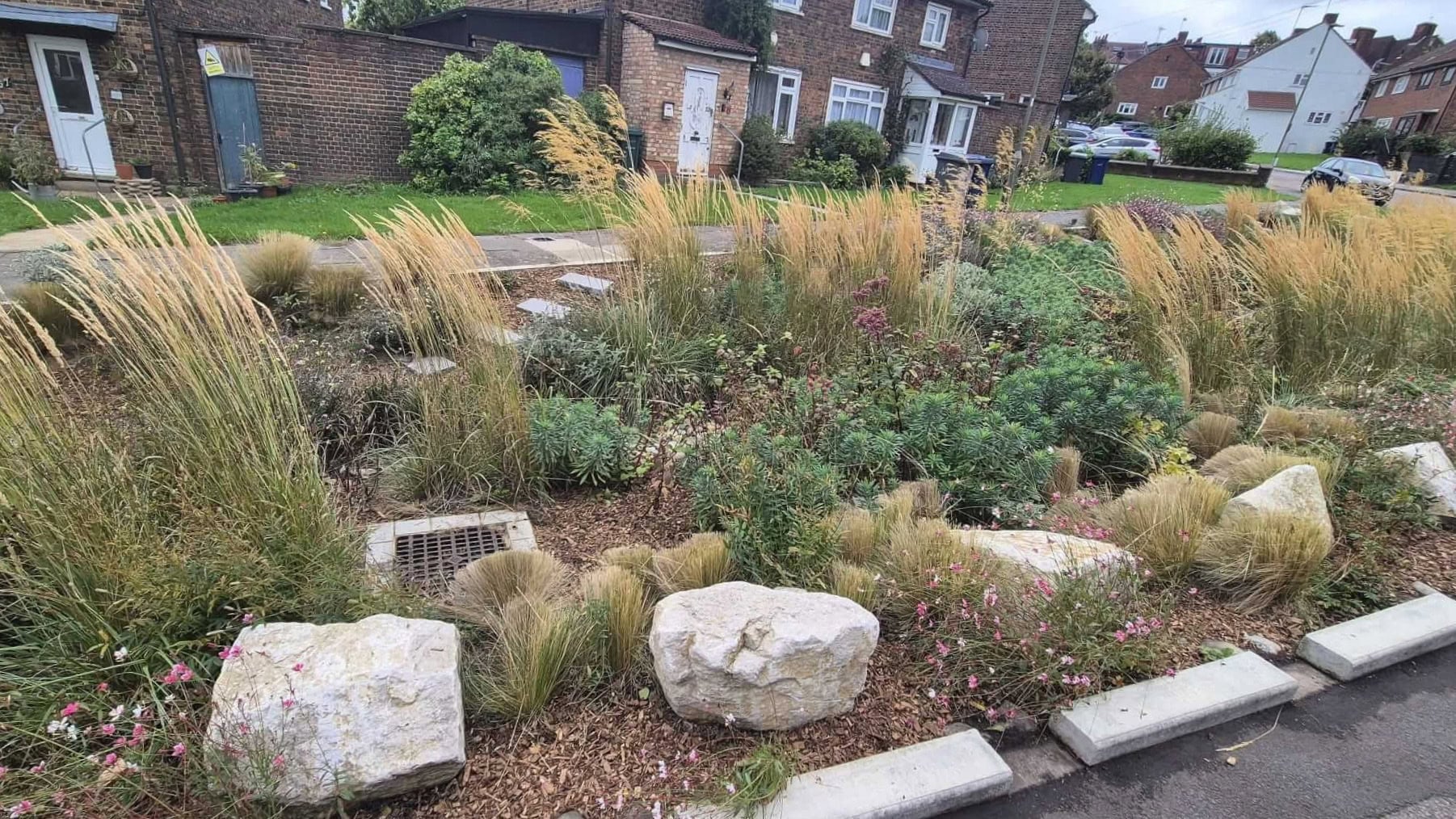

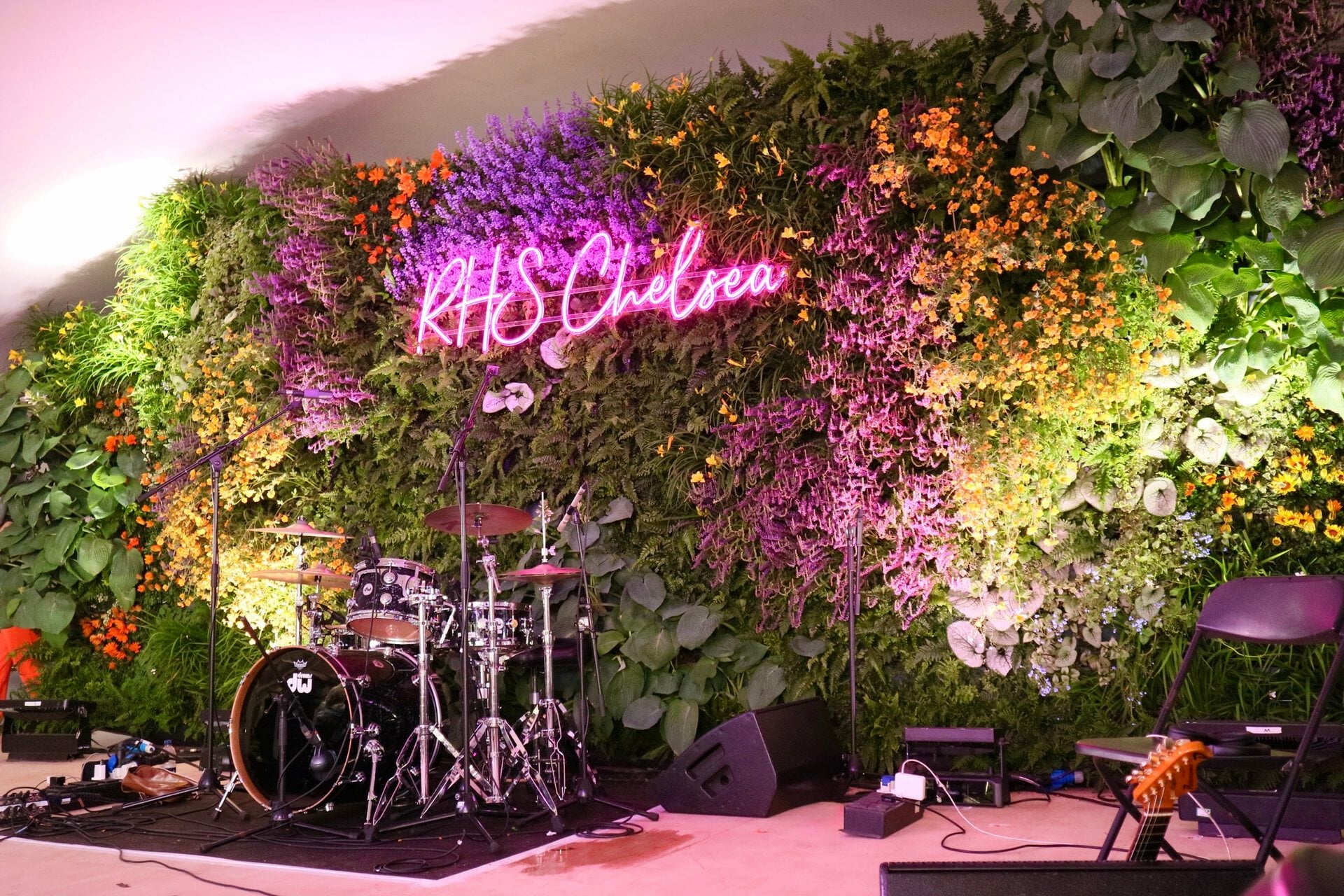
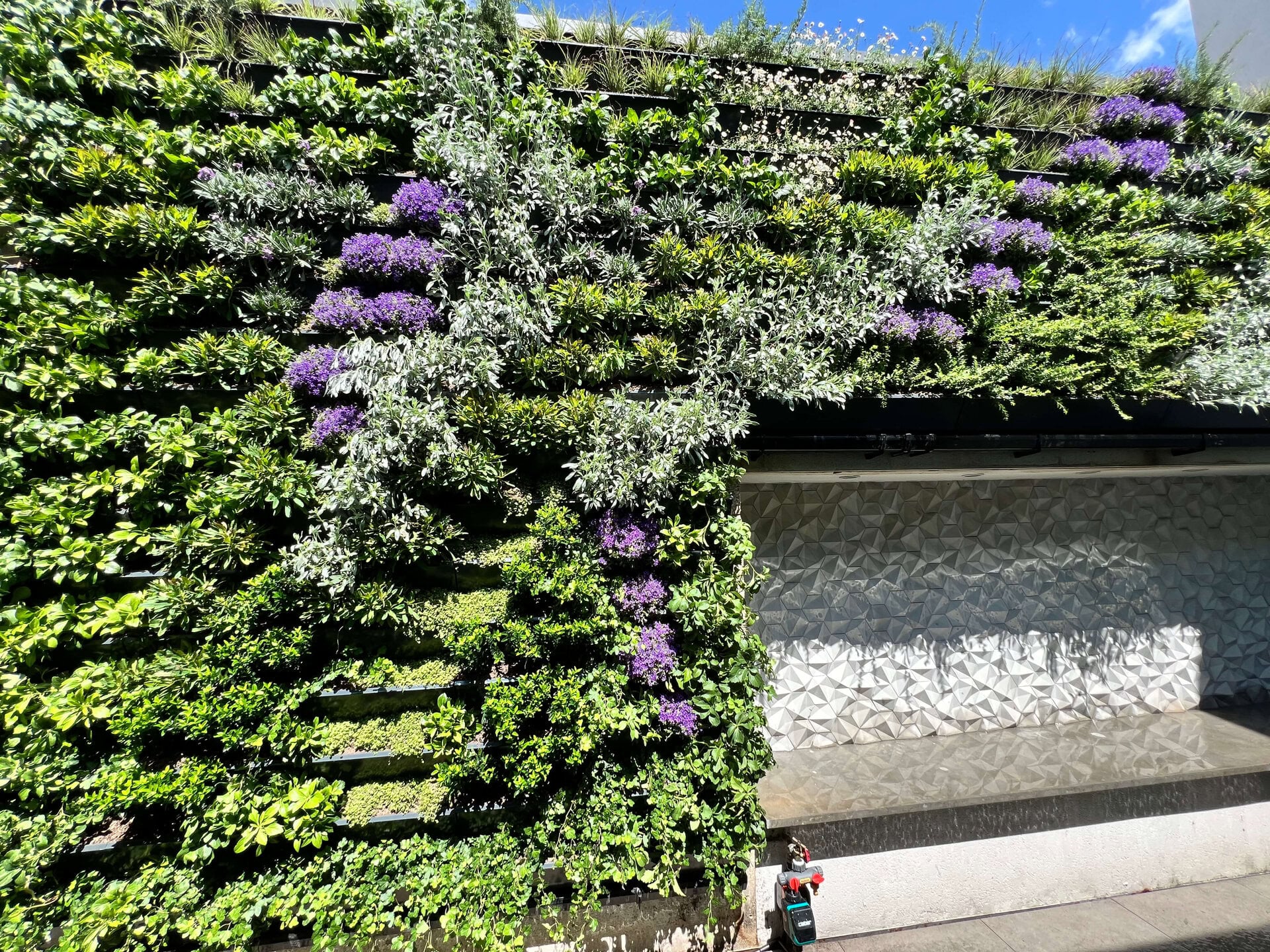
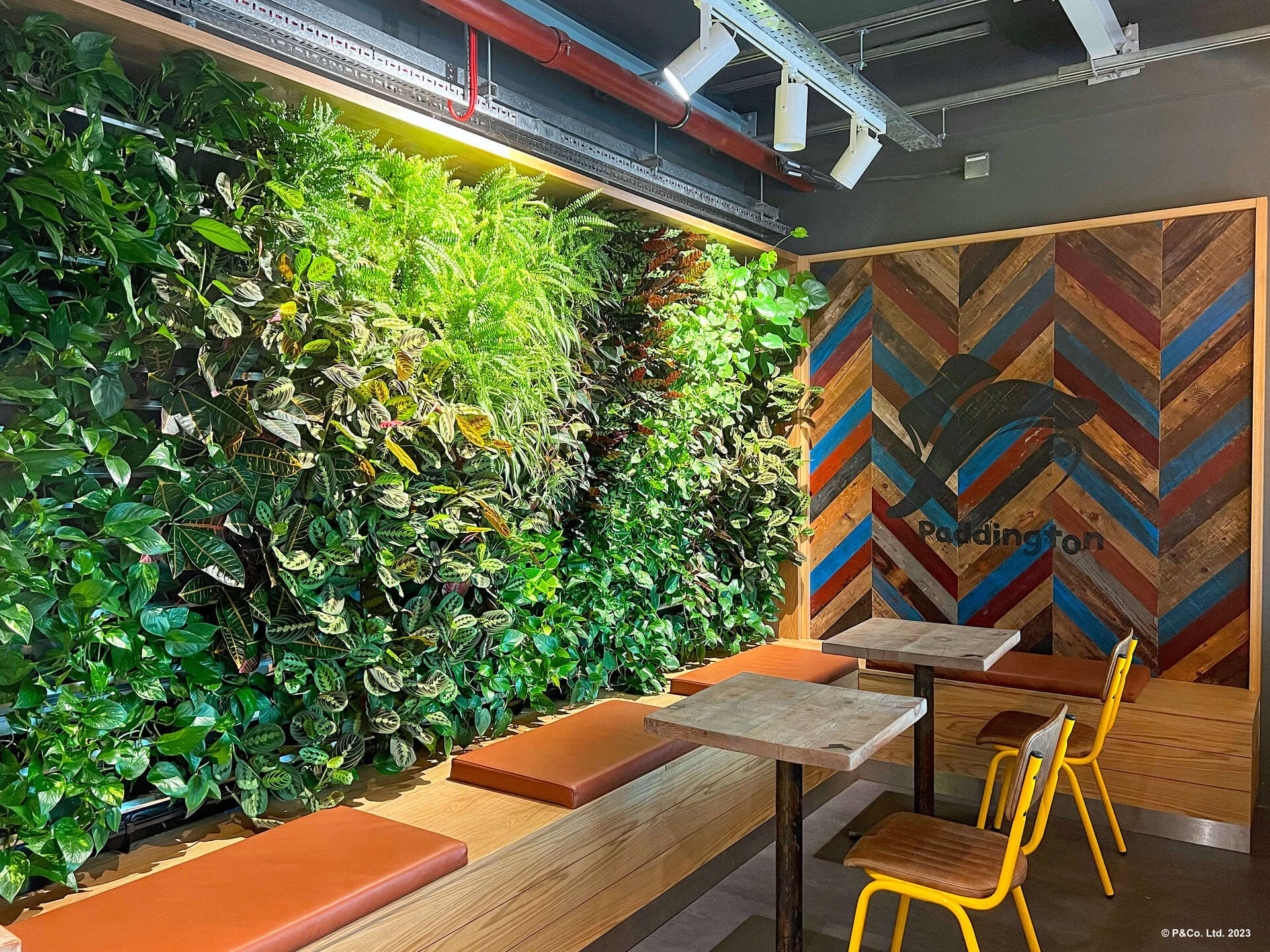


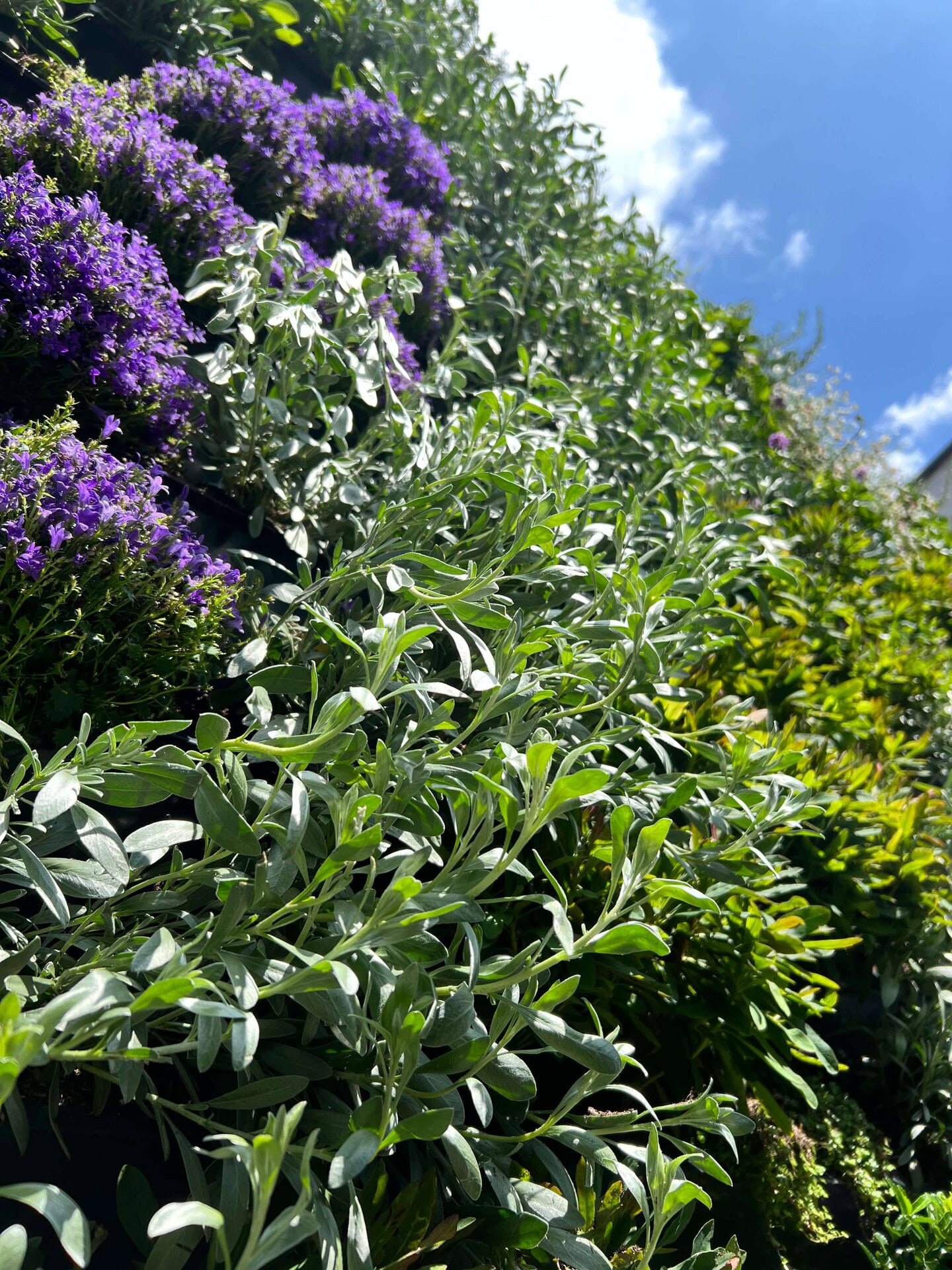
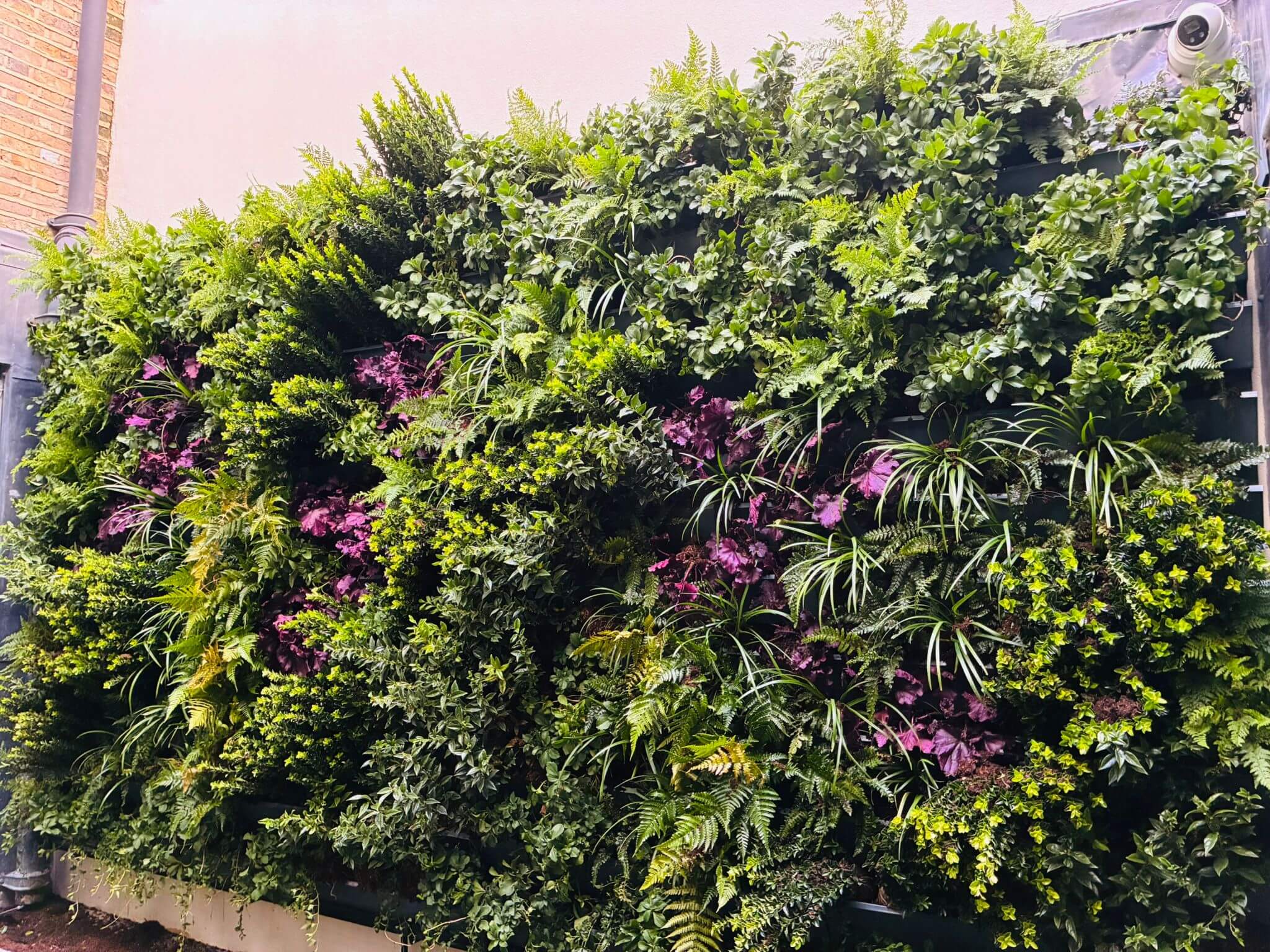
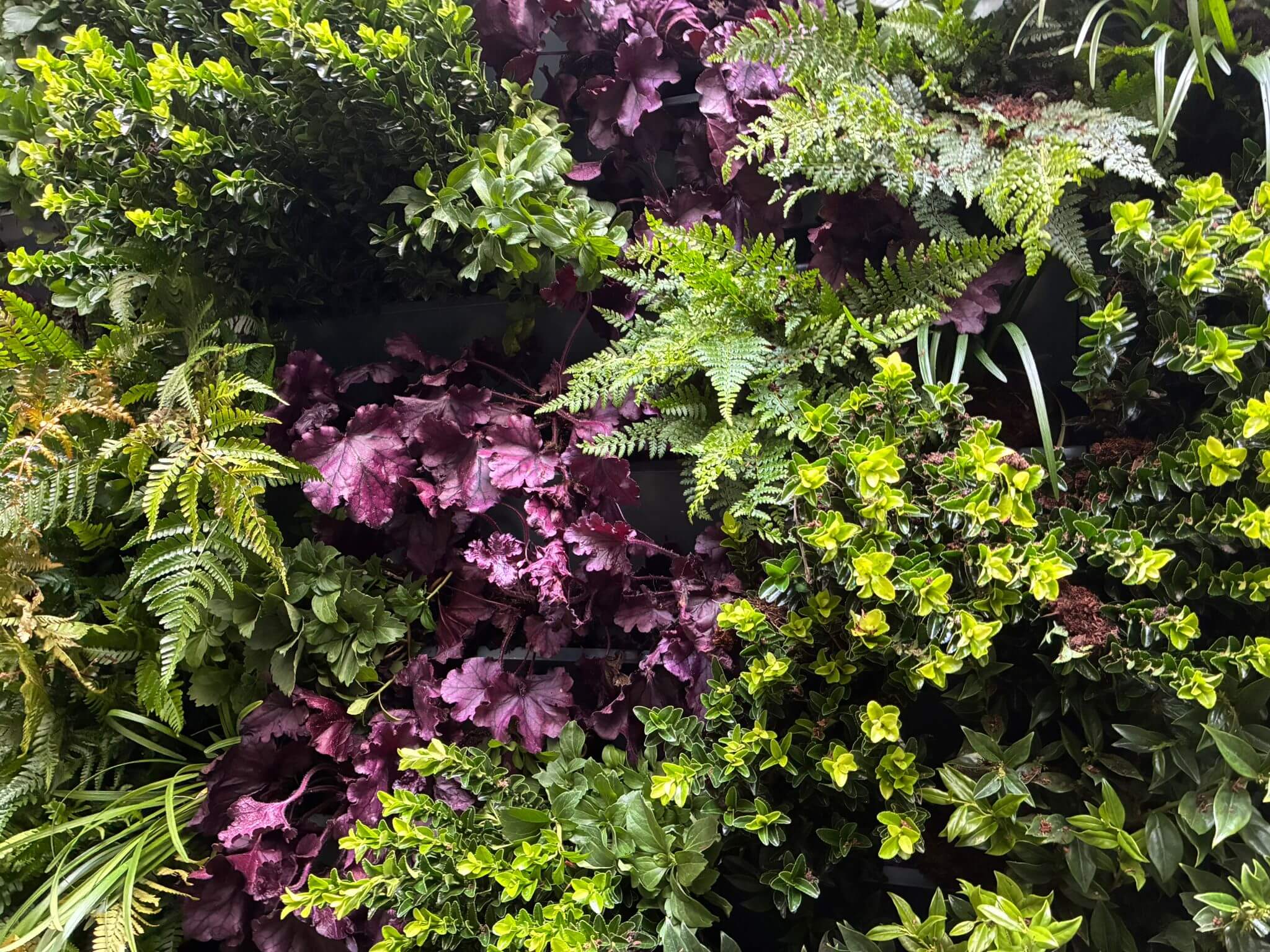
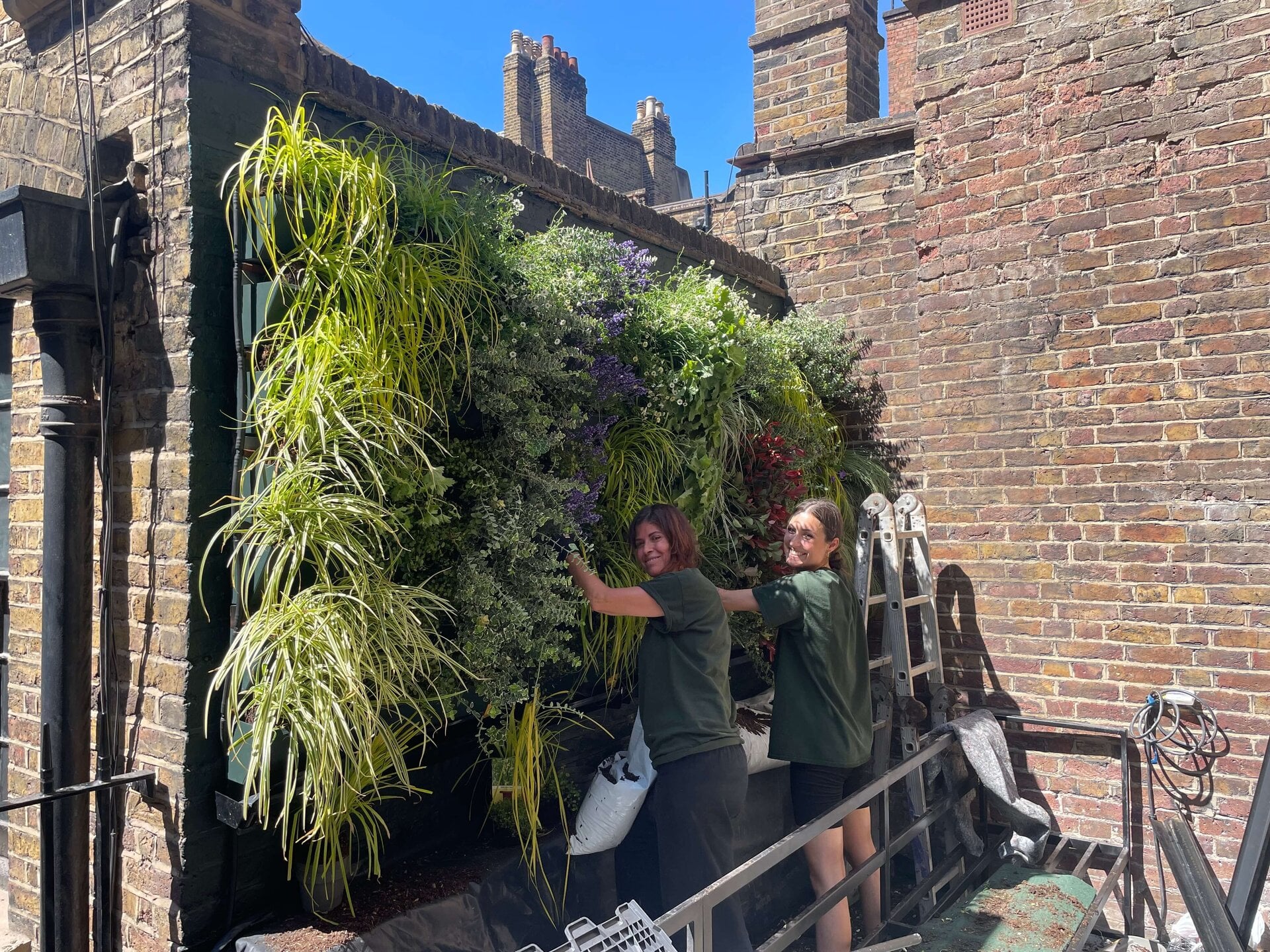
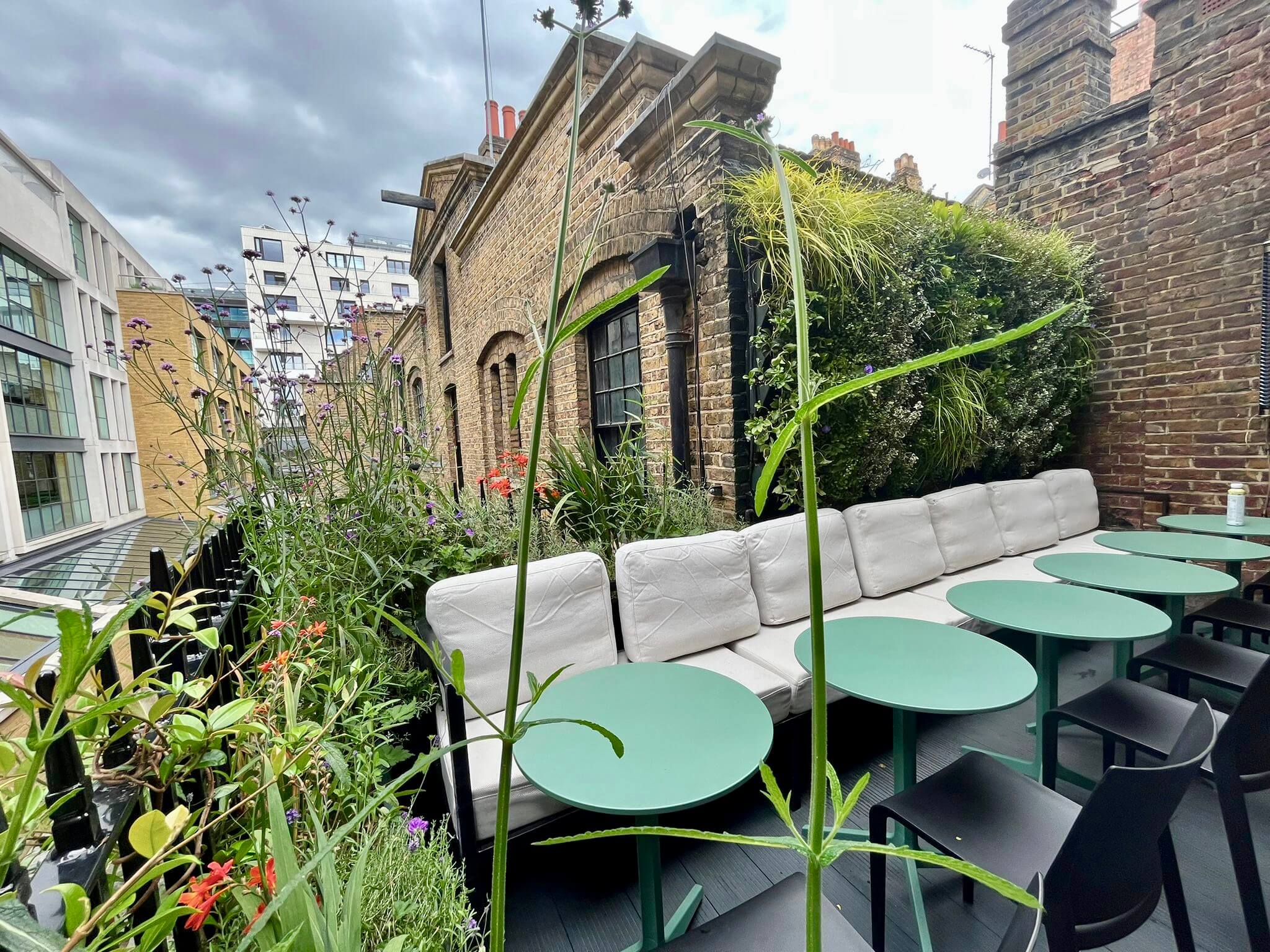
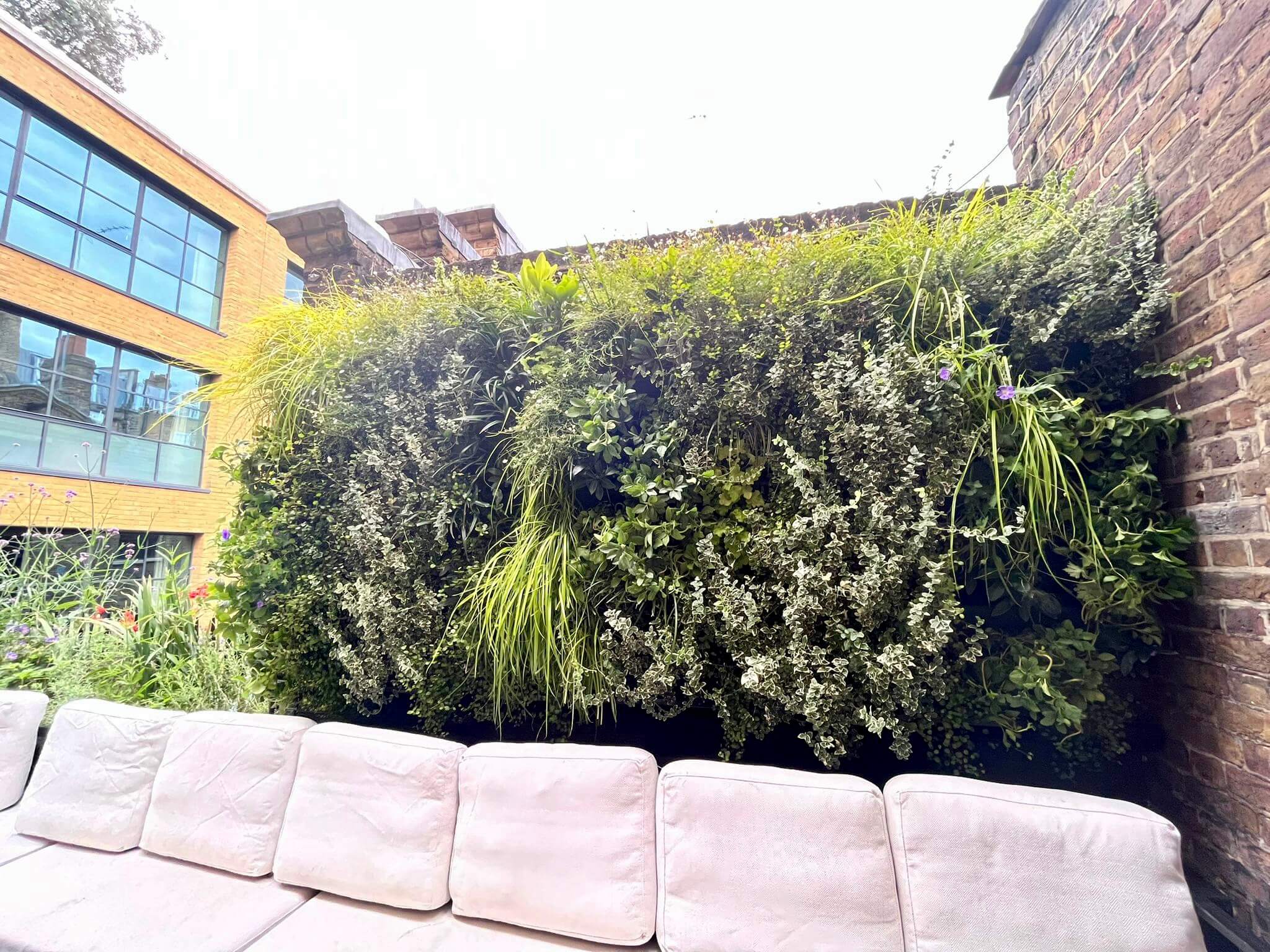
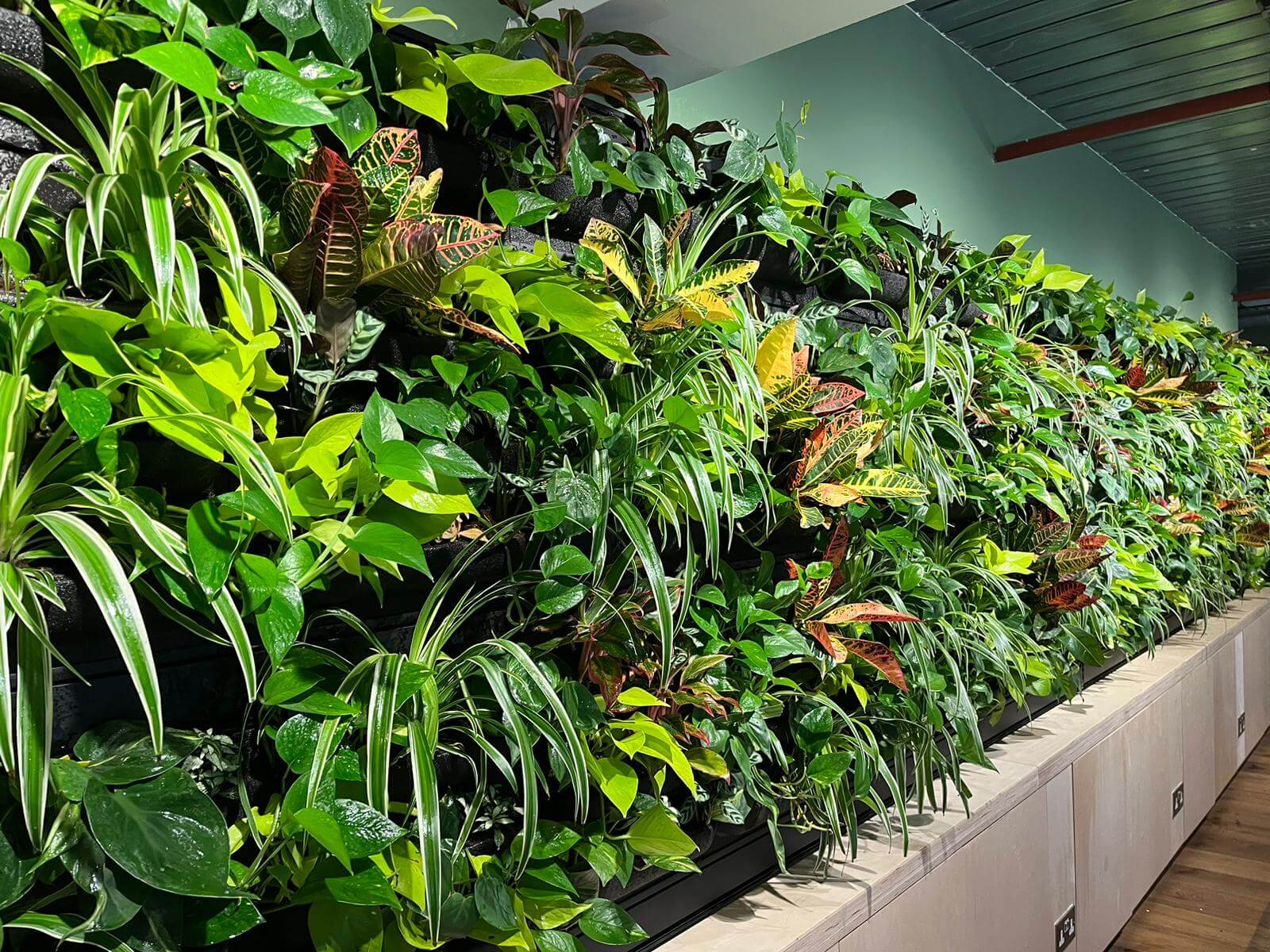
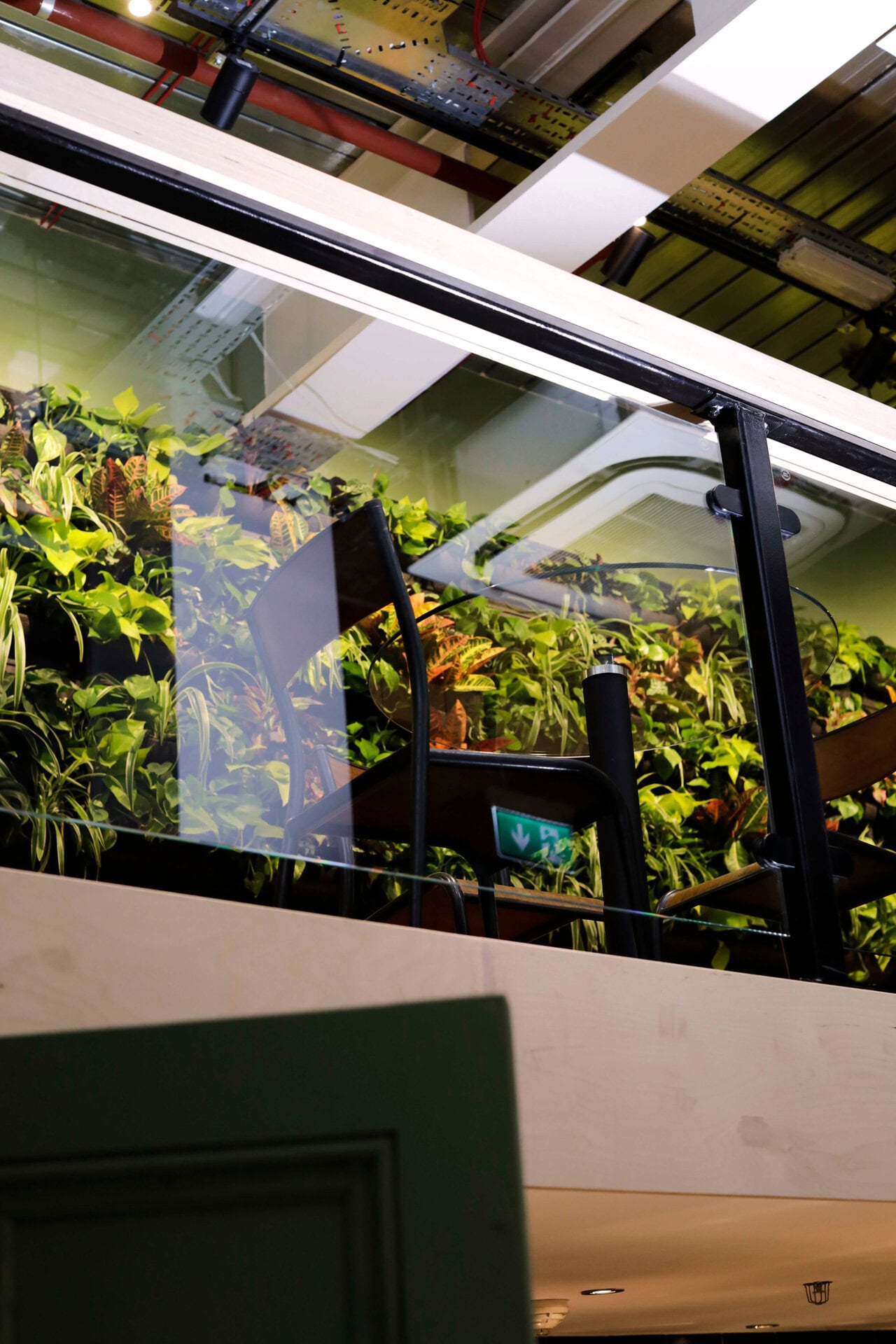
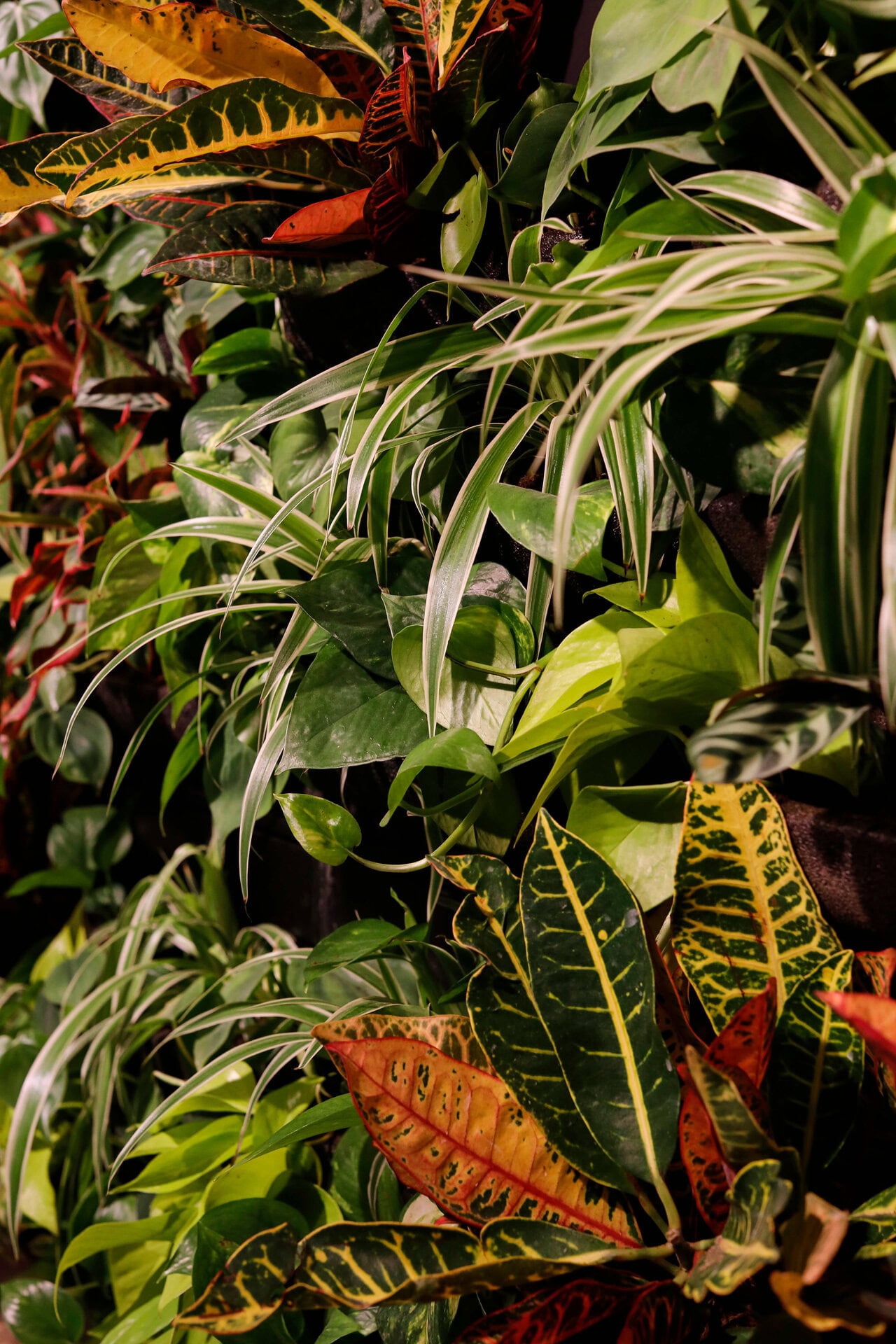
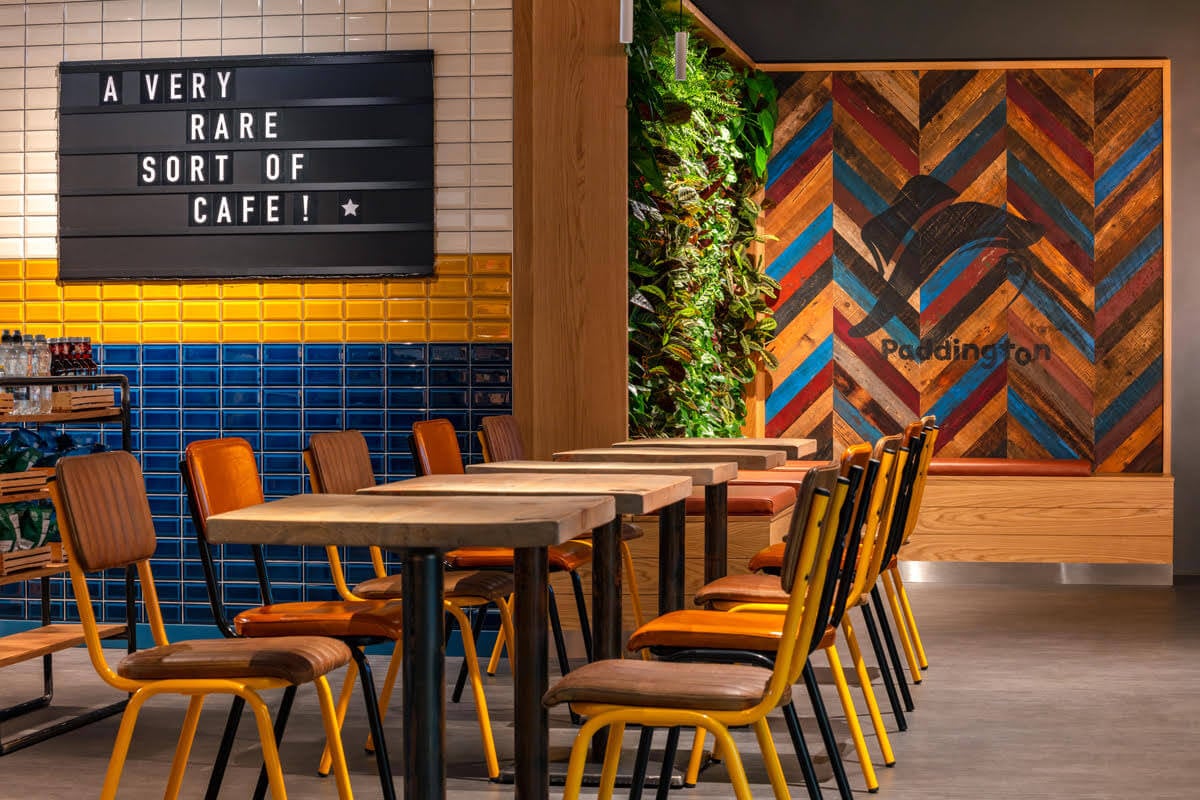

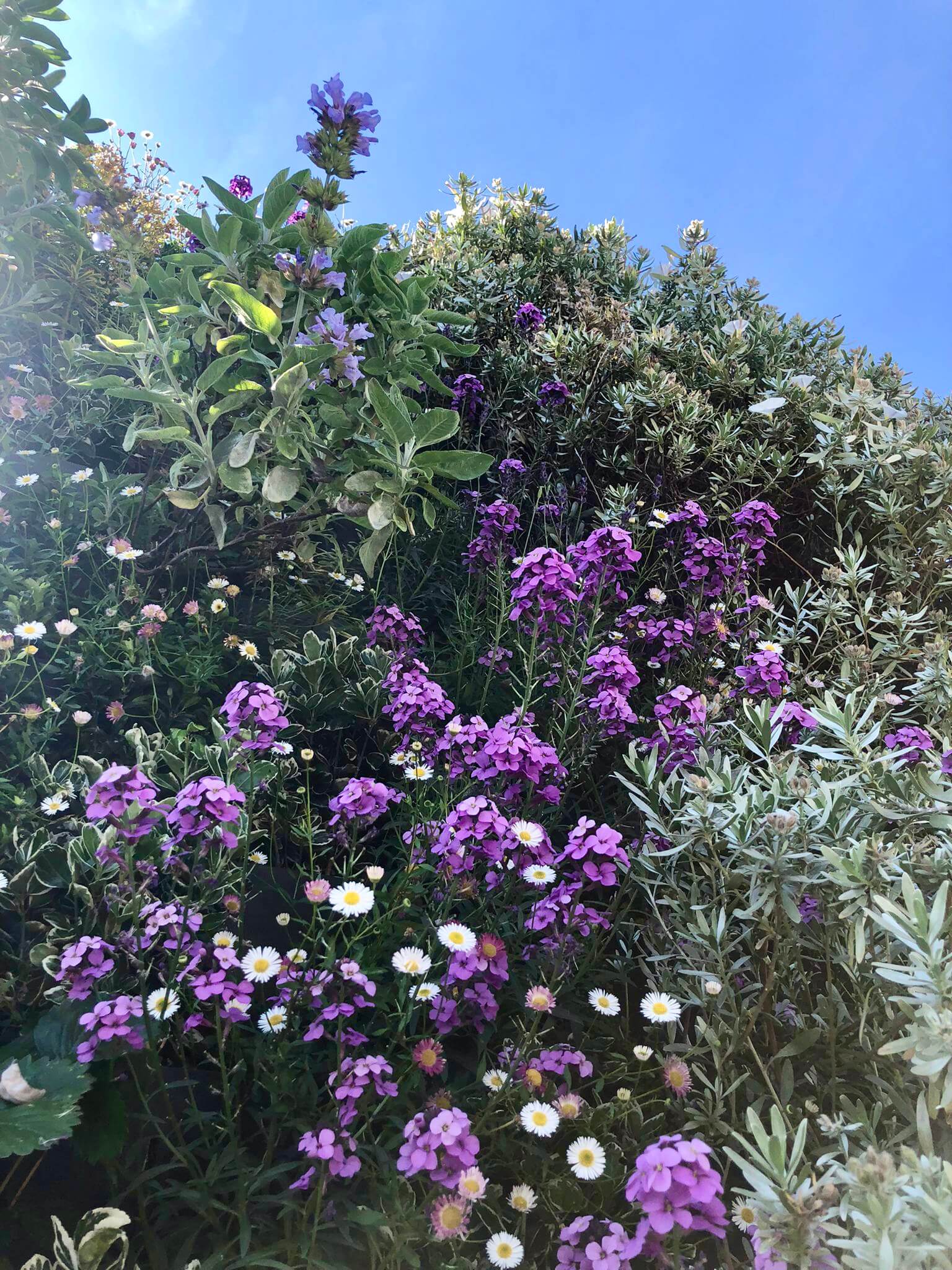
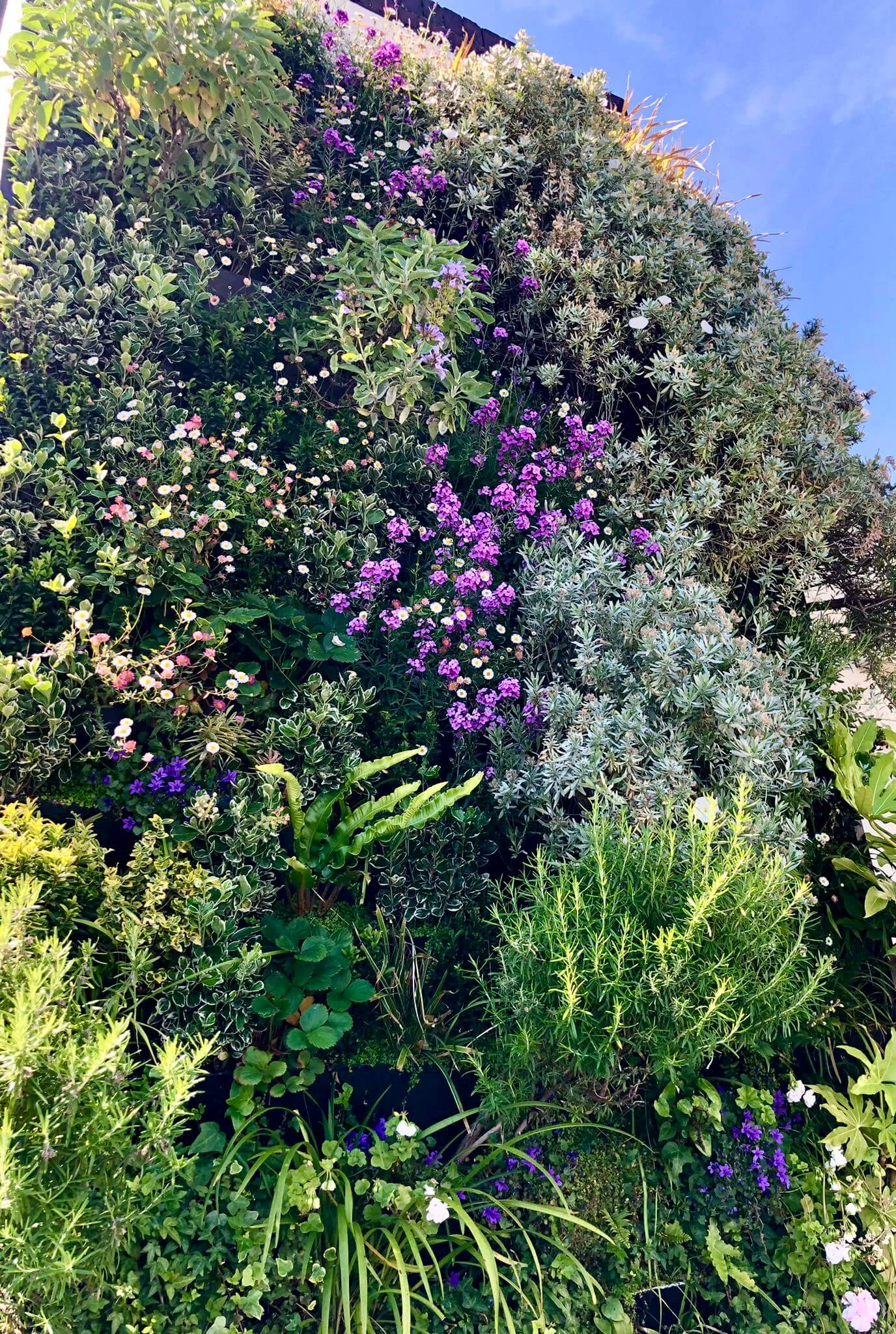

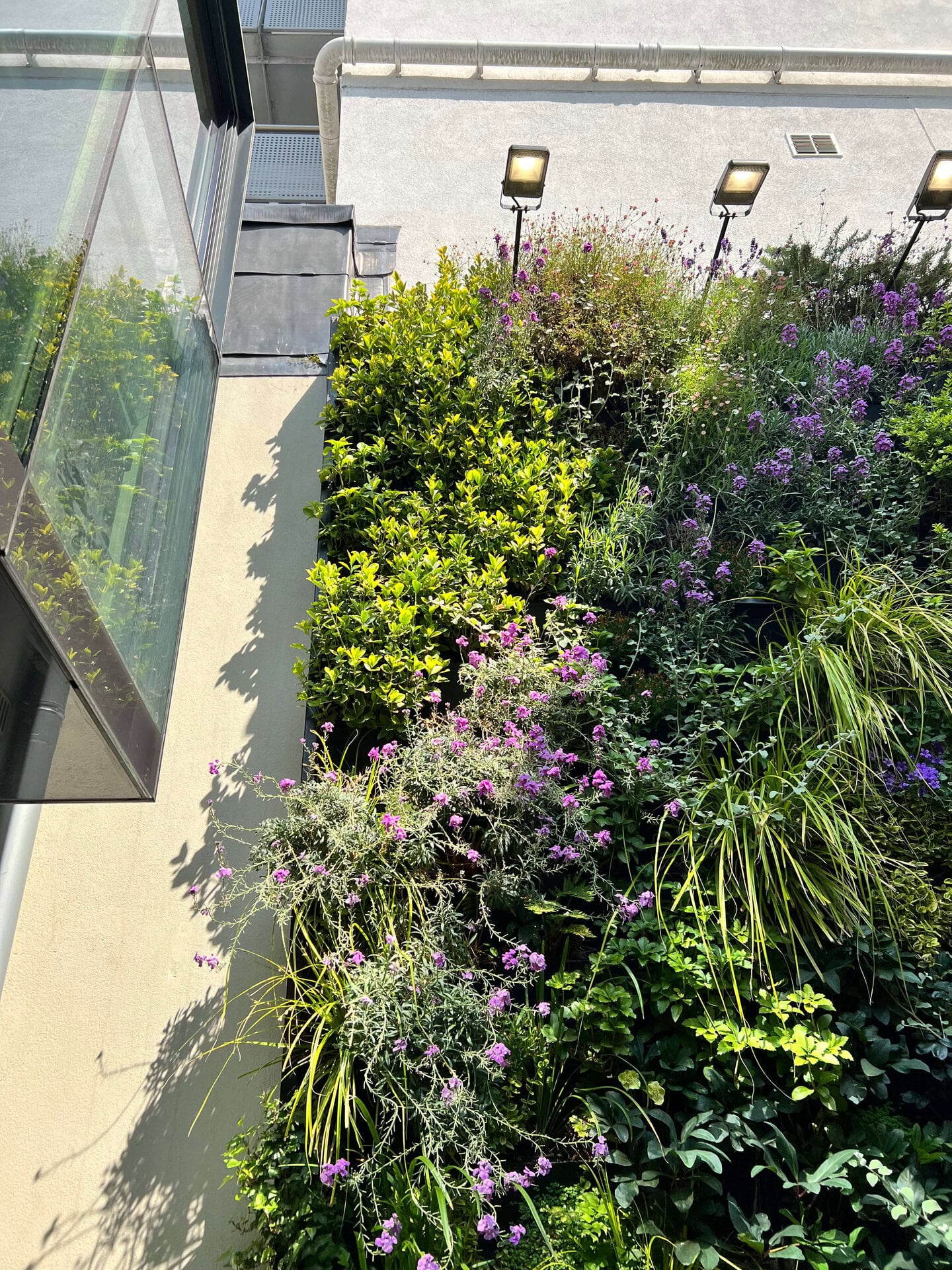

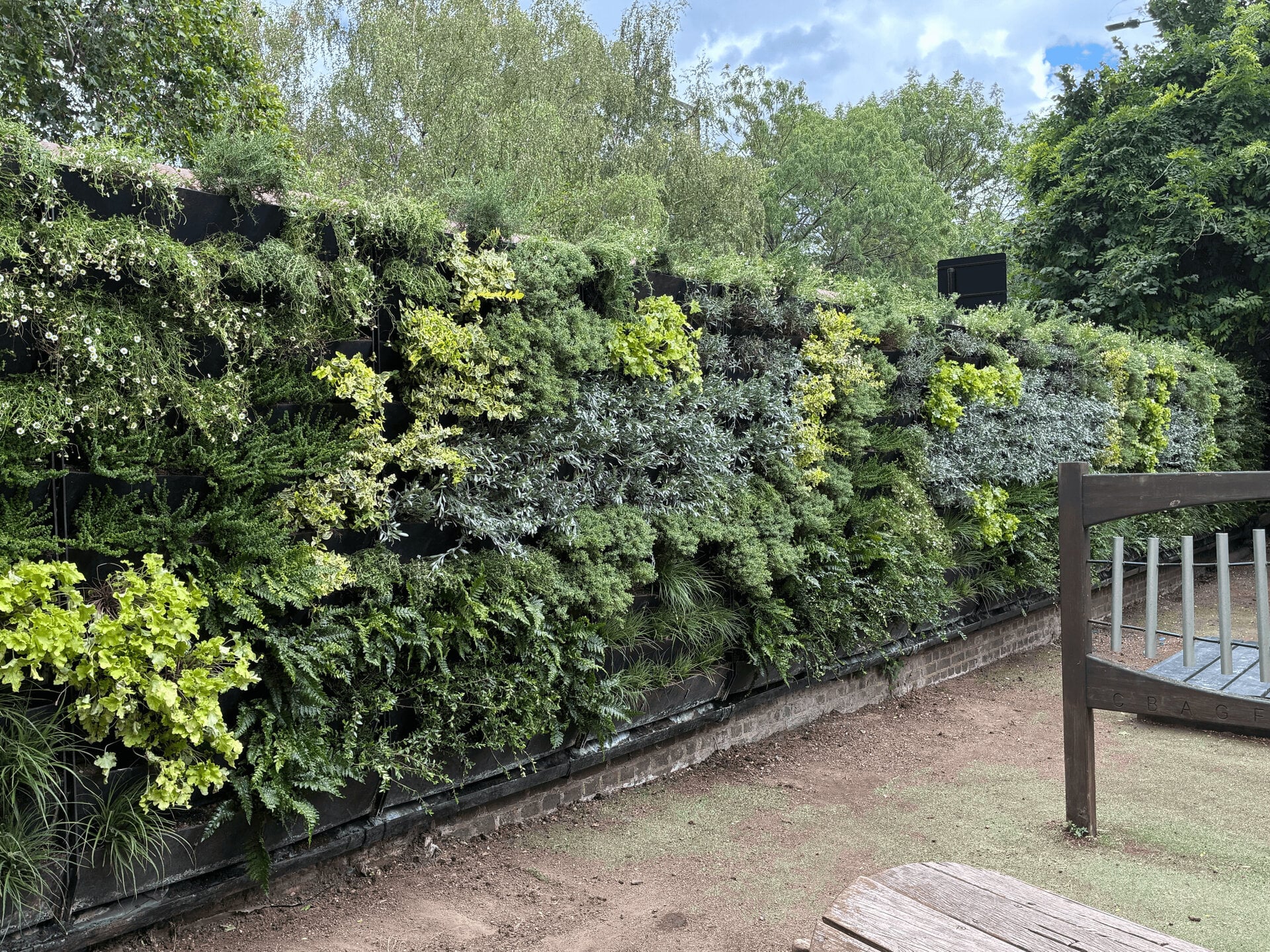
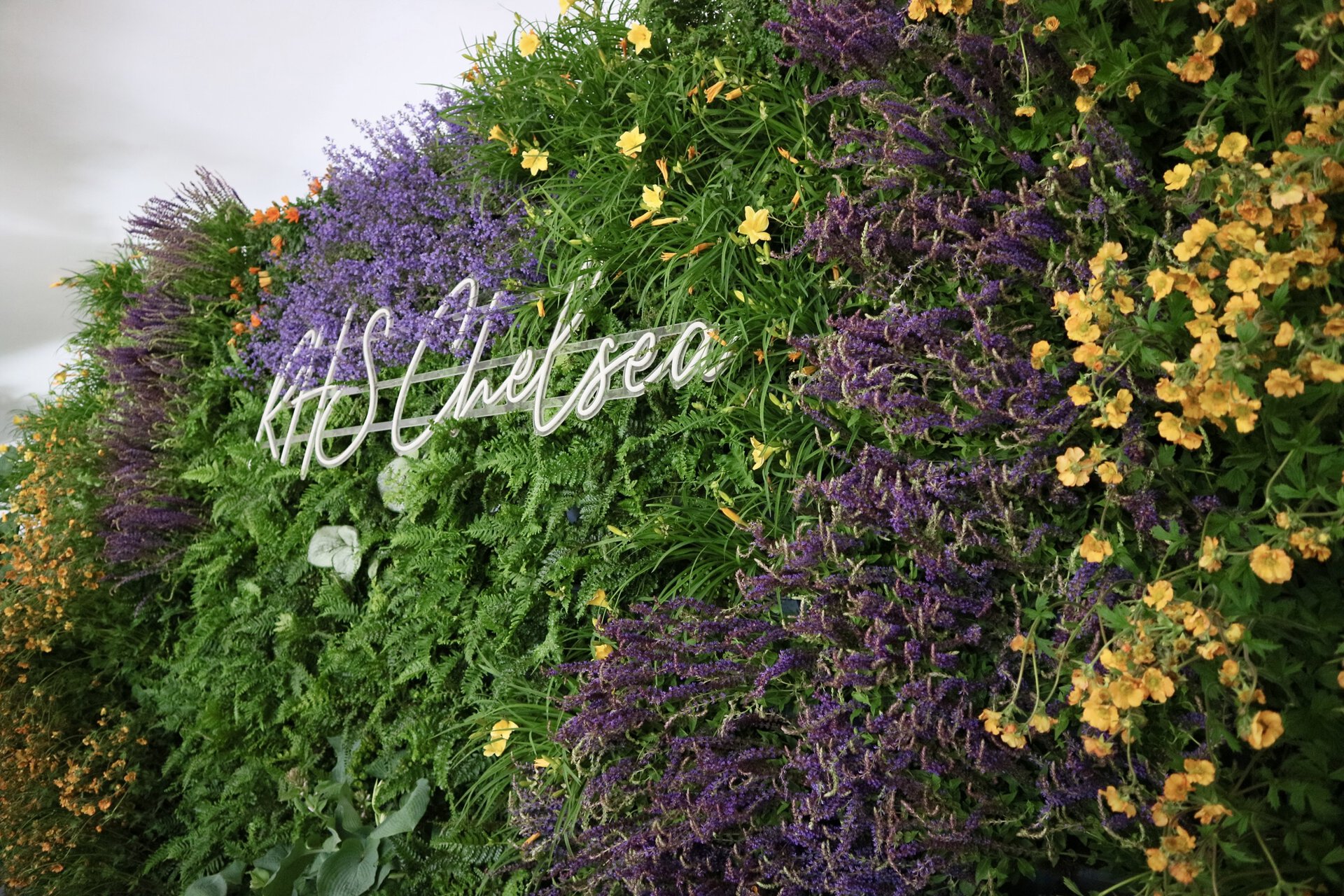
Living walls, also known as green walls or plant walls, are vibrant vertical gardens that can be mounted on free-standing frames or directly on the interior or exterior of buildings. By transforming unused wall space into lush planting, living walls introduce nature into built environments while creating striking visual features.
These vertical planting systems can be designed for a wide range of settings, from commercial interiors and hospitality venues to residential gardens, courtyards and public spaces. Living walls are particularly effective in urban environments where ground space is limited but the desire for greenery and biodiversity continues to grow.
At Meristem Design, we design, create, install, and maintain innovative living wall systems for commercial and luxury residential projects, offering flexible, sustainable solutions that enhance any environment while providing a diverse selection of beautiful, easy-to-care-for plants.
From carefully considered plant palettes to integrated irrigation systems and ongoing horticultural care, our team ensures every living wall remains healthy, resilient and visually impactful


Commercial Indoor Plant Walls
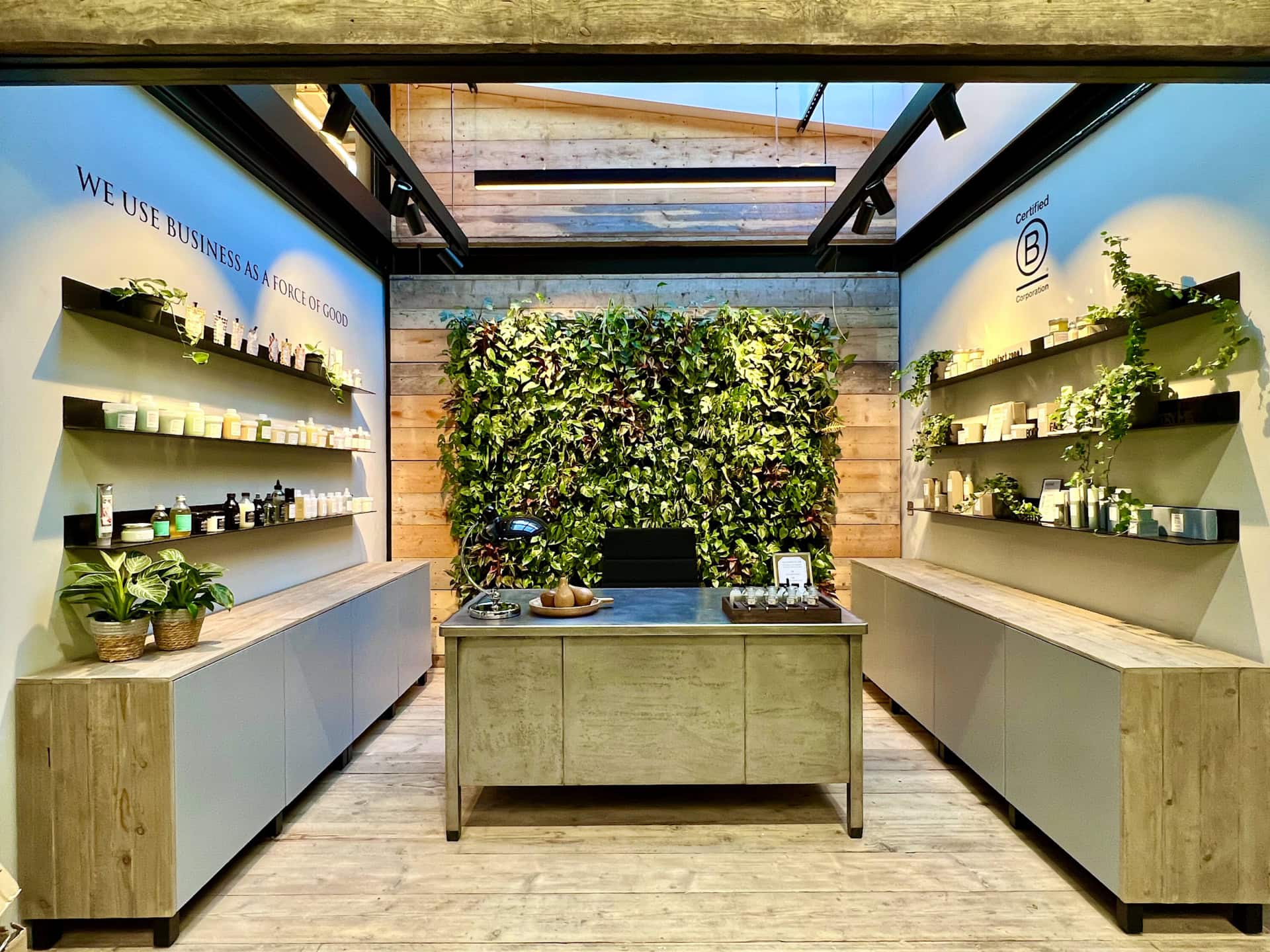
Indoor plant walls are an effective way to introduce greenery into commercial environments, transforming offices, hospitality venues and public interiors into vibrant, welcoming spaces. These vertical planting systems create a strong visual feature while helping soften interior architecture and improve the overall atmosphere for employees, clients and visitors.
Commercial indoor living walls are particularly well suited to reception areas, breakout spaces and meeting rooms where a striking design element can enhance brand identity and customer experience. With carefully selected plants and integrated irrigation systems, indoor green walls provide a long-lasting feature that supports wellbeing while making efficient use of vertical space.
Residential Outdoor Living Walls
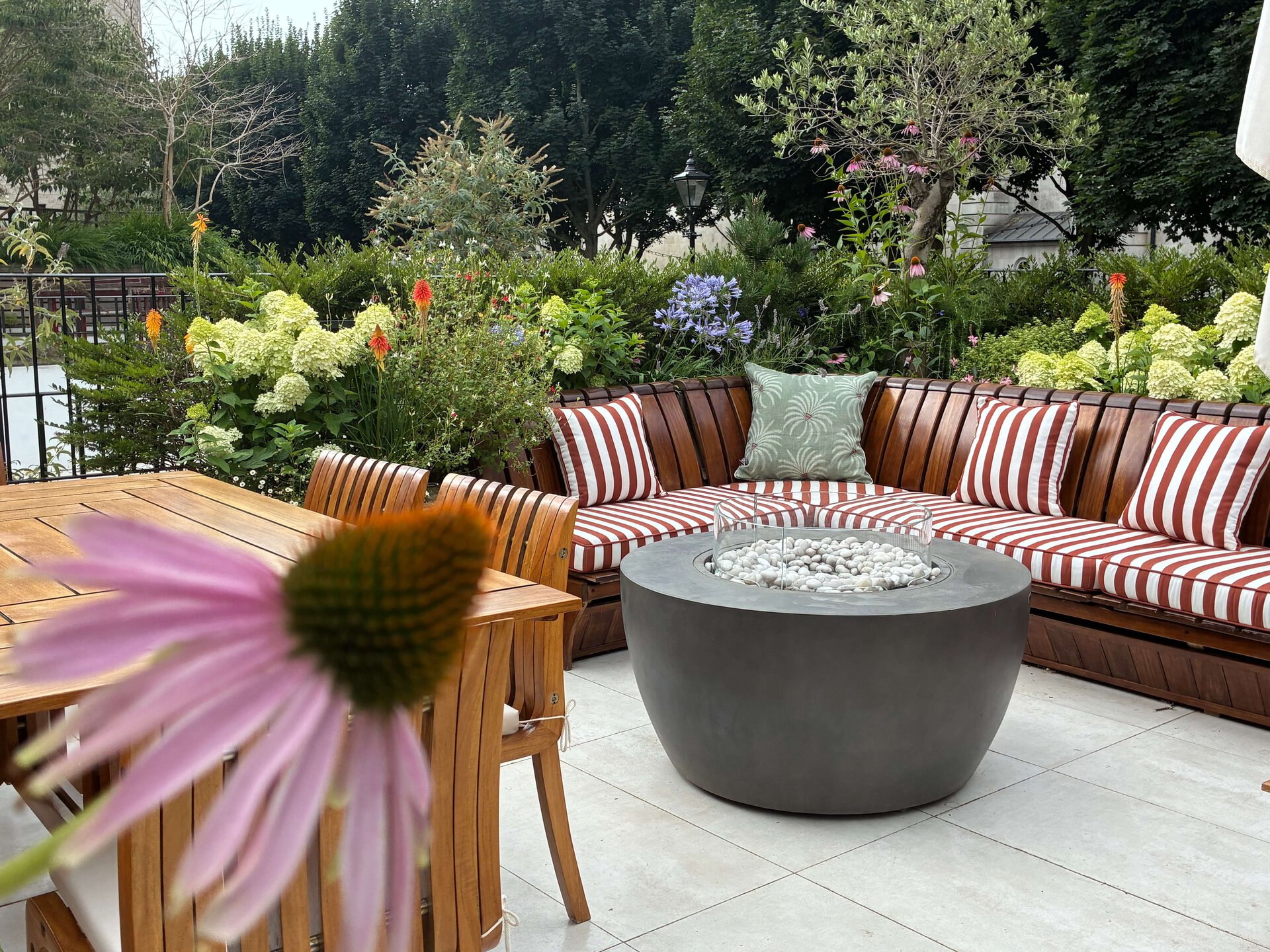
Outdoor living walls offer homeowners a unique way to introduce greenery into gardens, terraces and courtyards. By transforming vertical surfaces into lush planting features, green walls can enhance the character of outdoor spaces while making the most of limited space in urban environments.
Residential plant walls can provide both visual interest and practical benefits, helping create private green retreats that feel calm and secluded. Whether installed on boundary walls, garden structures or freestanding frames, outdoor living walls allow homeowners to enjoy beautiful planting while adding texture, colour and seasonal interest to their outdoor spaces.

Public Realm & School Green Walls
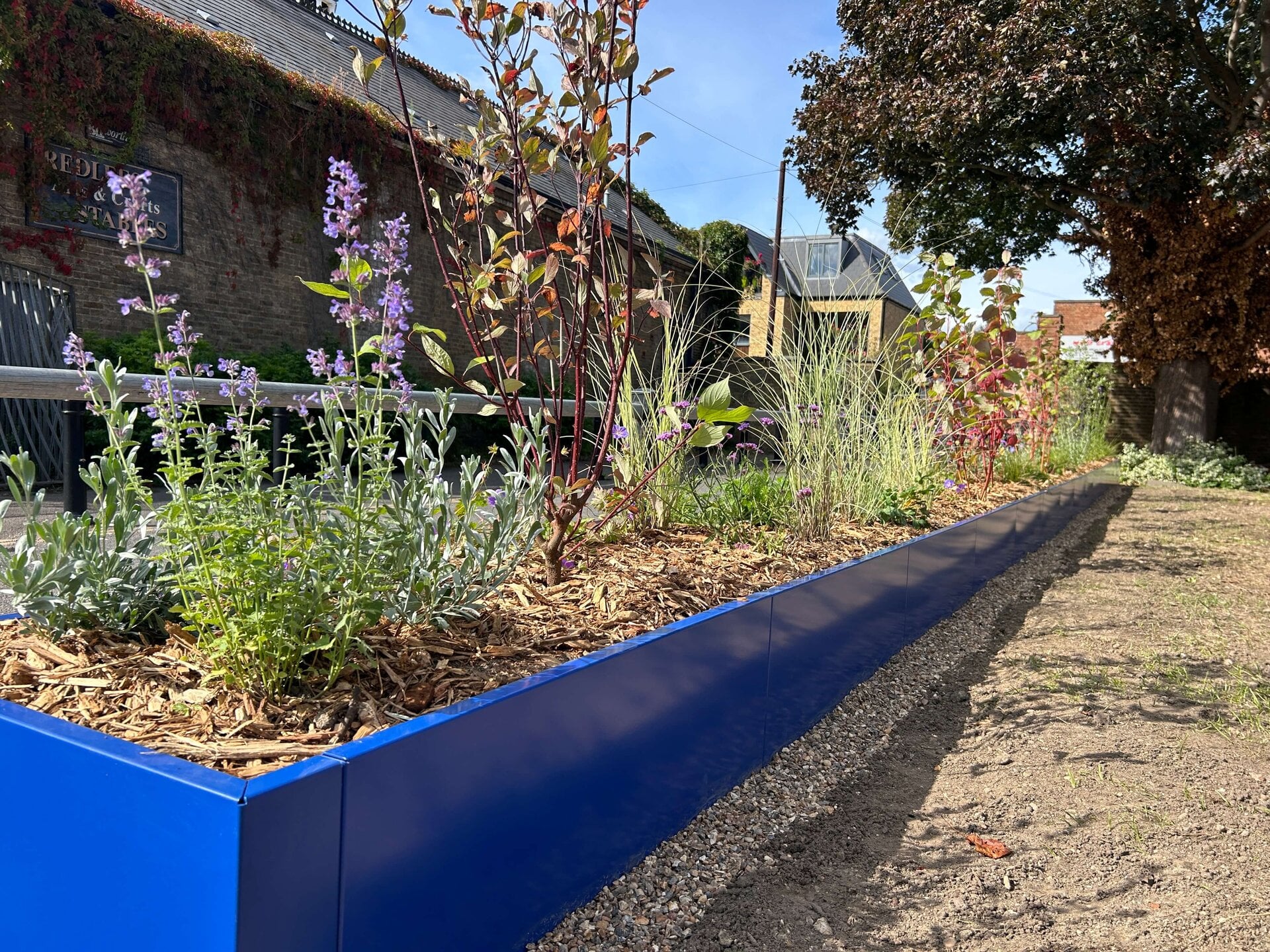
Green walls are an increasingly popular solution for introducing planting into public spaces and educational environments where ground space may be limited. By greening vertical surfaces, living walls can help transform streets, courtyards and school grounds into more attractive, engaging environments.
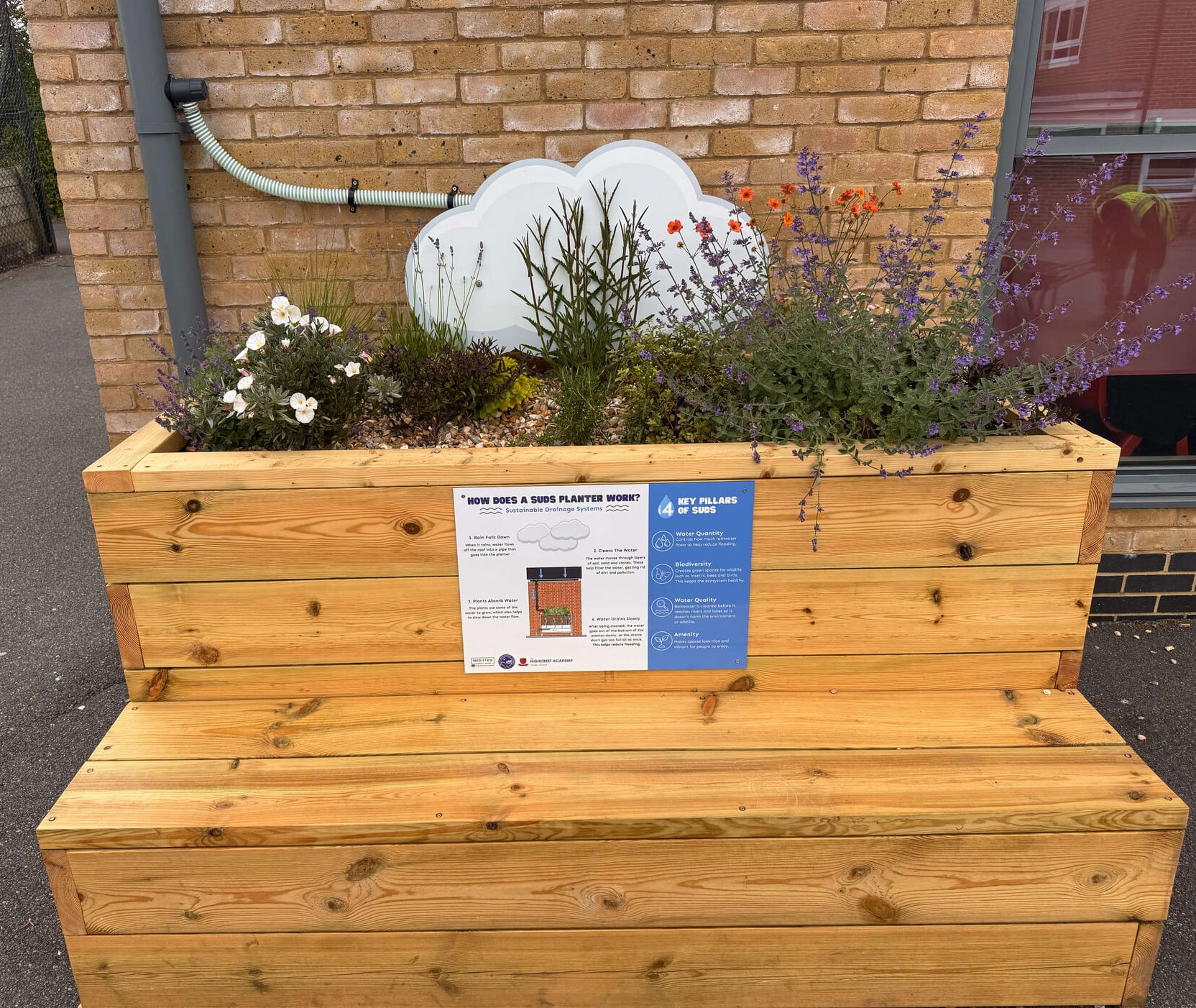
In schools, living walls can support environmental education by helping students connect with plants, biodiversity and urban nature. In public realm settings, they can enhance streetscapes, support pollinators and contribute to greener, more climate-resilient communities while bringing natural elements into dense urban areas.
Benefits of living walls
Installing a living wall in commercial or residential spaces offers a variety of benefits, from enhancing aesthetics to improving air quality. These vertical gardens not only provide a unique design element but also contribute to environmental sustainability and overall wellbeing.
Aesthetic Appeal
Living walls create a striking visual impact, transforming plain surfaces into vibrant green spaces that enhance the beauty of any environment.
Improves air quality
Plants in living walls help filter pollutants and improve air quality, promoting a healthier atmosphere for occupants.
Space Efficiency
Living walls maximise limited space by utilising vertical areas, making them ideal for urban environments where ground space is limited.
Noise Reduction
The foliage of living walls can absorb sound, helping to reduce noise levels in busy commercial settings or urban residential areas, creating a more tranquil environment.
Frequently Asked Questions
Do you offer office living walls or green walls?
Yes. Living walls and green walls are one of our core office planting services, ideal for making a statement in reception areas, meeting rooms or feature spaces within the workplace.
What office planting services do you offer?
We offer a full range of interior planting solutions, including interior planting schemes, bespoke indoor planters and pots, living walls and green walls, hanging and suspended planting, living green pictures and dividers, feature planting installations, and broader biophilic workplace design.
Can I grow herbs and vegetables on living walls?
Yes - absolutely! Living walls aren’t just for decorative plants; they can also be designed to grow a variety of herbs, vegetables, and even edible flowers. Vertical gardening is a great way to maximise limited space, especially in urban environments, balconies, or small courtyards.
When planning a food-growing living wall, it’s important to choose plants suited to vertical growth and the specific light and climate conditions of your space. Herbs like basil, parsley, and thyme, or vegetables like cherry tomatoes, lettuce, and peppers, can thrive with the right irrigation, nutrient-rich growing medium, and regular care.
With proper maintenance - including watering, fertilising, and harvesting - your living wall can become a productive, beautiful, and sustainable source of fresh ingredients right at your fingertips.
How is the maintenance of a living green wall different from traditional gardens?
Maintaining a living wall is distinct from tending to traditional gardens due to its vertical nature. Traditional gardens have plants growing horizontally in the soil, making watering and care relatively straightforward. In contrast, living walls require specialised attention. Monitoring the water levels, nutrients, and potential pests becomes crucial. Pruning and trimming are more strategic as plants grow vertically, ensuring proper coverage and preventing overgrowth. Additionally, regular checks on the wall's structure and irrigation system are necessary to maintain its health and longevity.
Can you integrate an irrigation system for your living green wall?
Yes, an irrigation system is essential, regardless of the size of the wall. Because plants in a living wall grow in a relatively shallow space compared to traditional gardens, they require a carefully controlled and consistent water supply to stay healthy.
How do you choose the right locations and plants for a living green wall?
The main consideration when installing a living wall is the structural strength of the wall. Otherwise, living walls can be installed in almost any location, whether sunny, shady, or windy. Whatever the environment, we will identify plants that can thrive in that space.
What's the process involved in a green living wall installation?
Living wall installation involves several key steps. We start by evaluating your space, analysing sunlight, wind, and the environment. Our team then constructs a sturdy framework, capable of supporting plants, soil, and water. We tailor our plant selection to your location's light conditions, ensuring they thrive. With careful planting and soil choice, we position the plants onto the framework securely. An integrated irrigation system is often incorporated, ensuring consistent watering.
What is a living wall?
A living wall – also called a green wall, plant wall, or vertical garden – is a vertical structure covered with living plants, providing a sustainable and creative way to bring nature into urban spaces.
How long do living walls last?
While the hardware and materials of living green walls can last up to 25 years, the lifespan of the plants themselves is less certain due to factors such as maintenance and environment.
How hard is it to maintain a living wall?
These walls require the proper amount of attention and care, requiring regular visits by the team, and time to inspect, prune, clean and irrigate the plants.
Do living walls need sunlight?
Like most plants, a living wall requires water, sunlight, and occasional pruning. Unlike your typical houseplant, however, they require more than a light sprinkling from your watering can.
How often should you water a living wall?
Living walls can be watered through the built-in irrigation system or by hand. Plant care is easy when conducted routinely - every 1 to 2 weeks.
Can we install living walls or planters in small spaces?
Yes! We offer compact and vertical greening options like living walls and slimline planters that fit perfectly in small spaces, bringing greenery to balconies, patios, and even interior spaces.
What types of urban greening solutions are suitable for commercial spaces?
Our bespoke products can be tailored to suit your commercial environment, including planters, green screens, living walls, interior landscaping, pots and plants, parklets and custom features. Get in touch with us to discuss your space.
Latest news
We are a group of designers, horticulturalists and ecologists who have a shared passion; to turn the grey green.
22nd June 2026
Blogs
Let it Bloom June: The benefits of letting nature flourish
Put the lawn mower away and let nature take the lead for Let it Bloom June! We're exploring how letting green spaces flourish can benefit pollinators, and local wildlife....
10th June 2026
Blogs
How to plant the rainbow for colourful and inclusive green spaces
Happy Pride Month! We're taking a look at some of the most vibrant species from our plant list and using them to create a colourful rainbow landscape display....
9th June 2026
Blogs
How to bring greenery into office spaces
A guide on integrating nature into the workplace with potted plants, living walls and more. Featuring top office maintenance tips and key things to watch for....