
About us














Sectors
Greening commercial spaces
Fostering healthier environments for employees, clients and visitors


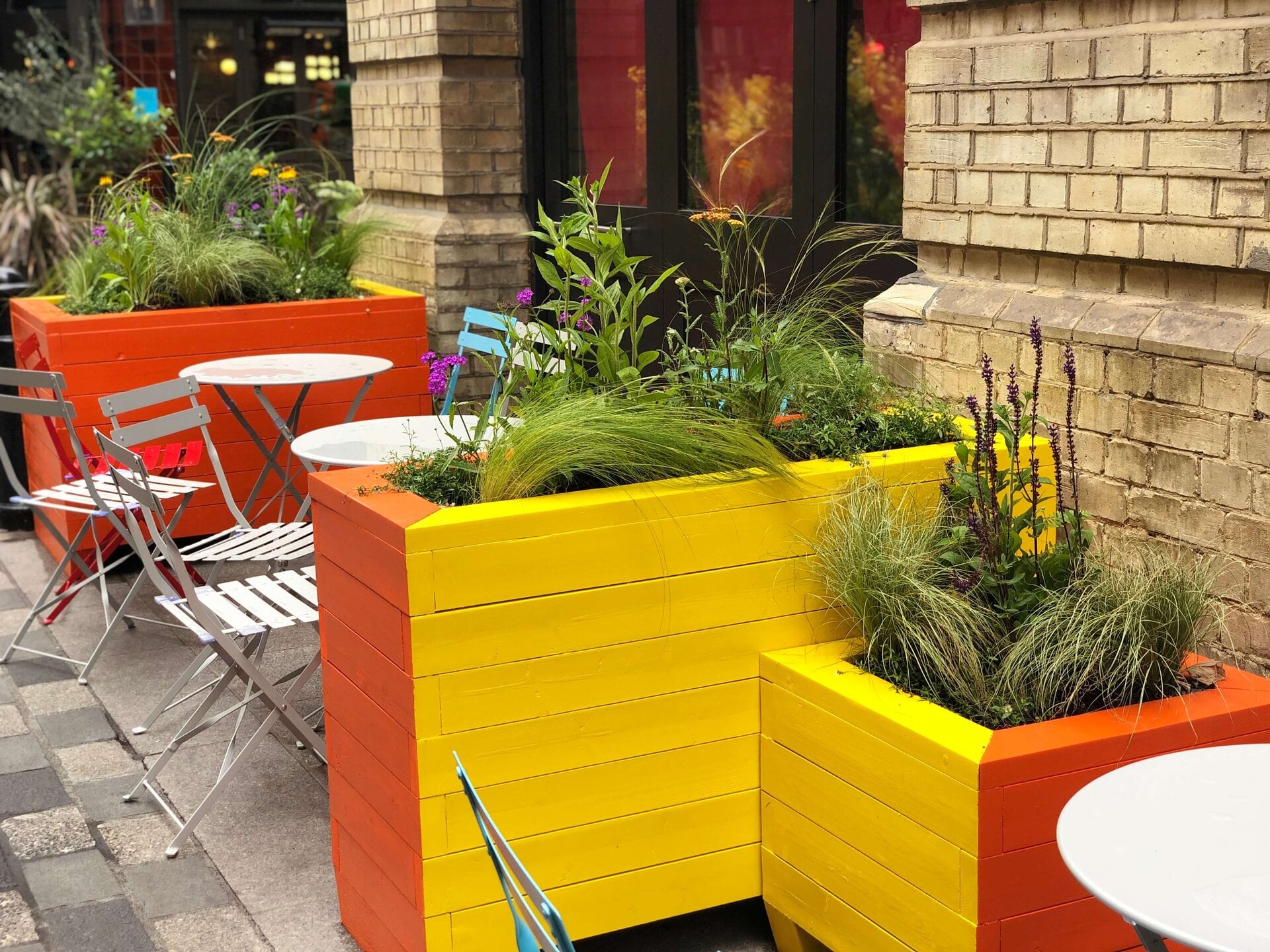
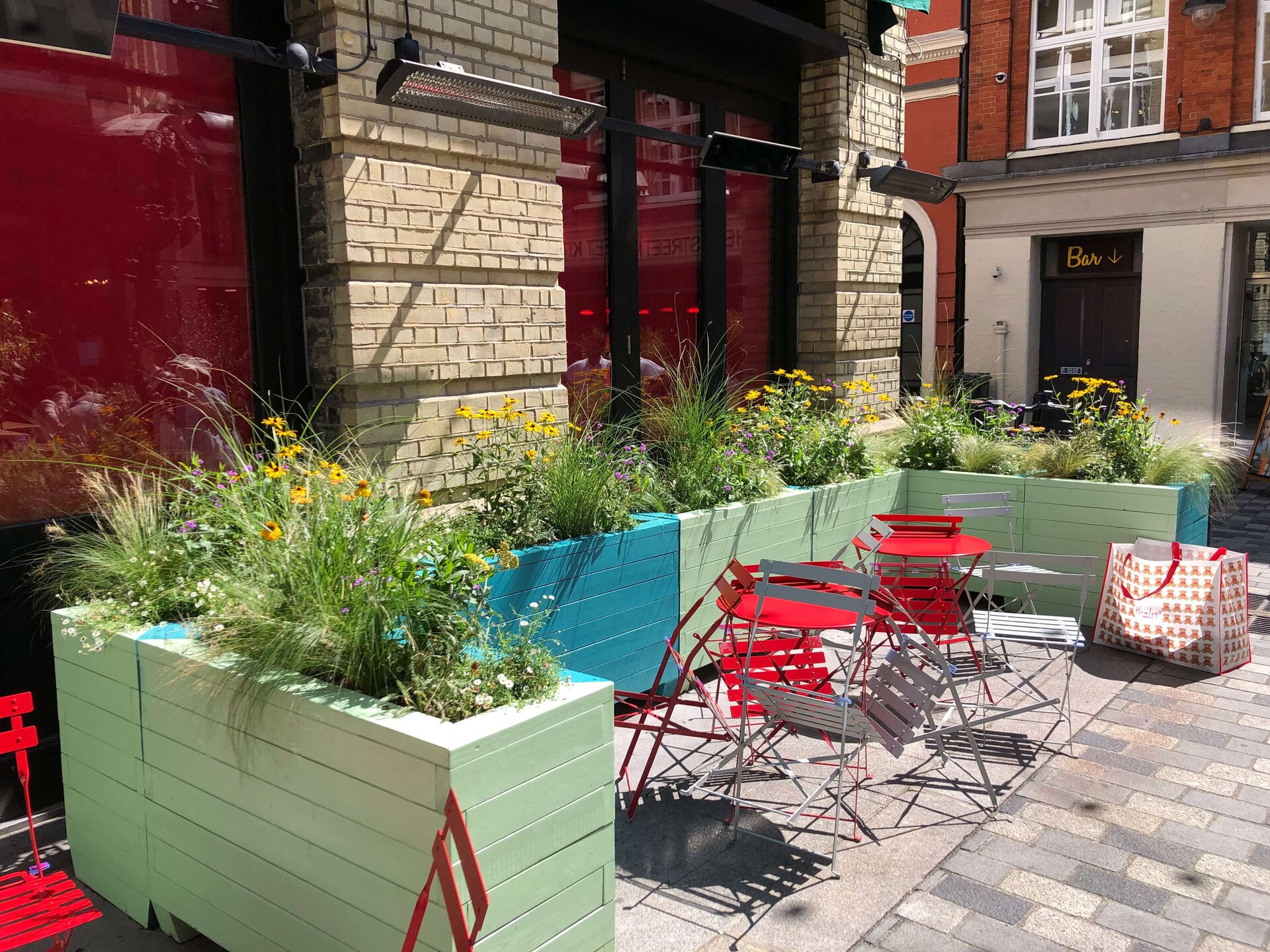
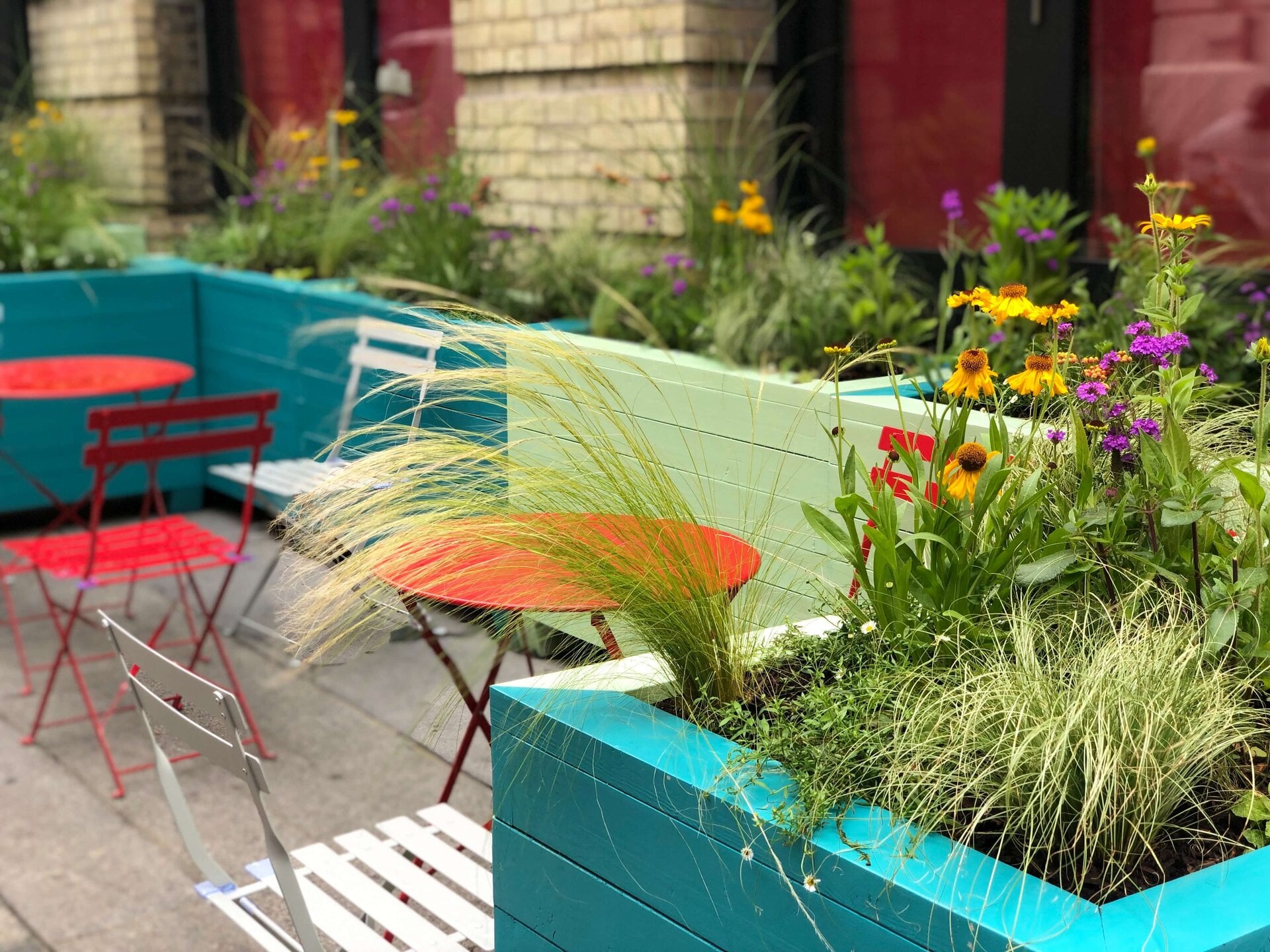
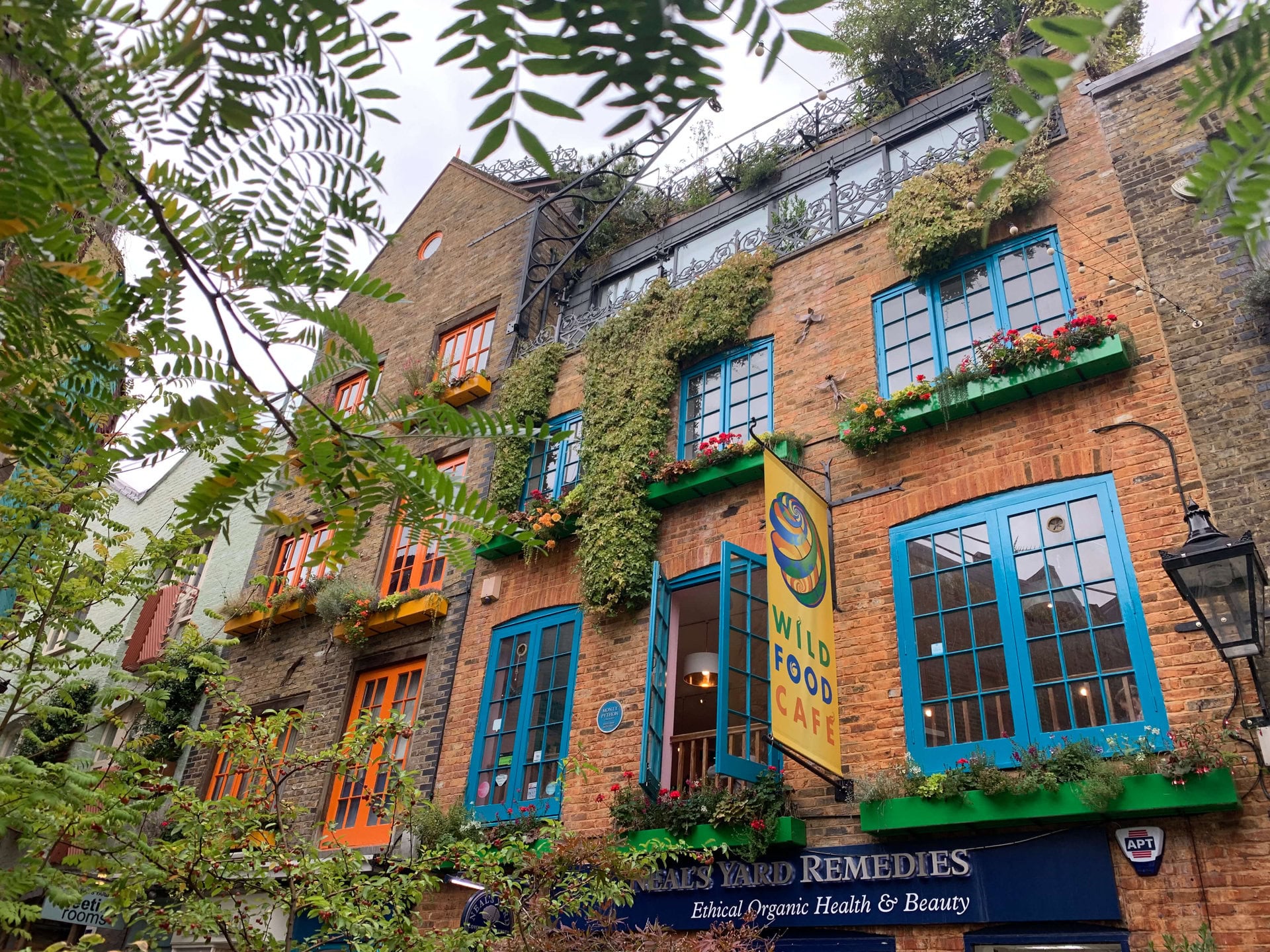
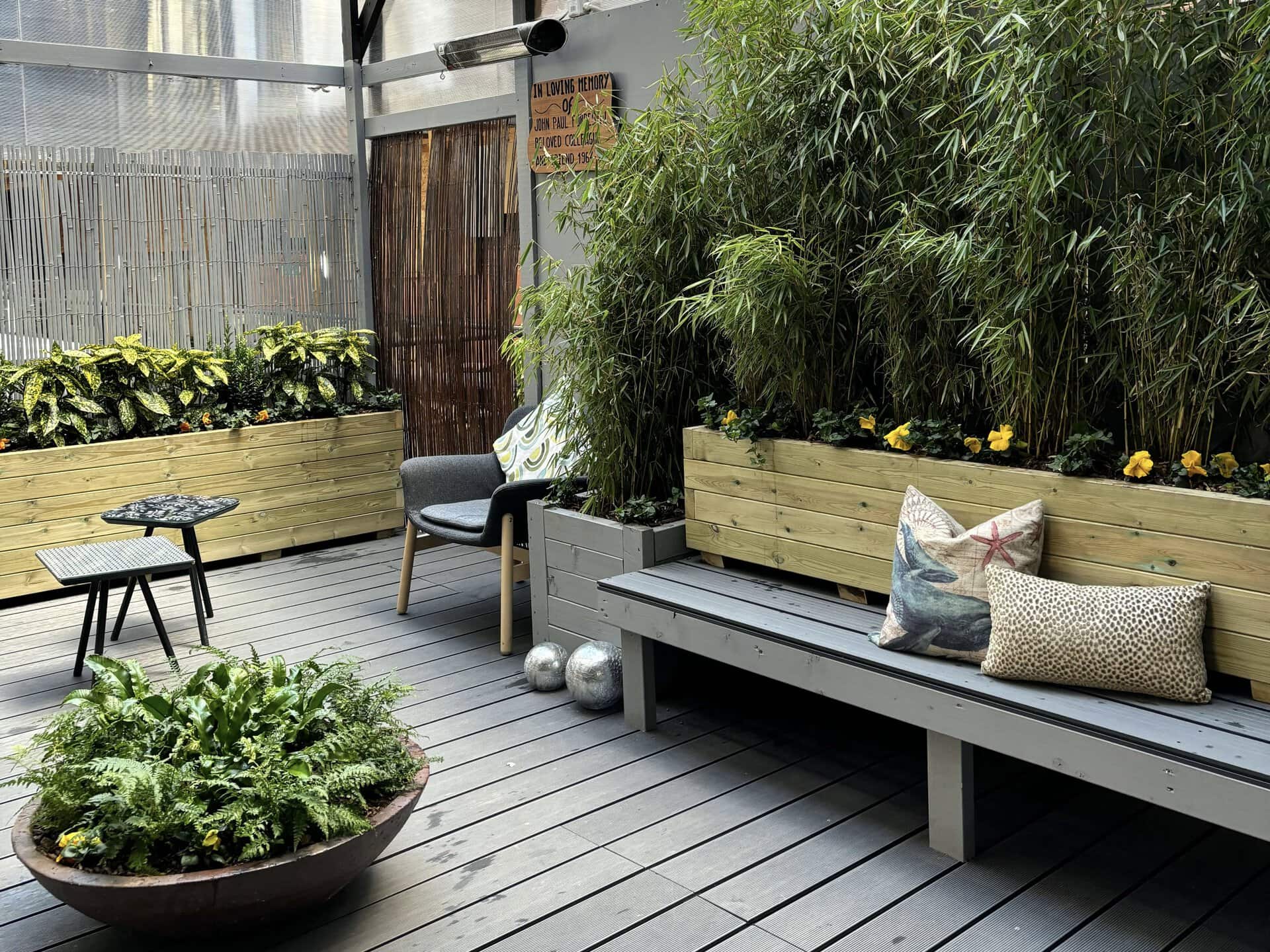
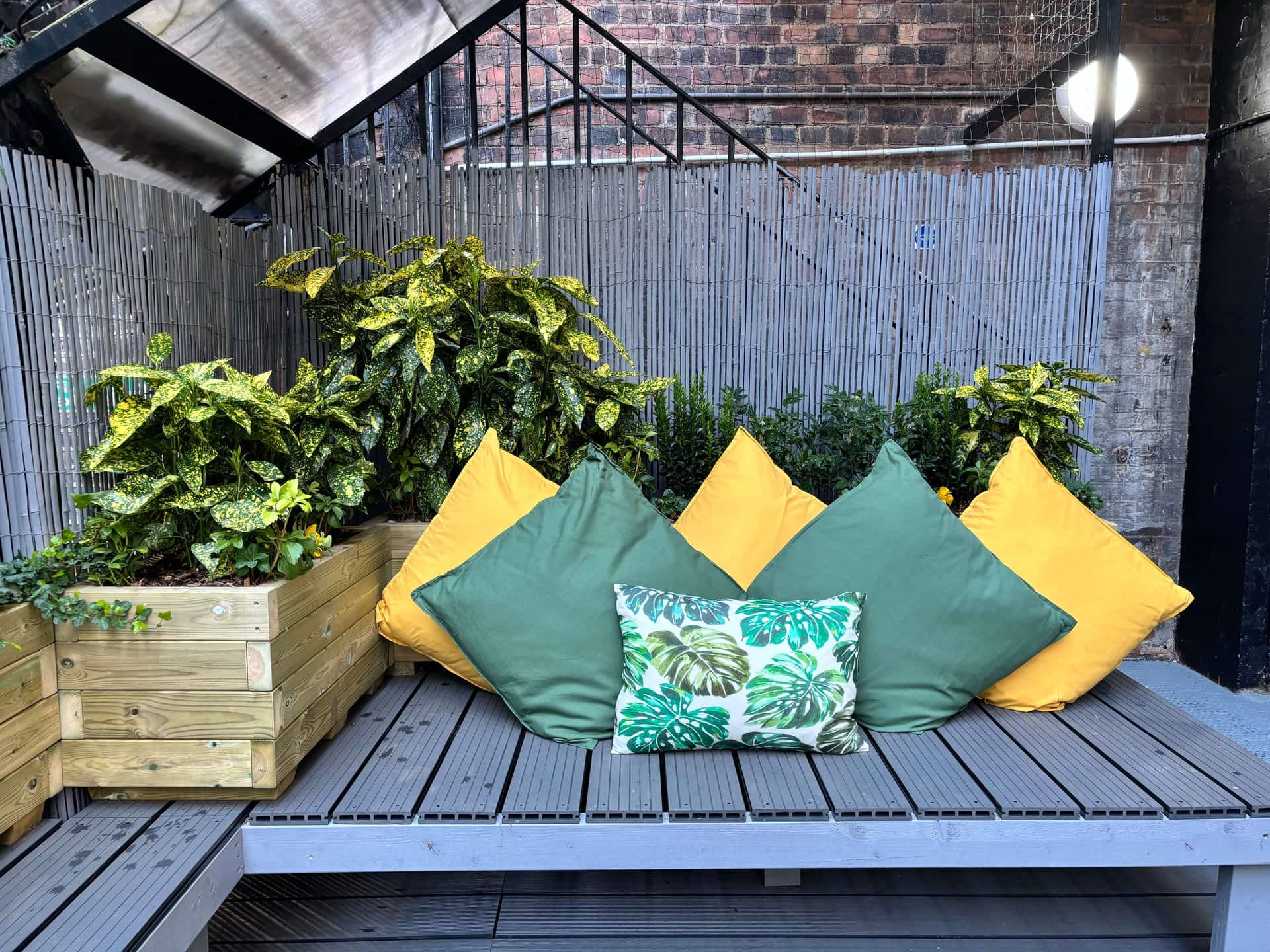
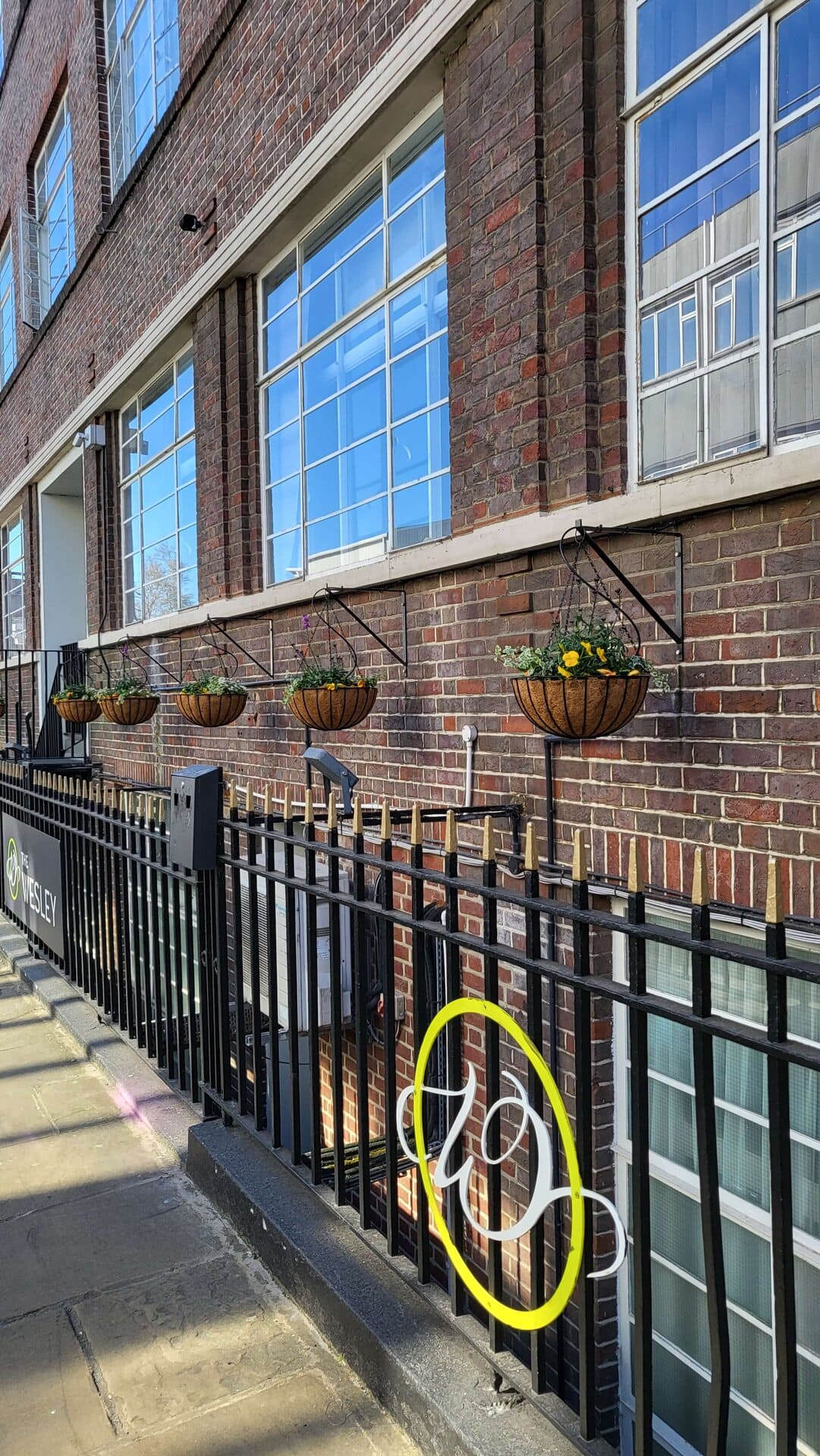


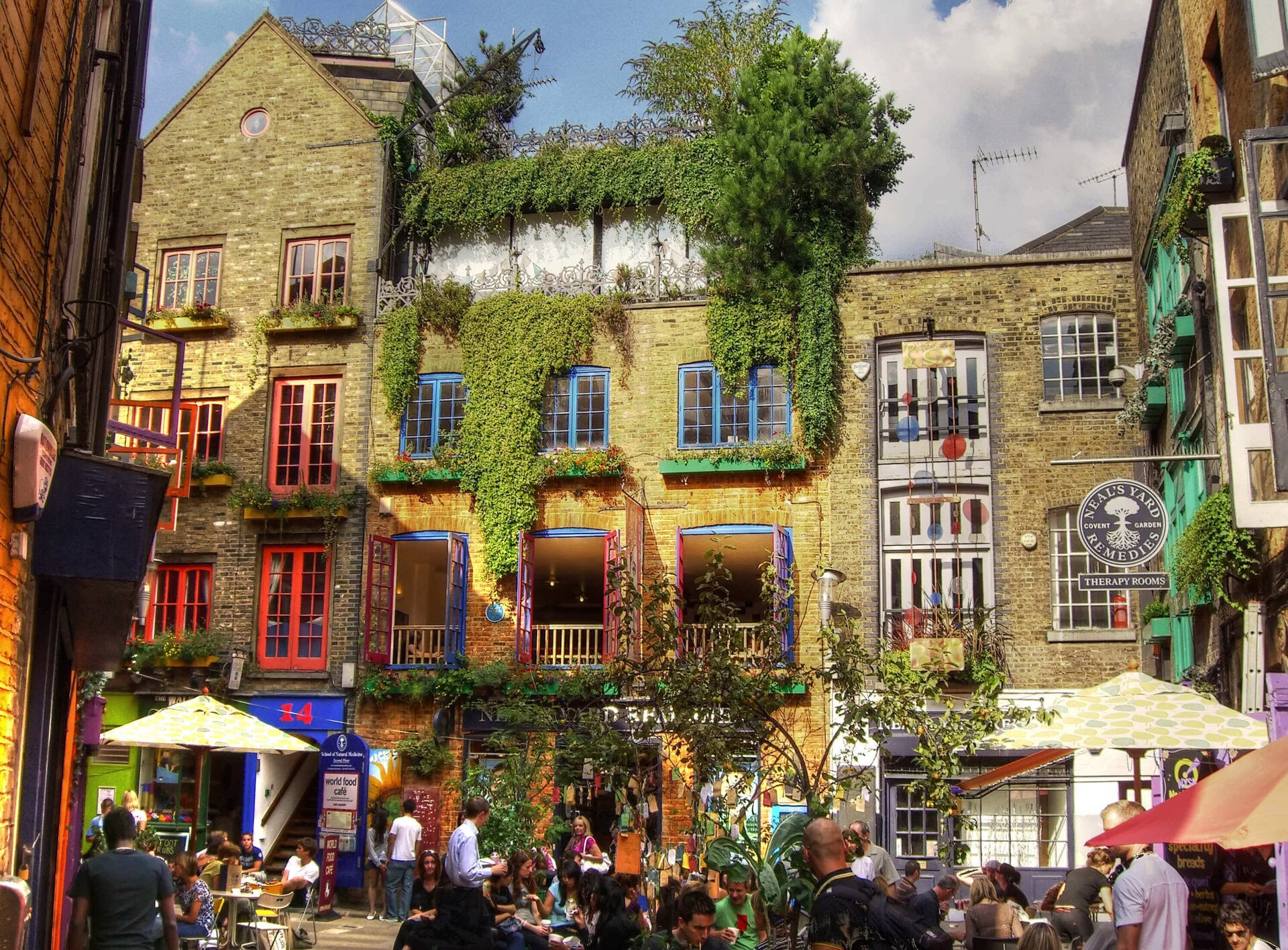
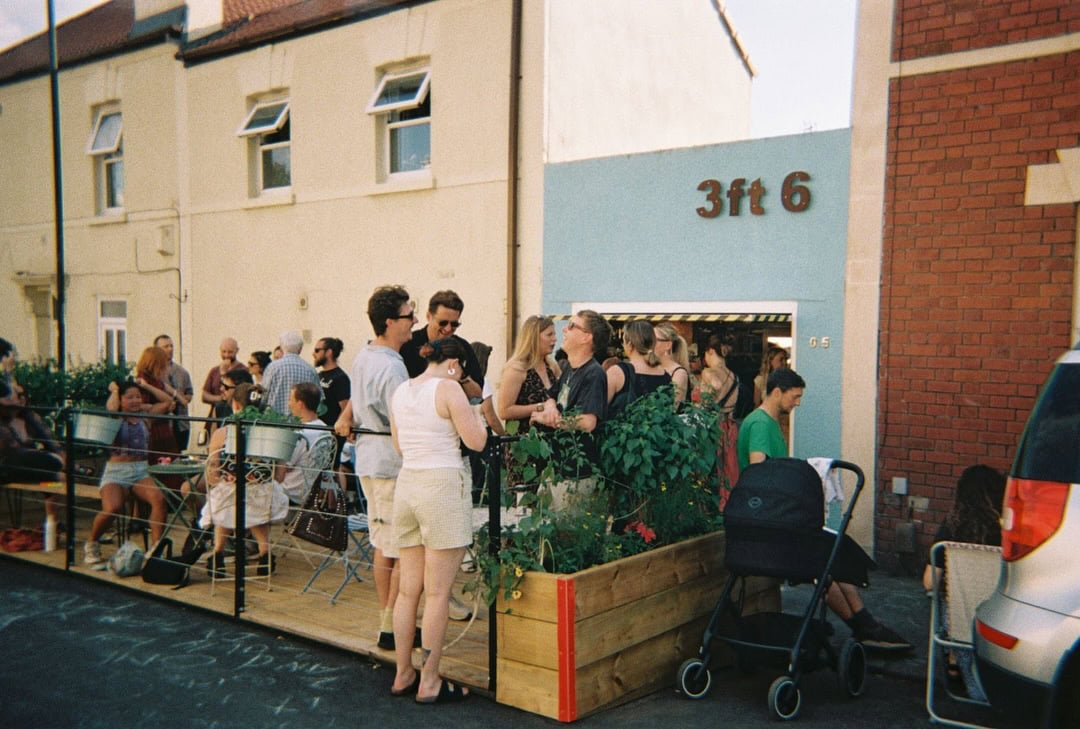
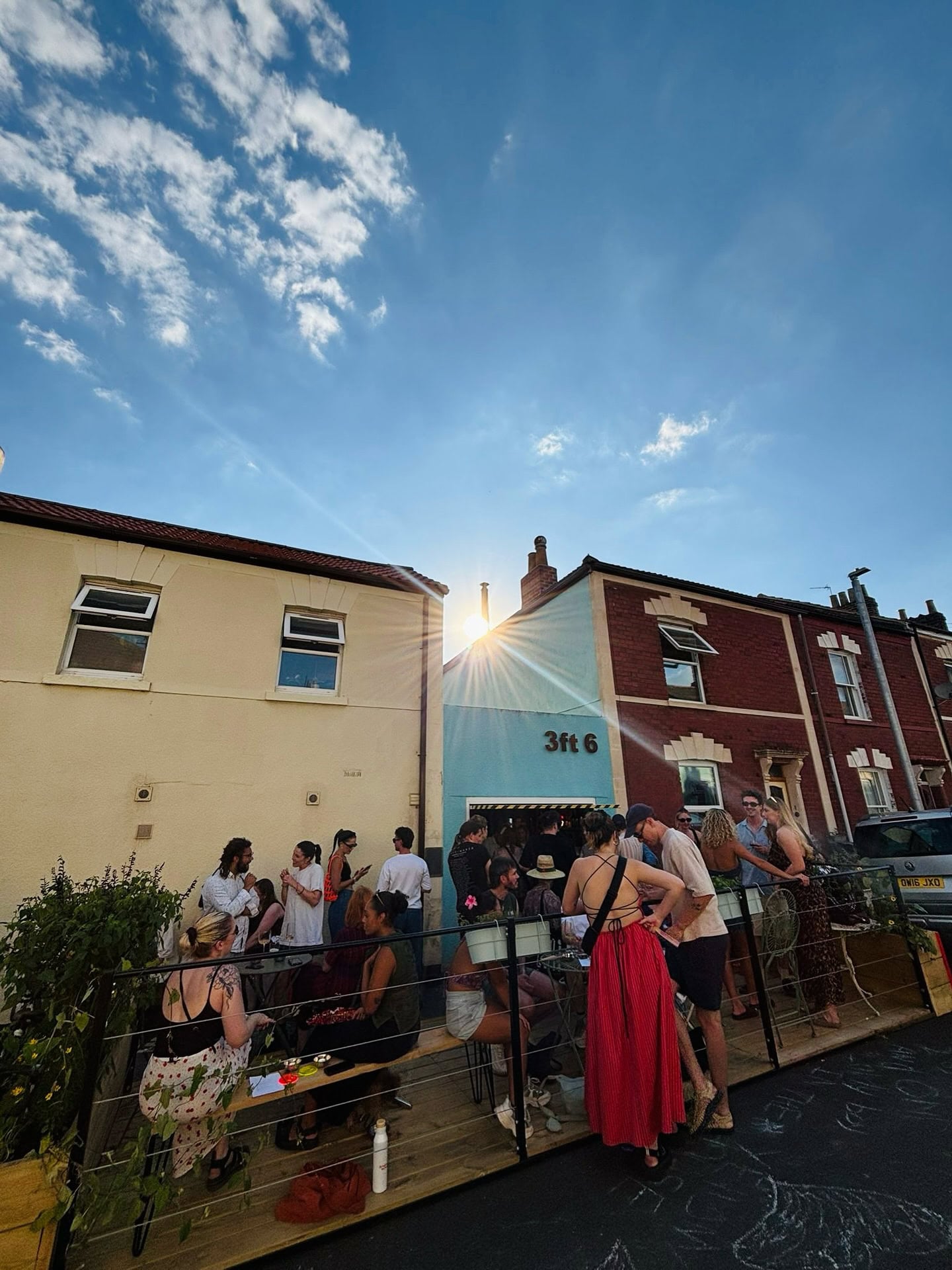
Meristem Design partners with businesses across the commercial sector to deliver impactful green spaces that create positive brand experiences and build healthier communities for employees and customers. Our goal is to help businesses stand out and enhance their sustainability and climate resilience, contributing to increased wellbeing, improved air quality and higher engagement.
Improved employee productivity
Plants in the workplace supports employee wellbeing, reduces stress, increases concentration and productivity, and boosts creativity.
Enhanced brand image
Green spaces add beauty and appeal, reflecting positively on the businesses identity and creating memorable experiences for customers.
Creating healthier environments
Plants improve air quality by removing toxins from the air and counteract the drying effects of central heating or air conditioning.
Economic benefits
Greening commercial spaces can increase the value of properties and help attract more foot traffic and customers, while reducing building maintenance costs.
Property Management & Commercial Estates
Planting and landscape improvements can significantly enhance the appeal and value of commercial properties.
We work with landlords, managing agents and property owners to create attractive external and internal environments that improve tenant satisfaction and strengthen the overall perception of a development.
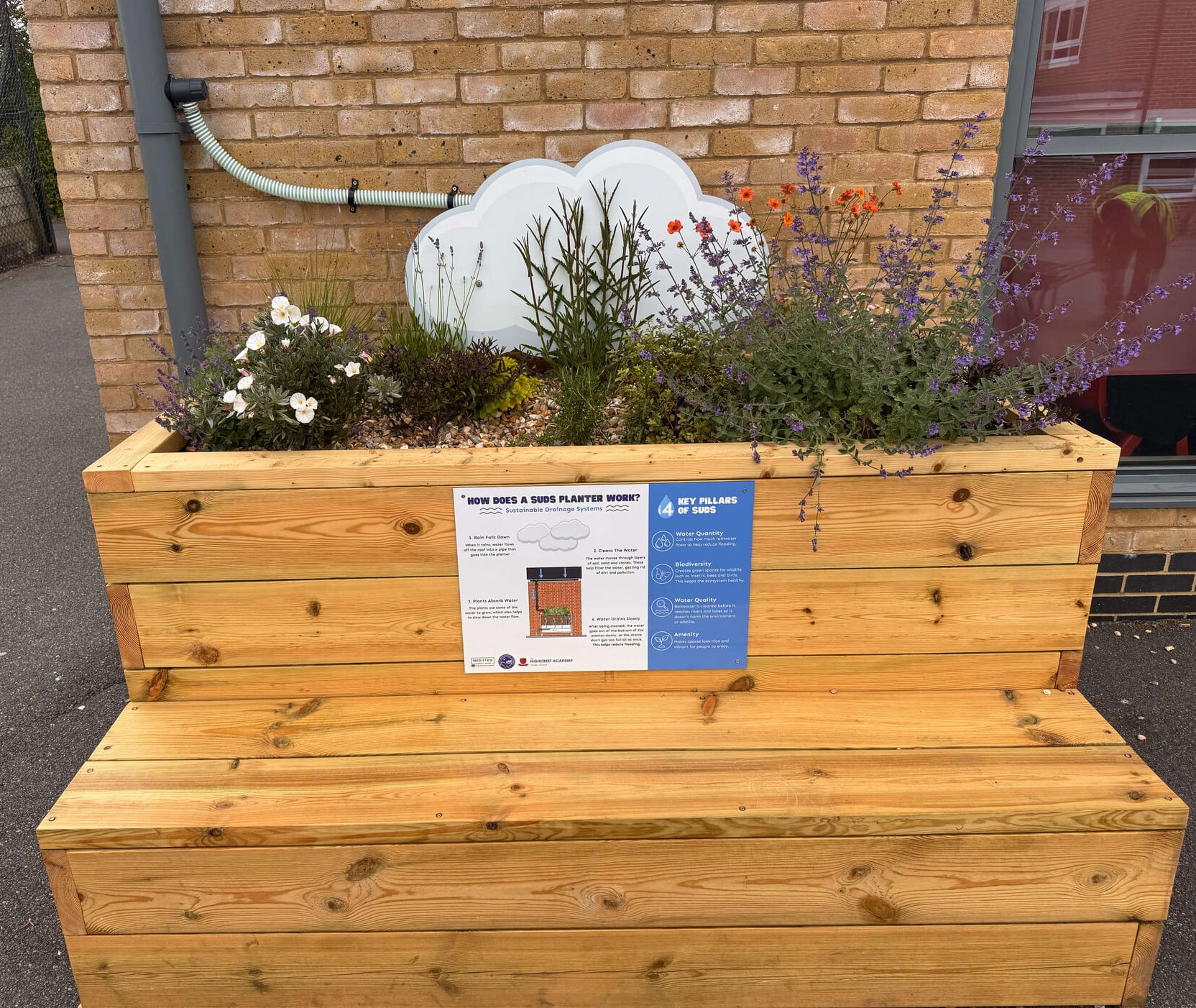
Our services include entrance planting, courtyards, roof terraces, public realm improvements, SuDS installations and ongoing maintenance programmes designed to keep commercial assets looking their best year-round.
Investing in commercial sustainability
Urban greening in the commercial sector is an investment in aesthetics, sustainability, and wellness that provides lasting value for organisations.
Businesses can meet corporate social responsibility (CSR) objectives, contribute to local biodiversity, enhance their brand image and improve job satisfaction for employees.
Implementing urban greening increases the visual appeal and value of commercial properties while creating more memorable experiences for customers.
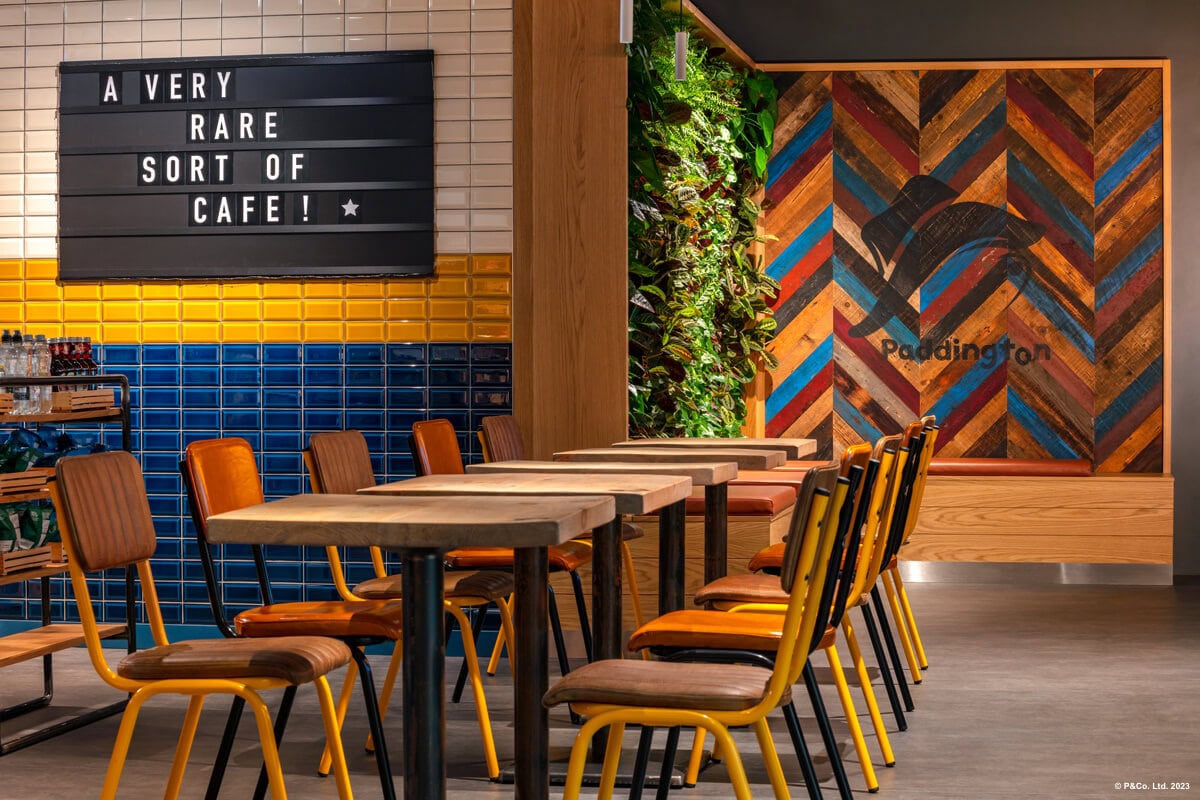
Hospitality & Leisure commercial greening
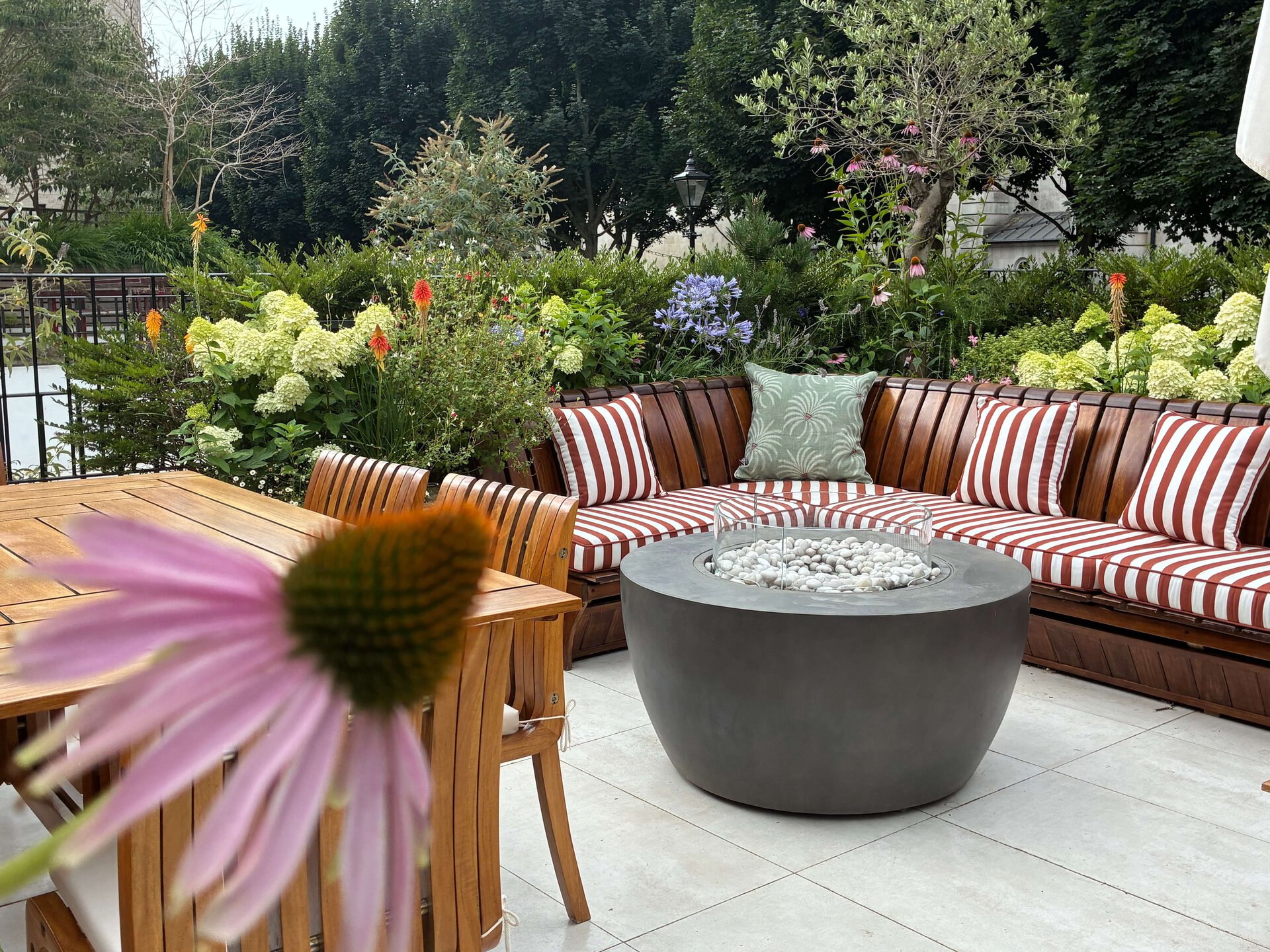
Well-designed planting can transform restaurants, hotels, bars and leisure destinations into welcoming spaces that encourage visitors to stay longer and return more often.
We work with hospitality businesses to create attractive, functional environments through outdoor dining enhancements, courtyard planting, living walls, roof terraces and bespoke planting installations.
Whether the goal is to improve kerb appeal, create a destination space or enhance guest experience, our planting schemes are designed to complement your brand and setting.
Featured products & services
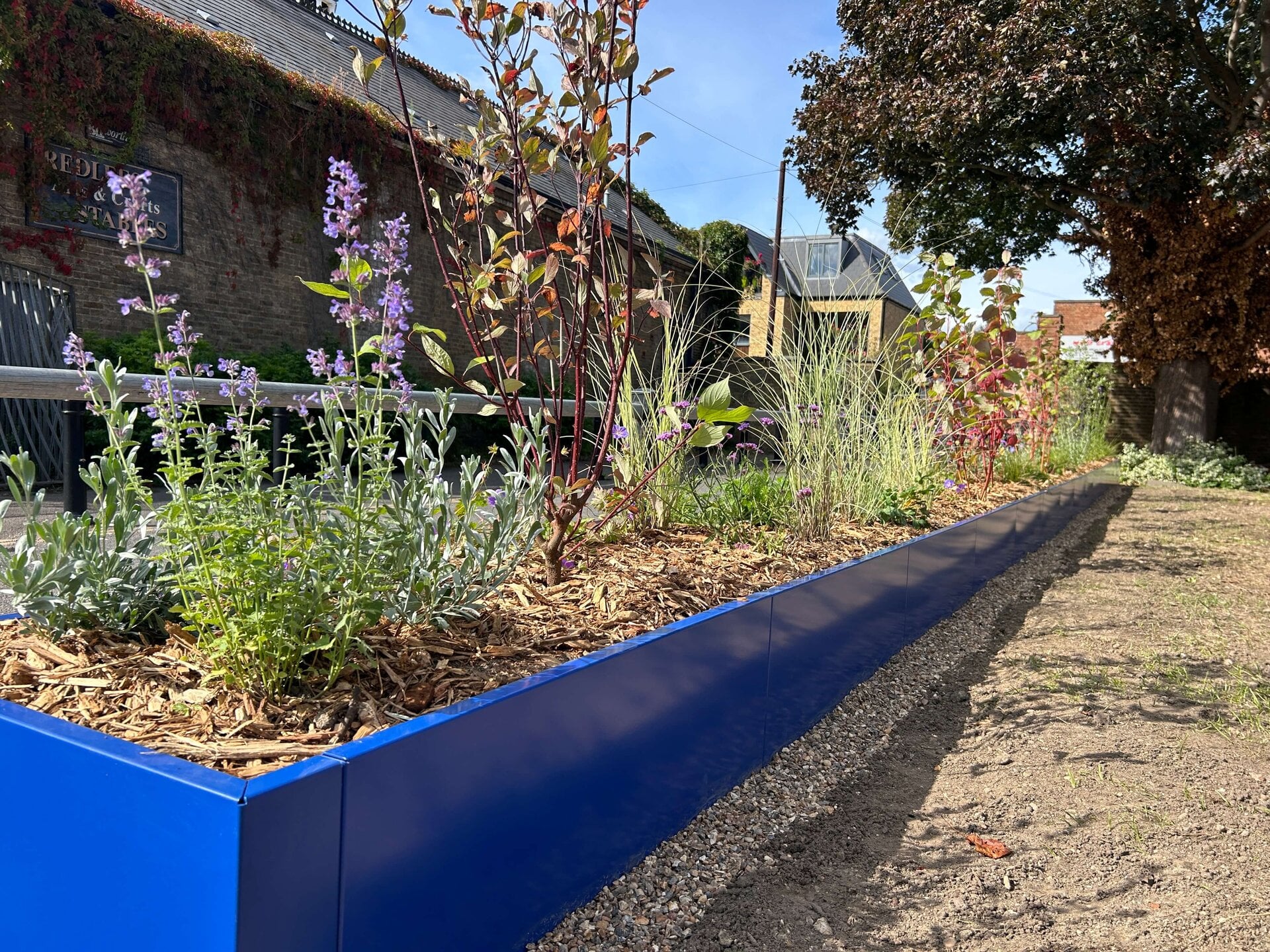
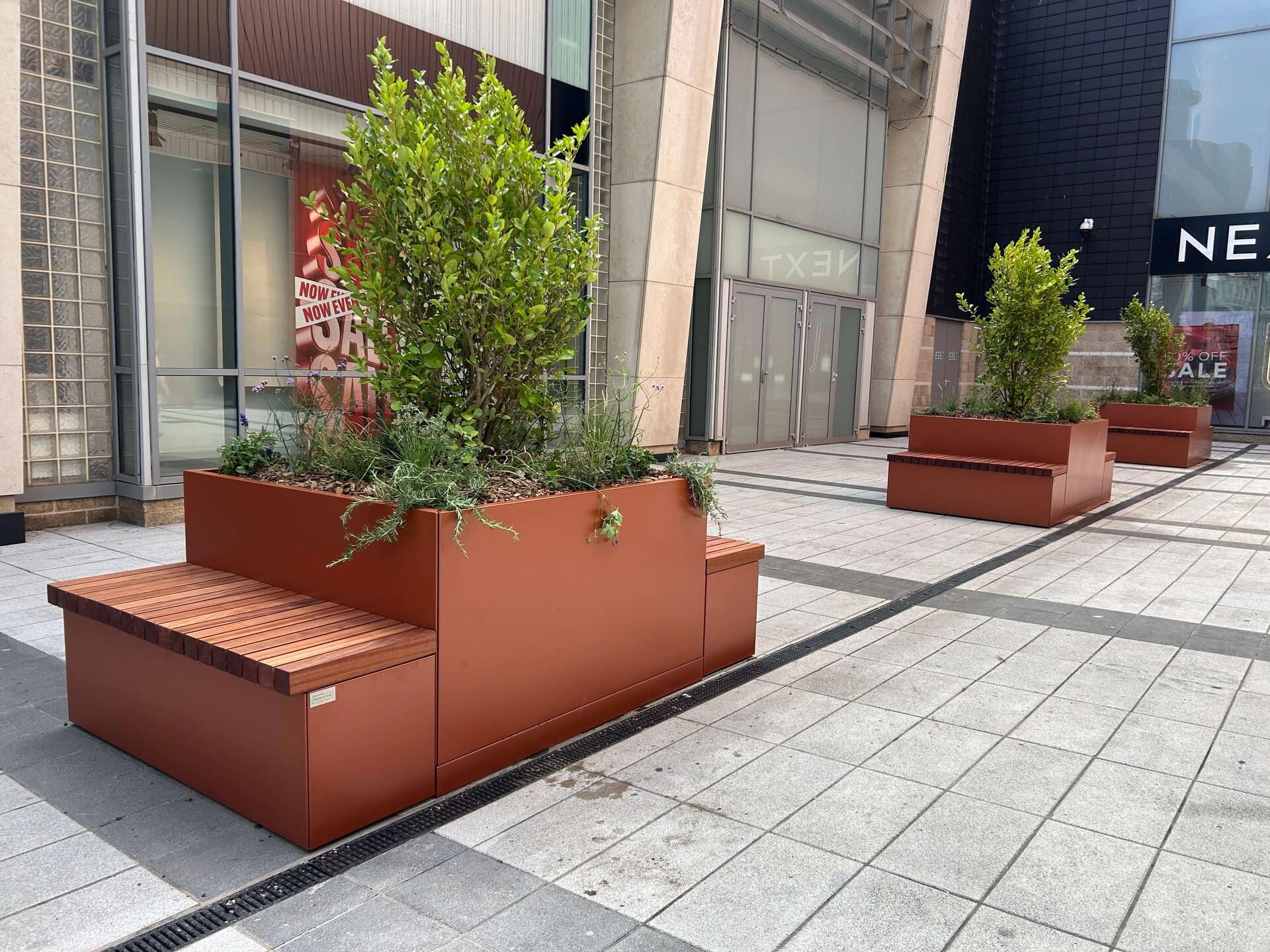
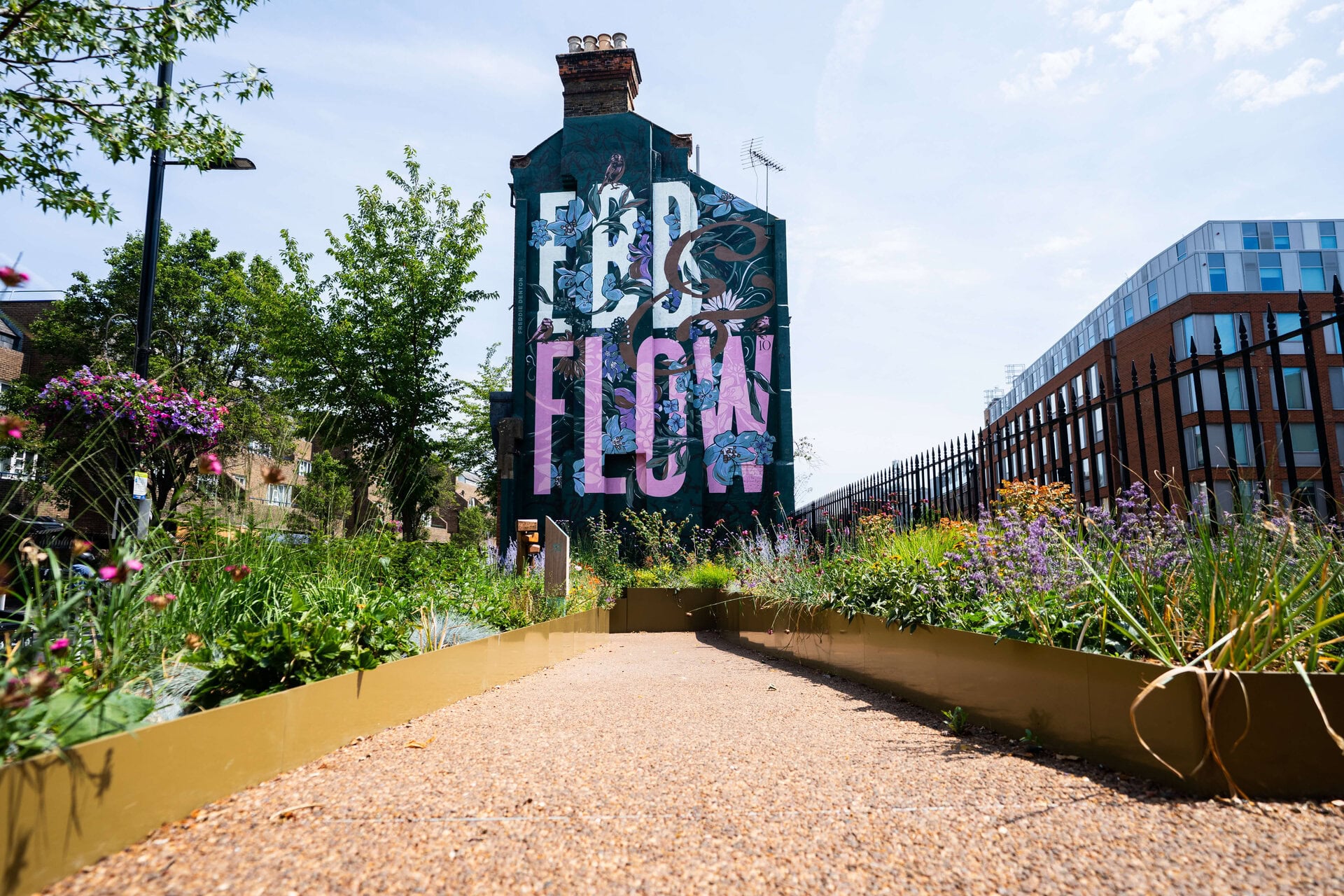
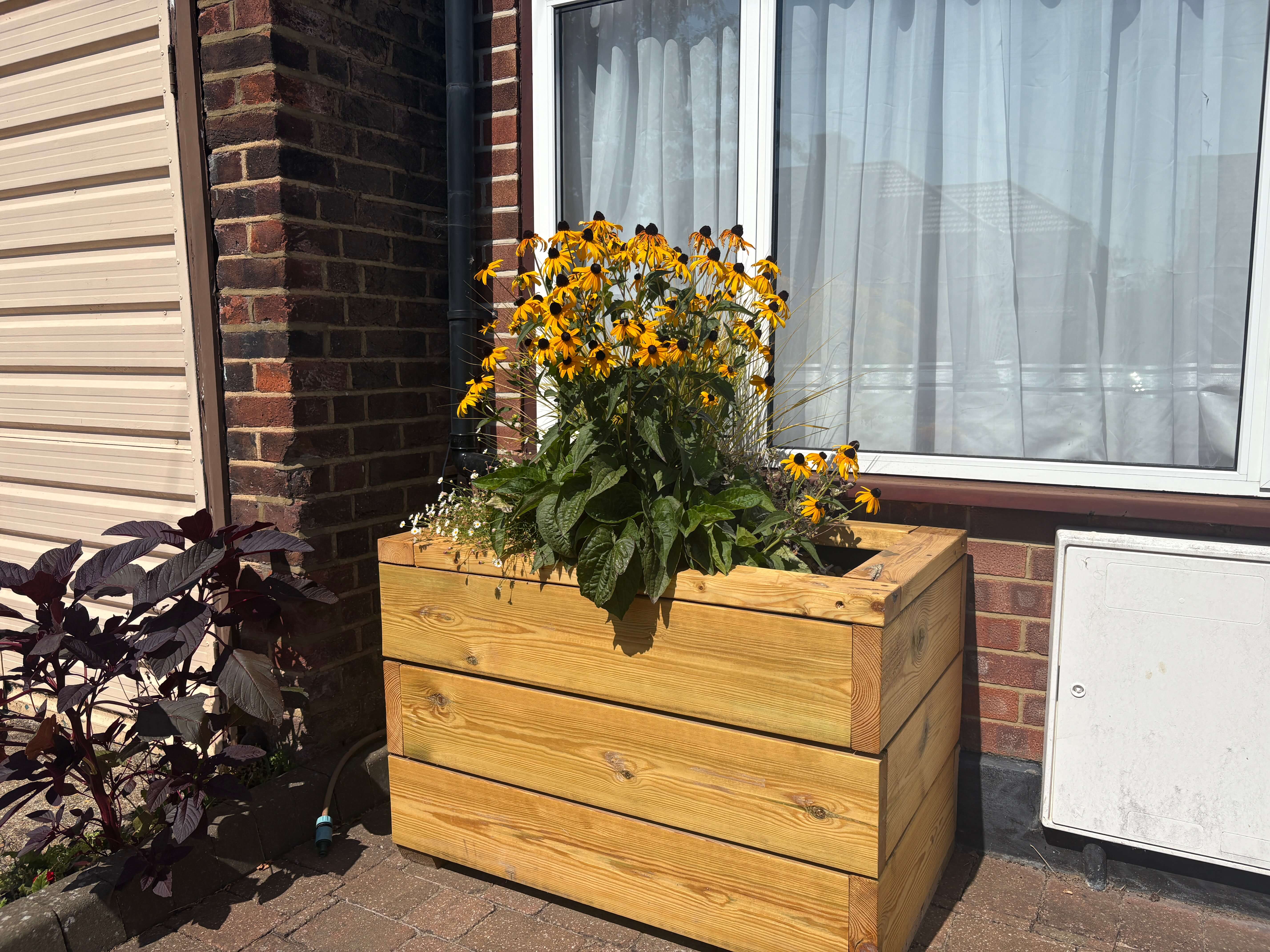
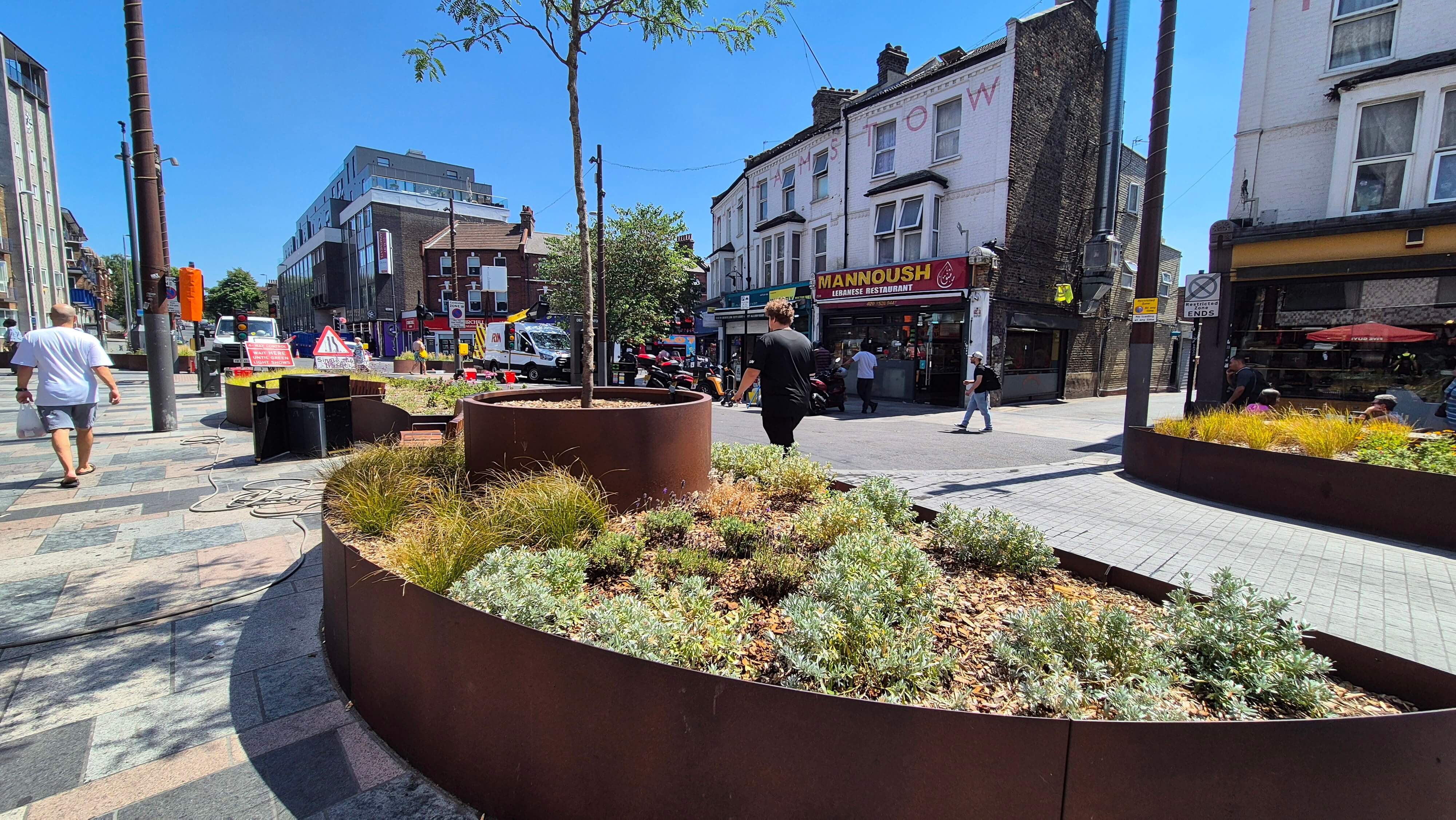
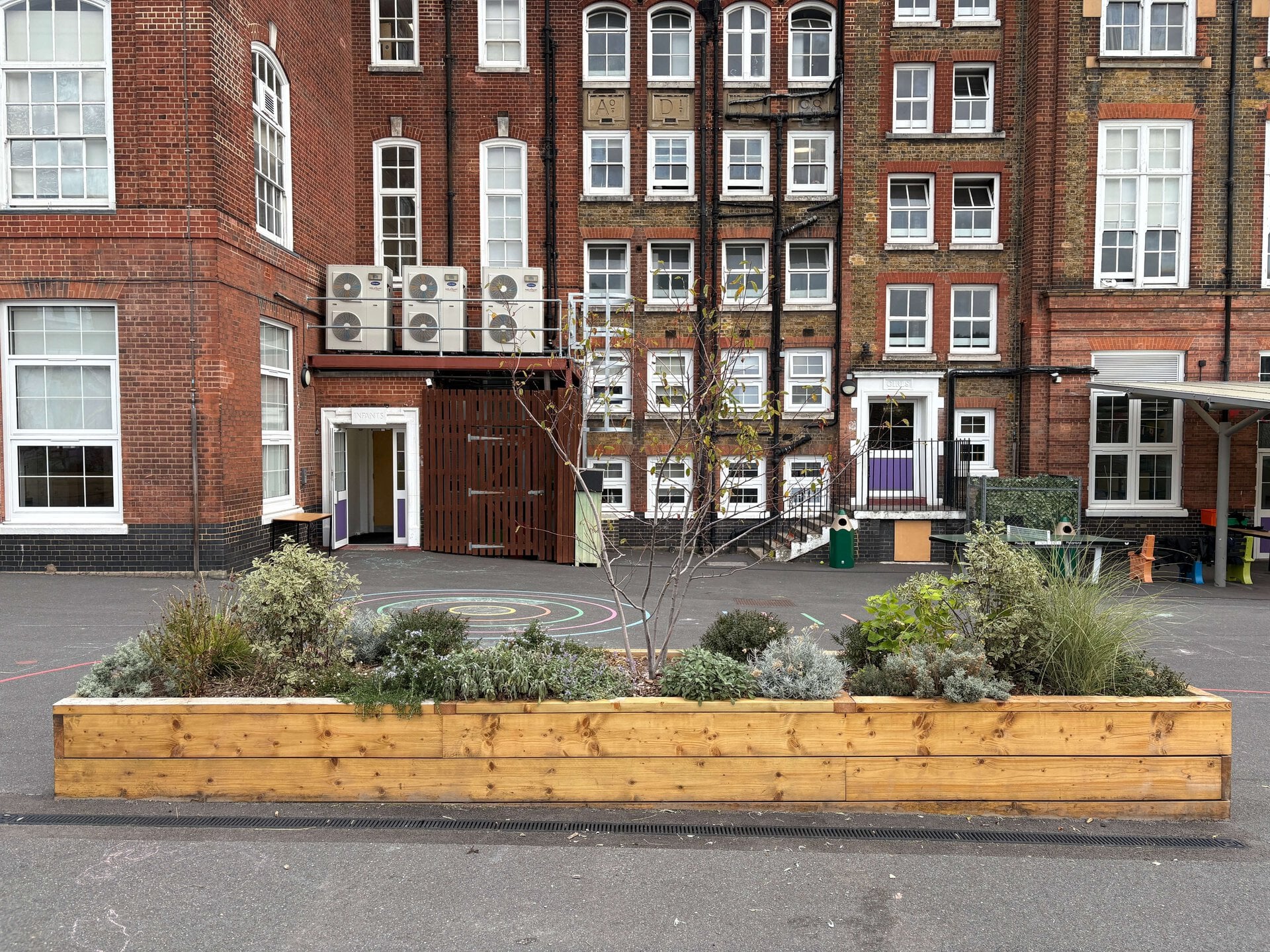
Combining functionality with a style that fits any aesthetic, each planter is crafted with care to suit your location and enhance the space. Helping to add greenery to both indoor and outdoor areas, planters create welcoming spaces that benefit people, businesses and the environment.
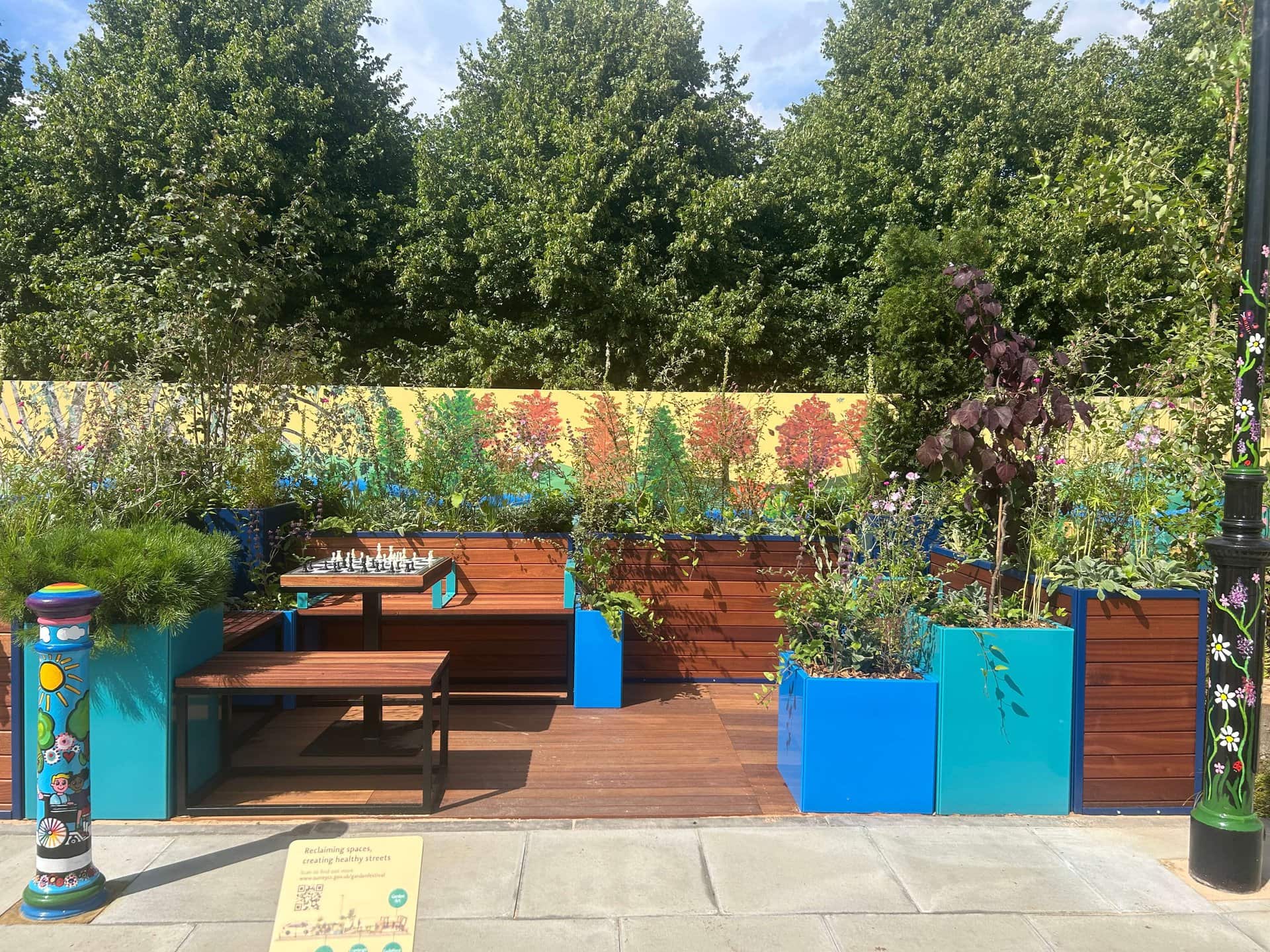
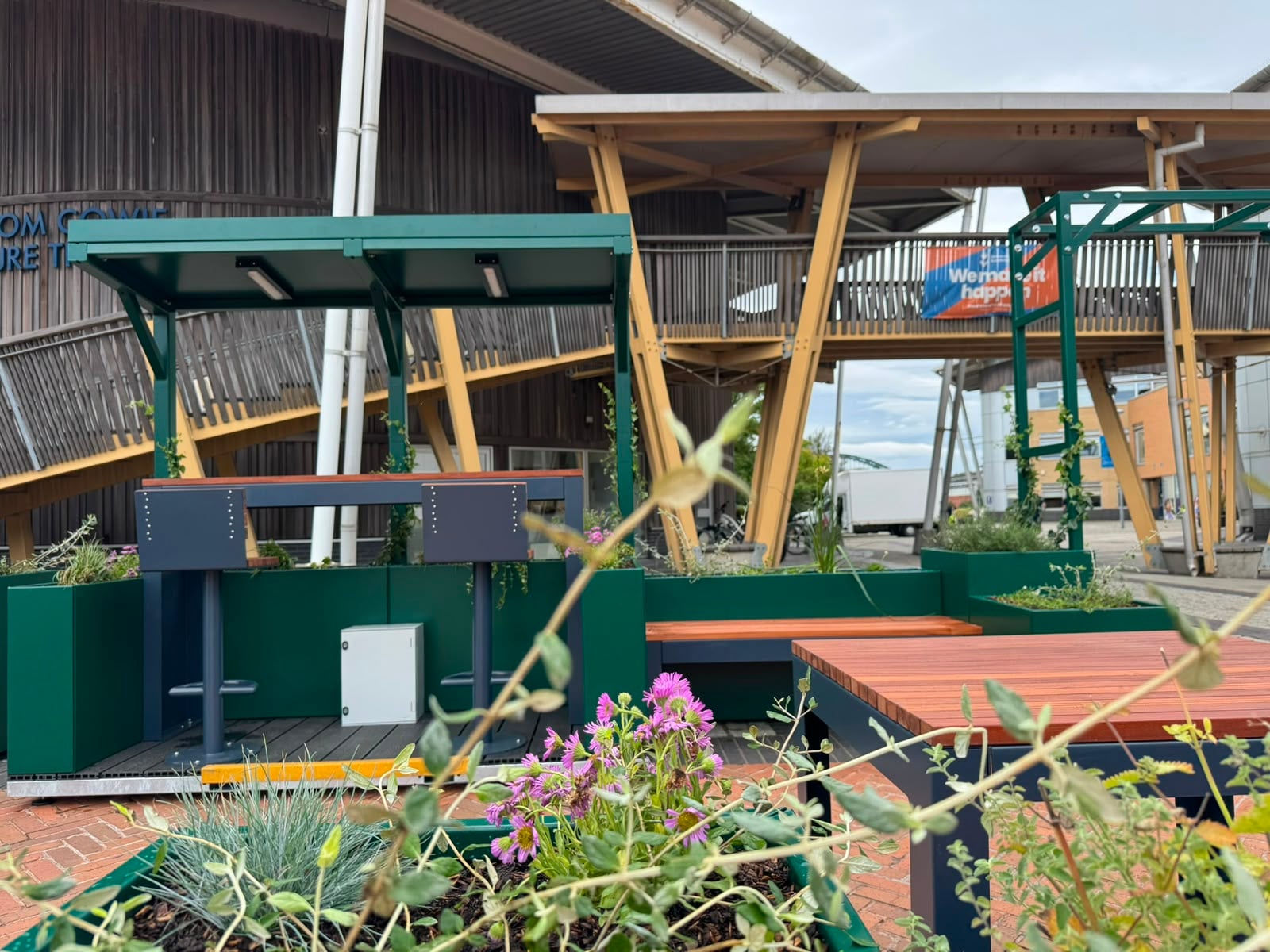
Parklets transform small or underused areas with seating, tables, and places to rest, boosting community interaction and increasing foot traffic for local businesses.
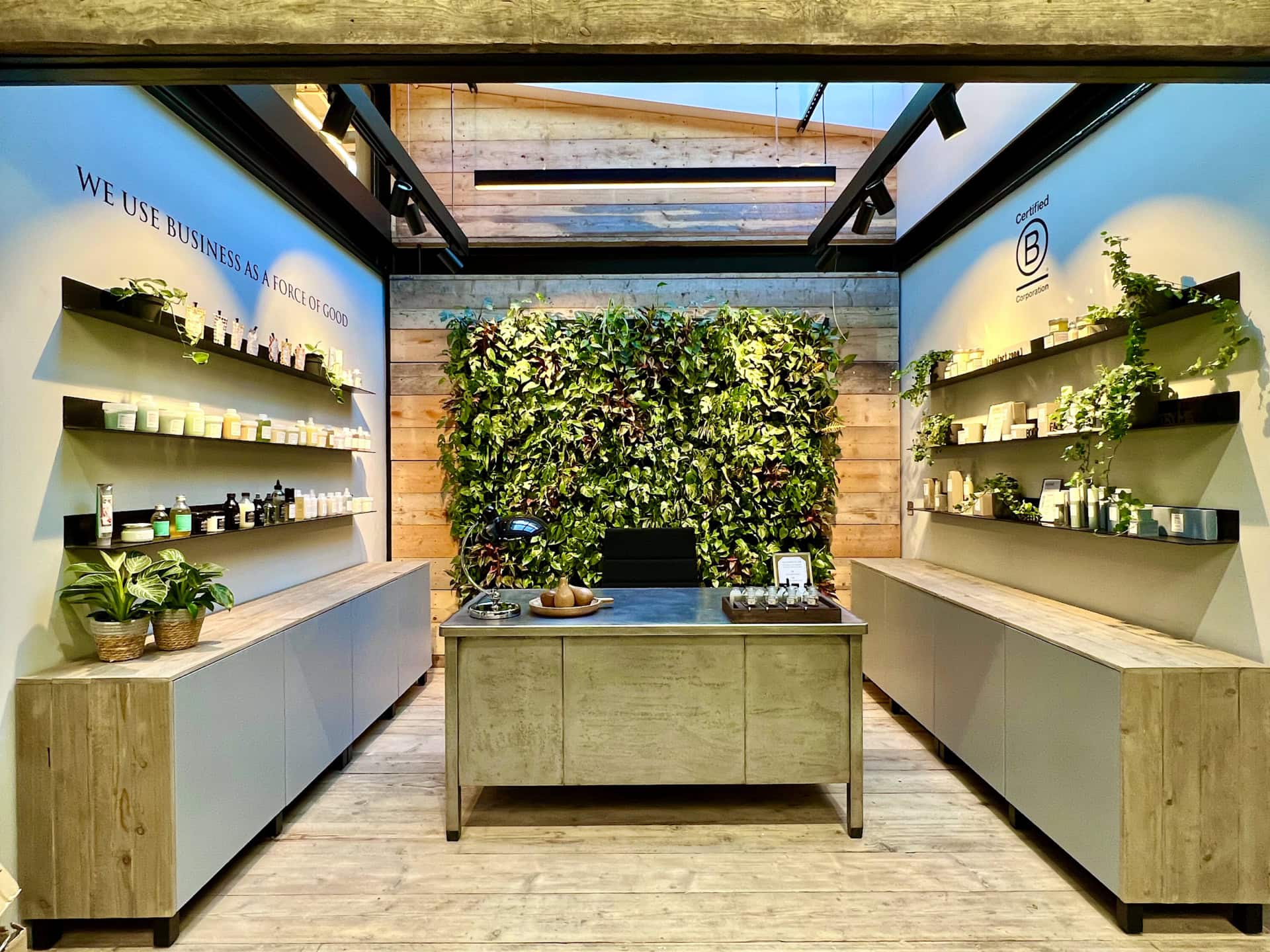
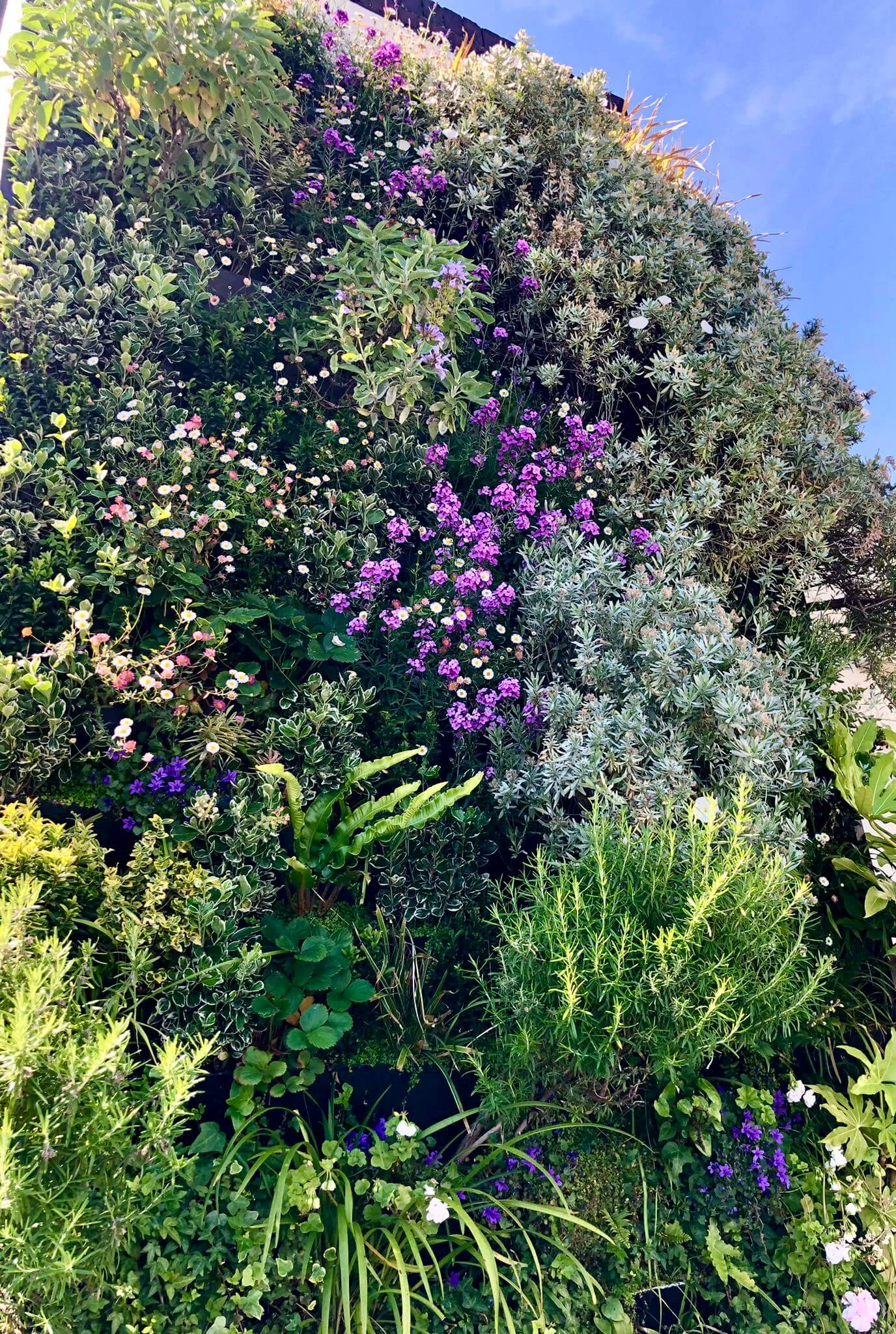
We create, install, and maintain innovative living wall systems for commercial projects, offering flexible, sustainable solutions that enhance any environment while providing a diverse selection of beautiful, easy-to-care-for plants.
For businesses and developments, mobility hubs offer visible commitments to sustainability. They enhance access, reduce car dependency and improve site aesthetics with integrated greening.
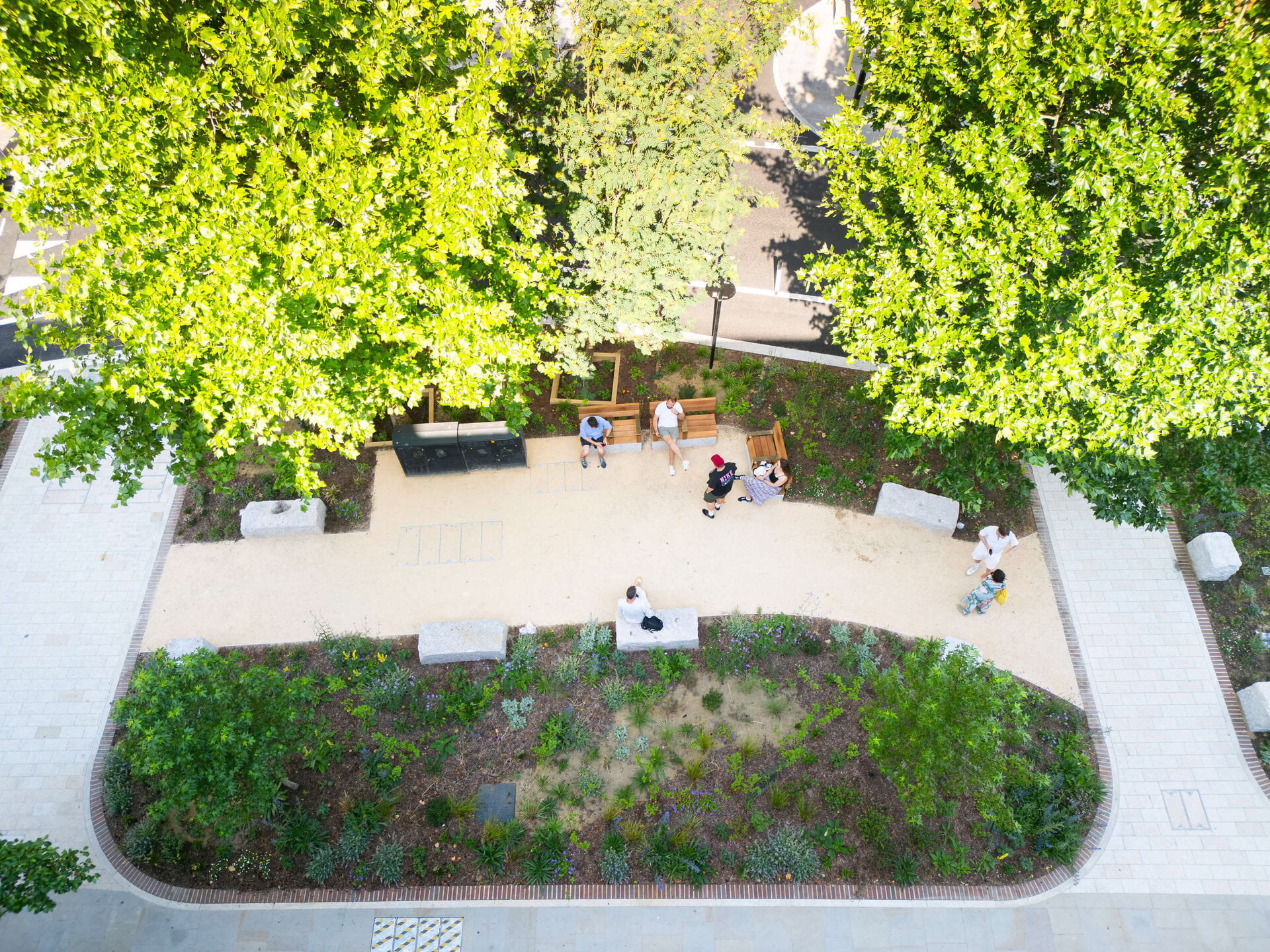
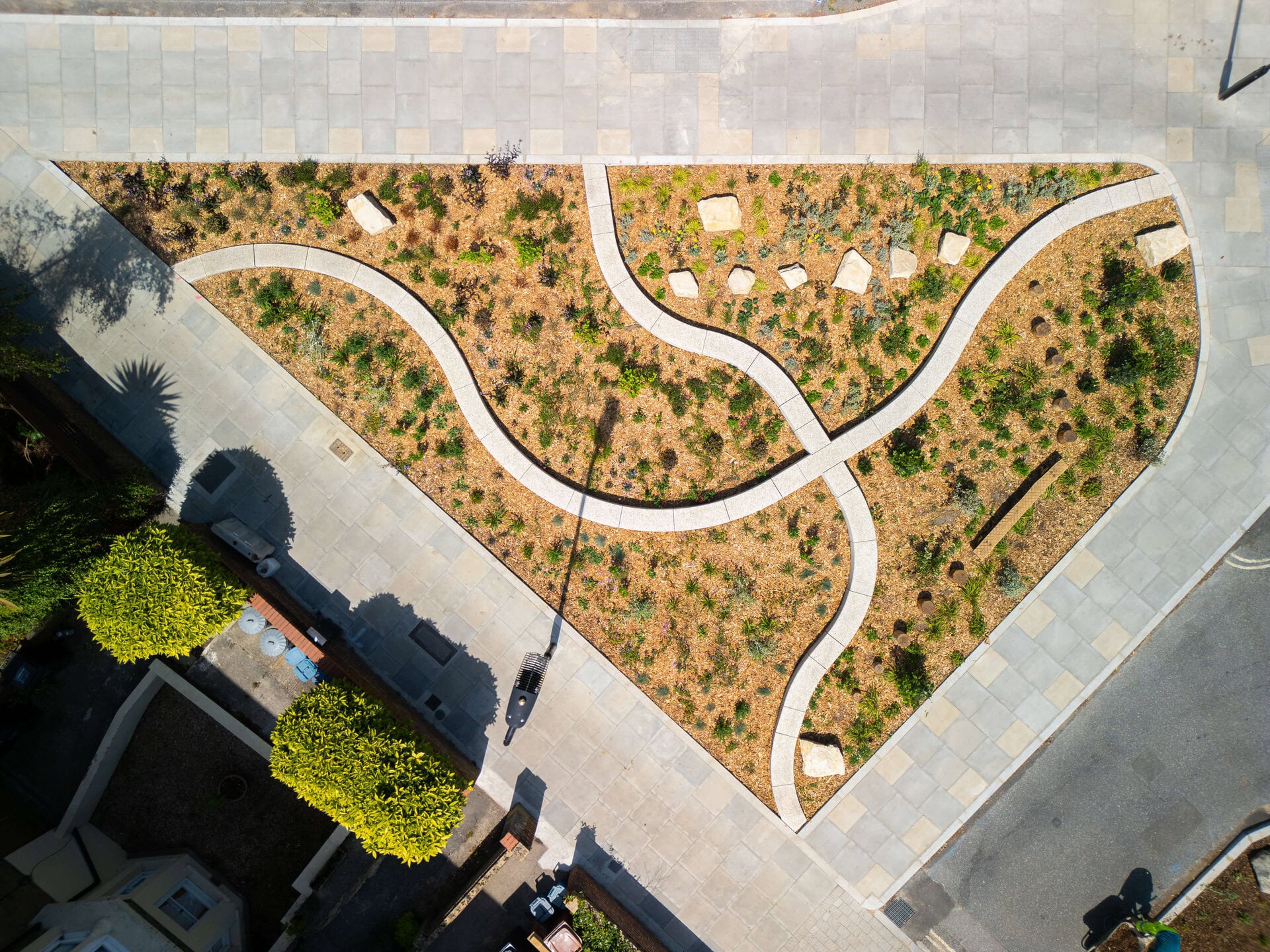
For commercial sites, pocket parks create attractive, multi-use green spaces that draw in customers and support employee wellbeing while demonstrating a visible commitment to sustainability.
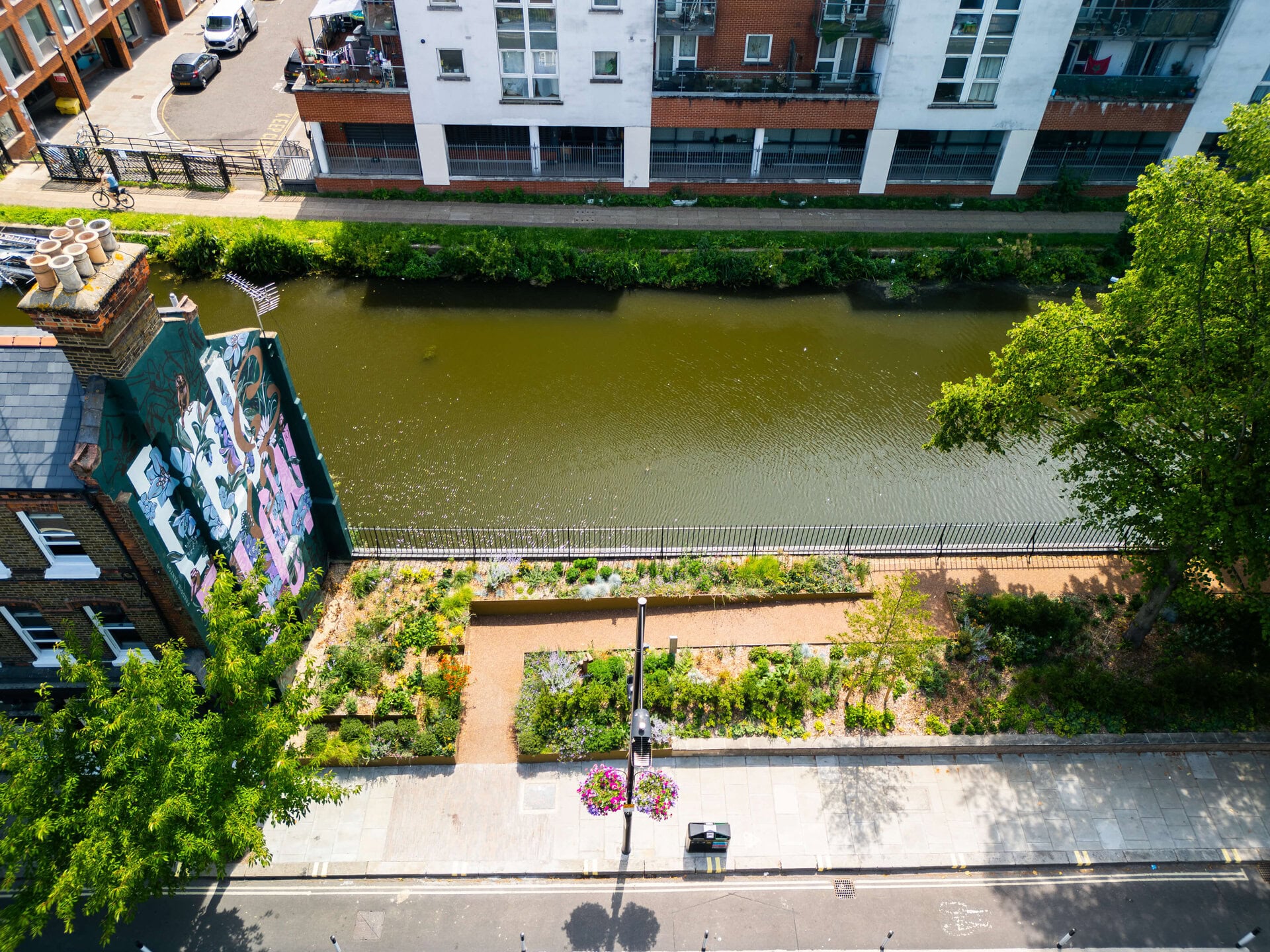
We work with developers, landlords and businesses to integrate green infrastructure into commercial spaces. From public-facing landscapes and entrance areas to mixed-use developments, our schemes enhance biodiversity, support sustainability goals and create more attractive places for people to work, visit and enjoy.
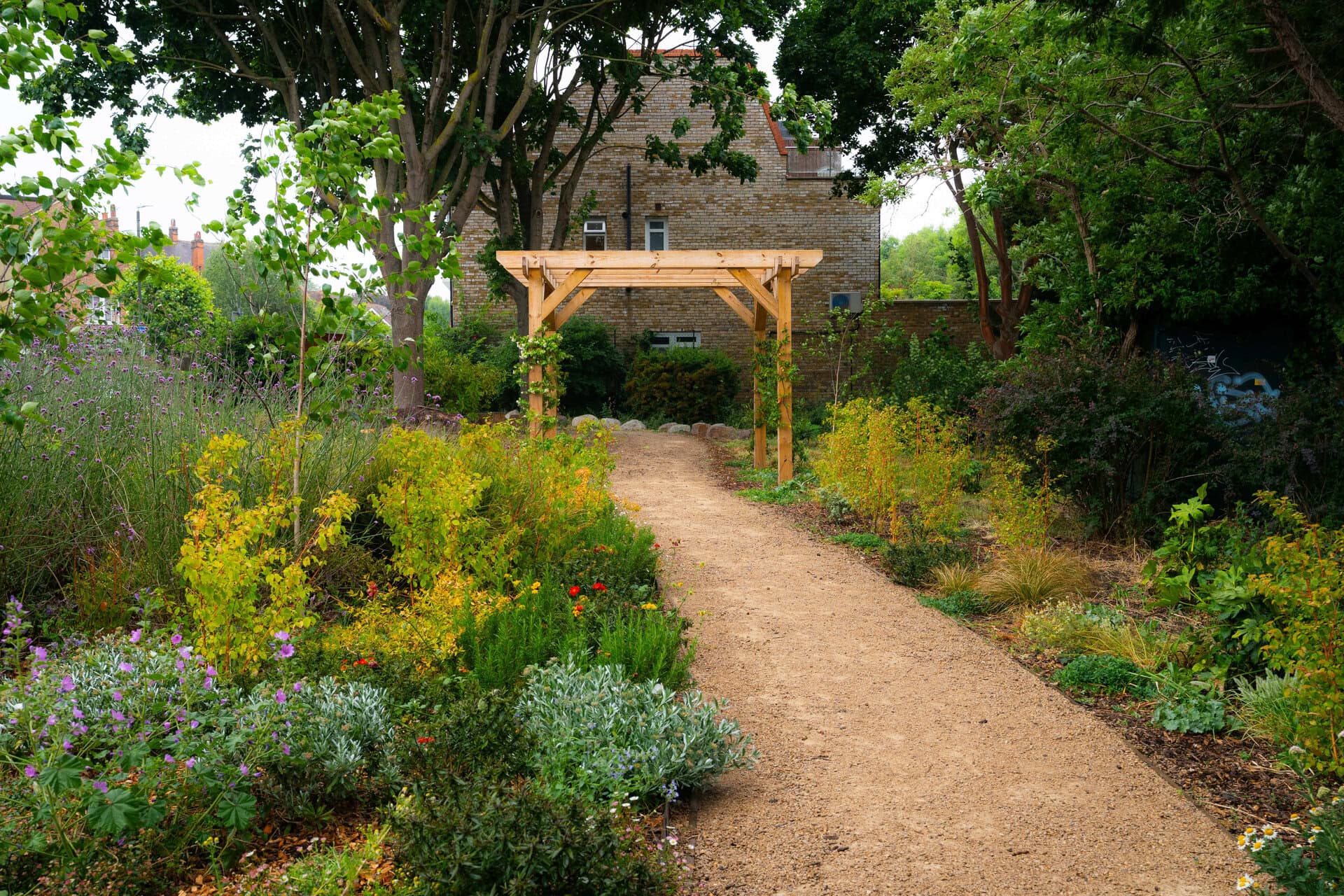
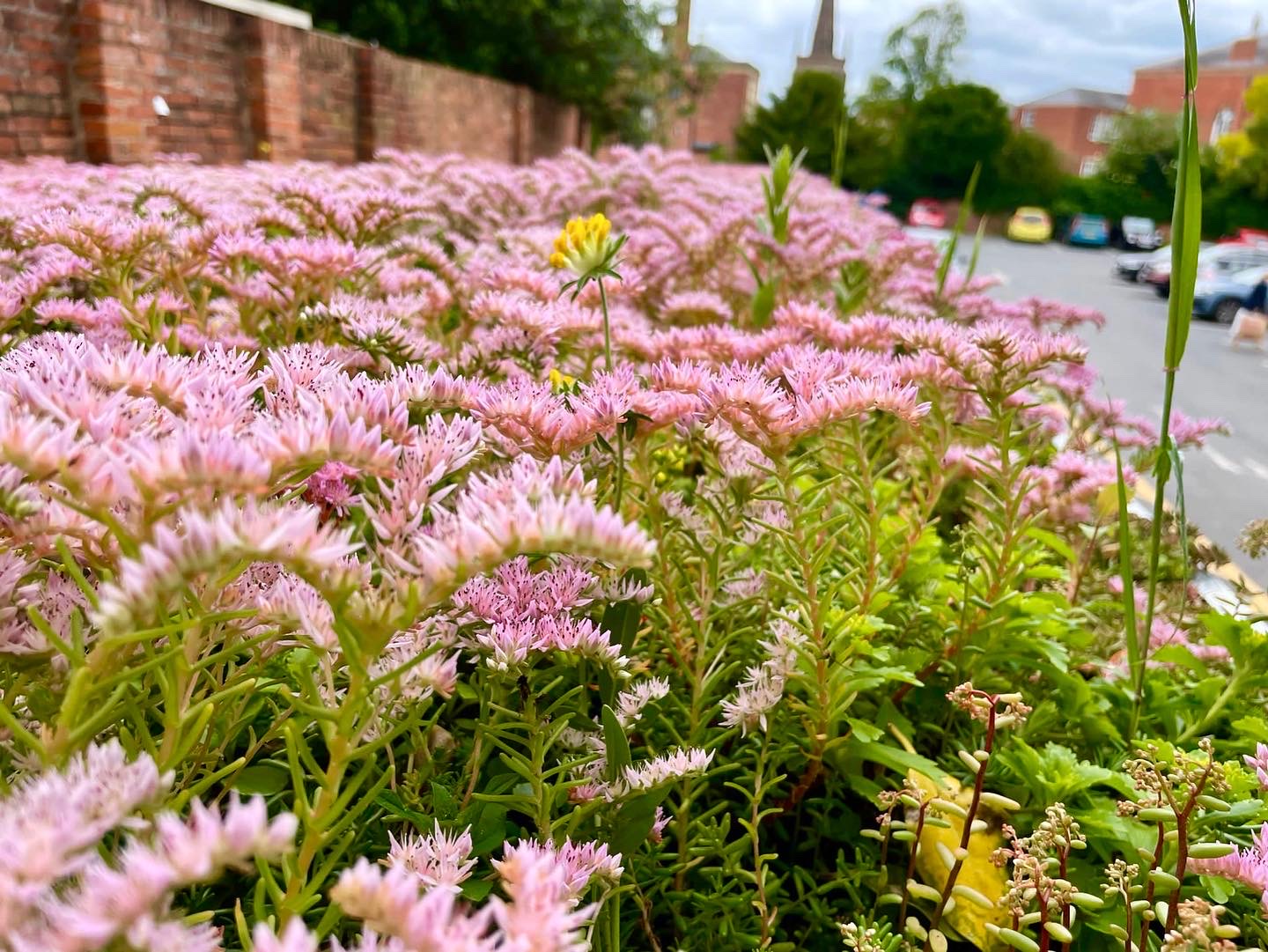
In commercial developments, nature gardens transform outdoor areas into vibrant, low-maintenance spaces that promote ecological value and provide relaxing green environments for staff and visitors.
Specialising in a range of interior landscaping services, including custom indoor planters, interior planting, living walls, and office greening, we work with commercial clients to transform spaces with greenery and biophilic design.
We provide a dedicated plant maintenance service, in order to maintain the beauty and quality of your plant displays. Our highly trained plant maintenance team will; water feed, prune, top dress, pest control and clean your plants to keep them in perfect shape.
Get in touch
If you like what you've seen and want to learn more about how this could work in your setting, please get in touch.
"*" indicates required fields
Frequently Asked Questions
Can you help with rooftop gardens?
Yes. Rooftop gardens are one of our core residential services, bringing greenery to spaces that might otherwise go unused.
How do I get started on a commercial greening project?
Get in touch with our team, or view our brochure for further examples of our commercial greening work.
Is greening only relevant for large commercial developments, or can smaller businesses benefit too?
Both. Solutions are tailored to each business's scale and goals, from single-premises entrance planting through to full public realm improvements.
Can planting help improve the guest experience at a hospitality venue?
Yes. Well-designed planting can transform hospitality spaces into welcoming destinations that encourage guests to stay longer and return more often.
Do you offer planting solutions for hospitality and leisure businesses?
Yes. We work with restaurants, hotels, bars and leisure destinations on outdoor dining enhancements, courtyard planting, living walls, roof terraces and bespoke installations.
Can greening improve tenant satisfaction across a commercial estate?
Yes. Attractive external and internal planting improves the overall perception of a development, strengthening tenant satisfaction and long-term appeal.
What services do you offer for property management and commercial estates?
We work with landlords, managing agents and property owners on entrance planting, courtyards, roof terraces, public realm improvements, SuDS installations, and ongoing maintenance programmes.
Are there economic benefits to greening a commercial property?
Yes. Greening commercial spaces can increase property value, attract more foot traffic and customers, and help reduce building maintenance costs over time.
Does commercial planting improve indoor air quality?
Yes. Plants help remove toxins from the air and can counteract the drying effects of central heating or air conditioning.
How does greening improve a business's brand image?
Green spaces add beauty and appeal that reflect positively on a business's identity, helping create memorable experiences for customers and visitors.
What does Meristem Design offer commercial businesses?
We partner with businesses across the commercial sector to deliver green spaces that create positive brand experiences and healthier environments for employees, clients and visitors, while supporting sustainability and climate resilience.
How do I get started with an office planting scheme?
Get in touch with our team to discuss your workplace and requirements, or view our brochure to see examples of our office planting design and installation work.
Is office planting suitable for all types of workspace?
Yes, almost every workspace can have planting integrated. Whether it's a reception area, meeting room, breakout space or open-plan office, planting schemes can be designed to suit the specific layout, use and character of your workplace.
Can office planting improve employee wellbeing and productivity?
Yes. Introducing greenery indoors has been shown to boost productivity, increase attentiveness and foster greater job satisfaction, helping create a healthier, more inspiring workplace for employees.
Can office planting really improve air quality?
Yes. Plants help filter indoor air by removing toxins and releasing oxygen, contributing to a healthier environment. They can also help counteract the drying effects of central heating or air conditioning systems commonly found in offices.
What are the benefits of office planting?
Office planting can improve indoor air quality, support biophilic design principles, create a stronger first impression for clients and visitors, and boost employee productivity, attentiveness and job satisfaction.
How often will our office plants be maintained?
Maintenance programmes are flexible and tailored to the specific requirements of your workplace, so visit frequency depends on the planting scheme, its scale and your business's needs. Our team can advise on the right schedule during the design process.
What does your office plants maintenance service include?
Our maintenance services cover watering, feeding, pruning, cleaning and presentation upkeep, pest management, and health monitoring and reporting, ensuring displays remain healthy and vibrant throughout the year.
Do you provide ongoing maintenance for office plants?
Yes. Our dedicated maintenance team provides professional aftercare through flexible maintenance programmes, tailored to each workplace's needs - whether that's regular scheduled visits or occasional support.
How do you decide what planting scheme suits our office?
We take a tailored approach, working closely with clients to understand how each space is used. This includes considering natural light levels, footfall, interior design, maintenance requirements and overall business objectives before designing a scheme.
What is biophilic design?
Biophilic design is a design philosophy that incorporates natural elements into built environments to connect people with nature. In an office setting, this helps enhance employee wellbeing and improve overall quality of life within the workplace.
Do you offer office living walls or green walls?
Yes. Living walls and green walls are one of our core office planting services, ideal for making a statement in reception areas, meeting rooms or feature spaces within the workplace.
What office planting services do you offer?
We offer a full range of interior planting solutions, including interior planting schemes, bespoke indoor planters and pots, living walls and green walls, hanging and suspended planting, living green pictures and dividers, feature planting installations, and broader biophilic workplace design.
What is office planting?
Office planting is the design, installation and ongoing care of greenery within workplaces - from reception areas and meeting rooms to breakout spaces and open-plan offices. It combines horticultural expertise with biophilic design principles to create healthier, more inspiring environments for employees and visitors.
Latest Commercial news
We are a group of designers, horticulturalists and ecologists who have a shared passion; to turn the grey green.
28th September 2026
Blogs
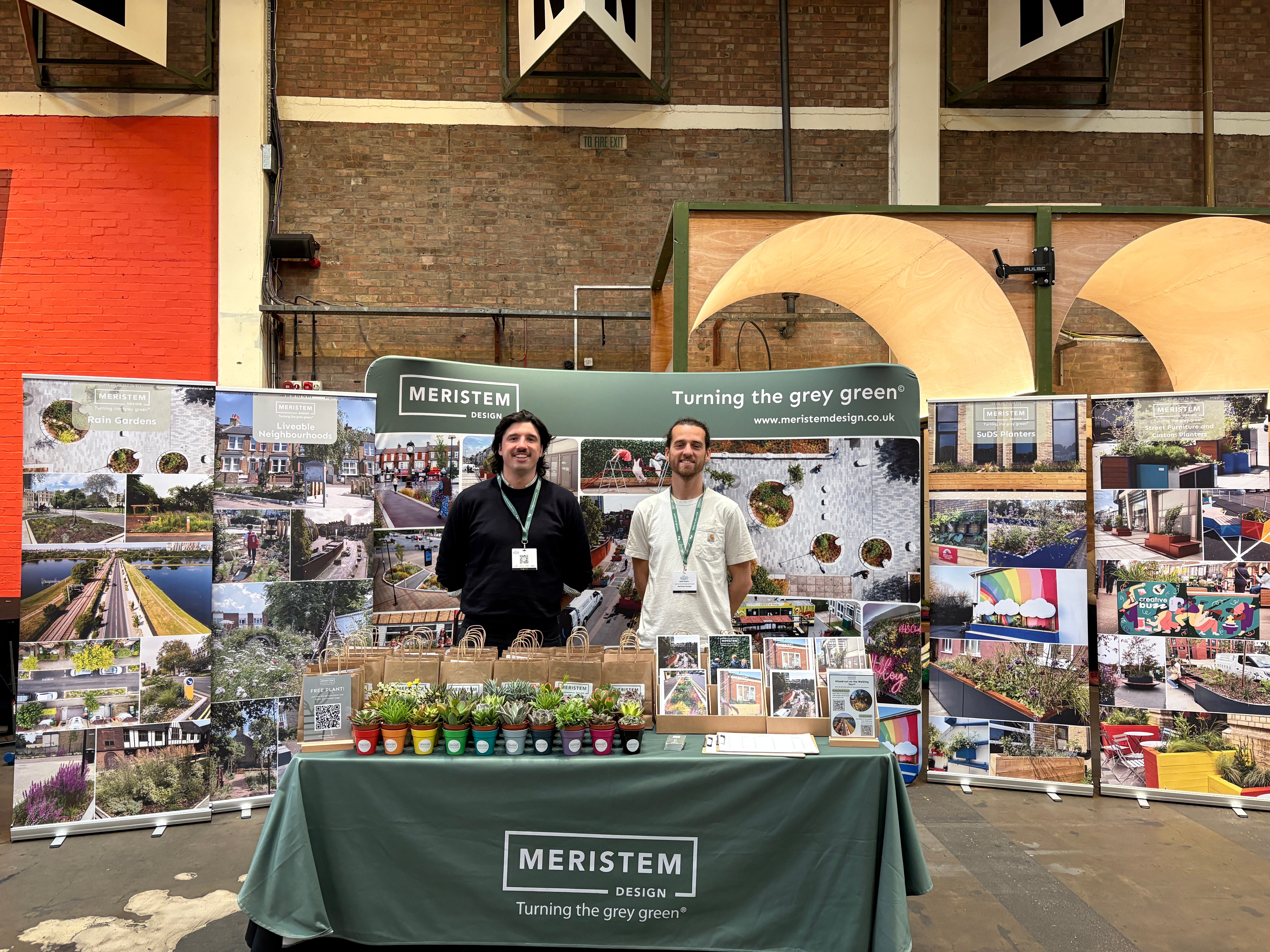
We're heading back to Liveable Neighbourhoods 2026
We're back at this year's Liveable Neighbourhoods conference. See who will be speaking and check out the event details....
30th June 2026
News
Dig Once, Green Twice: Launch of new GLA green infrastructure guide
Meristem Design collaborated with CIVIC, Stockholm Tree Pits and Bradley-Hole Schoenaich Landscape to deliver a GLA guide to retrofitting green infrastructure in utility constrained streets....
25th June 2026
Blogs
How to build your own Bug Hotel
As pollinators are becoming increasingly scarce in our urban environments, why not enhance your green space with a bug hotel to help bring them back! Here is a guide to DIY your own....