Sustainable Drainage Systems (SuDS) are critical in helping cities cope with increased flash flooding, impermeable surfaces, and aging infrastructure. In London alone, around 320,000 properties are estimated to be at high risk of surface water flooding. Without well-functioning SuDS, those risks only grow.
But implementing SuDS is only half the battle - long-term maintenance is essential to ensure these systems continue to function and deliver benefits over their design life. The 2025–30 London Surface Water Strategy underscores that new SuDS installations must incorporate funding and mechanisms for ongoing maintenance. This marks a major step forward in creating systems that remain effective over decades - not just at installation.
So, in Flood Action Week, it’s the perfect moment to highlight how maintenance sustains performance, avoids failures, and protects public investment.
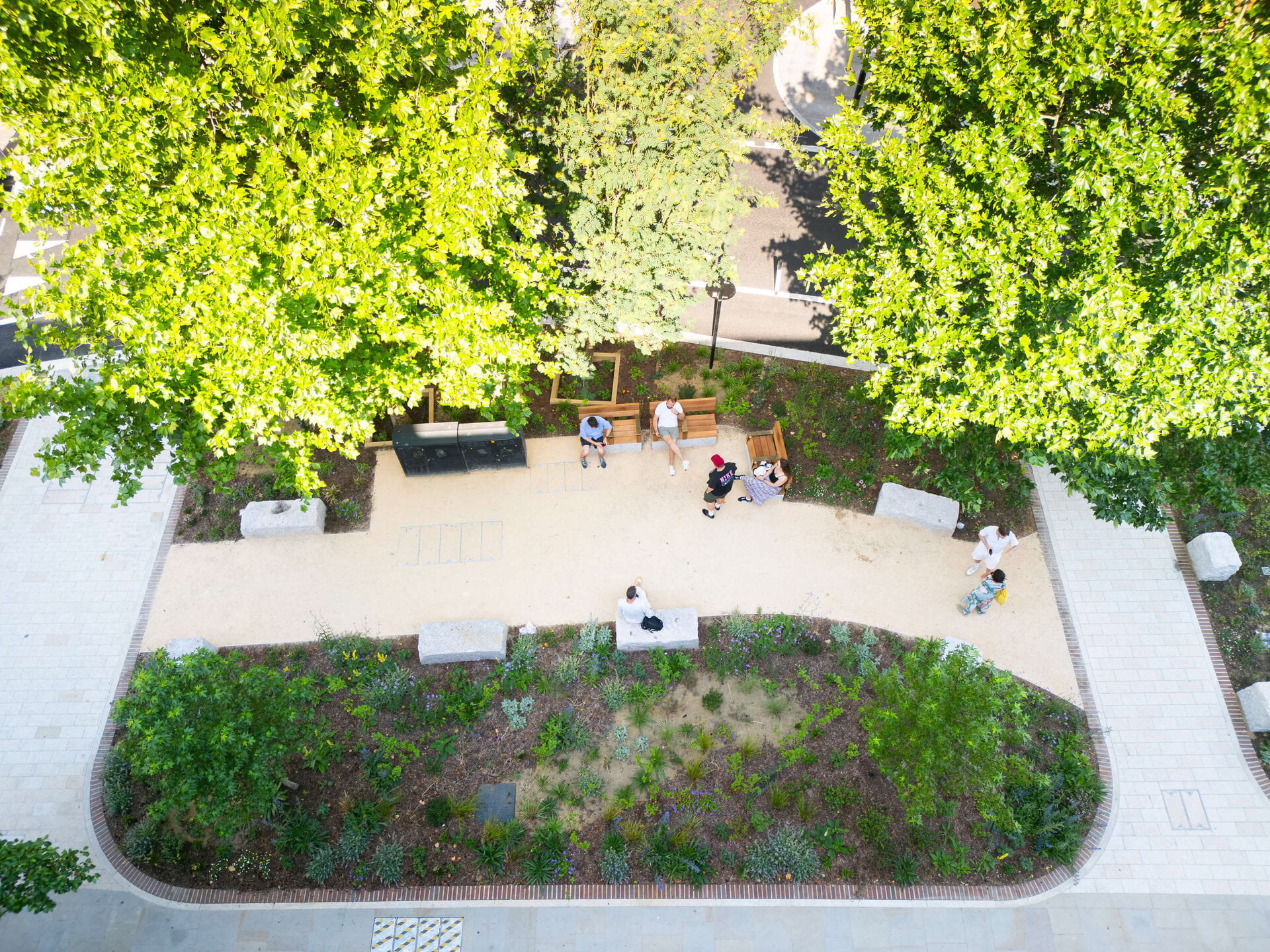
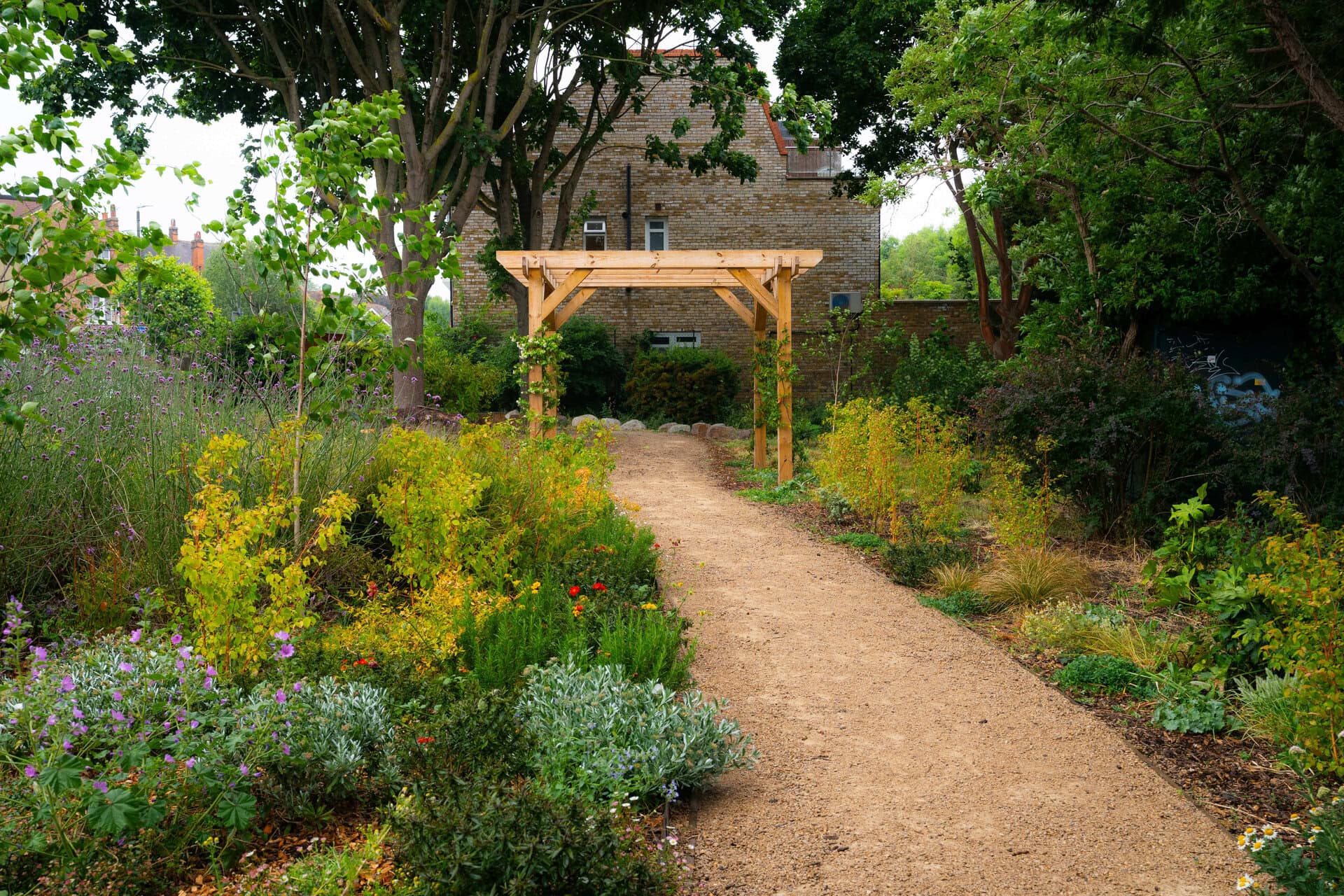
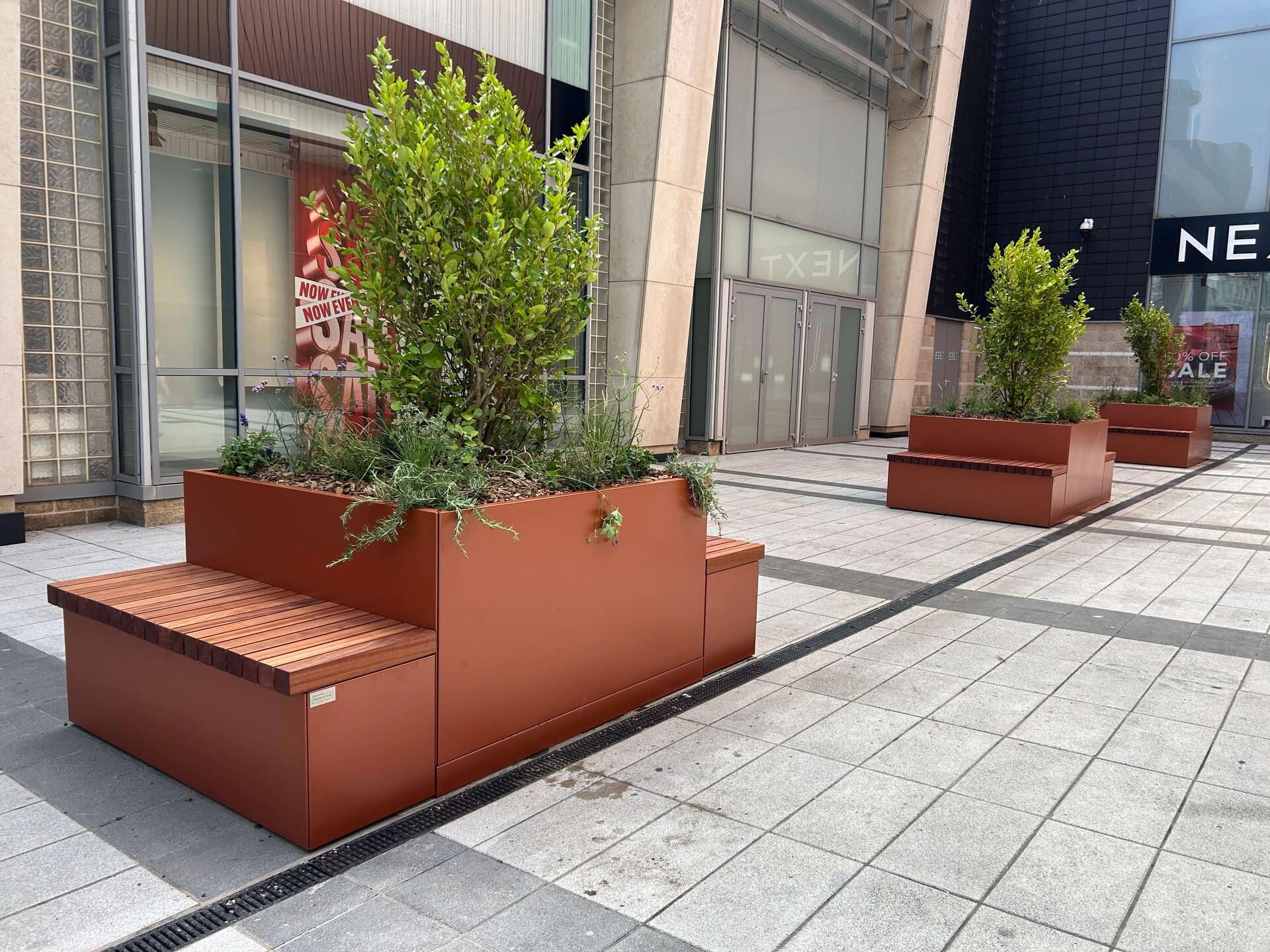
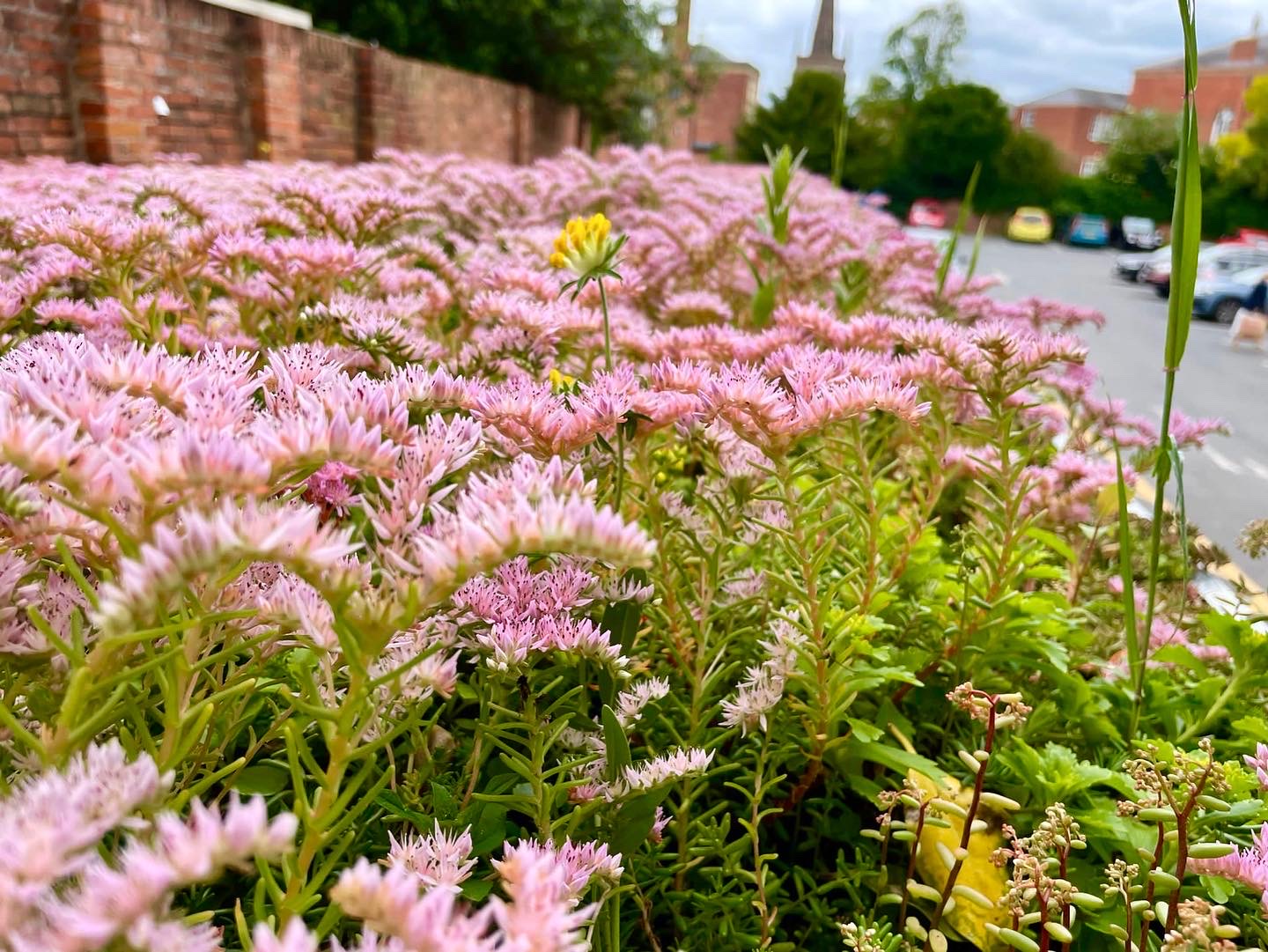
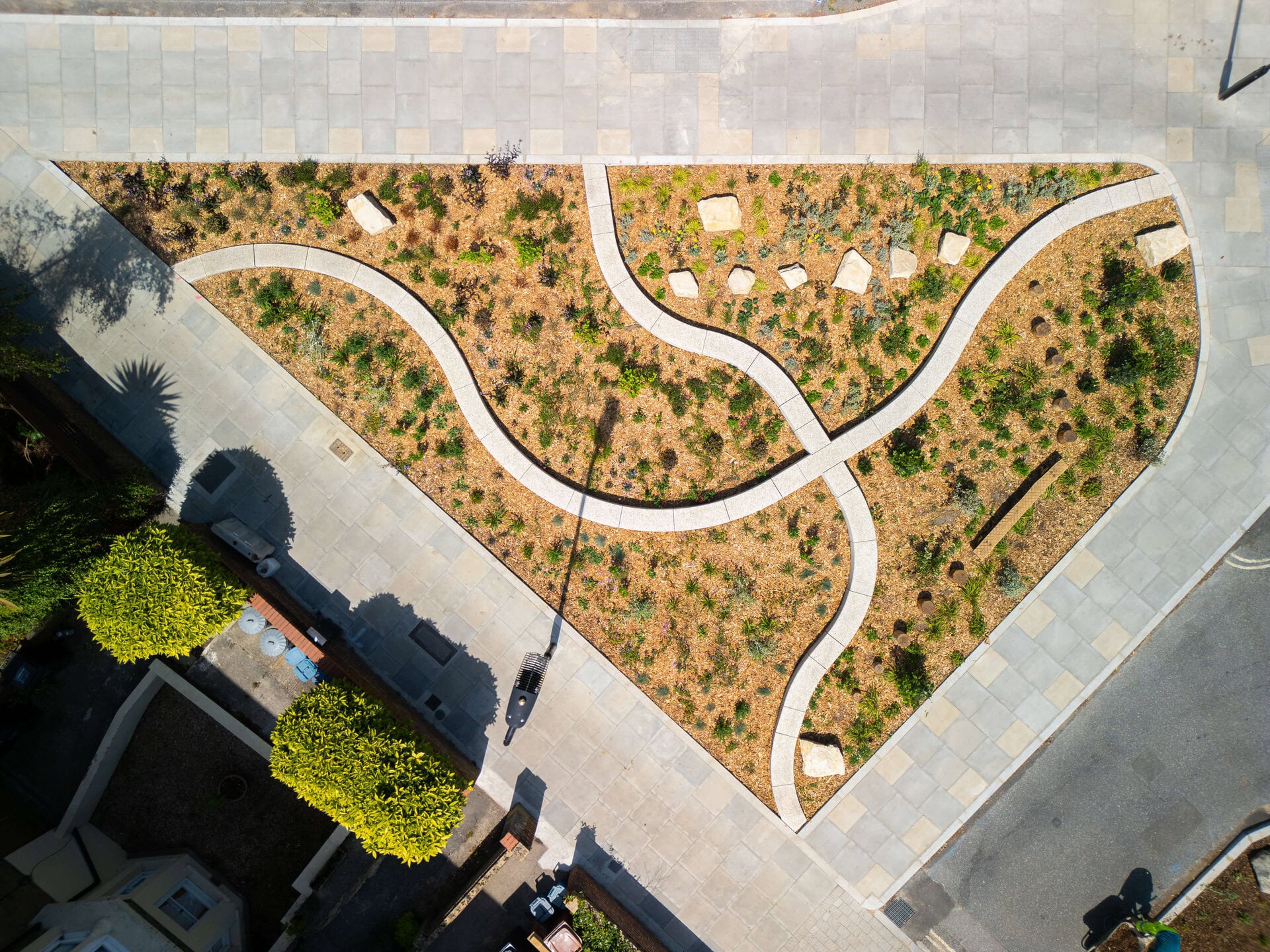
 Kenilworth Green SuDS Pocket Park Nature Garden, Merton
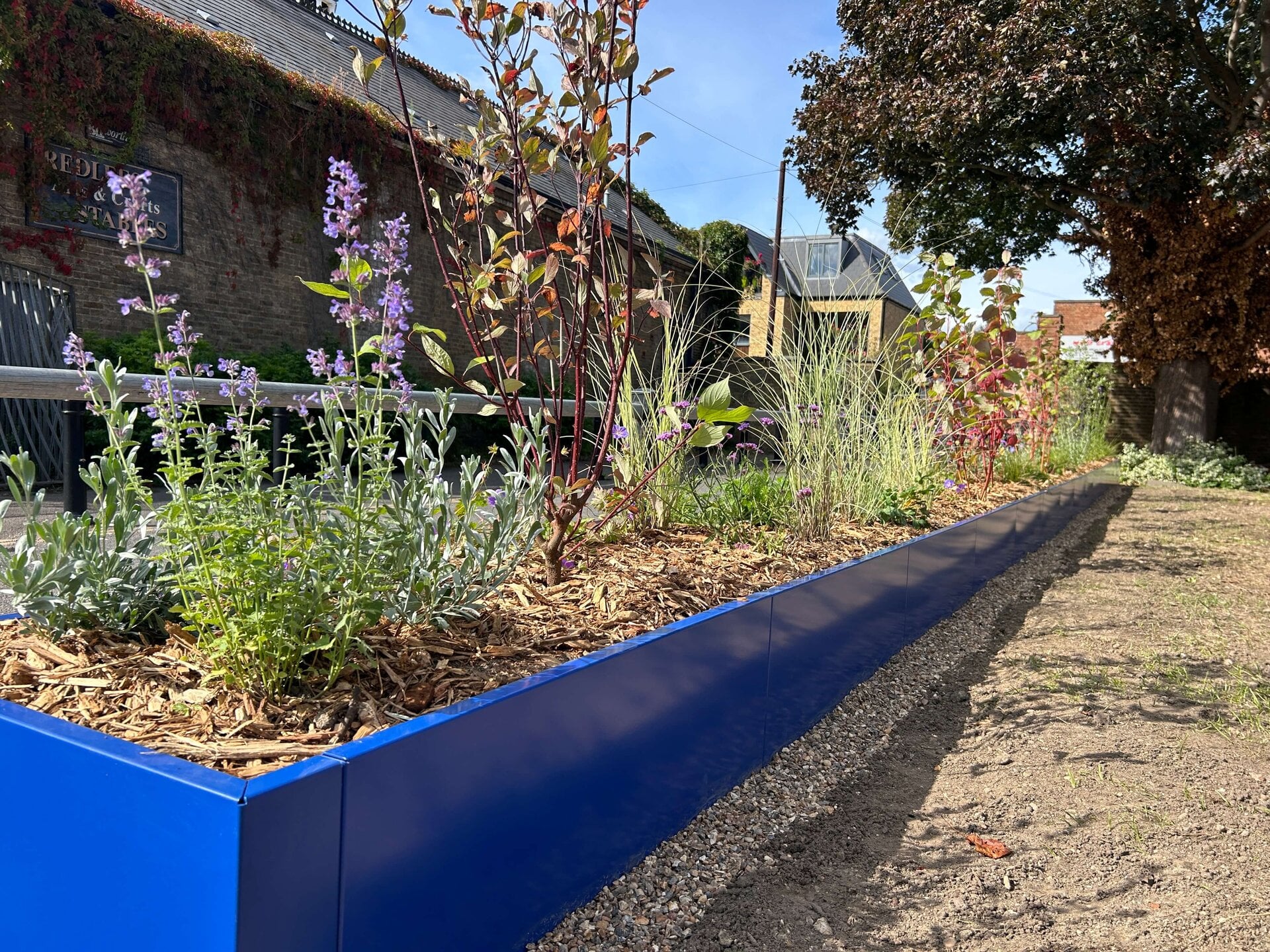
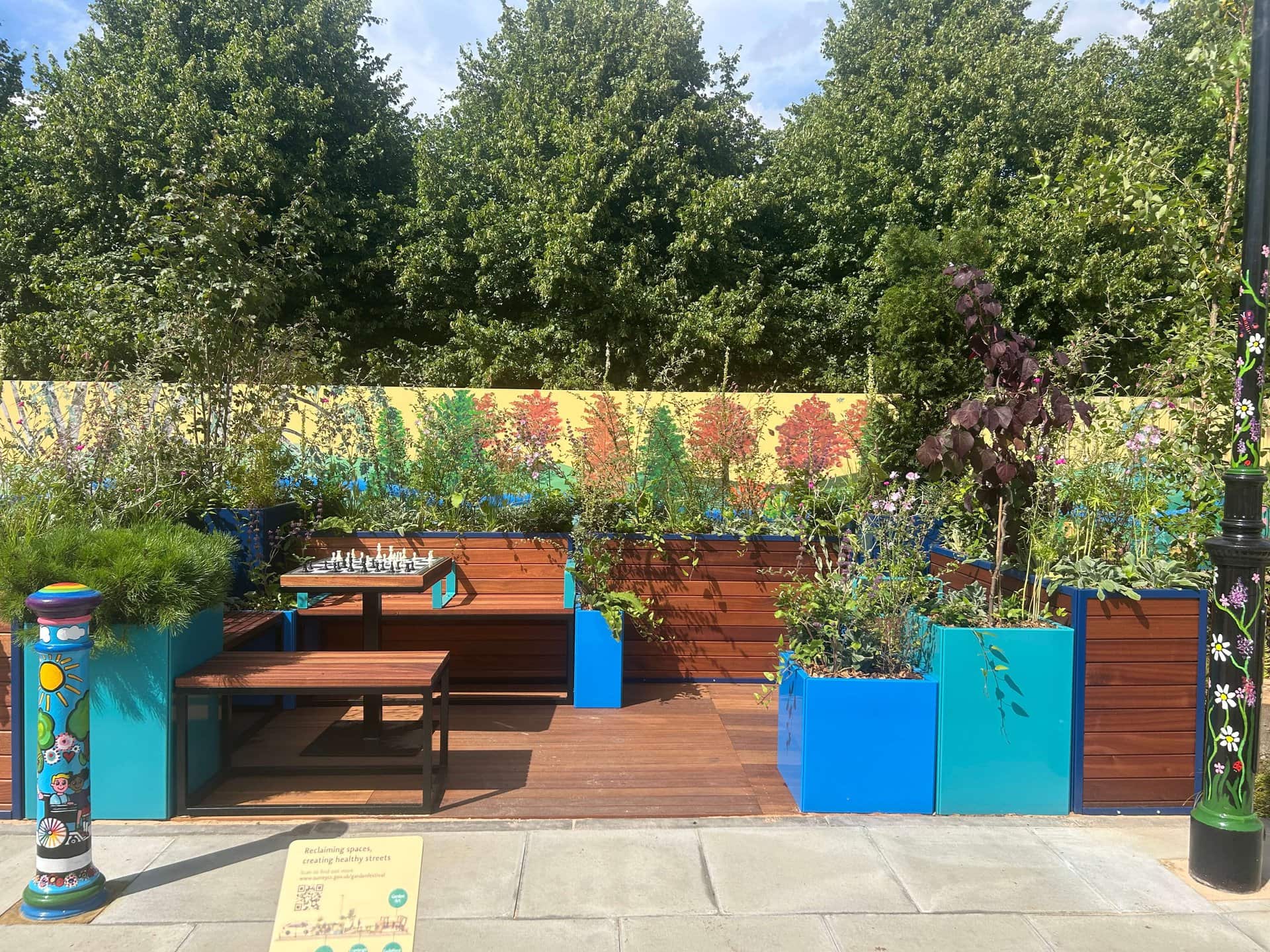
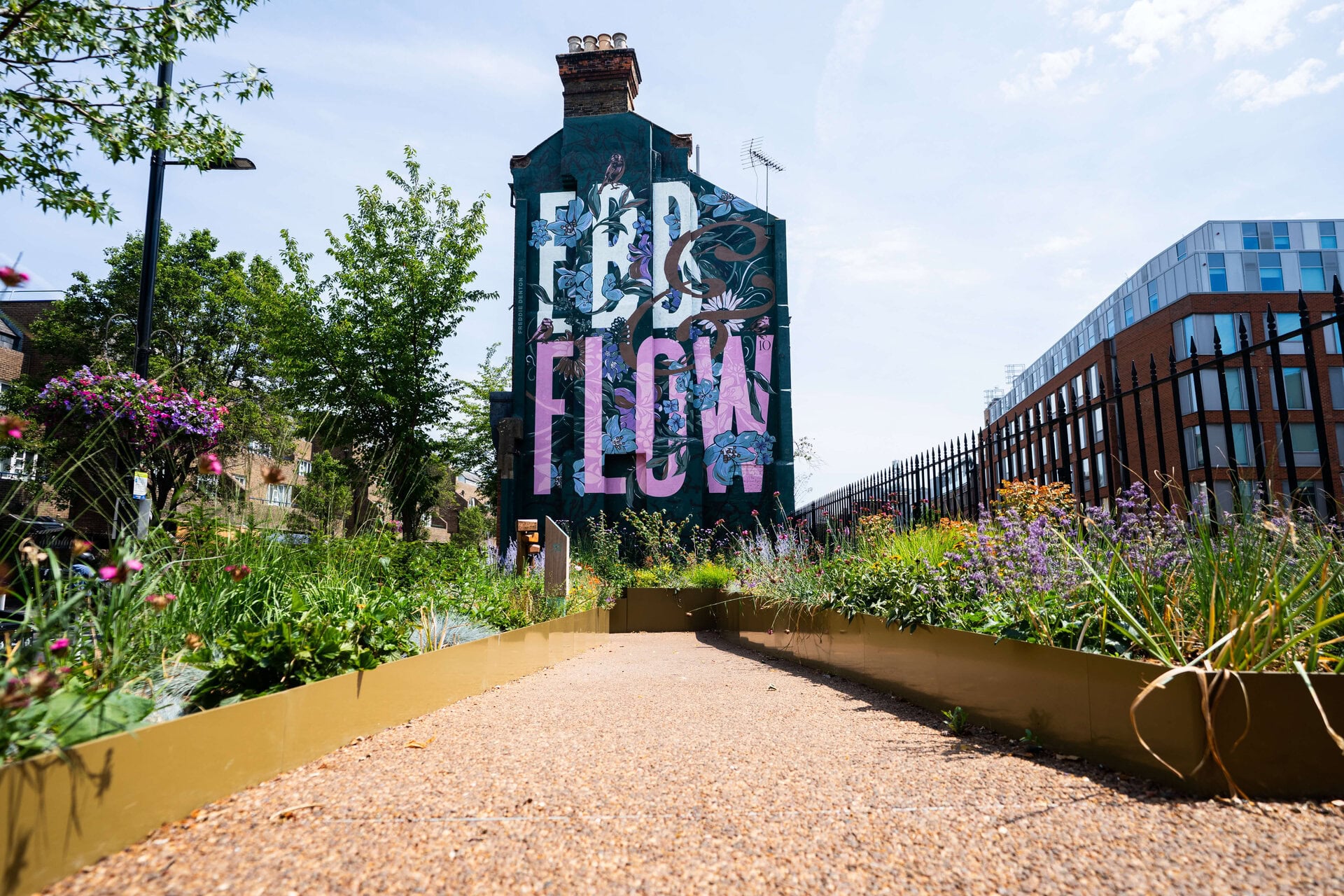
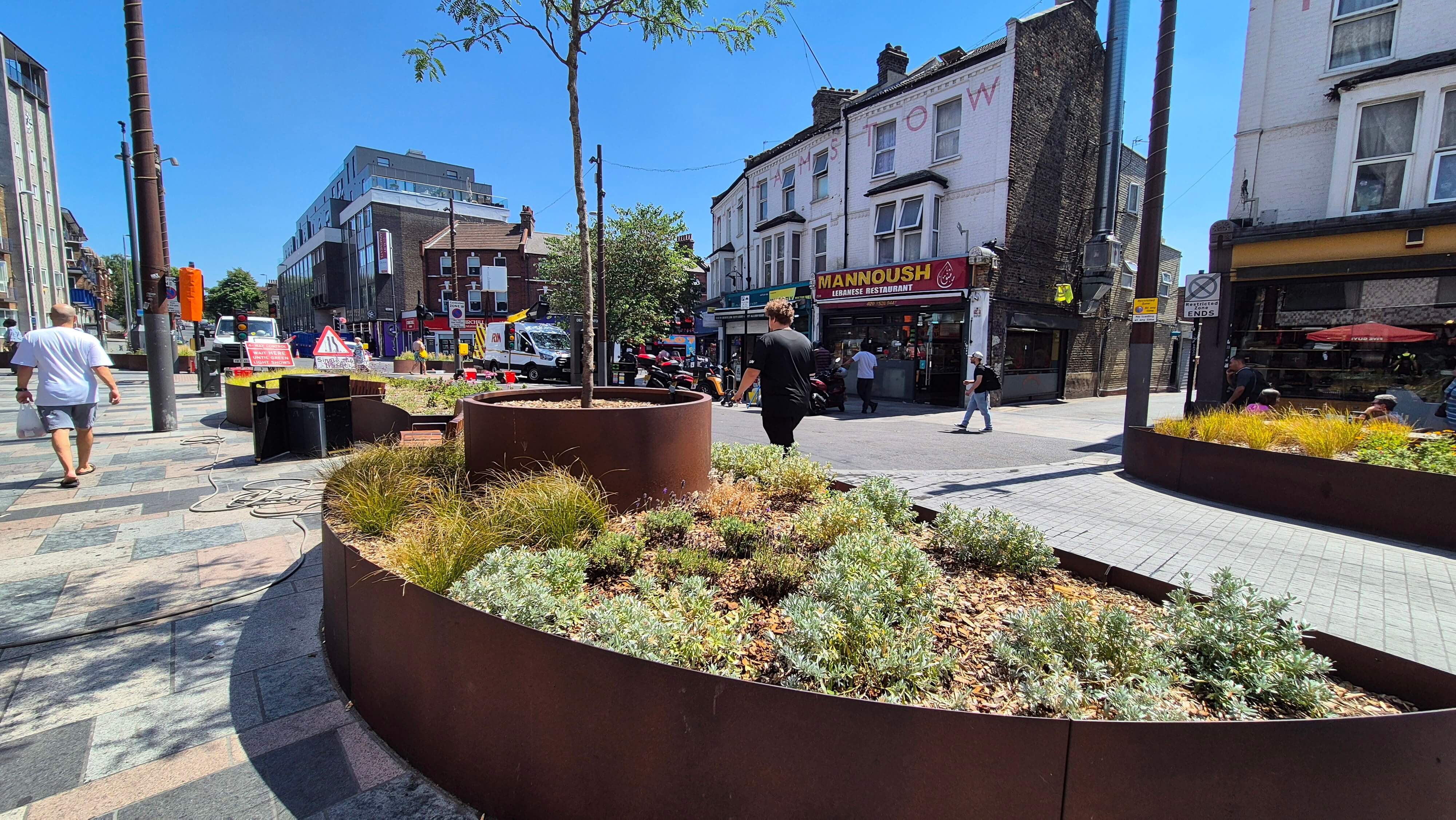
 Clerkenwell Green SuDS, Islington
Why maintenance is the key to flood-resilient cities
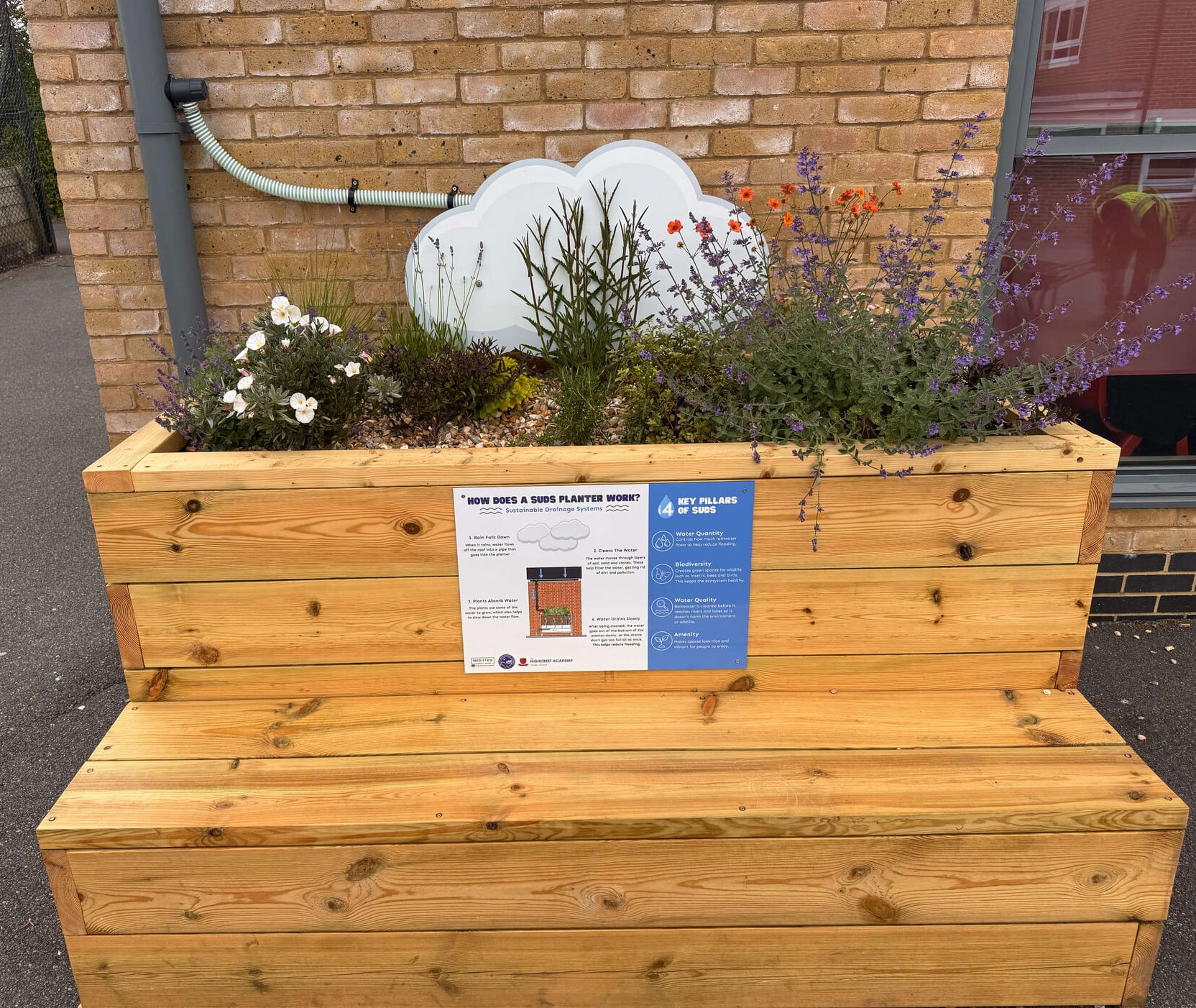
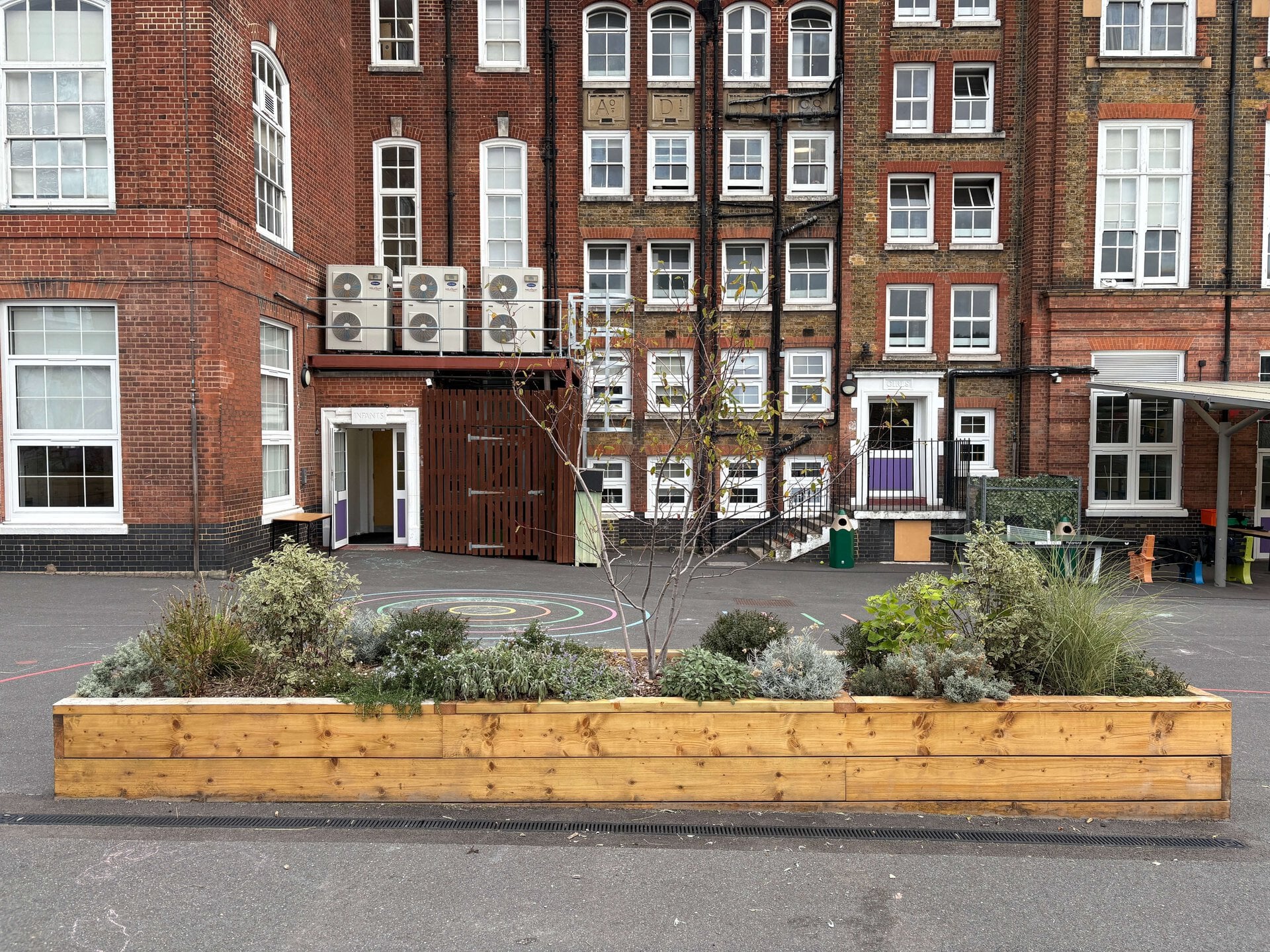
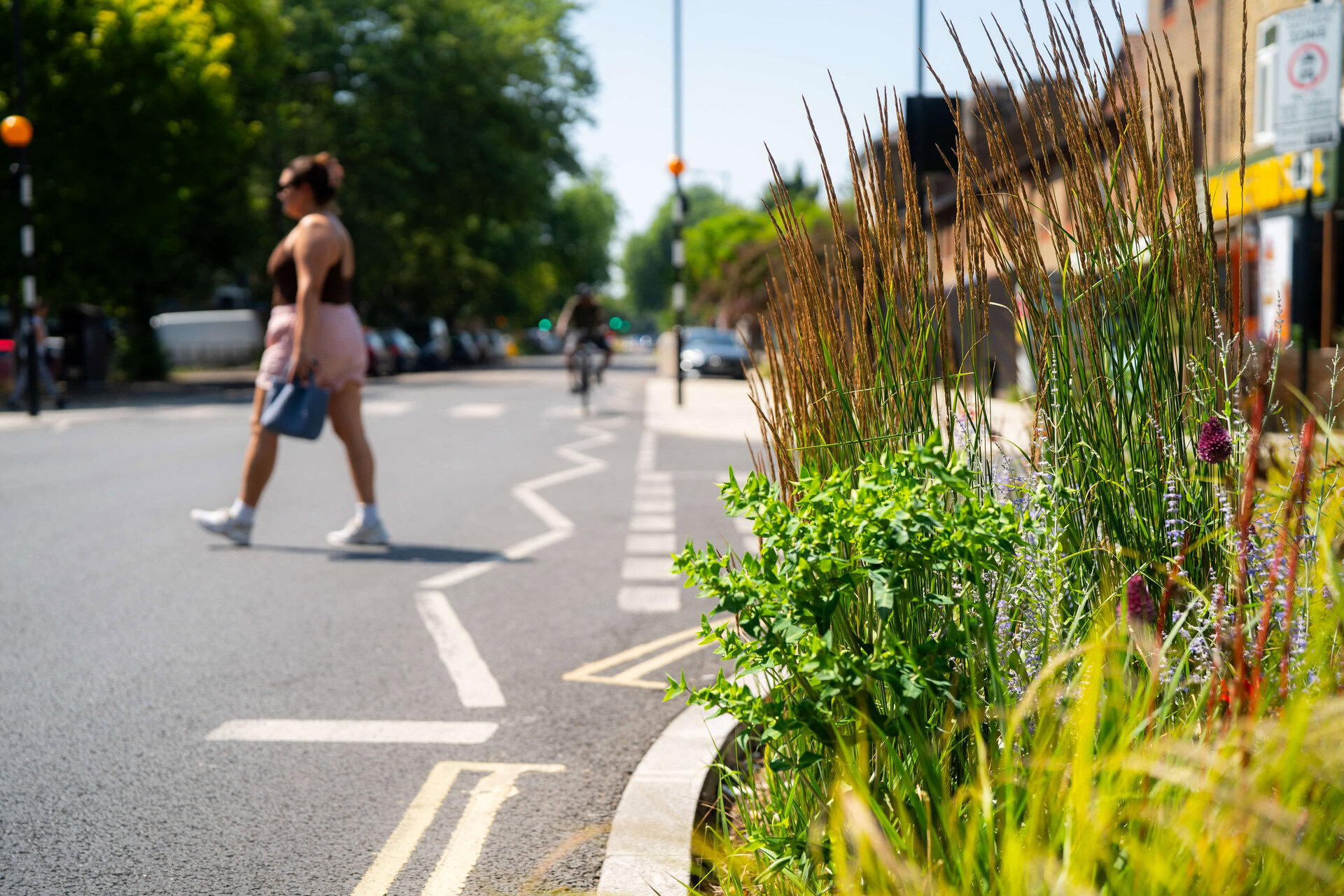
As London faces more intense rainfall and a growing risk of surface water flooding, the need for effective Sustainable Drainage Systems (SuDS) has never been greater. SuDS such as Rain Gardens and SuDS Planters help slow, store, and clean rainwater before it enters the drainage network - easing flood pressure and supporting biodiversity.
But even the best-designed system can fail without proper care. Maintenance isn’t an afterthought; it can be the difference between thriving green infrastructure and blocked drains that overflow during the next heavy downpour.
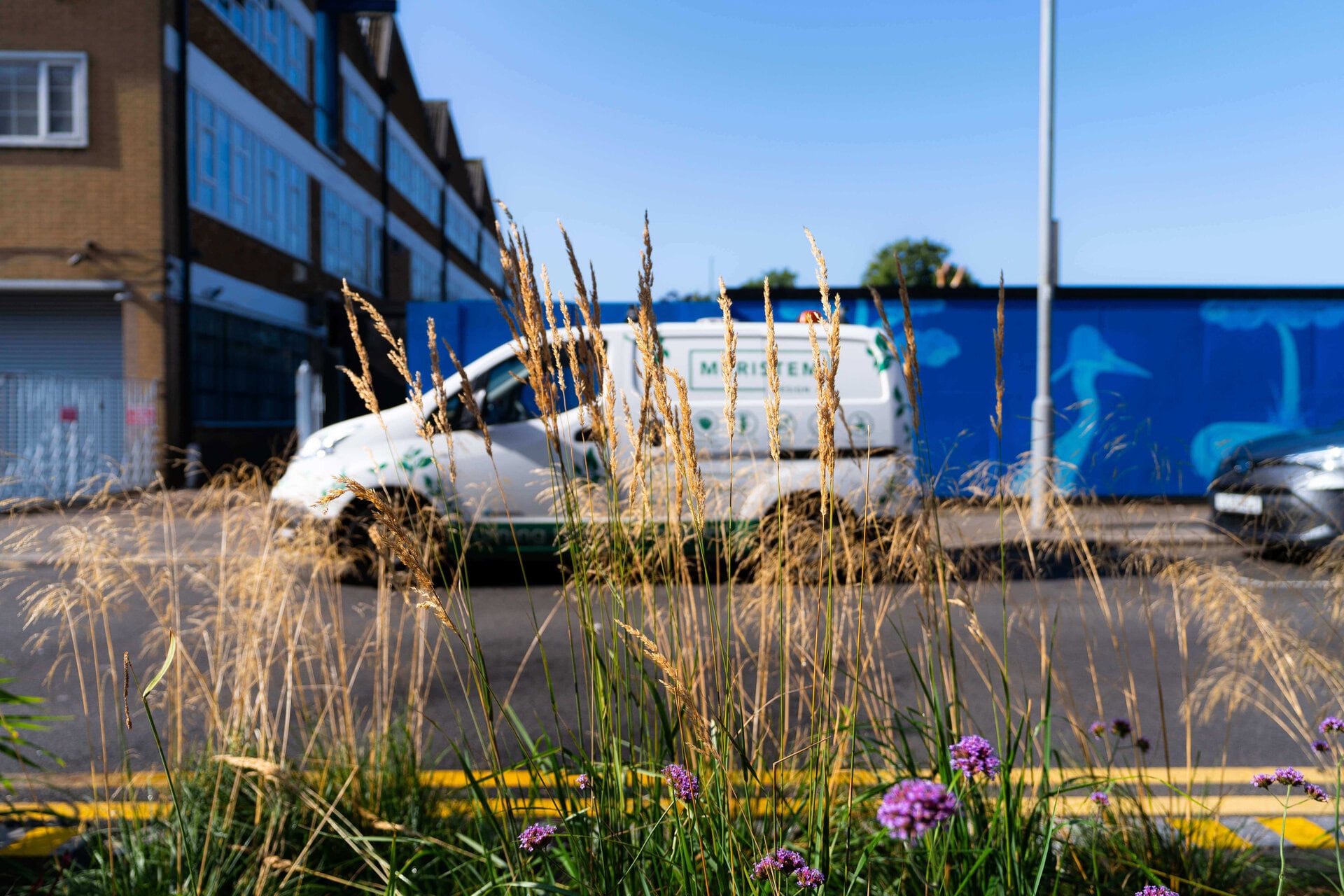
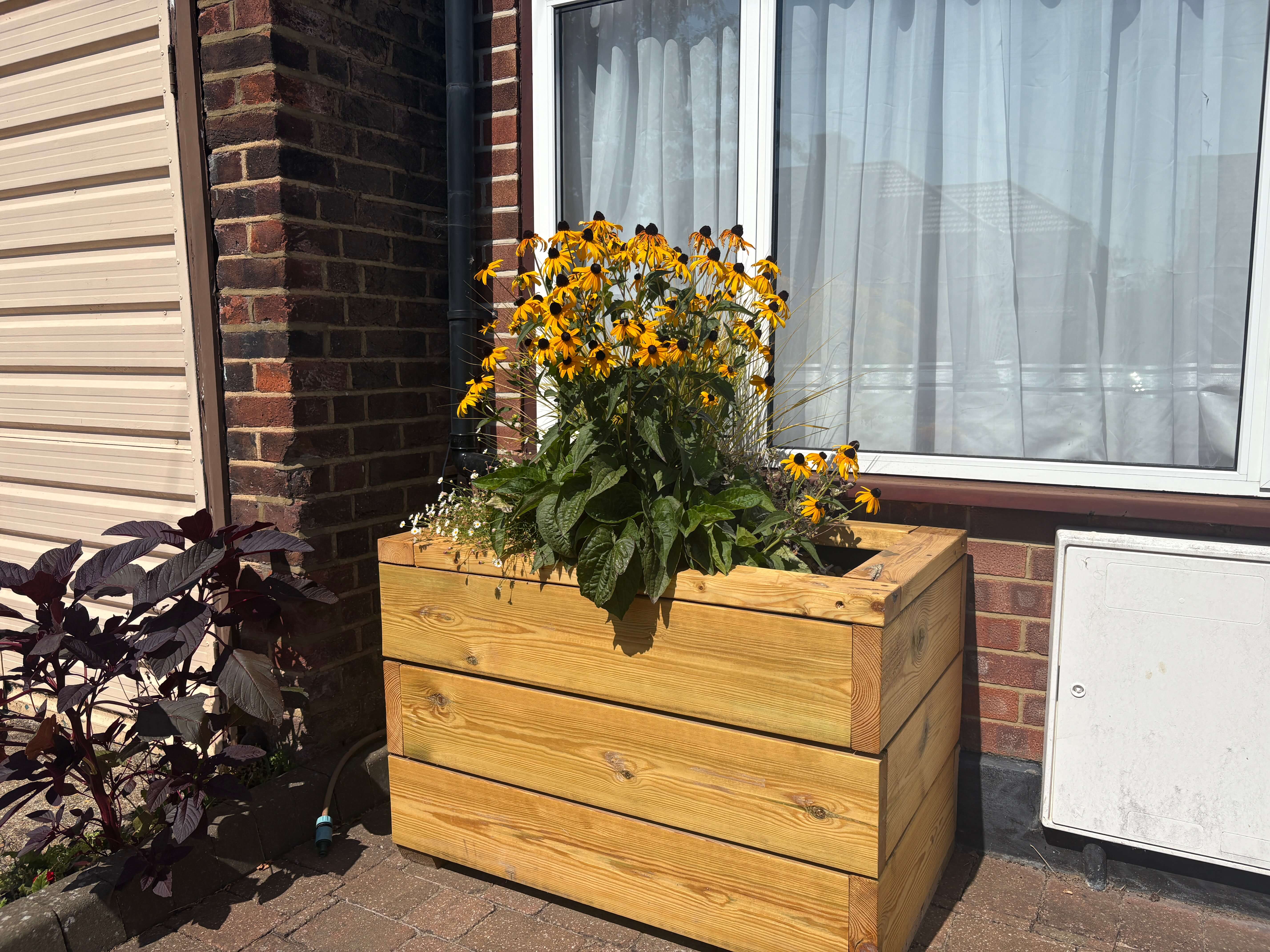
 Sutherland Road SuDS Rain Garden Maintenance, Waltham Forest
A shift in SuDS Policy
The London Surface Water Strategy (2025–2030) highlights the capital’s commitment to sustainable flood resilience. It sets out that:
“All new SuDS installations must identify who will maintain them, how maintenance will be funded, and what standards will be used.”
This shift ensures that SuDS are not just designed and built - but managed for the long term. It’s a recognition that maintenance is integral to resilience, not a nice-to-have. This strategy also aligns with the National Standards for SuDS (2025), which make maintenance planning a legal requirement for developers and local authorities.
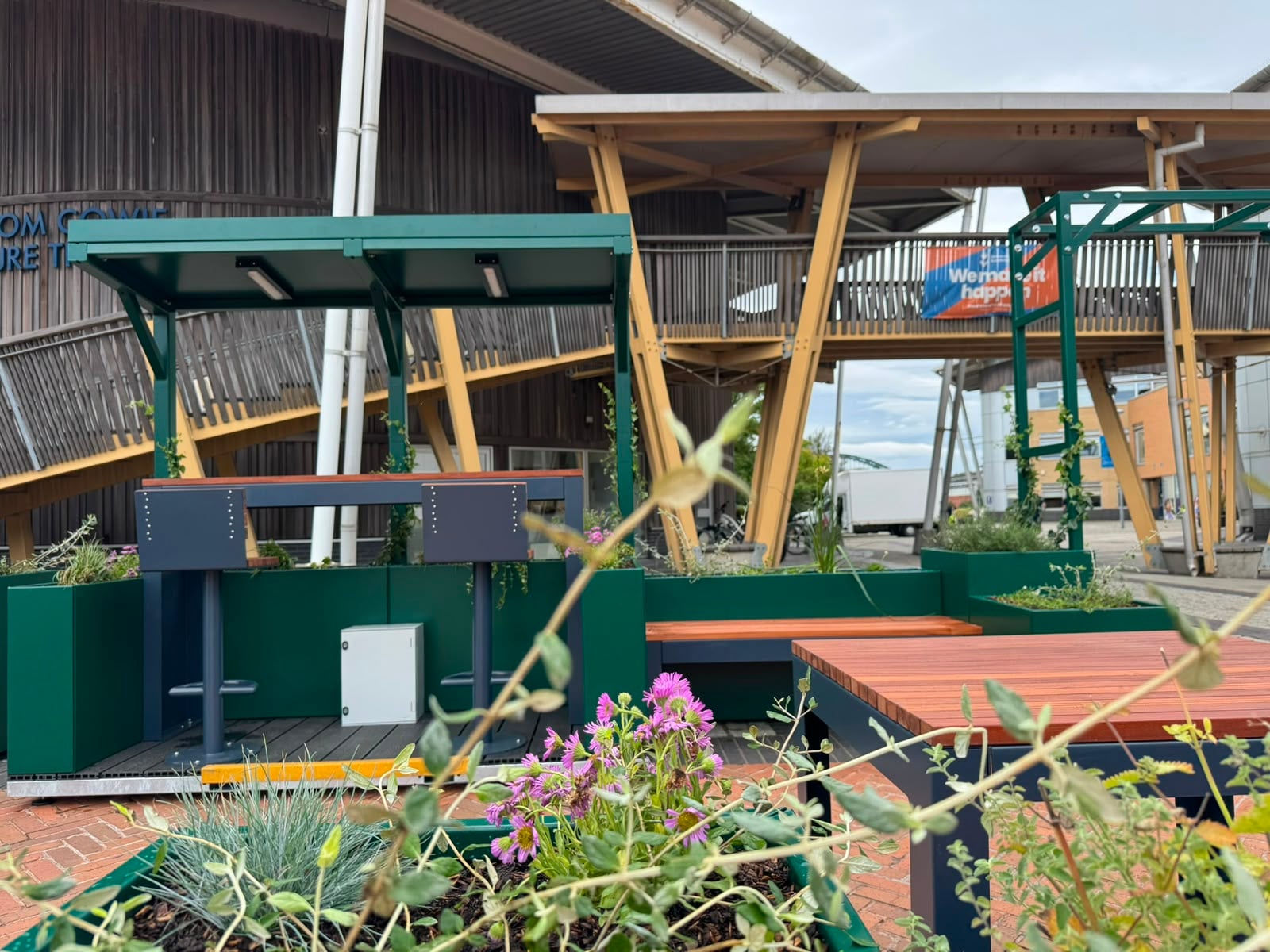
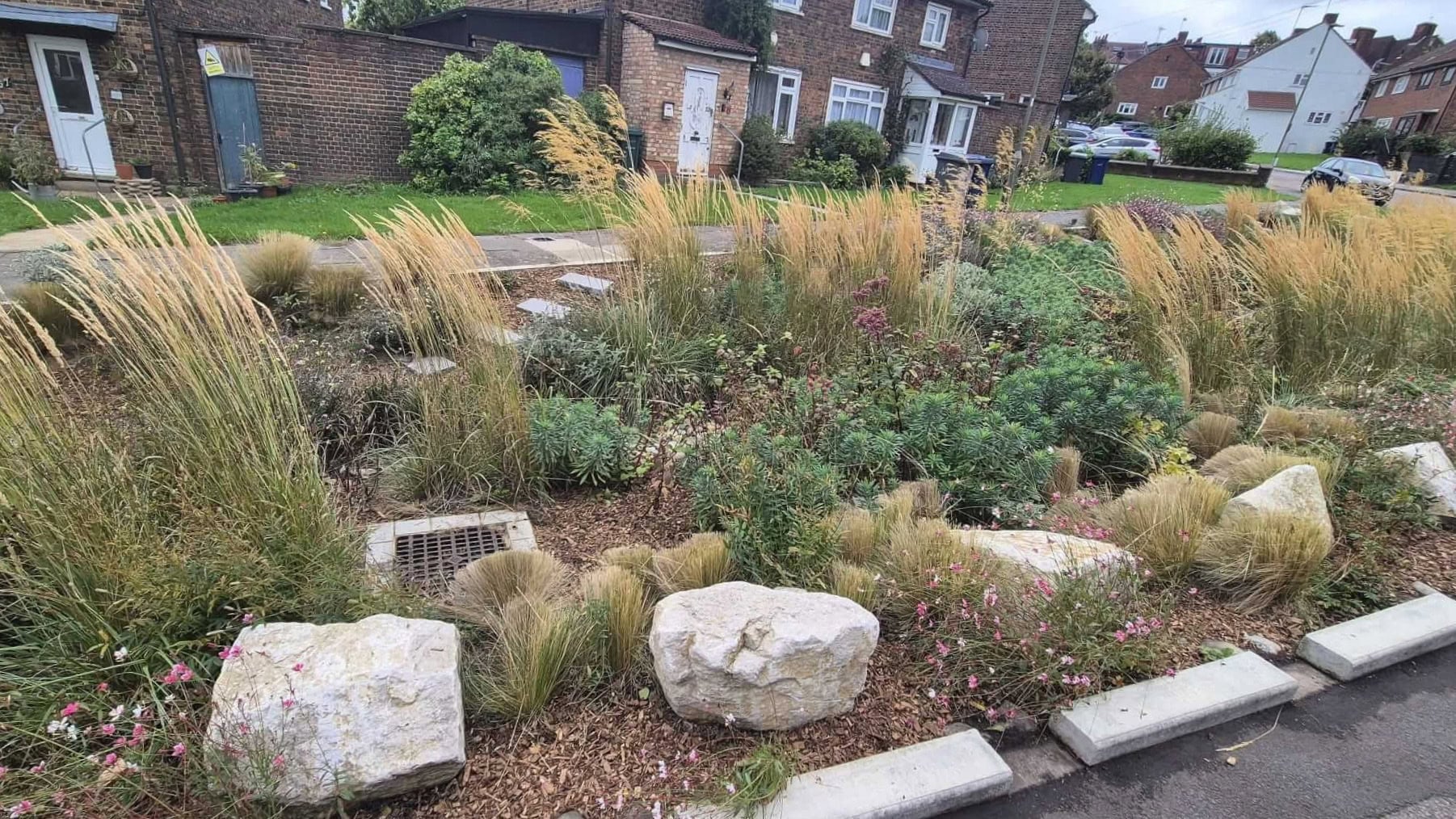
 Barnet SuDS Rain Gardens
Hounslow School SuDS Rain Gardens
Barnet SuDS Rain Gardens
Hounslow School SuDS Rain Gardens
What happens when SuDS are neglected?
SuDS can fail for simple reasons: blocked inlets, dying plants, sediment build-up, or compacted soils that stop water infiltrating. Over time, these small issues lead to big problems:
- Flooding from water backing up or overtopping systems
- Loss of pollution-filtering performance
- Decline in plant health and biodiversity
- Reduced community confidence and visual appeal
Why maintenance of Sustainable Drainage Systems is worth it
Maintaining SuDS offers more than flood protection. It keeps communities greener, cleaner, and healthier. Well-cared-for systems support pollinators, filter pollutants, and improve public spaces - creating spaces that are more pleasant to live in and more resilient to climate change. By investing in upkeep, this protects both the environment and the original installation costs.
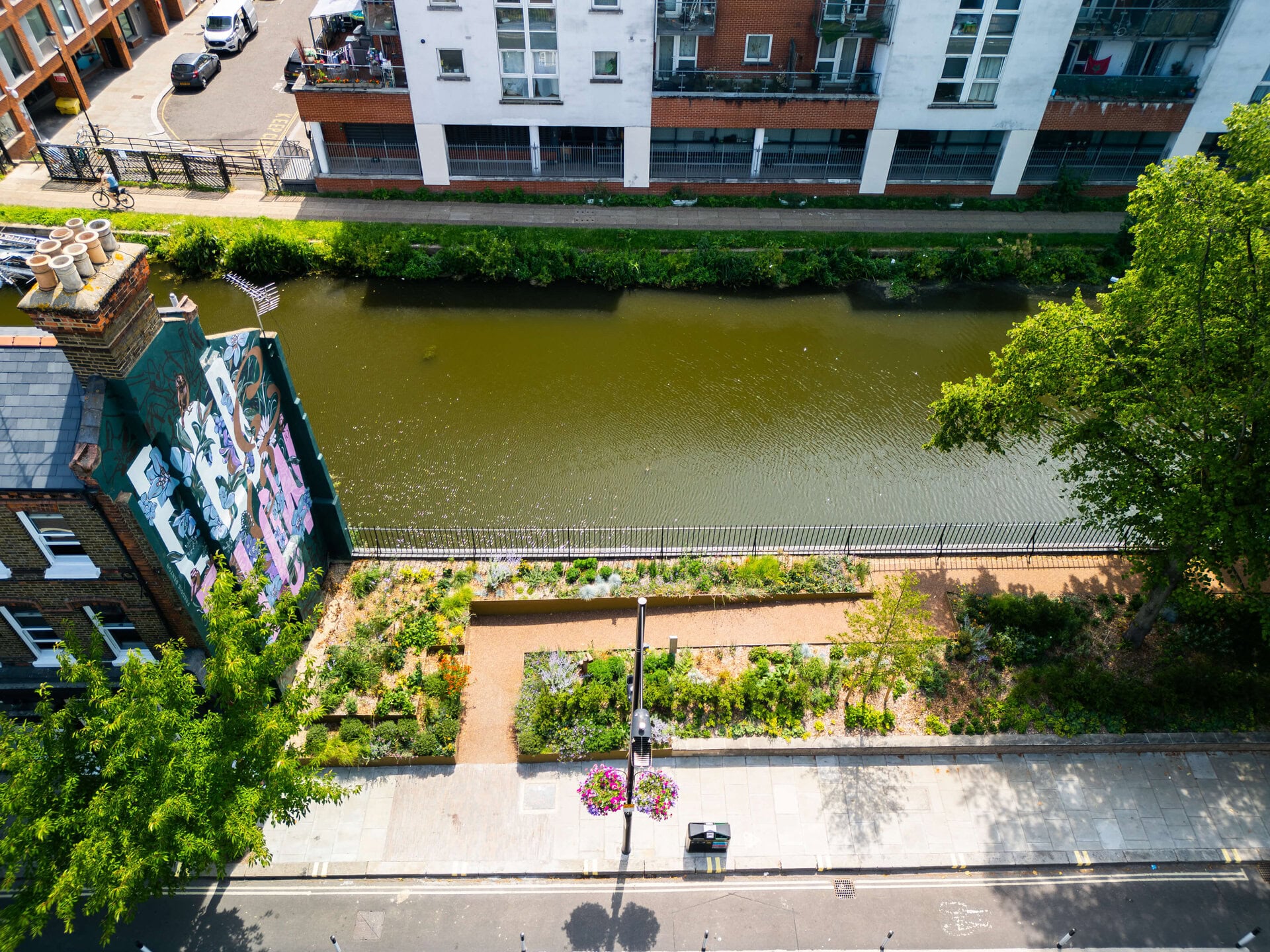
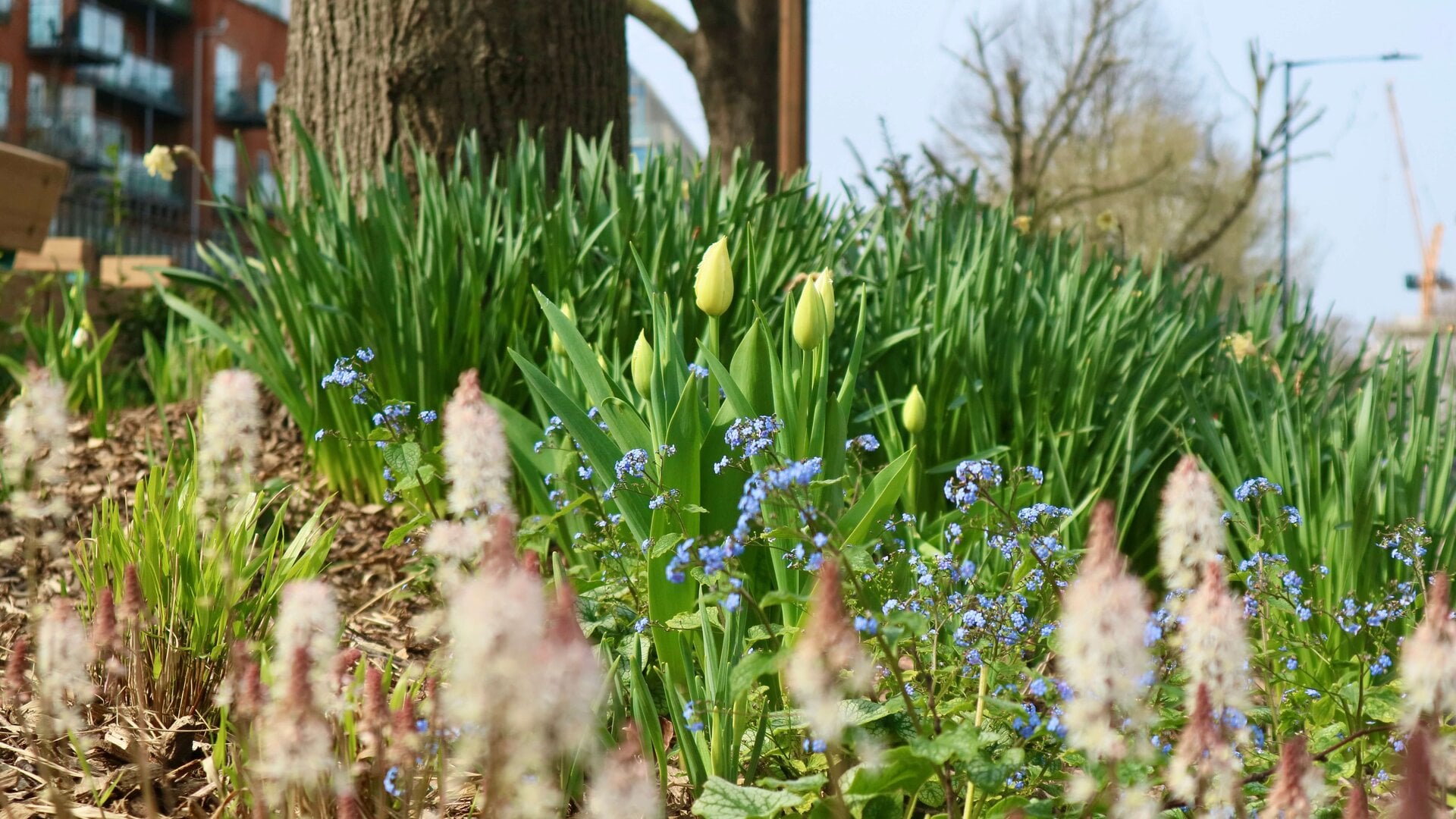
Fillebrook Road SuDS Rain Gardens, Waltham Forest
At Meristem Design, we work with councils, developers, and community partners to design, plant, and maintain SuDS that last. From inspection schedules to seasonal plant care, our goal is to keep green infrastructure working as beautifully as it looks - ensuring it continues to reduce flood risk and enhance urban life for years to come.
We offer guidance, training, and maintenance support for local authorities and landowners - contact us if you’d like advice on developing a SuDS maintenance plan.