Designing climate-resilient cities
Across UK towns and cities, rain gardens and other Sustainable Drainage Systems (SuDS) are transforming how we design public spaces. These interventions not only help manage rainfall and reduce flooding but also enrich urban biodiversity, improve air quality, and make streets more enjoyable places to spend time.
What are Rain Gardens and why do they matter?
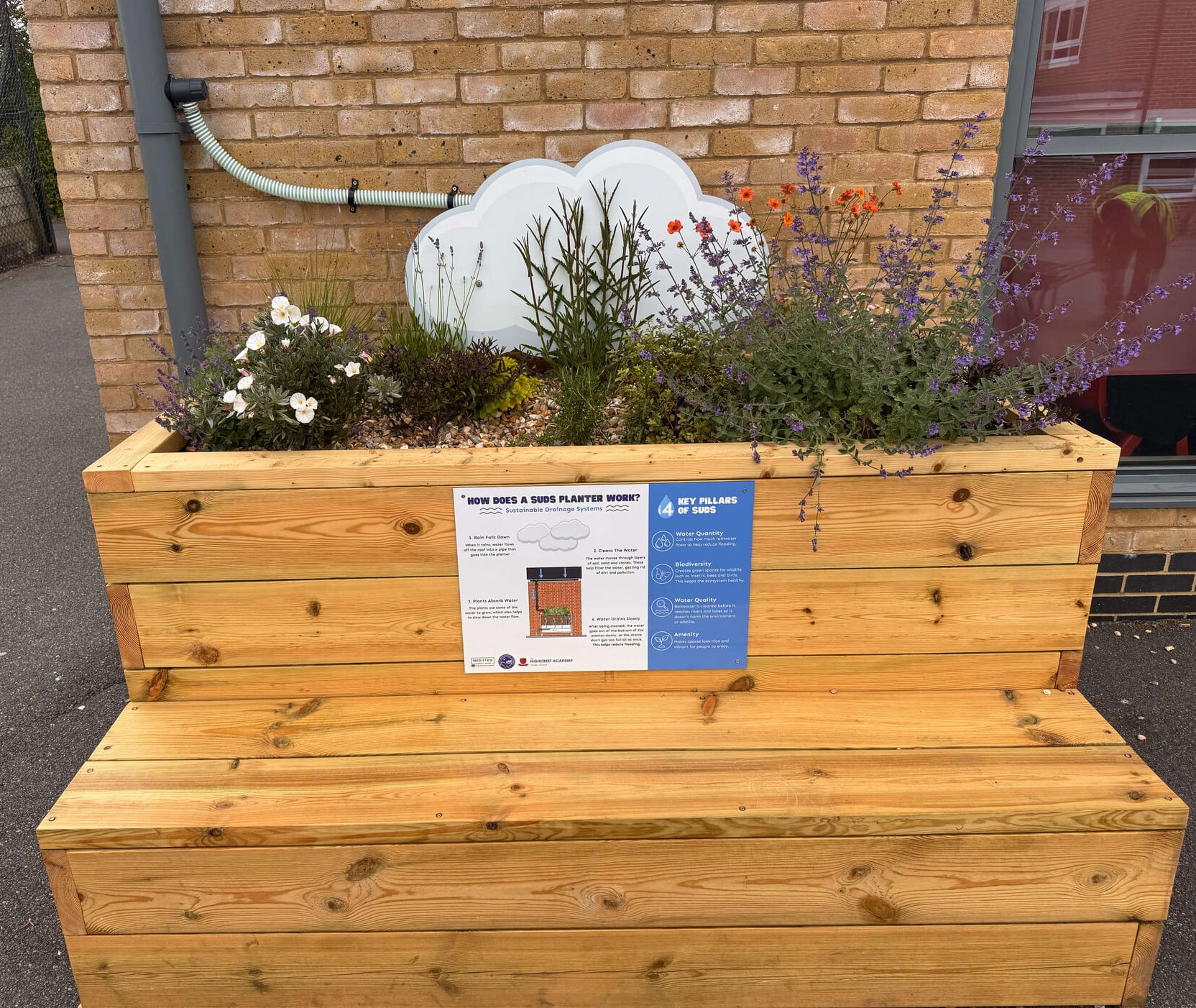
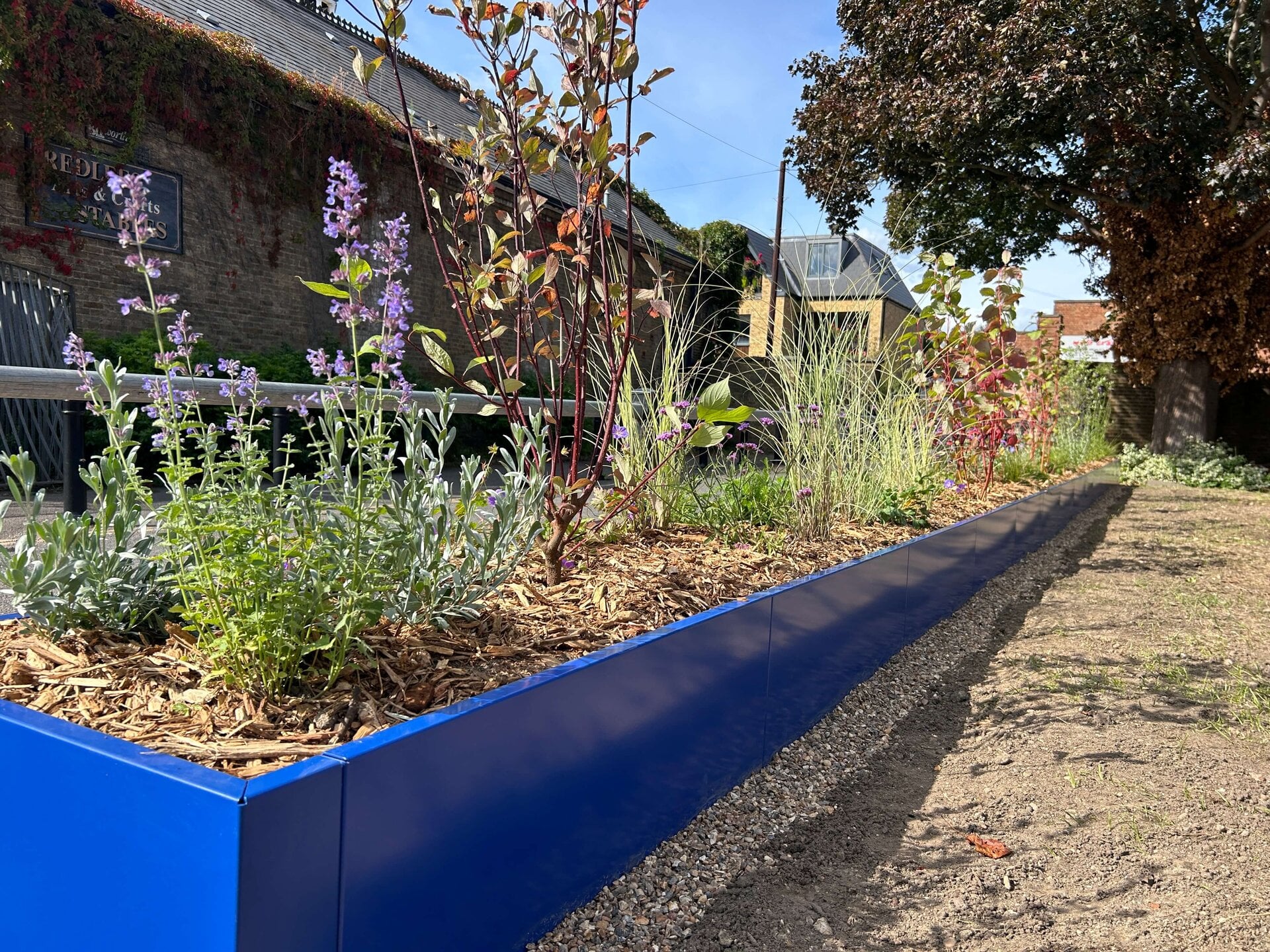
Rain gardens are shallow, planted depressions that collect and absorb rainwater from hard surfaces such as roads, pavements, and roofs. Acting as natural filtration systems, they slow the flow of water, reduce pressure on conventional drainage networks, and help to prevent surface water flooding.
But their value goes far beyond water management. Rain gardens:
- Support pollinators and urban biodiversity
- Improve air quality by filtering pollutants
- Add colour, texture, and natural beauty to public spaces
- Help cities adapt to extreme weather through passive cooling and infiltration
When integrated into public spaces, streets, nature gardens and transport hubs they become multifunctional green infrastructure that enhances daily life for communities.
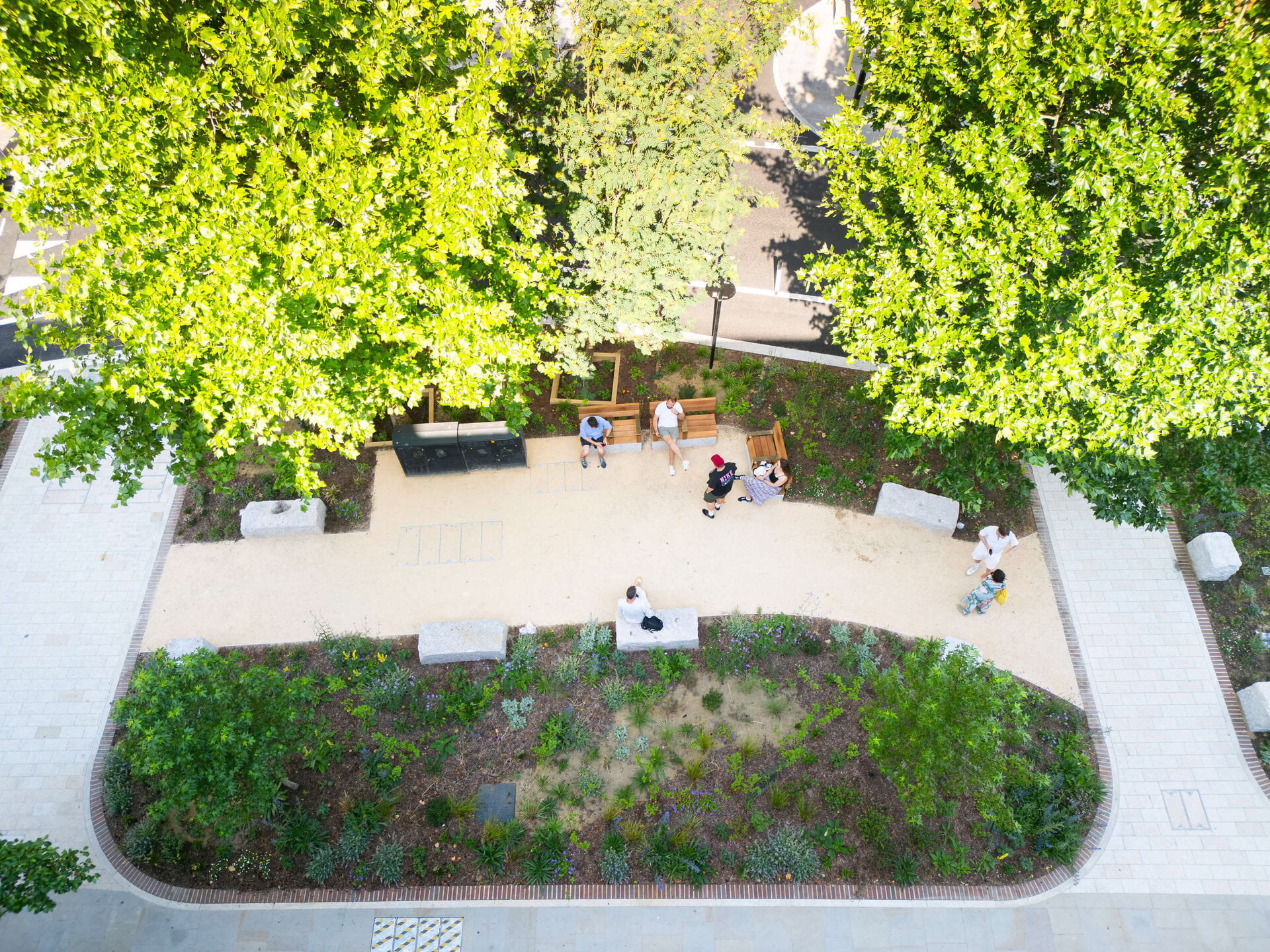
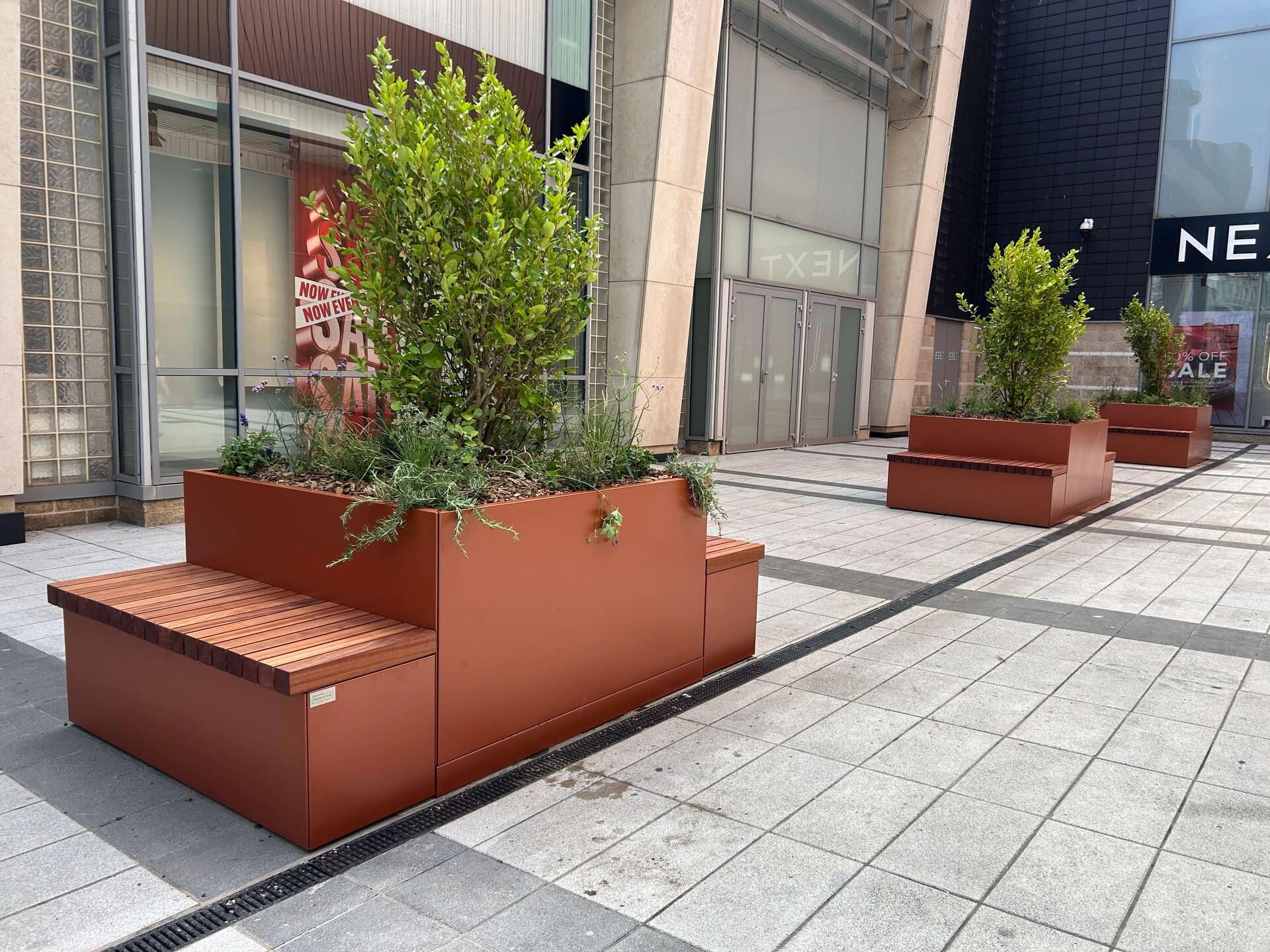
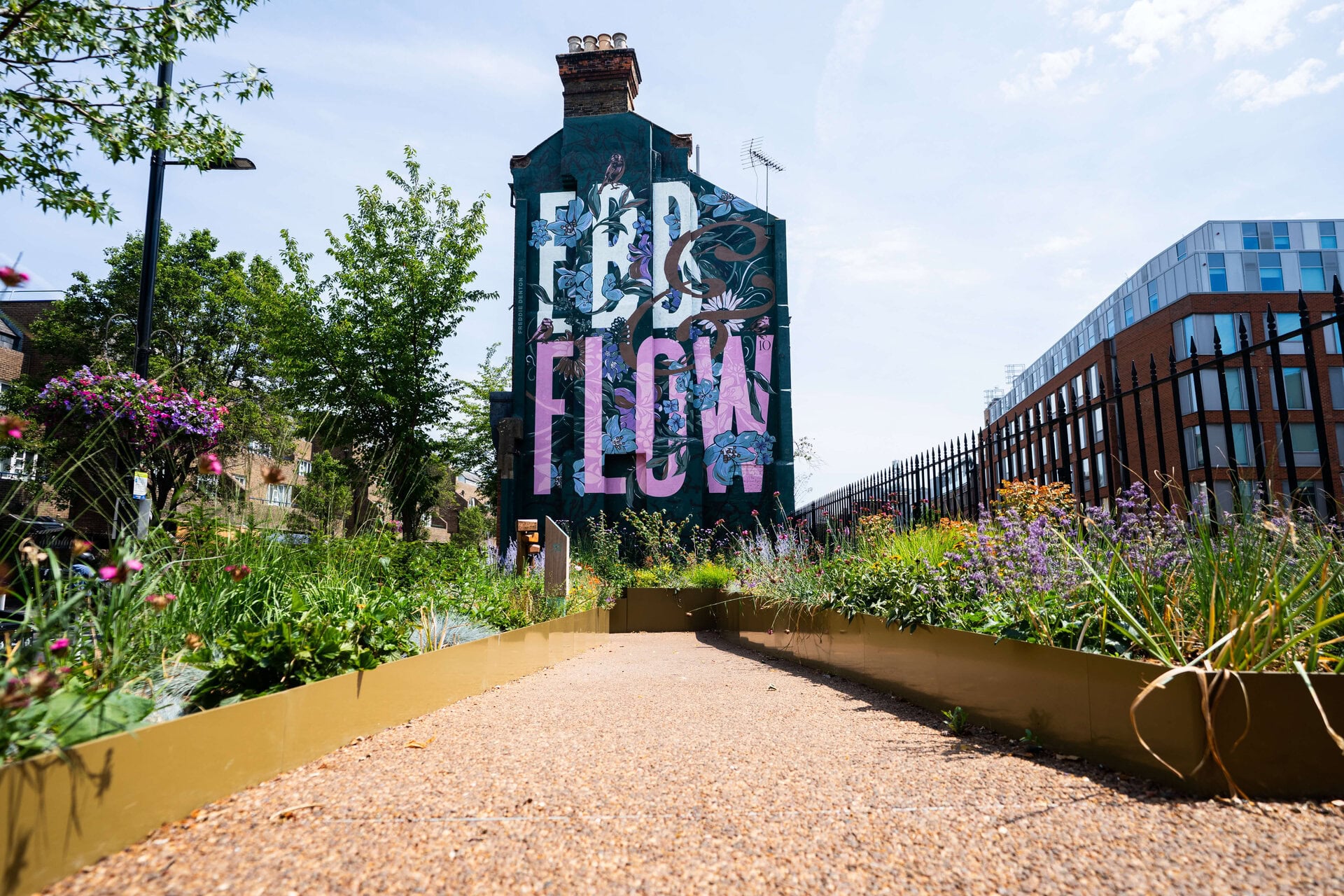
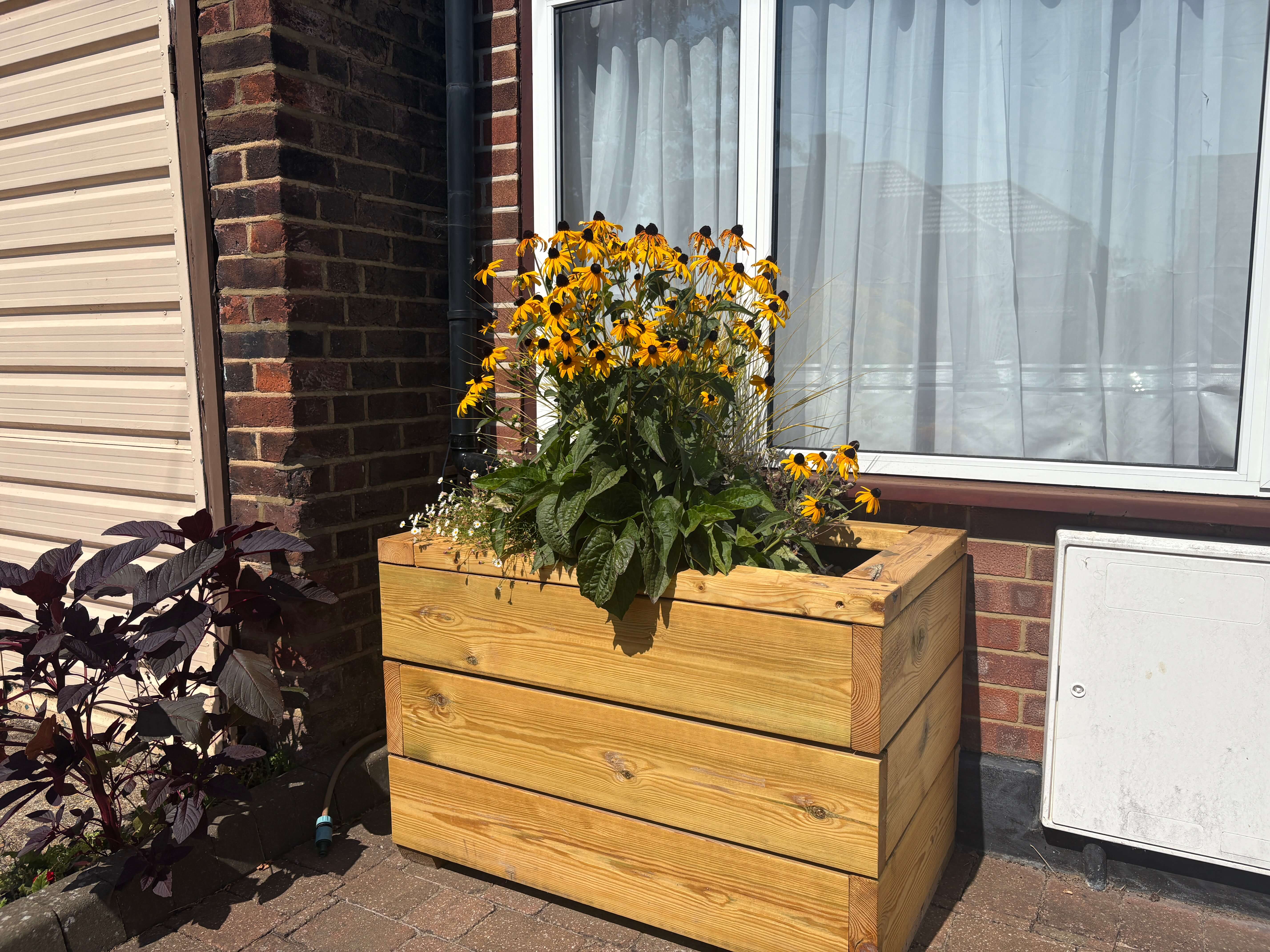
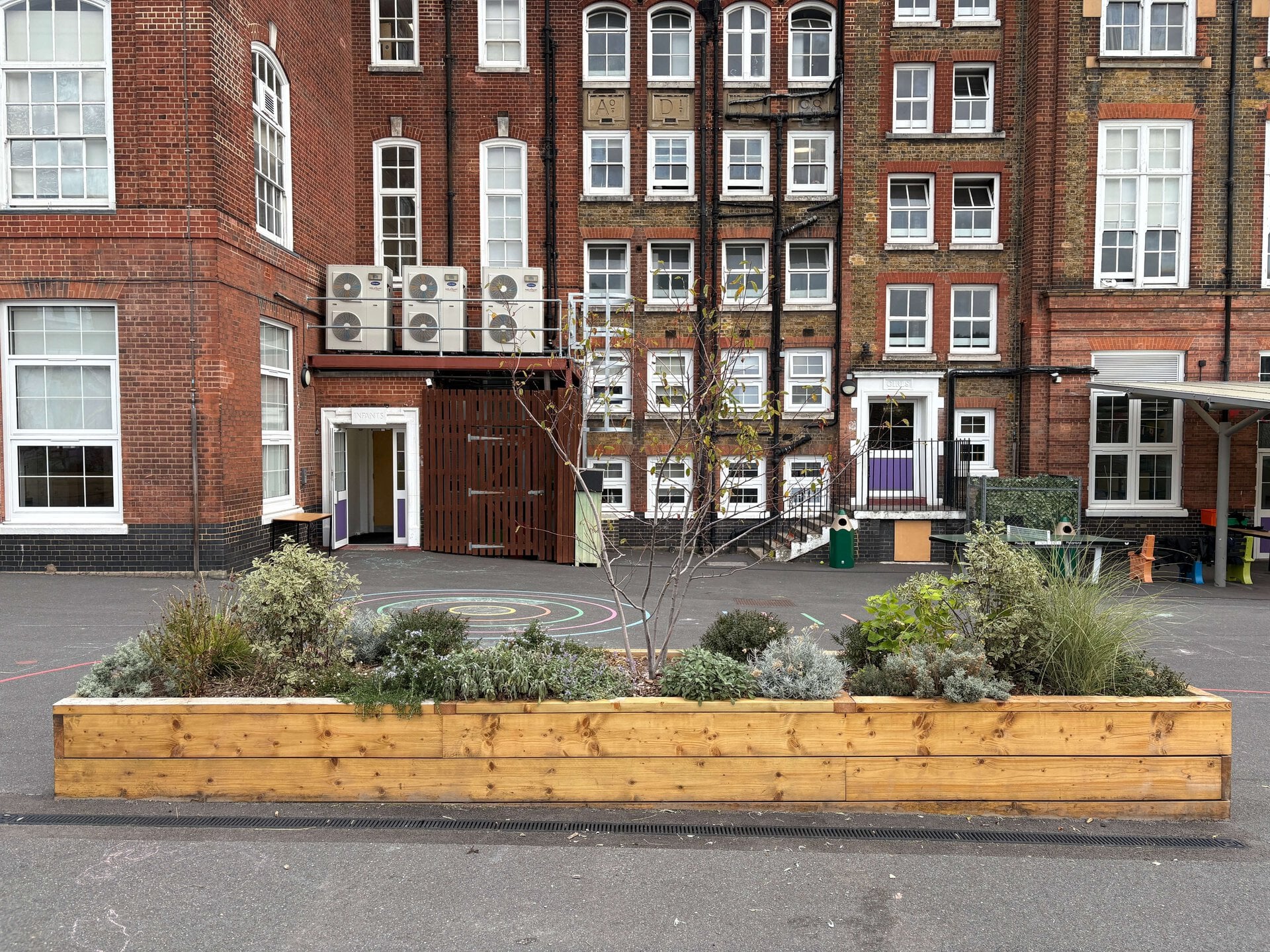
 Sutherland Road, Waltham Forest
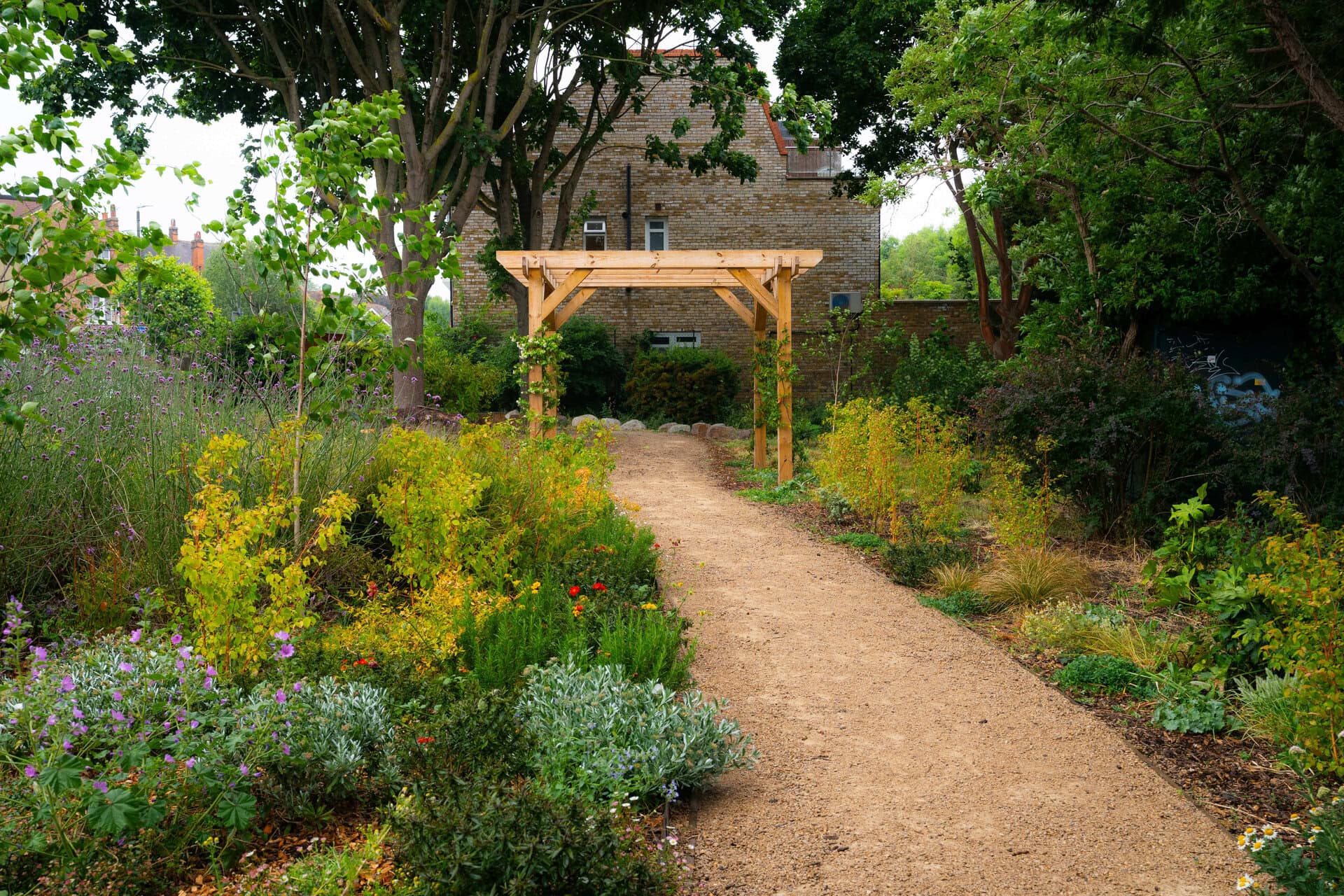
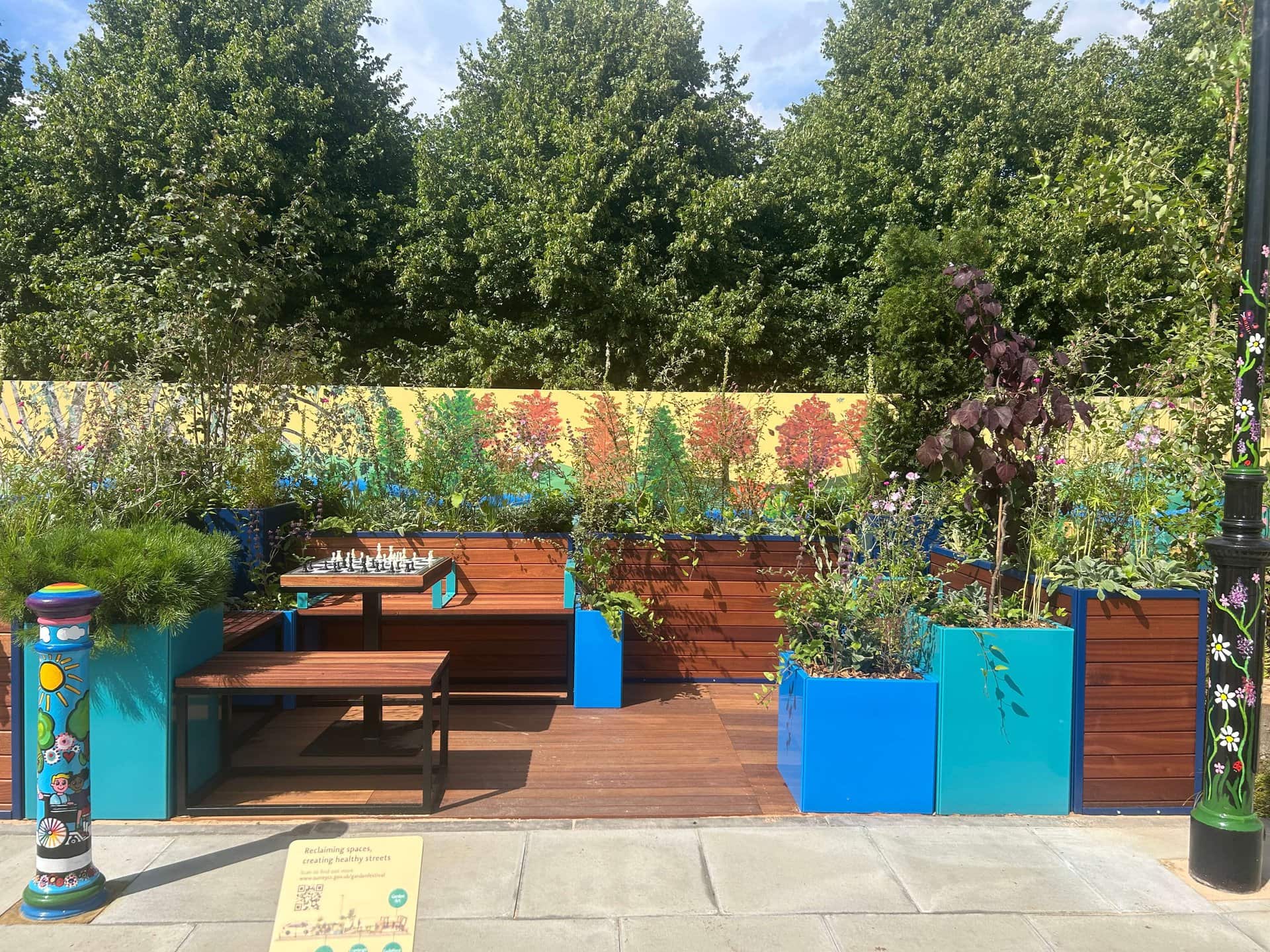
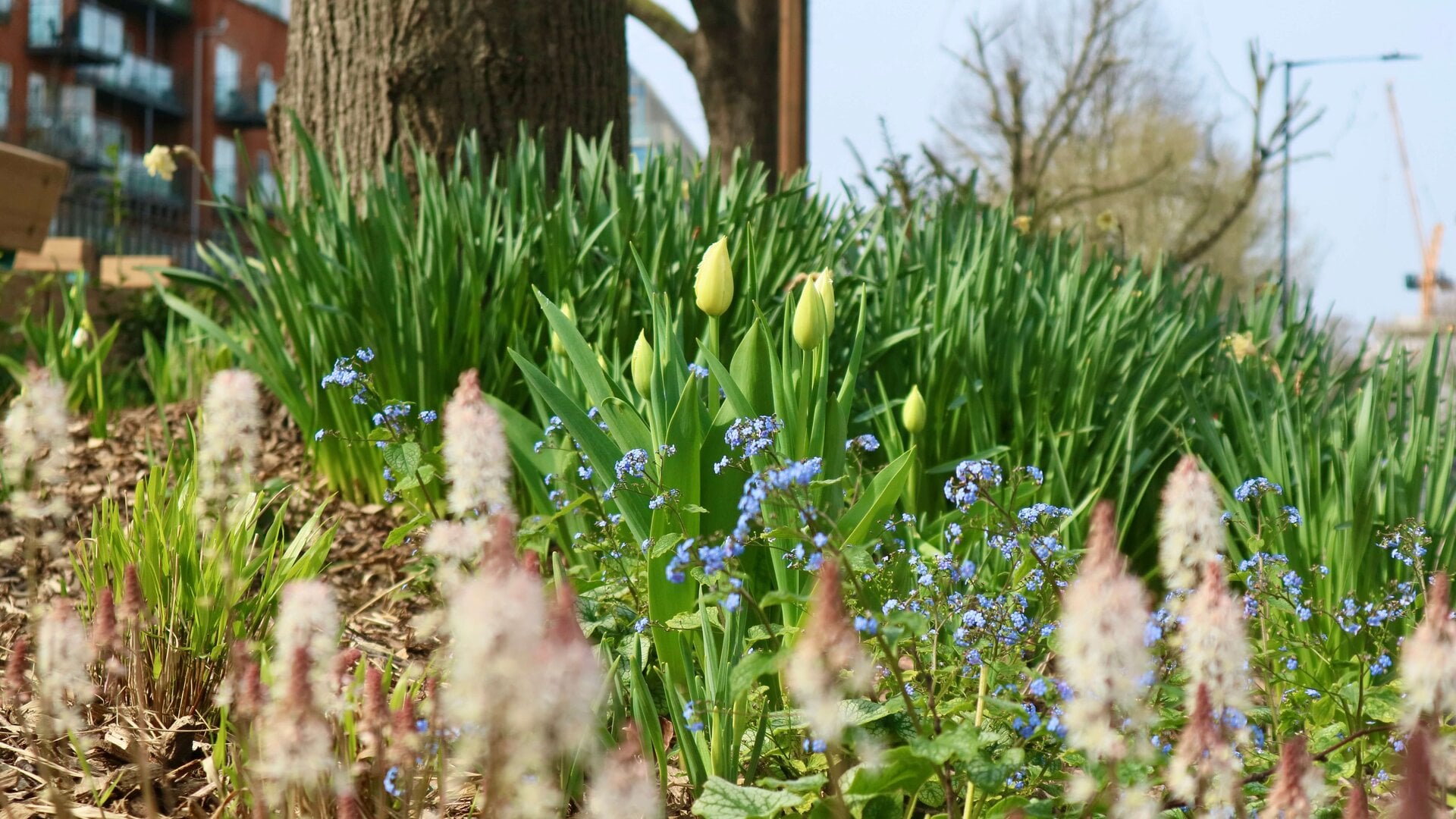
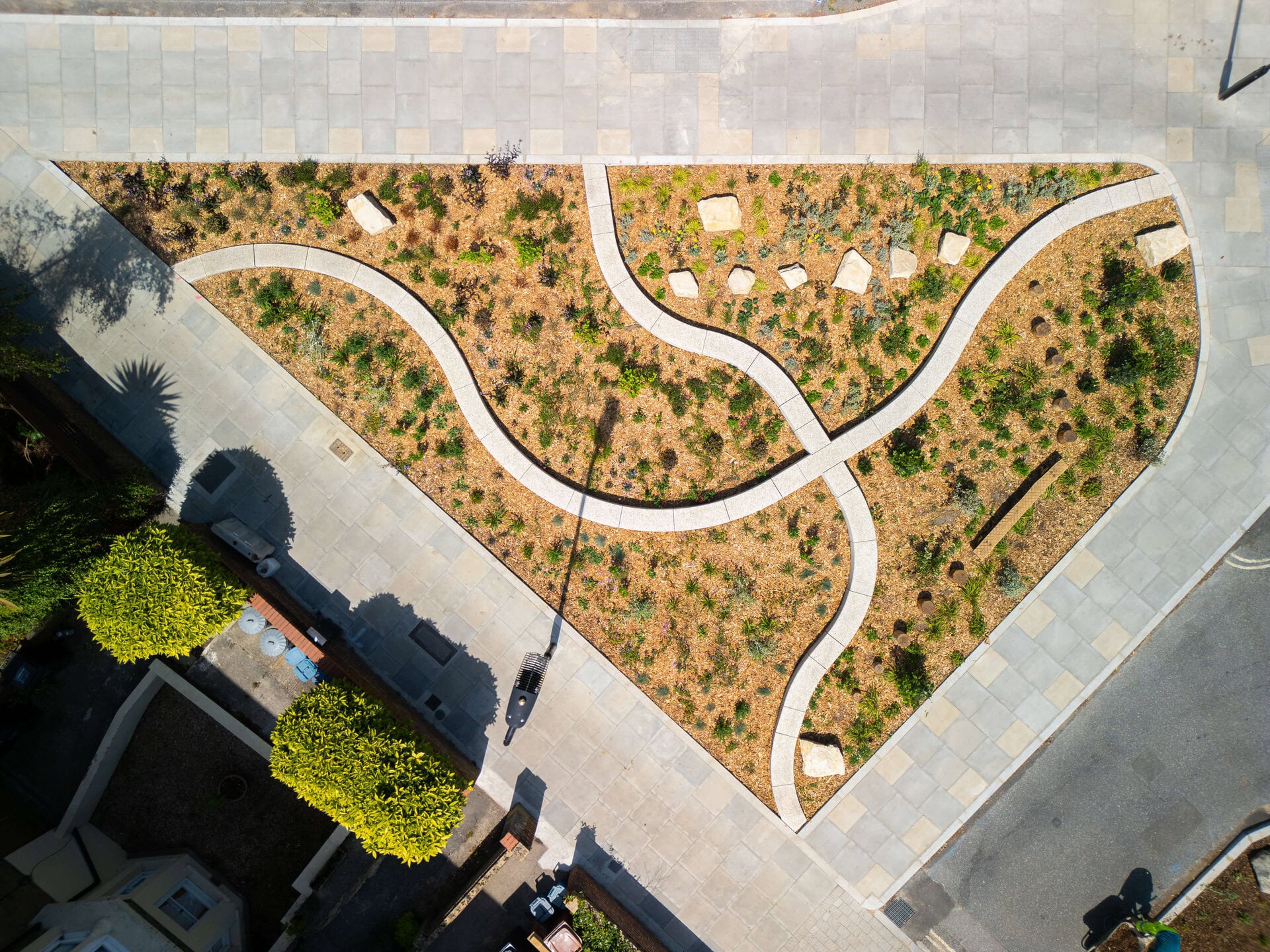
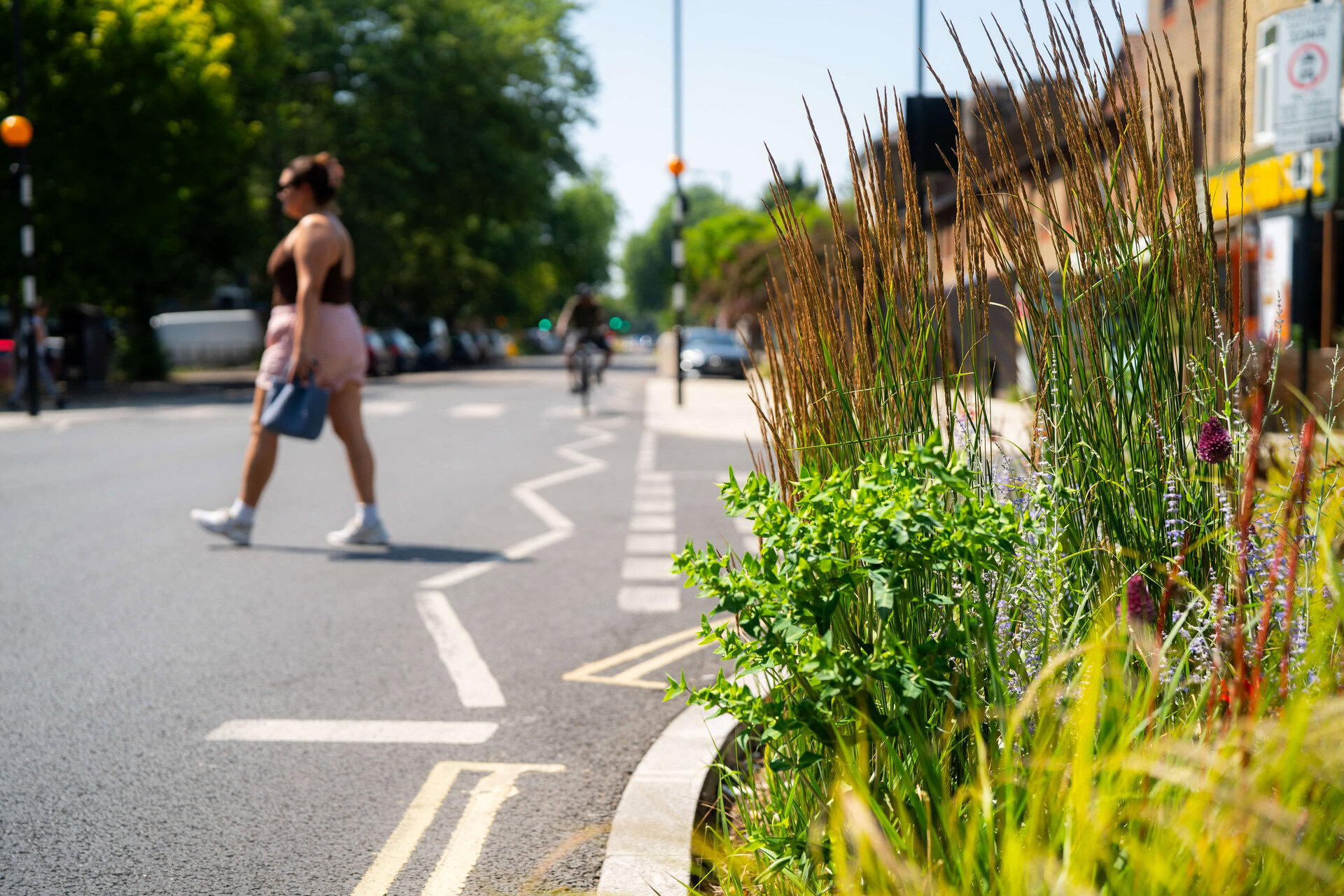
 Somers Town, Camden
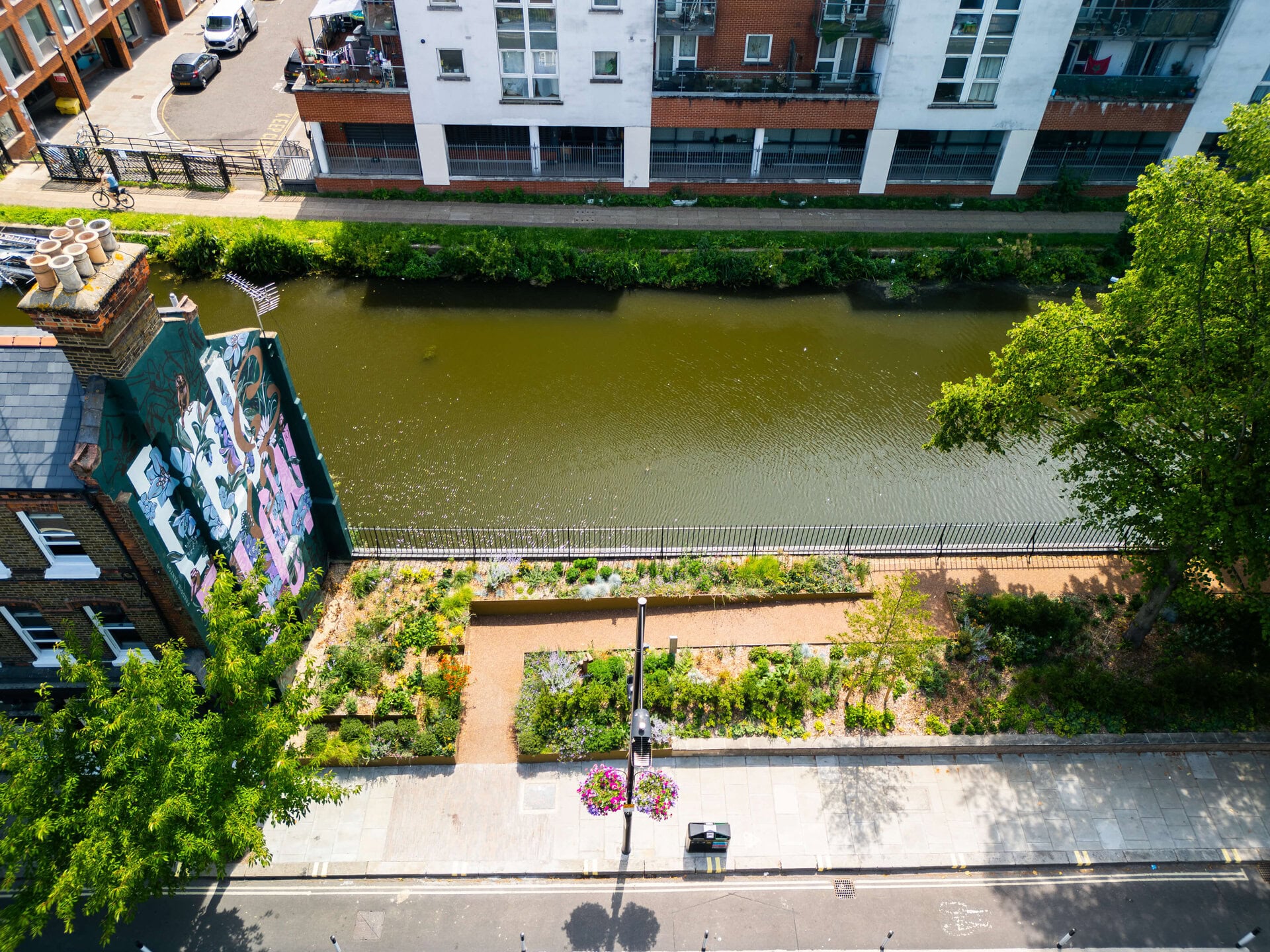
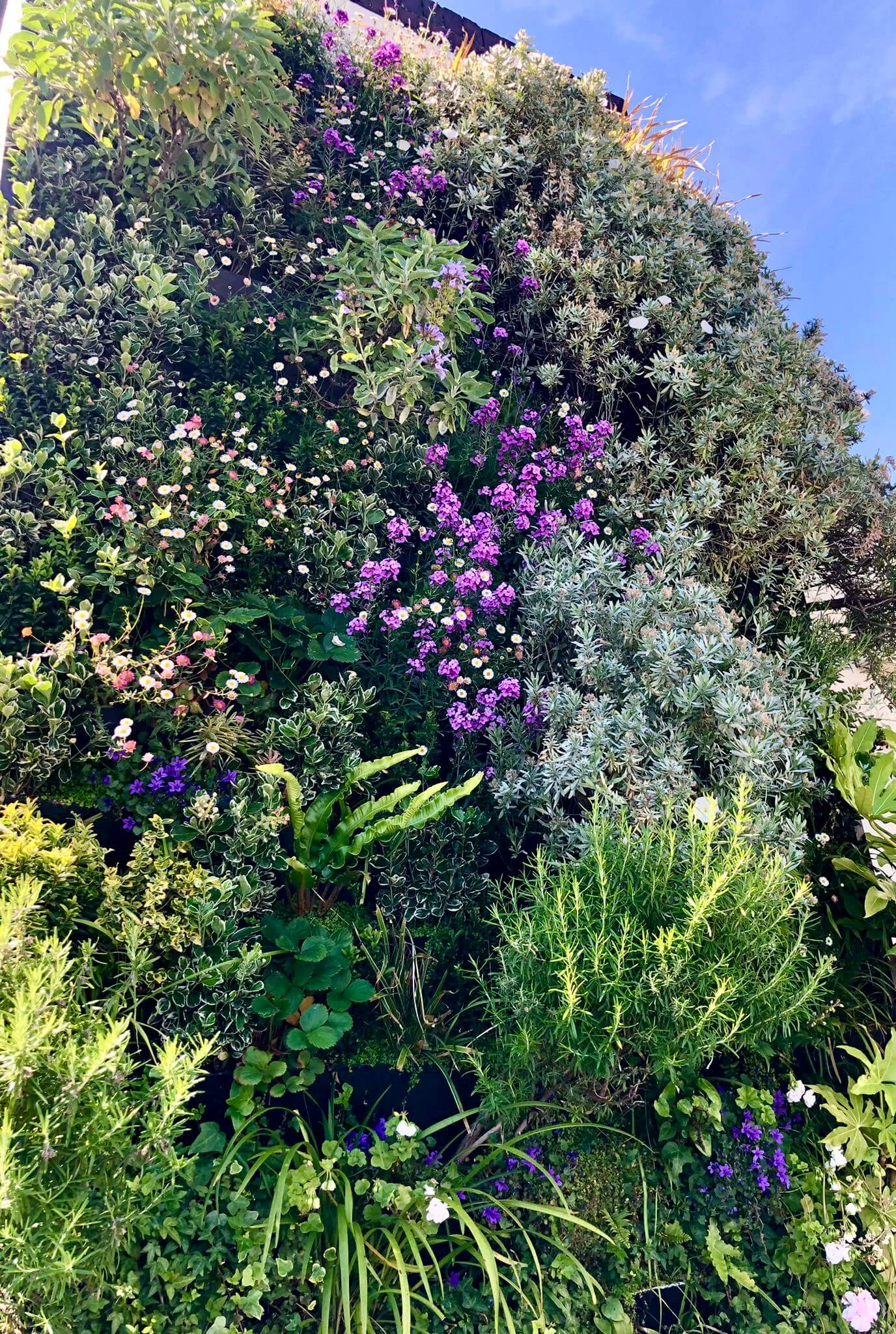
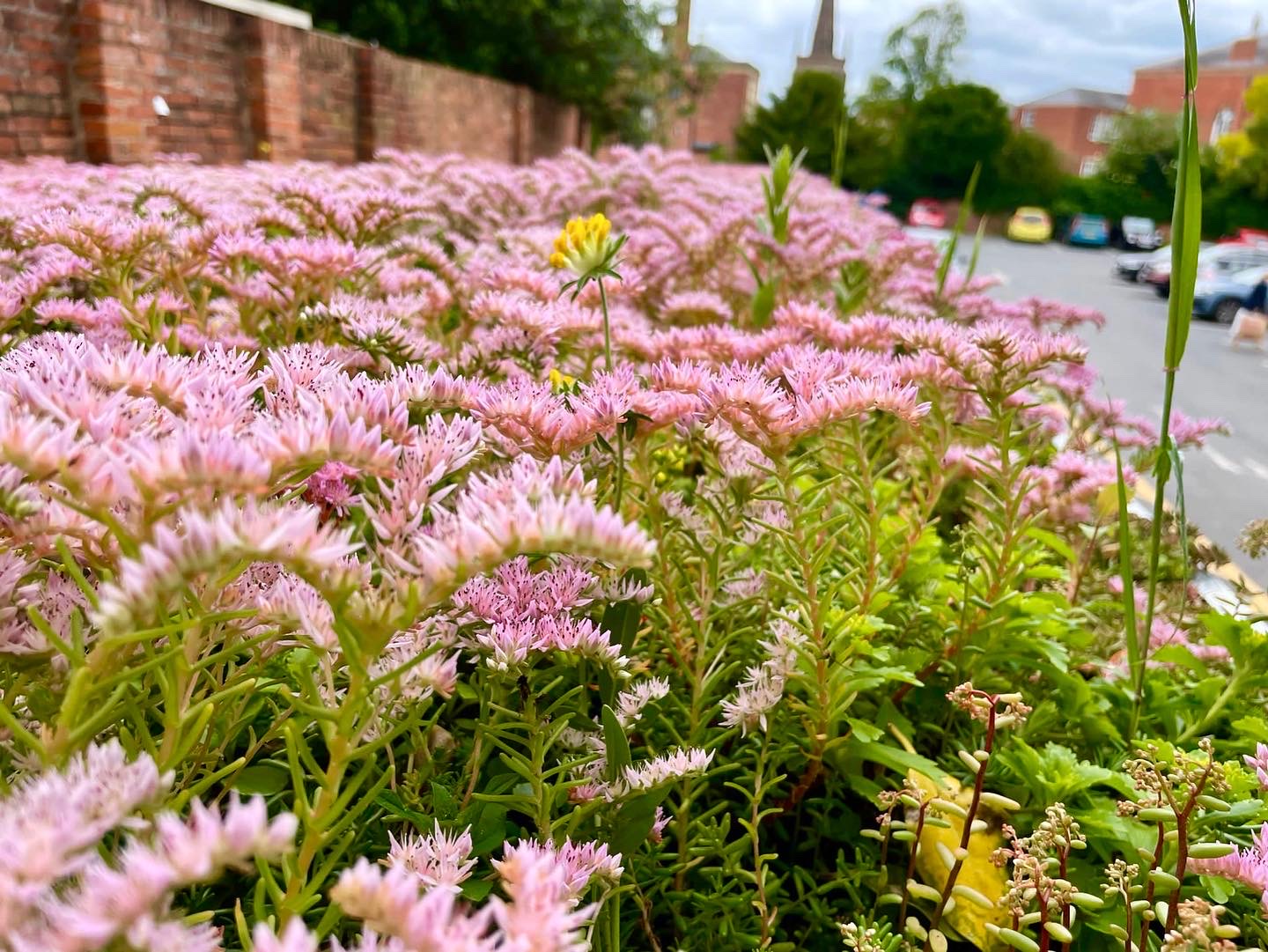
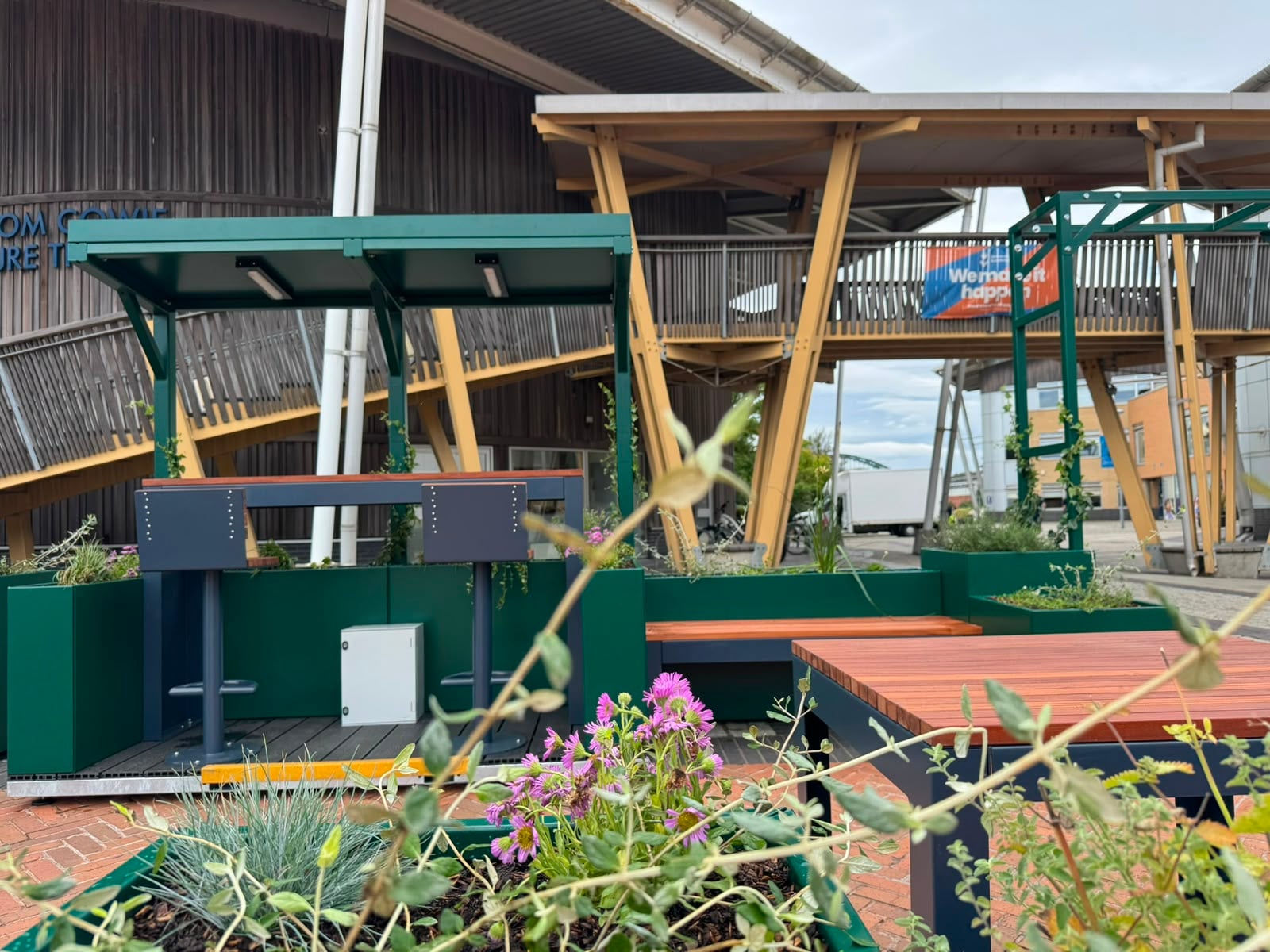
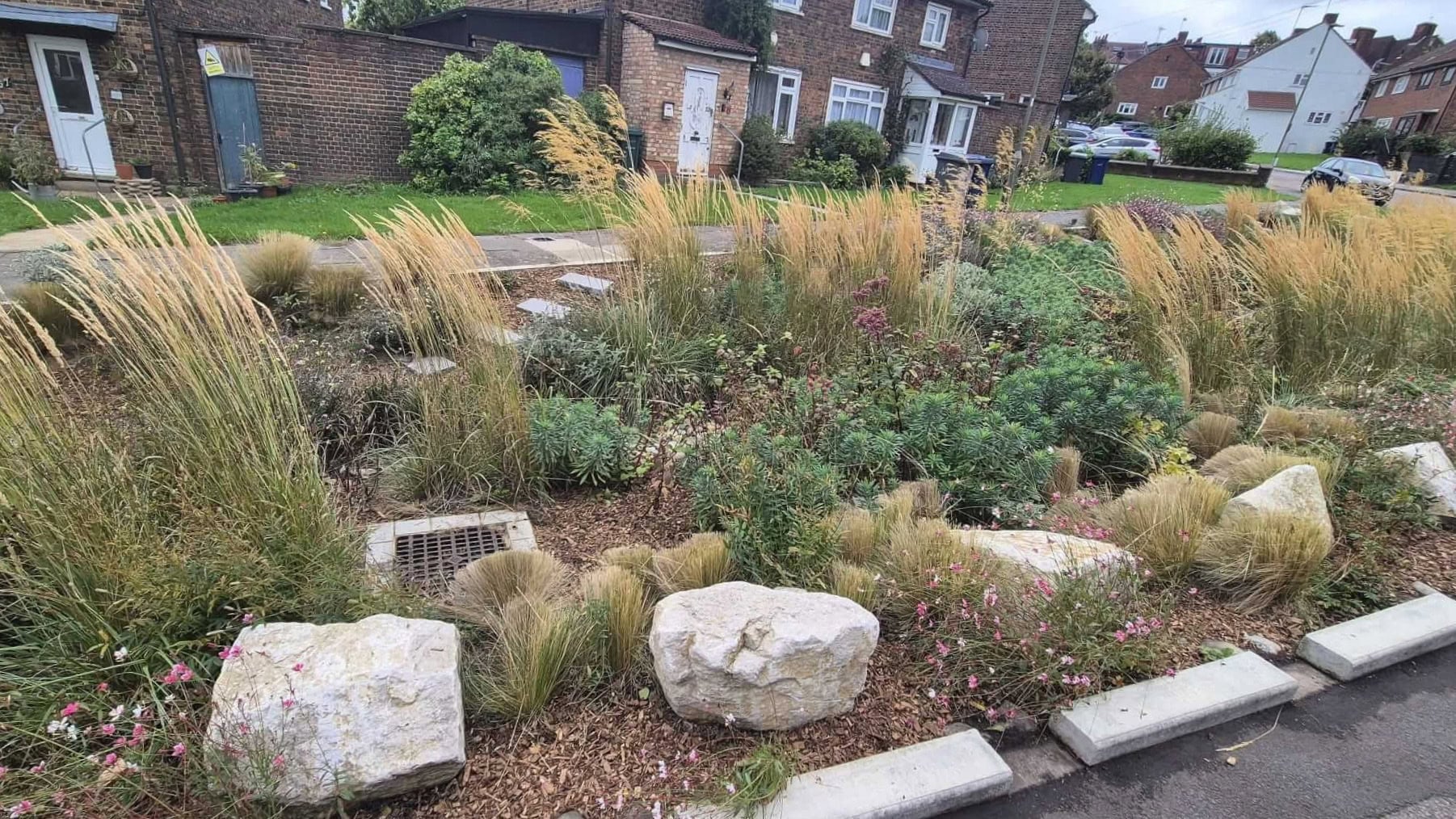
 Wimbledon Hill, Merton
Why are Rain Gardens needed in the public realm?
As urban areas grow denser and impermeable surfaces increase, managing rainwater sustainably has become a crucial part of resilient city design. Traditional drainage systems struggle to cope with heavy rainfall events, often leading to surface water flooding. SuDS, including rain gardens, mimic natural processes - capturing, filtering, and slowing the flow of rainwater at the source.
Beyond their technical function, rain gardens provide visible, living infrastructure that reconnects people with nature in the heart of the city. They support pollinators, create greener, more pleasant environments, and demonstrate how climate adaptation can also enhance the everyday public realm.
At Meristem Design, we specialise in delivering nature-based solutions that integrate seamlessly into the public realm. One of our collaborations with Waltham Forest Council in Fillebrook Road, Leytonstone is a great example of how SuDS can deliver multiple benefits - improving flood resilience, supporting biodiversity, and enhancing the look and feel of urban environments.
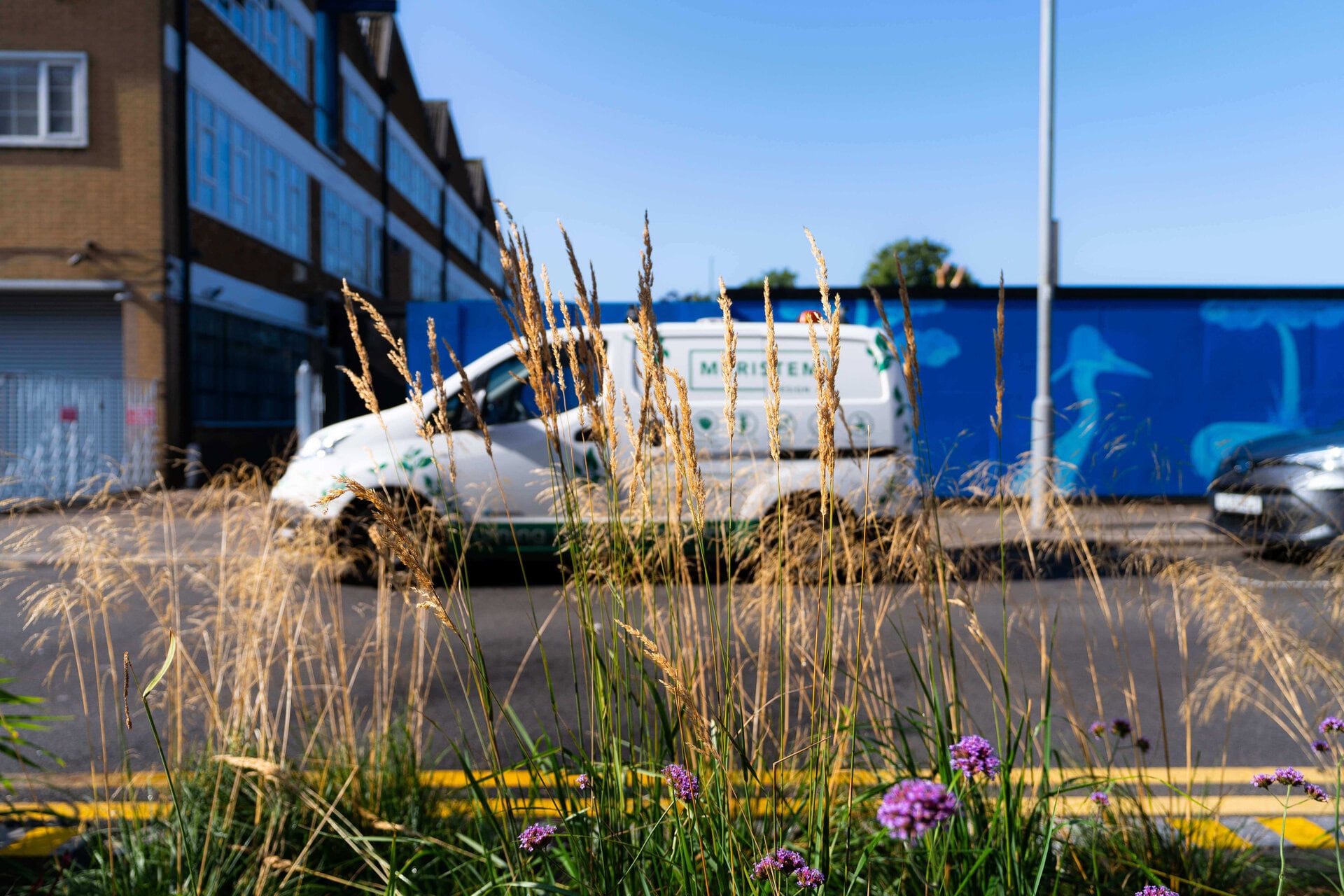
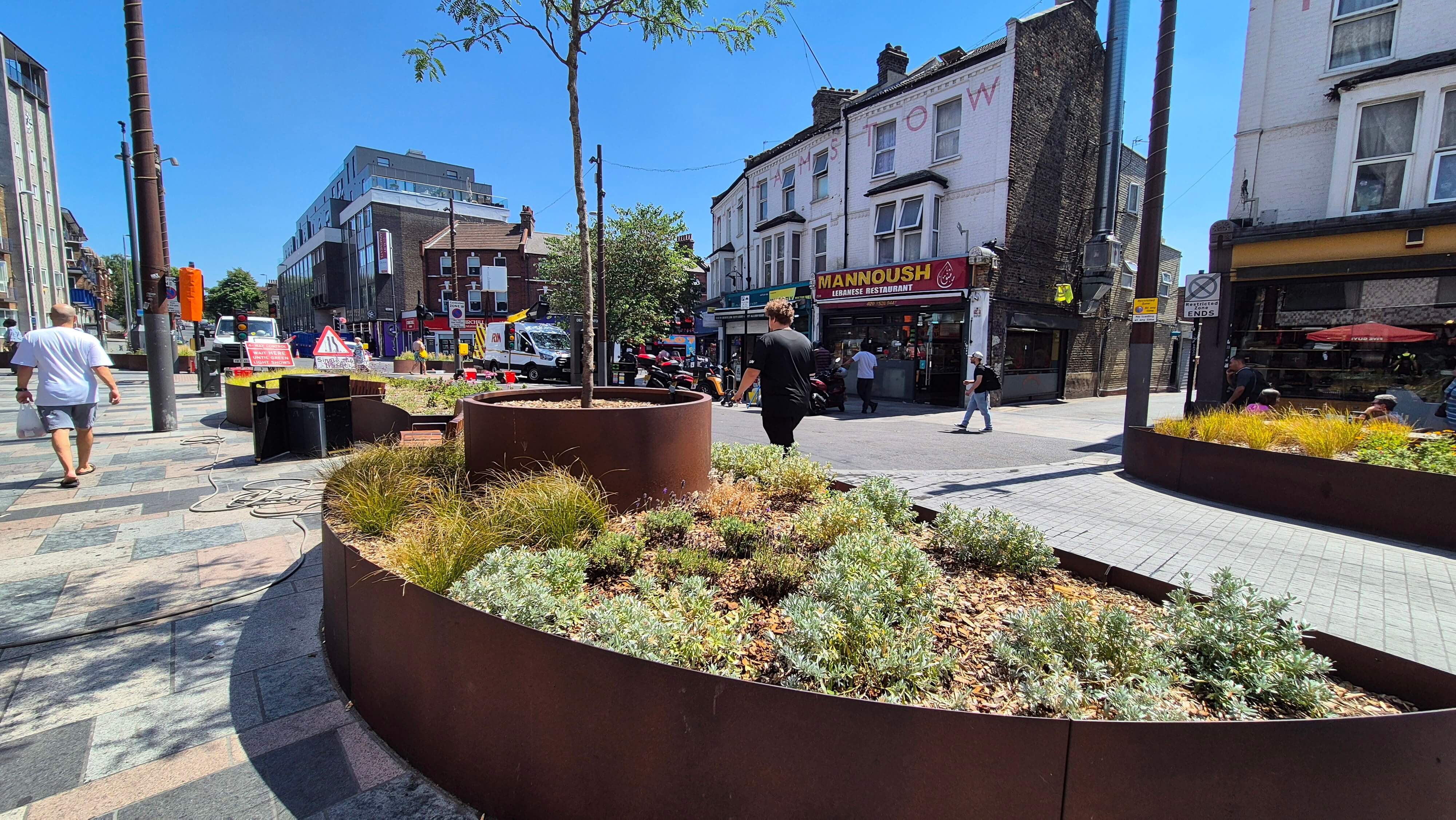
Fillebrook Road, Waltham Forest
The scheme demonstrates how SuDS can enhance a high-traffic public space - reducing surface water flooding, improving biodiversity, and creating a more welcoming environment for residents and commuters alike. By integrating granite features, pollinator-friendly planting, and natural drainage channels, the design now provides both ecological value and aesthetic appeal in the heart of the urban realm.
Bringing nature back to the streets
Public realm SuDS and rain gardens represent a fundamental shift in how we approach urban infrastructure. They turn grey spaces green, manage water sustainably, and deliver visible, tangible benefits to local communities.
As more local authorities and developers embrace nature-based design, these projects are setting new standards for resilient, liveable cities - where every drop of rain becomes an opportunity to create beauty, habitat, and climate resilience.
The role of SuDS in urban climate resilience
Sustainable Drainage Systems are becoming an essential part of urban design strategies across the UK. They allow cities to manage rainwater sustainably, protect against flooding, and bring biodiversity back into built environments.
By using features like rain gardens, permeable paving, and green roofs, SuDS reduce the strain on traditional drainage systems and help towns and cities adapt to the effects of climate change. These systems also provide valuable educational and community benefits - making environmental resilience visible and accessible to everyone.
At Meristem Design, we’re committed to helping cities adapt to the challenges of a changing climate through innovative planting and sustainable drainage design. From small-scale rain gardens to large public realm schemes, our projects demonstrate how integrated green infrastructure can make places healthier, more sustainable, and more human.
Interested in introducing SuDS or rain gardens to your public space project?
Get in touch to learn how we can help design and deliver sustainable, biodiverse solutions for your community.