A closer look at how thoughtful design choices have helped shape a nature garden in Maidenhead.
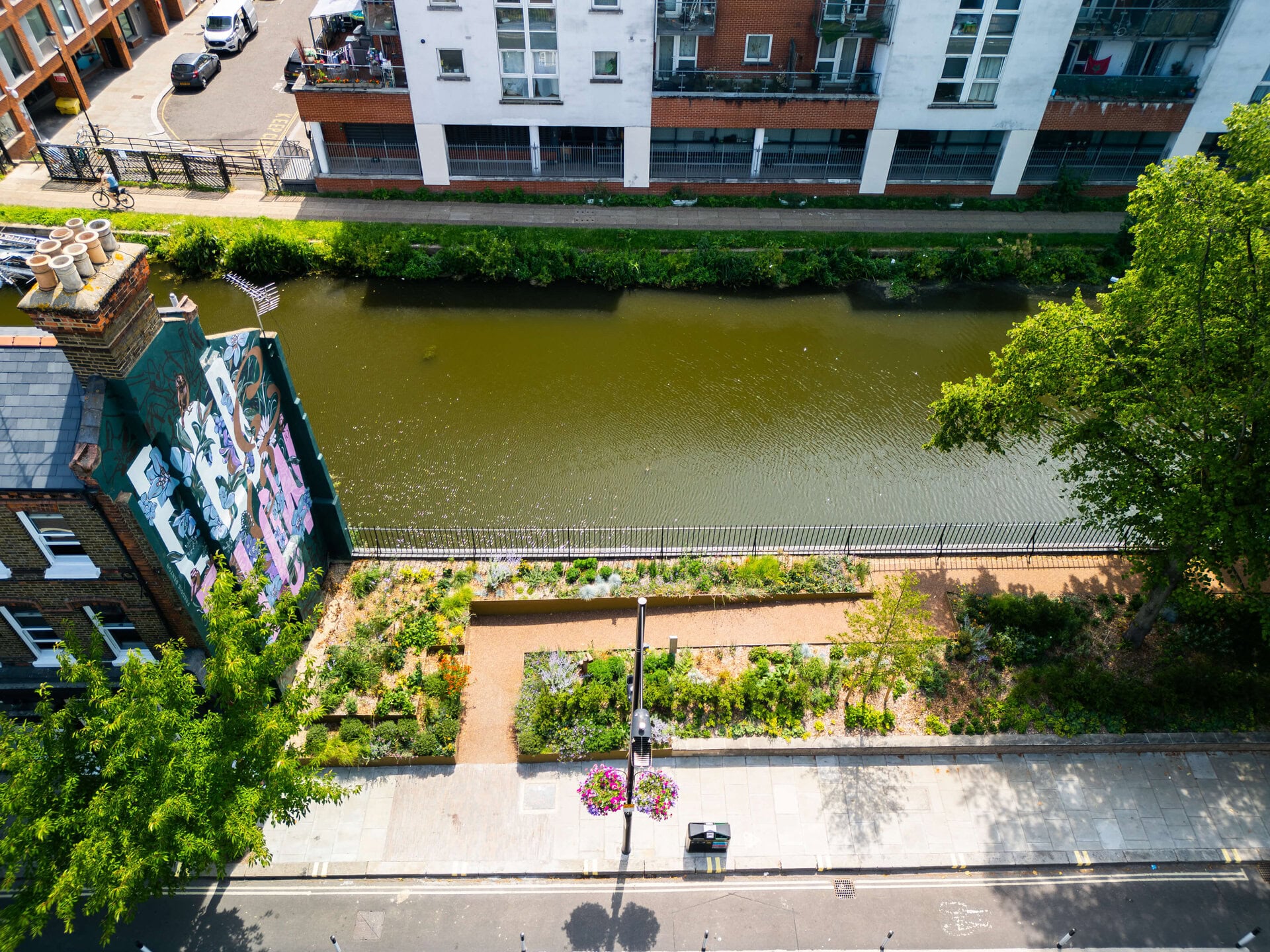
In our urban environments, accessible green spaces are becoming more scarce and increasingly more important. As cities grow denser, the pockets of nature we have need to work harder and smarter. Improving the visual aspect is one thing but creating spaces that invite interaction, curiosity and a sense of ownership is what truly strengthens the bond between people and nature.
We have been working hard to create intricate and immersive spaces for people to enjoy. As well as being visual, we want to provide green spaces that foster interaction by implementing engaging elements to nurture community wellbeing.
Why interactivity matters in public design:
Too often, our green spaces are designed for passing through rather than using and experiencing. Interactive and sensory features invite people to engage with the environment.
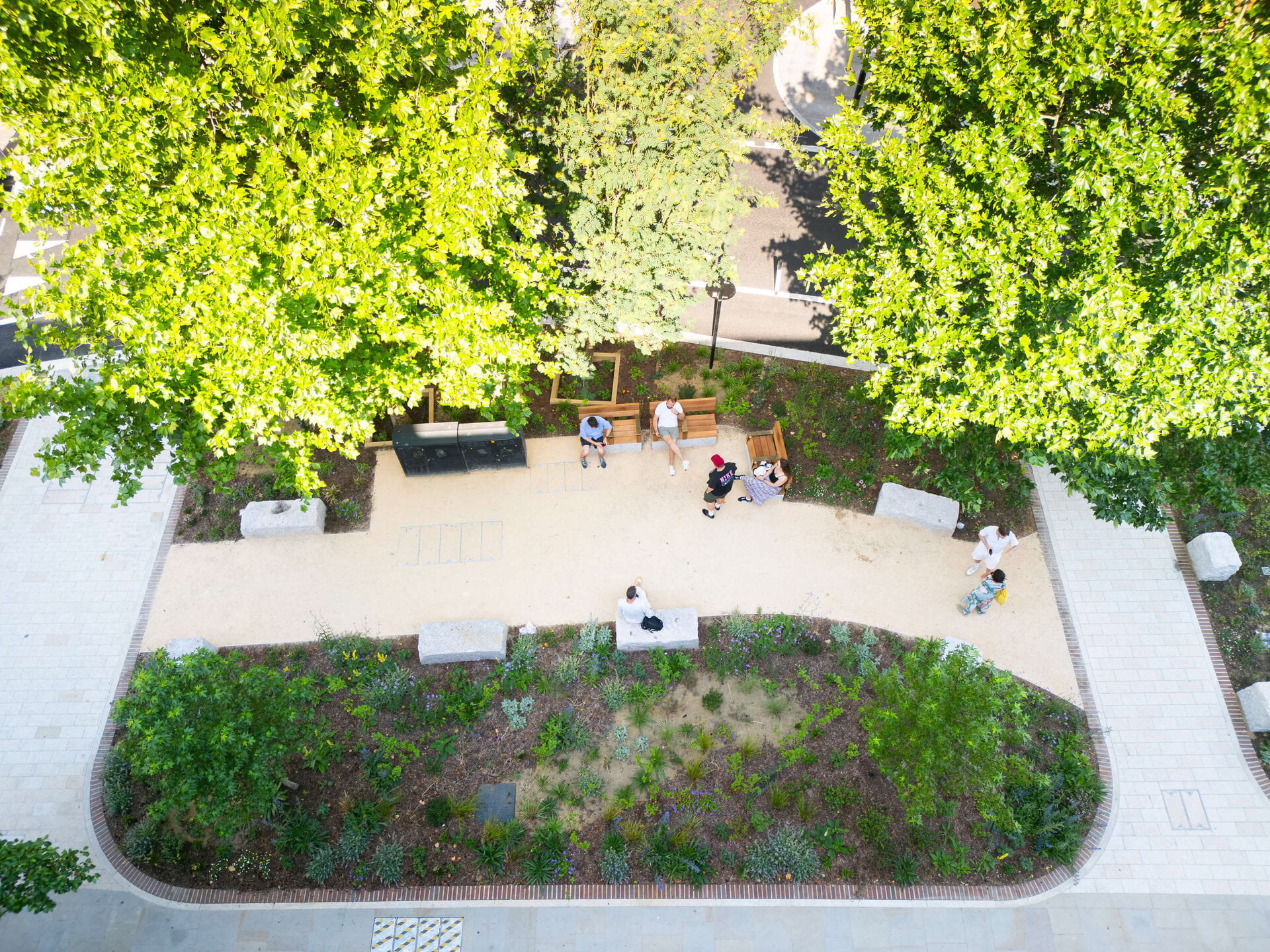
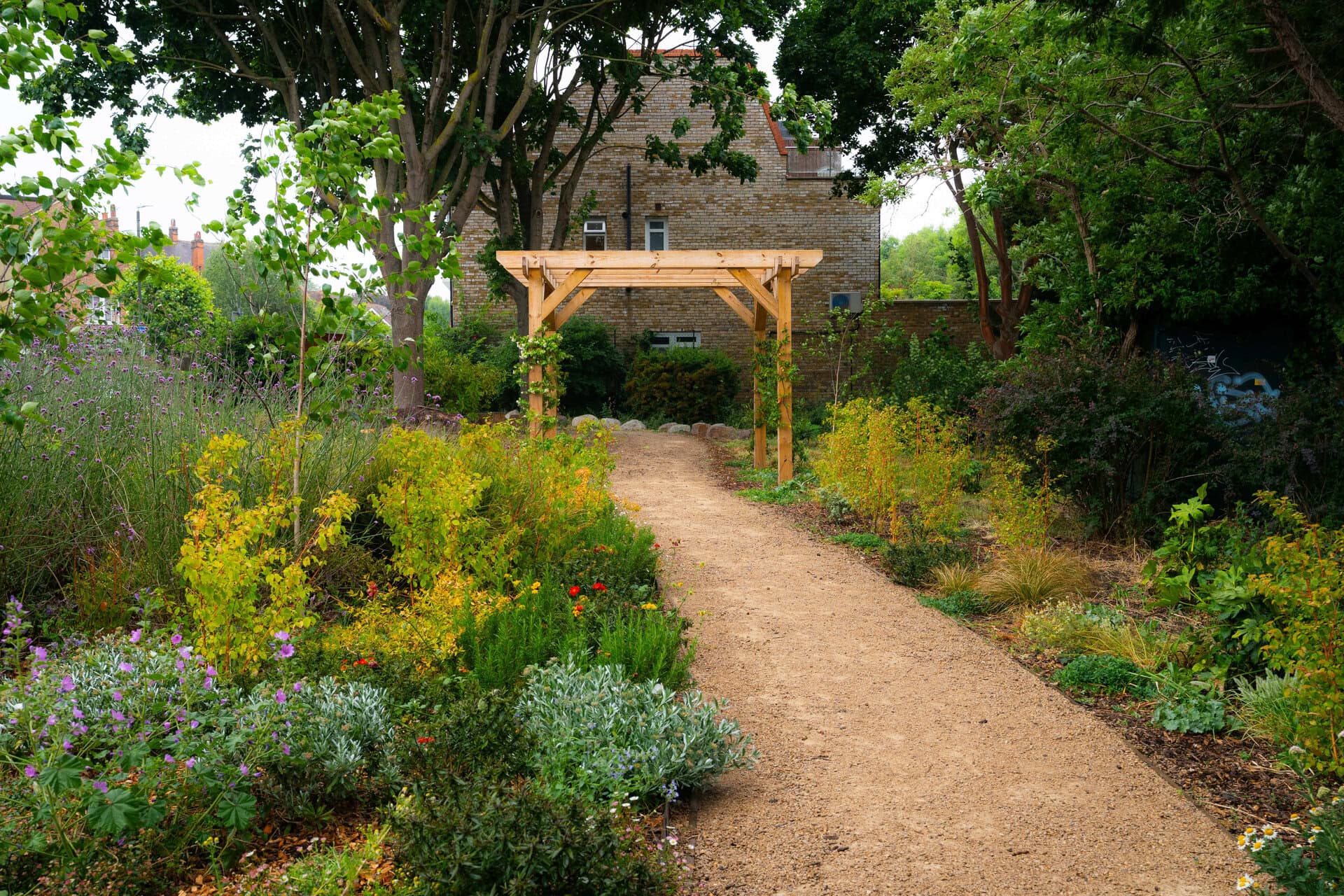
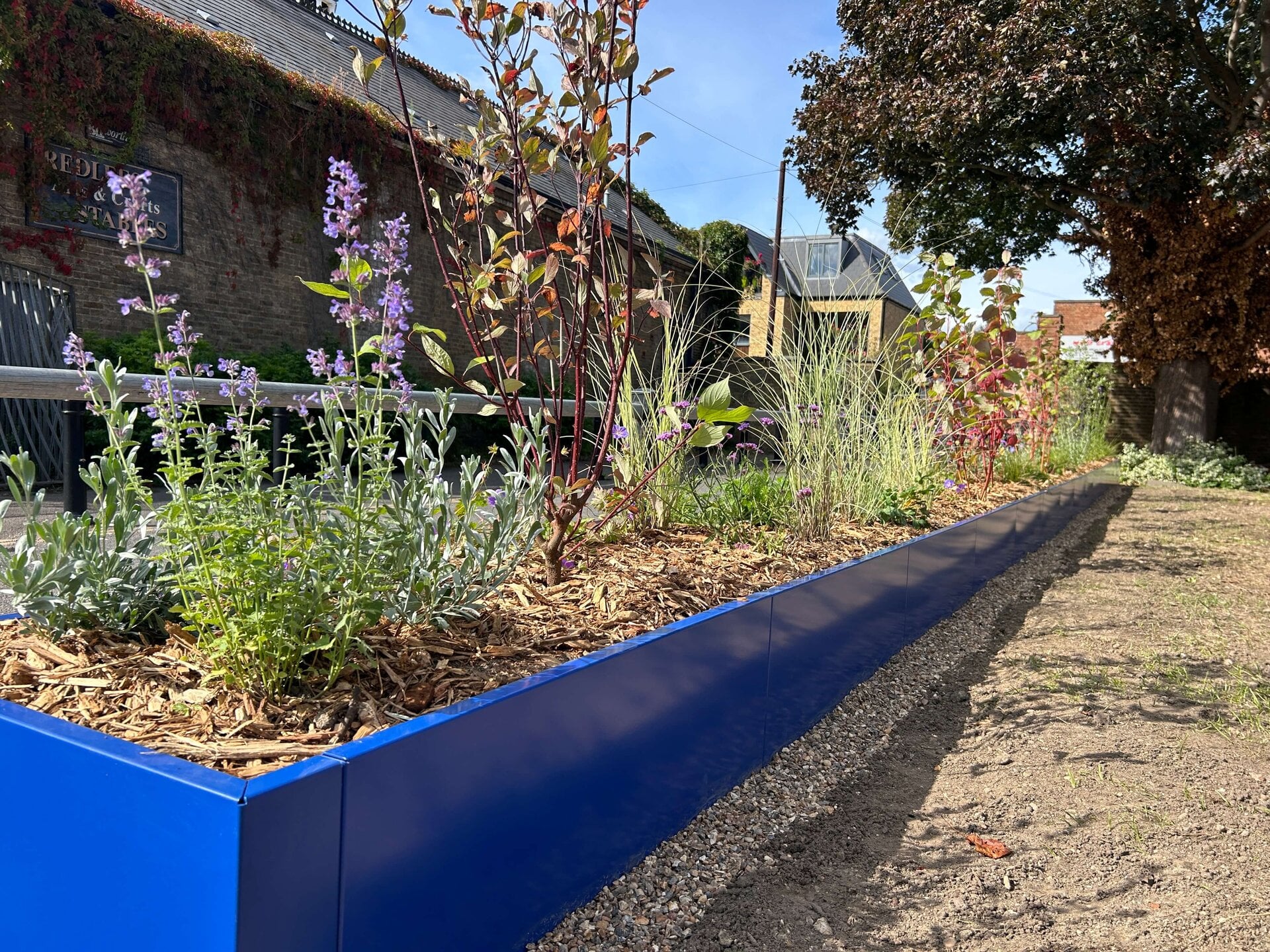
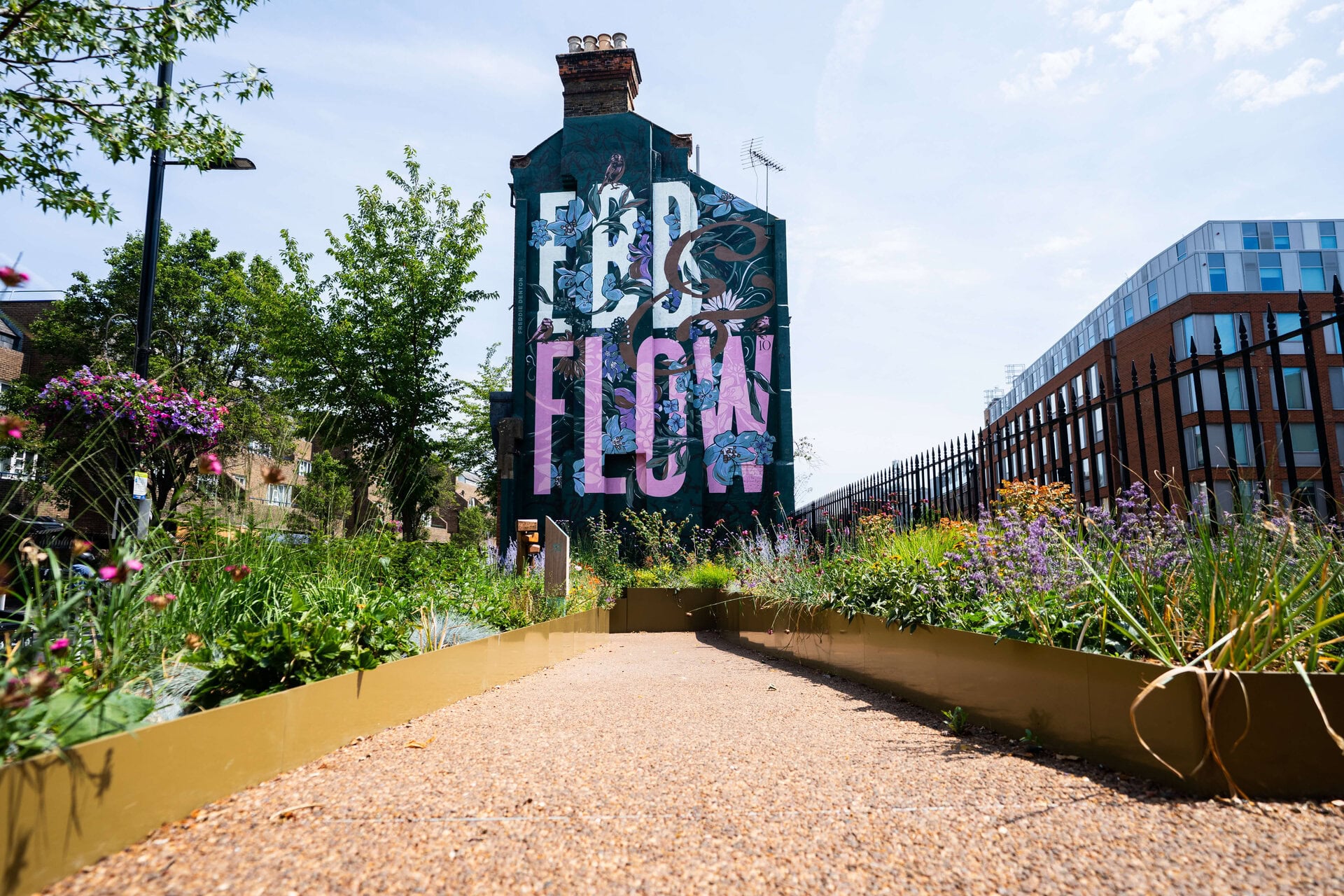
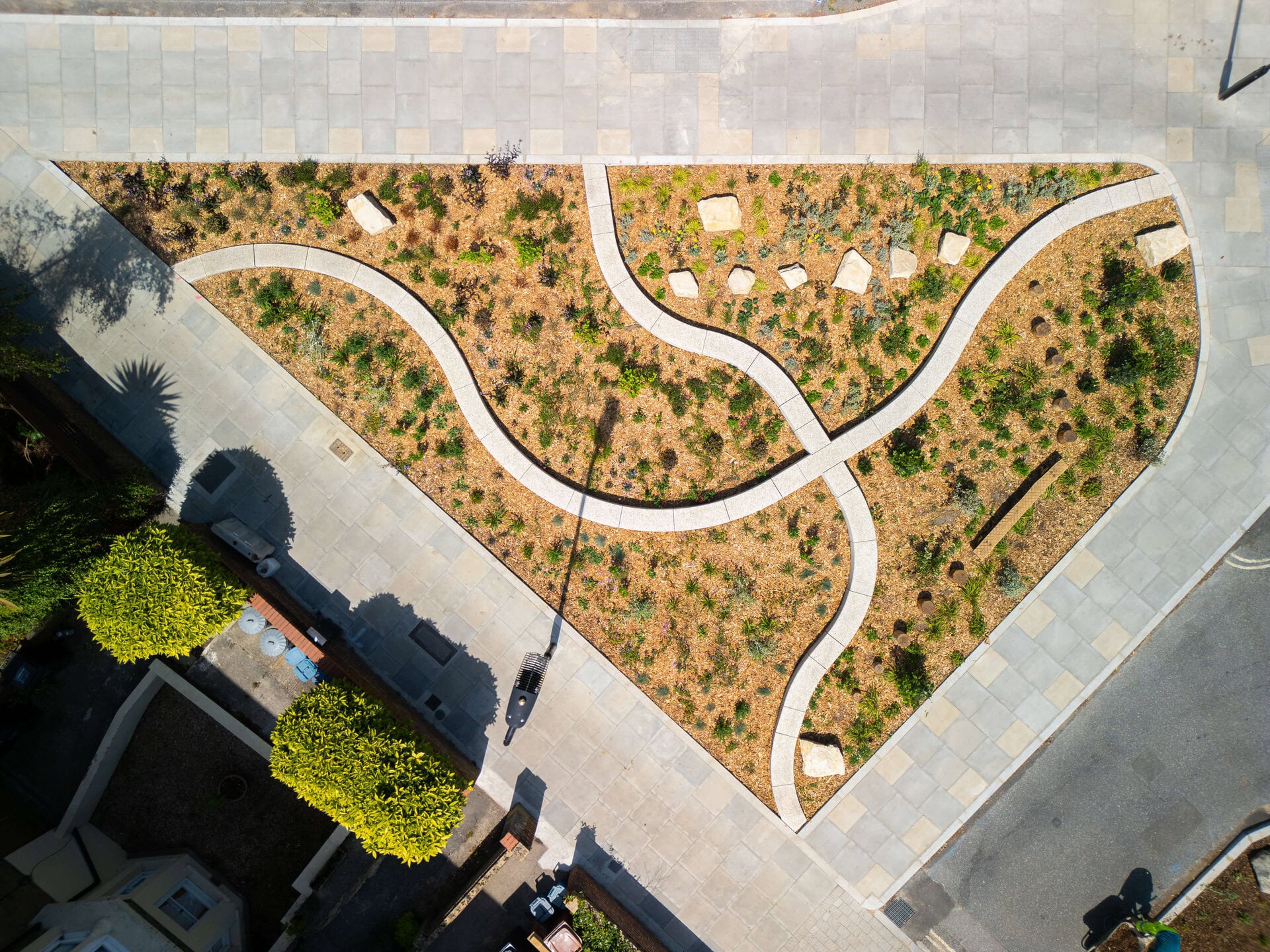
Our recent project in Maidenhead seamlessly joined an immersive nature garden into the pathway of pedestrians, creating an attractive space for locals and school children to stop by and enjoy the space. Rather than building a formal green space, we prioritised interaction with the following features:
- Two hotels to provide habitats for insects
- Gabion-style benches
- Two Large pebble features inviting rest
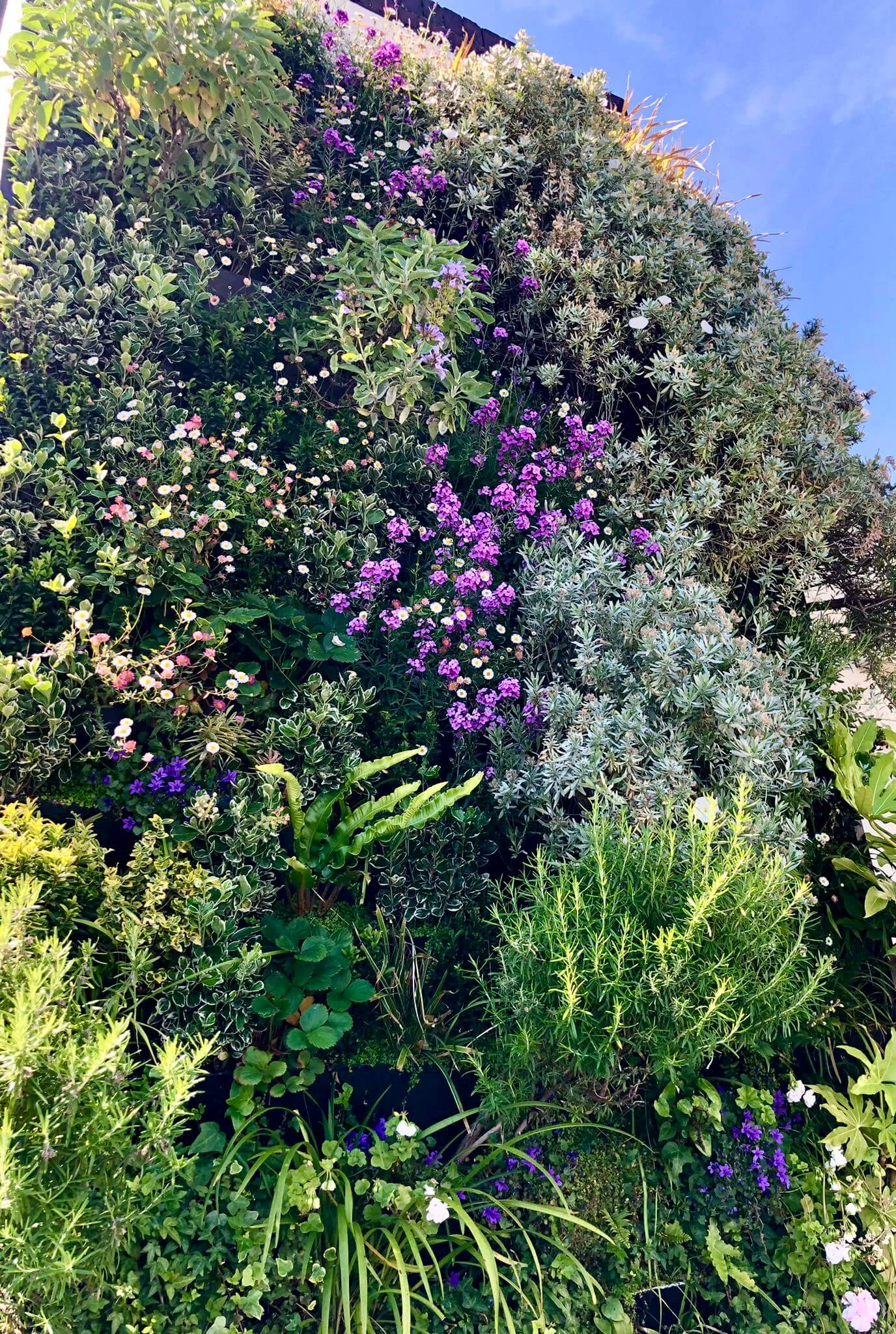
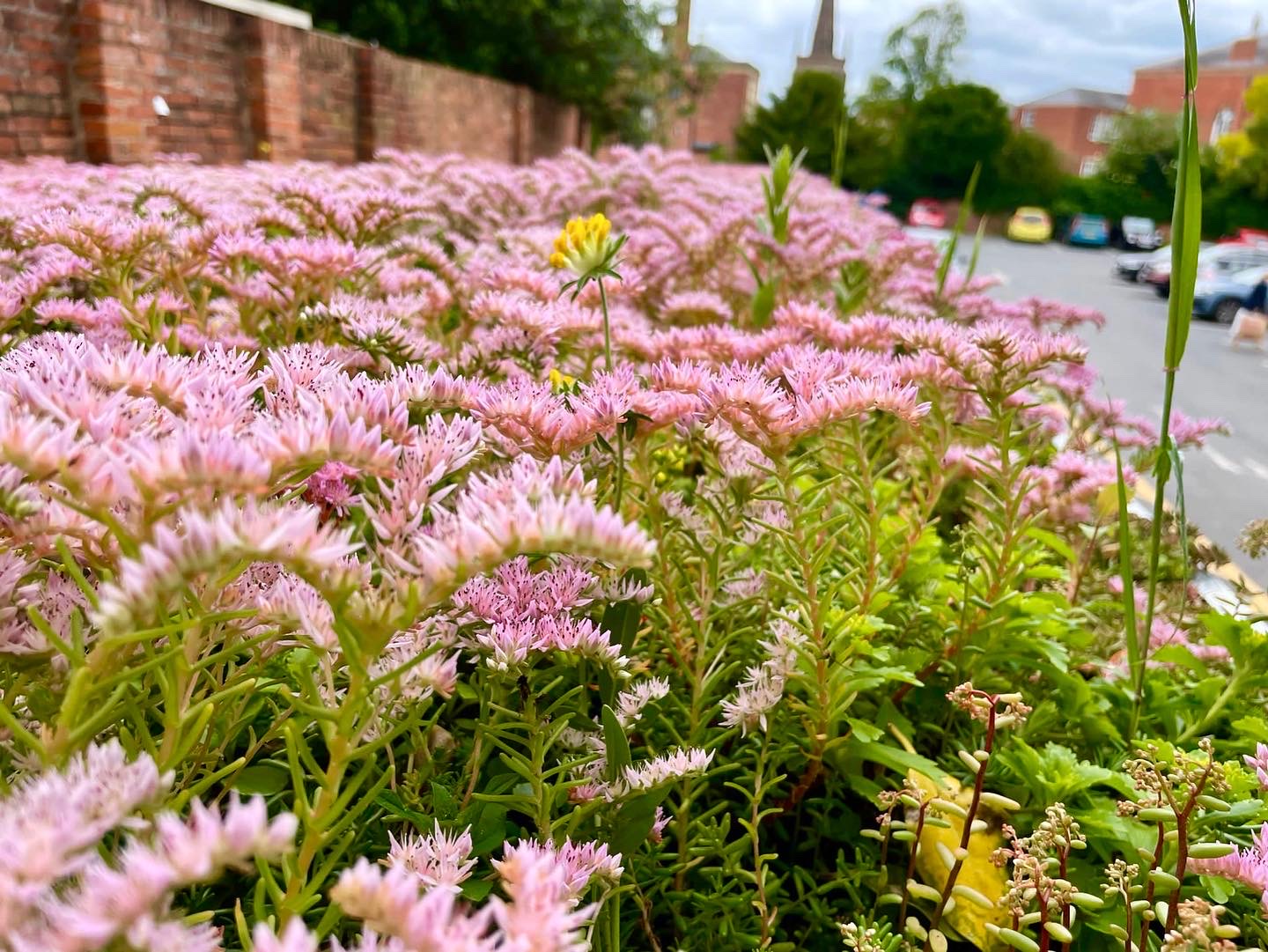
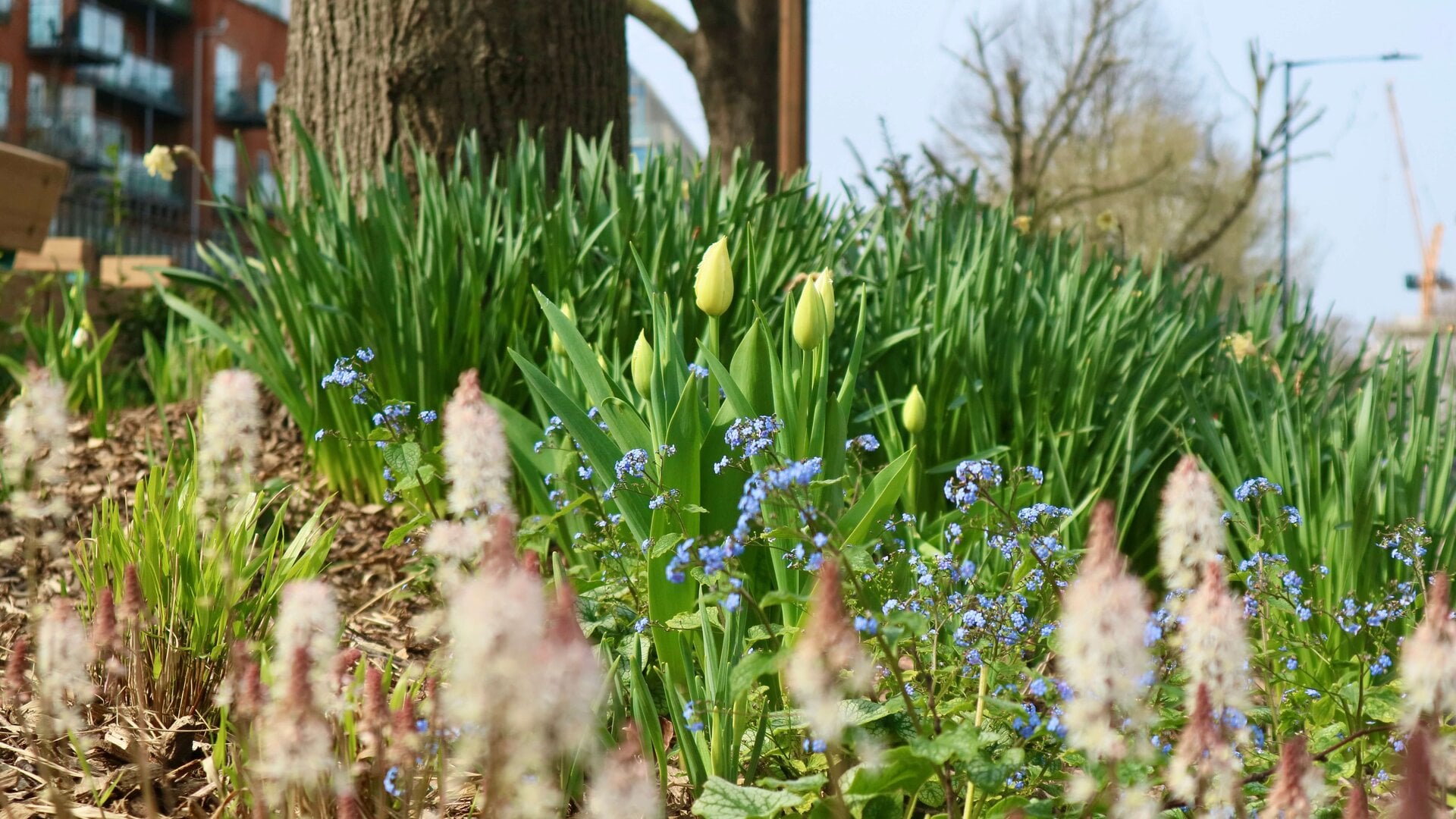
- Sensory planting to entice sight and smell
- A balance beam to encourage interaction
- A gravel pathway that leads visitors seamlessly from pavement to garden, making the space feel open and accessible
- Stepping logs to encourage playful movement throughout the space

Why these features work:
Each feature in the garden was selected to offer simple, open-ended interactions and encourage people to explore the garden in their own way. We created a sustainable space designed to evolve and adapt to its visitors, providing a consistent space for relaxation and interaction, not just a green backdrop.
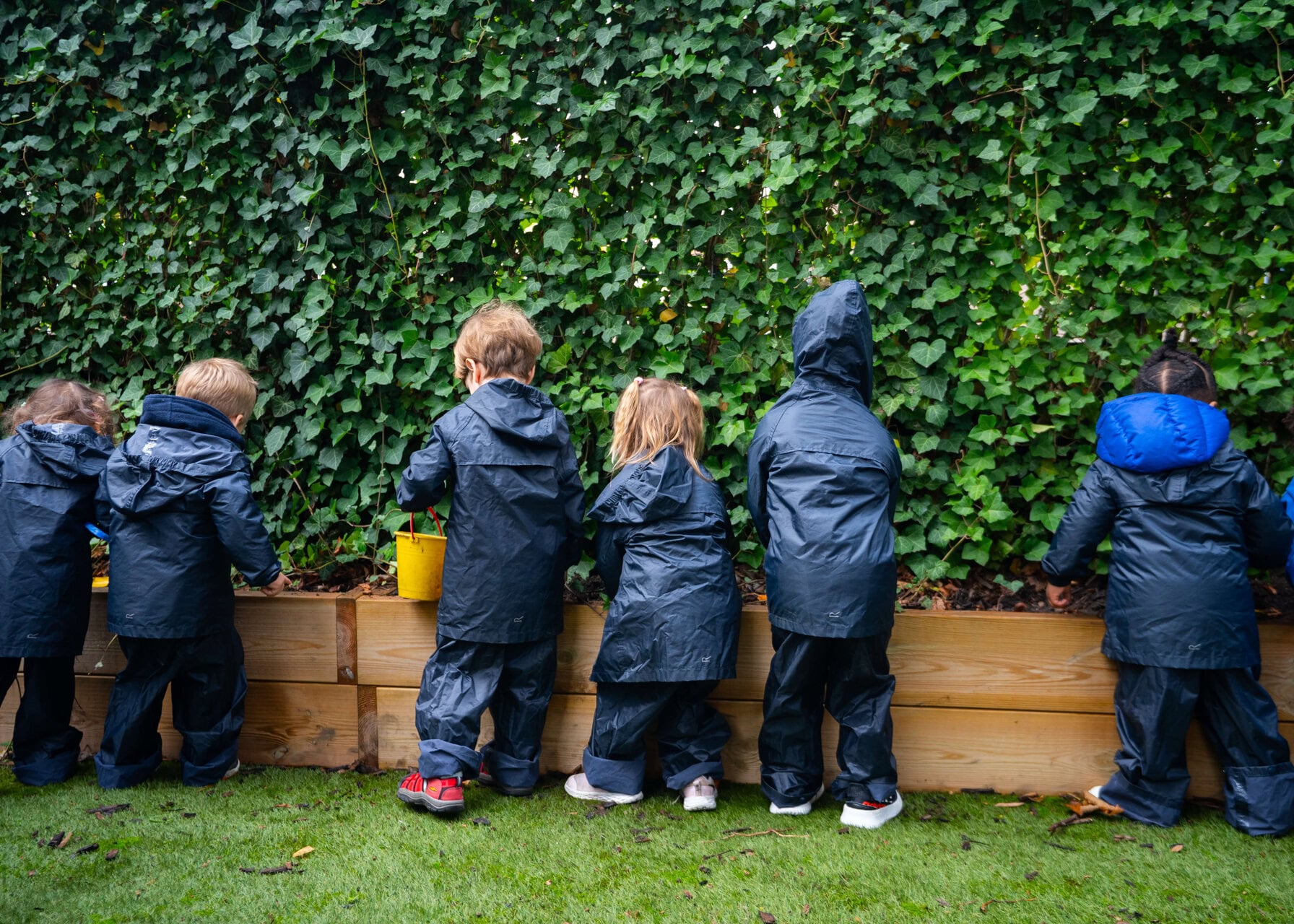
The construction of this nature garden also involved a planting workshop with children from the local primary school. Their involvement gave them a sense of ownership and connection to the space from day one. Local community participation aimed to embed the garden into the school and the surrounding area.
Projects like this demonstrate how simple, interactive design can transform a small corner into a valued and essential public space. As green spaces become harder to find, making these pockets of nature more meaningful, usable and engaging is a priority when designing for the built environment.