Low Traffic Neighbourhoods (LTNs) are widely discussed, but what an LTN actually means for people and neighbourhoods is often unclear.
LTN meaning
LTN means Low Traffic Neighbourhood. It is a scheme usually implemented in a residential area that aims to calm traffic, create safer, more connected neighbourhoods and prioritise people. Traffic-calming measures support LTNs and can be implemented in a range of different ways:
- Road restructuring – speed humps, narrowing, and one-way systems
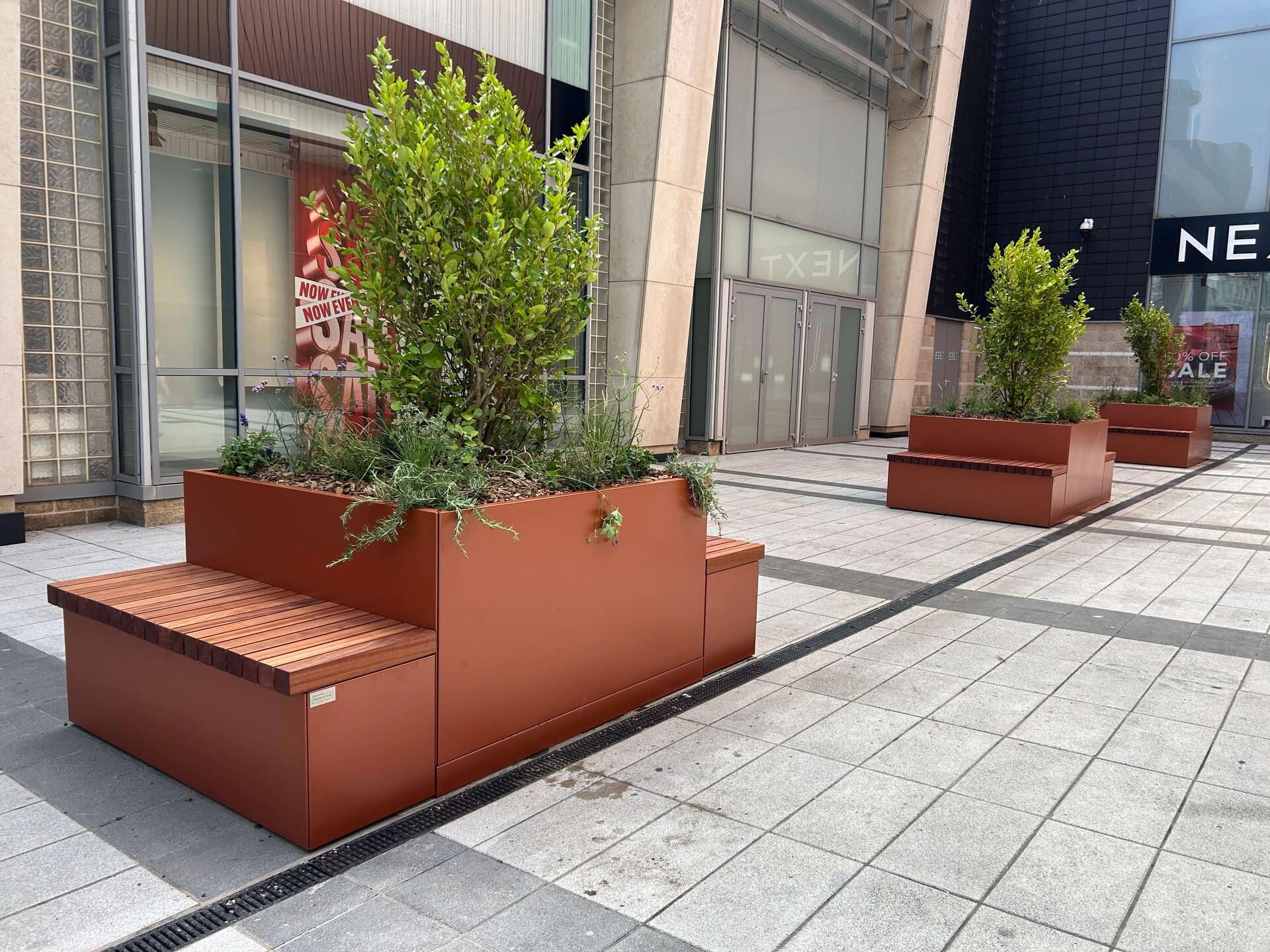
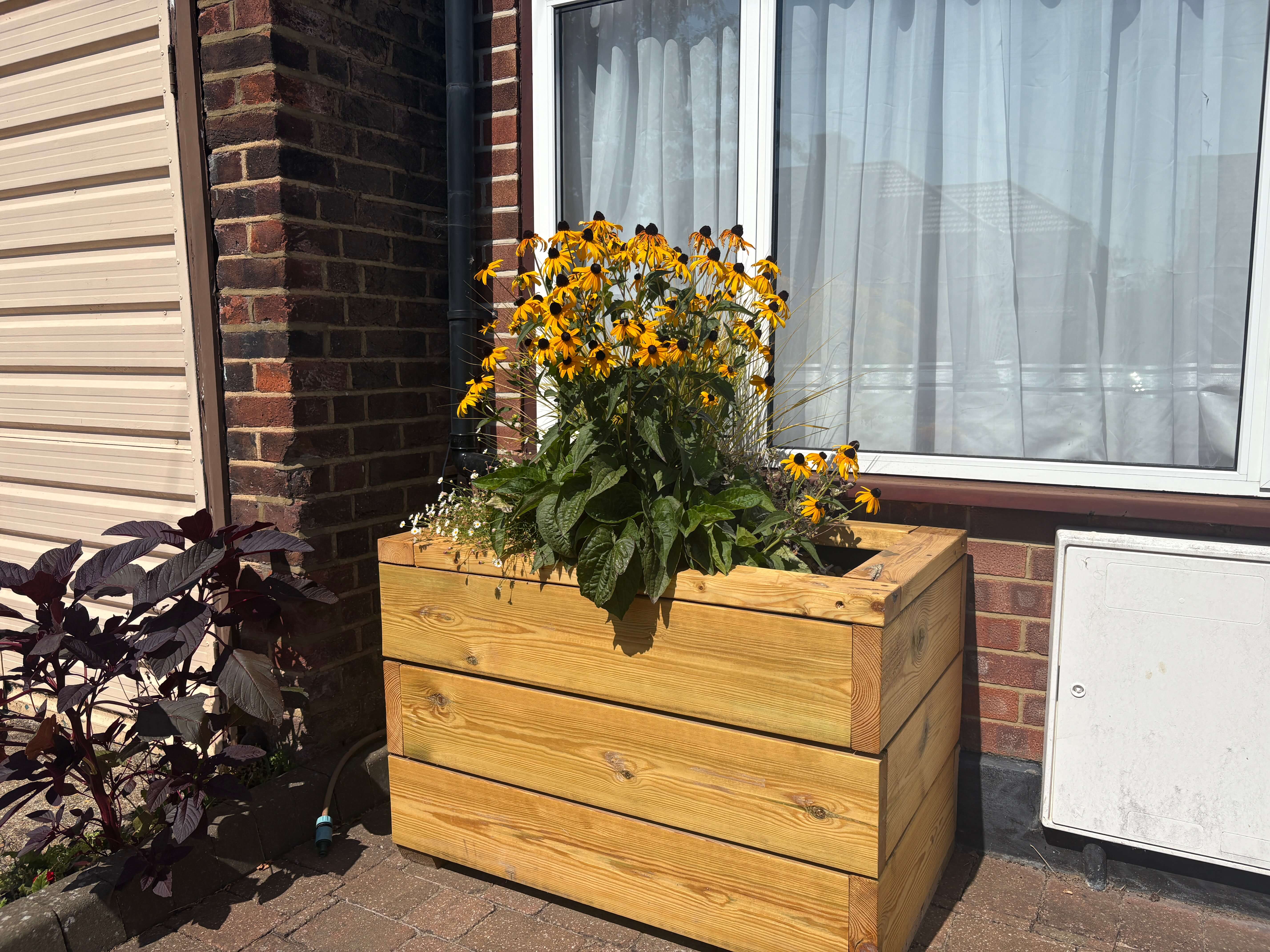
- Planters or bollards – restrict through-traffic while keeping local access
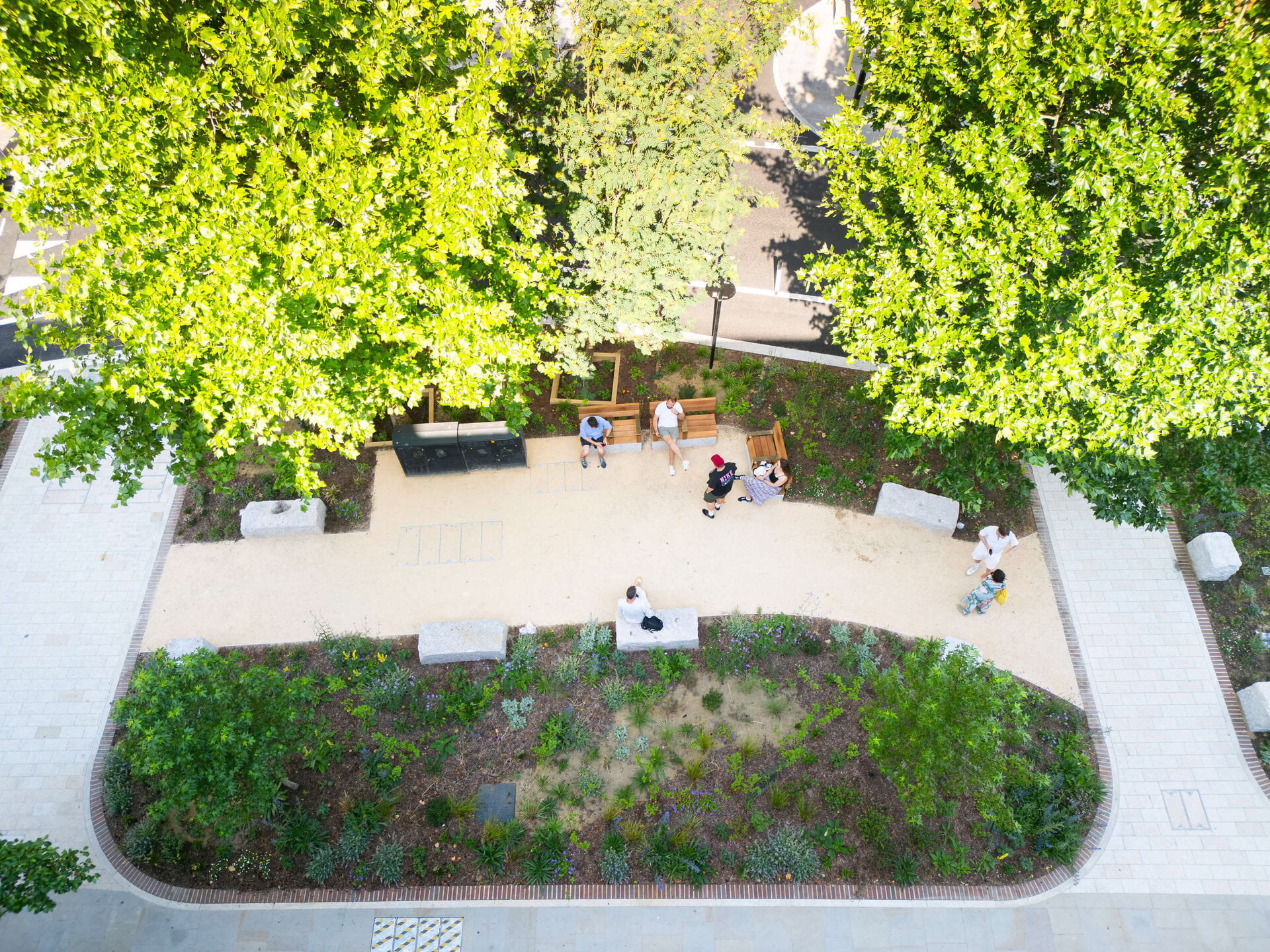
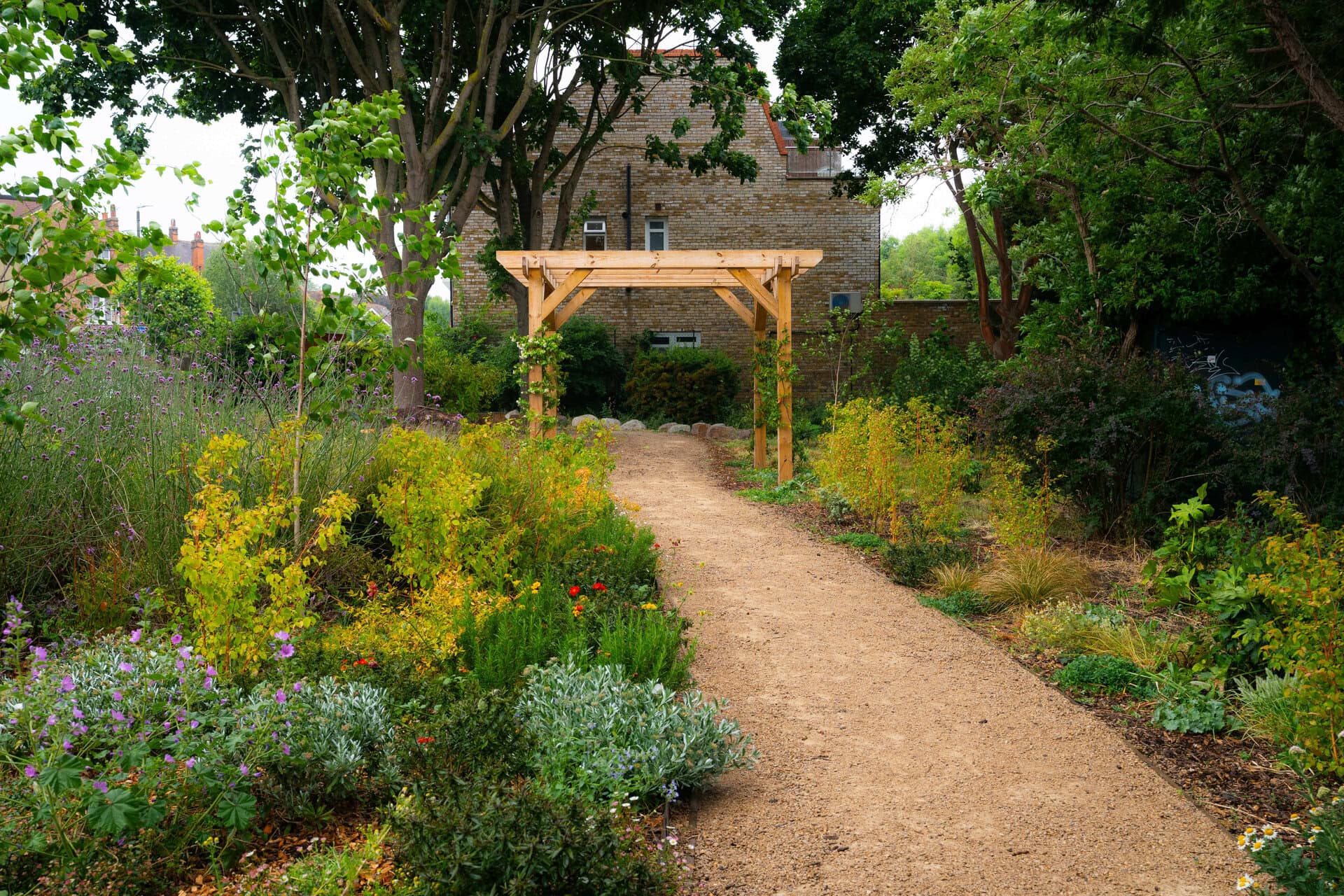
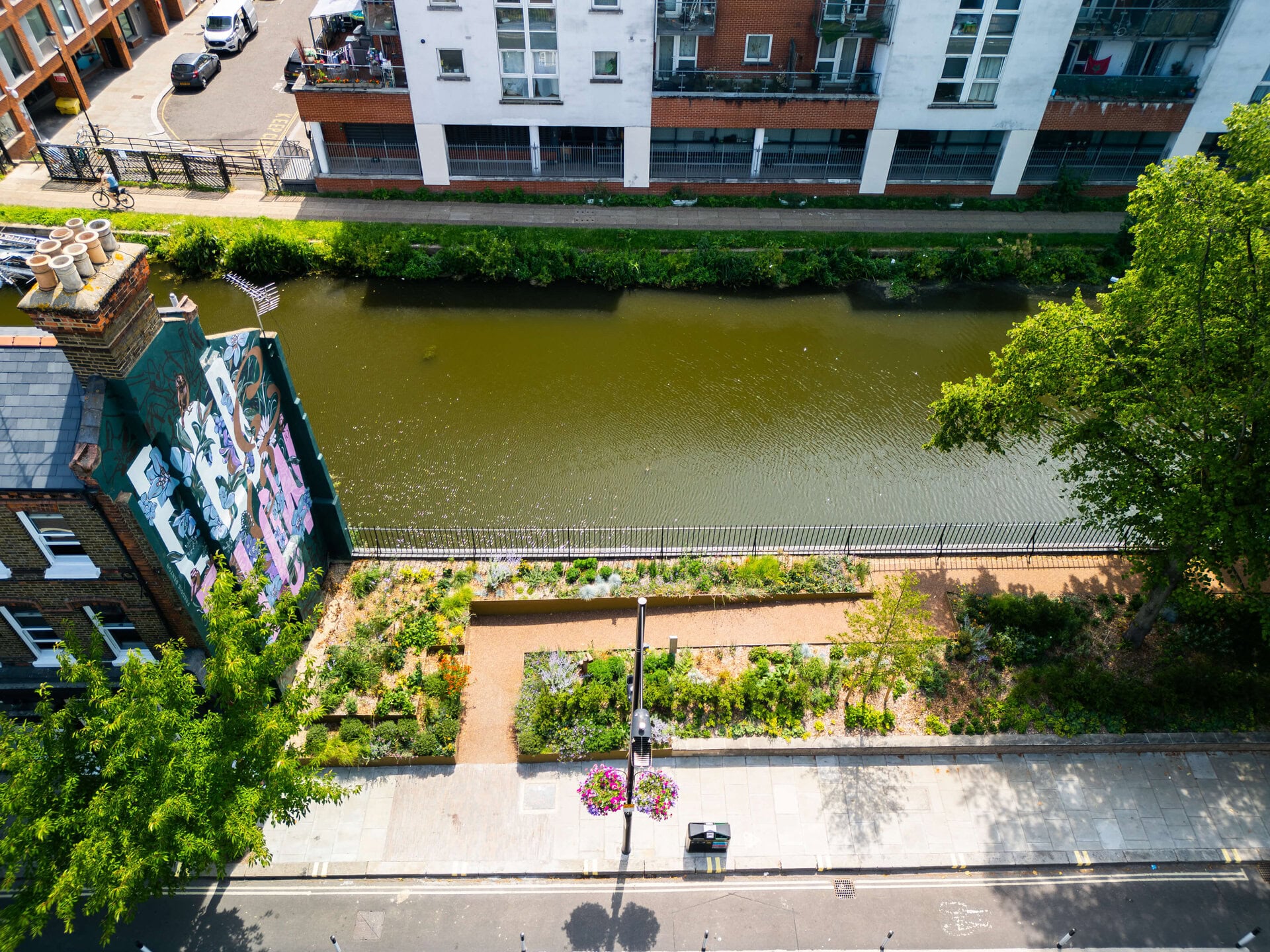
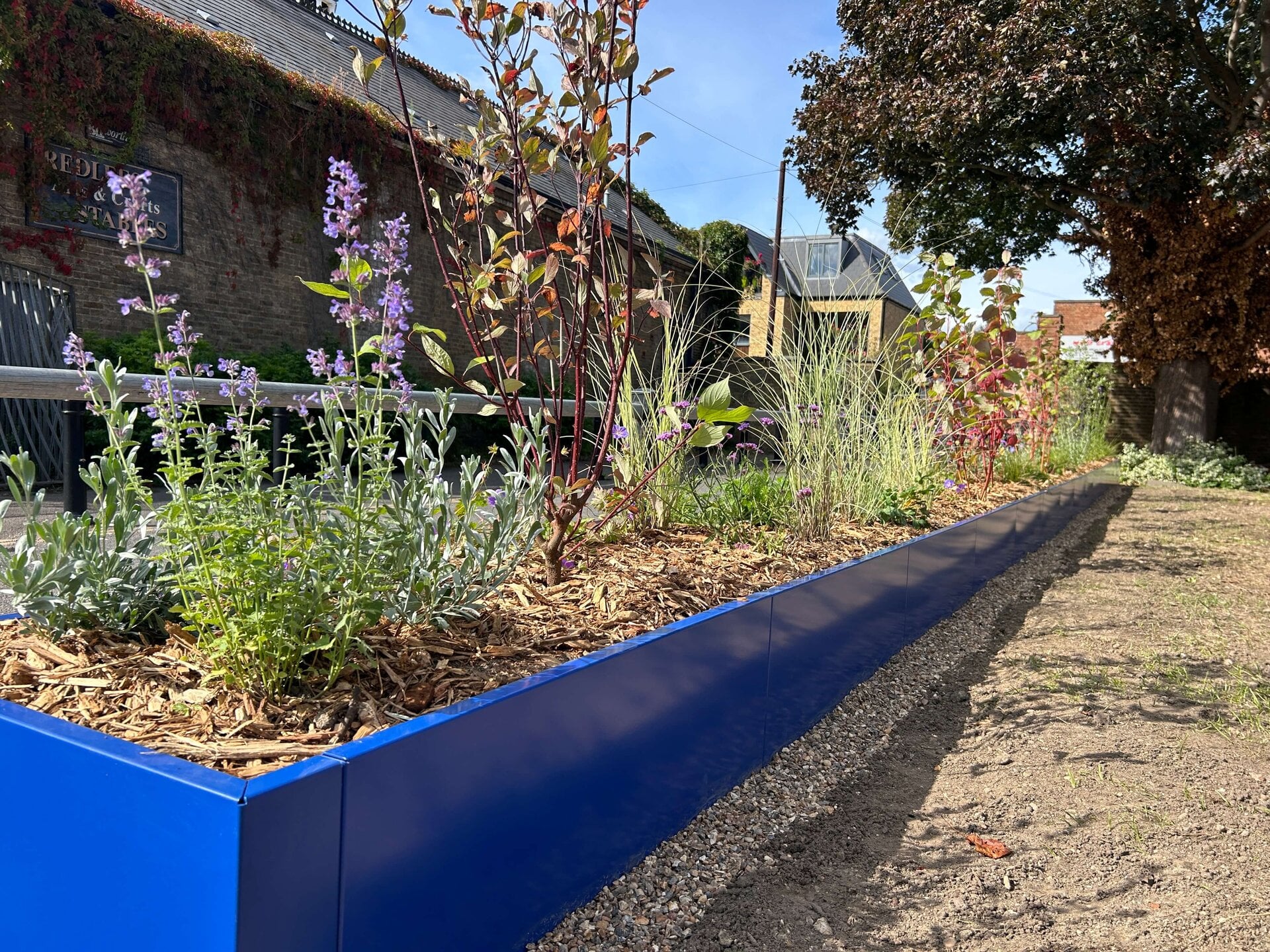
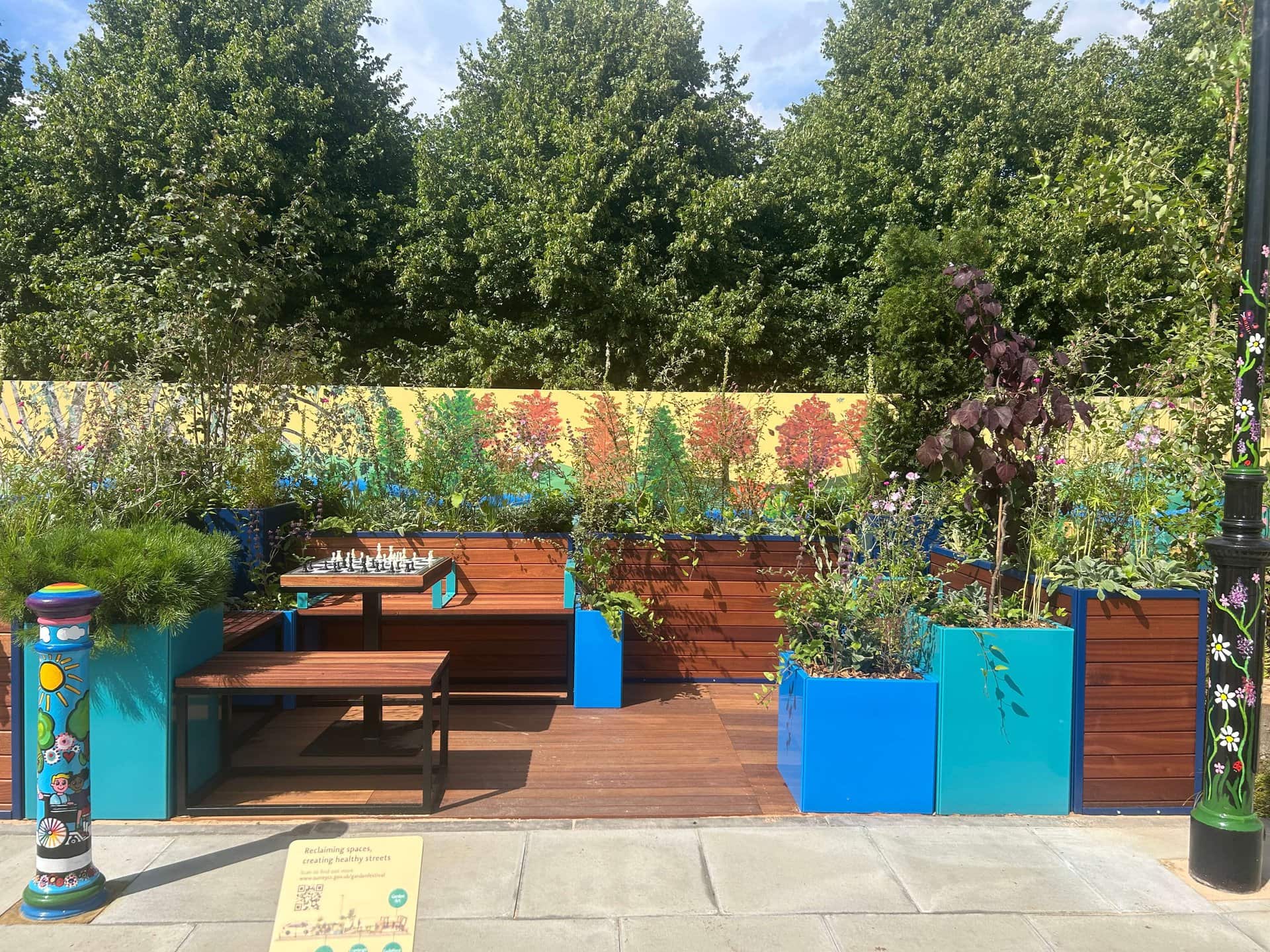
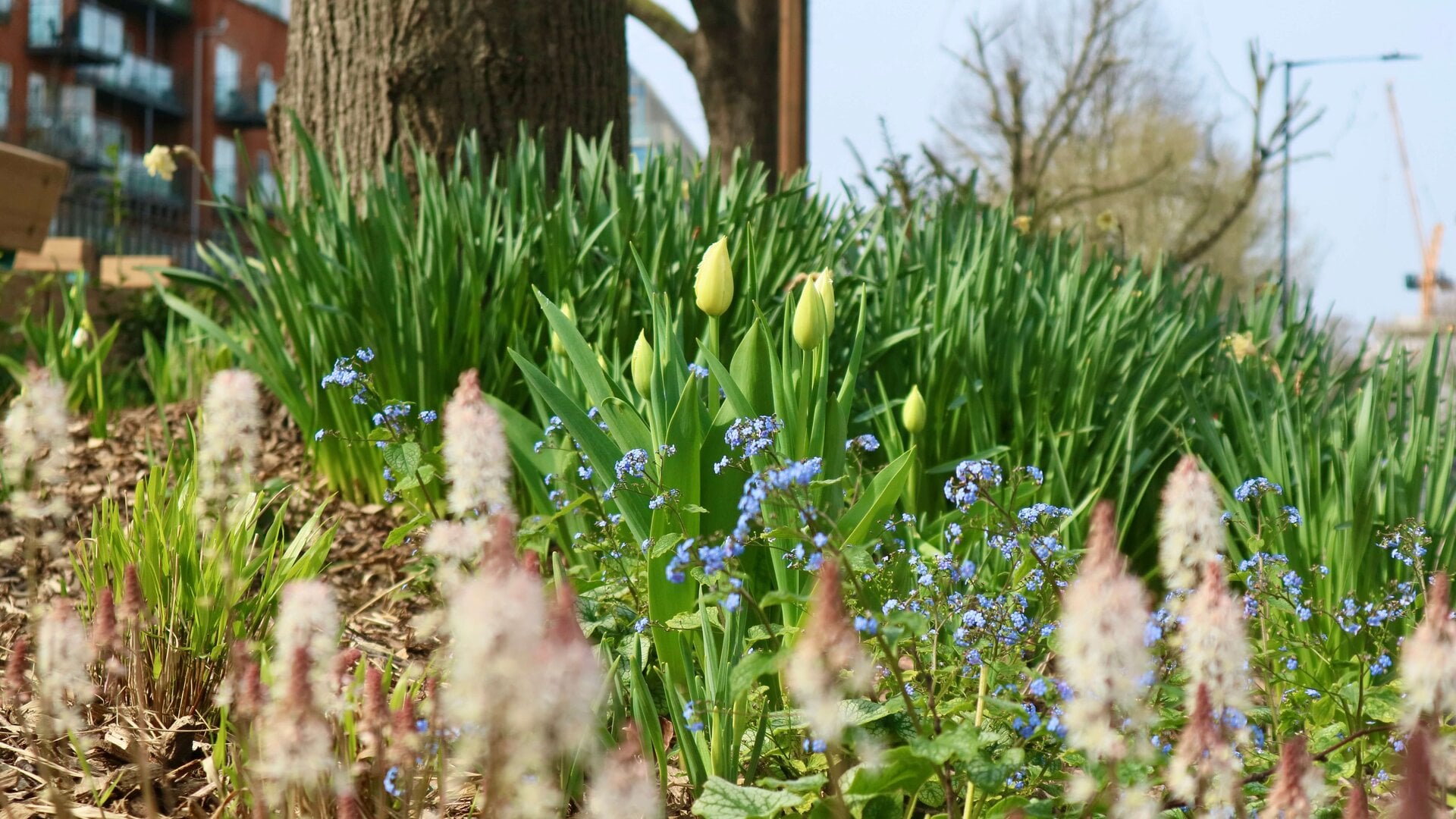
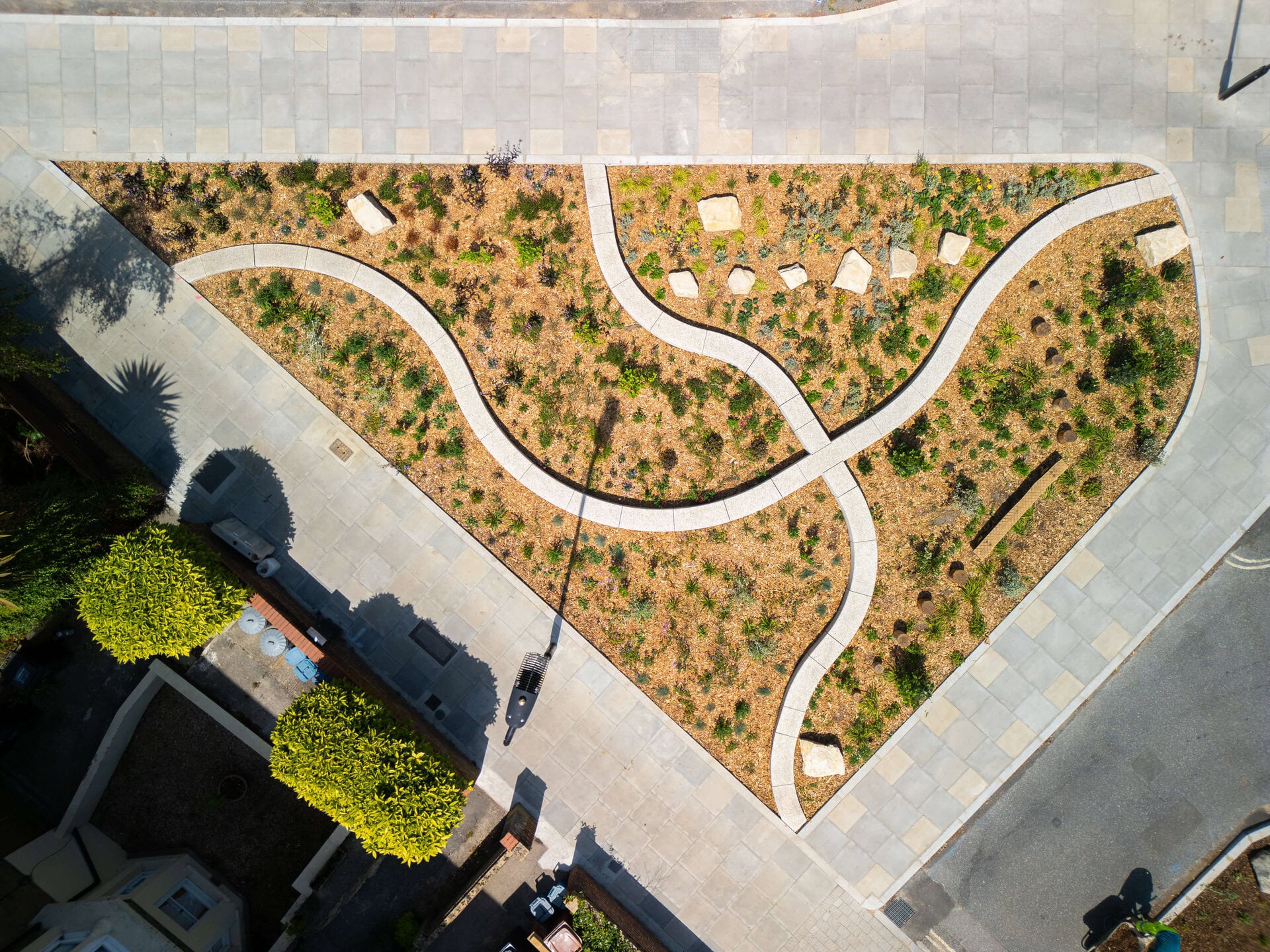
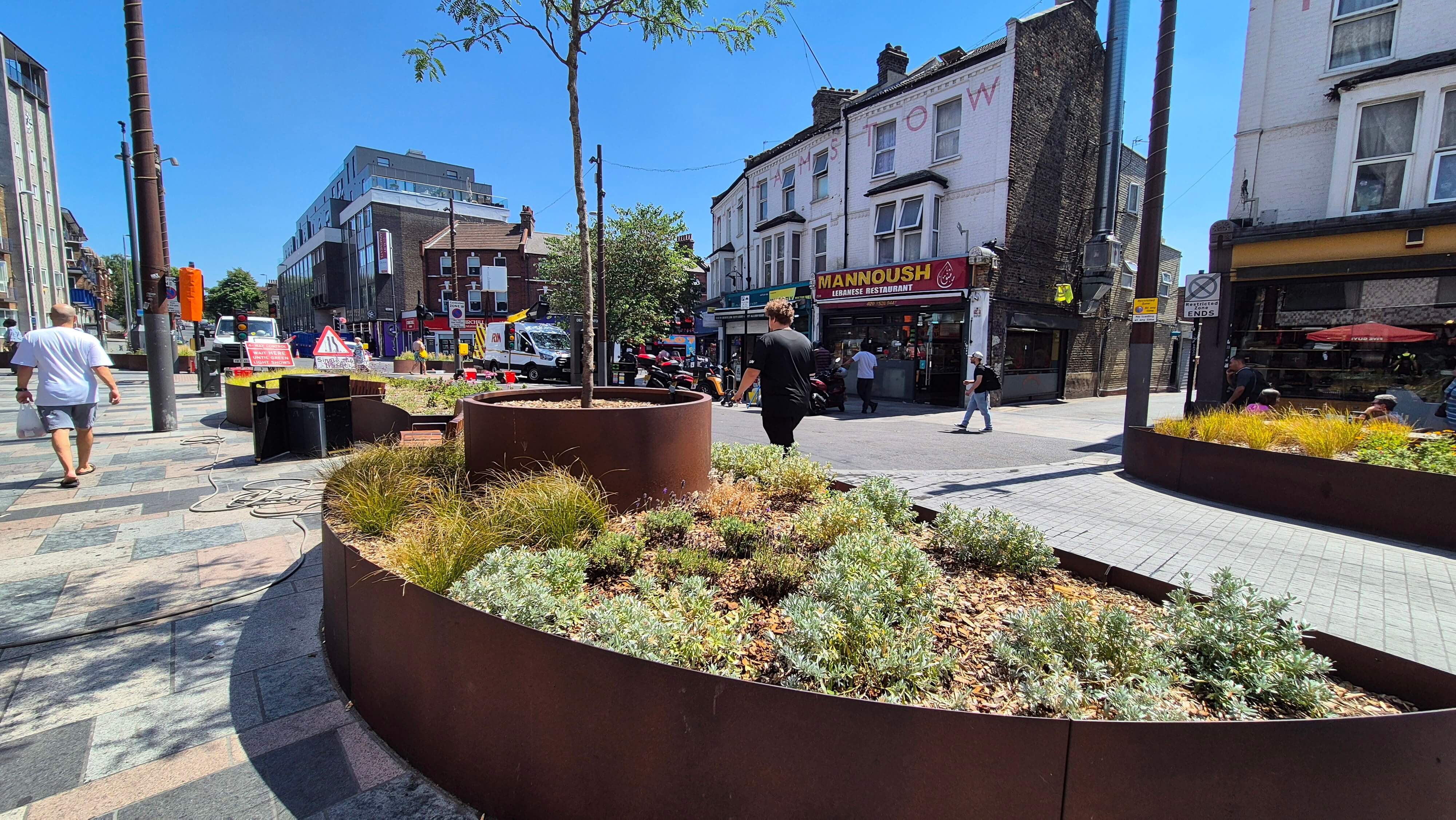
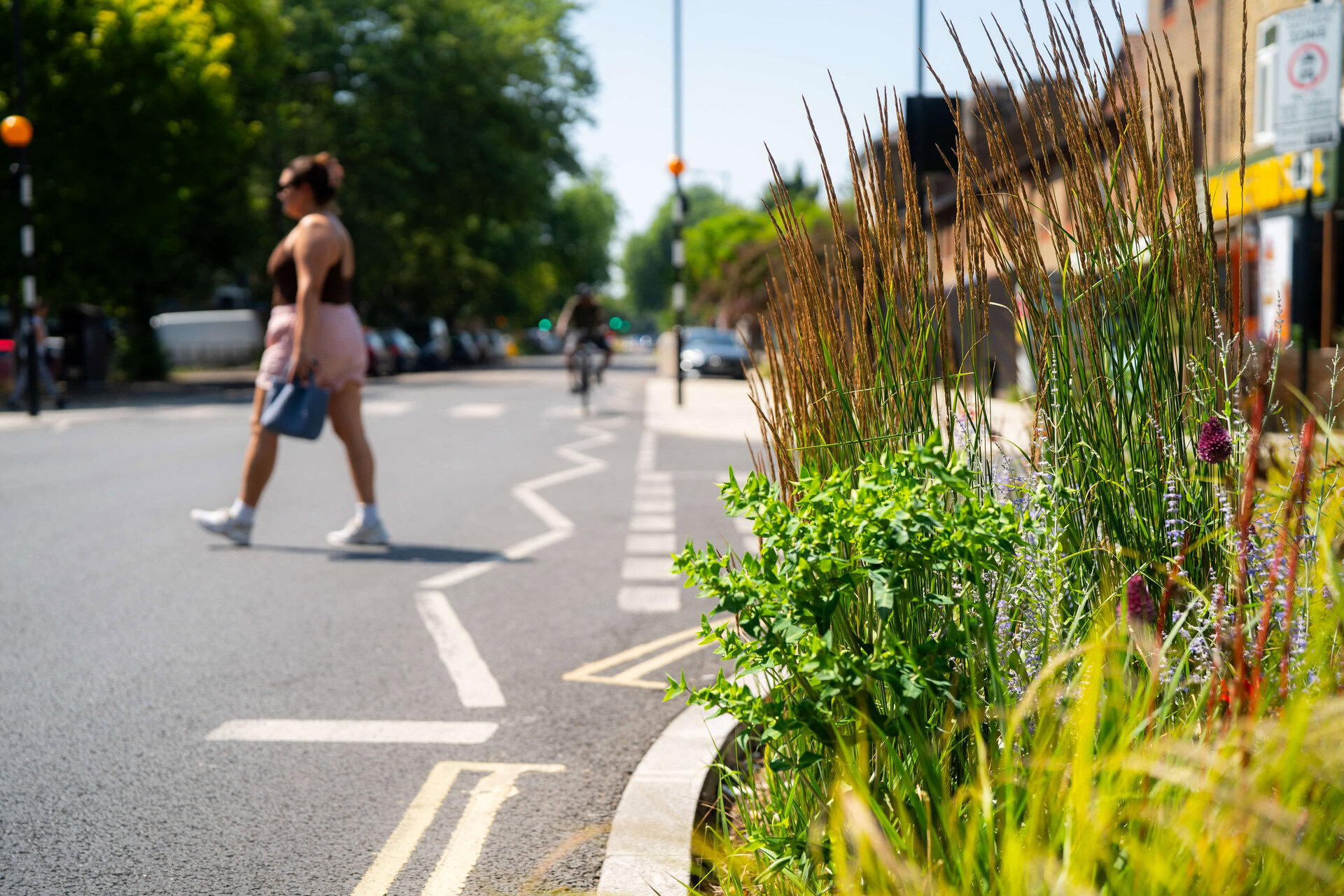
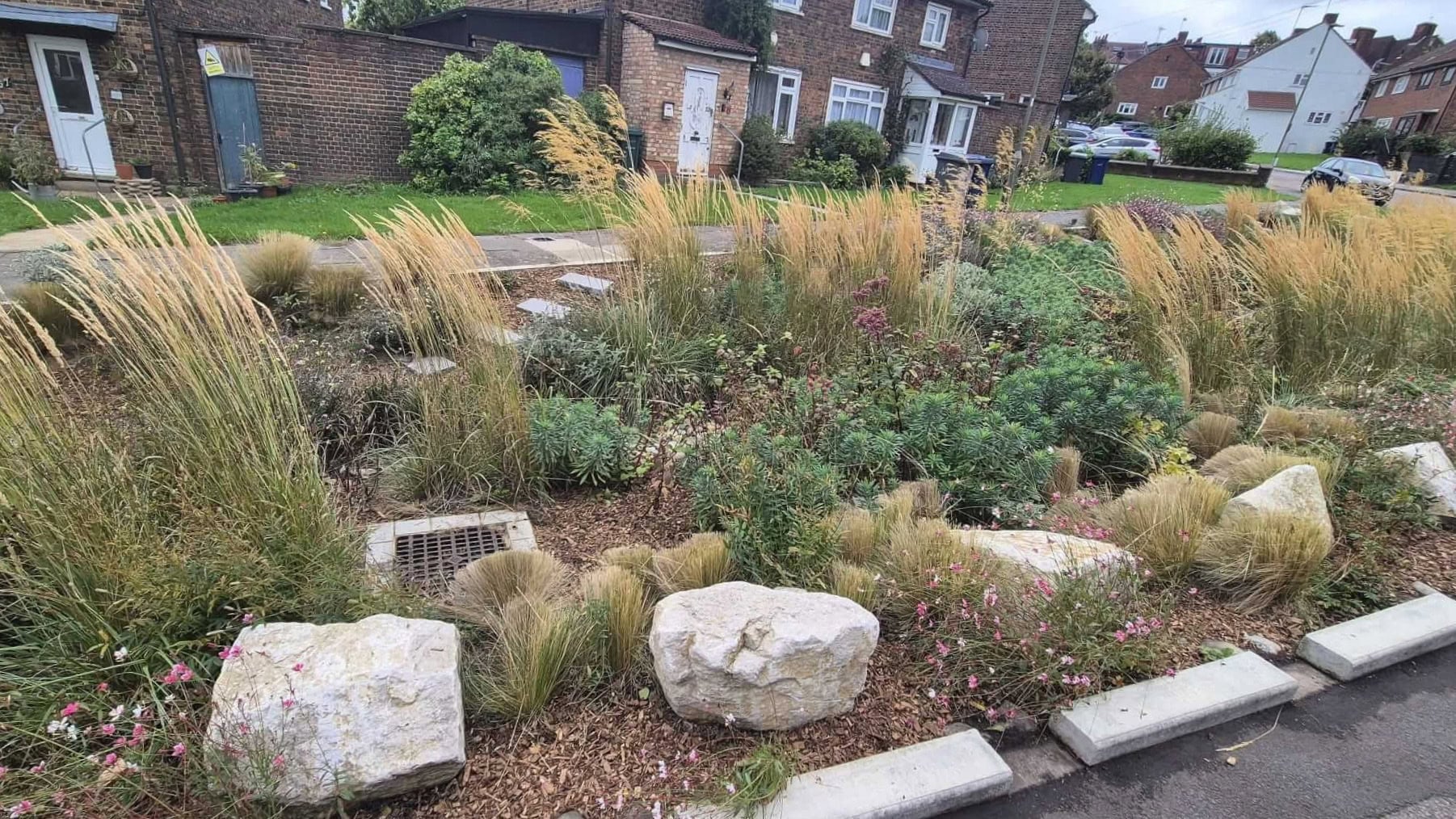
- Greening streets – trees, shrubs, and flower beds to make residential spaces more welcoming and create safer street zones
How LTNs work:
Low Traffic Neighbourhoods aim to protect residential streets from overcrowding by directing through-traffic to main roads and roads that are external to the residential boundary. This means cars are not eliminated, journeys are simply redirected.
LTN schemes often operate on a trial basis in which traffic changes are measured and adjusted along the way. If permanent changes are then introduced, streets are designed to better balance traffic flow with safer, more welcoming neighbourhoods.
LTNs aim to prioritise people over vehicles by encouraging:
- Walking
- Cycling
- Greater and better use of public spaces
Do LTNs ban cars?
No, LTNs do not ban cars.
Local car access is maintained for:
- Residents
- Deliveries
- Emergency services
- Blue badge holders
Vehicle restrictions aim to make residential streets quieter and safer by reducing through-traffic, while still maintaining access for local residents and essential services.
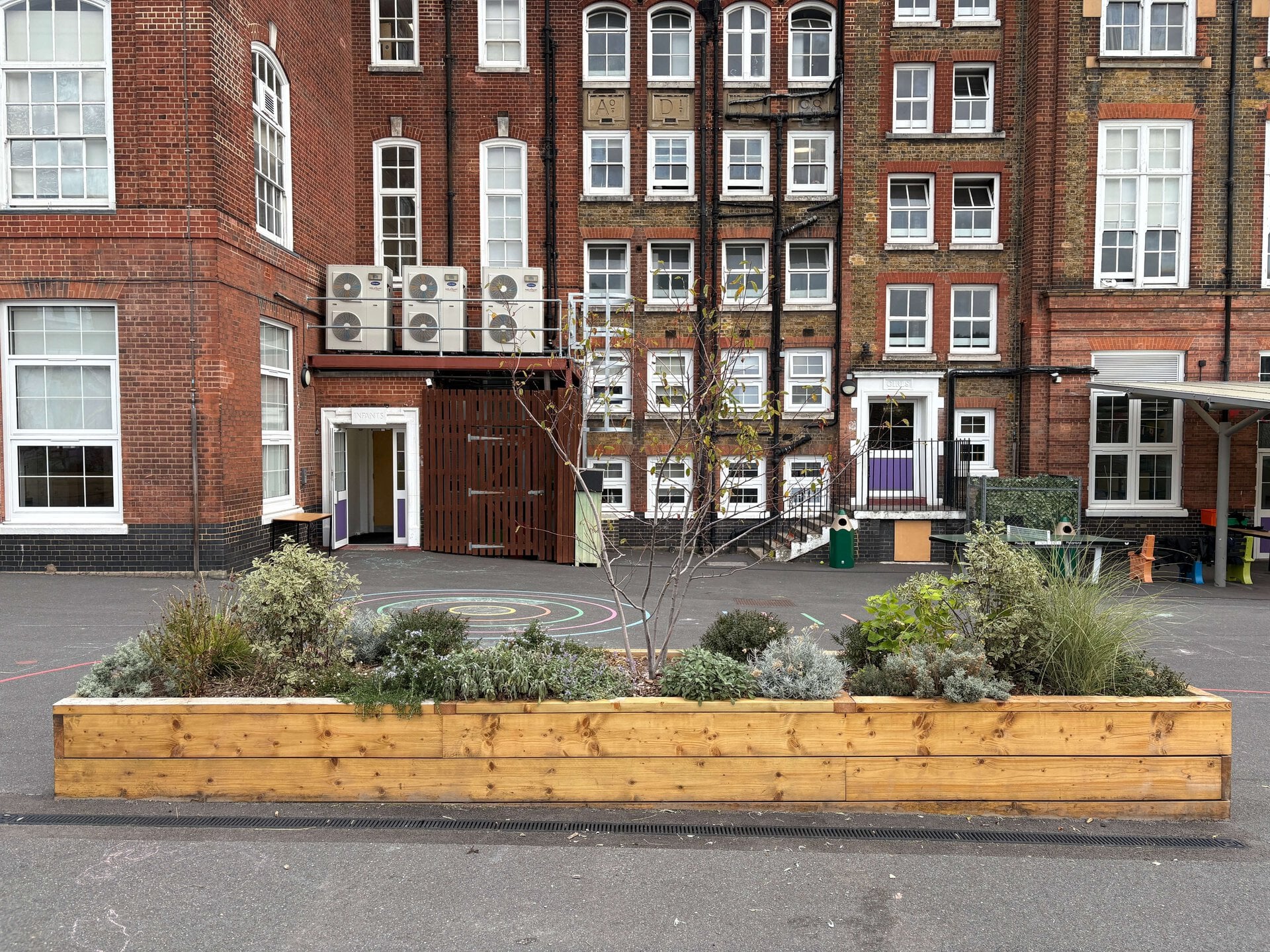
 Lingham Street LTN, Lambeth
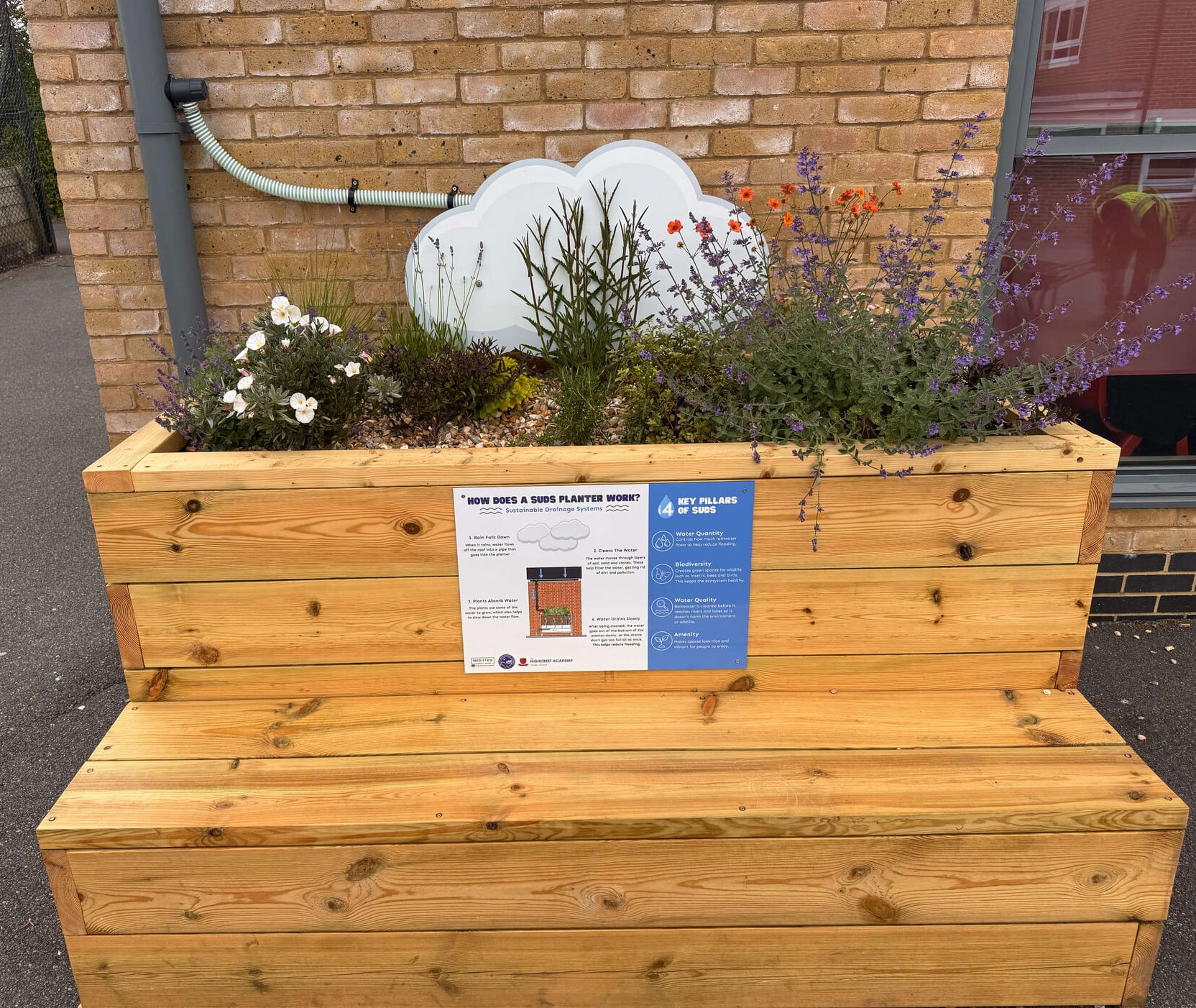
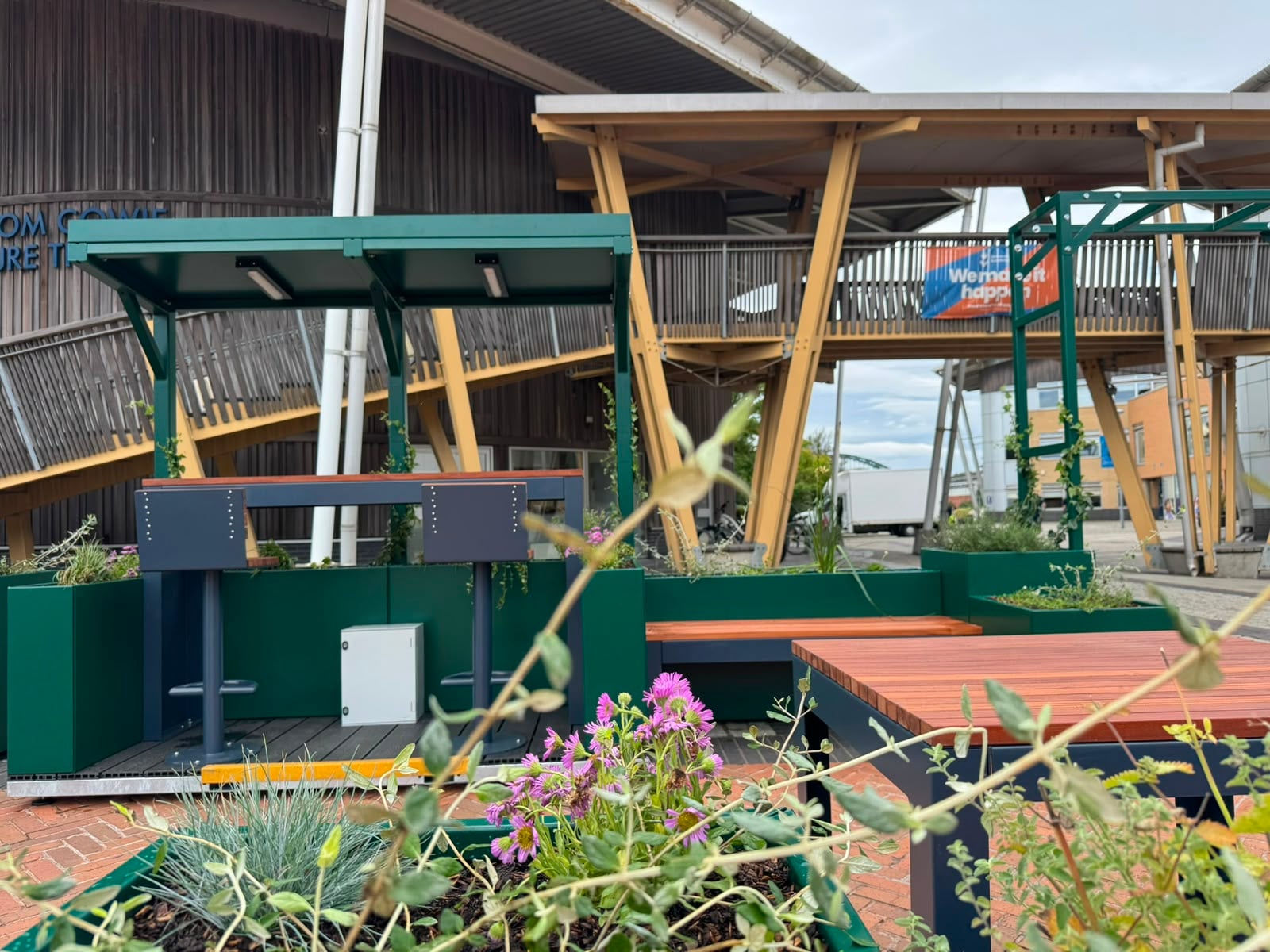
Planters and street furniture outside primary school, Lingham Street
Lingham Street LTN, Lambeth
Planters and street furniture outside primary school, Lingham Street
How can planting be used to improve streets?
- Planters as traffic filters – block through-traffic while allowing bikes and pedestrians through
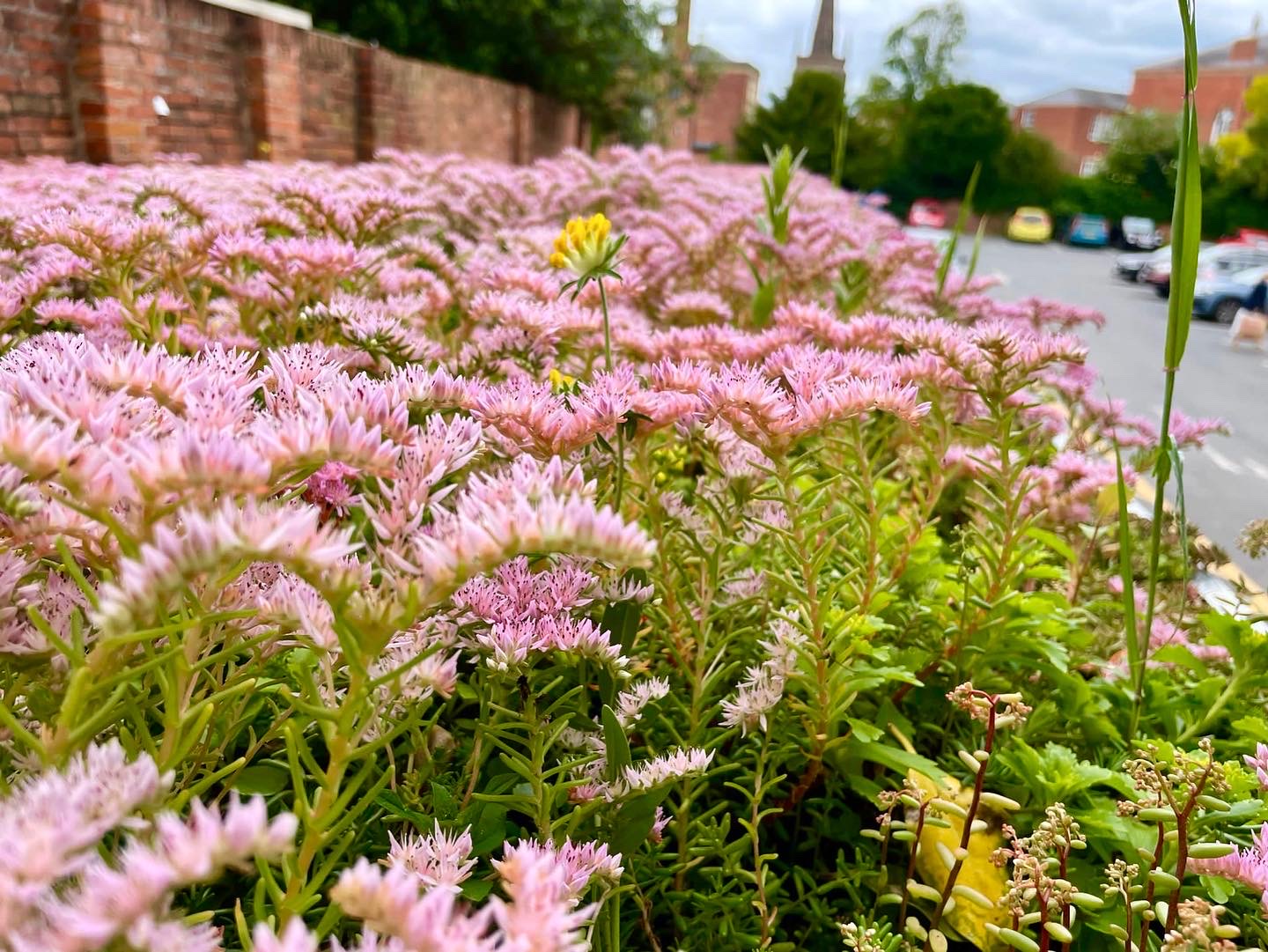
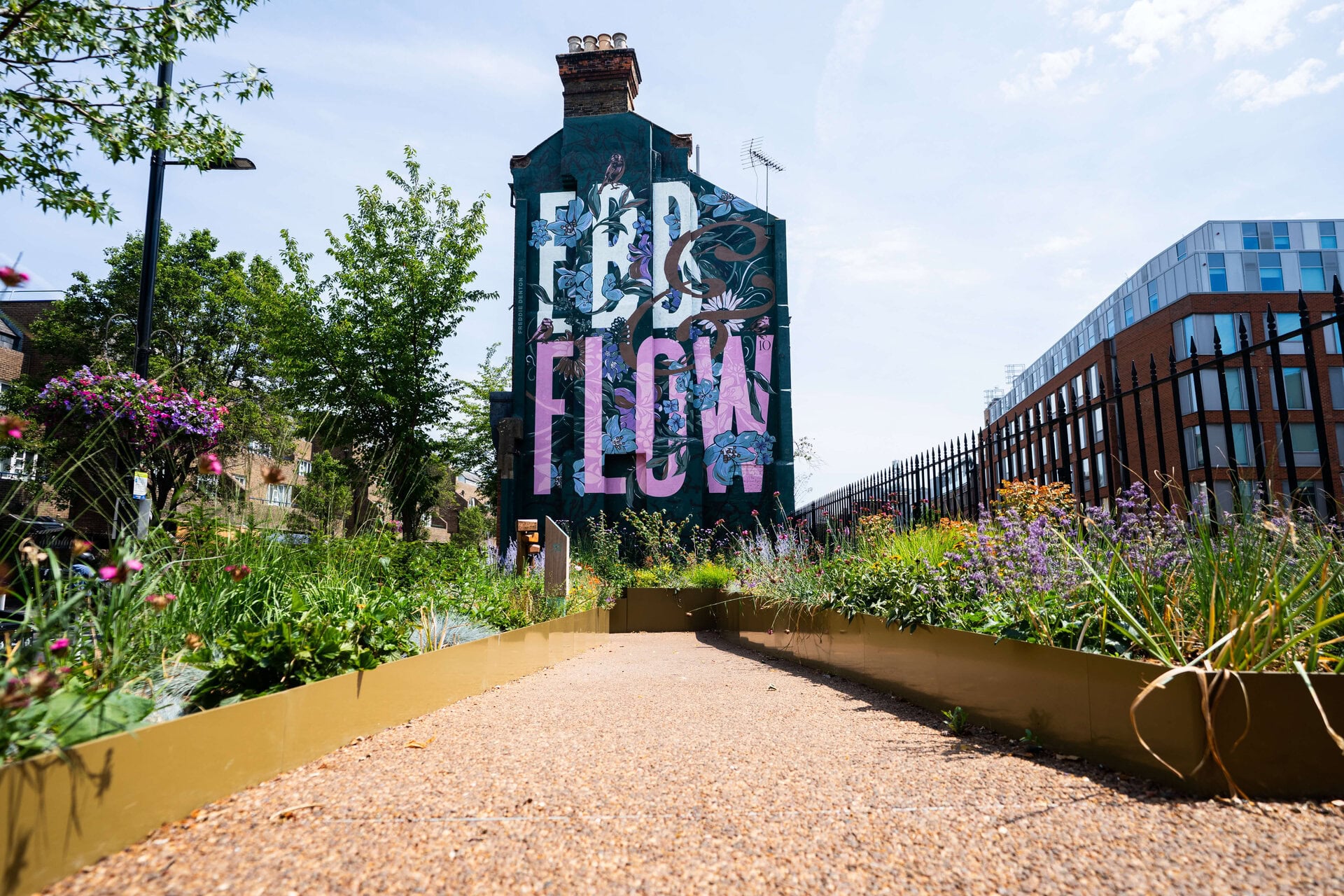
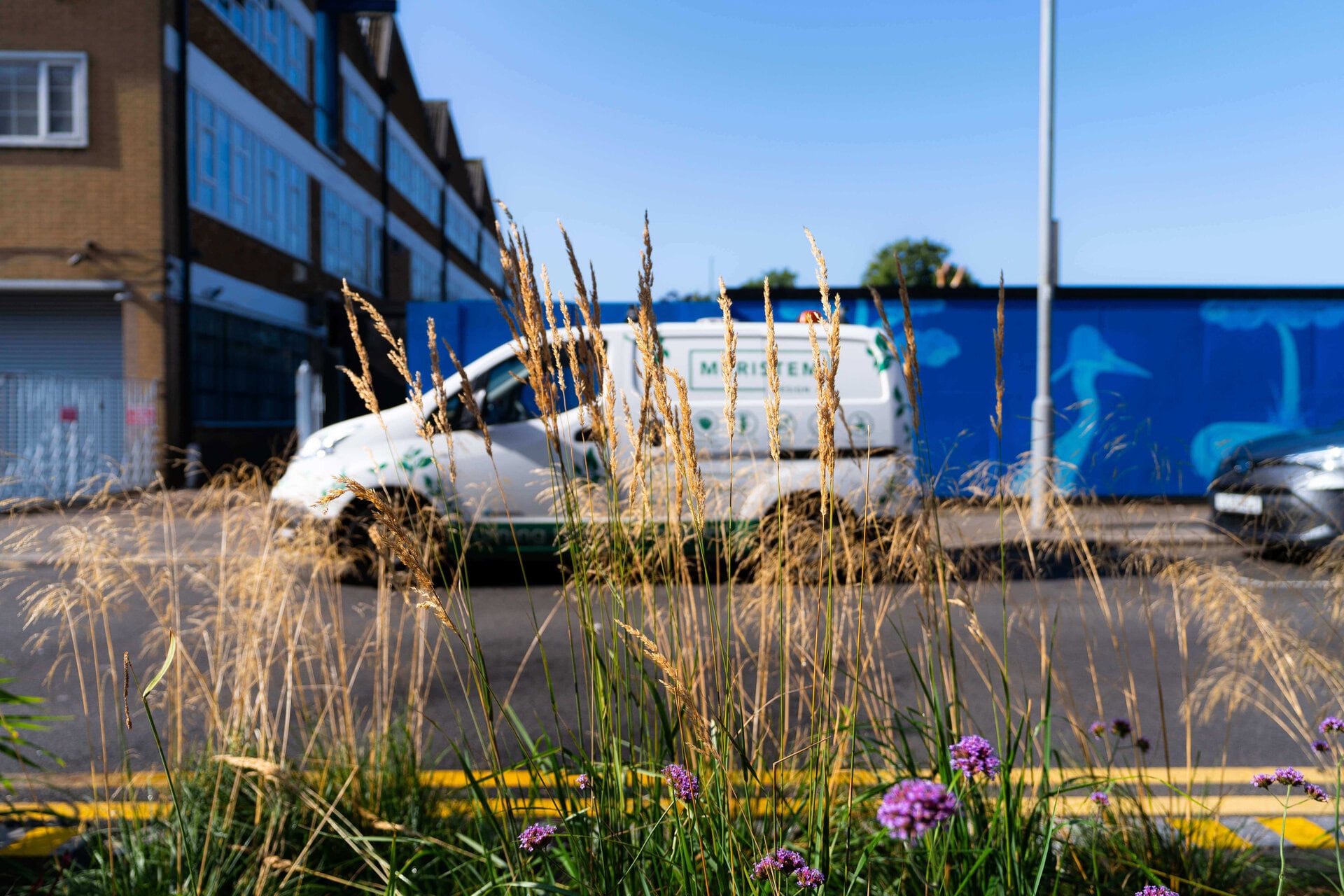
- Greening streets – trees, shrubs, and flowers make streets more inviting, reduce air pollution, and help cool the area
- Community involvement – residents can help design and maintain planting, creating a sense of pride and ownership
- Creating street zones – plants slow traffic naturally and define neighbourhood boundaries
Making streets work for more people
Low Traffic Neighbourhoods do more than just slow traffic, they transform how we use our streets. By reducing through-traffic, streets become safer for children, older residents, and everyday pedestrians, making it easier to cross roads and move around the neighbourhood.
Quieter streets encourage people to spend more time outside, walking, cycling, and socialising. They also provide opportunities for community activities and local events, helping neighbours connect and enjoy their streets.
Some of the key benefits include:
- Safer streets for pedestrians, children, and older residents
- Easier movement throughout the neighbourhood, including crossings
- More space for walking and cycling, encouraging active travel
- Opportunities for socialising and community activities
- Higher footfall and dwell time, supporting local businesses and a vibrant streetscape
- Streets start to function as places for people, not just corridors for cars
This quieter, more people-focused environment helps create healthier, more connected communities, while also enhancing the look and feel of the neighbourhood through planting and greening.
Check out this video that explores some of London's best LTNs. See if you can spot some of our projects!