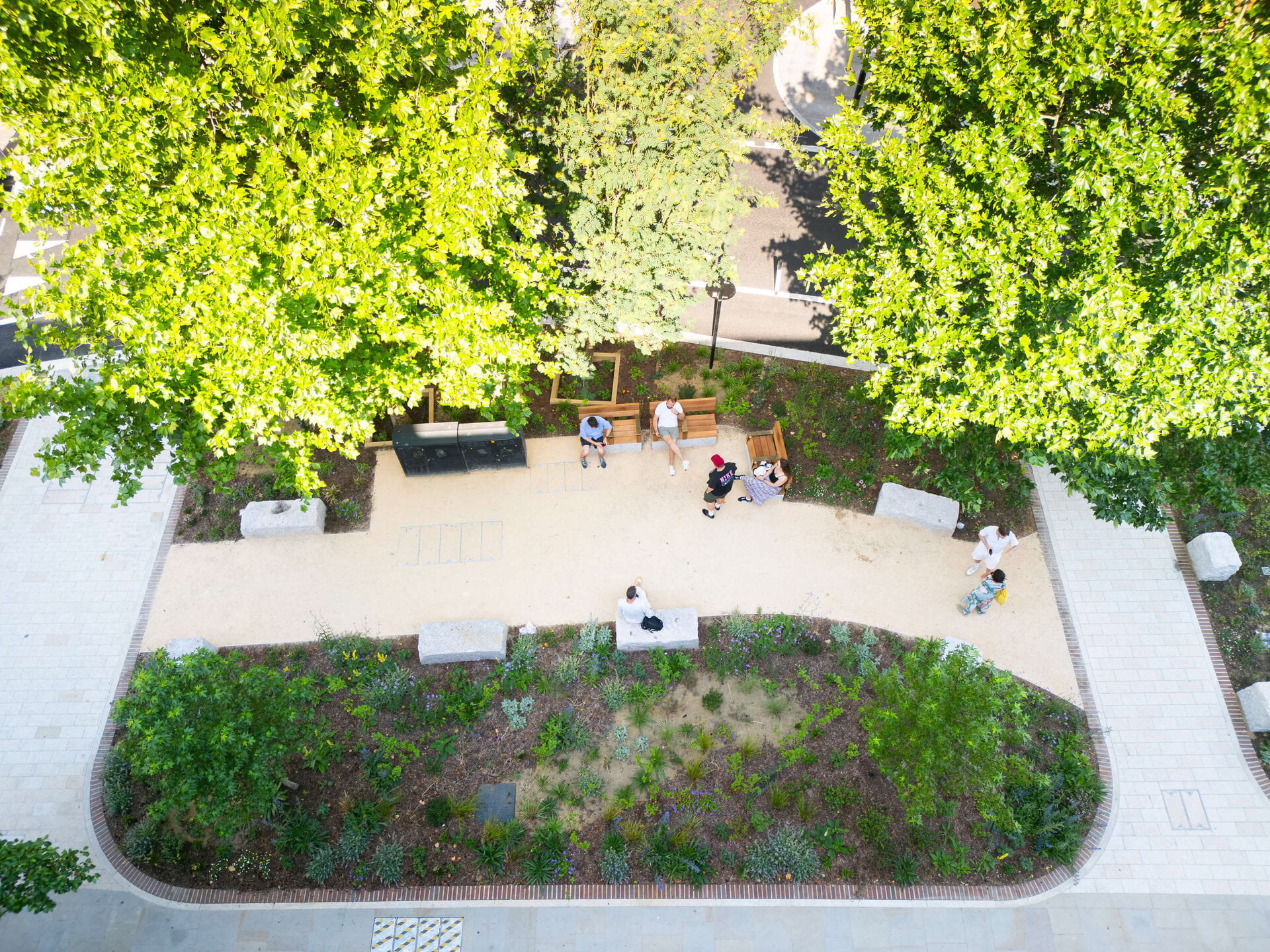
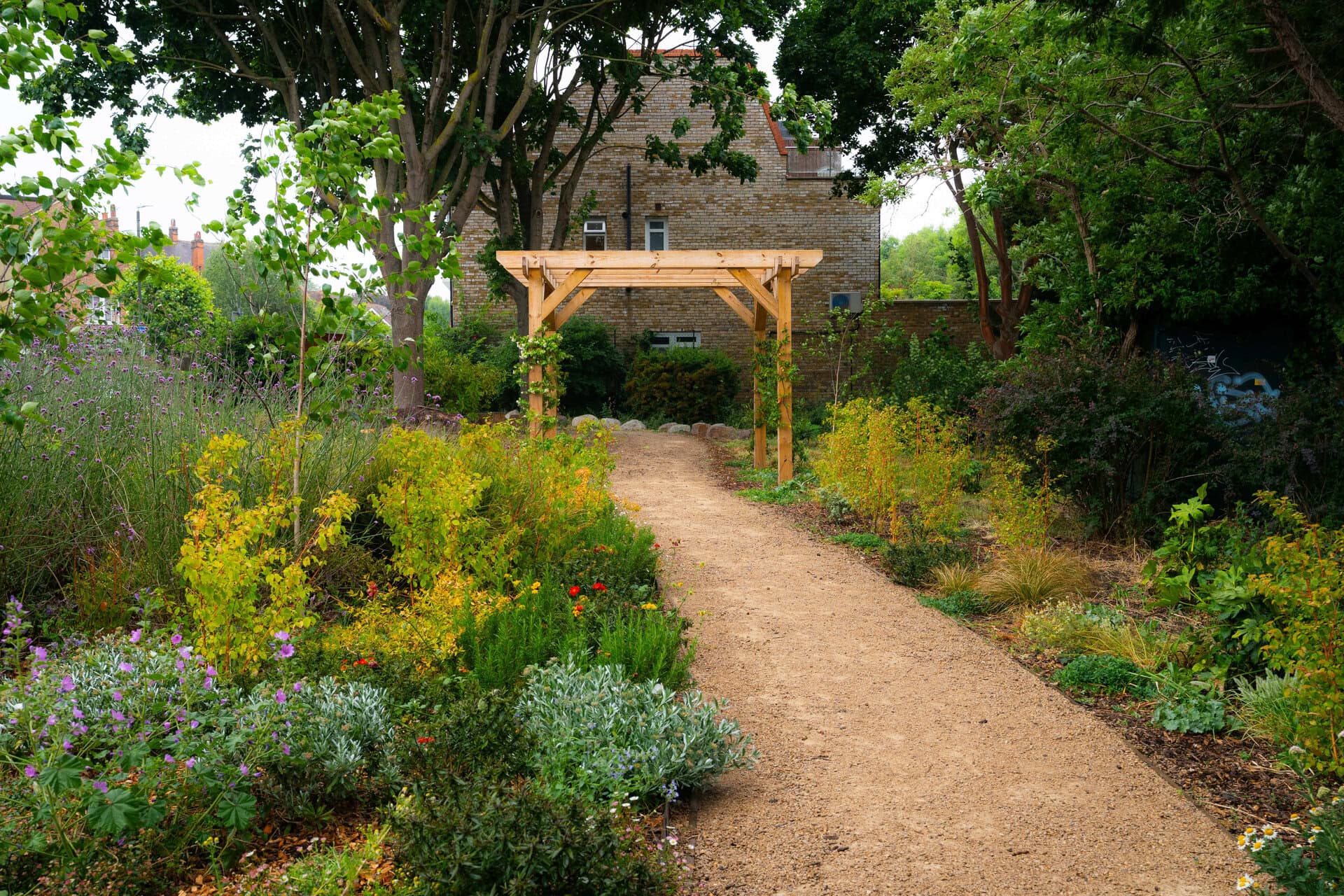
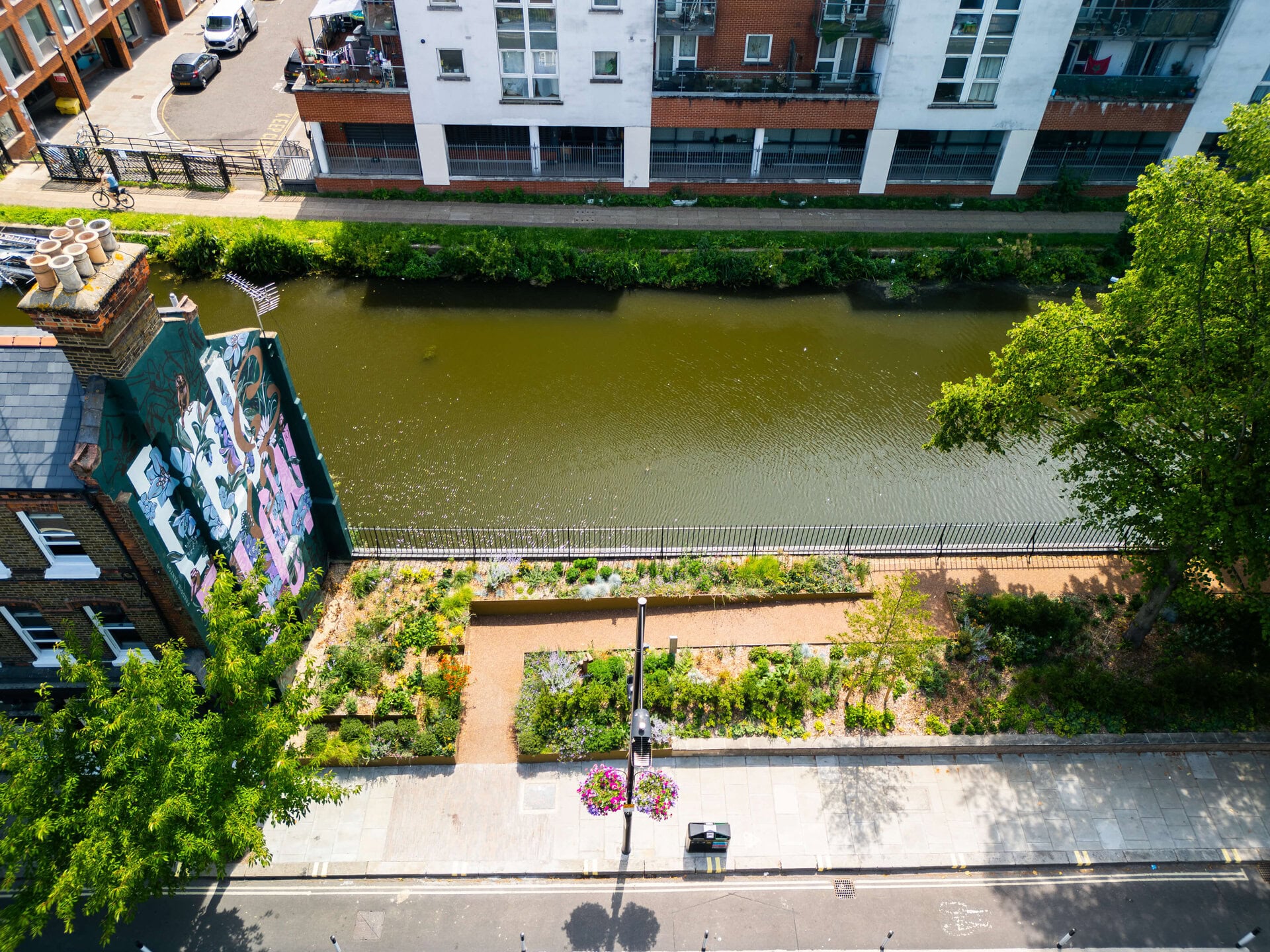
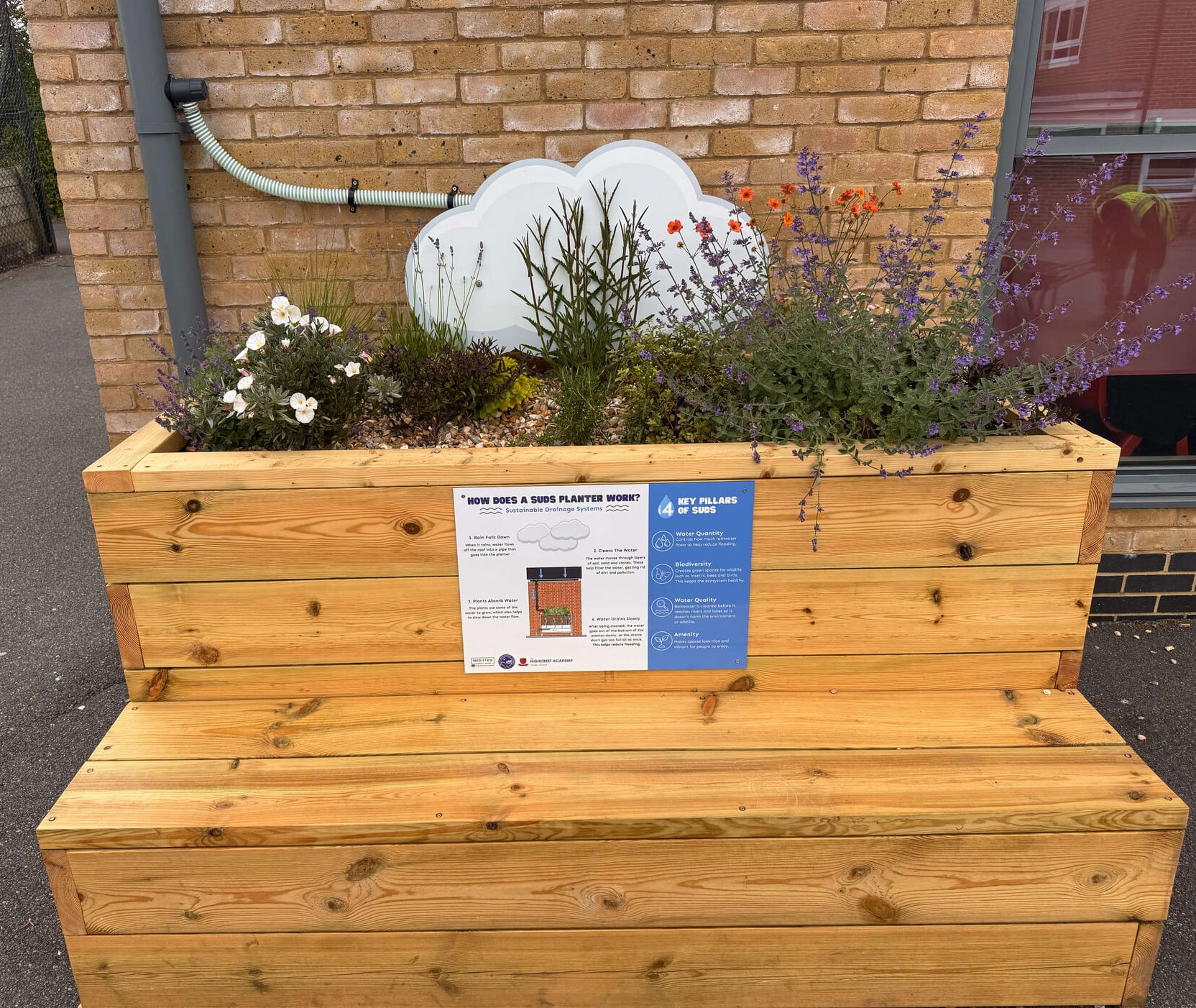
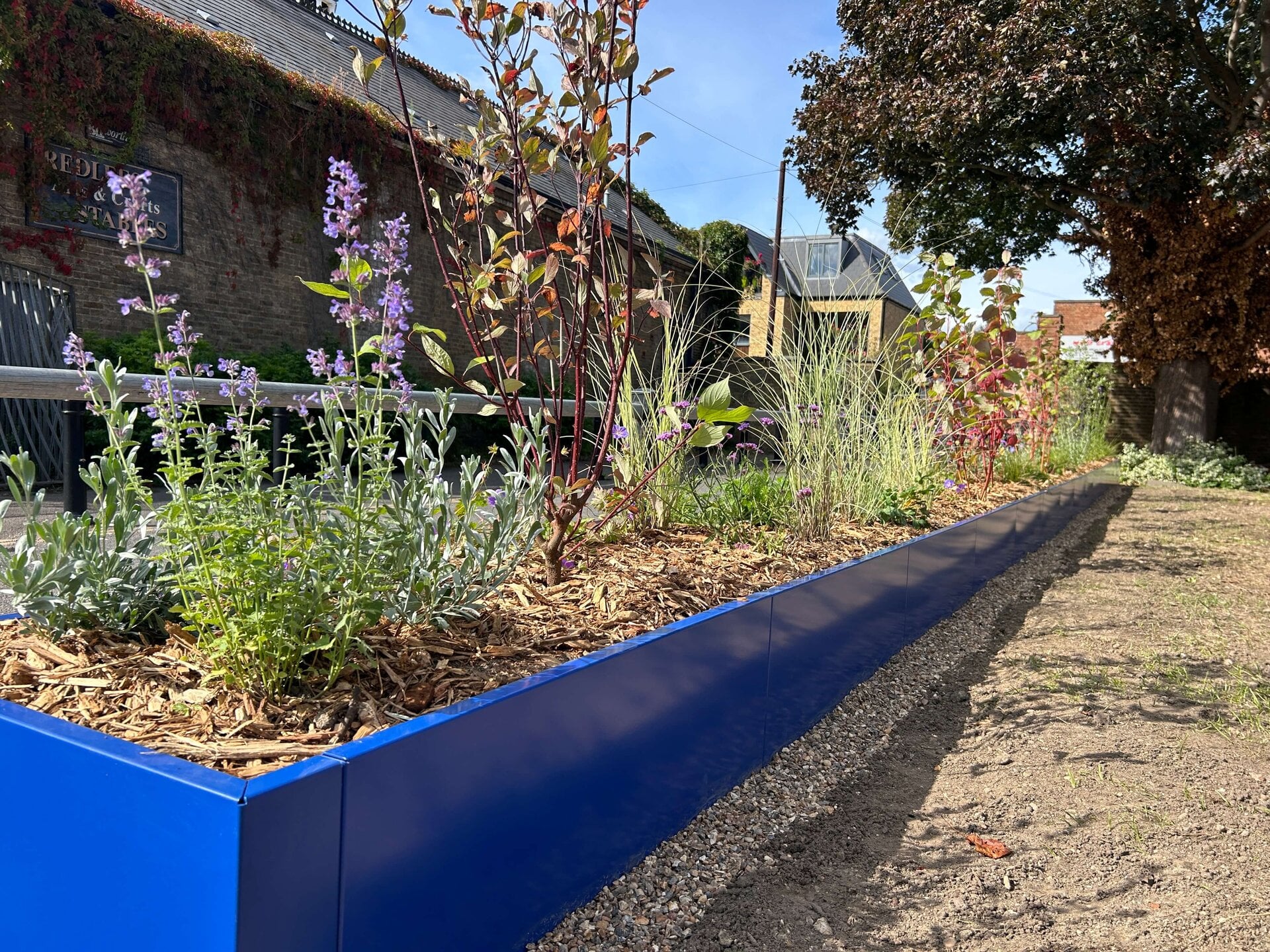
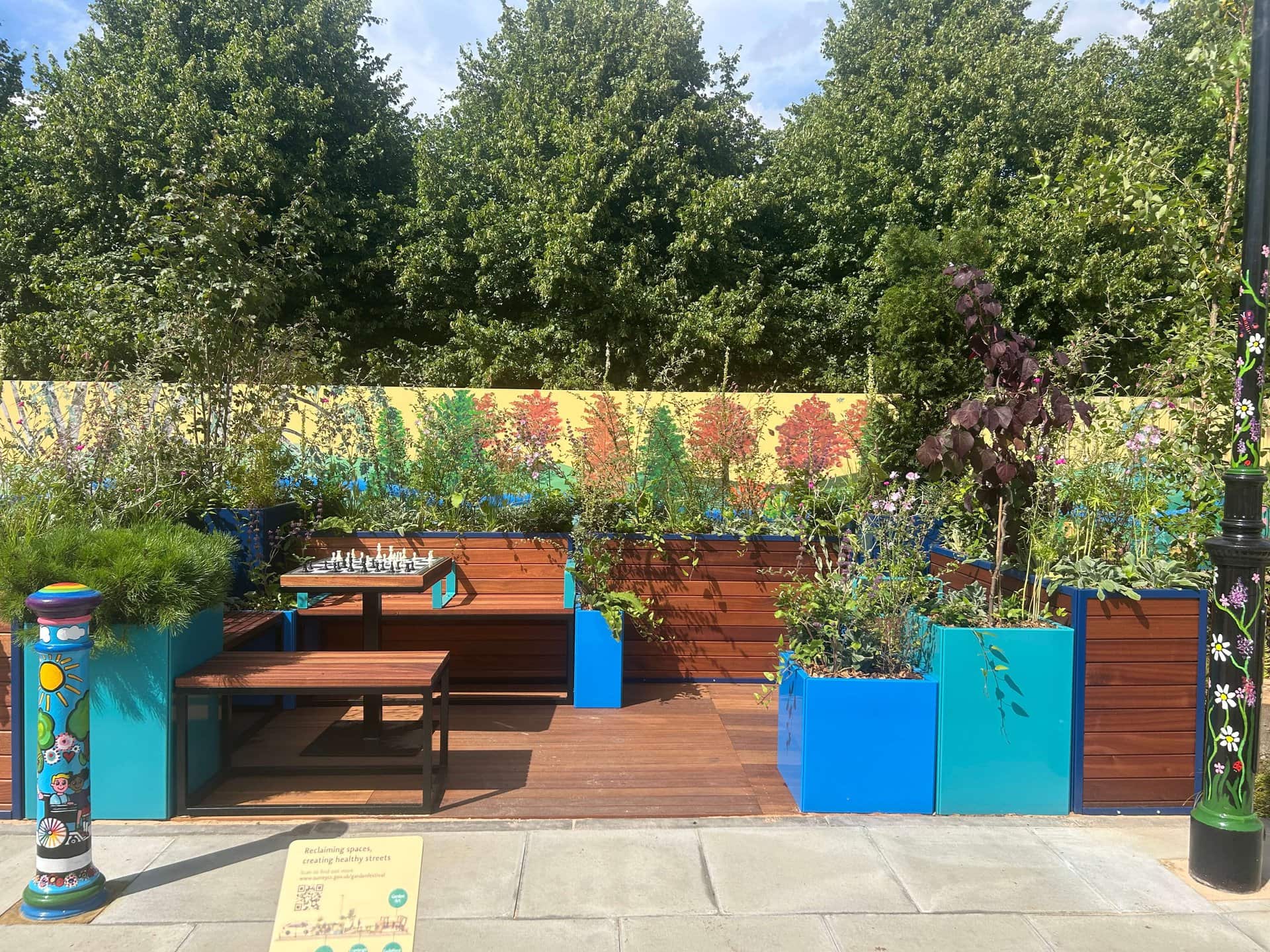
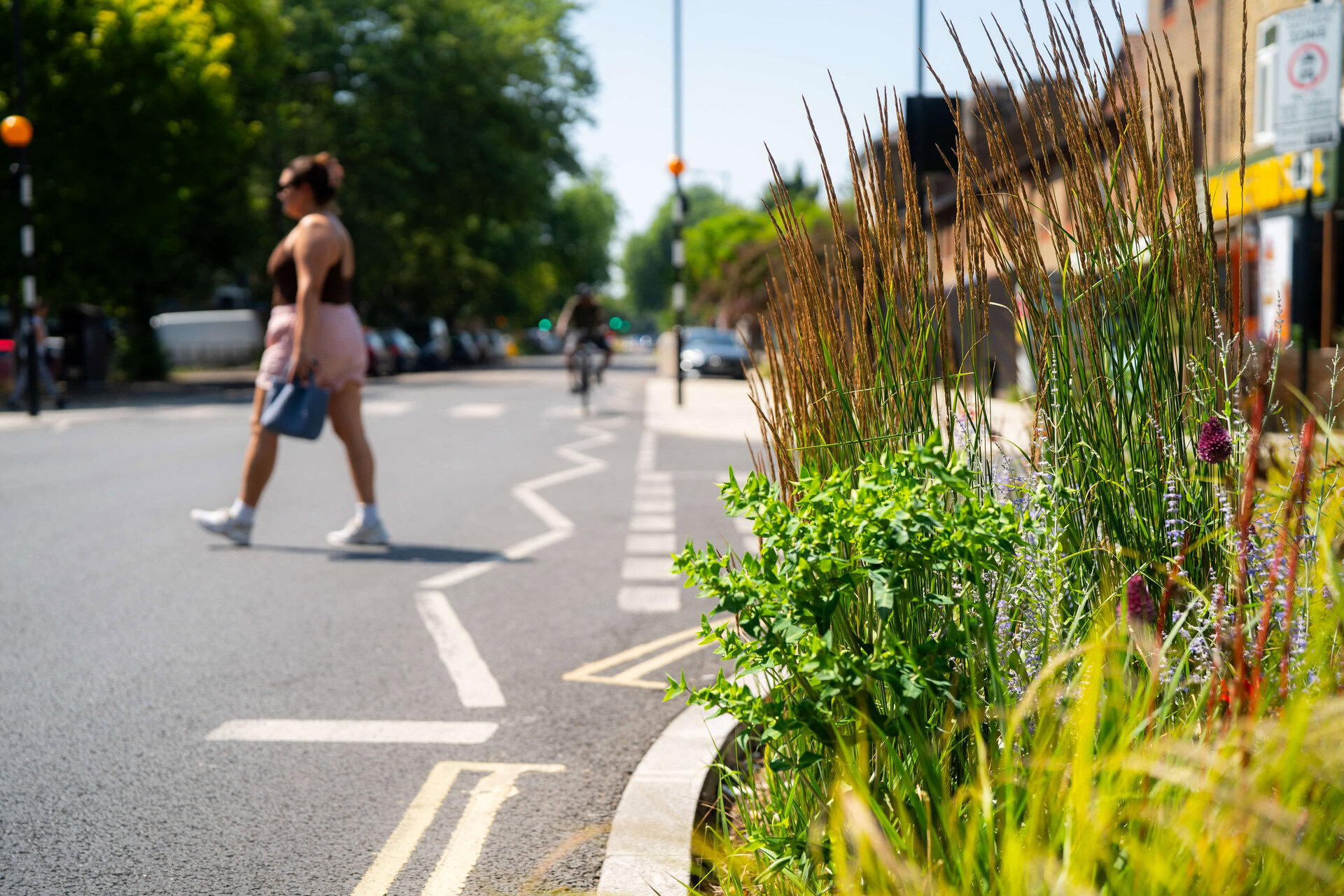
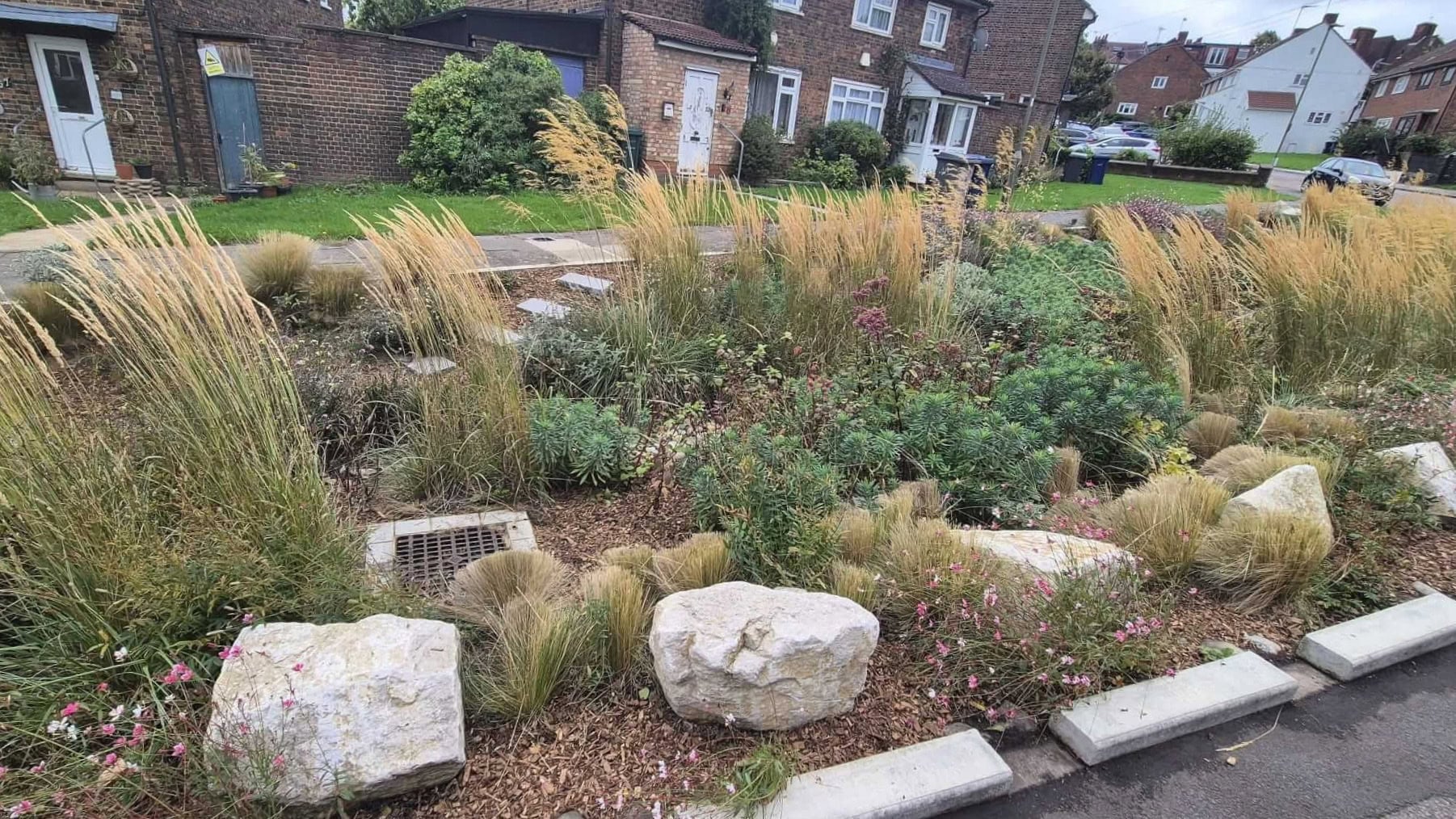
The St. John street transformation project is an interactive rain garden space we implemented earlier this year in Clerkenwell, Islington. The scheme is a collaborative effort between Meristem Design, Islington Council, LDA Design, Cross River Partnership, Central District Alliance and local neighbourhood initiative, Clerkenwell Pollinator Path.
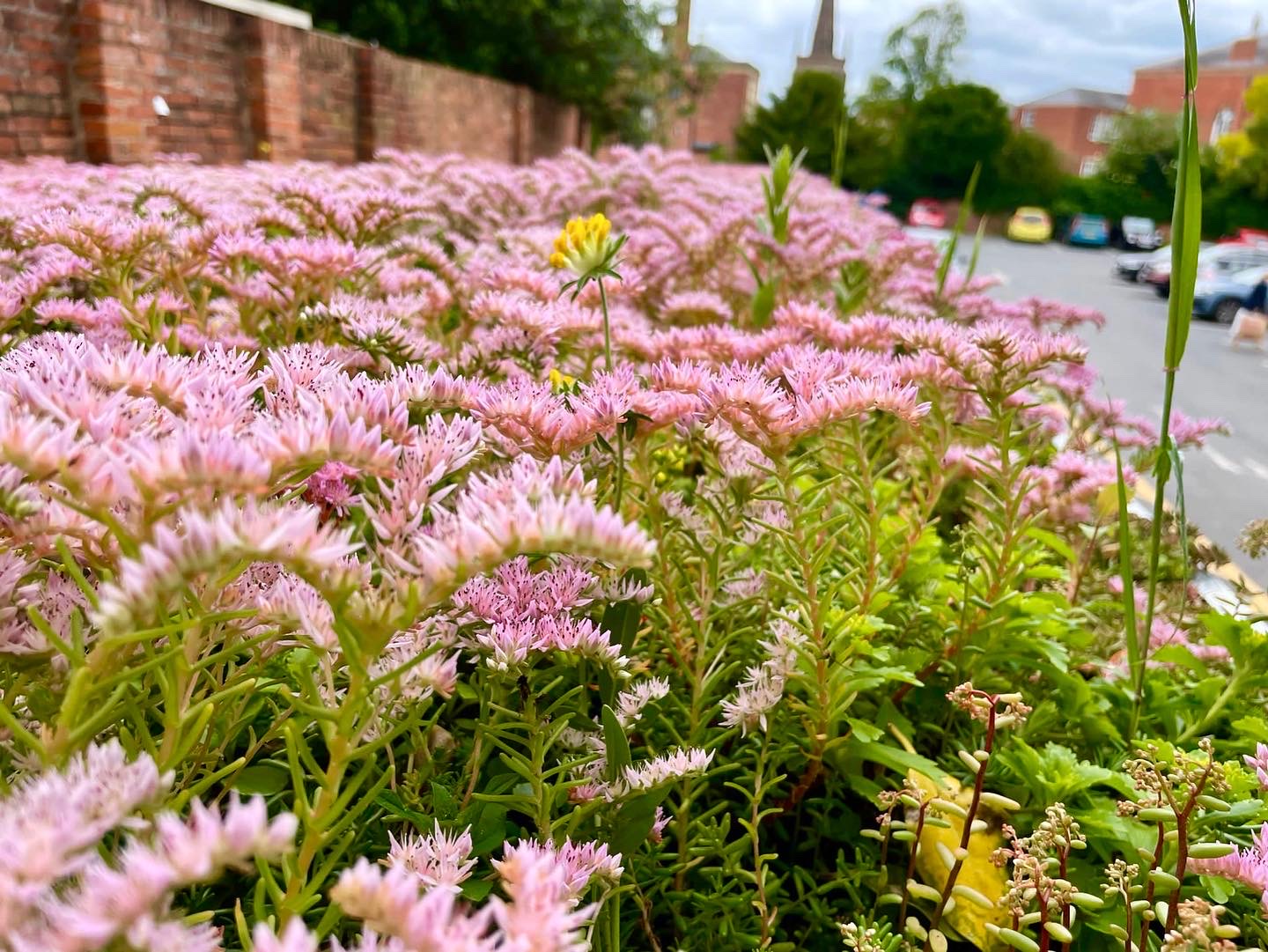
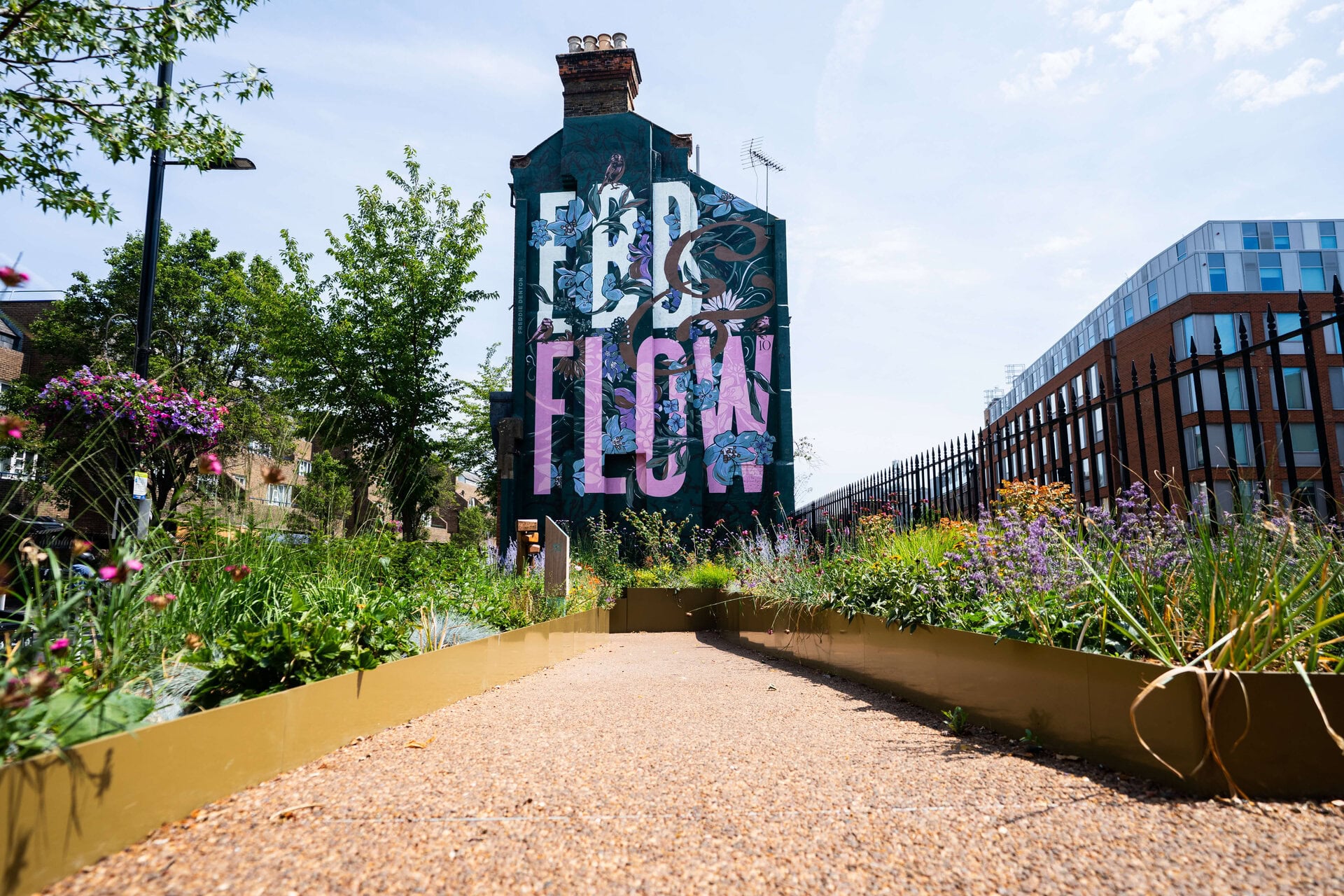
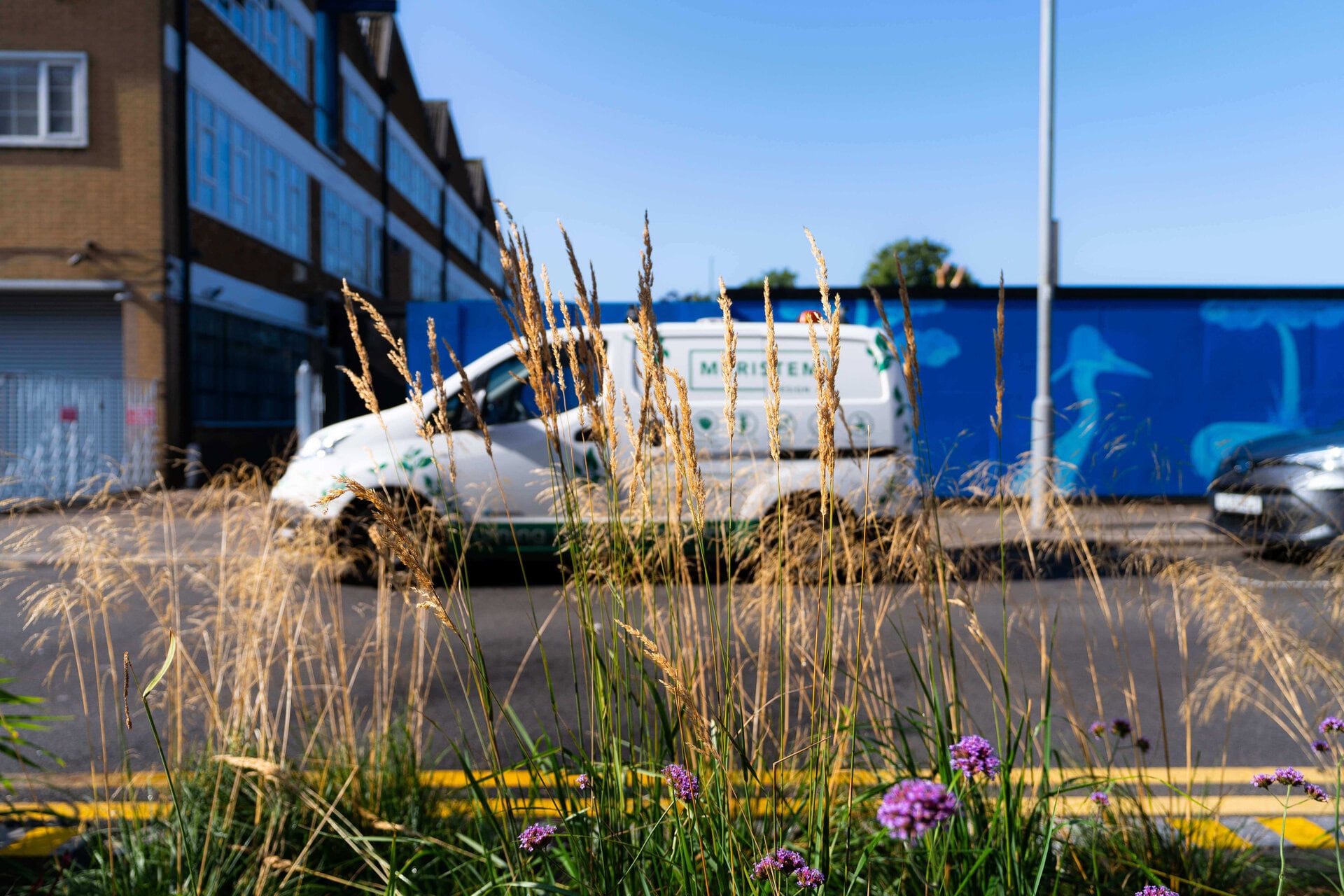
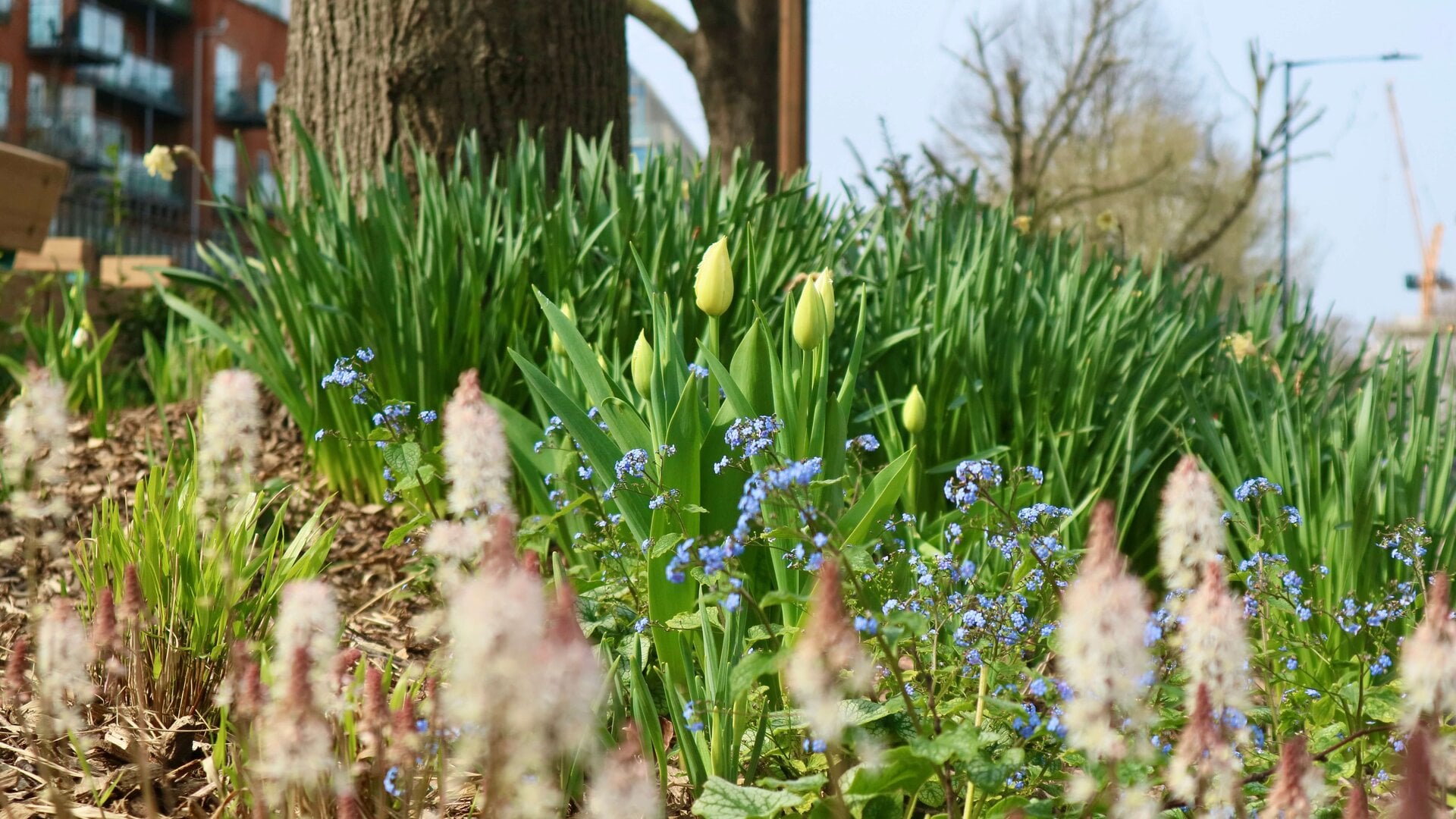
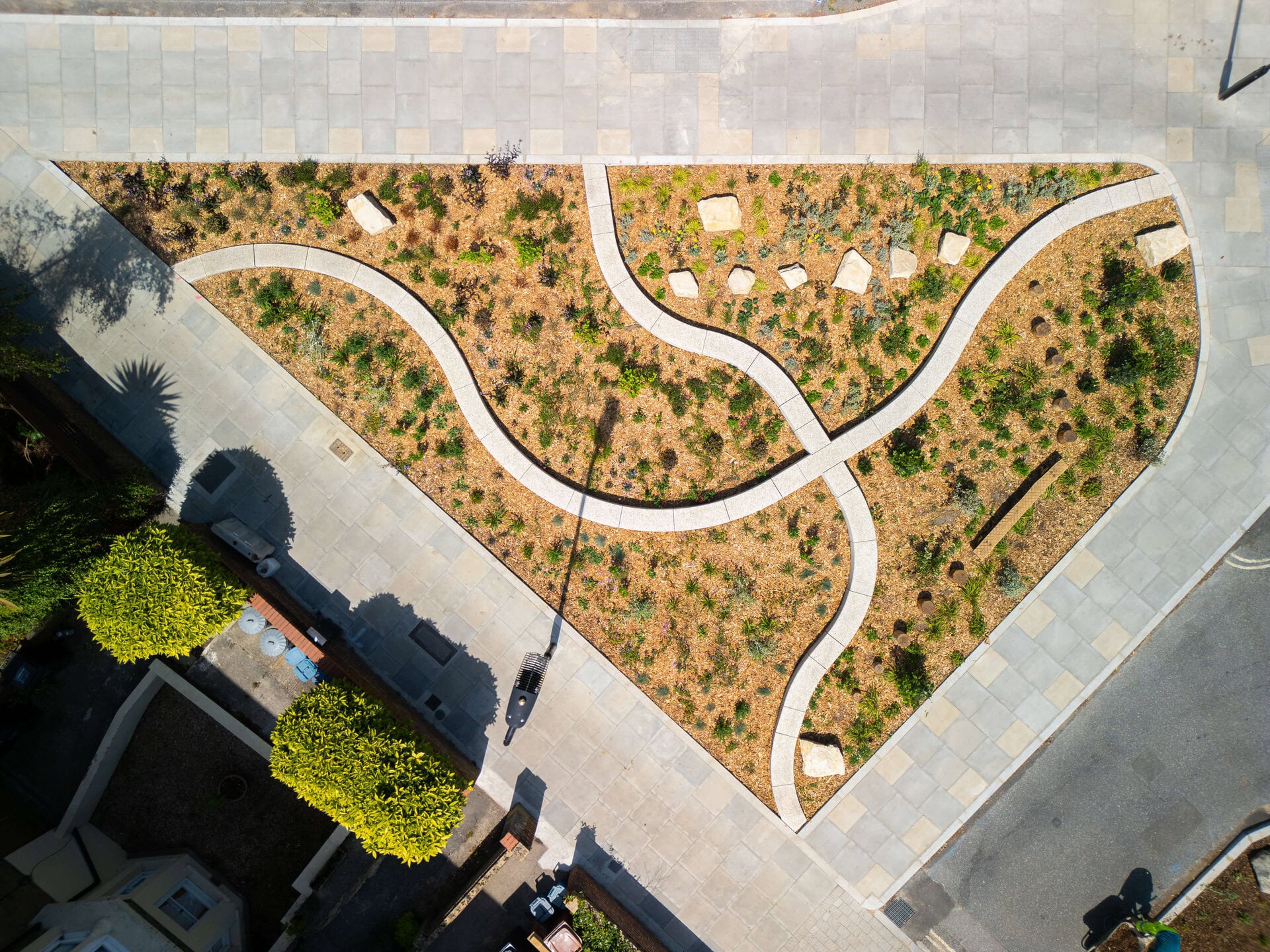
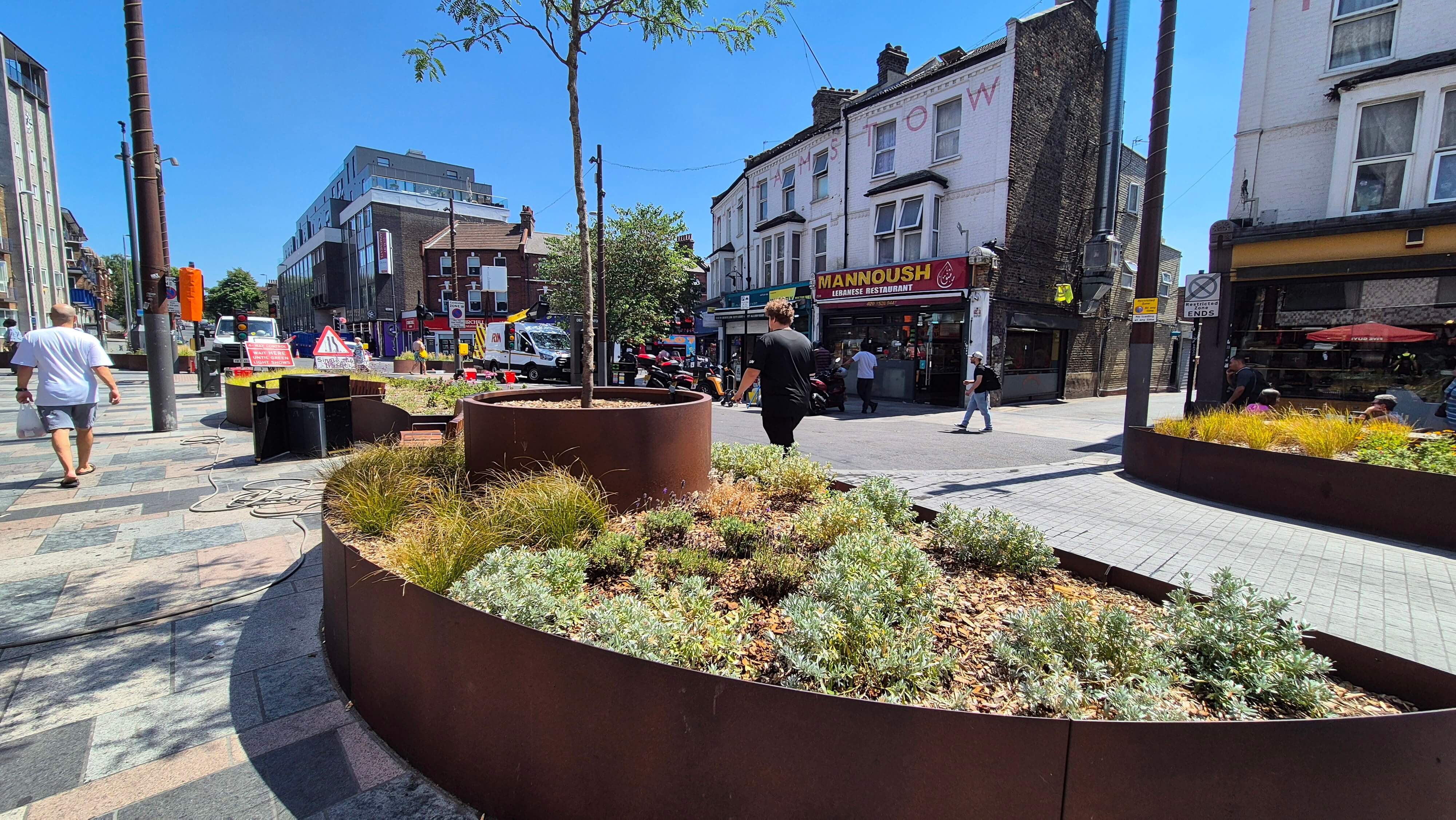
The new public realm consists of rain gardens, over 1500 plants, habitat features like bee and ivy posts, accessible pathways and seating - all designed alongside wider council plans to extend the pavement and convert the street into a one-way traffic system.
We have previously looked at how the transformation has benefited local pollinators, but wanted to understand the impact it is having on the people who use it every day. So, we designed a survey to gather local feedback to understand just how significant the project has been on the everyday experiences of people nearby.
What we found out from the St. John Street transformation survey
Understanding a green space's impact on people is just as important as its environmental benefits. We designed an 11 question survey covering respondent profiles, usage and experience, ratings and sentiment and wellbeing impact, then took to St. John Street on a busy summer afternoon to gather responses.
 The key findings from our survey
After gathering data in early August 2026, we extracted the key findings that focus in on user experience and what the transformation has meant for people who use the space regularly.
The St. John Street transformation enhances people's daily experience
The seating and greenery were intentionally integrated to provide additional spaces for rest and gathering. 95% of participants said the space enhances their day or lunch hour, compared to what was previously a hard grey surface that they would walk past without thinking.
The transformation itself has proven to be extremely well received with the average rating of 4.5/ 5 by participants, many of them highlighting its drastic improvement compared to the space it was before - dominated by hard surfacing and concrete, providing very little for the surrounding community besides space to walk.
The St. John Street transformation has improved visitor wellbeing
79% of respondents said that London would benefit from more spaces like St. John Street. When asked about the transformation's impact on wellbeing:
65% of people said their sense of calm improves when in the space, with a further 21% agreeing but with suggestions for further improvements.
These suggestions mainly consisted of more greenery like wildflowers and additional shade with no requests to revert the space back to its original form or integrate hard surfacing.
The fact that people are asking for more green rather than less is perhaps the strongest approval from this report, signifying that the works on St. John Street have ignited a positive community-wide stance on public realm greening.
The St. John Street transformation functions as a third space
The survey confirmed that St. John Street has become a genuine third space for the people around it.The majority of respondents work nearby and many make visiting the space a regular part of their working day routine. 32% of those surveyed visit the space everyday with another 32% coming at least once a week.
Most people stay between five and fifteen minutes which is long enough for a quick reset, a lunch break in the green or just as a moment away from the office.
The space saw a lot of comparison to a garden and was described as"a lovely space to sit and enjoy the green".
The seating and greenery aspect proved to be the biggest draw, with people stating they value somewhere to pause that is not a cafe, restaurant or desk, asserting the area as a comfortable third space for people.
The importance of the St. John Street transformation as an urban third space
Third spaces are becoming increasingly important in our cities, especially as issues like the cost of living and population density continue to prevail, people need places they can go to that feel like a break or reset.
The St. John Street transformation prioritises merging people with nature in a convenient and informal way. Integrated seating, pathways and biodiversity form a comfortable area for visitors to sit, relax and have a break from their commute or office space. This corner in Islington not only supports the health of pollinators and local wildlife but it has proven to support community wellbeing too.