Solving residential flooding: the challenges
Residential flooding is becoming an increasingly pressing issue across the UK. As urban populations grow and extreme weather becomes more frequent, the pressure on existing drainage infrastructure is intensifying.
Solving residential flooding in private settings is rarely straightforward as unlike public schemes, private sites involve a more complex network of stakeholders, funding sources and planning considerations.
The challenges
Private residential flooding can present a unique set of challenges. Implementing drainage features at a meaningful scale can be challenging due to ownership boundaries, the issue of shared spaced and conflicting interests of residents. Solidifying agreements between multiple residents, planners and landlords can take time with funding opportunities becoming difficult to divide. Other aspects like planning permissions can also add to the complexity.
The SuDS solutions we use at Meristem to solving residential flooding
Sustainable drainage systems (SuDS) can be very flexible and effective tools for managing surface water at a residential scale. By capturing, slowing and filtering rainwater where it falls, SuDS can reduce the speed of runoff and therefore ease pressure on existing drainage networks during periods of heavy rainfall events.
SuDS are highly adaptable and can be implemented into both new developments and existing infrastructure. This flexibility means that there is almost always a SuDS feature that can be designed to function successfully in residential settings.
SuDS Planters
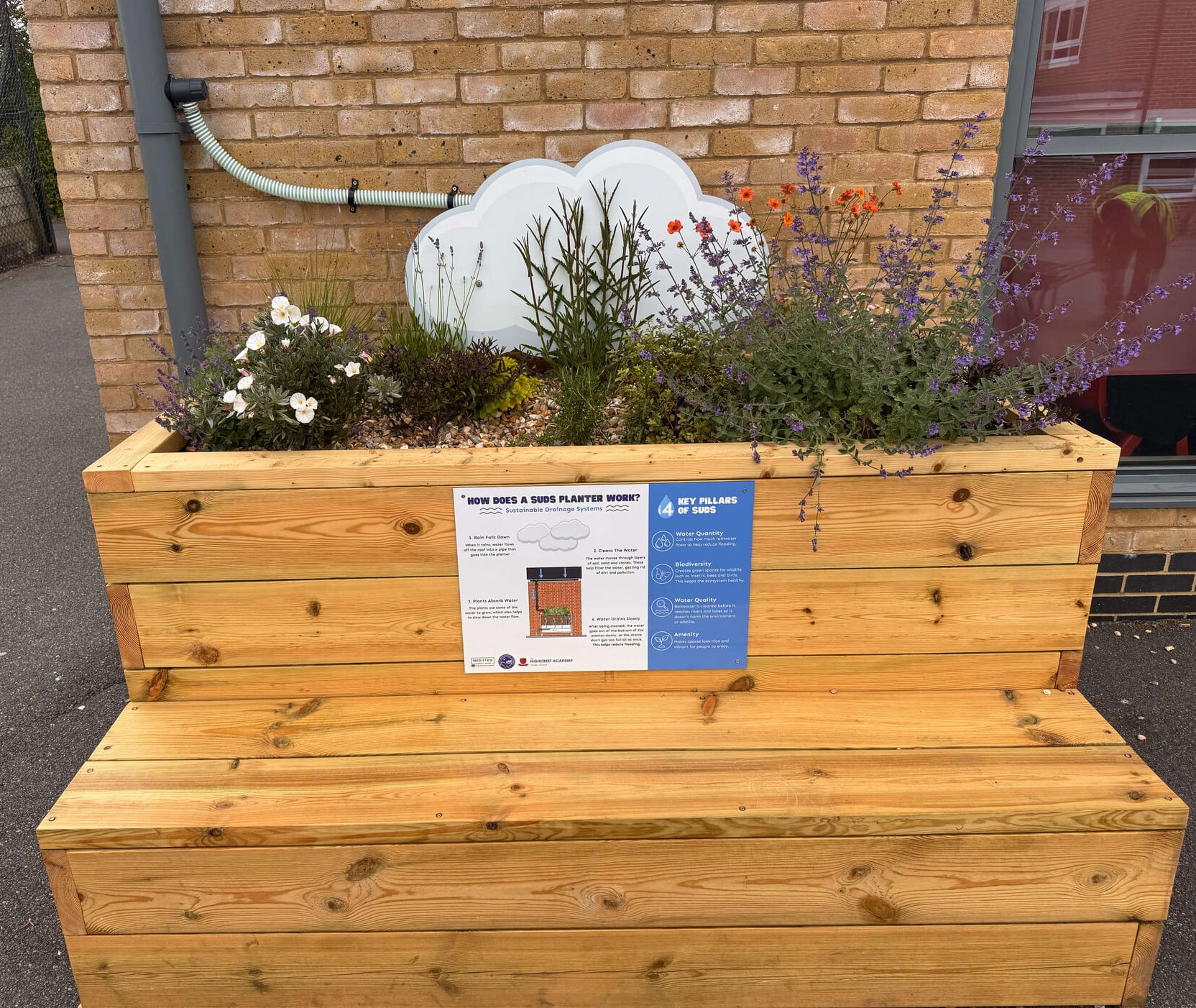
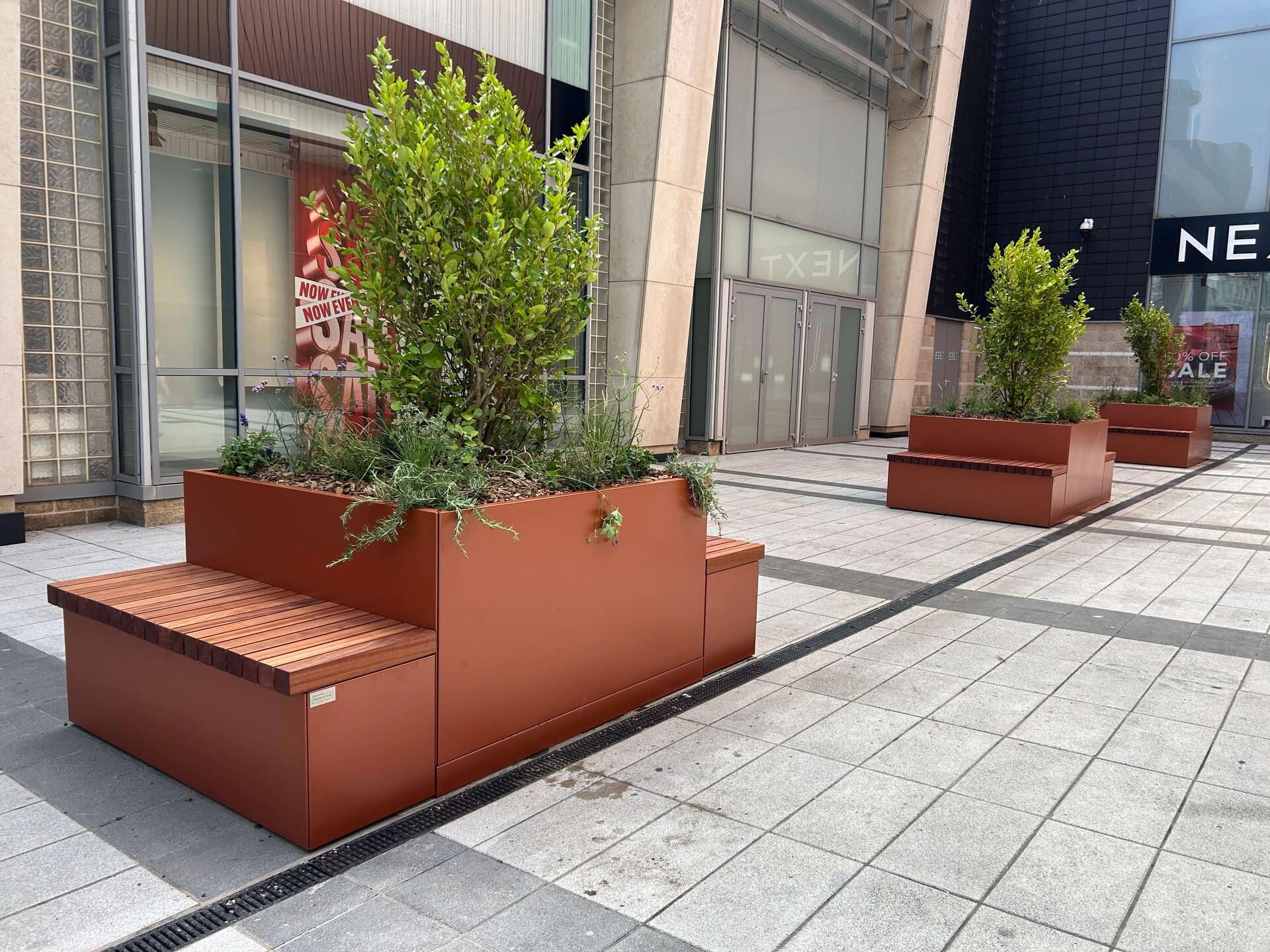
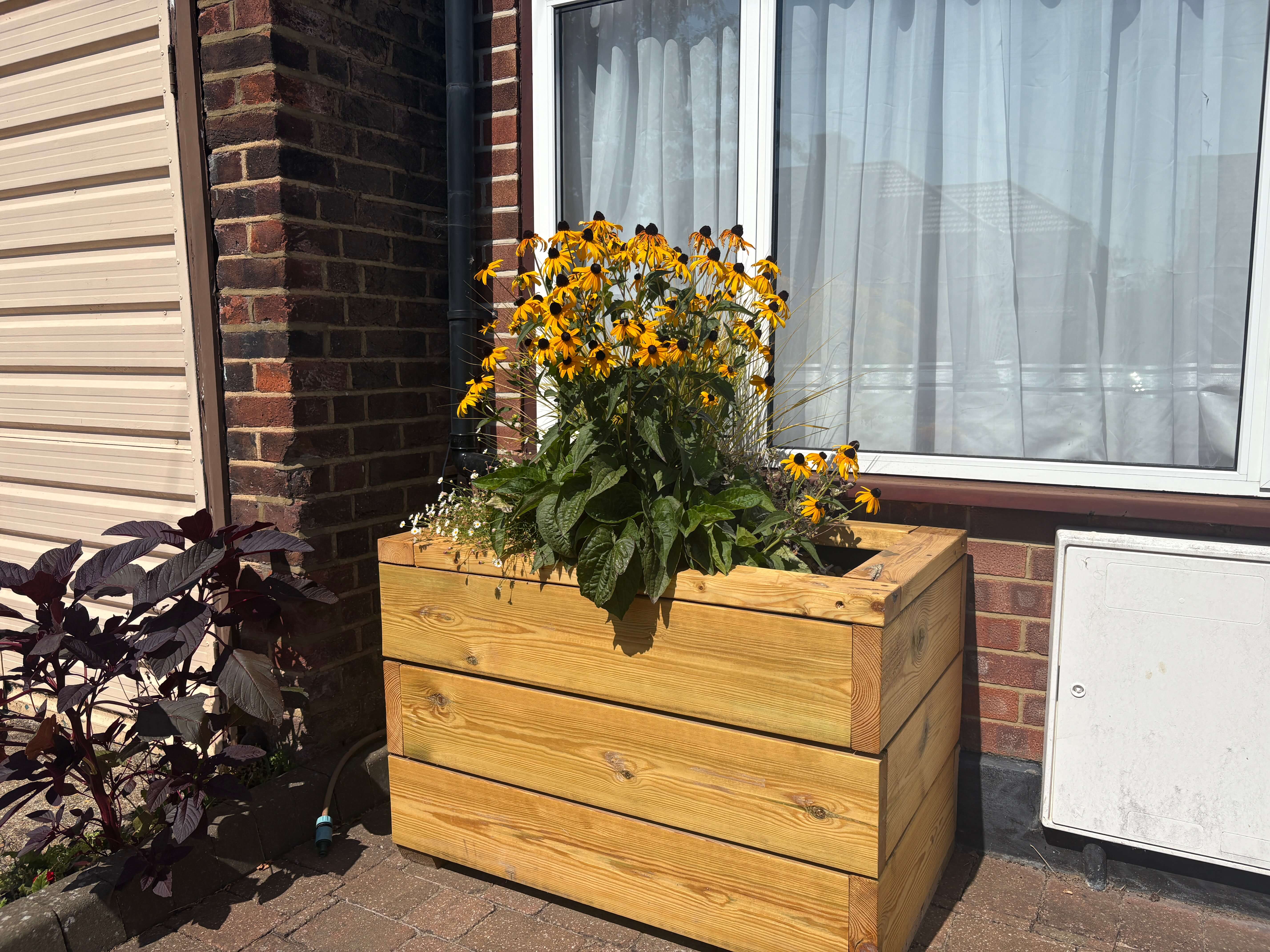
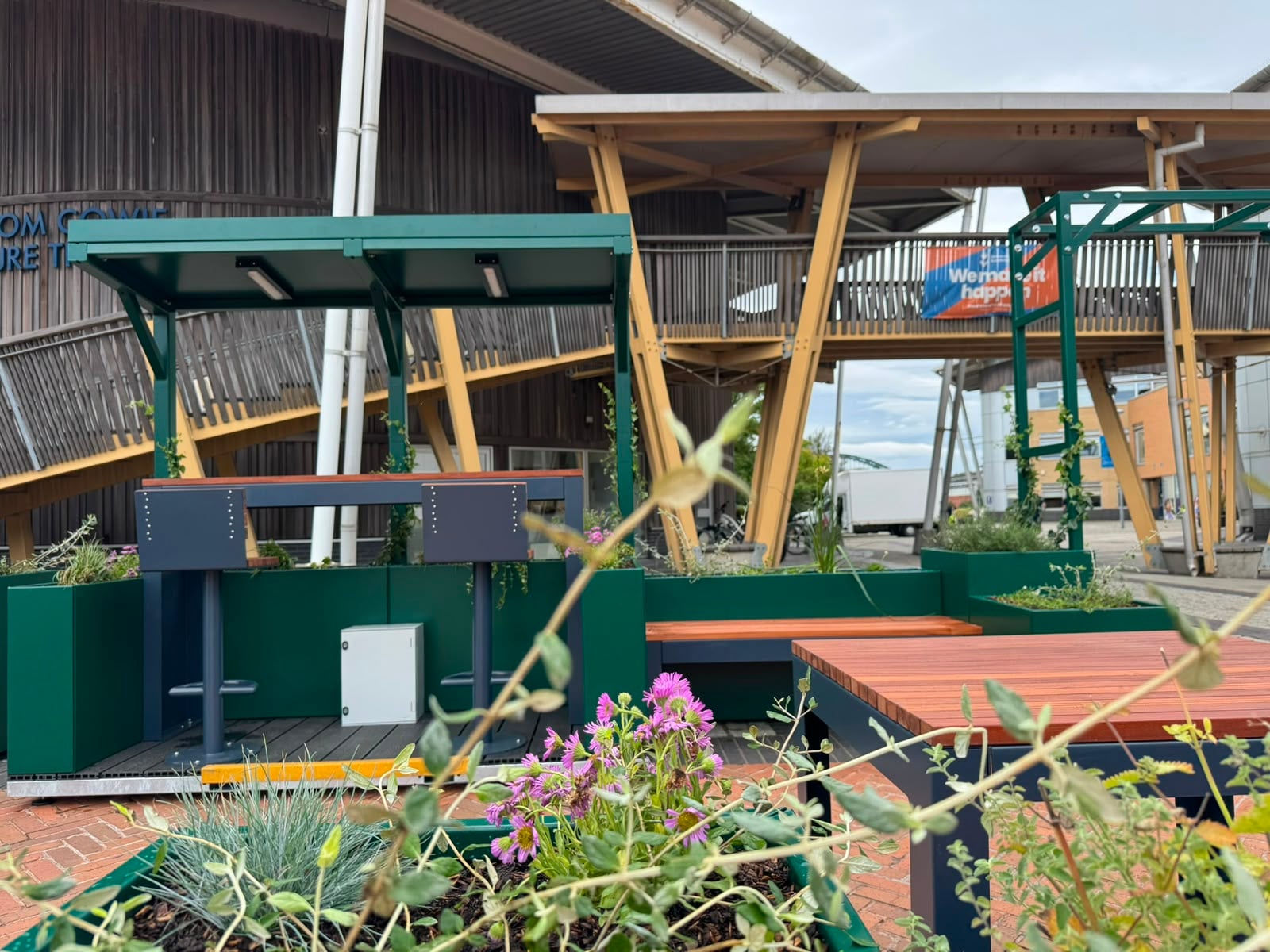
SuDS planters acts as an effective retrofit solution to mitigating flood risk. They can be designed and tailored to existing infrastructure and include features such as downpipe connections to capture roof water runoff more efficiently. SuDS planters can be further customised by material and colour, making them a versatile and solution to capturing and slowing runoff.
Rain Gardens
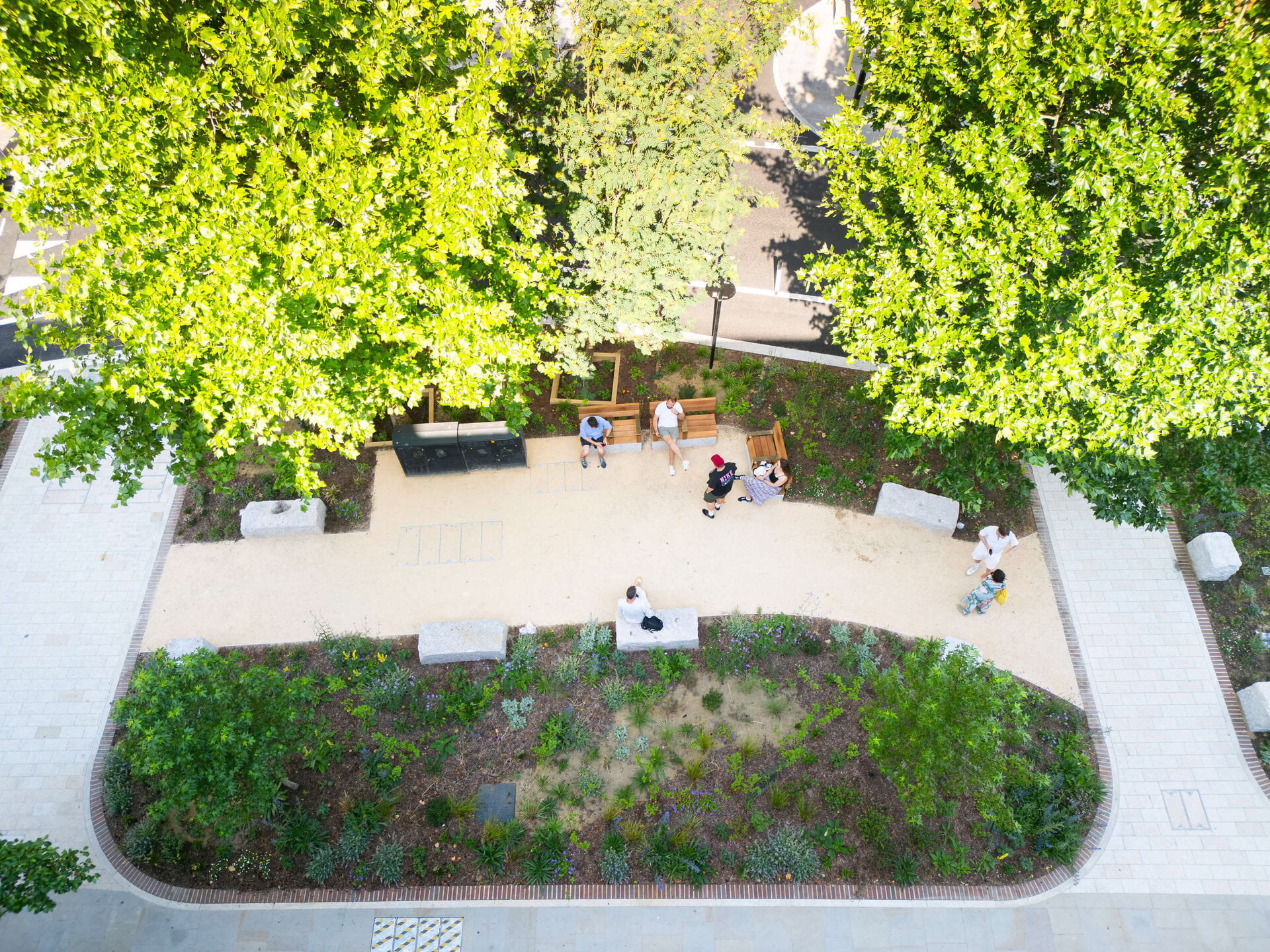
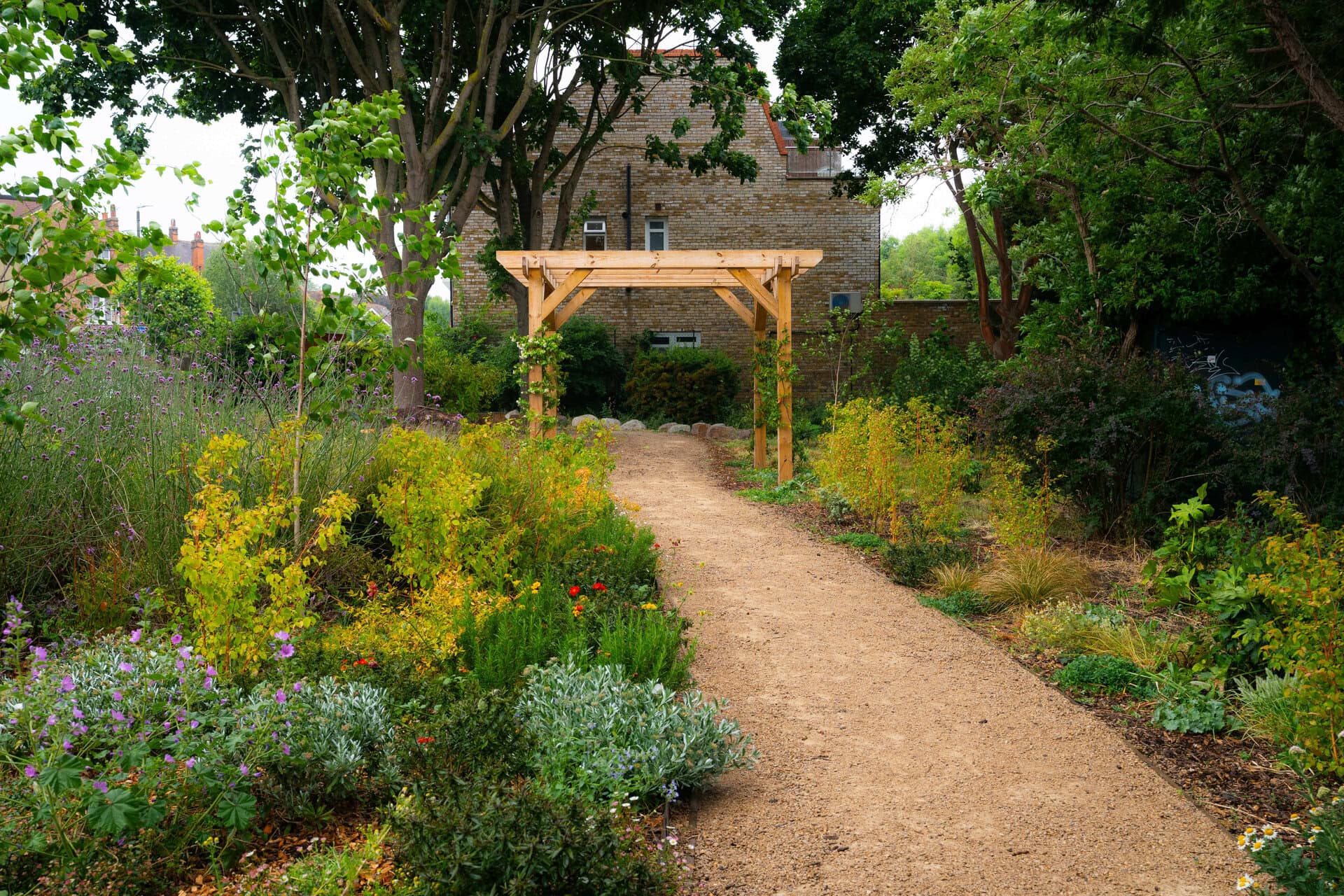
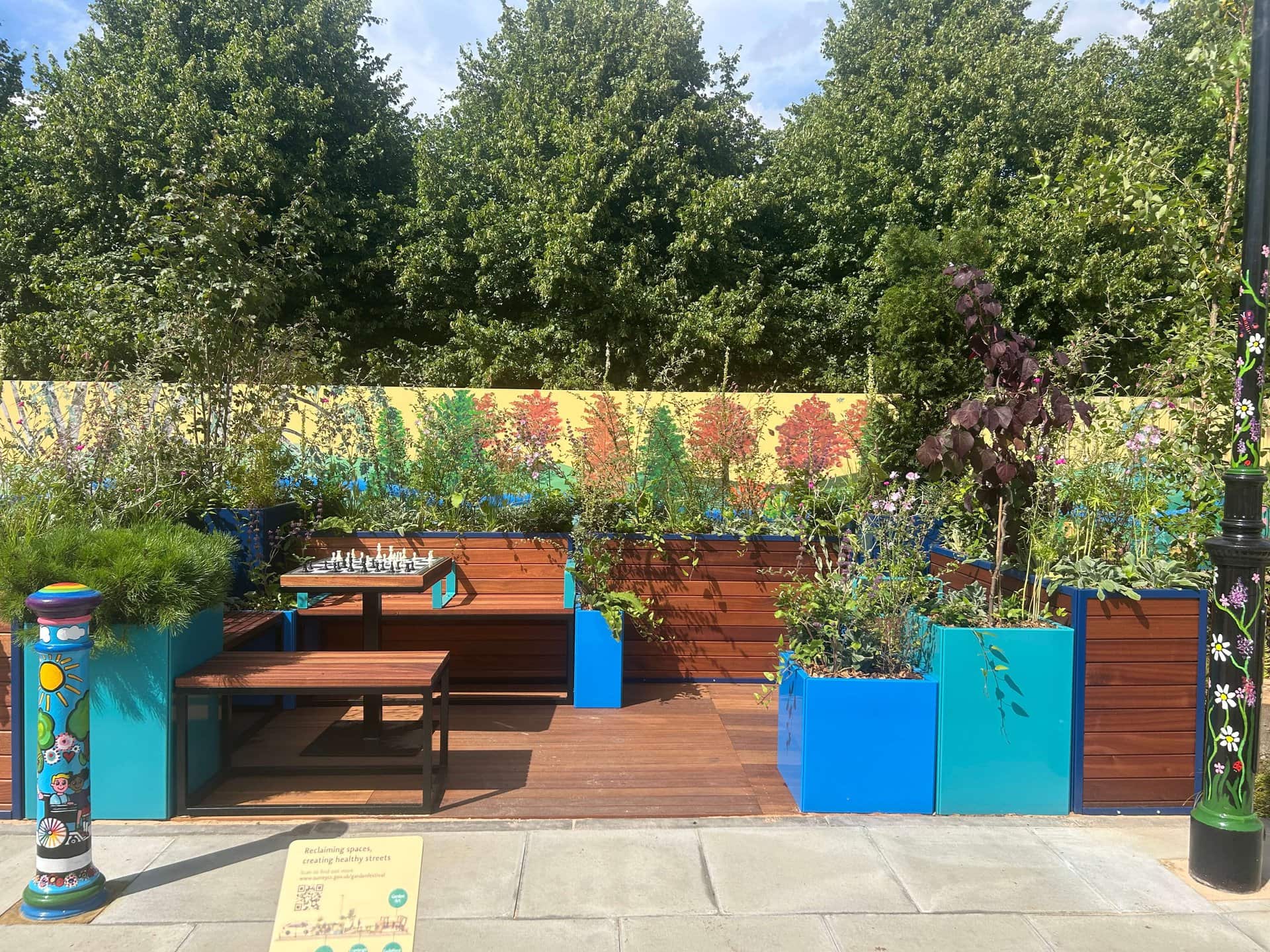
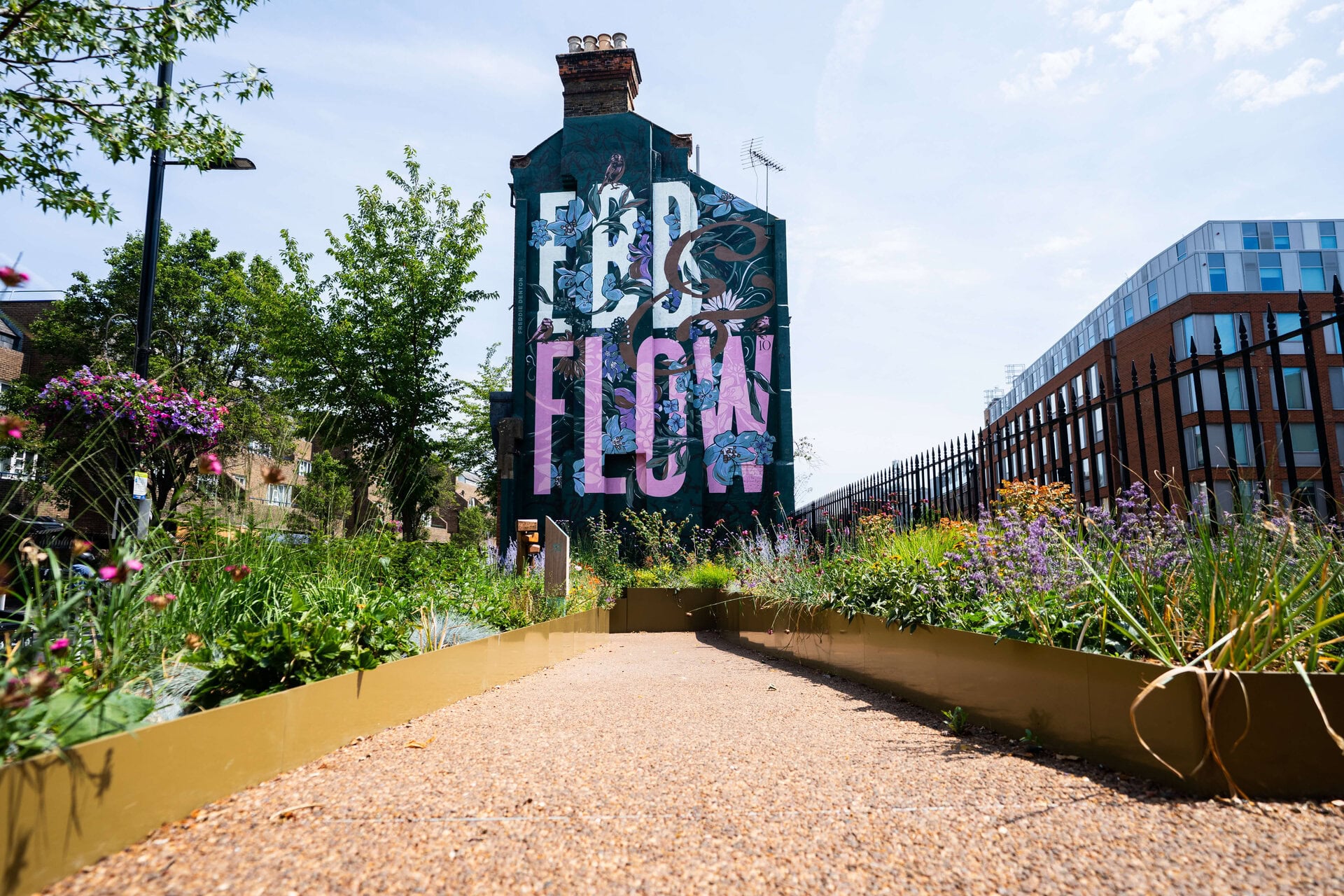
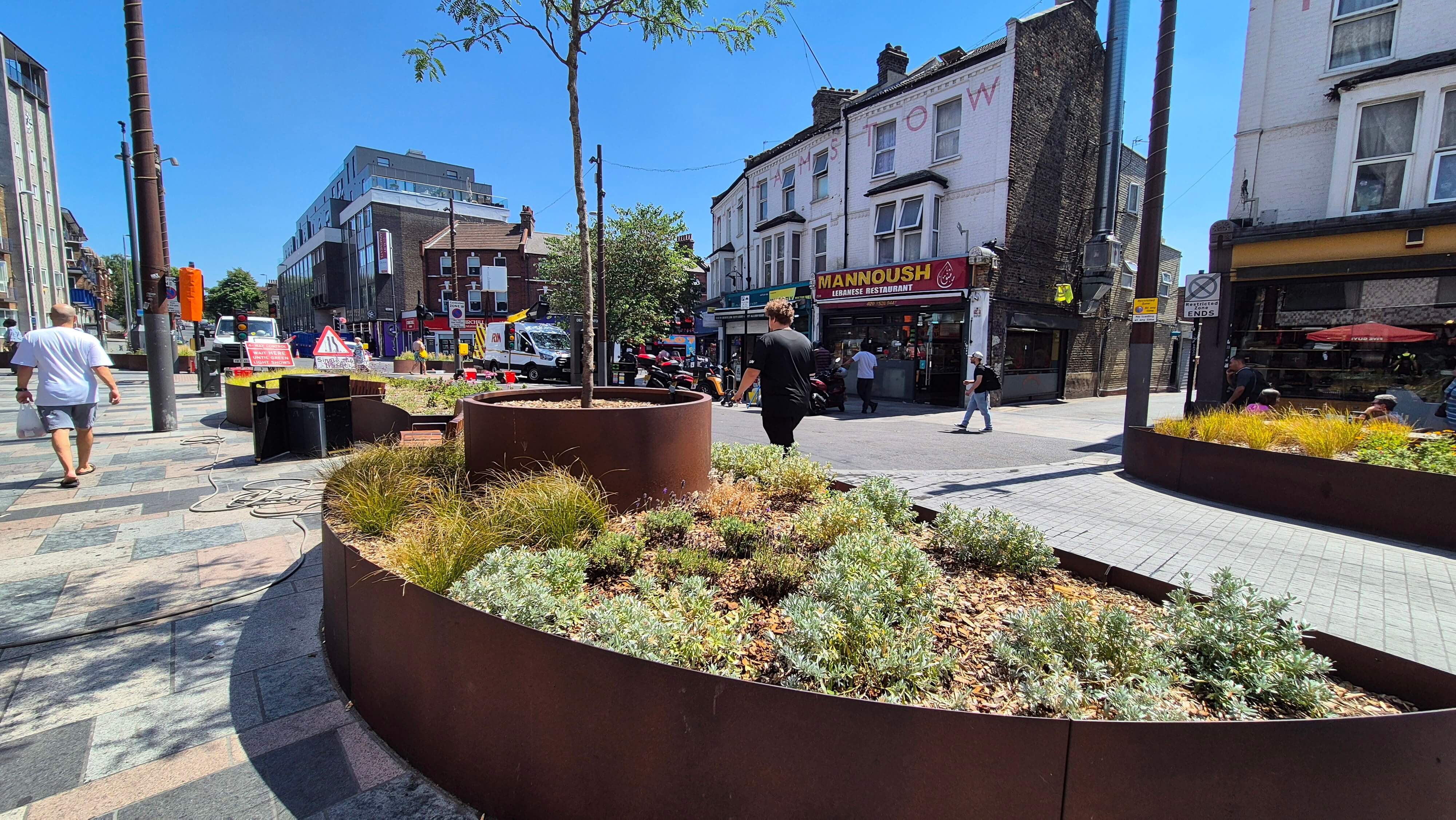
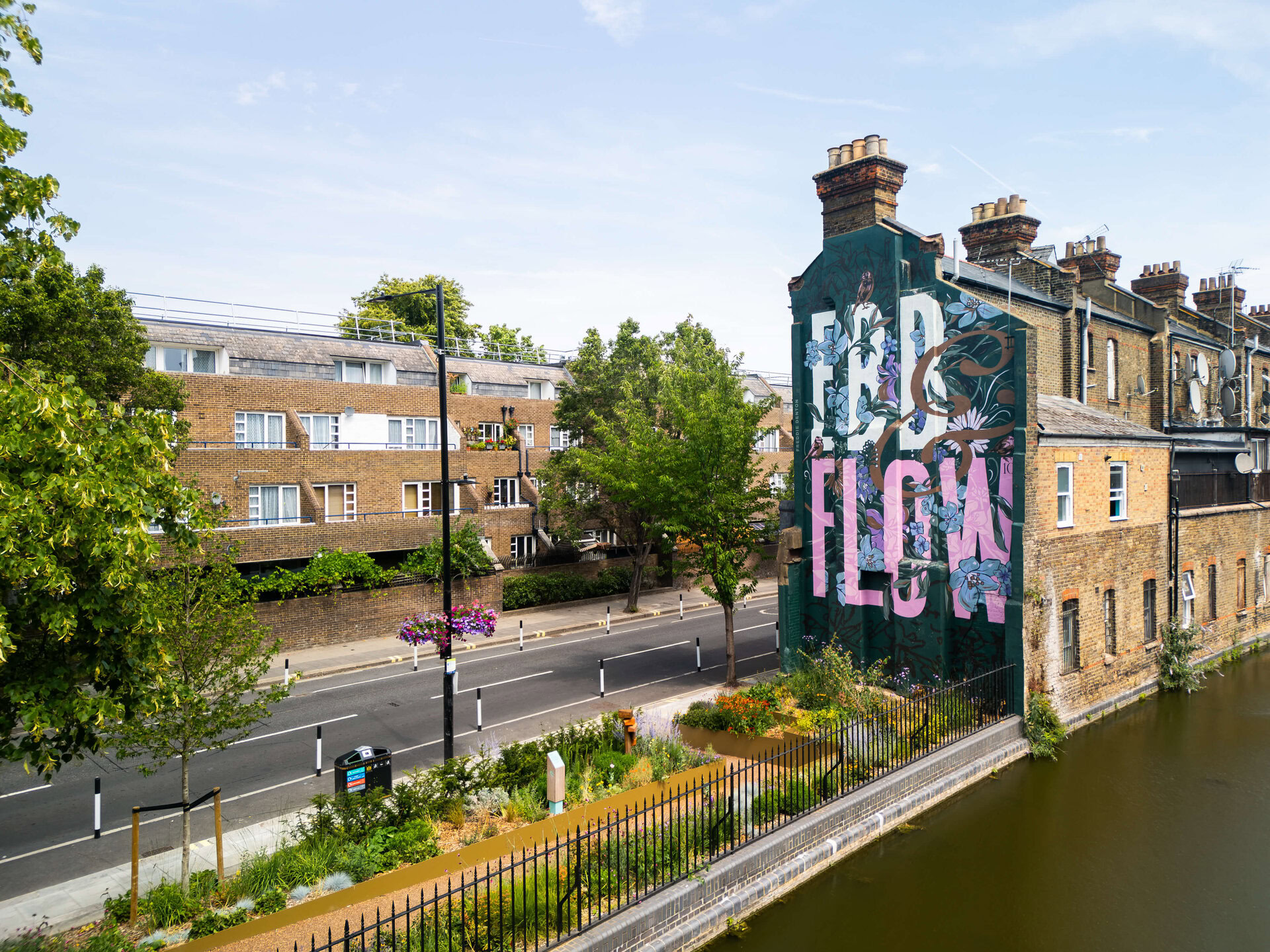
Rain gardens are one of the most effective and versatile SuDS features for residential settings as they can cover large areas and manage street-wide rainwater runoff. As they are planted at street level, they capture runoff from the roads, pavements and rooftops before filtering it slowly through soil layers before entering the wider drainage network.
Barnet residential SuDS Planters: A private solution to solve residential flooding
We partnered with various organisations on the Action for Silk Stream borough partnership project to bring retrofit SuDS planters directly to people's homes in the Silk Stream Catchment area. The scheme allowed residents to opt into a free SuDS planter installation that could be fit onto the front, side or back of their property. We designed and fit timber planters according to measurements, restrictions and the gutter locations of each home.


Barnet Residential SuDS Planters - Barnet
Southwark SuDS Planters: A council-owned property solution to solve residential flooding
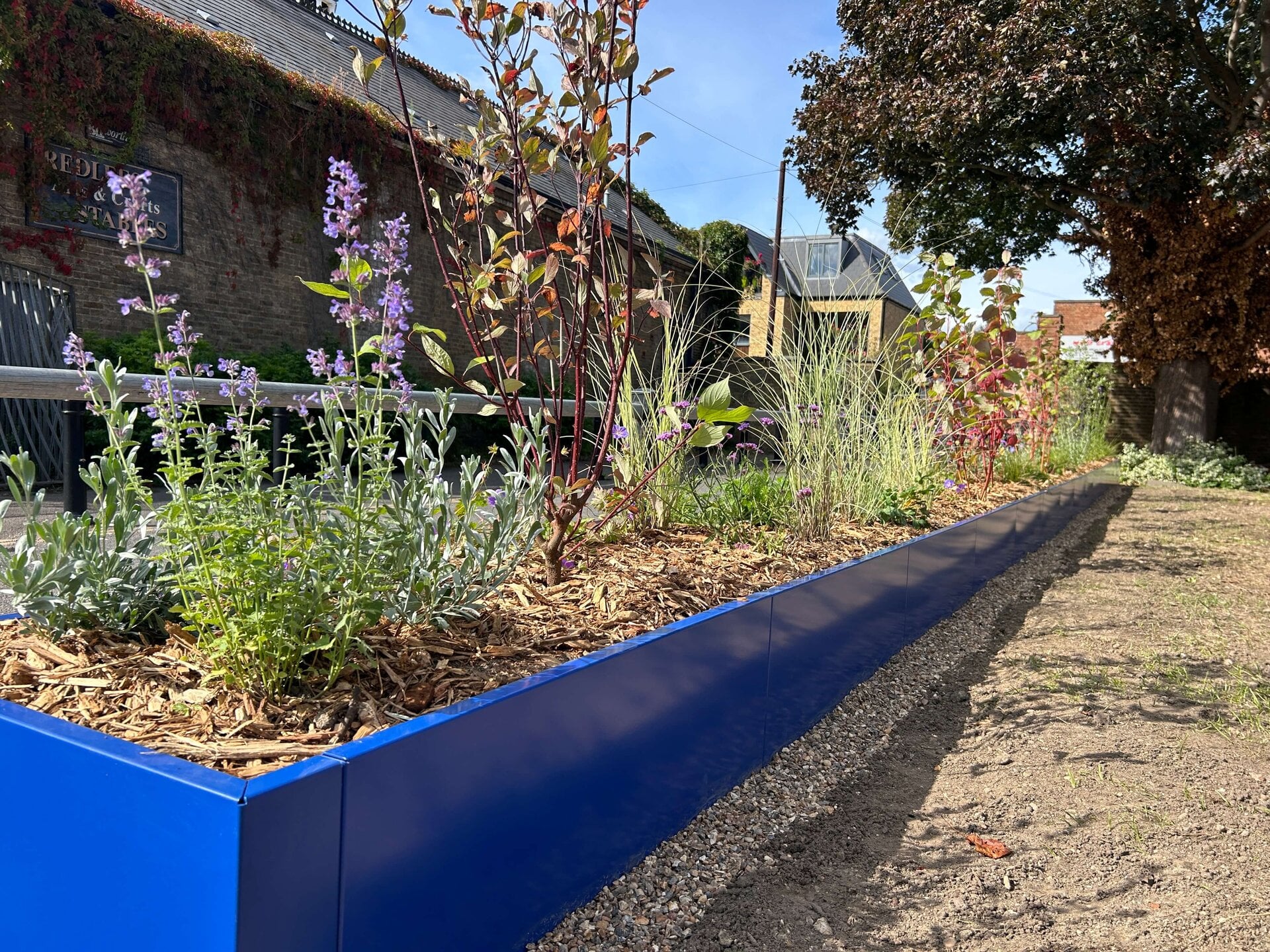
The Lewes estate in Southwark was identified as a Critical Drainage Area (CDA) and so we set out to design a large-scale SuDS planter solution. As the property is large and shared, there was additional infrastructure to take into account like a communal garage. The apartment building was assessed as a whole, rather than on an individual level and we came up with a solution that featured two large-scale powder-coated steel SuDS planters that captured runoff from both the main building and the garage but benefitted all 32 properties in the space.
Wadley Road rain garden: A private road solution to solve residential flooding
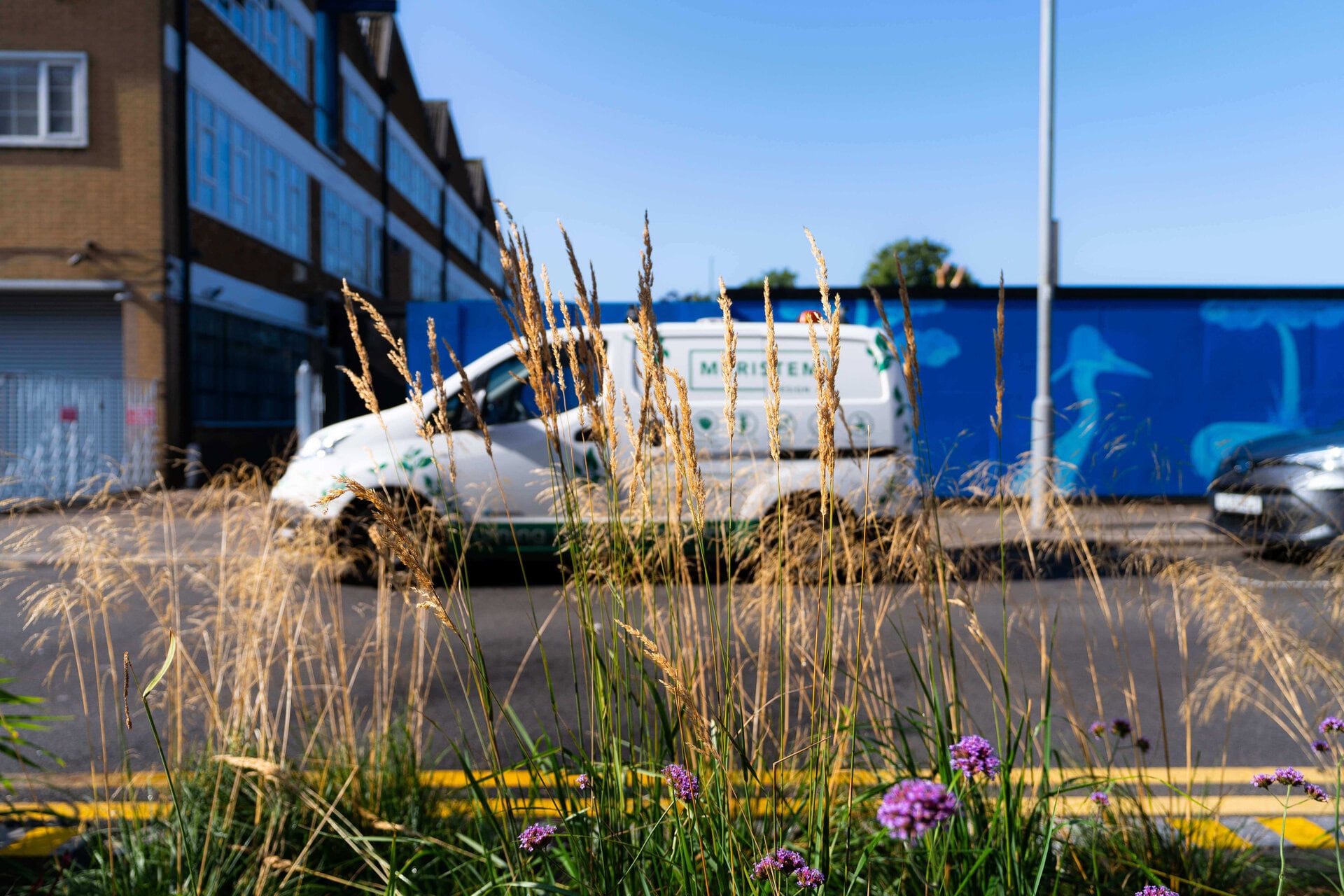
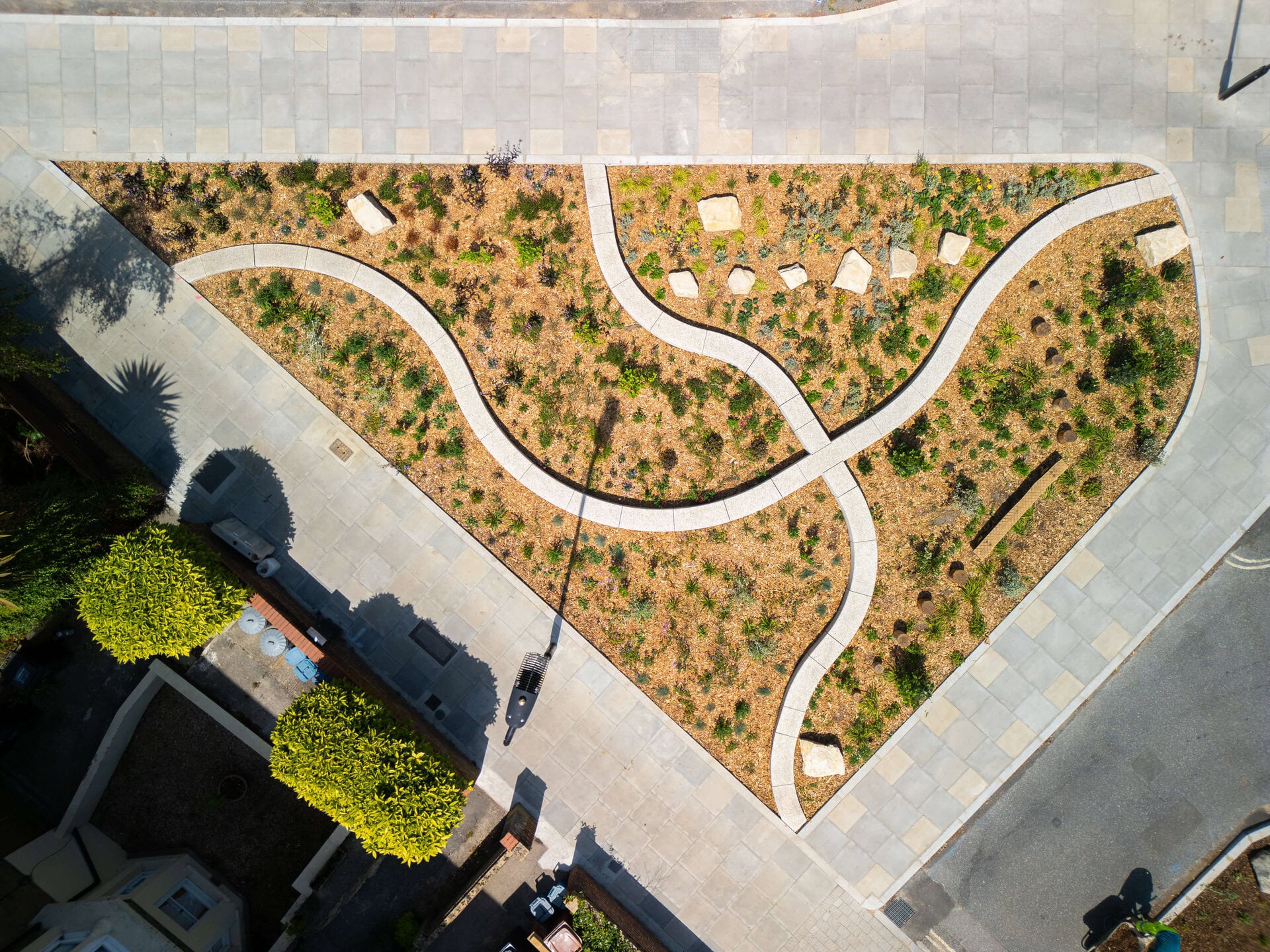
Following extreme flooding in 2021, Wadley Road was identified as an area at high risk of flooding in the Fillebrook catchment area of Waltham Forest. Our approach involved converting multiple parking spaces along the road into planted drainage features. The rain gardens improve the look and feel of the street as well as improving flooding, with residents regularly getting involved with maintenance and bulb planting.
Lancaster West terraced rain garden: A council-owned property solution to solve residential flooding
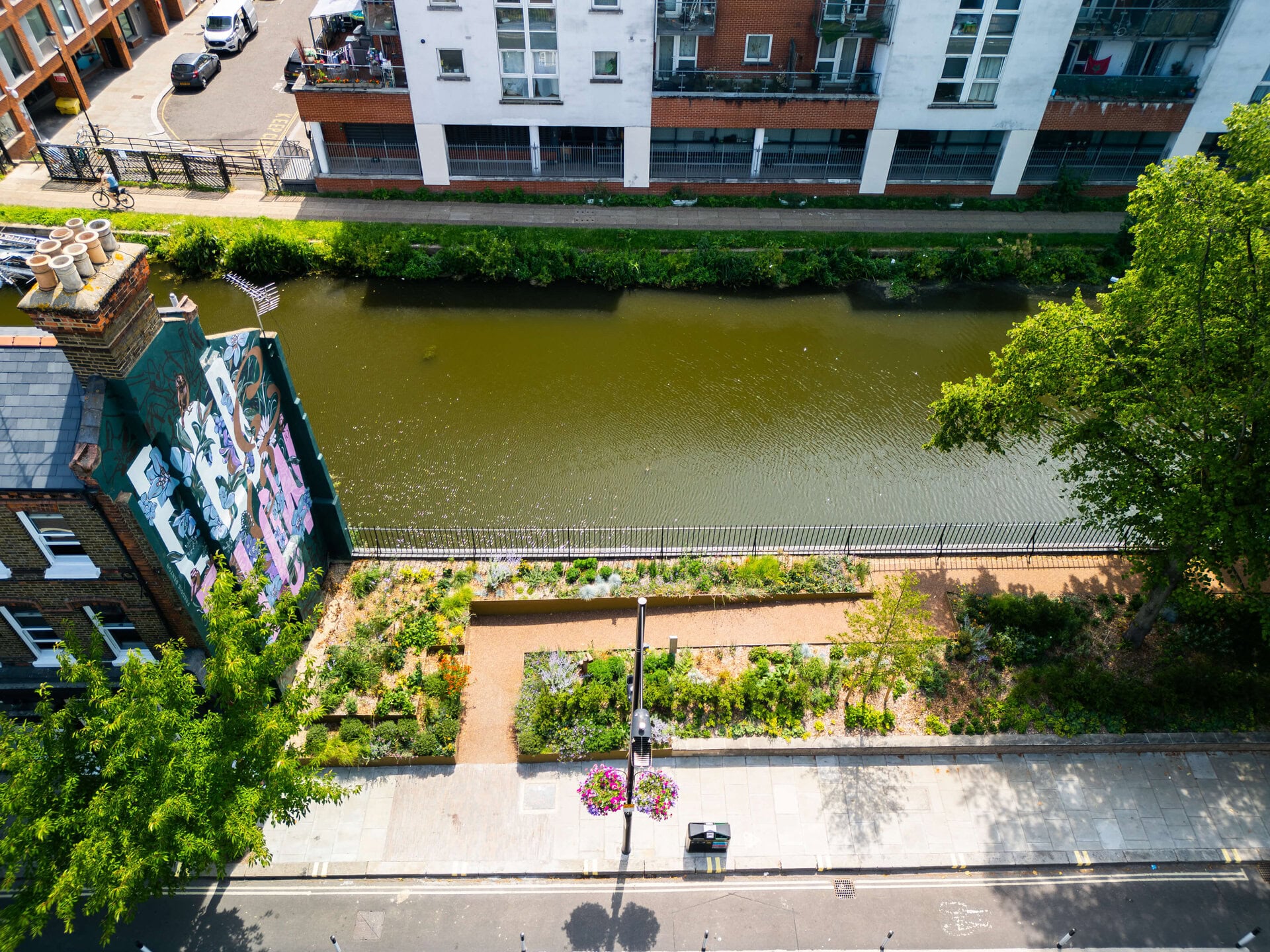
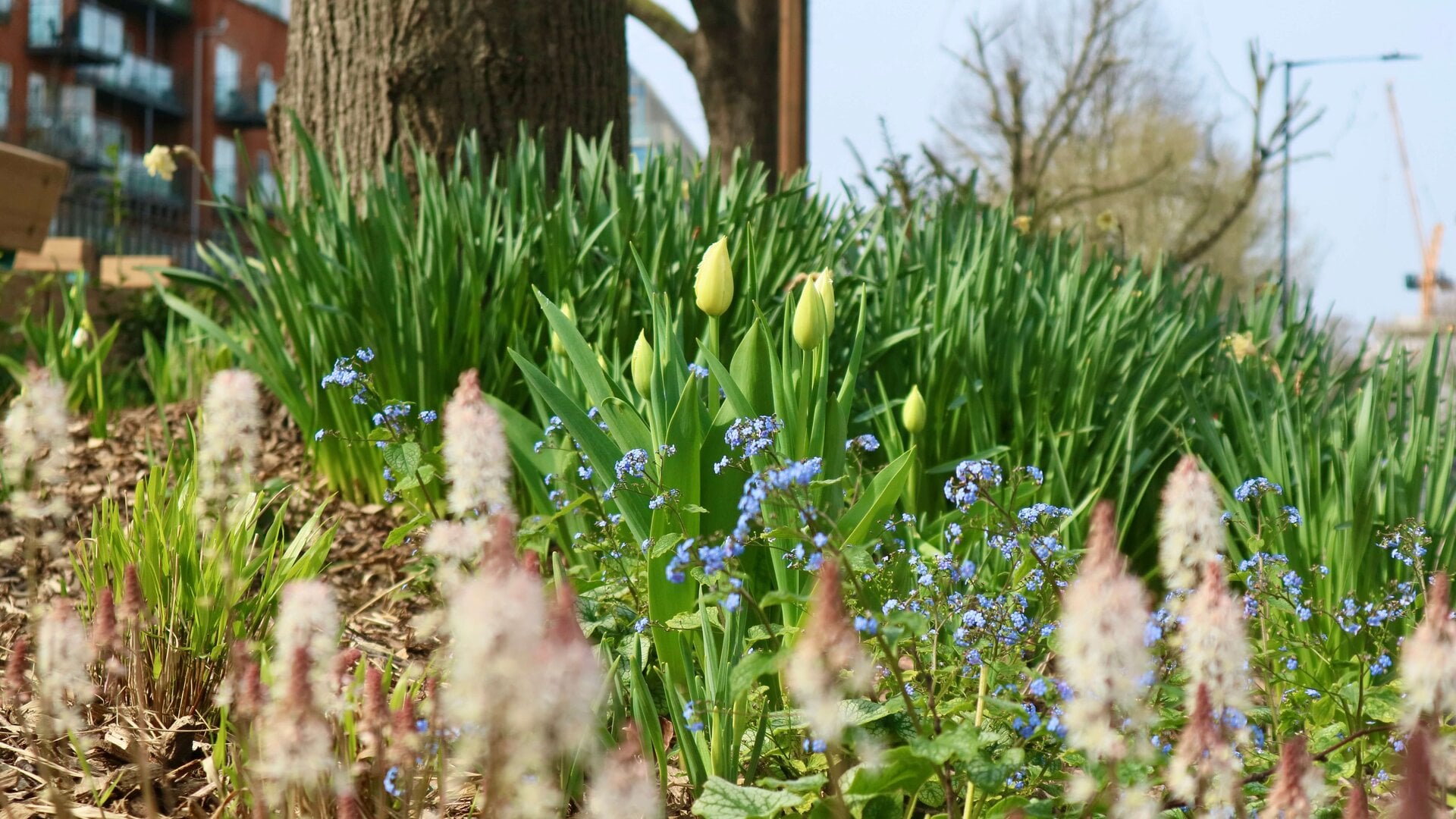
The Lancaster West estate in Kensington and Chelsea suffered frequent flooding along pedestrian routes due to poor drainage along a sloped grass border adjacent to residents' properties. We designed and planted a terraced rain garden divided by timber borders to intercept, absorb and slow runoff from the surrounding paved areas. The approach helped to keep pathways accessible and reduced flooding in and around the estate.
How to go about solving residential flooding
Delivering SuDS on a residential scale to both private and government-owned properties requires careful planning, design and engagement with the surrounding community. Prioritising this approach can make a big difference to how the scheme is received and progresses long-term.
The toolkit to designing and installing SuDS solutions for solving residential flooding
Across our experience in residential SuDS solutions for a range of private and government-owned properties, we have learnt a lot about the process of delivering successful schemes that benefit both the environment and the local community. Here are some steps you can take to ensure your residential SuDS scheme is successful.
1. Resident engagement
Engaging with residents is key to getting a SuDS scheme off the ground. For communities who are unaware of SuDS and their benefits, leaflet drops and face-to-face conversations are a great way of educating residents and understanding concerns they may have about the proposed scheme, particularly when it involves access features like entrances and parking spaces.
Involving residents in the planting and installation of their SuDS feature is another way of creating a sense of pride and ownership in their green spaces and can even strengthen community connections.
2. Site Surveys
Depending on the type of property, private or government-owned, site surveys are essential to designing and building the right SuDS solution. Private properties like the Barnet residential SuDS scheme must be considered on an individual level by carrying out independent surveys, considering each property's measurements, access and vicinity to local drainage networks.
Council-governed properties can be looked at on a broader scale, especially when all properties are in the same building, and must be assessed accordingly to the flooding concerns of the community as a whole. Flooding taking place along pathways through estates, around key building access points and in shared spaces like parking facilities are all elements. to consider when auditing government-owned properties.
3. Calculations
We utilise a software that calculates how much water needs to be attenuated based on roof area, location and storm event requirements. Using your findings from the site surveys:
- Size of the roof/ catchment area
- Attenuation requirements
- Local rainfall
- Storm event requirements
- Downpipe diameter
This will allow us to dictate the size of the SuDS planter and/or area of the rain garden.
4. Installation
Co-ordinating installation with delivery partners, stakeholders and residents is key to driving a positive response from a residential SuDS scheme. Aligning installation with quieter resident hours, ensuring friendly and considerate staffing and thoroughly cleaning the site after works is the optimal approach to fitting and planting SuDS in residential spaces.
5. Aftercare
Post-installation communication is an important factor in ensuring the longevity of residential SuDS. Providing residents with plant maintenance tips and information can give confidence to communities looking after their green spaces while ensuring they continue to thrive long-term.
We have developed a SuDS planter O&M manual which we distribute to residents to help them look after their new green features.
 SuDS Planter O&M Manual
Get in touch if you are solving residential flooding with SuDS
We are able to support residential SuDS projects with site surveys and audits, engagement with residents and stakeholders and also with design, installation and maintenance. Get in contact if you are working on a similar project, we would be delighted to assist you.