School playgrounds can be challenging places to manage surface water. With large areas of paving and concrete, there is often little opportunity for rainwater to soak into the ground, while existing drainage networks can come under pressure during periods of heavy rainfall.
For some schools, traditional rain gardens may be difficult to install due to underground utilities and excavation restrictions.
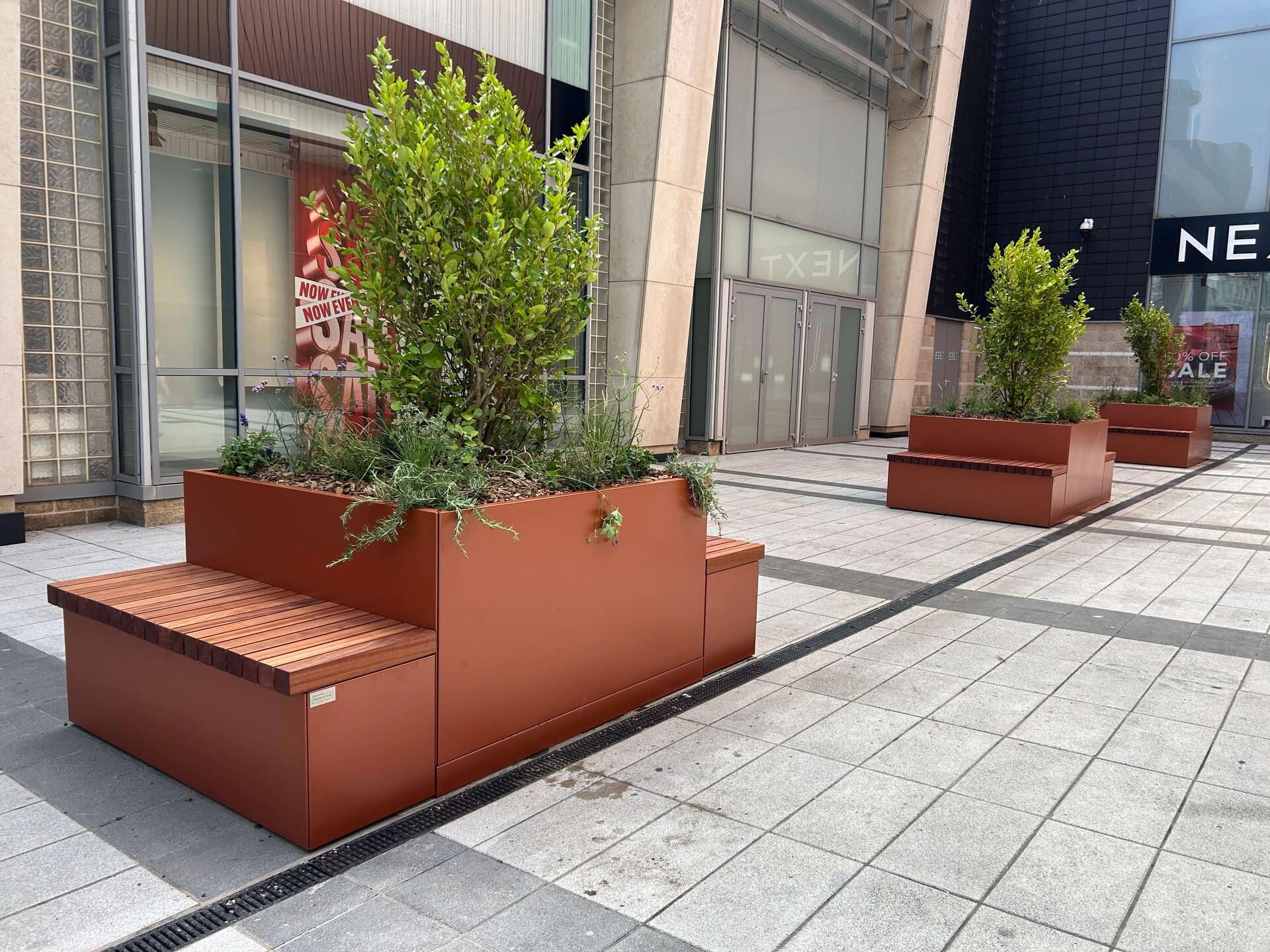
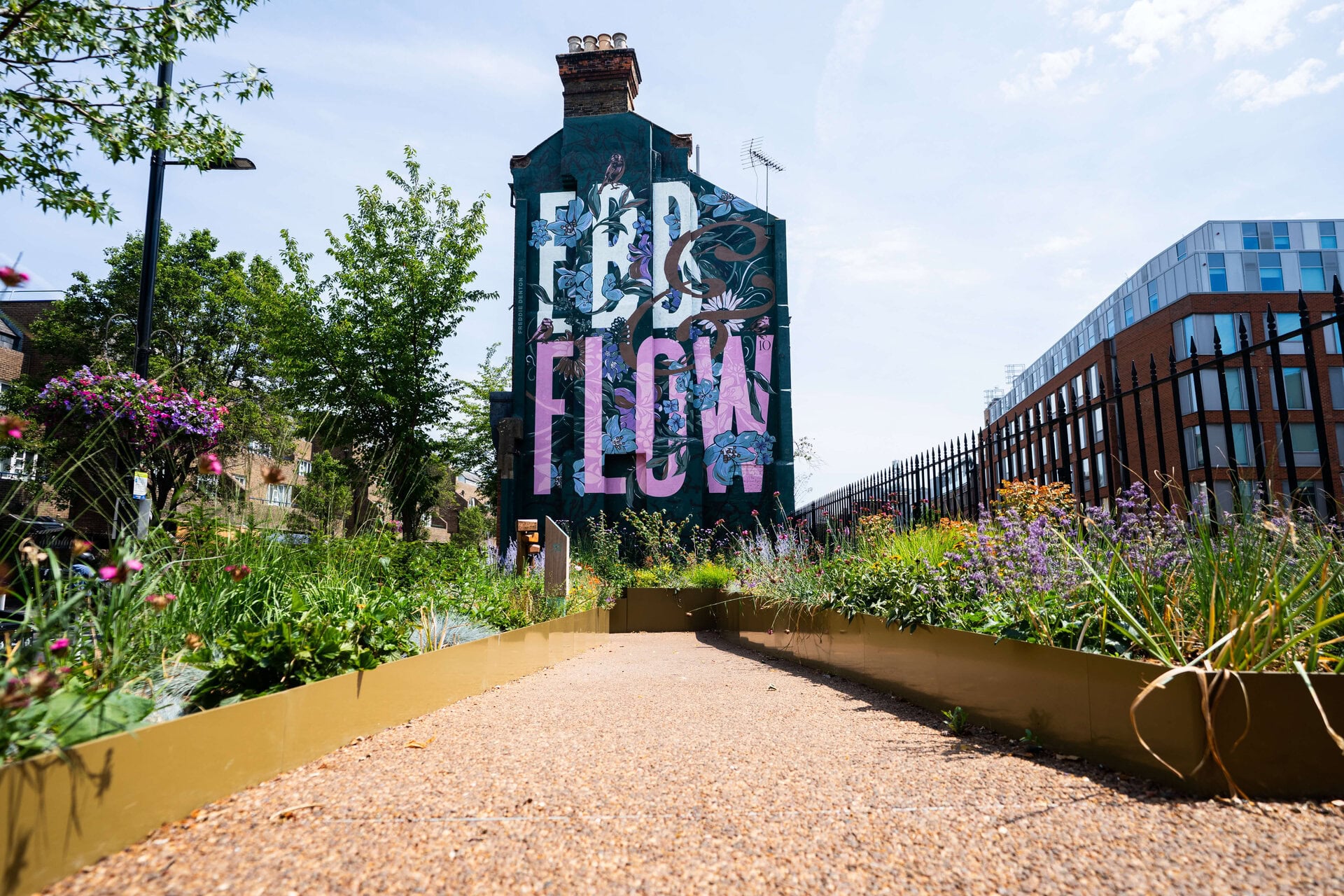
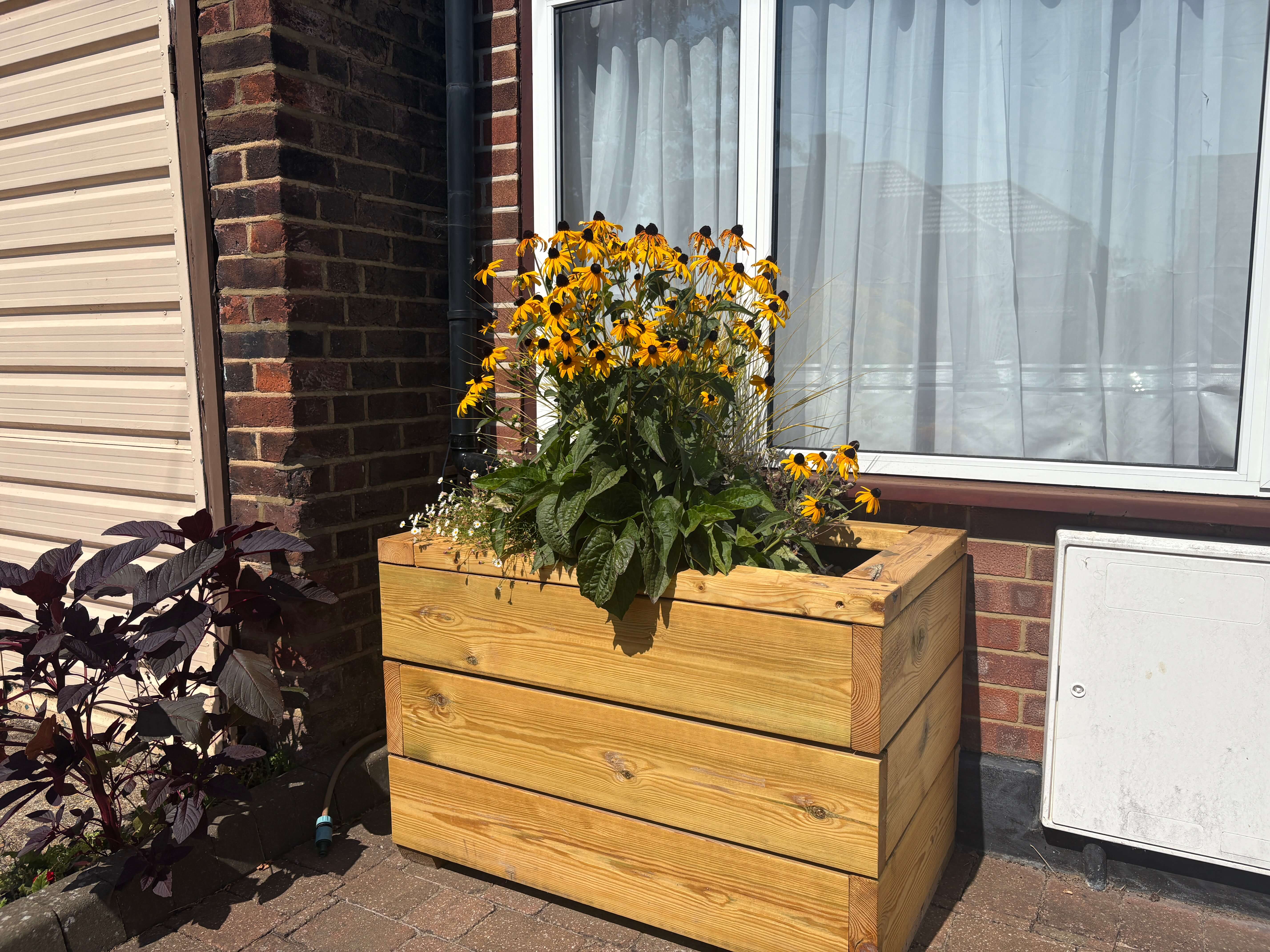
Hybrid SuDS planters in schools can provide a flexible alternative, combining surface water management with planting and biodiversity without requiring deep excavation.
Why integrate hybrid SuDS planters in schools?
Managing surface water with hybrid SuDS planters in schools
Traditional rain gardens rely on excavation to create space for additional water storage but this isn't always doable in an existing school playground as underground utilities and paving can cause restrictions.
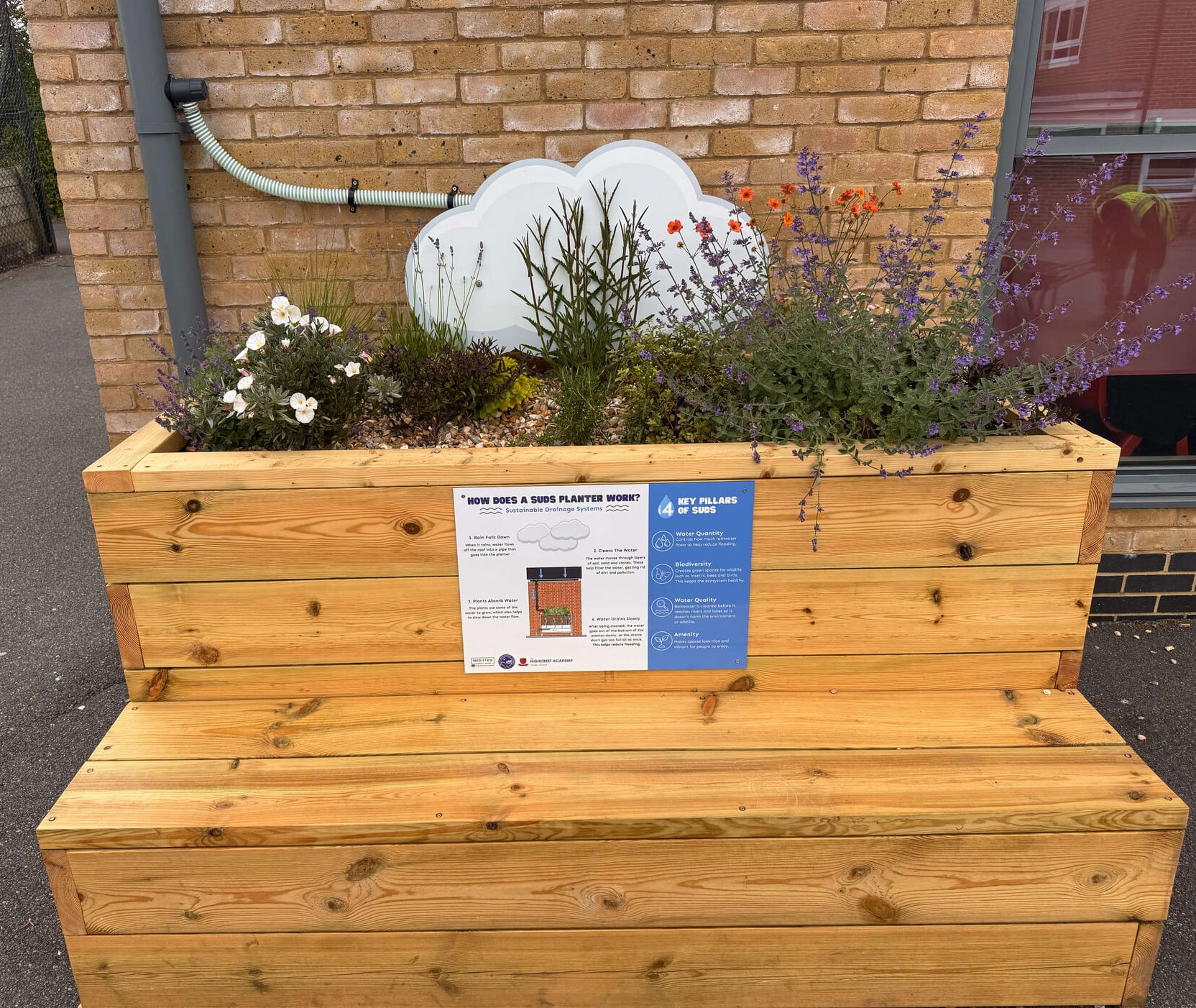
Hybrid SuDS planters use a shallow attenuating aquifer medium base instead. Rainwater enters the planter and is stored before gradually moving upwards through the planting substrate. This provides storage and a gradual release of water back into the drainage system, helping to slow runoff and reduce pressure on existing drainage networks.
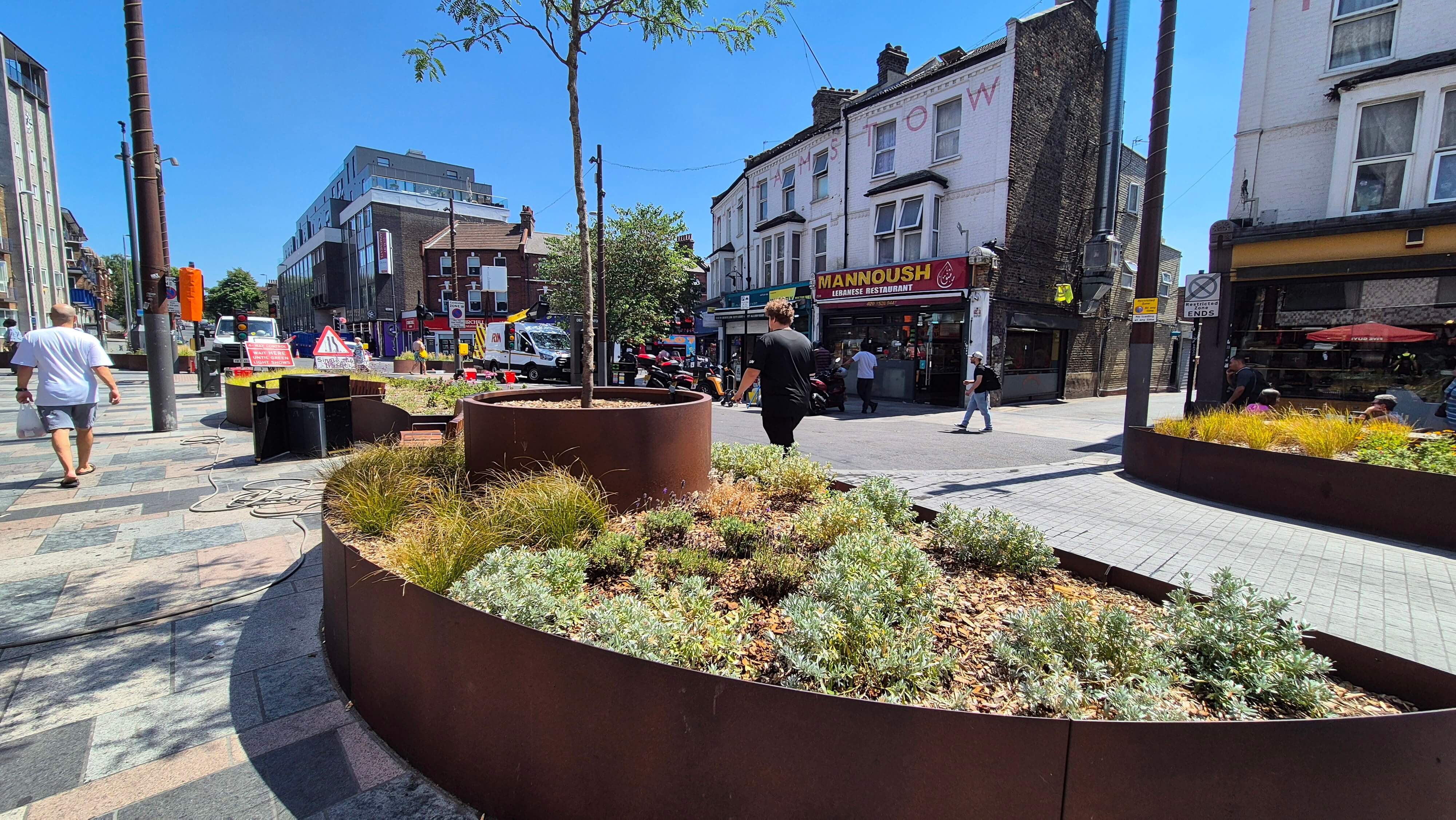
The planters can be adapted to different surfaces, gradients and building requirements, making them suitable for a retrofit scheme into existing playgrounds.
Creating greener school playgrounds
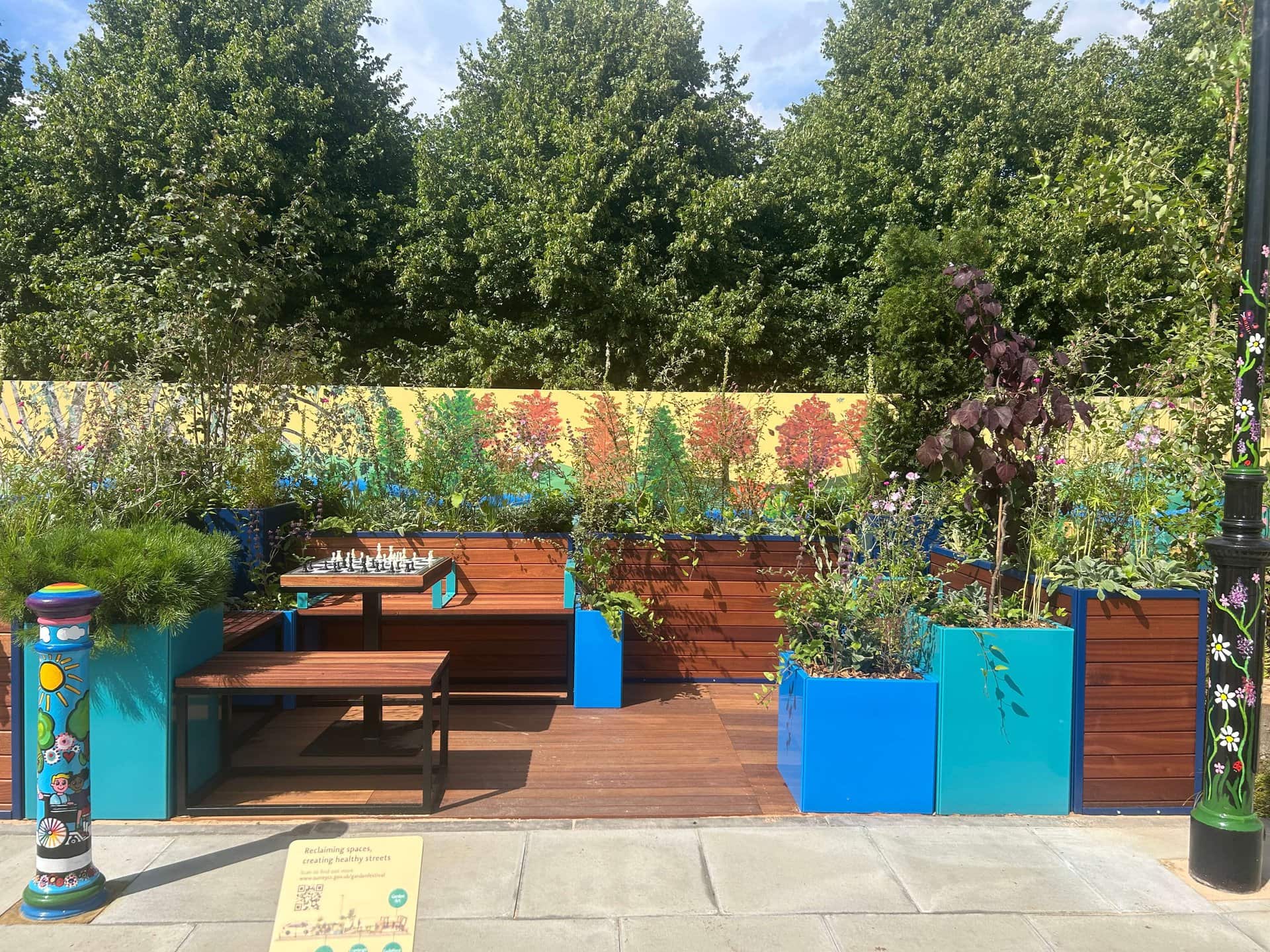
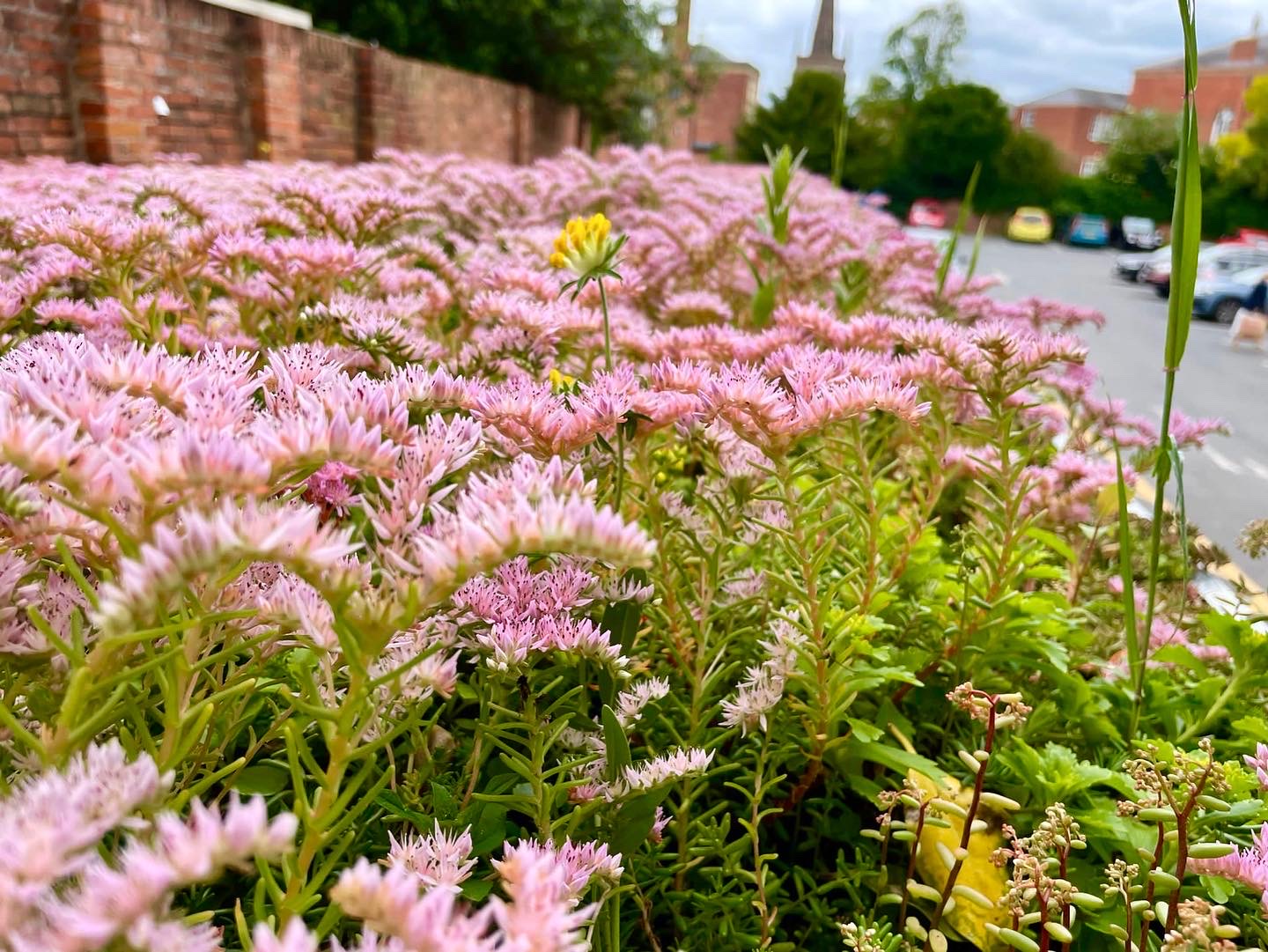
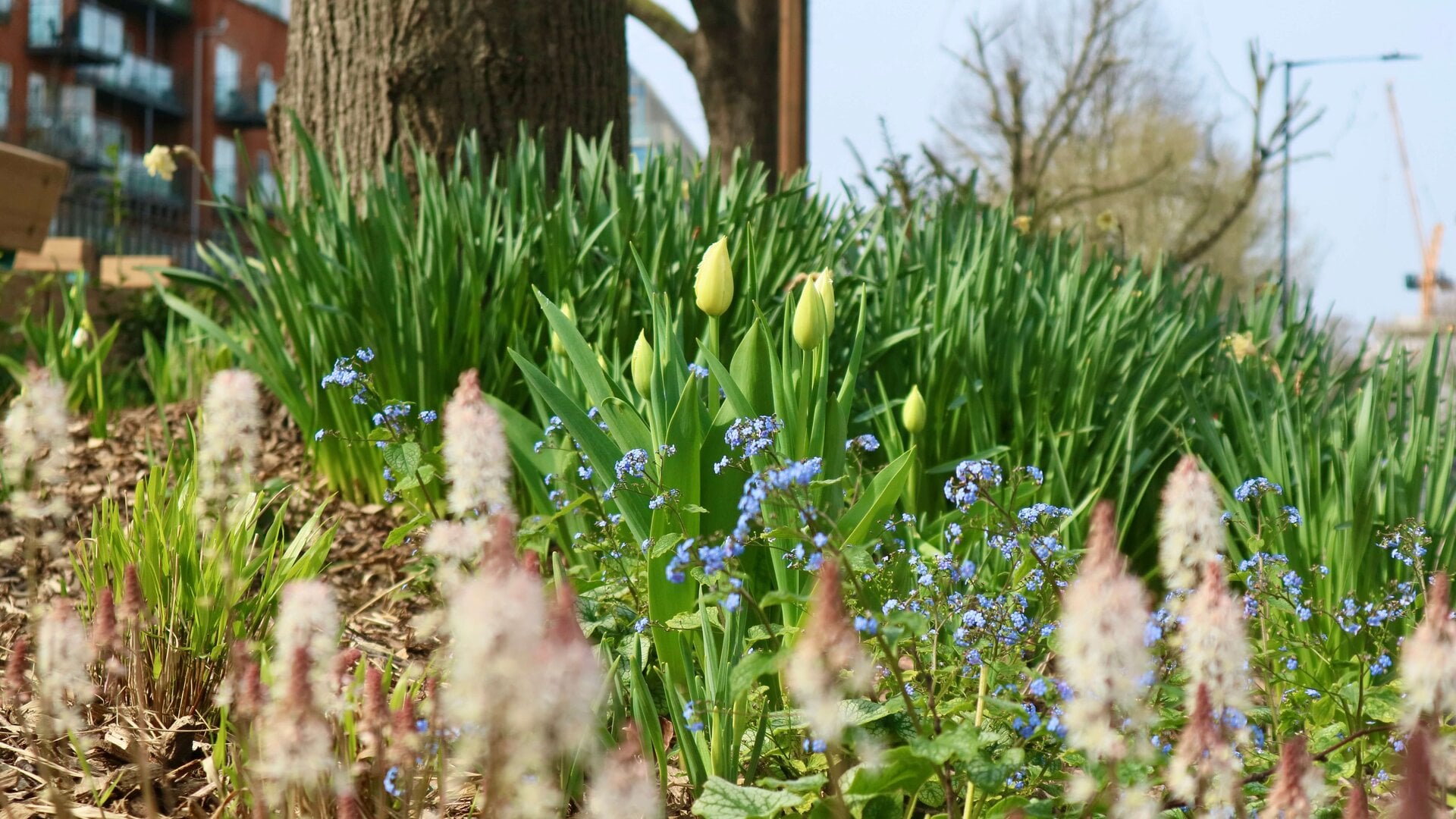
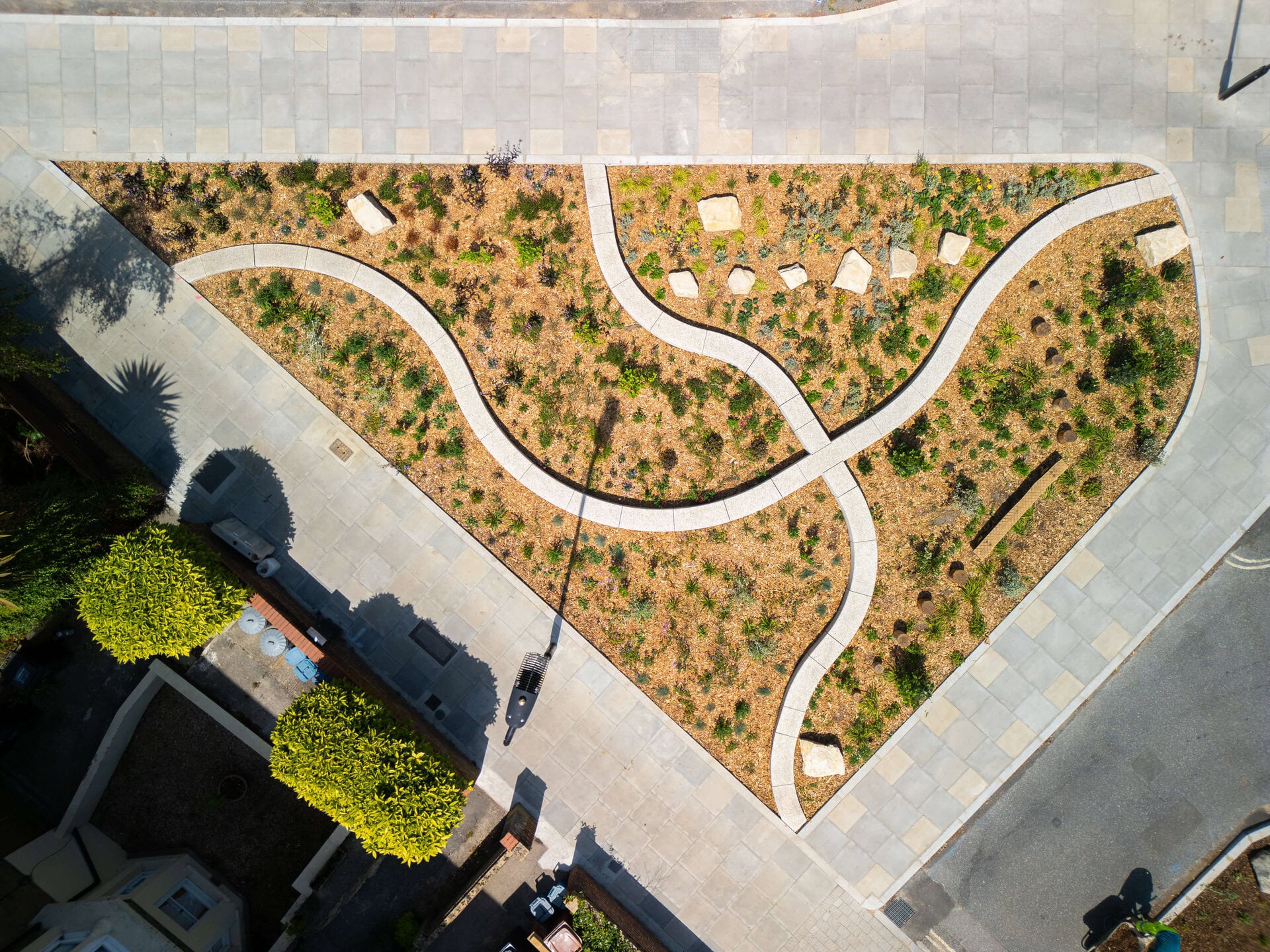
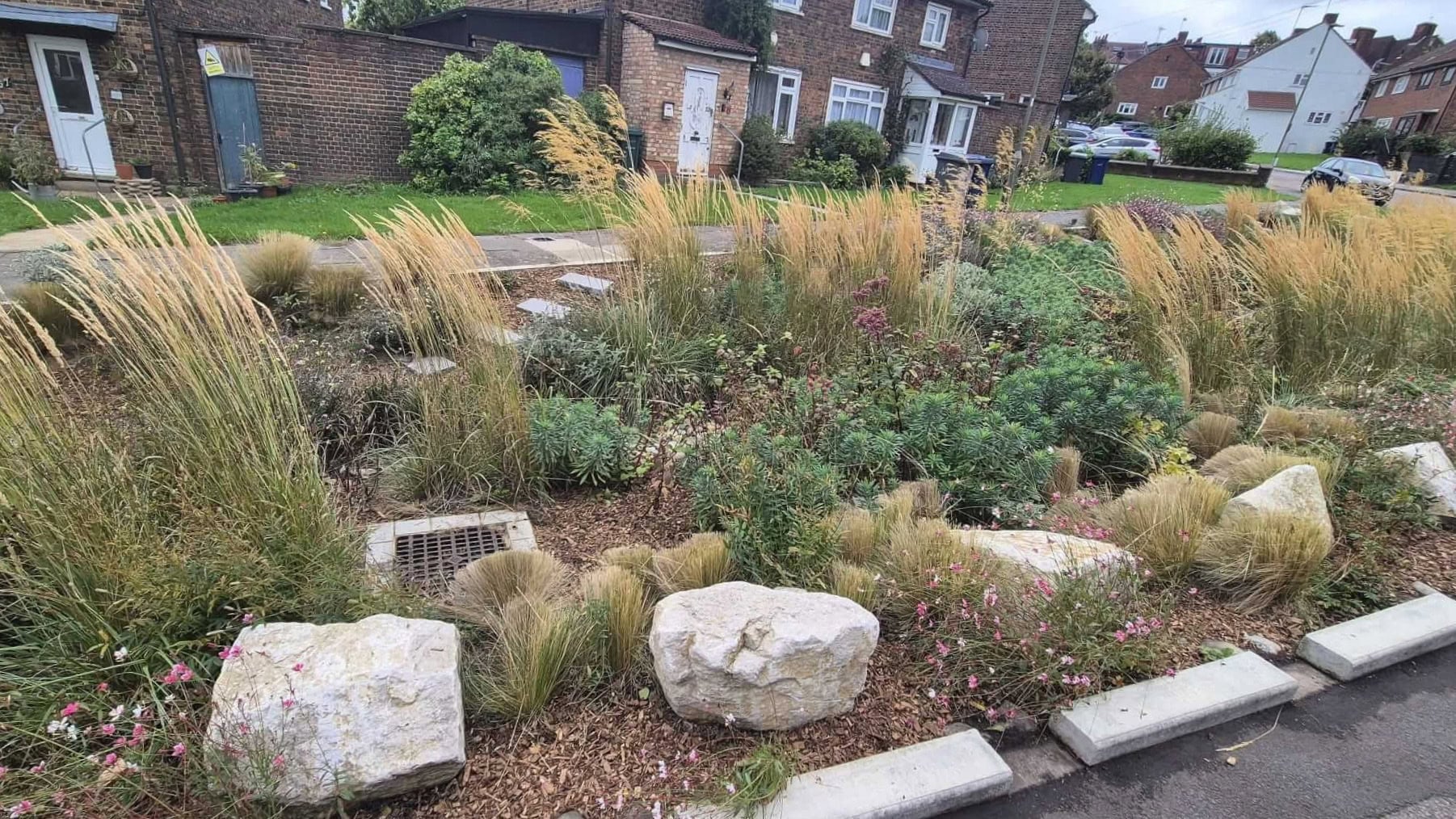
The benefits of a hybrid SuDS planter in schools go beyond just water management. By introducing planted spaces into areas that may otherwise remain hard surfaced, they can help create greener and more biodiverse playgrounds.
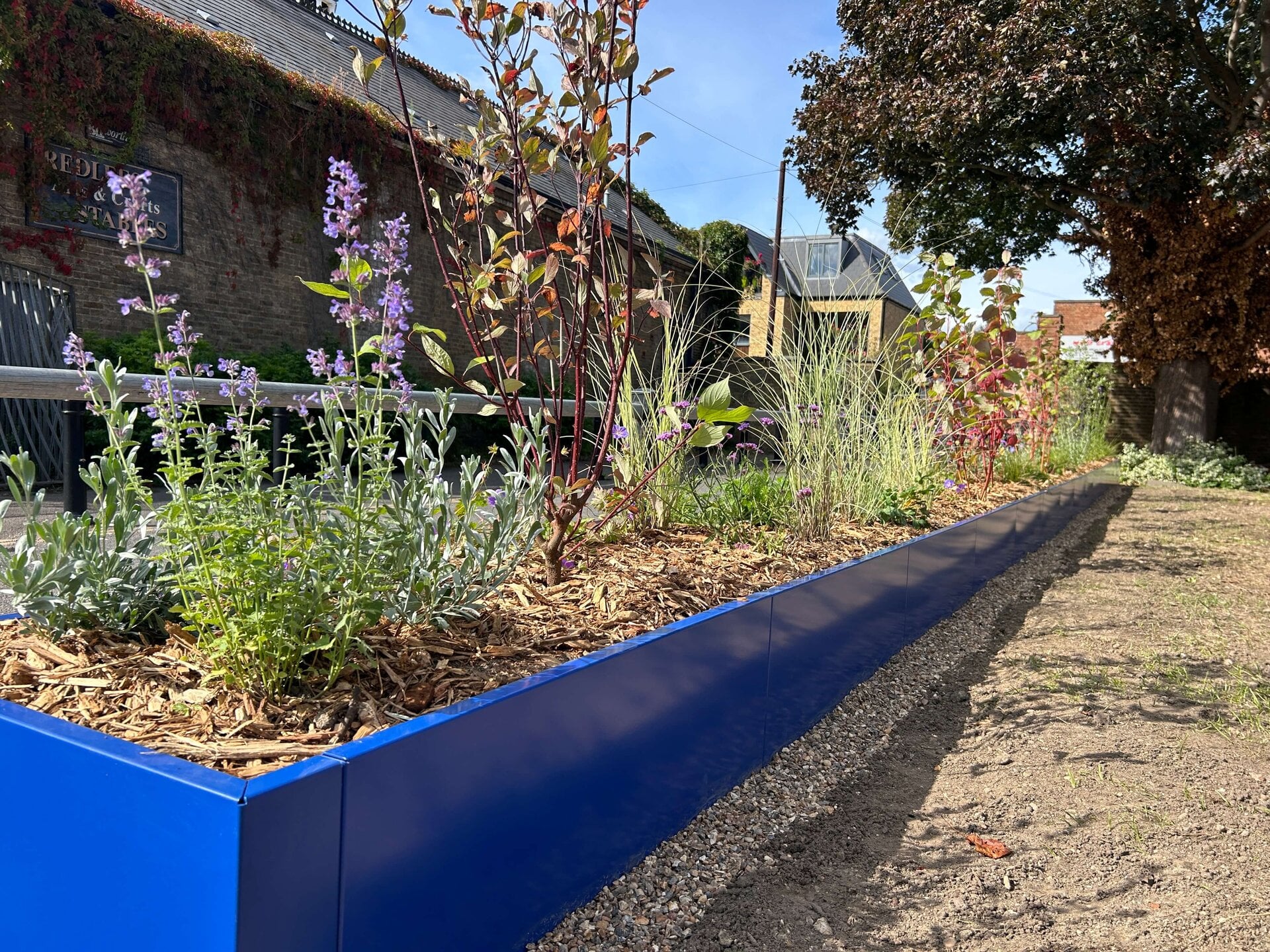
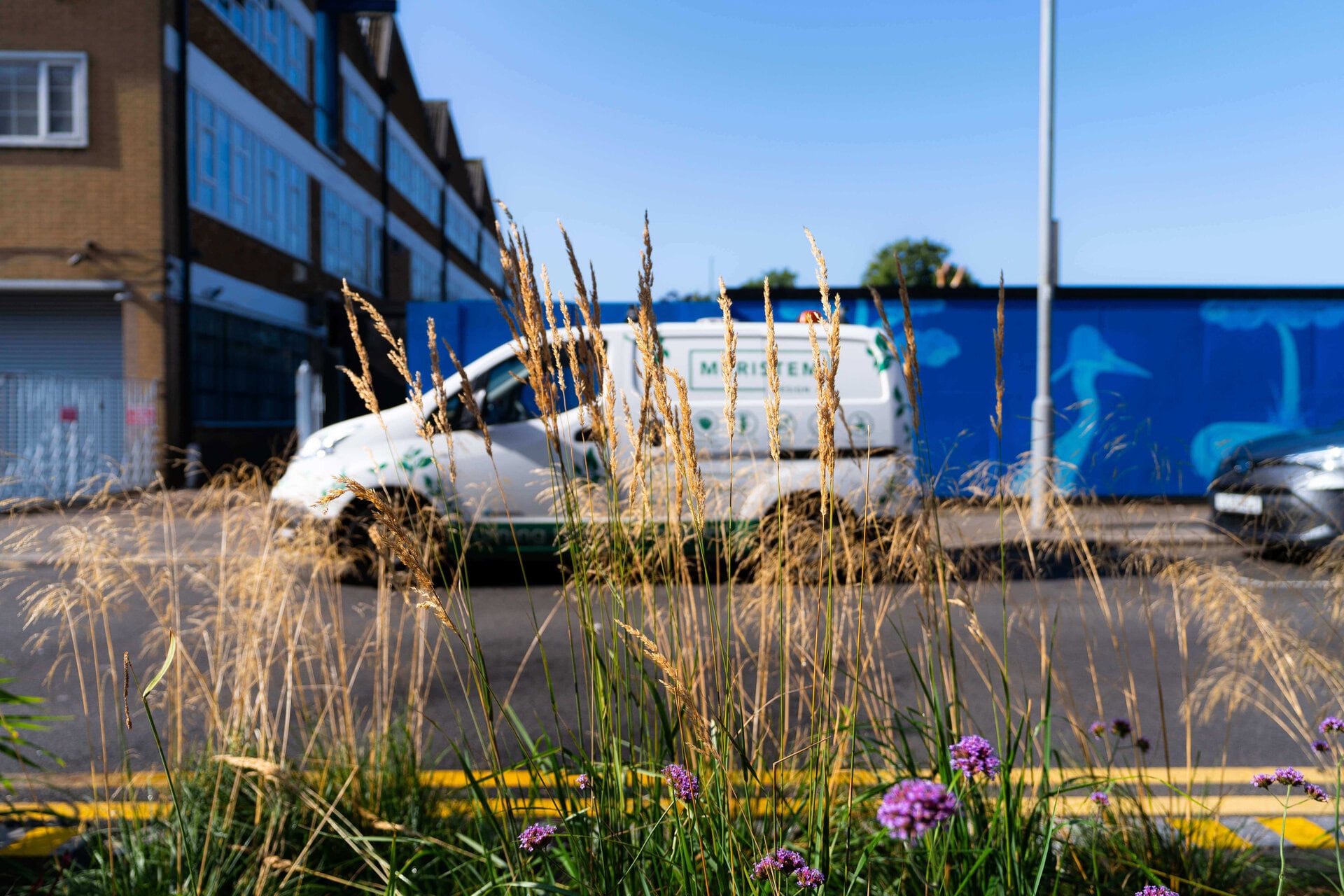
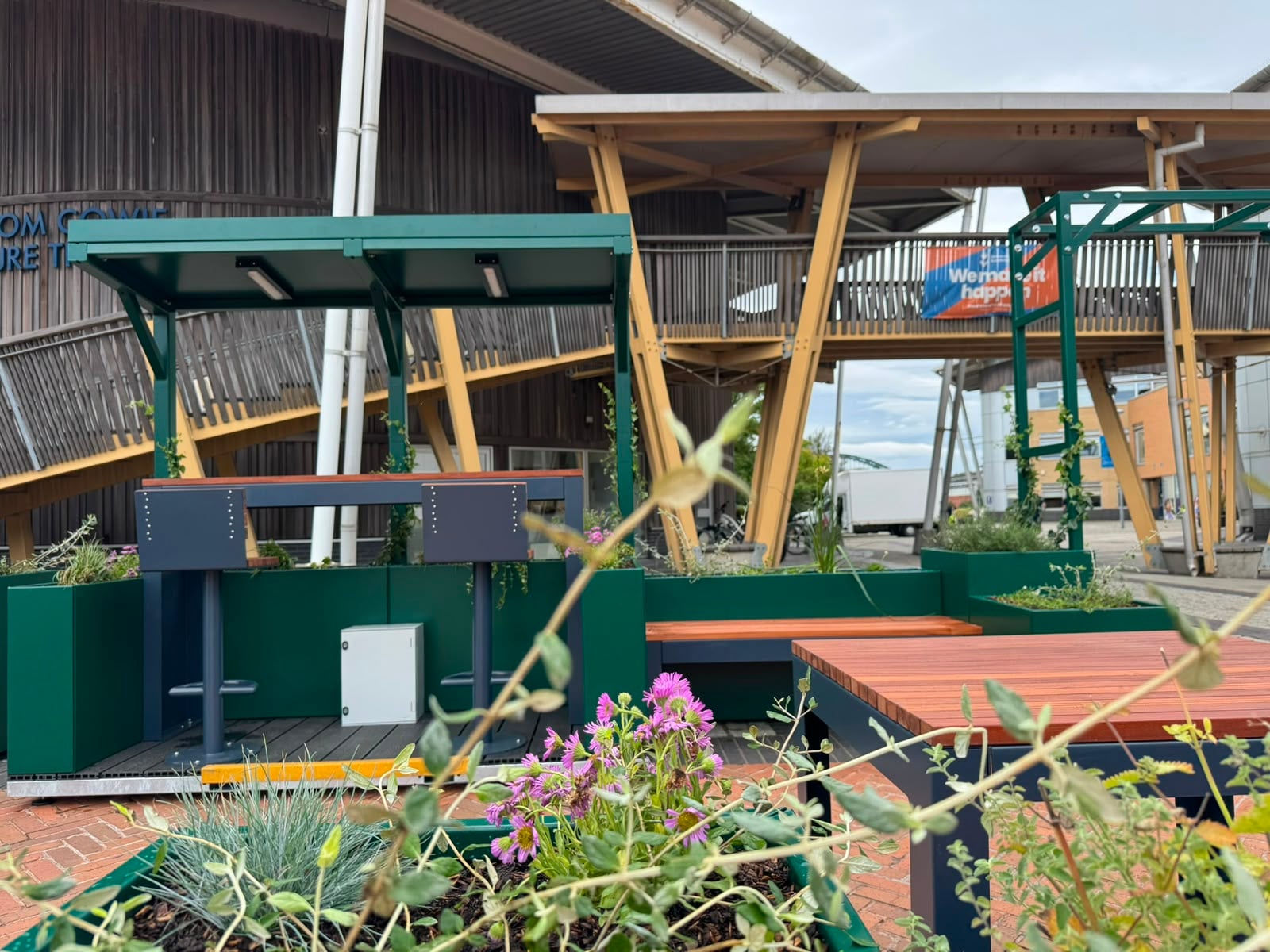
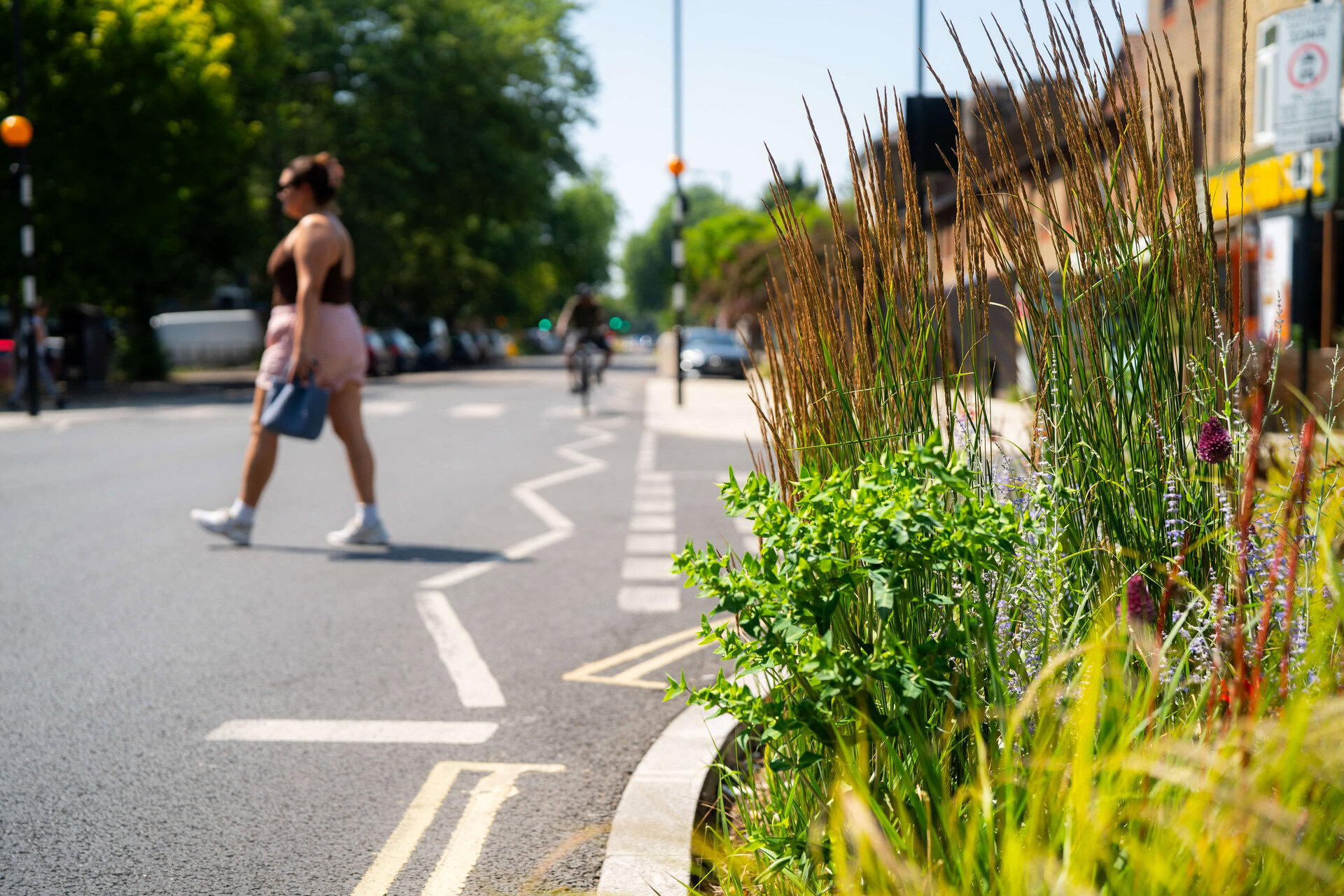
Drought-tolerant and low-maintenance planting can provide seasonal interest and support pollinators, while the planters can incorporate seating, trees and other features.
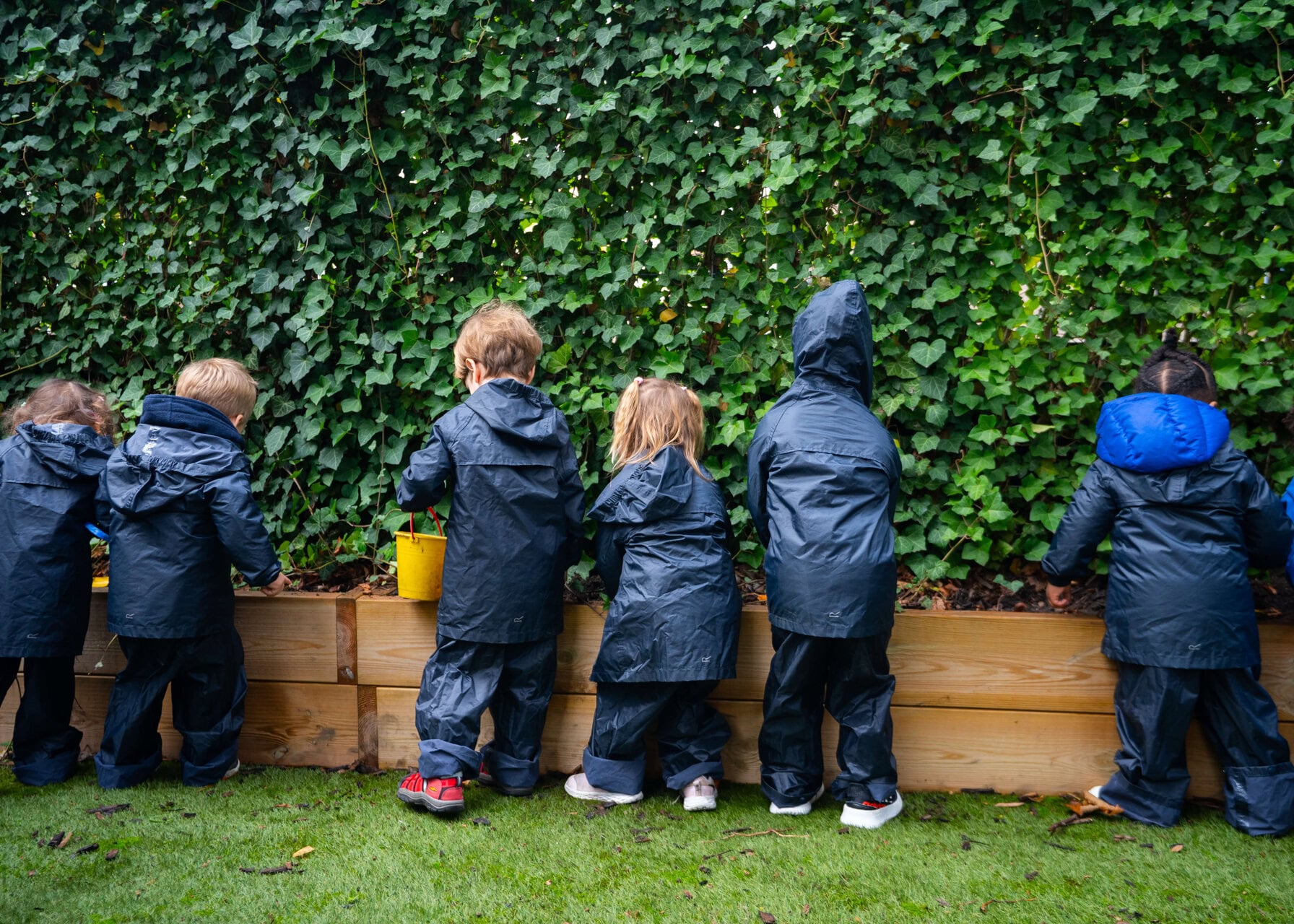
For schools, this creates opportunities to connect pupils with nature and use the landscape as an outdoor learning space.
Hybrid SuDS planters in schools at Trinity C of E Primary School
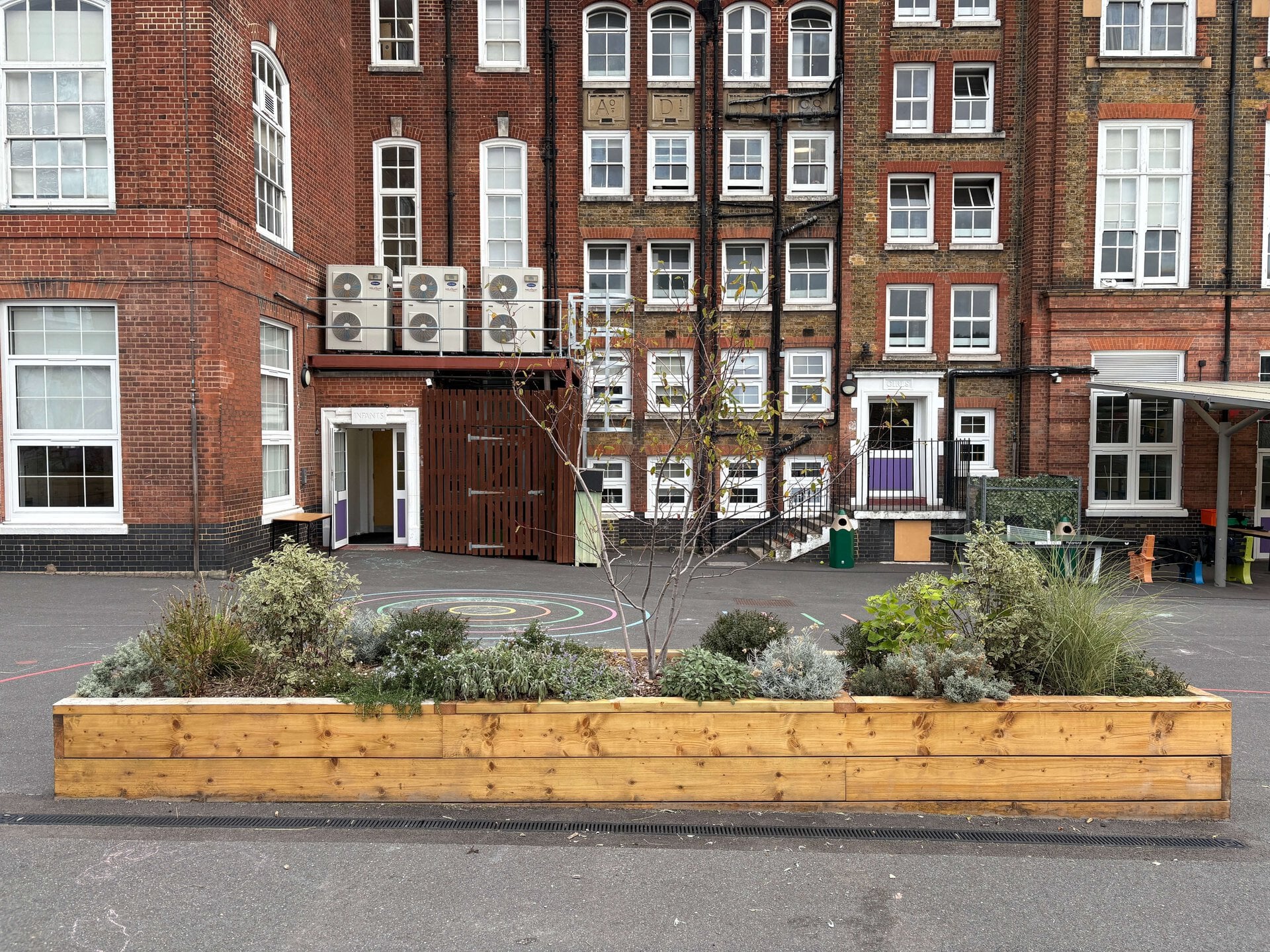
Trinity C of E primary school in Lewisham had experienced repeat flooding in its playground. The school sits at the base of a steep gradient and had limited grass and natural drainage, making it difficult to manage surface and roof runoff.

Designing a Hybrid SuDS planter around the existing site
We worked with Civic and Lewisham council to develop a retrofit SuDS scheme that addressed the schools flooding concerns. It combined hybrid SuDS planters, SuDS planters and channel drains to capture, store and slowly release water. Consisting of:
- Four large-scale hybrid SuDS planters
- Two additional SuDS planters that were connected to diverted downpipes
- A water butt
The planters were sized, cut and installed to suit the steep gradient and conditions of the site. Together, the features capture and slow water, helping to reduce surface water build-up and pressure on the drainage system.
Bringing biodiversity and learning into the playground
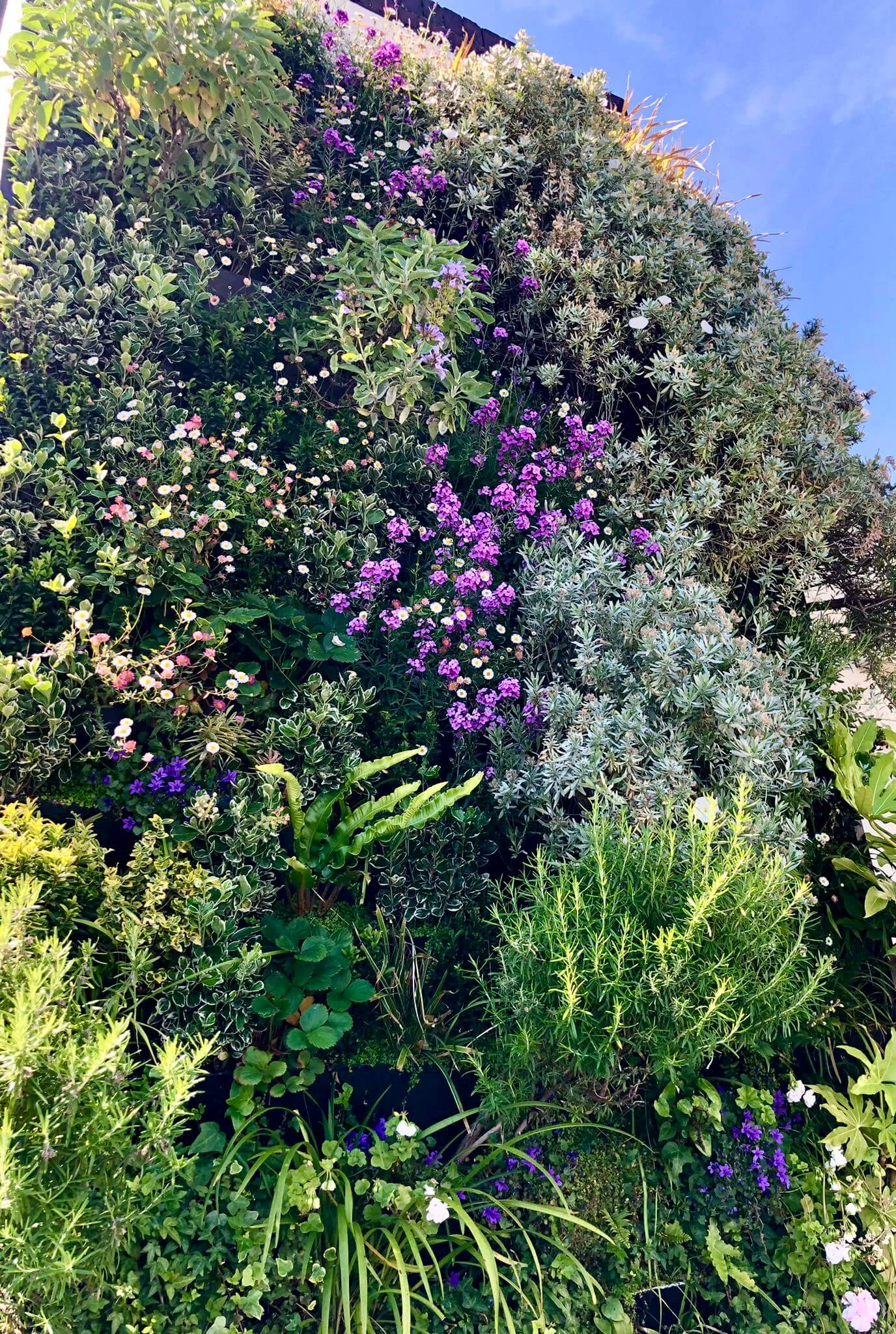
The drainage improvements were accompanied by a biodiverse planting scheme featuring trees, grasses and edible planting. This introduced new habitats into a previously concrete-dominated playground while creating opportunities for pupils to interact with nature.
We also ran a planting workshop with students, giving them practical experience of planting and caring for their new green spaces.
For schools with limited space or challenging ground conditions, a hybrid SuDS planter can provide a way to introduce greenery and sustainable drainage without causing major disruption. By combining water management with planting and opportunities for learning, SuDS become an integrated part of the school environment rather than just a piece of infrastructure.