Schools are not always the first places people consider when it comes to drainage infrastructure. But with over a fifth of London schools at risk of surface water flooding, and flooding in UK schools costing over £12 million in damages and 400,000 lost pupil days in a single year, the case for utility landscaping in schools is only growing stronger.
Water and utility companies are increasingly recognising that school grounds and playgrounds offer some of the most impactful locations for investment into sustainable drainage. And when designed well, sustainable drainage can do a lot more for schools than just manage rainwater.
What does utility landscaping in schools look like?
Utility landscaping in schools integrates sustainable drainage and green infrastructure directly into school grounds, turning previously hard, impermeable surfaces into functional and biodiverse spaces that benefit pupils, staff and the wider community.
Sustainable drainage systems for utility landscaping in schools
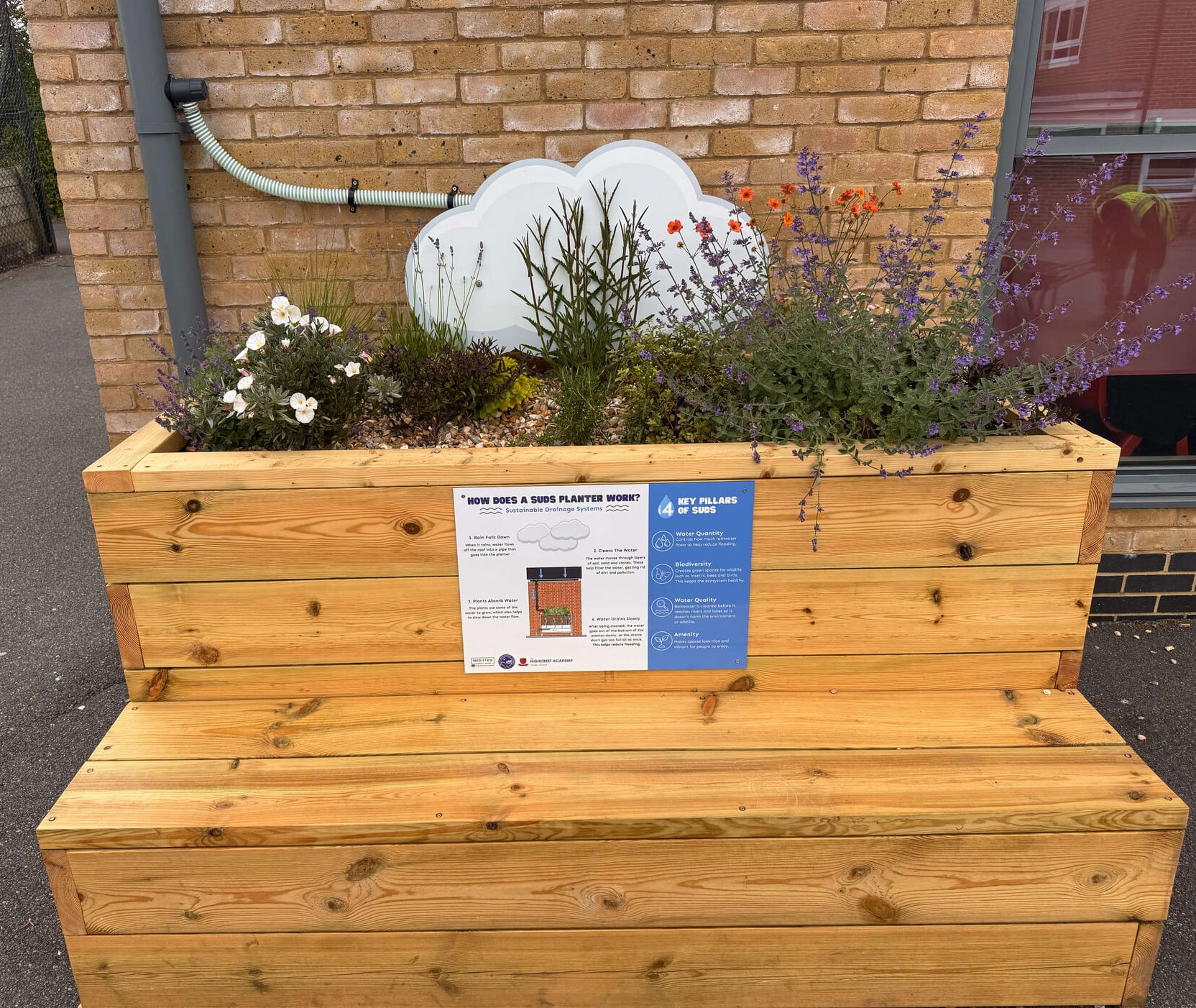
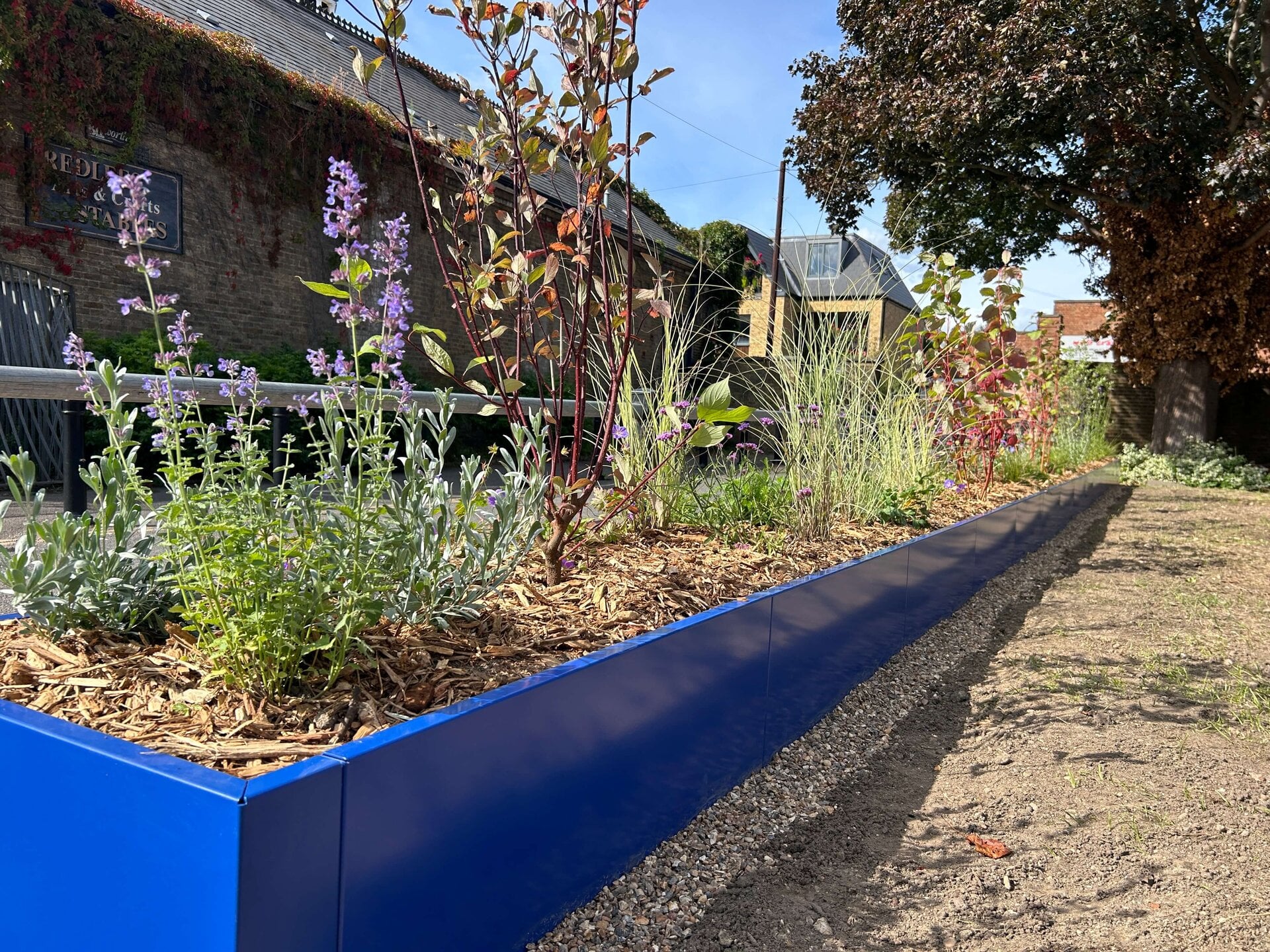
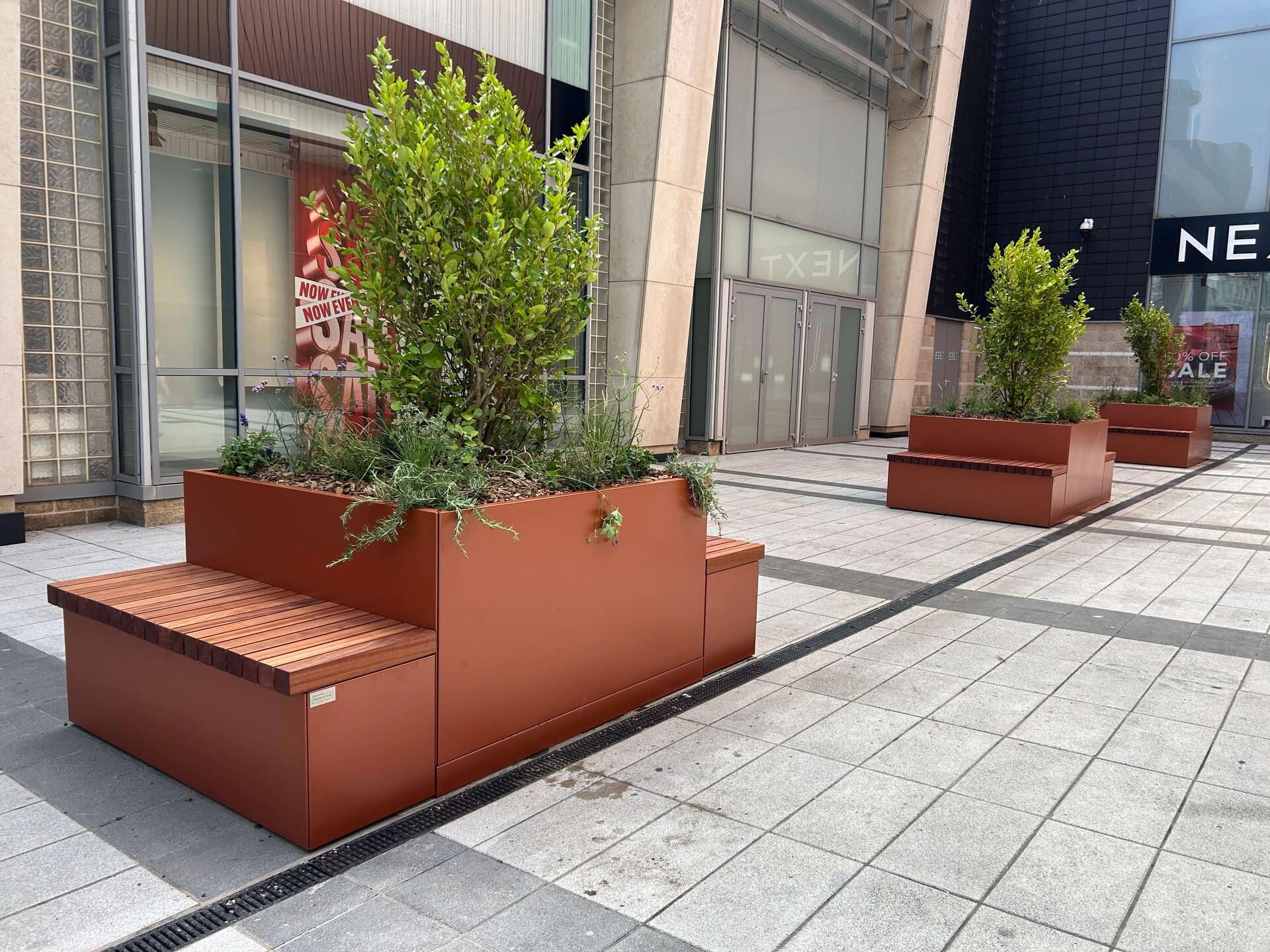
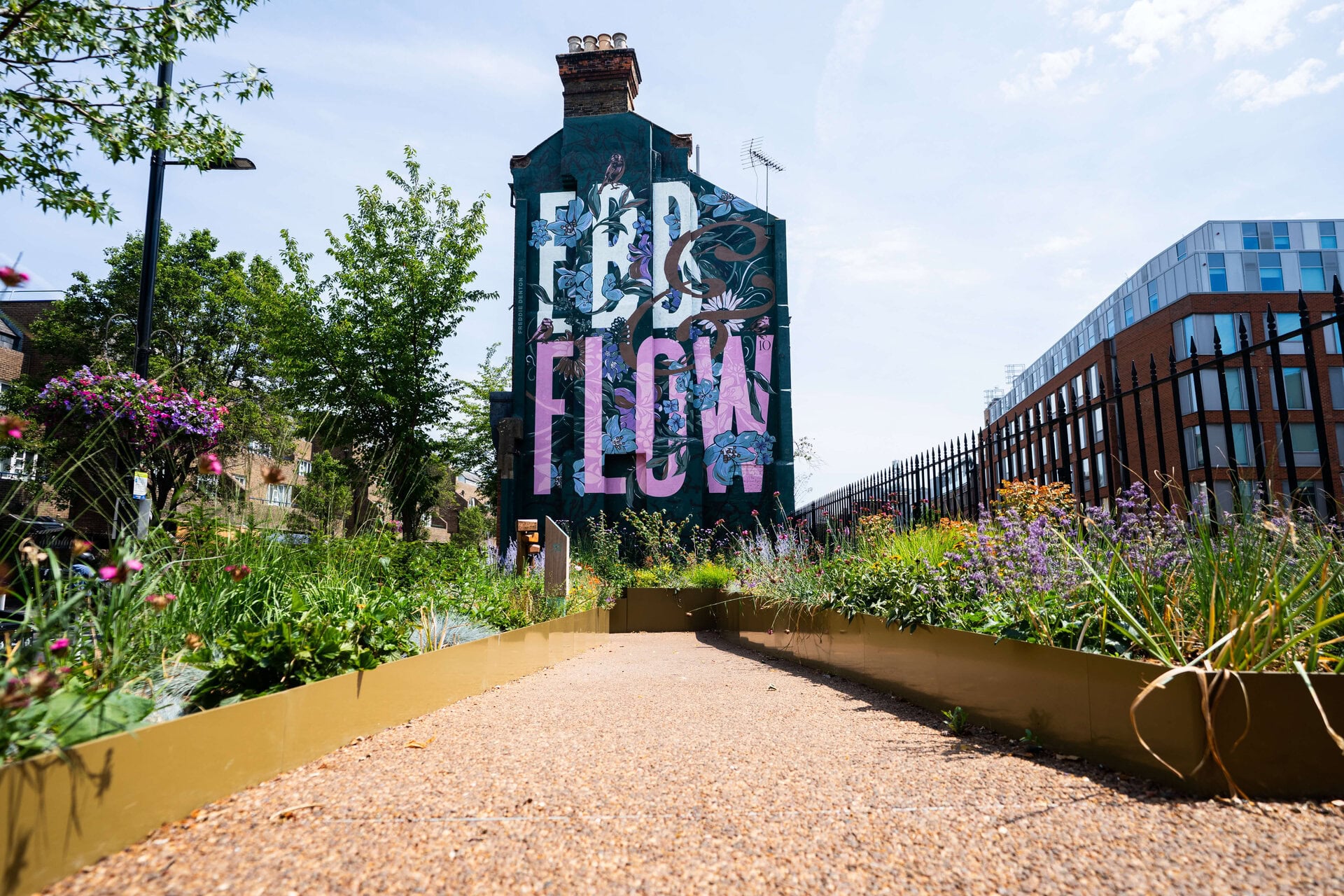
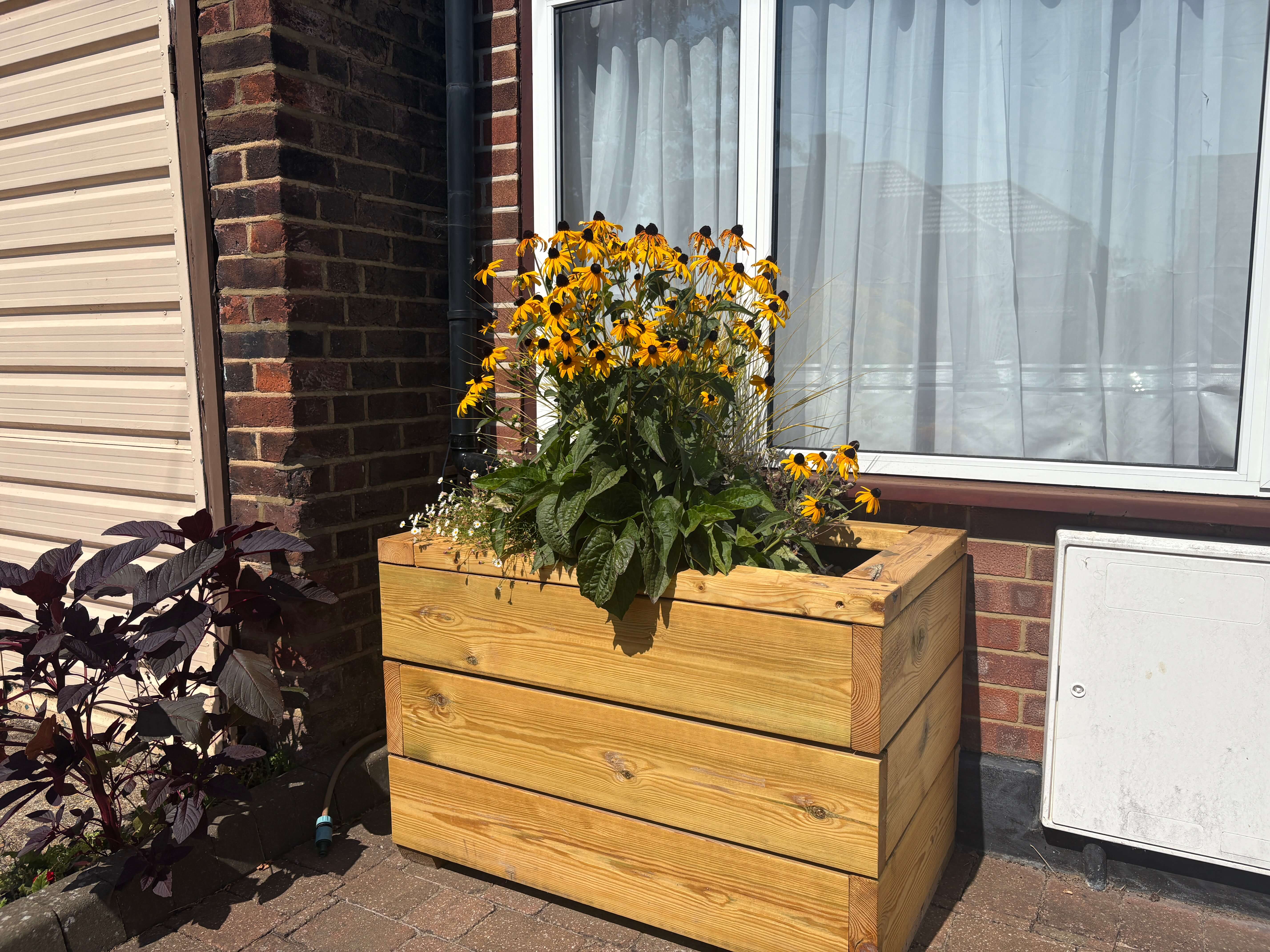
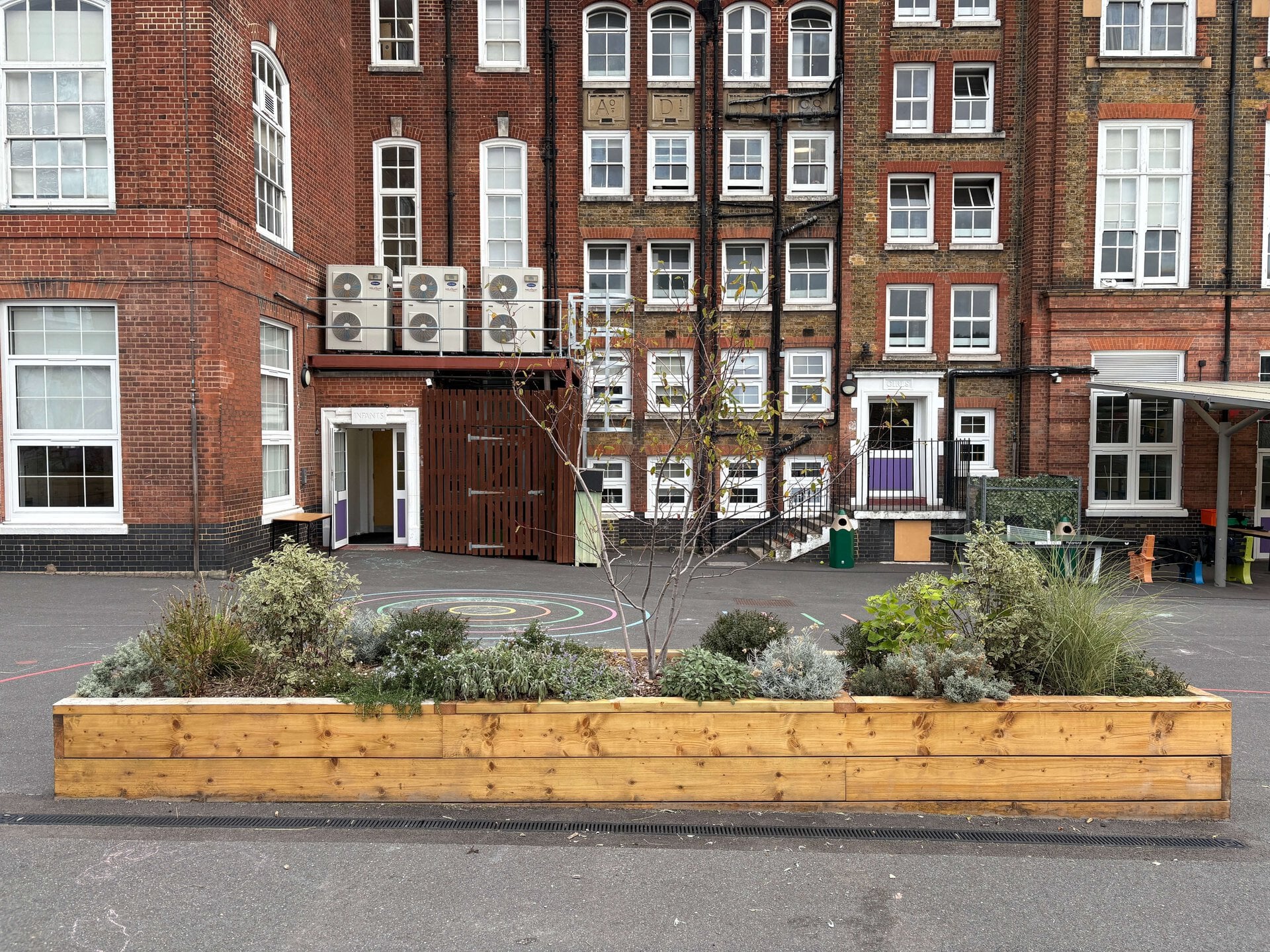
SuDS features we've commonly installed in school environments include rain gardens, SuDS planters, hybrid SuDS planters and rainwater harvesting systems such as water butts. Often connected to roof downpipes and positioned to at surface water interception points, these systems capture, store and slowly release rainwater which reduces the volume and speed of water entering wider drainage networks during episodes of heavy rainfall.
Interactive and play features
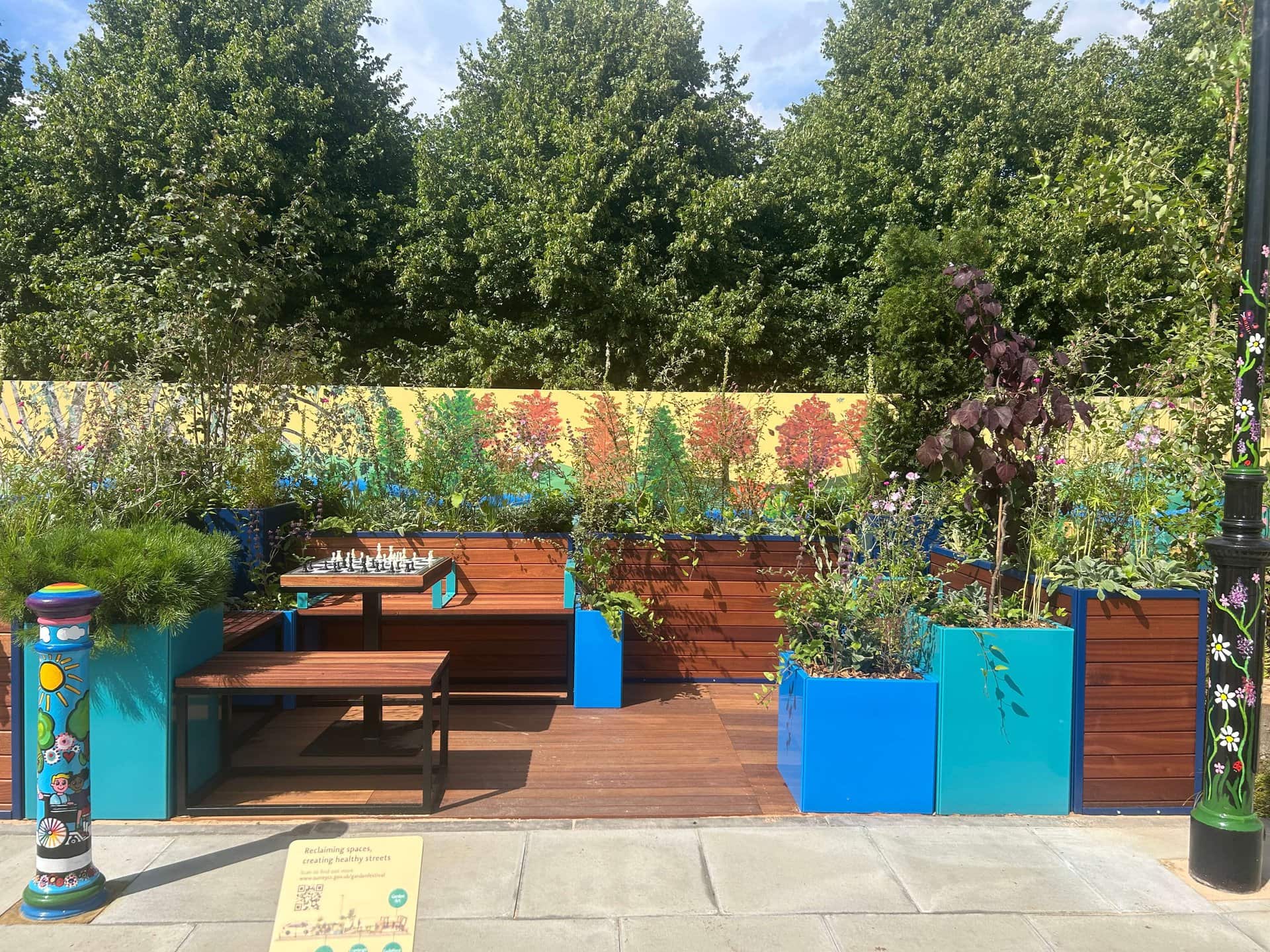
Utility landscaping in schools goes beyond drainage when the systems are designed with the interests of children in mind. Incorporating play and interactive elements like stepping logs, murals, rain clouds and educational signage can bring the space to life and play an active role in turning a drainage feature into a space children can use and learn from.
The impact of surface water flooding on utility landscaping in schools
Surface water flooding is one of the biggest challenges facing school grounds today and it is a primary reason why utility landscaping in schools has become a more prevalent investment for water companies, local authorities and schools alike.
The impact of flooding on schools and pupils
When surface water flooding affects a school, the consequences extend beyond just a few puddles in the playground. Water can enter school buildings and cause temporary closures, disrupting students' learning and placing more pressure on staff, families and local authorities. Flooding already costs schools millions of pounds of damages each year and as rainfall becomes more frequent and intense, that figure is only expected to grow.
Creating outdoor learning spaces
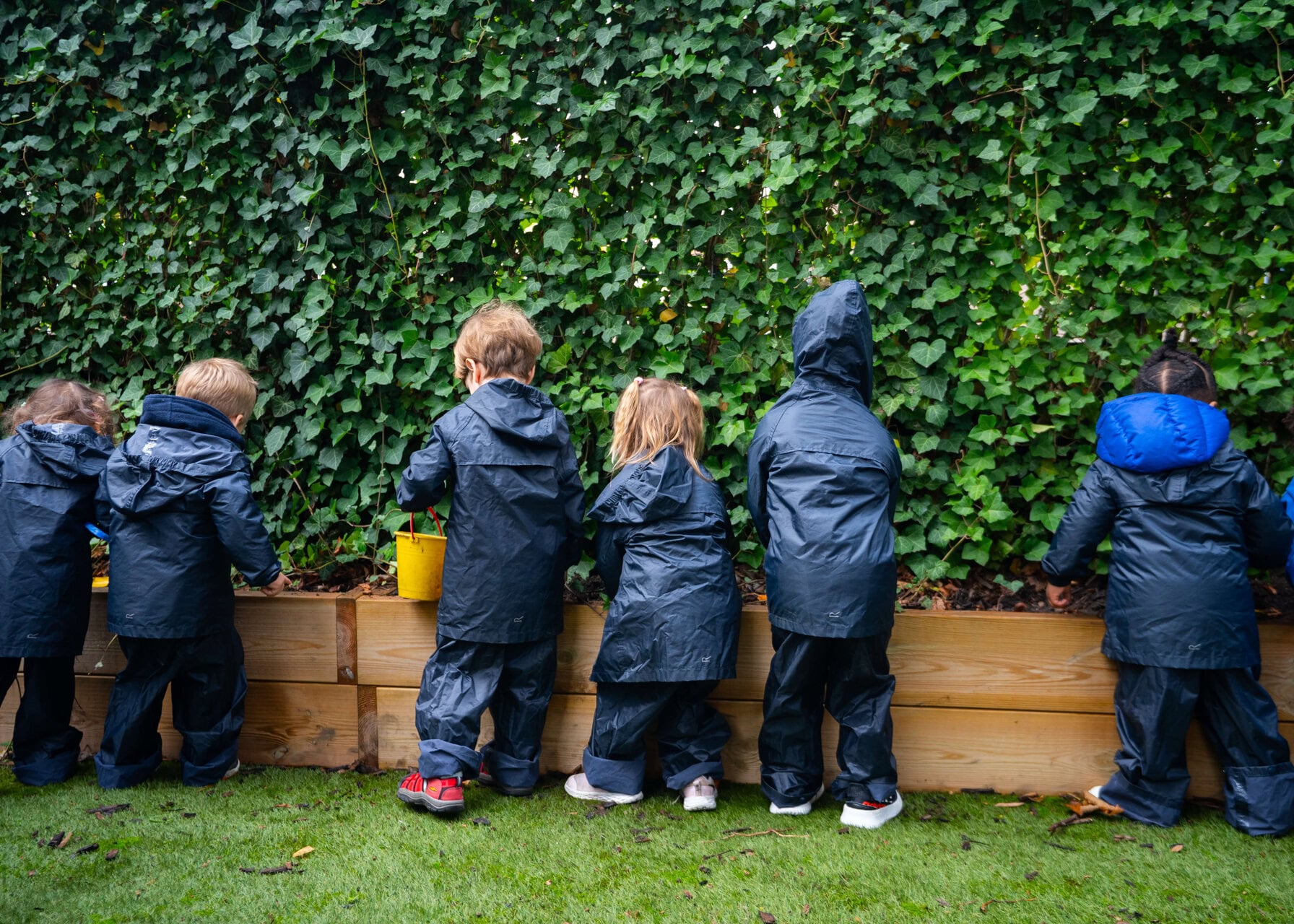
Beyond flood risk, utility landscaping in schools creates outdoor learning opportunities. Pupils who are involved in planting, maintaining and caring for SuDS features develop a hands-on understanding of water management, biodiversity and climate resilience. These themes are becoming more important for children to understand as the climate continues to shift.
How water and utility companies are funding utility landscaping in schools
Water companies have a direct interest in reducing the volume of surface water entering combined sewers, and school grounds can offer sites of high impact to do that. Dedicated funding schemes can stem from organisations like the Department for Education and water companies like Thames Water and Southern Water. Multi-partner initiatives create more routes for schools, local authorities and water companies to fund and deliver projects in schools at scale.
Partnering with water companies for utility landscaping in schools
Partnerships between water companies, local authorities and specialist contractors allow utility landscaping projects to be delivered consistently across multiple sites, with efficiency in design, installation and aftercare.
Utility landscaping in schools in practice
Climate Resilient Schools, London - GLA, DfE and Thames Water
As part of the GLA's Climate Resilient Schools programme, we designed, built and installed SuDS planters across 72 London schools prioritising those at highstest surface water flood risk. Some of the key highlights include:
- 564 SuDS planters across 72 schools
- Priority given to schools in the highest surface water risk flood bands
- Planters capture and store rainwater from rooftops, reducing strain on drainage systems
- Planting workshops with the pupils to encourage practical skills and maintenance knowledge
- Planters feature murals and artwork to create brighter and interactive features

Hounslow schools: utility landscaping through the Thames Water strategic partnership
Working with Hounslow Council, Thames Water and Thames21, we delivered rain gardens and SuDS planters at two schools in Hounslow as part of a five year surface water management programme. Key highlights:
- 2 rain gardens designed to capture and manage rainwater naturally
- 25 SuDS planters installed throughout both school grounds
- Features connected to roof downpipes to intercept runoff at source
- Biodiversity and air quality improvements alongside flood risk reduction
Smallberry green primary school rain garden - before
Smallberry green primary school rain garden - after
East Sussex: Utility landscaping in schools through the Blue Heart programme
In collaboration with East Sussex County Council and partners including Southern Water and the Environment Agency, we delivered bespoke SuDS designs across 32 schools in Eastbourne and Southern Wealdon. Some key points include:
- Installations across 8 schools in phase 1 and 2, with phase 3 ongoing
- Co-designed planters featuring pupil artwork, rain clouds and colourful murals
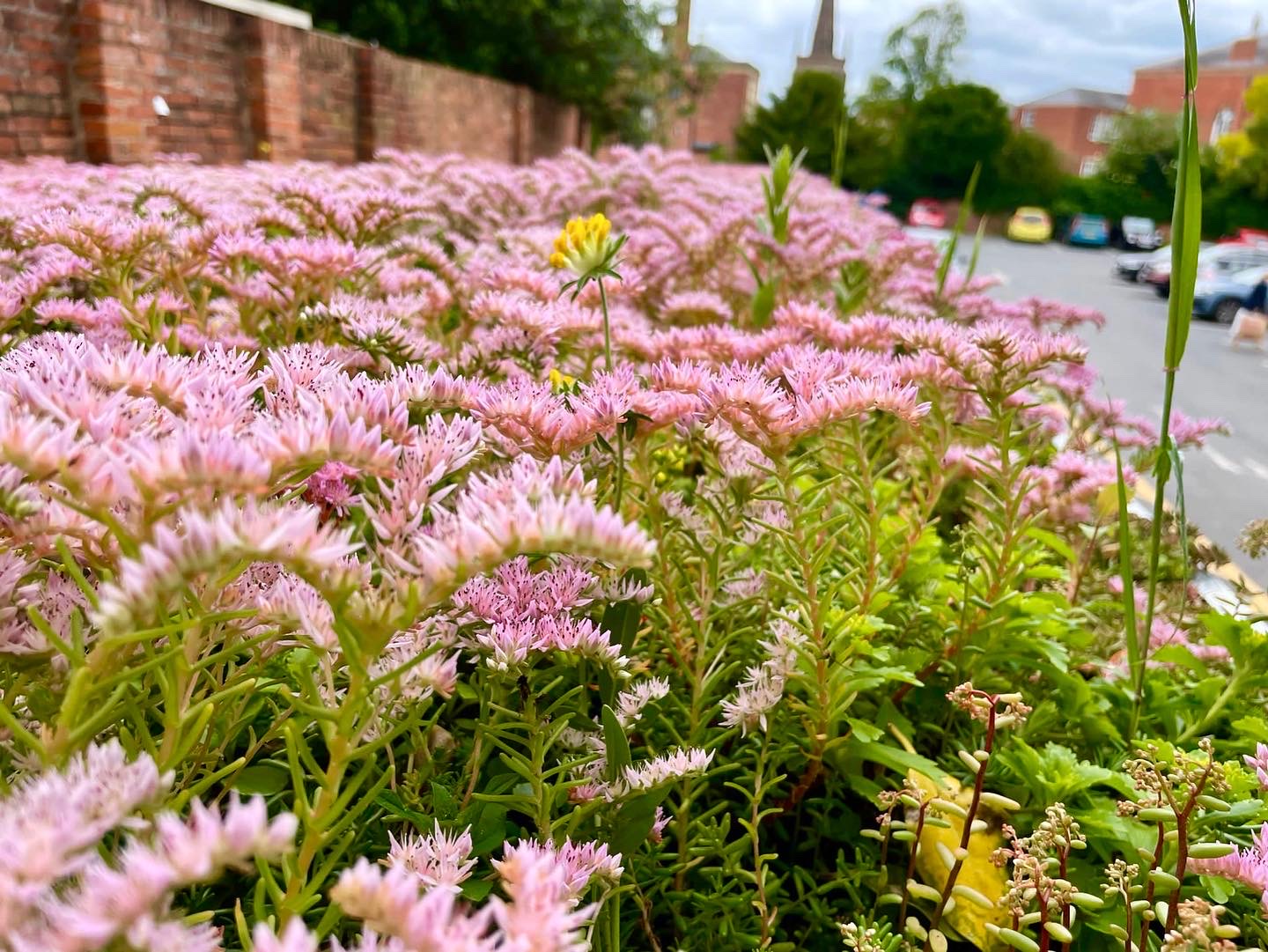
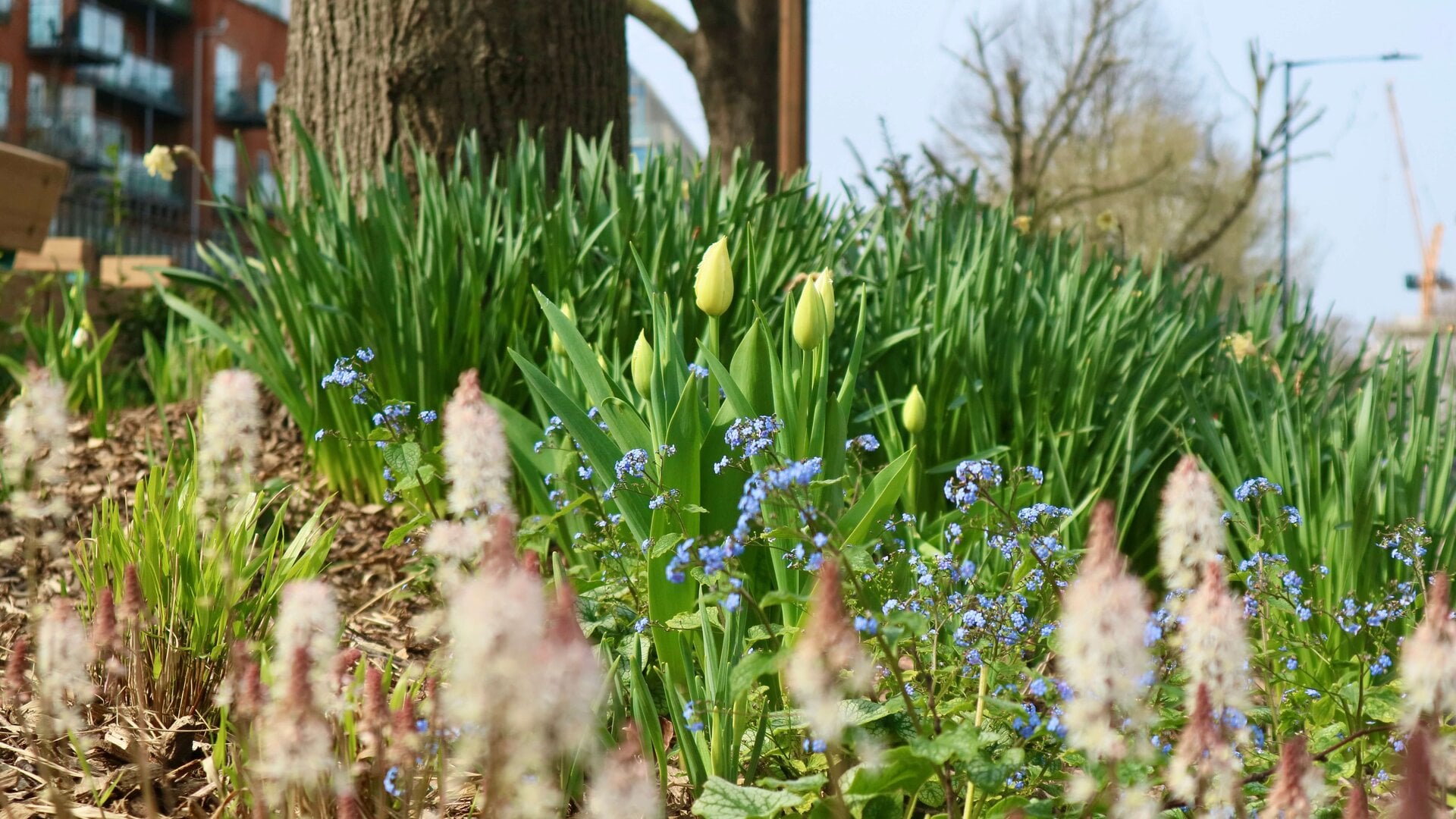
- Pollinator-friendly planting enhancing biodiversity across school grounds
How to get started with utility landscaping in your school
If you are a school looking to address flooding on your grounds, a local authority managing area-wide school improvements or a water company seeking a school SUDS delivery partner, we are able to help. We have experience managing utility landscaping in schools from initial designs through to installation, pupil engagment and long-term maintenance. Get in touch to find out more.