
About us












Case studies
Mission Grove School
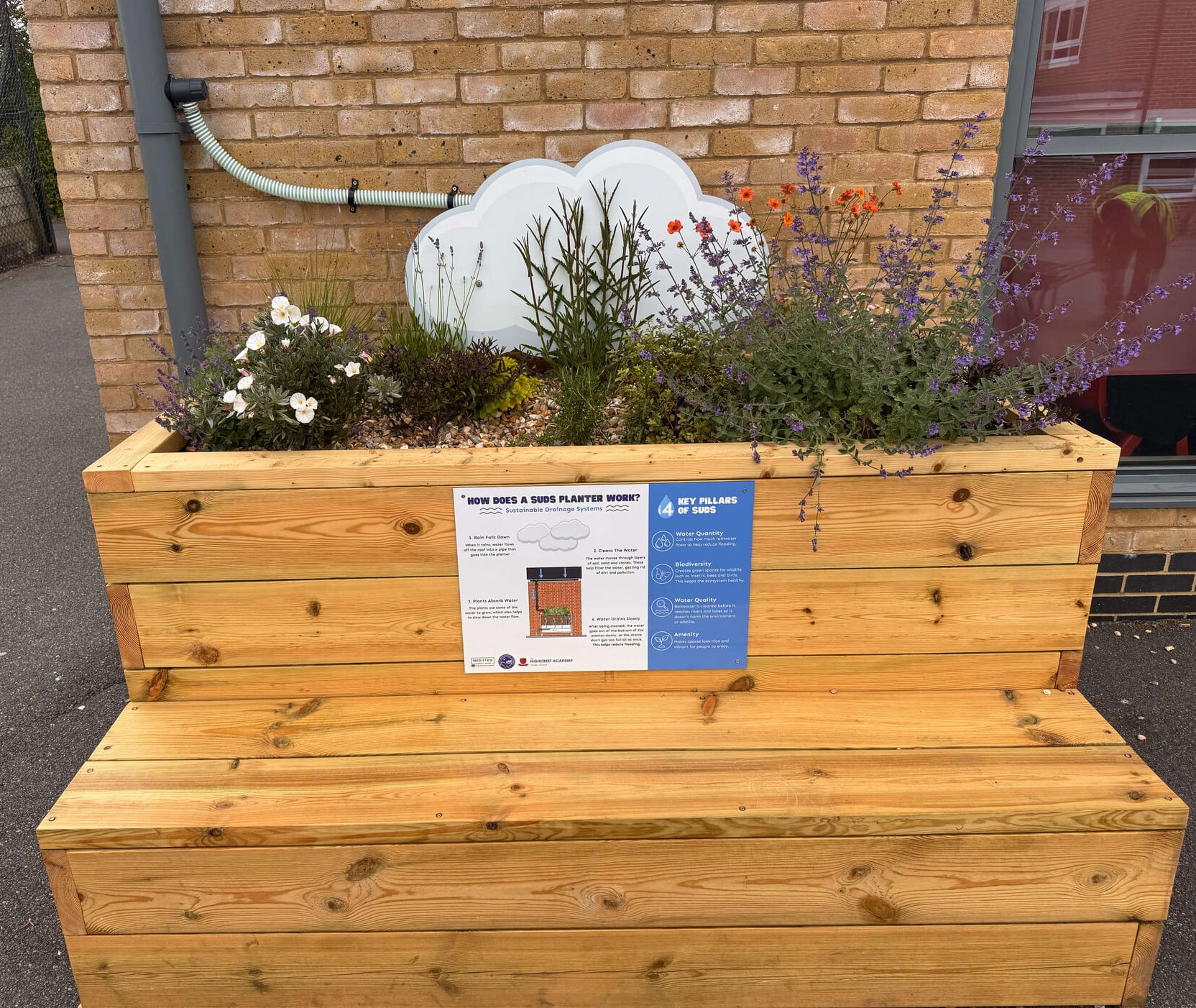
Innovative SuDS in Schools: Mission Grove Primary
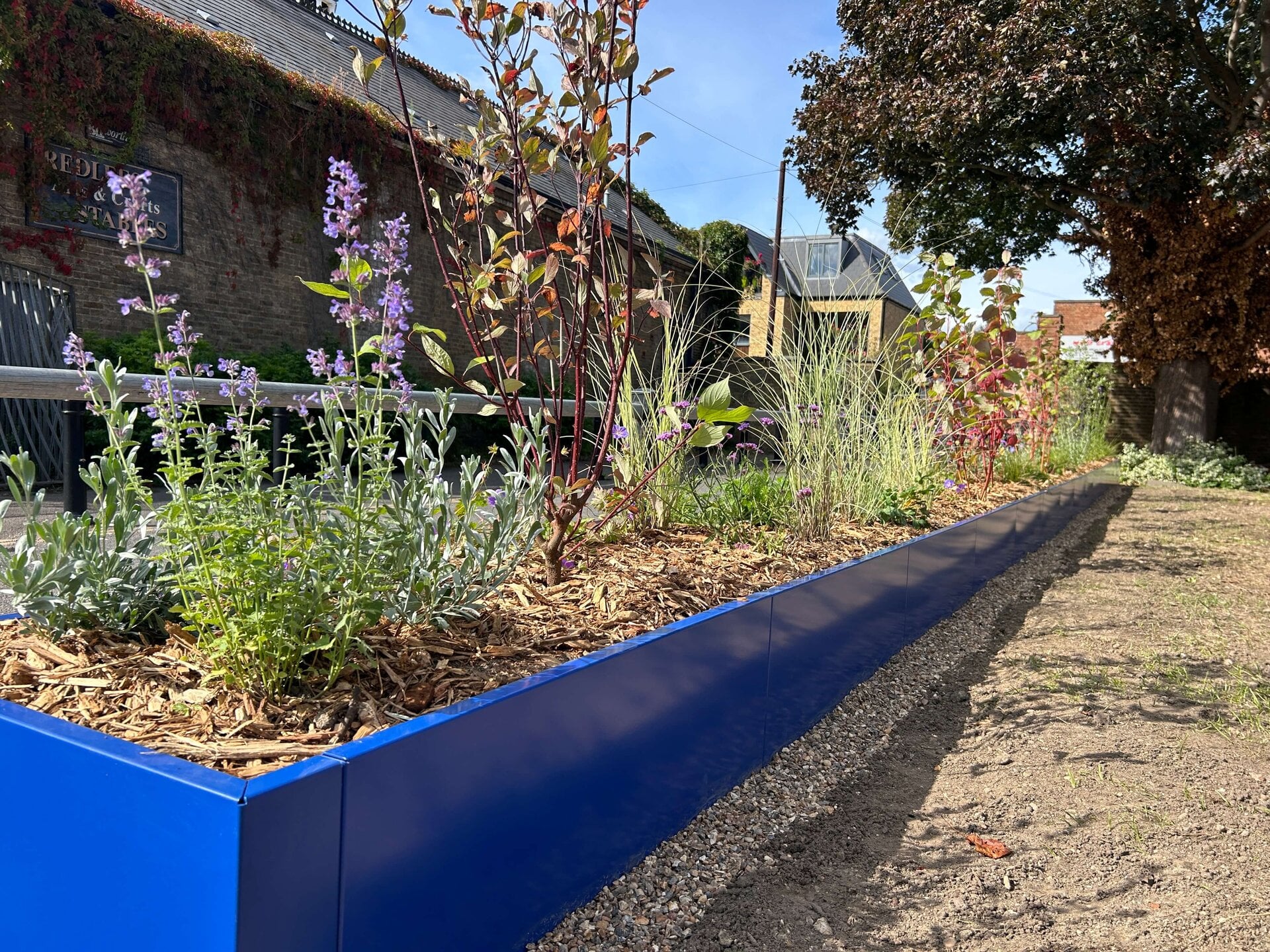
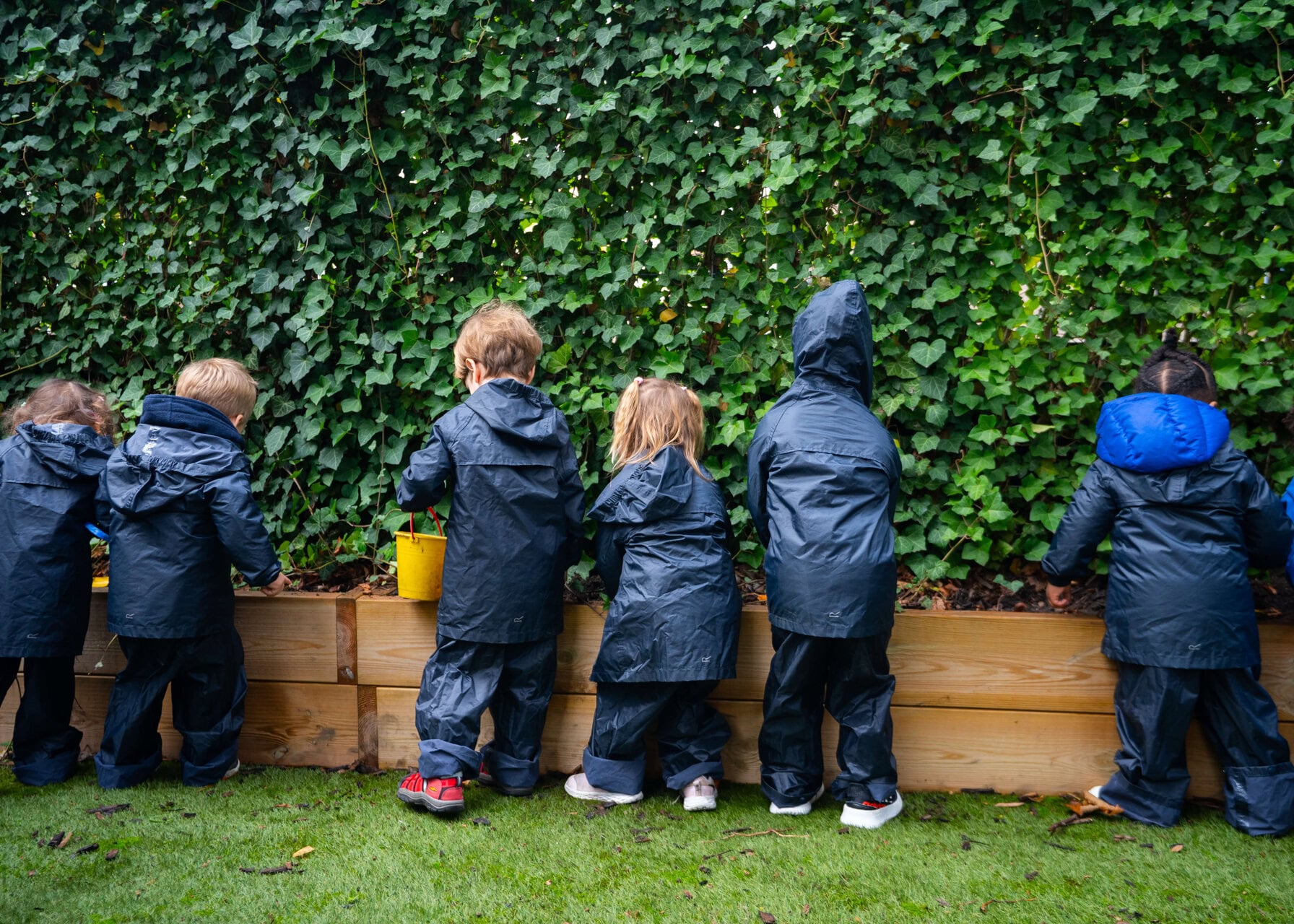
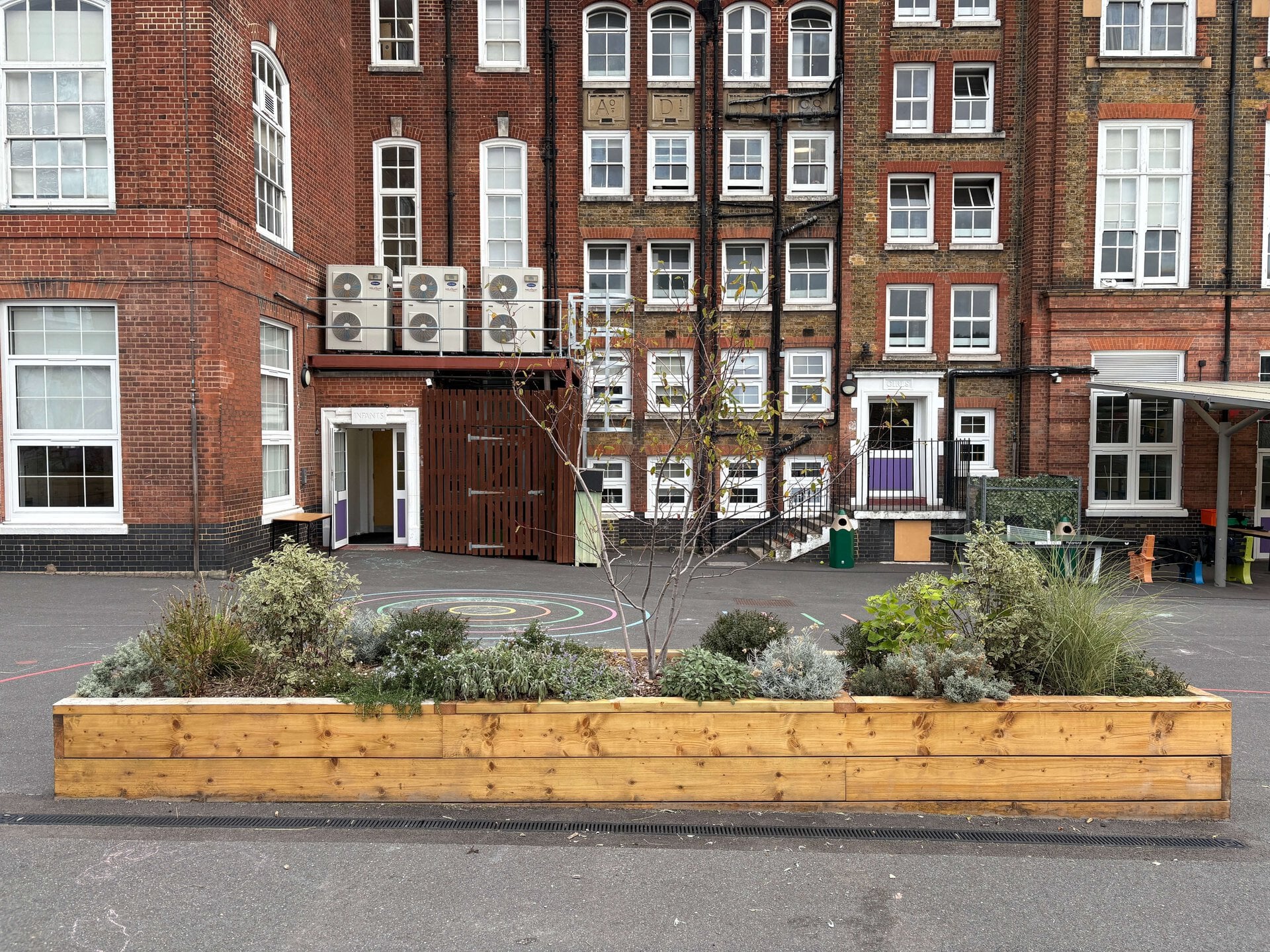
We have recently completed an innovative rainwater harvesting project at Mission Grove Primary School on Buxton Road. With the aim of increasing flood resilience and promoting environmental sustainability, Meristem Design integrated innovative SuDS to enhance the school grounds and engage the pupils on the importance of water management and the benefits of connecting with nature and their environment.
Client
Waltham Forest Council and Mission Grove Primary School
Location
Sectors
Products & Services
Before

After

Featured products, landscapes & services
Maintenance
We offer a full range of maintenance services to keep your green space looking healthy and vibrant. Tailored to the unique needs of your project, our horticultural team will provide specialised plant care and maintenance from a one-off basis to a customised schedule.
Design
We specialise in designing beautiful, sustainable urban greening solutions and products that bring nature into public, commercial and residential spaces. From concept to final design, we work closely with clients to ensure that every element is crafted to meet their unique needs, aesthetic preferences, and sustainability goals.
Fabrication
We provide high-quality, in-house fabrication services tailored to the needs of urban greening projects. Composed of skilled welders and carpenters, our fabrication team brings each project from concept to completion using precision and exceptional craftsmanship.
Get in touch
If you like what you've seen in our case study and want to learn more about how this could work in your setting, please get in touch.
"*" indicates required fields