
About us










Can you help with both landscape design and installation?
Yes, we can work with existing designs, collaborate with your team, or offer a full service tailored to your space.
What type of landscaping projects do you work on?
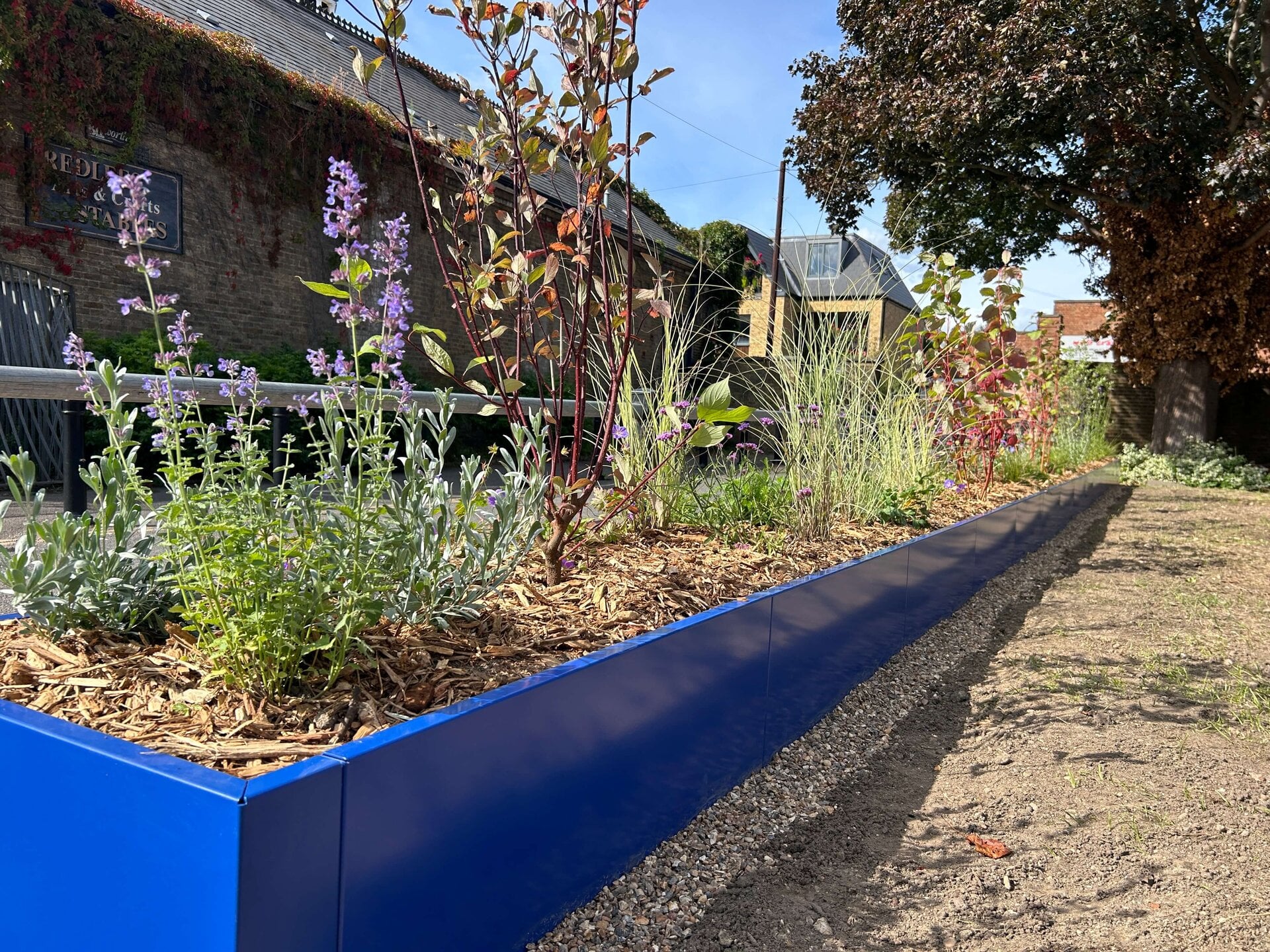
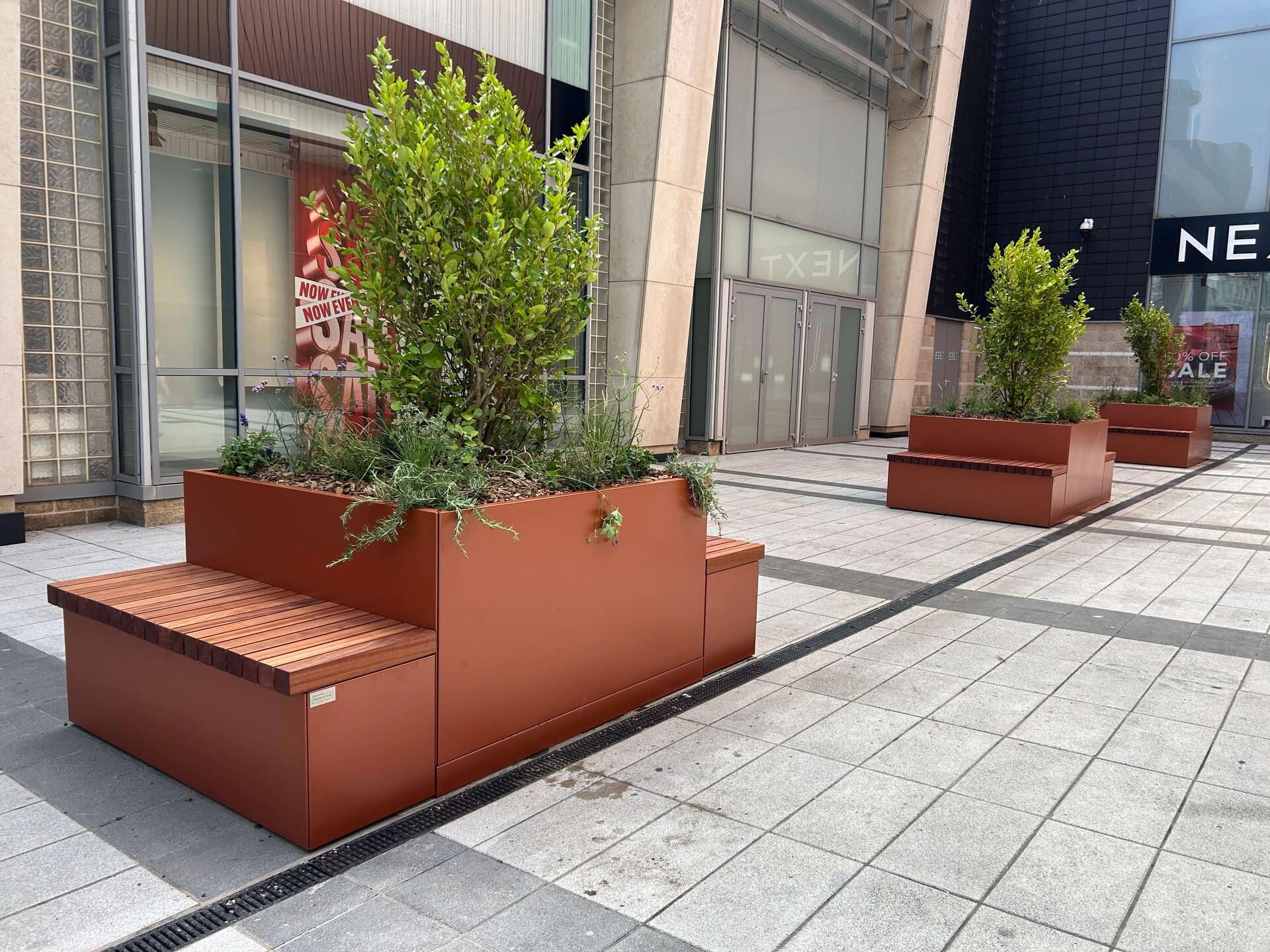
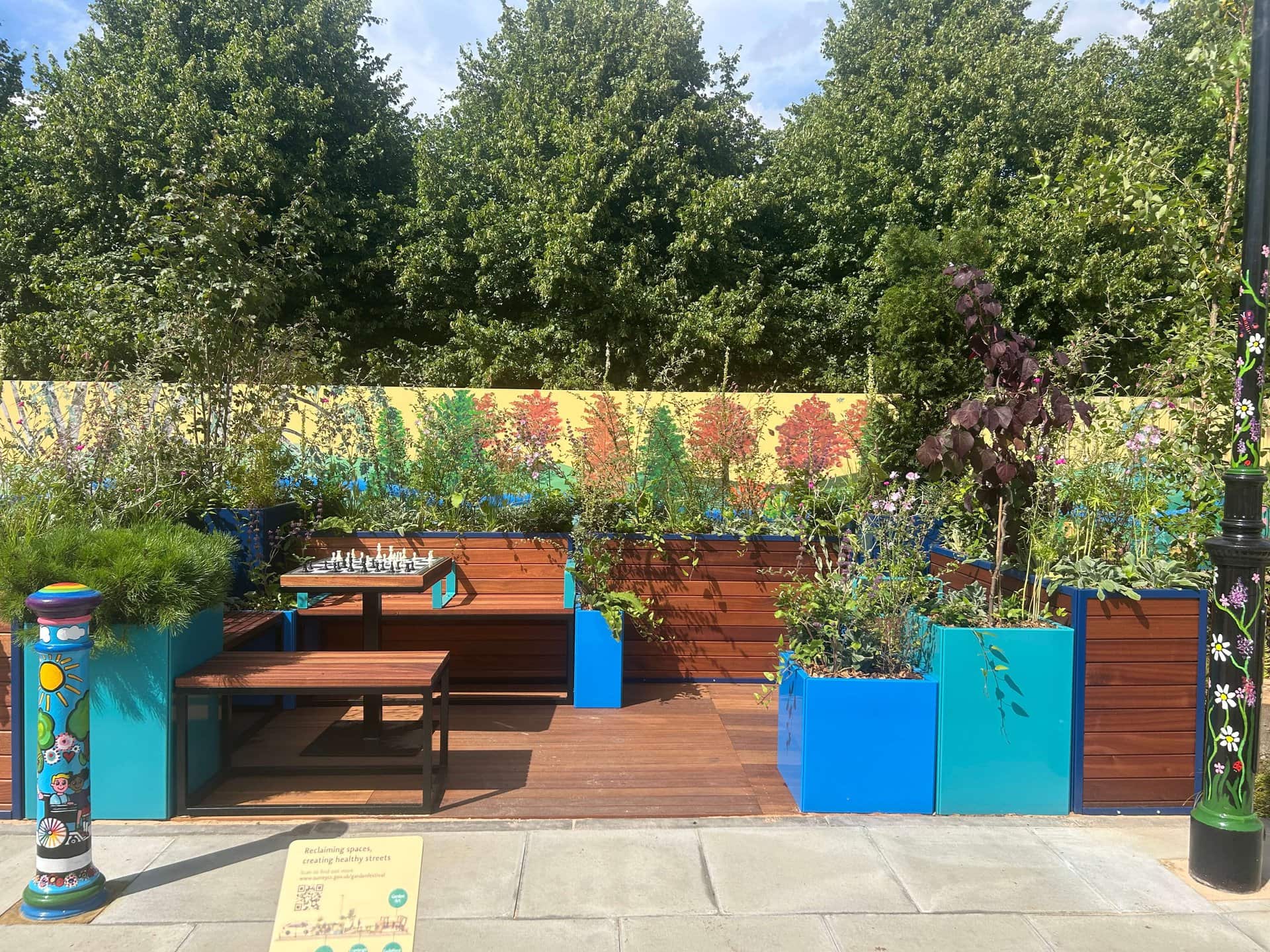
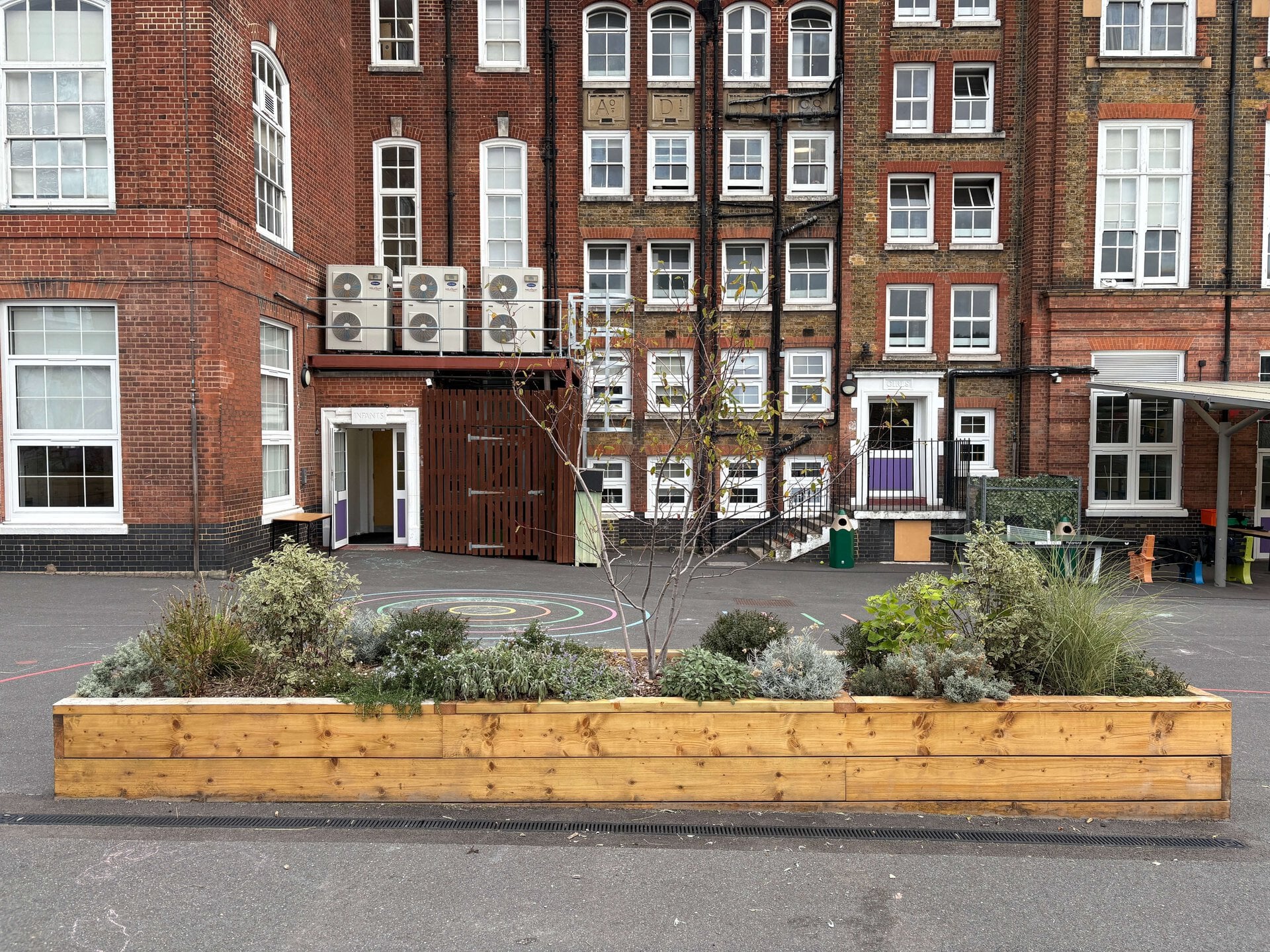
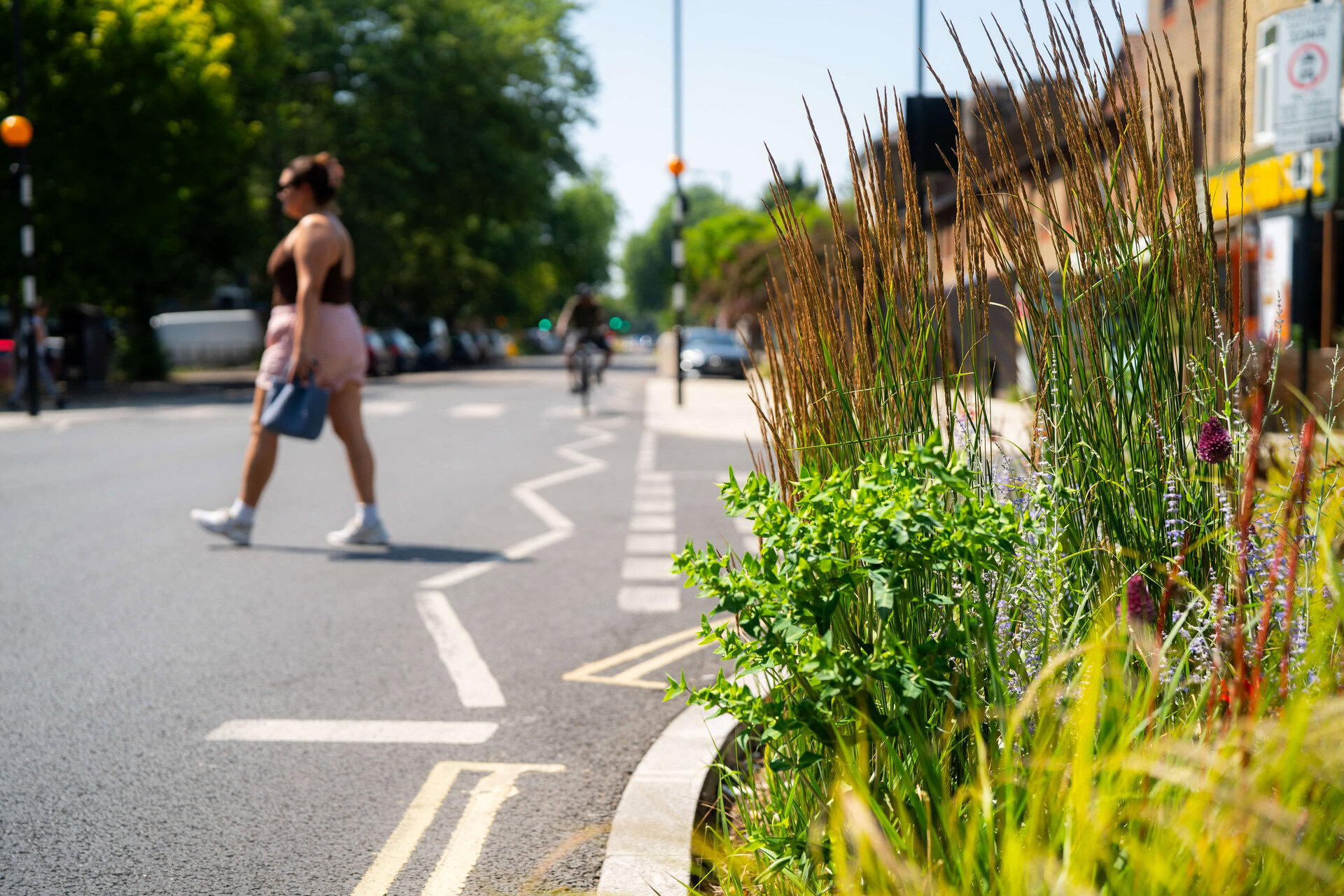
We work across public realm, commercial and community spaces, including streetsides, schools and green infrastructure projects.
How do I choose the right plants for my space?
We consider soil type, sunlight, maintenance needs and biodiversity goals when selecting plants to ensure visual appeal and long-term success.
What are the benefits of landscaping in urban spaces?
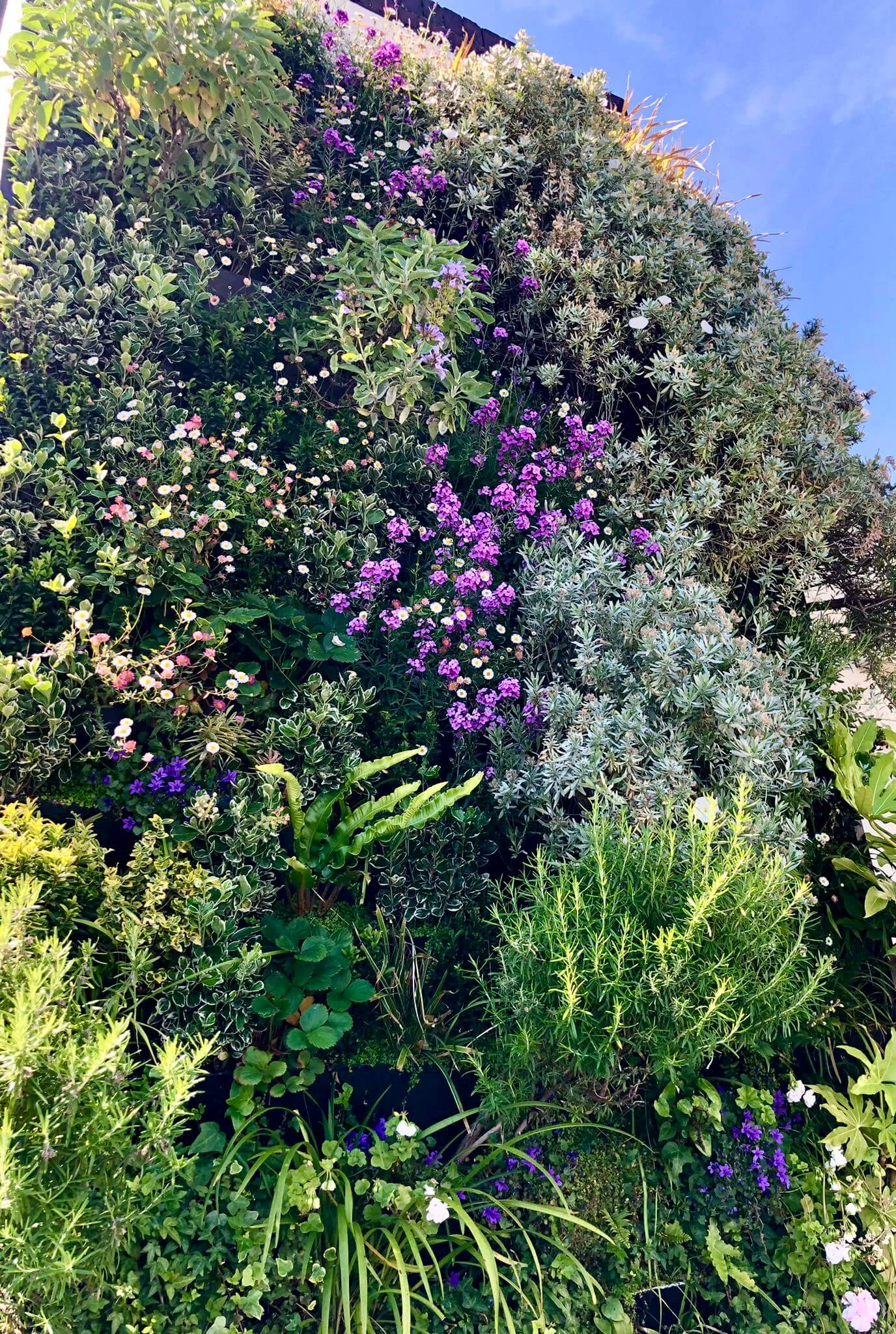
Landscaping can increase biodiversity, reduce surface water runoff, improve air quality and create spaces that are more attractive, welcoming and usable for people.
What’s the difference between hard and soft landscaping?
Soft landscaping focuses on living elements like planting, trees and turf. Hard landscaping includes structural features such as paving, edging and decking.
What is Landscaping?
Landscaping involves the design, installation and maintenance of outdoor spaces. Focusing aesthetic appeal and functional use.
Do nature gardens help with climate resilience?
Yes, they improve biodiversity, support pollinators, cool the urban environment and manage rainfall - all key elements of local climate resilience strategies.
Can SuDS (Sustainable Drainage Systems) be integrated into a nature garden?
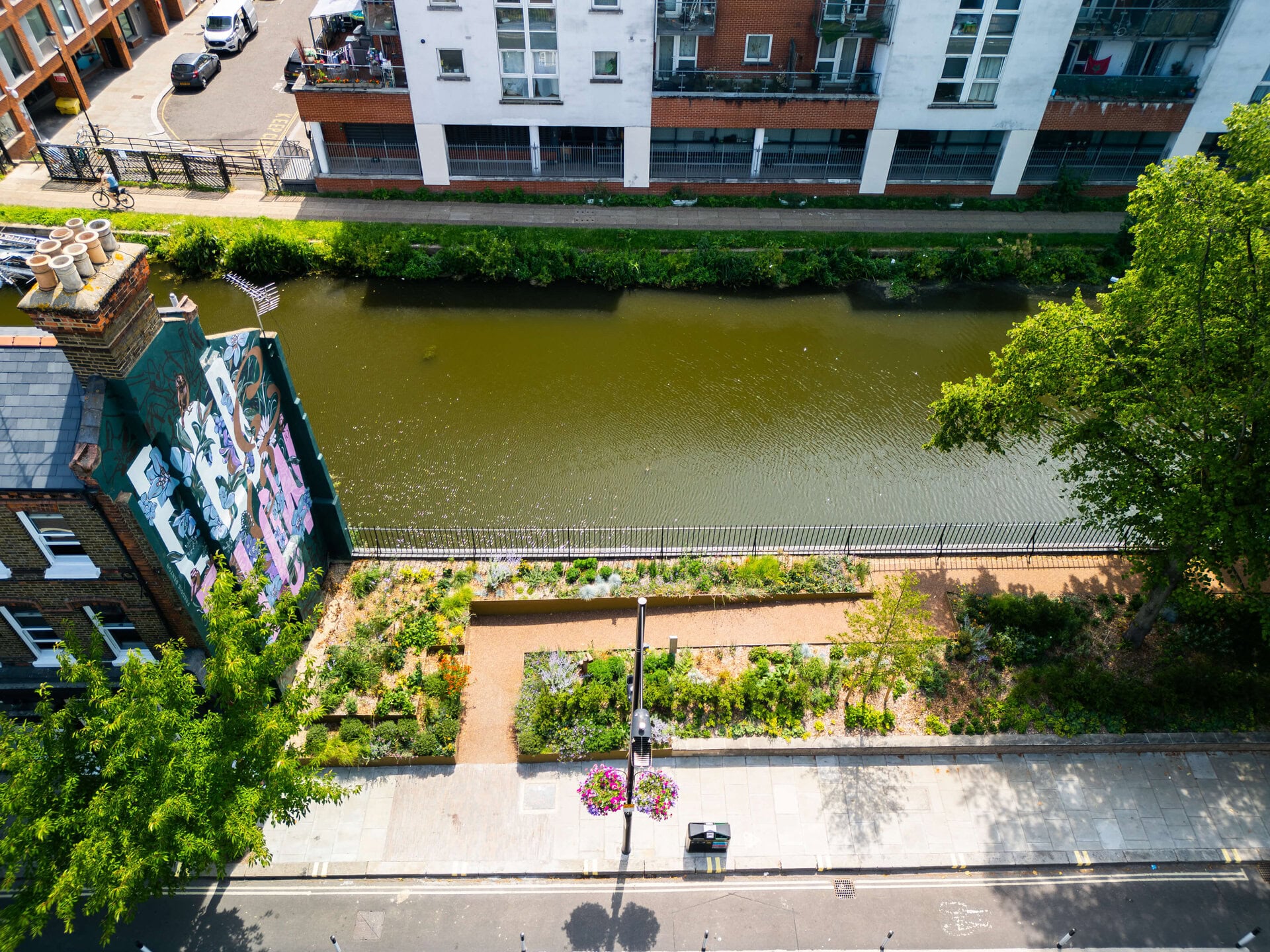
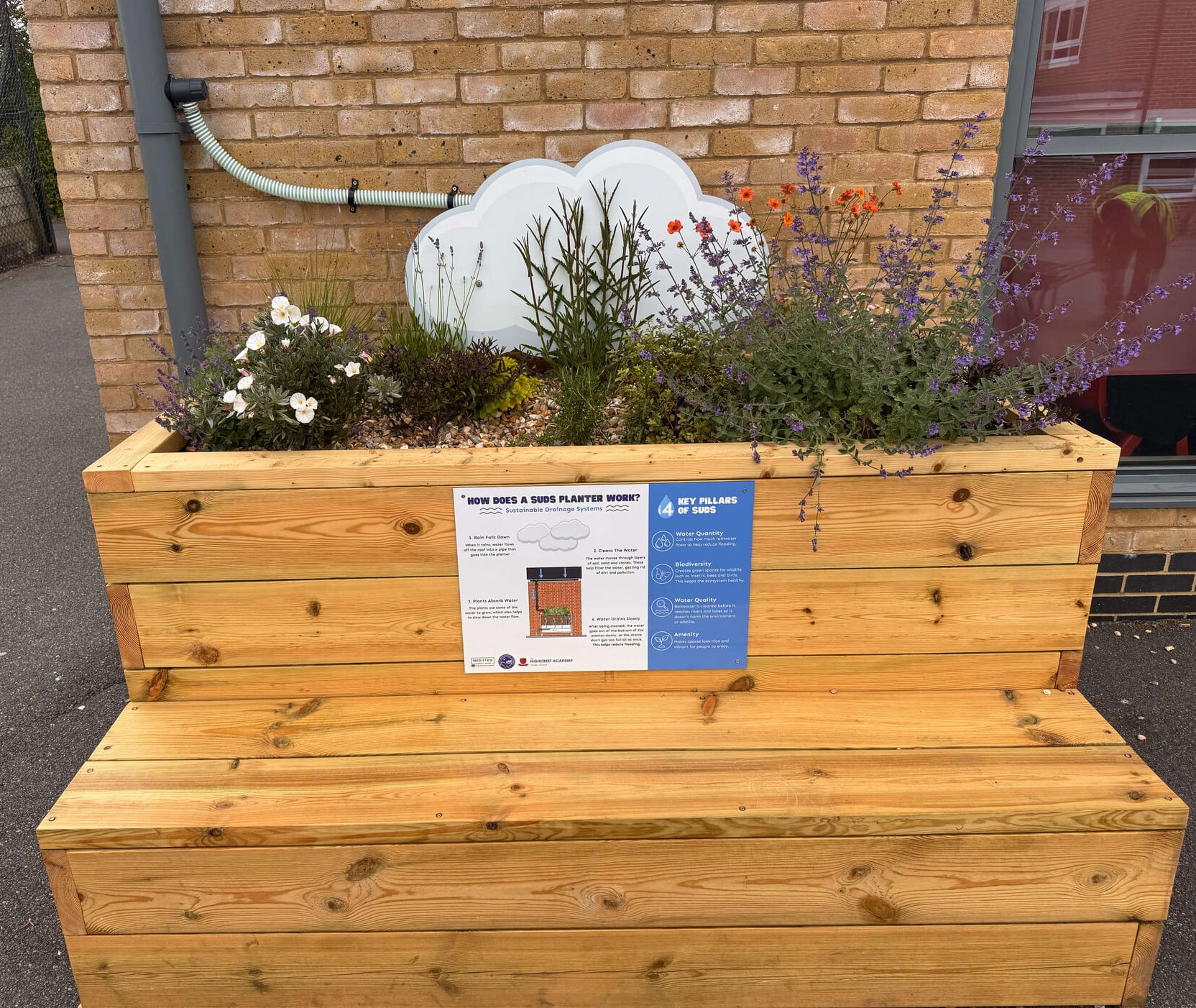
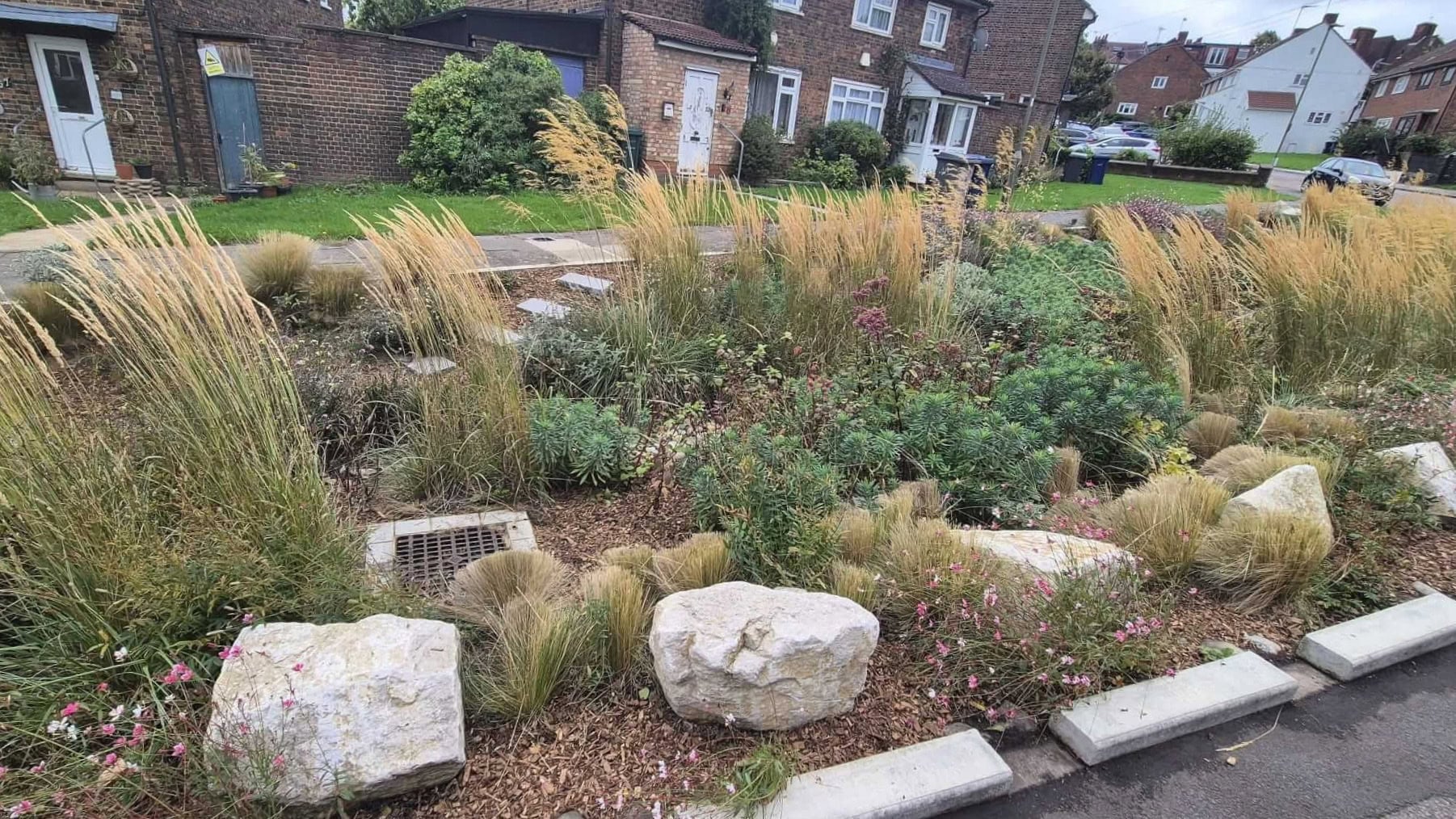
Yes – many of our nature gardens include rain gardens or permeable areas to manage runoff and reduce local flood risk.
Can nature gardens be used for education?
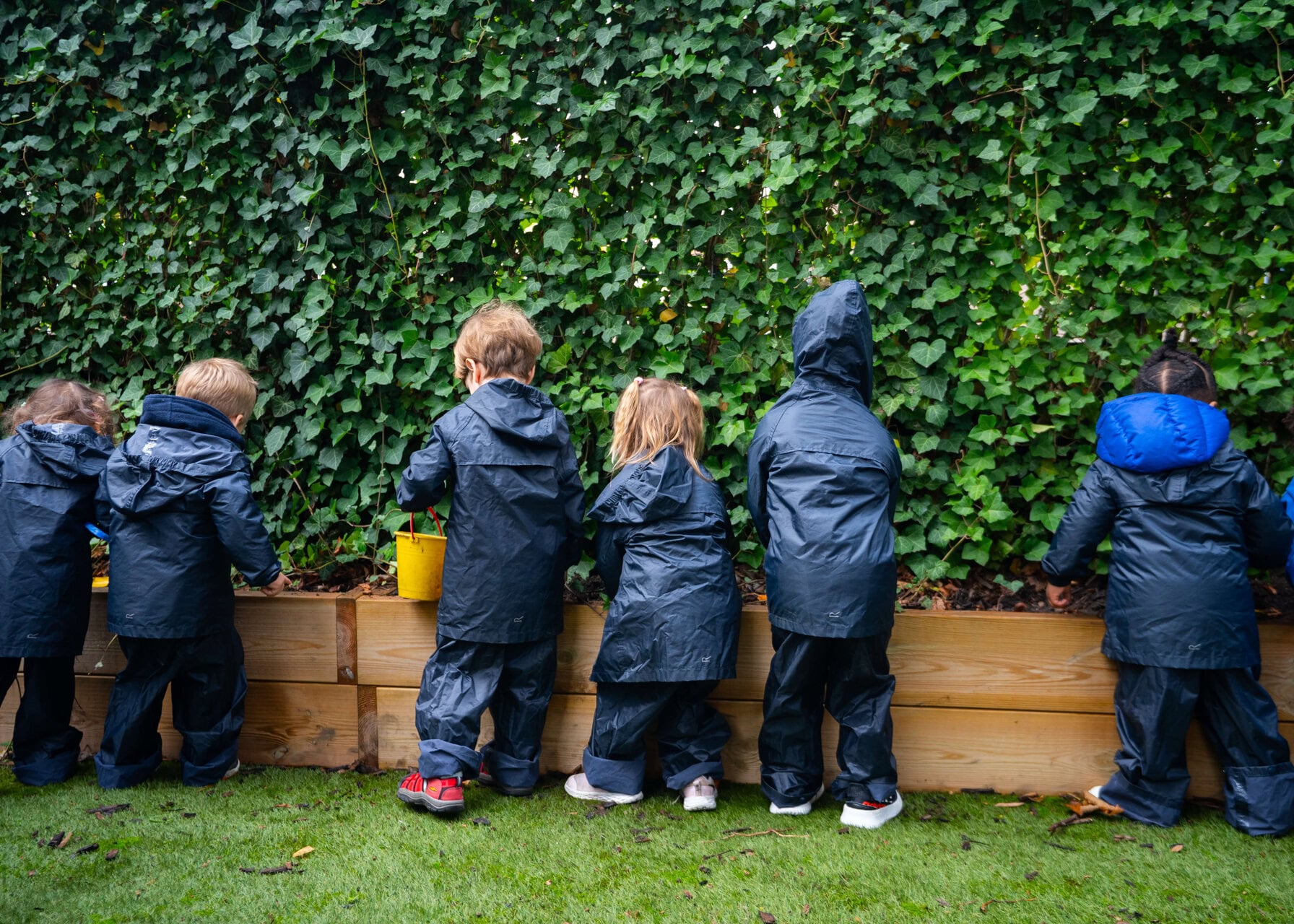
Absolutely. Schools use them to teach about ecosystems, climate resilience and sustainability, while providing pupils with hands-on and engaging experiences in a natural setting.
Are nature gardens suitable for urban areas?
Yes, they are ideal for schools, estates, parks and even small plots in city centres. Nature gardens soften hard landscapes and deliver valuable ecosystem services in space-limited settings.
How is a nature garden different from a typical garden?
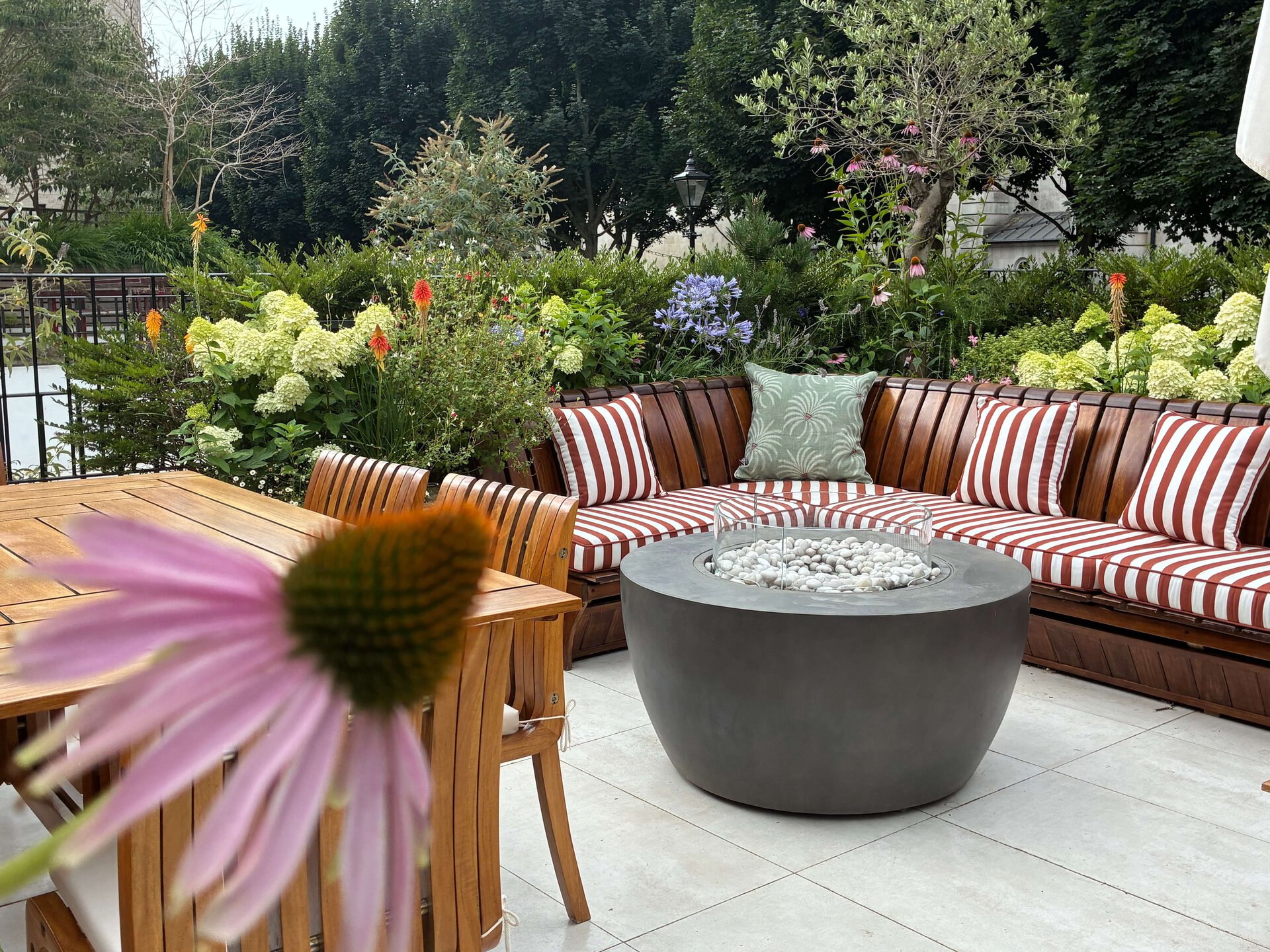
Nature gardens focus on biodiversity, native planting, and ecological value. They often include habitat features like log piles, wildflower meadows and rainwater-absorbing beds, rather than manicured lawns or formal planting.
What is a nature garden?
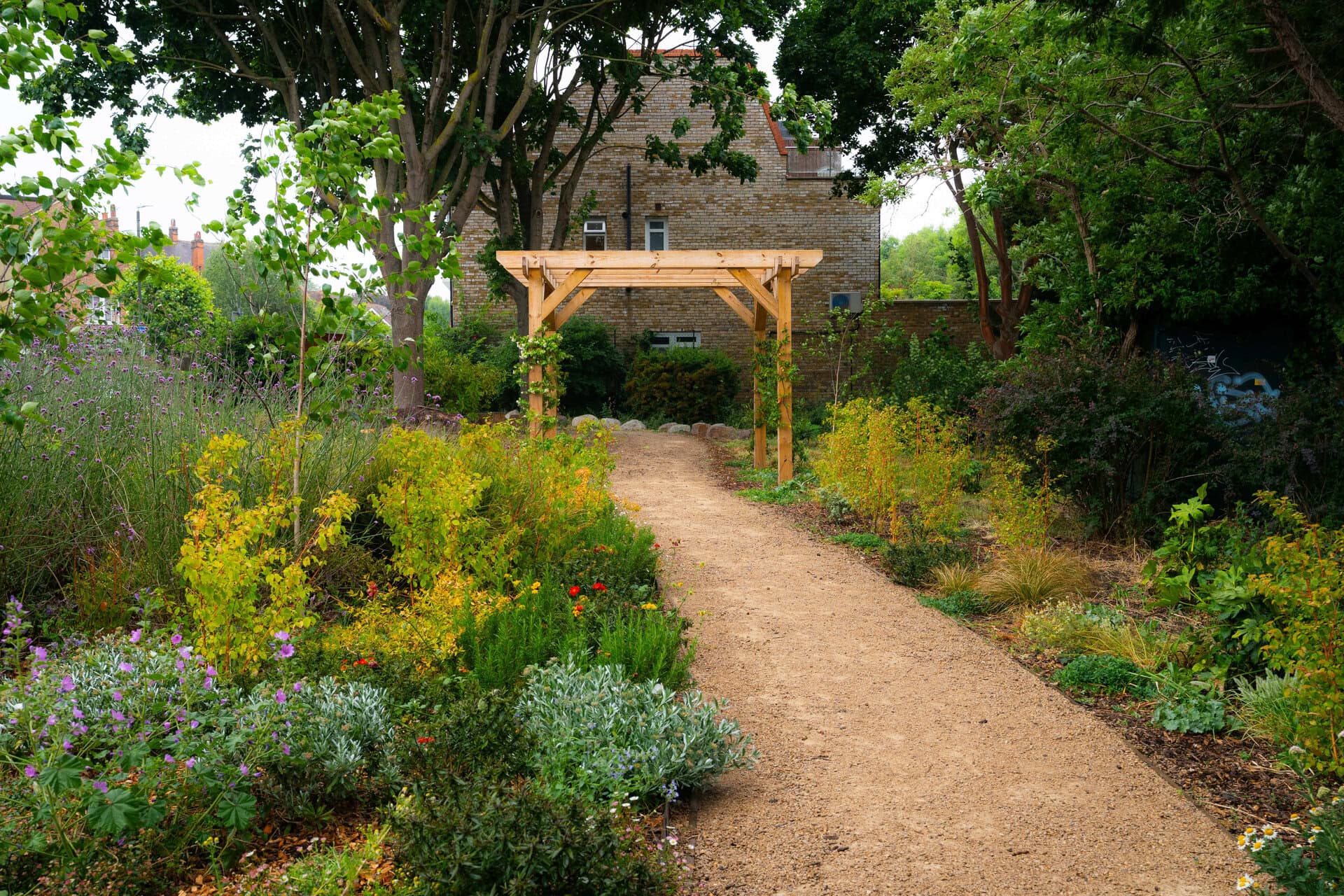
A nature garden is a biodiverse, low-maintenance green space designed to encourage wildlife, support sustainable water management, and create a calming environment for people to enjoy.
How does urban greening contribute to combatting climate change?
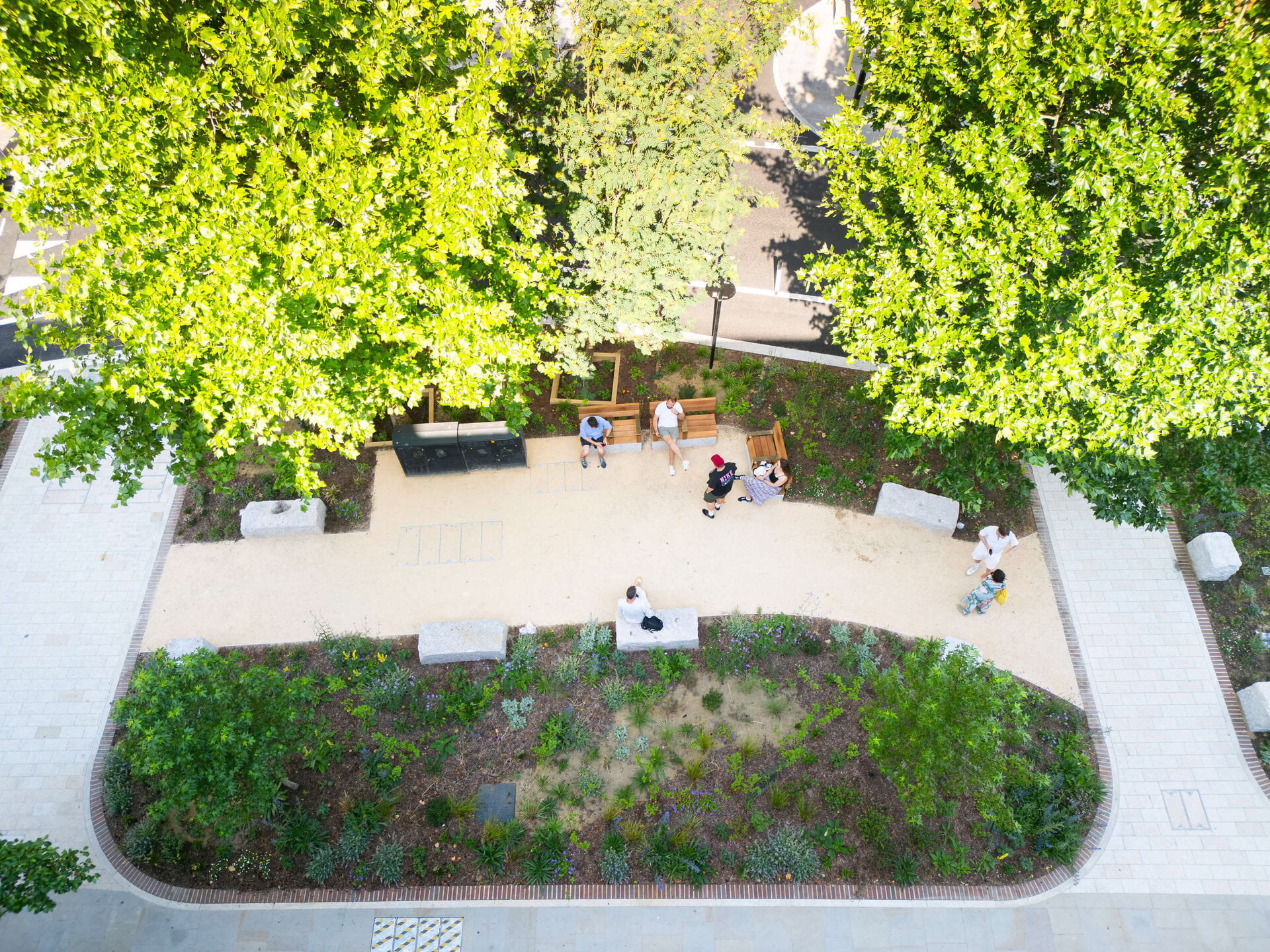
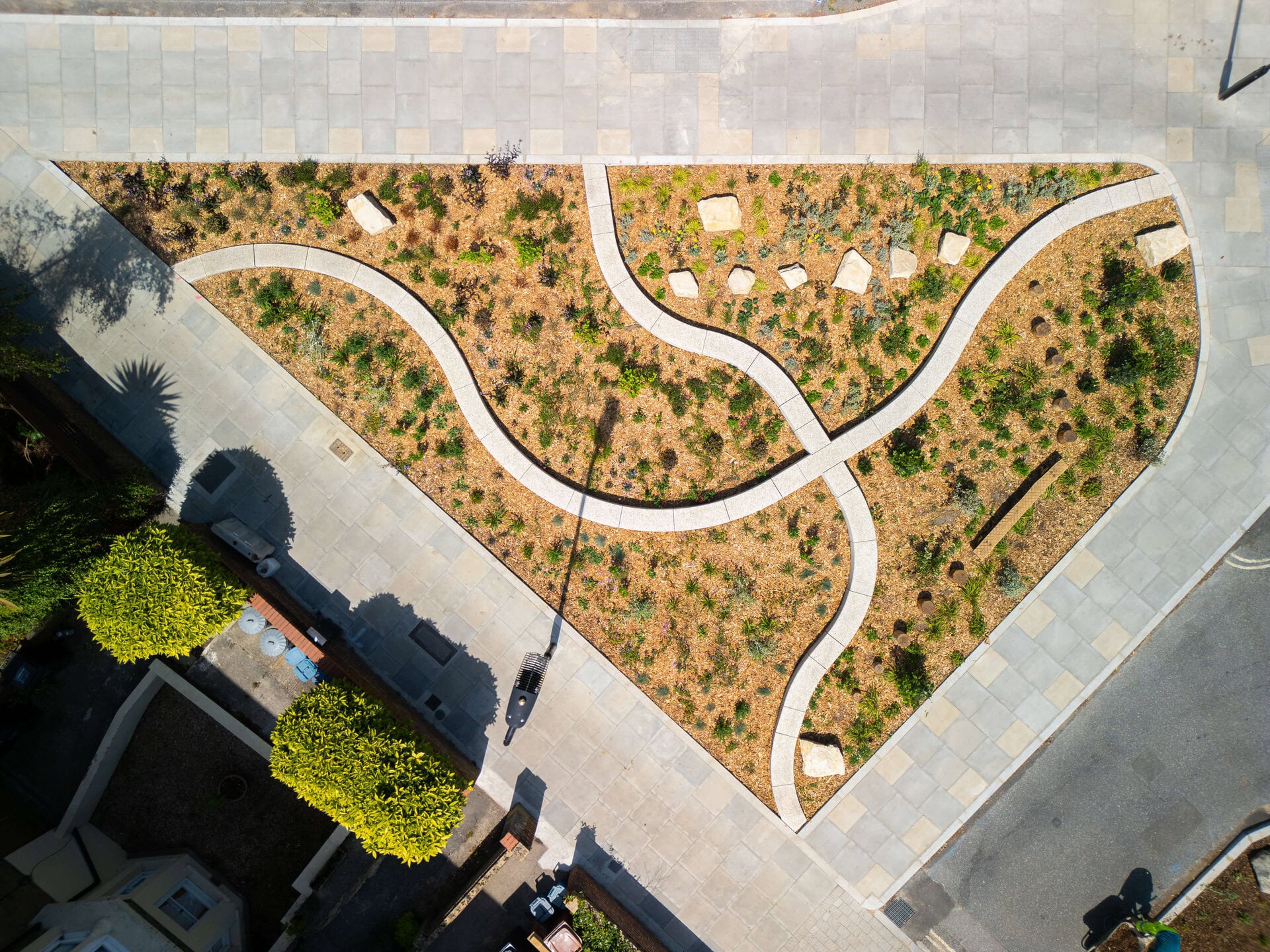
Urban greening is a potent weapon against the escalating threats of climate change. Green spaces, including trees and vegetation, act as carbon sinks, absorbing and storing harmful CO2 emissions. They also combat the urban heat island effect by providing shade and cooling through evapotranspiration. Moreover, green spaces play a role in filtering air pollutants and improving overall air quality. These combined benefits not only make cities more liveable but also contribute to global efforts to mitigate the adverse effects of climate change. Projects like Richmond Road Pocket Park showcase the transformative power of urban greening, highlighting its crucial role in creating sustainable and resilient urban environments.
How can green spaces improve community engagement?
Green spaces can help bring communities together. This is especially the case if the community is involved in the design or ongoing maintenance of a space. It's essential to connect with communities meaningfully, allowing them to express their needs and view changes as opportunities.
How can urban greening improve public health?
Green spaces reduce stress and improve air quality. Products such as parklets and pocket parks help promote physical activity and active travel, making them valuable solutions for community health initiatives.