
About us










Can you help with both landscape design and installation?
Yes, we can work with existing designs, collaborate with your team, or offer a full service tailored to your space.
What type of landscaping projects do you work on?
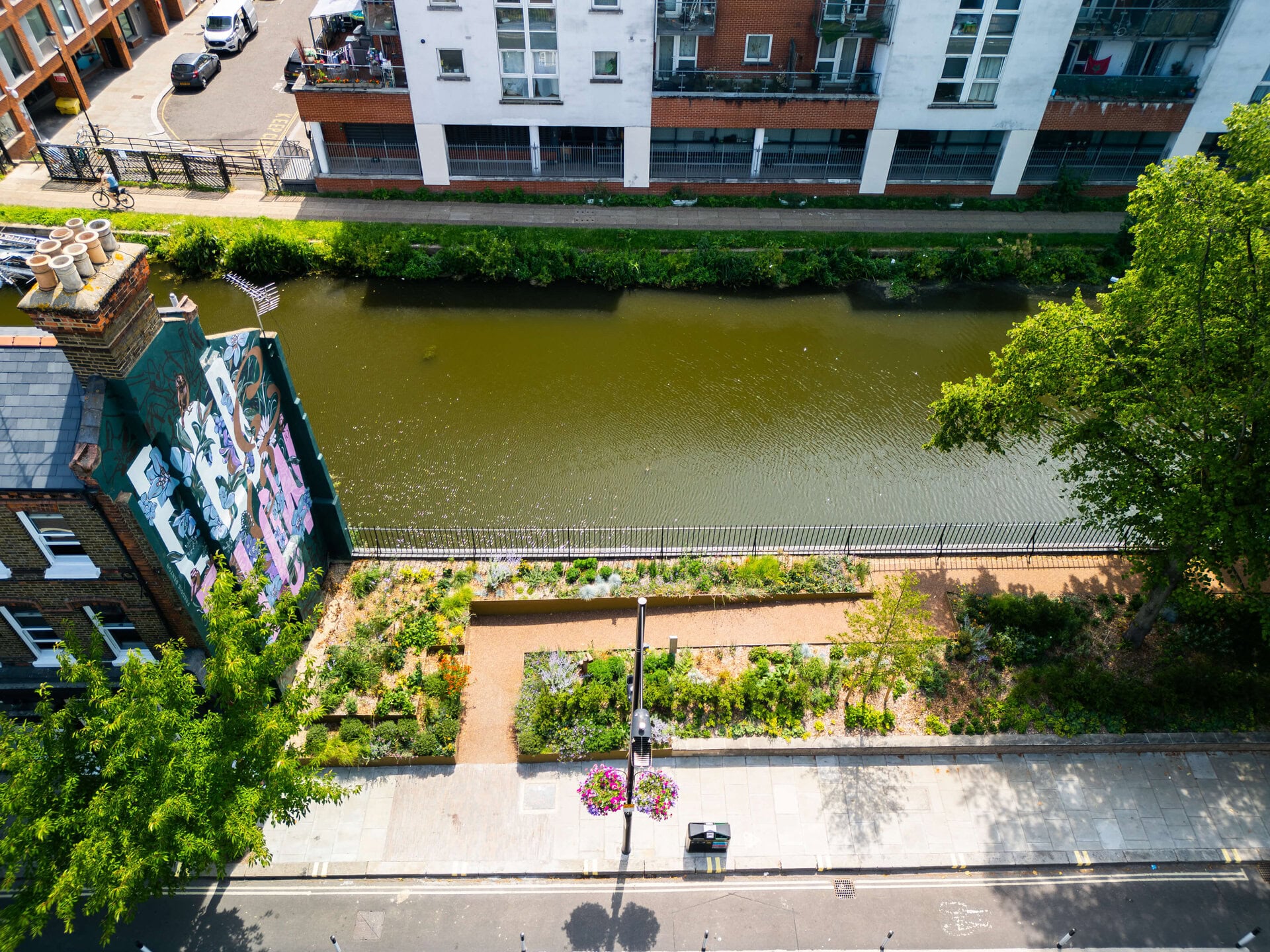
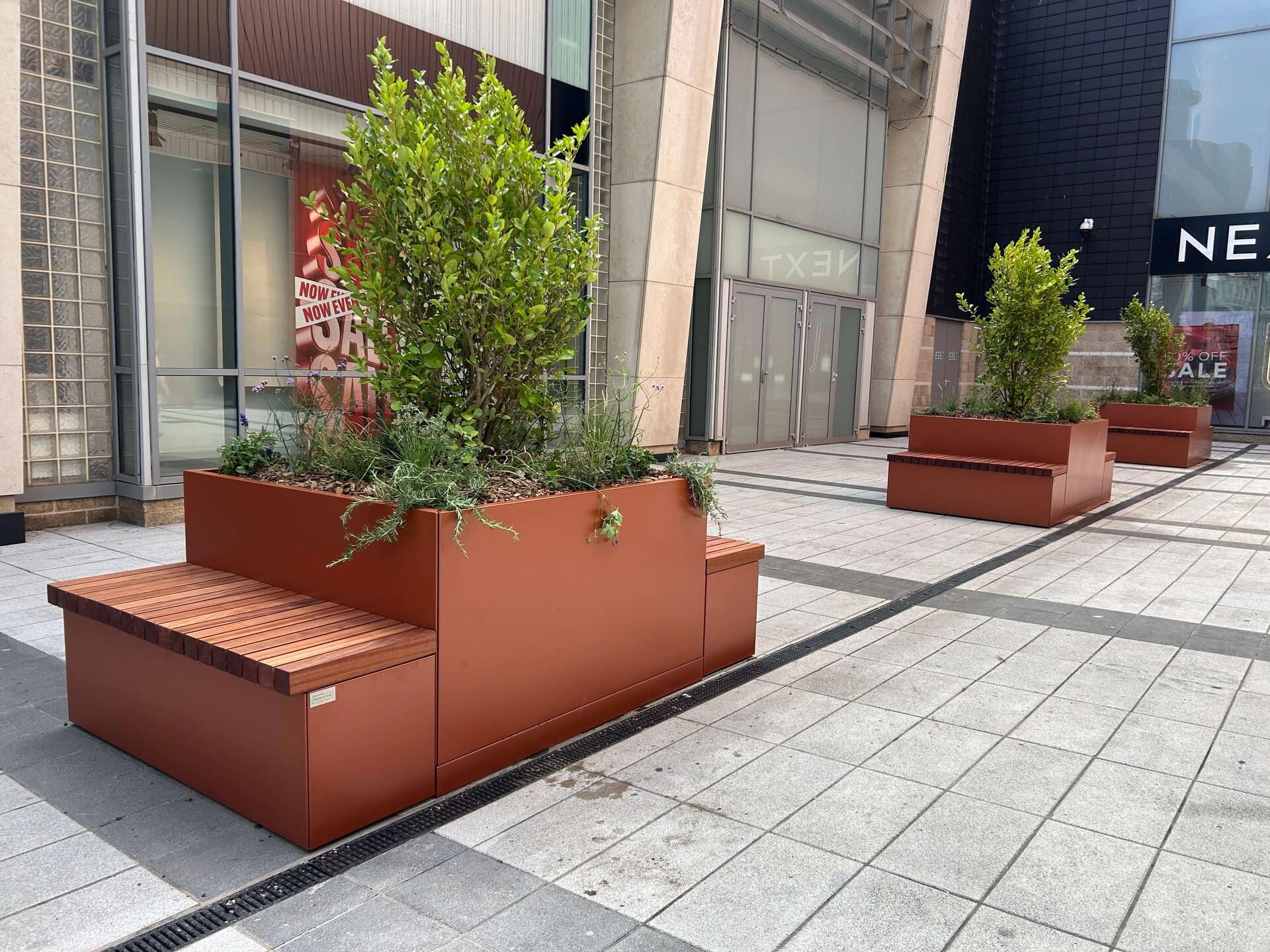
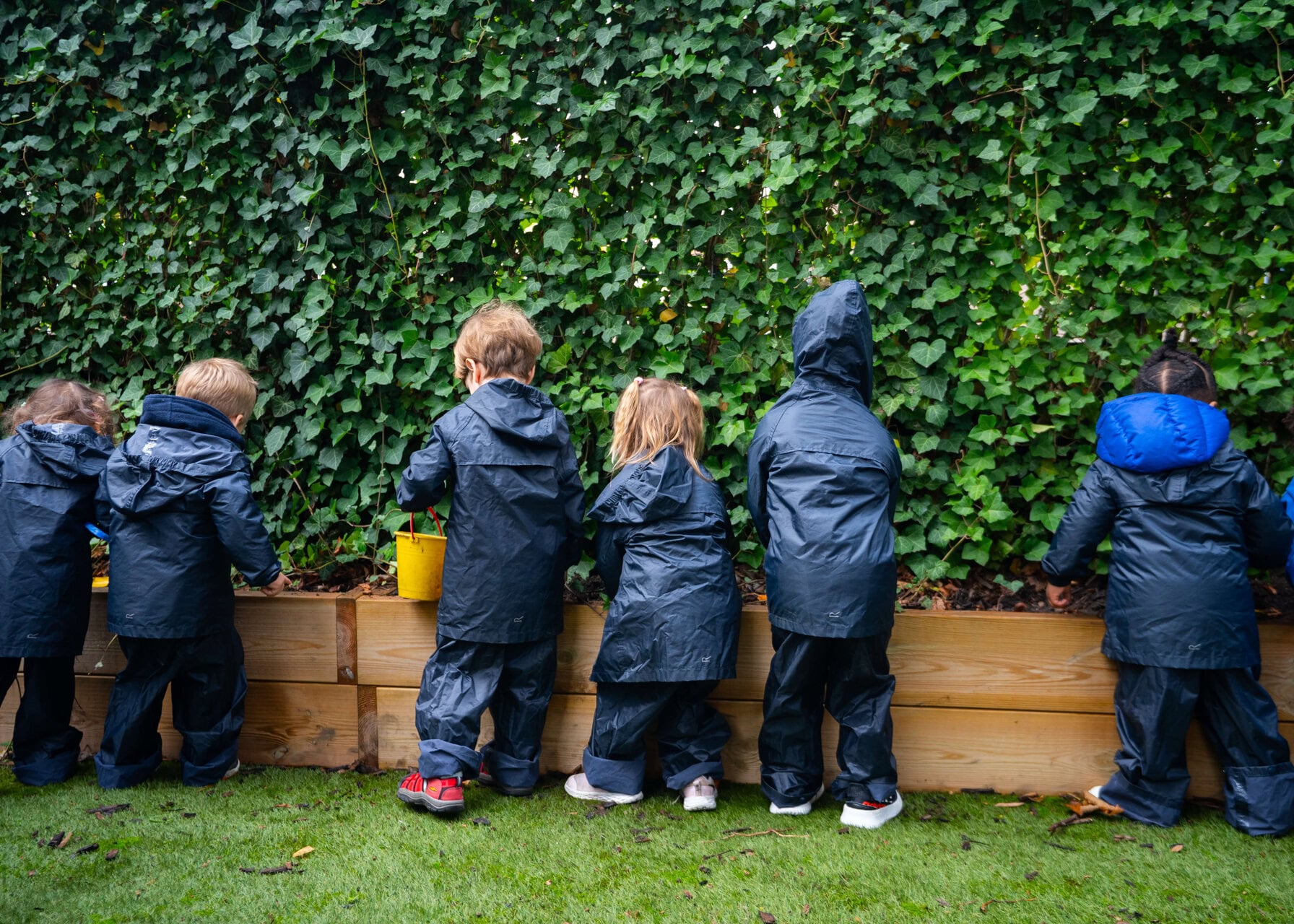
We work across public realm, commercial and community spaces, including streetsides, schools and green infrastructure projects.
How do I choose the right plants for my space?
We consider soil type, sunlight, maintenance needs and biodiversity goals when selecting plants to ensure visual appeal and long-term success.
What are the benefits of landscaping in urban spaces?
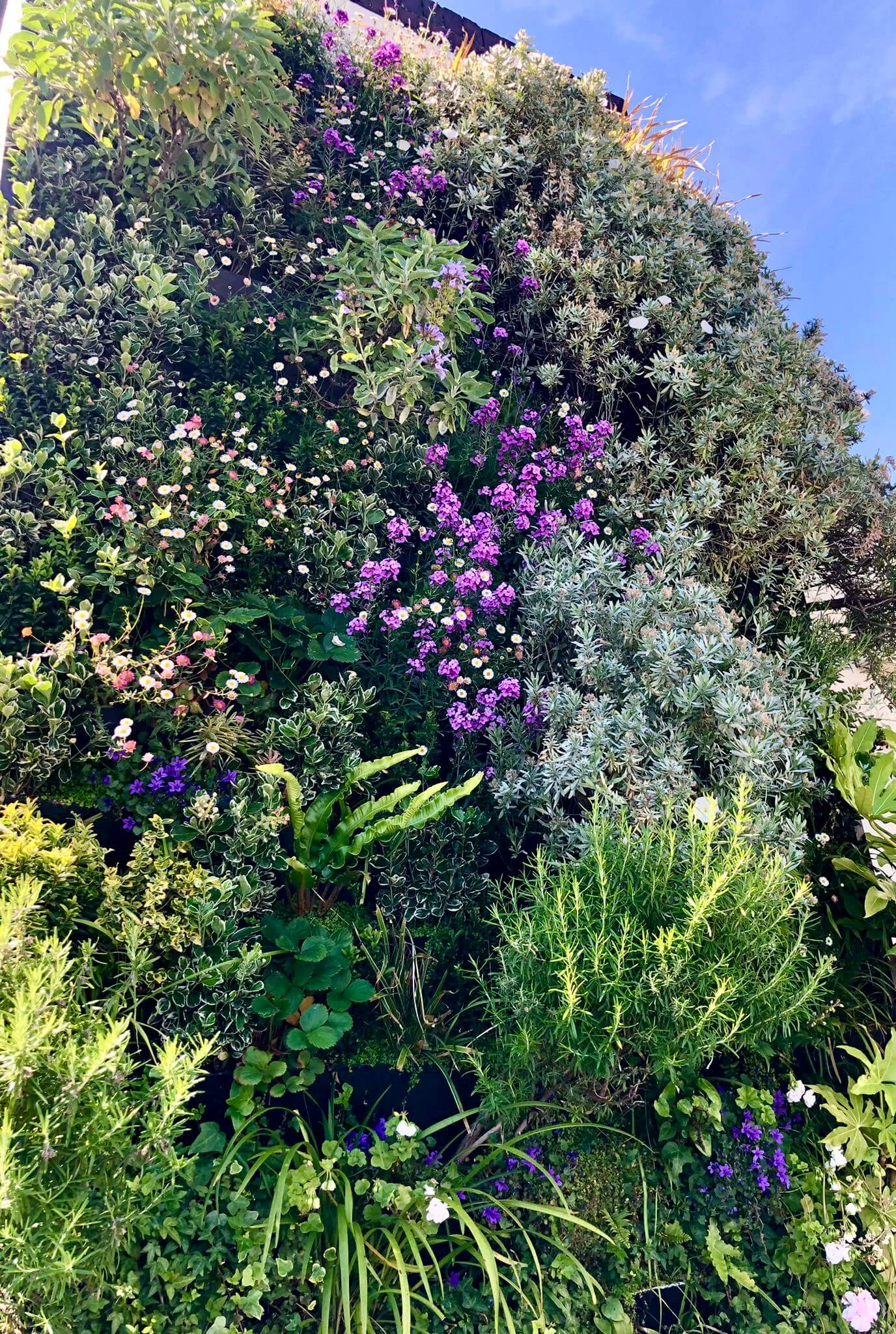
Landscaping can increase biodiversity, reduce surface water runoff, improve air quality and create spaces that are more attractive, welcoming and usable for people.
What’s the difference between hard and soft landscaping?
Soft landscaping focuses on living elements like planting, trees and turf. Hard landscaping includes structural features such as paving, edging and decking.
What is Landscaping?
Landscaping involves the design, installation and maintenance of outdoor spaces. Focusing aesthetic appeal and functional use.
Can pocket parks help reduce antisocial behaviour?
Yes – by activating previously neglected spaces, pocket parks deter fly-tipping and antisocial use while fostering a sense of local pride and community ownership.
How big is a pocket park?
There’s no strict size, but they typically range from 50m² to 500m², ideal for spaces like converted roadside areas, dead-end streets, or corners of housing estates or urban areas.
What features can be included in a pocket park?
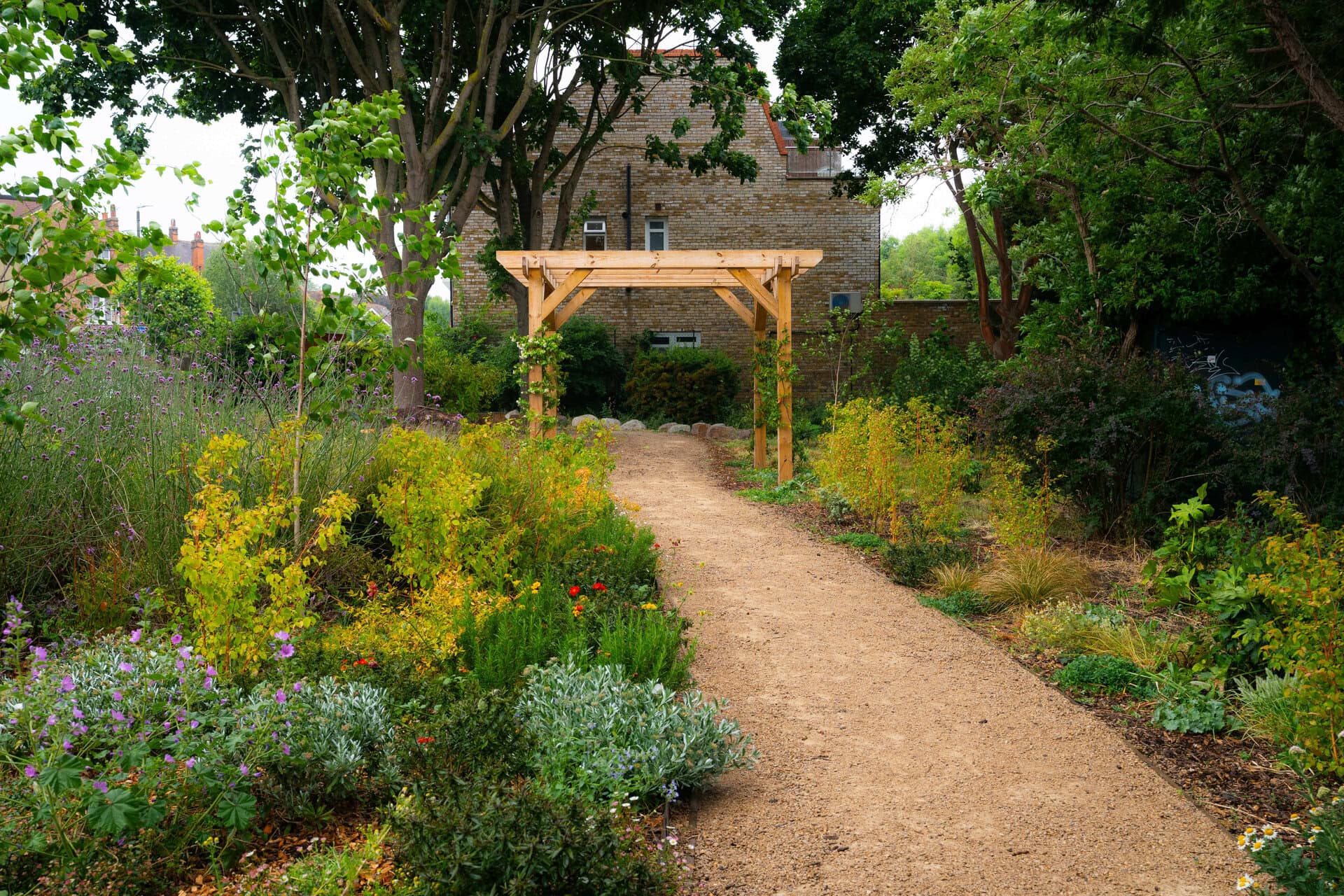
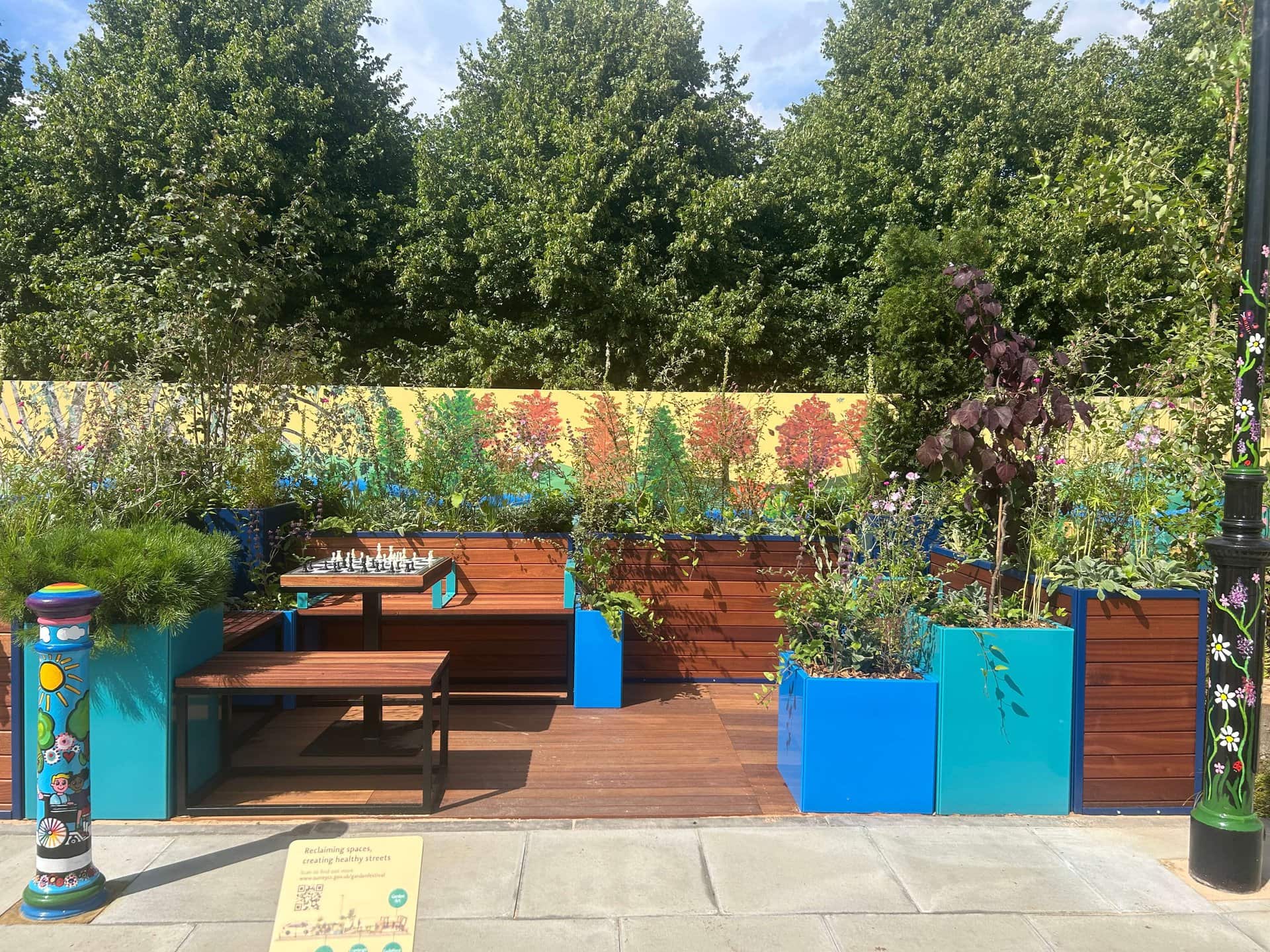
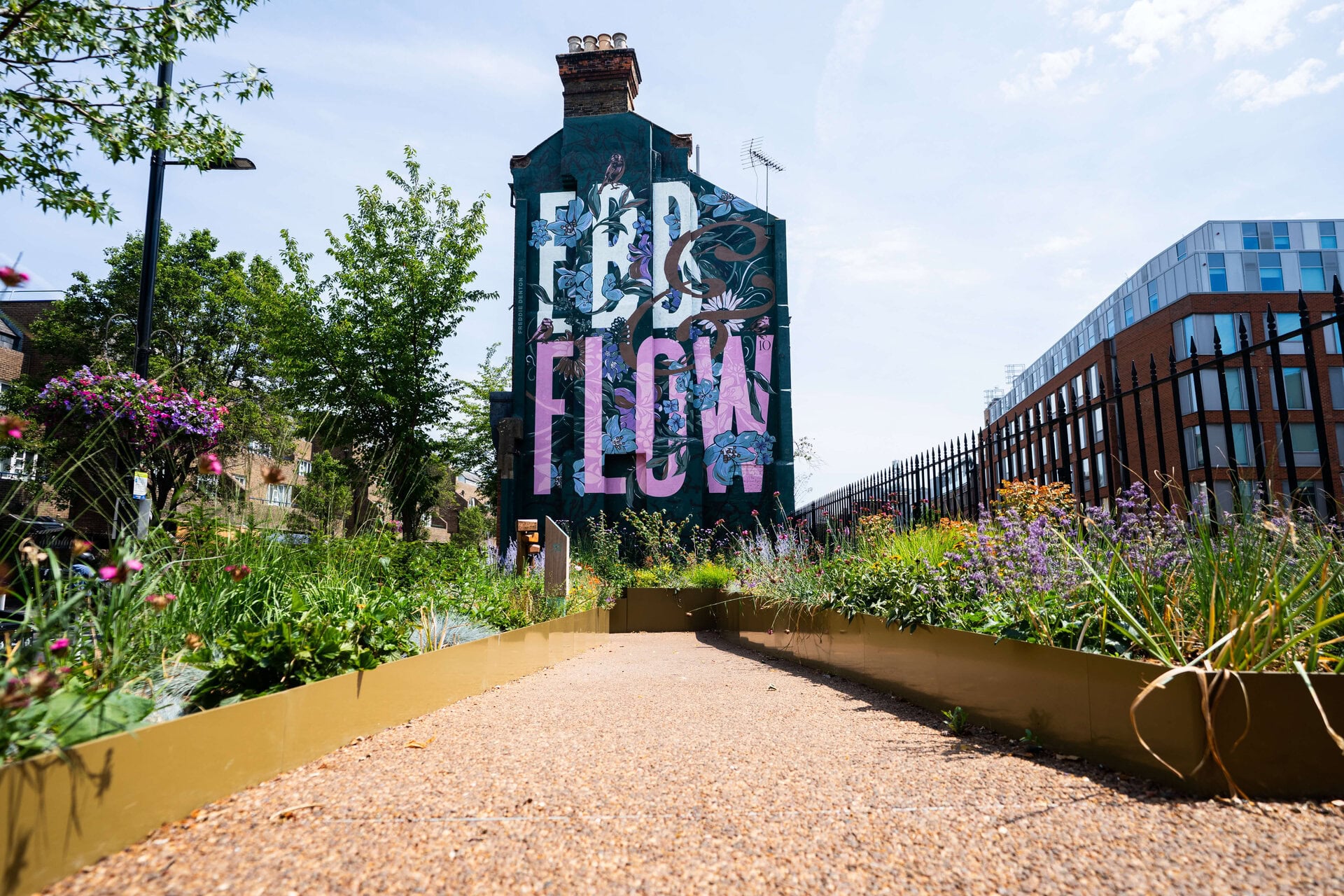
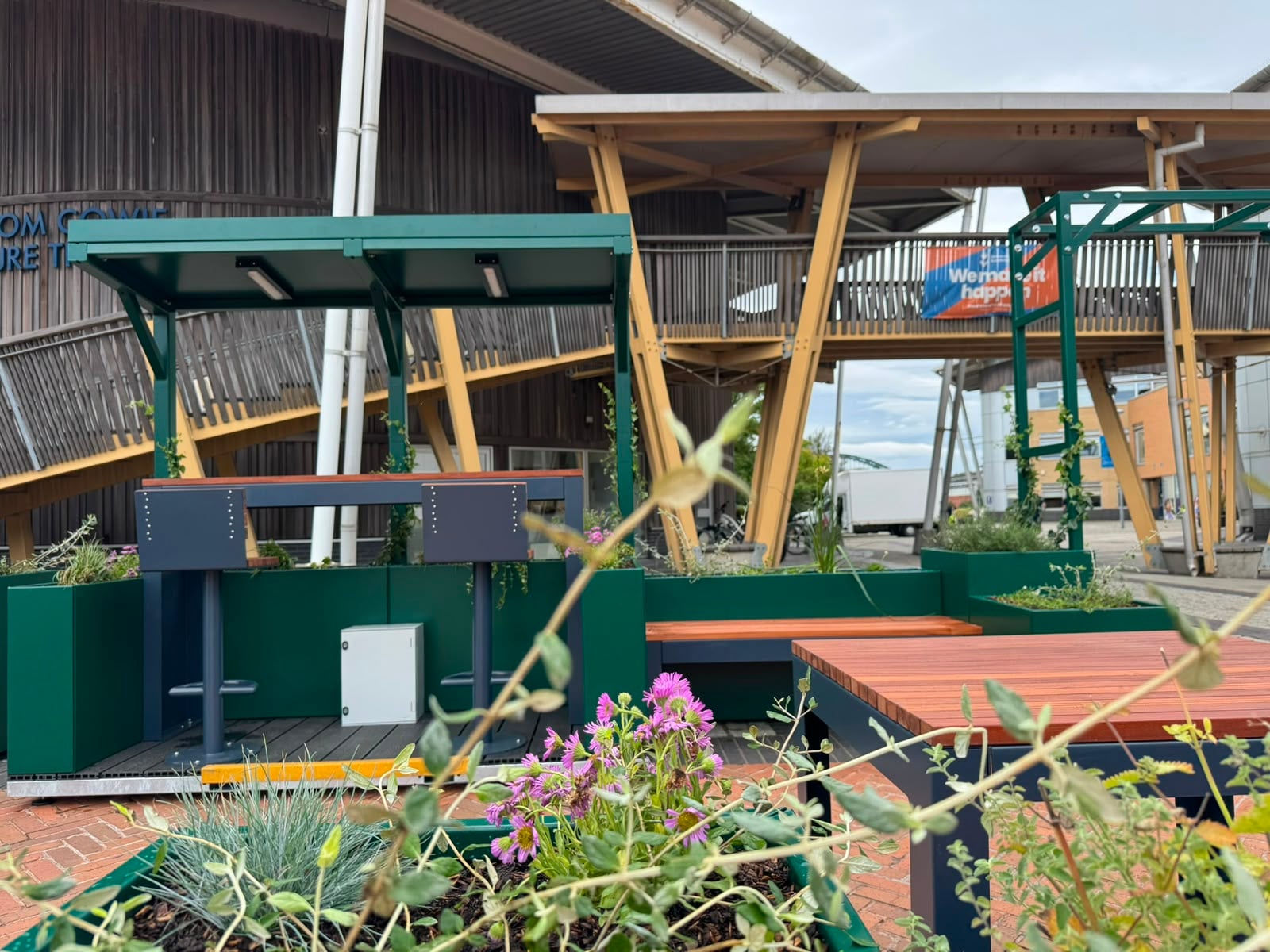
Options can include rain gardens, timber seating, bug hotels, bird boxes, play features, planting, wayfinding signage and exercise equipment, all tailored to the site and users.
Do pocket parks contribute to sustainability goals?
Yes, they improve air quality, support biodiversity, manage surface water, and promote active lifestyles and social interaction.
What is a pocket park?
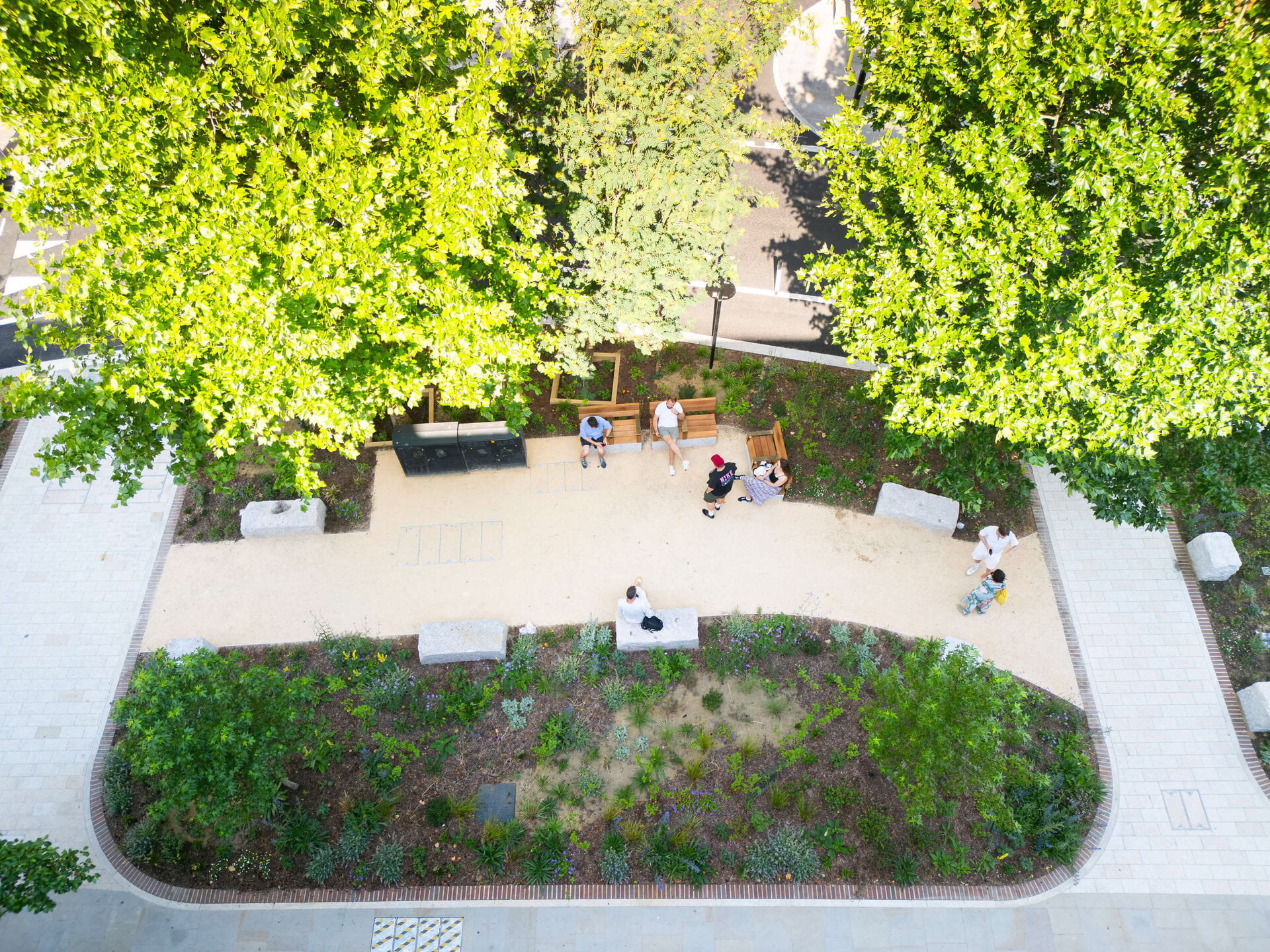
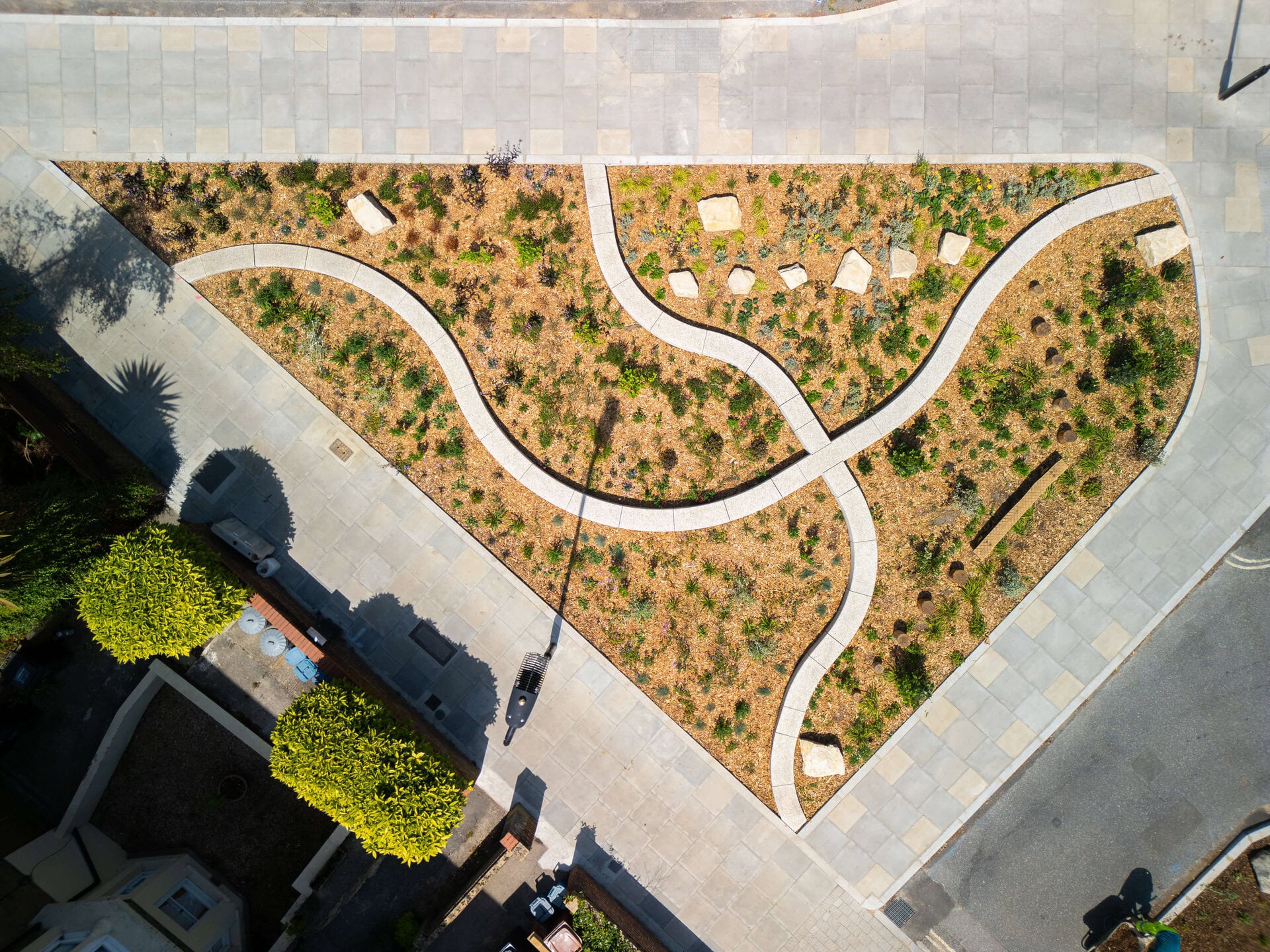
A pocket park is a small-scale public green space, often in underused or neglected urban areas. It provides seating, planting, and sometimes play features to support community use and environmental goals.
How does urban greening contribute to combatting climate change?
Urban greening is a potent weapon against the escalating threats of climate change. Green spaces, including trees and vegetation, act as carbon sinks, absorbing and storing harmful CO2 emissions. They also combat the urban heat island effect by providing shade and cooling through evapotranspiration. Moreover, green spaces play a role in filtering air pollutants and improving overall air quality. These combined benefits not only make cities more liveable but also contribute to global efforts to mitigate the adverse effects of climate change. Projects like Richmond Road Pocket Park showcase the transformative power of urban greening, highlighting its crucial role in creating sustainable and resilient urban environments.
Why are pocket parks essential for urban spaces?
In the midst of concrete jungles, pocket parks emerge as vital green oases. They offer urban inhabitants a respite from the hustle and bustle, providing a peaceful space to reconnect with nature. Besides aesthetic appeal, pocket parks are instrumental in combating the adverse effects of urbanisation, like air pollution and heat islands. They also serve as community hubs, fostering social interactions and community events. Richmond Road Pocket Park, for instance, stands out as a brilliant illustration of how these compact green spaces can rejuvenate an urban setting, turning once-neglected spaces into community assets.
How can green spaces improve community engagement?
Green spaces can help bring communities together. This is especially the case if the community is involved in the design or ongoing maintenance of a space. It's essential to connect with communities meaningfully, allowing them to express their needs and view changes as opportunities.
How can urban greening improve public health?
Green spaces reduce stress and improve air quality. Products such as parklets and pocket parks help promote physical activity and active travel, making them valuable solutions for community health initiatives.