
About us










How does urban greening contribute to combatting climate change?
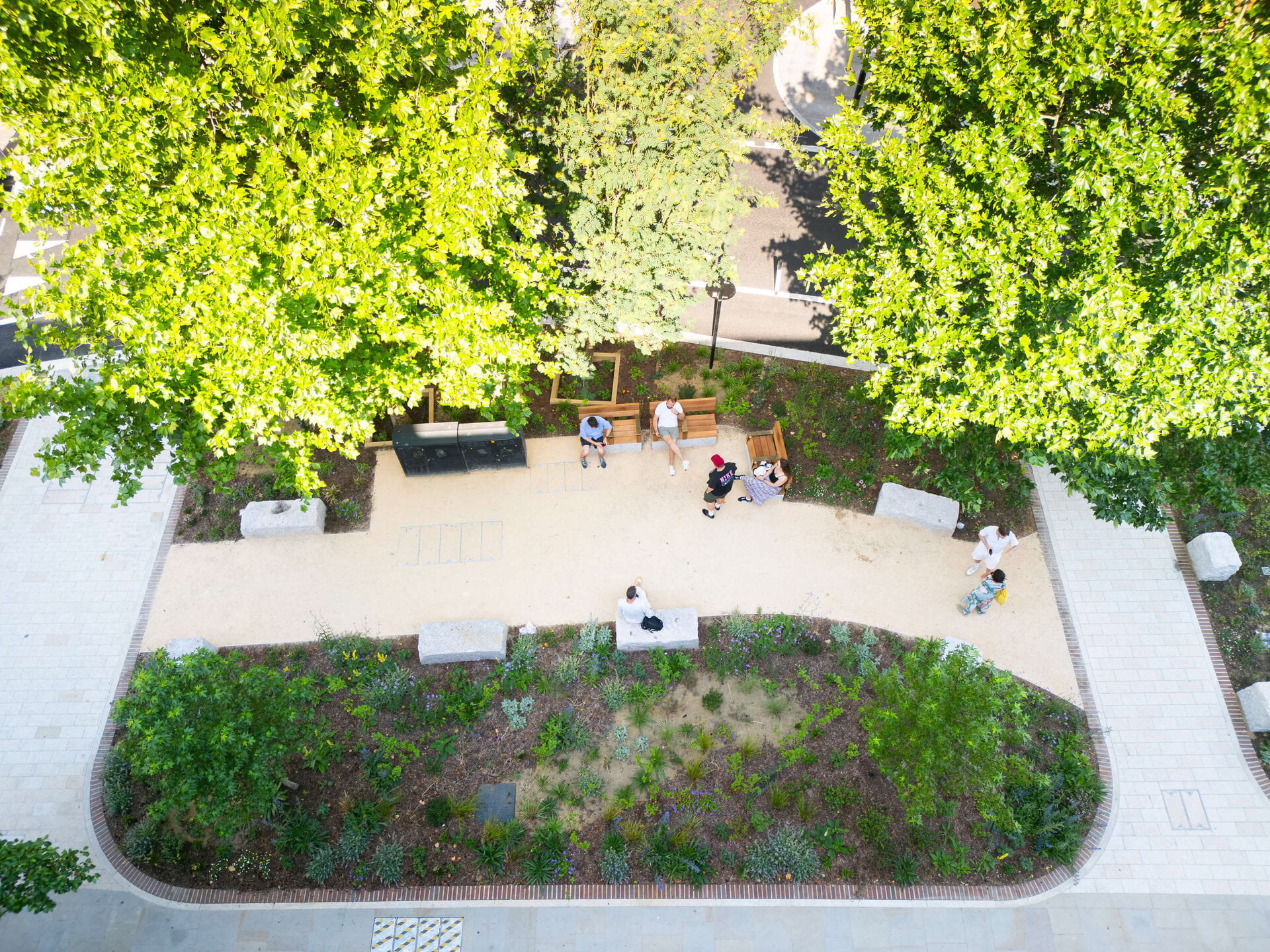
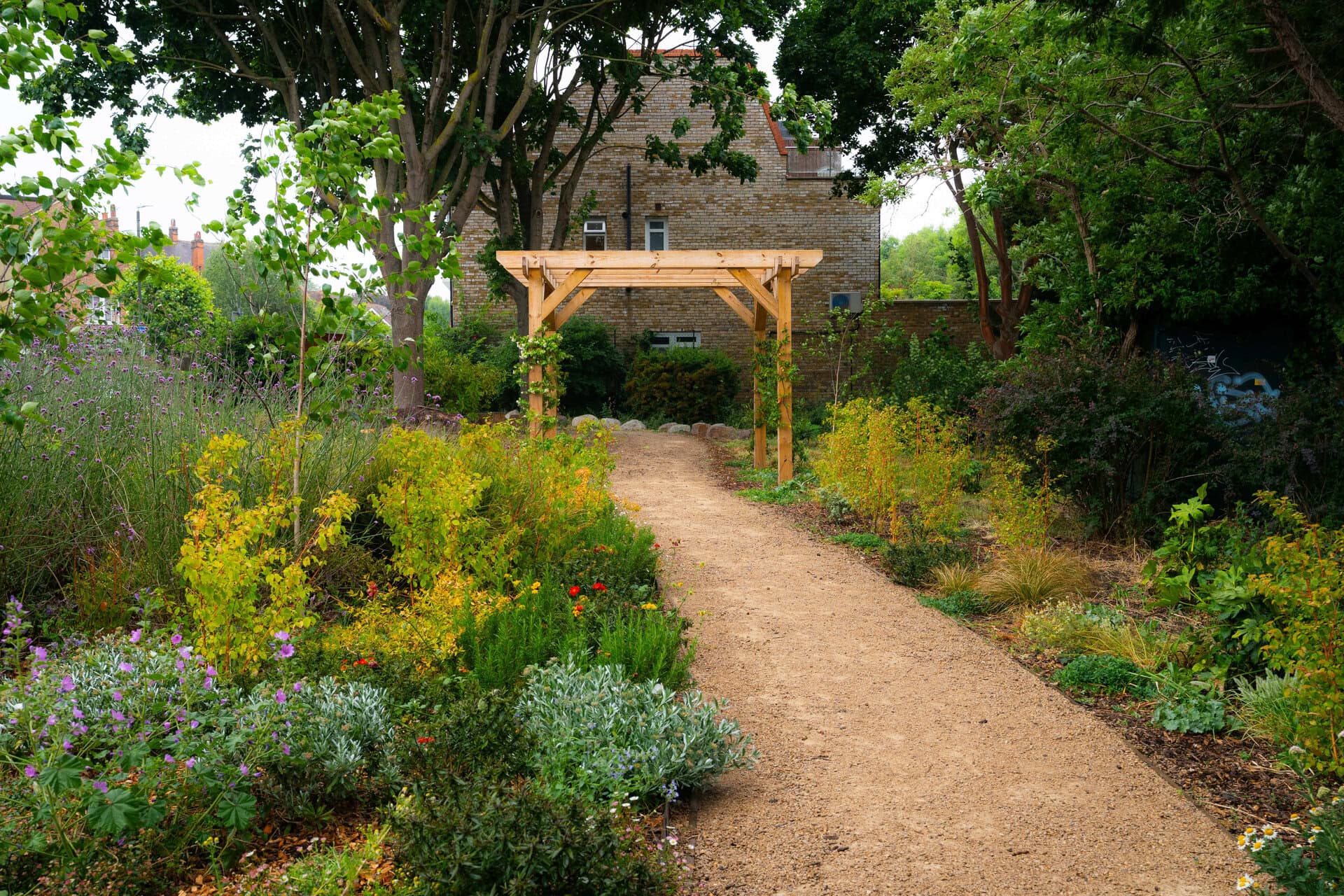
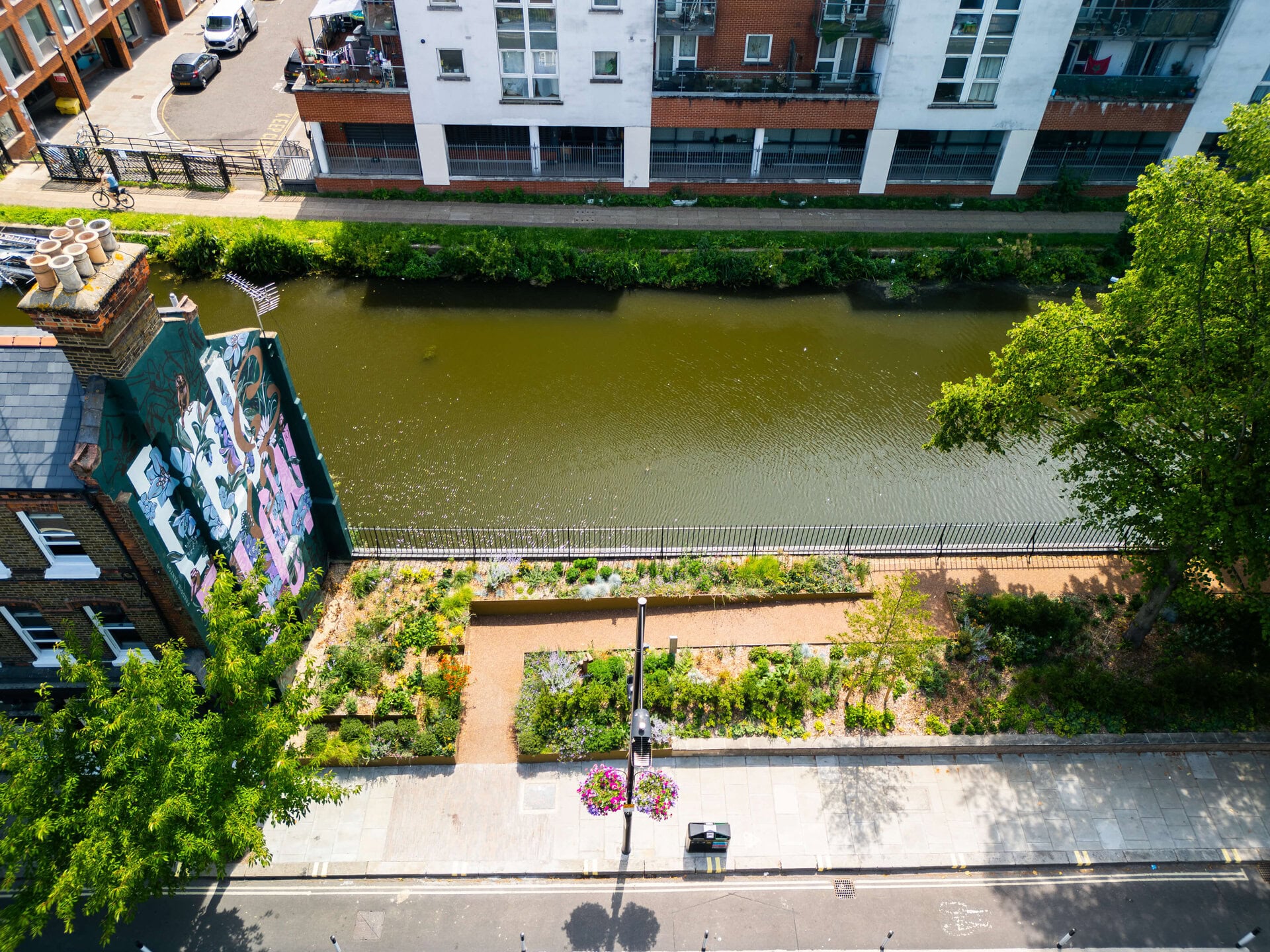
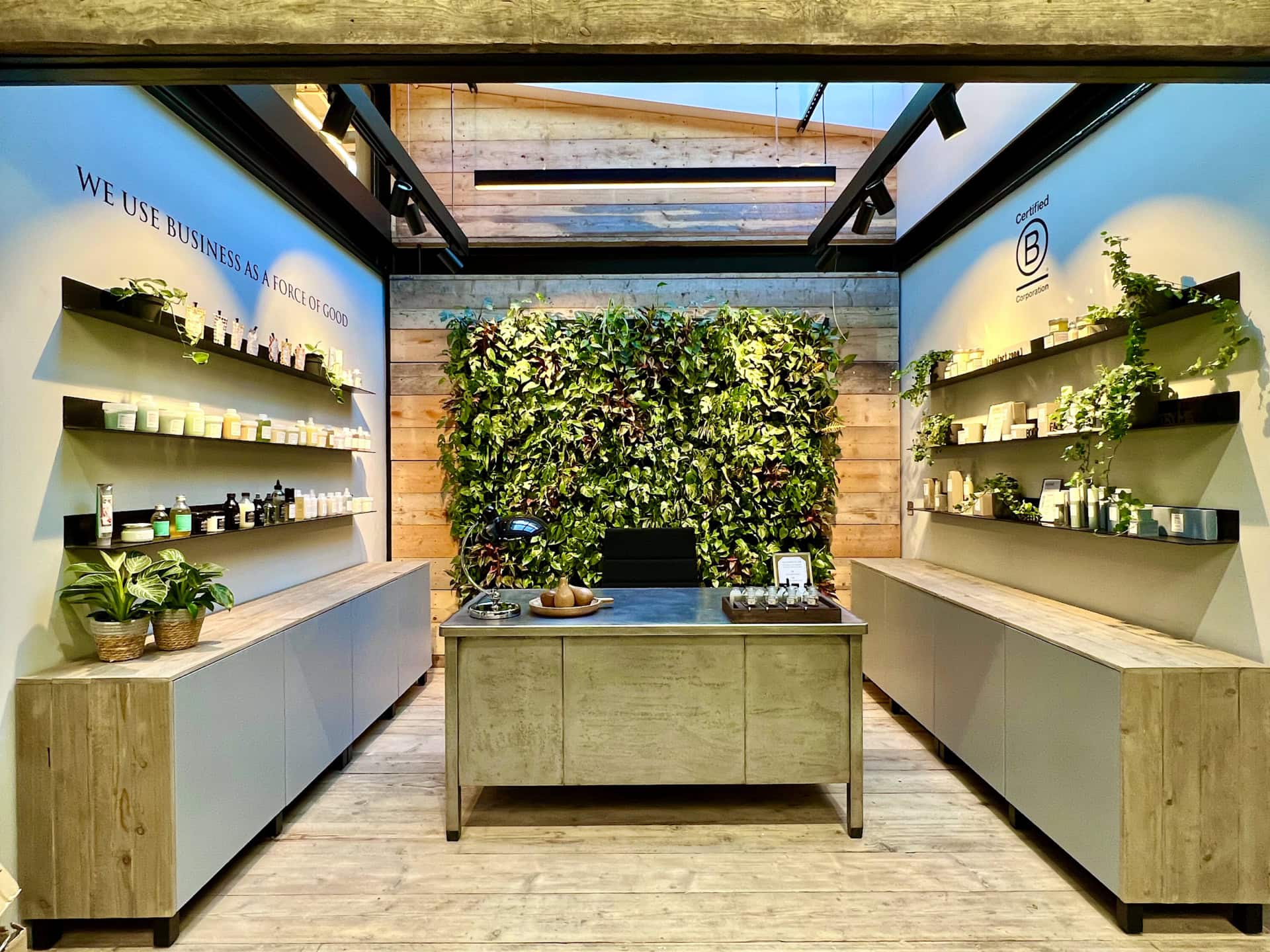
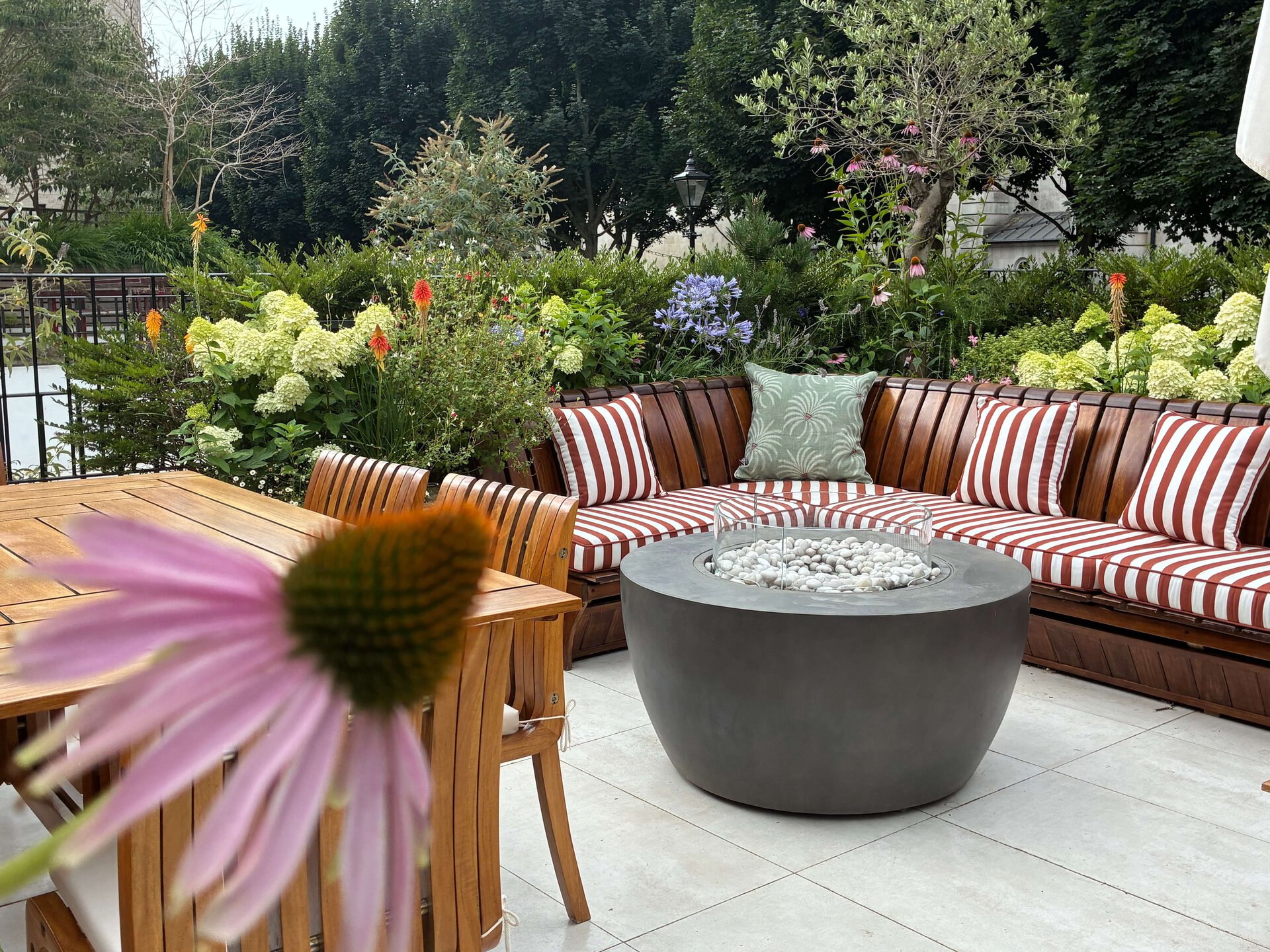
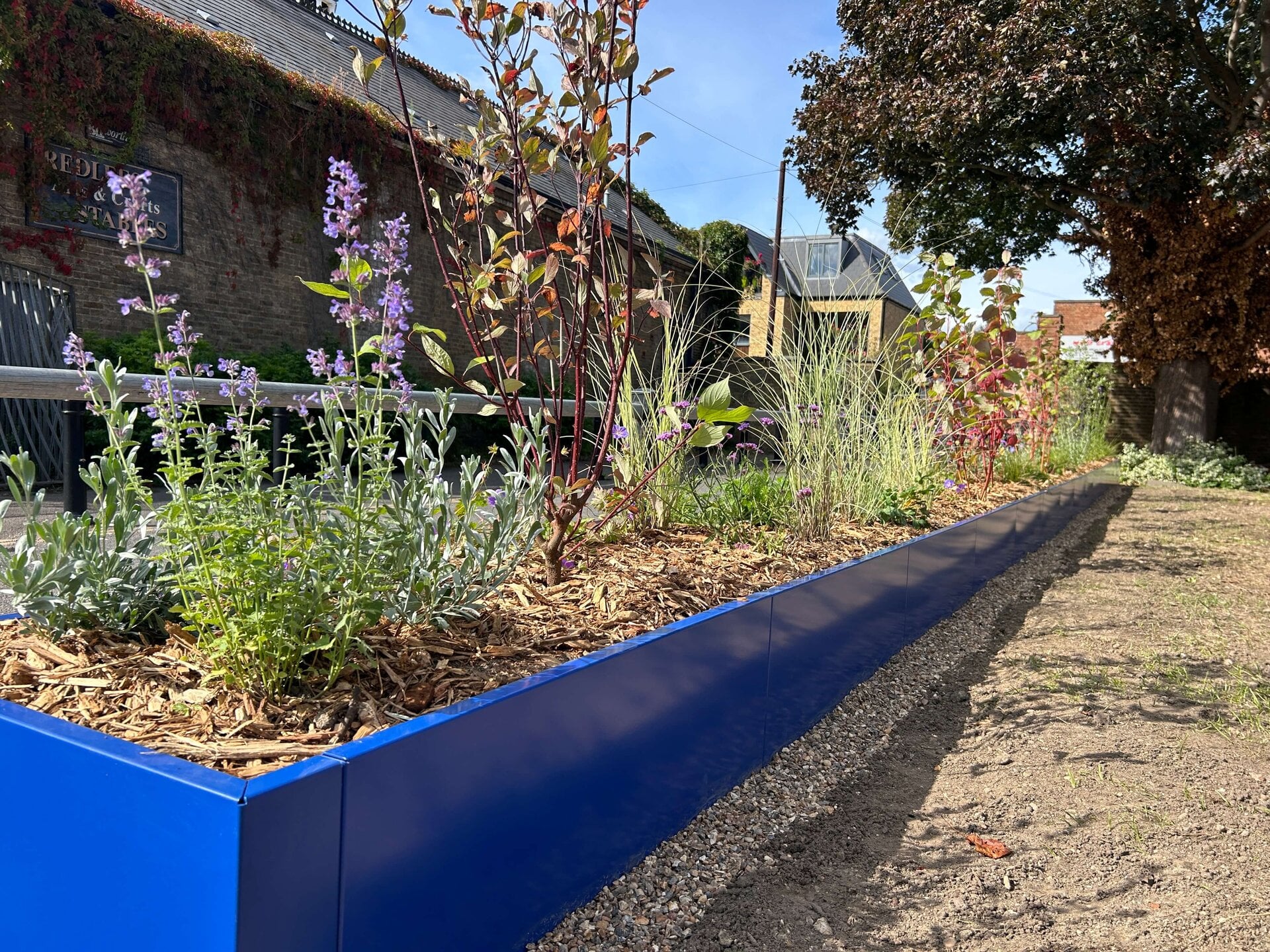
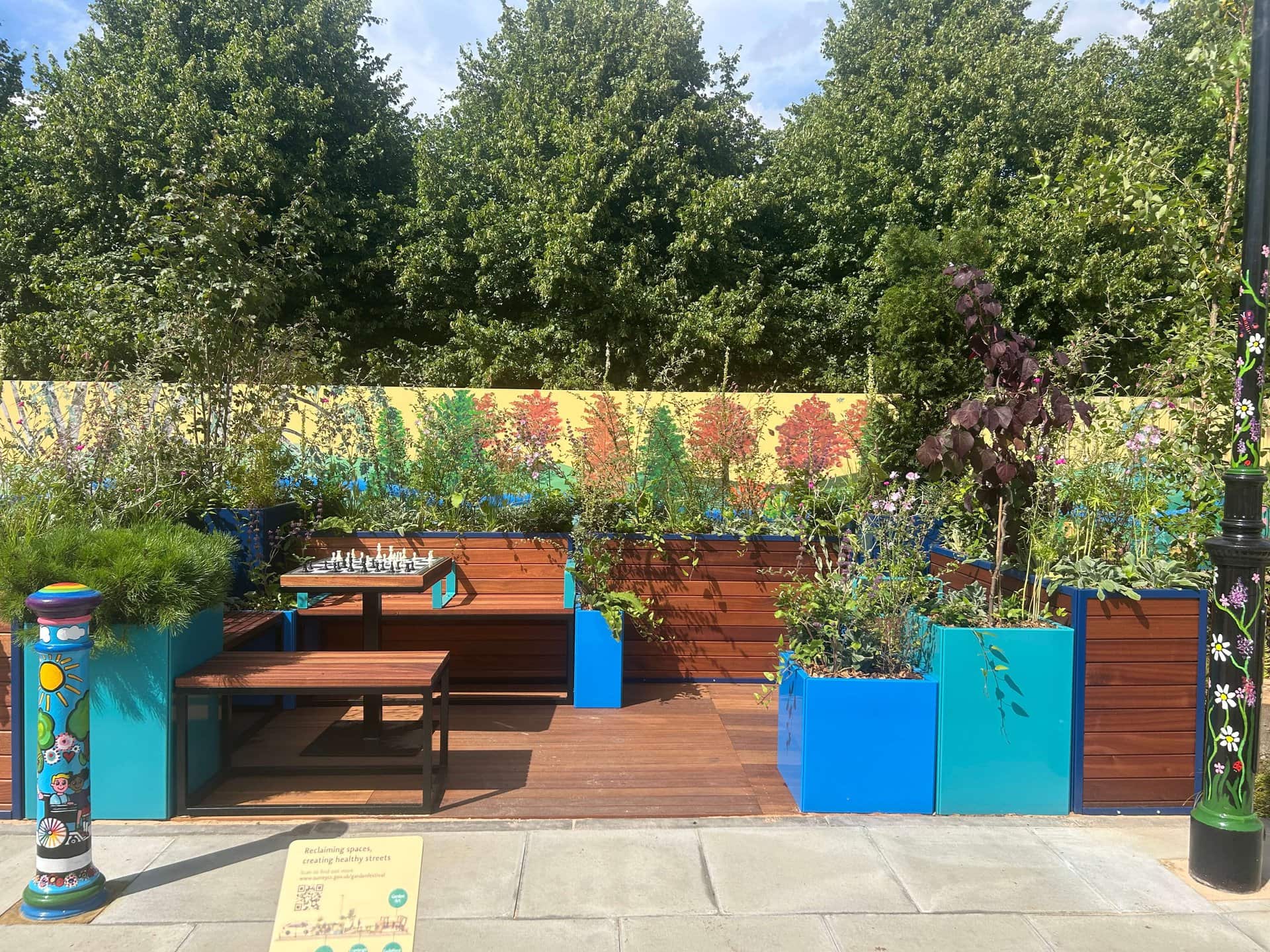
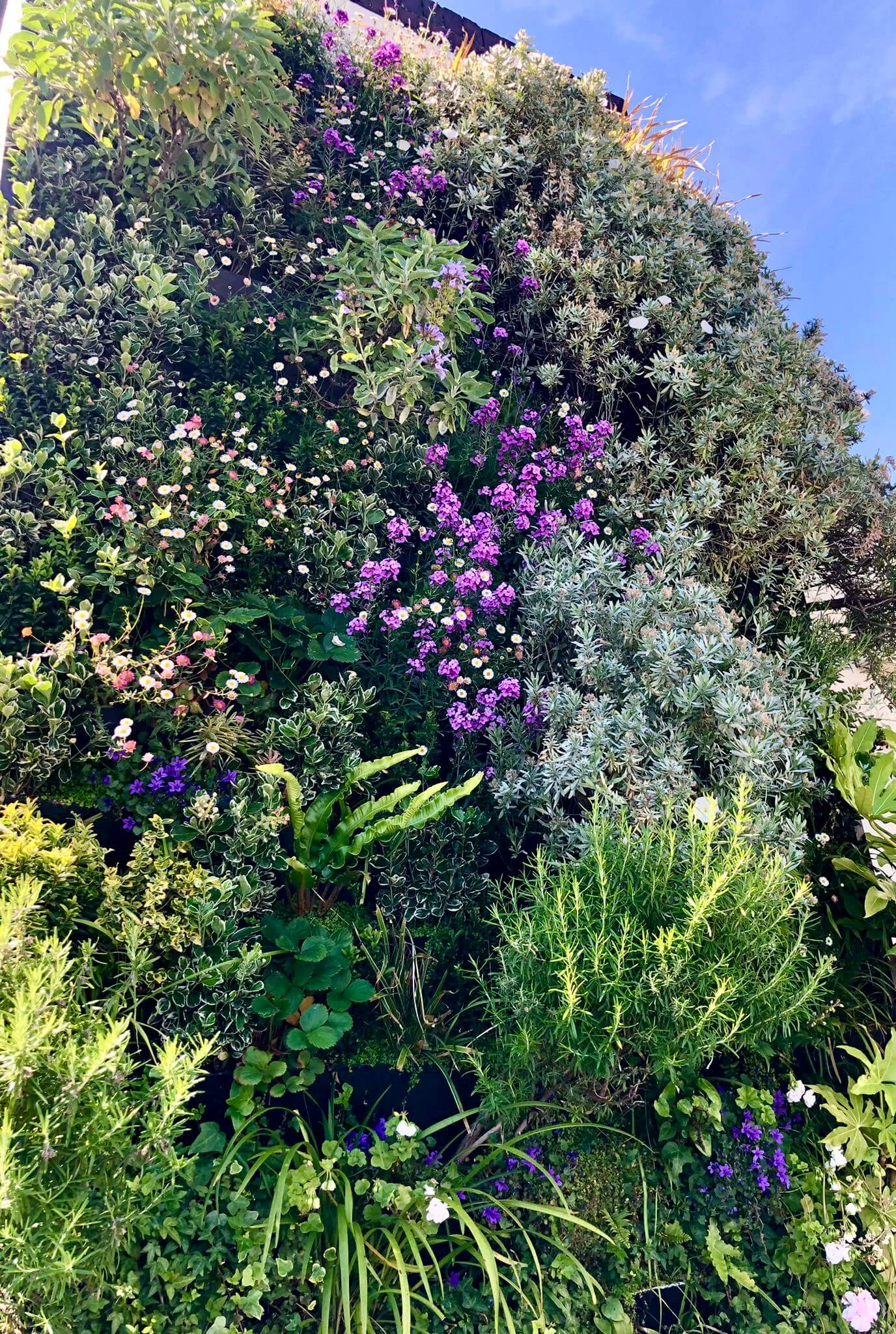
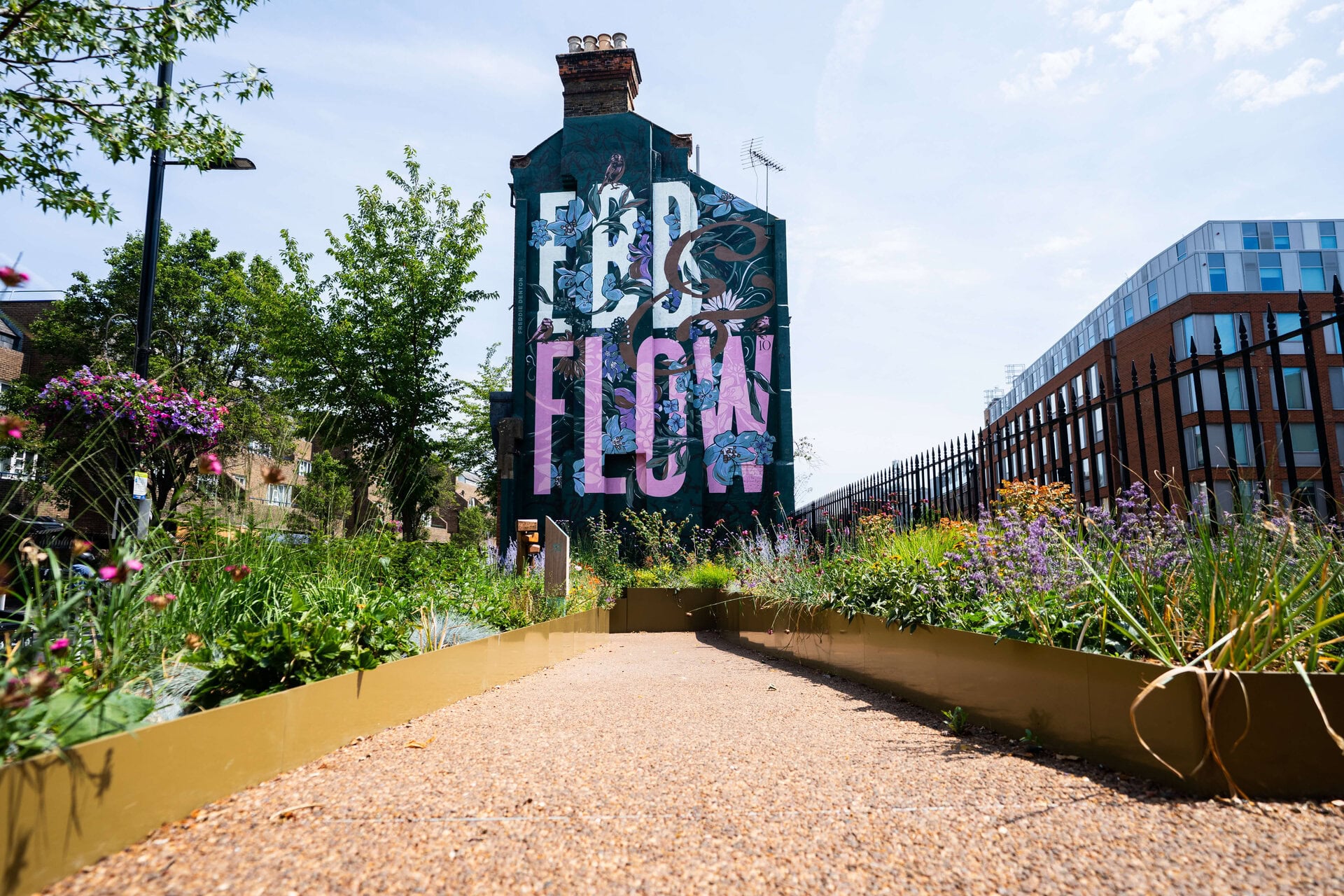
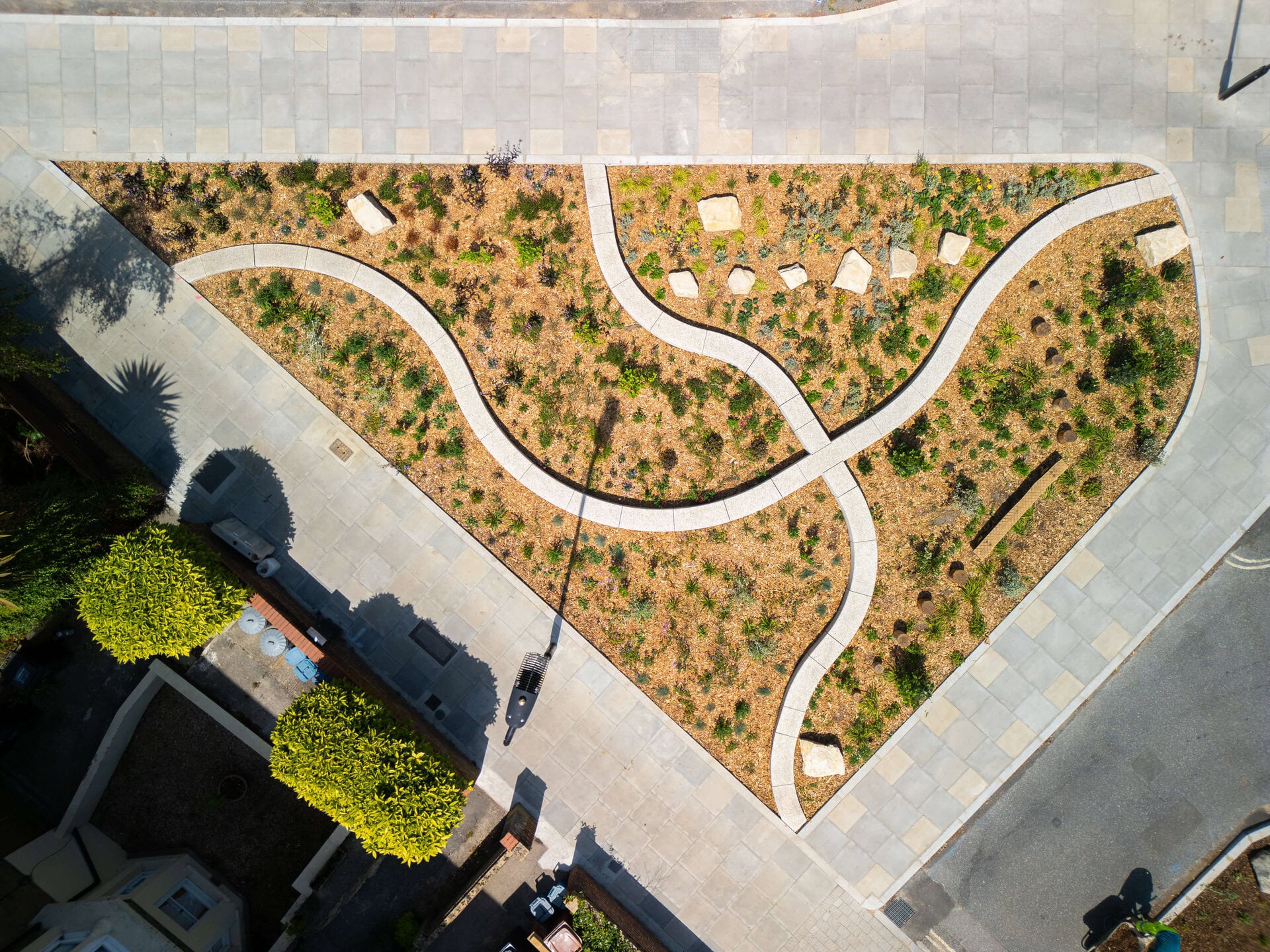
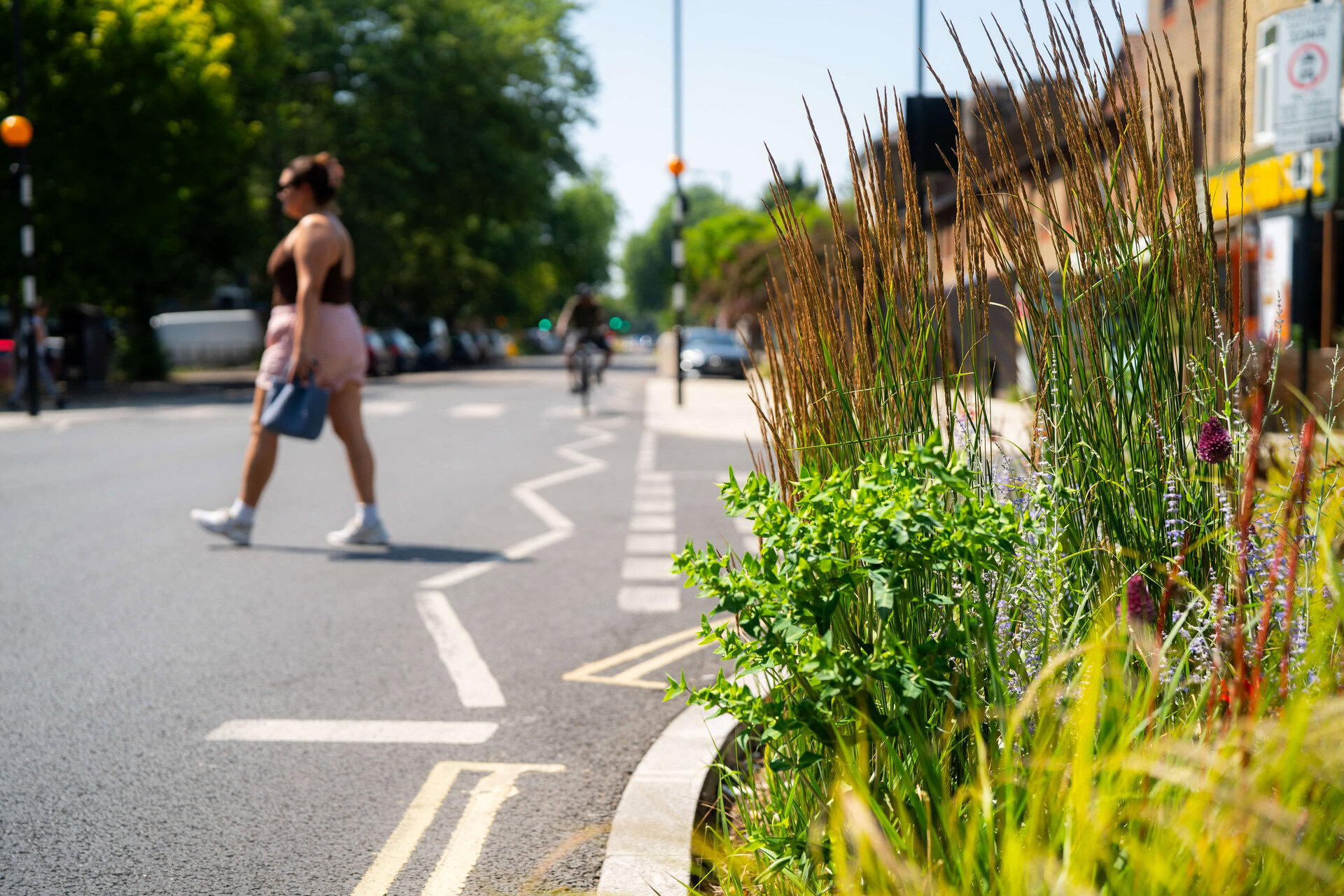
Urban greening is a potent weapon against the escalating threats of climate change. Green spaces, including trees and vegetation, act as carbon sinks, absorbing and storing harmful CO2 emissions. They also combat the urban heat island effect by providing shade and cooling through evapotranspiration. Moreover, green spaces play a role in filtering air pollutants and improving overall air quality. These combined benefits not only make cities more liveable but also contribute to global efforts to mitigate the adverse effects of climate change. Projects like Richmond Road Pocket Park showcase the transformative power of urban greening, highlighting its crucial role in creating sustainable and resilient urban environments.
How do SuDS planters work?
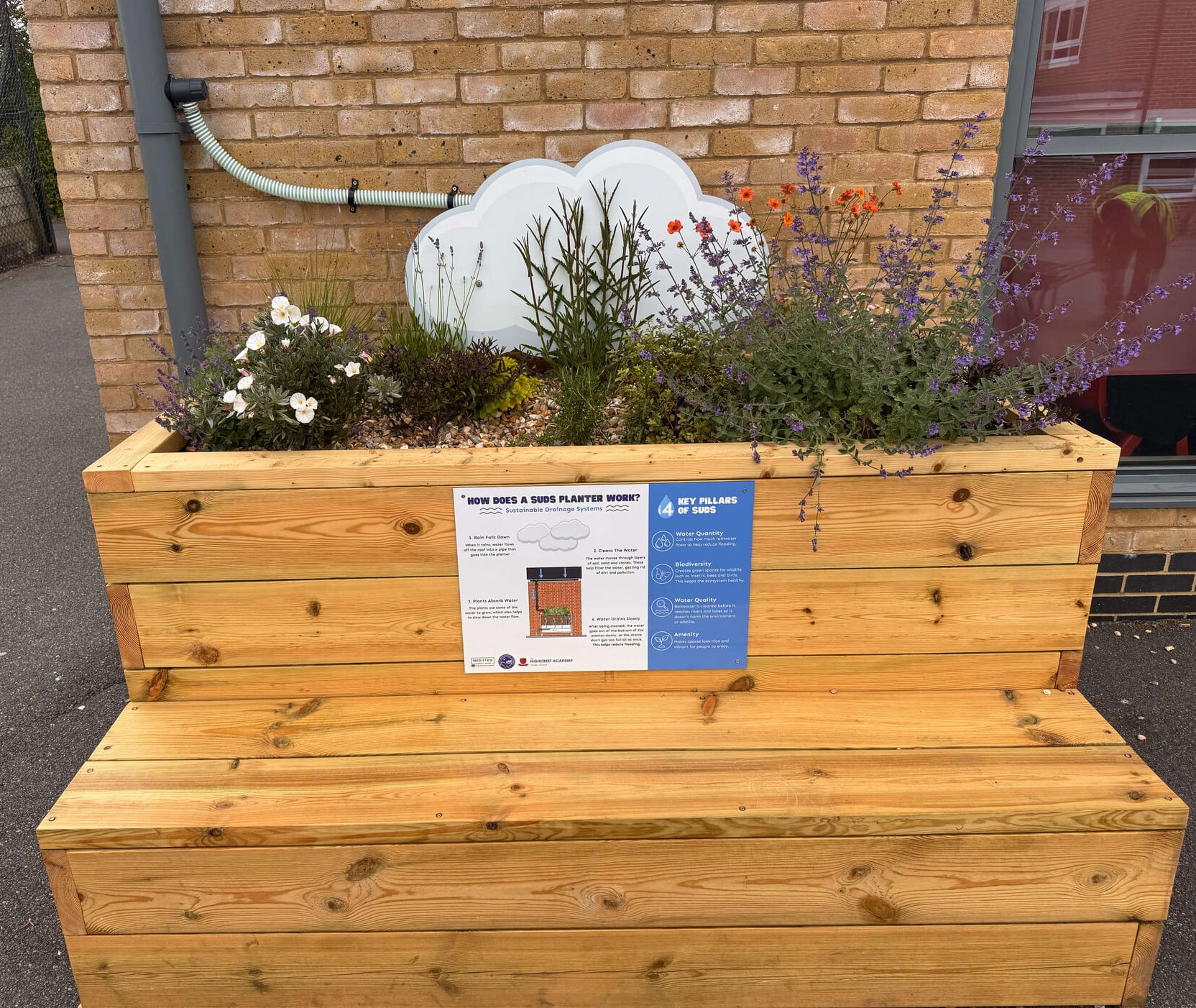
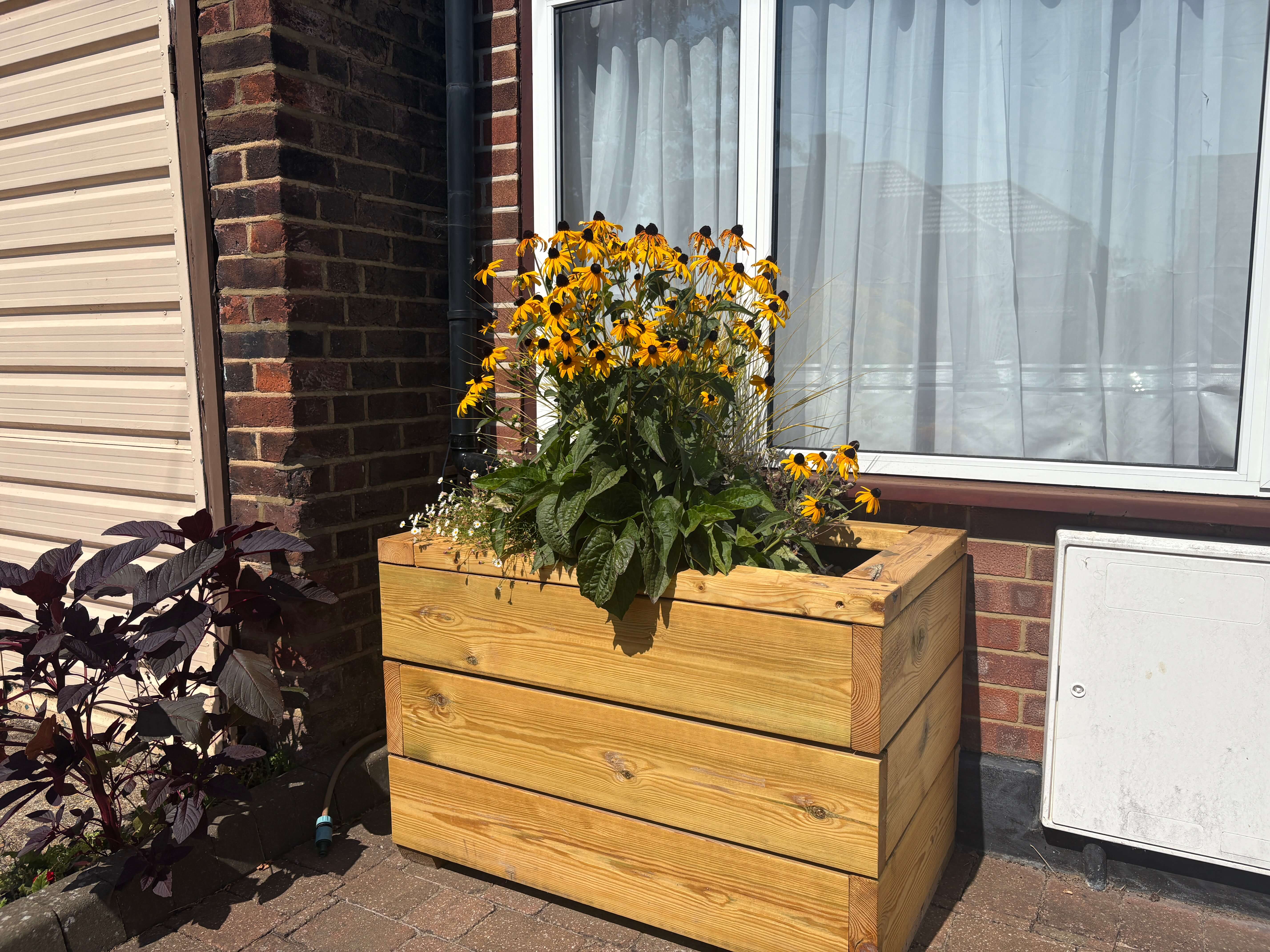
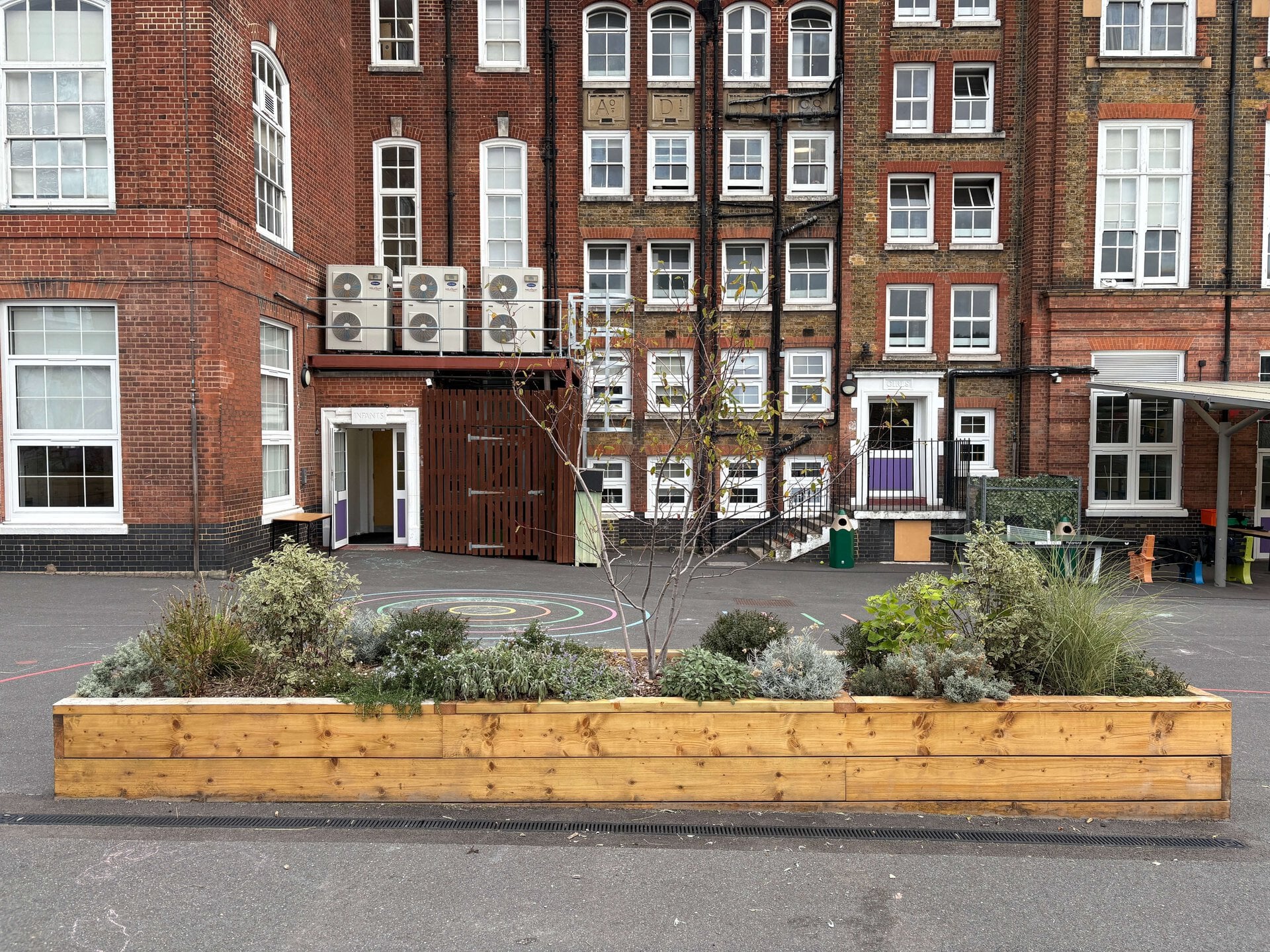
SuDS planters capture rainwater runoff, filter it through layers of plants and a specially designed soil mix, and gradually release or absorb the water. This reduces the burden on traditional drainage systems, helping to prevent flooding.
What is the difference between SuDS Planters and Rain Gardens?
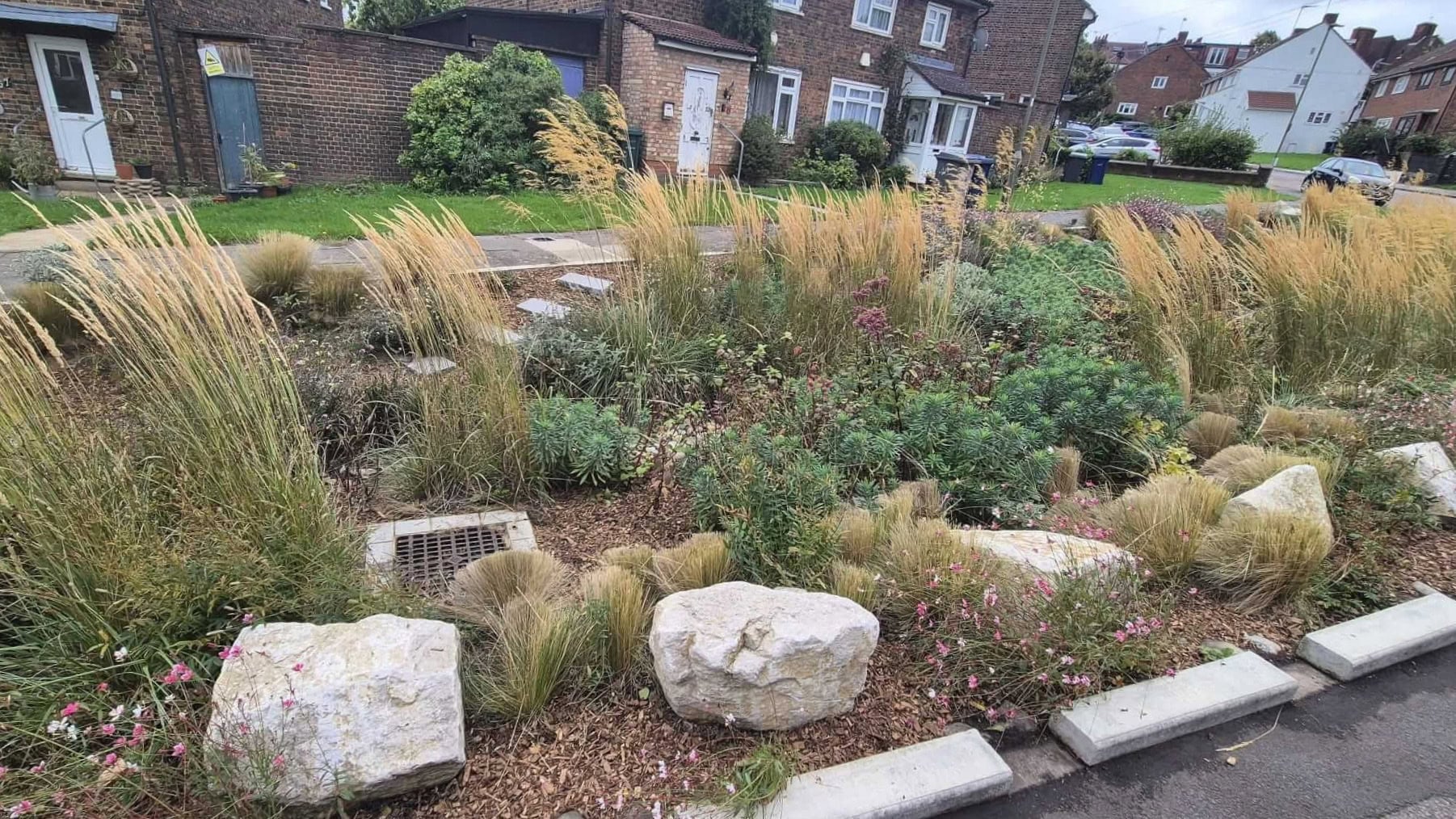
SuDS Planters are designed for easy installation into various settings, ideal for locations with limited space. Rain Gardens require specific conditions for integration and are best suited for areas where the ground can naturally absorb water.
Where can SuDS planters be installed?
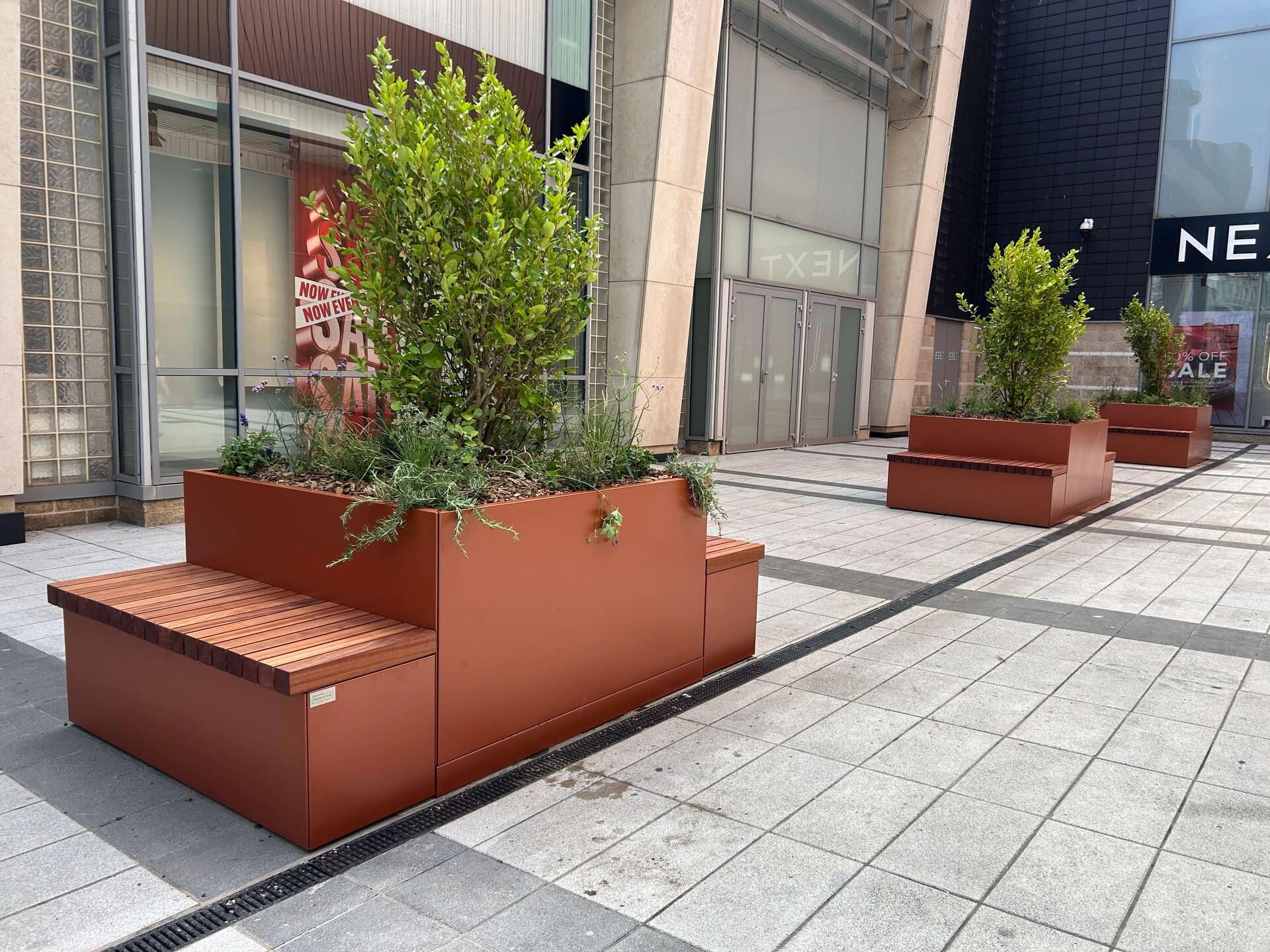
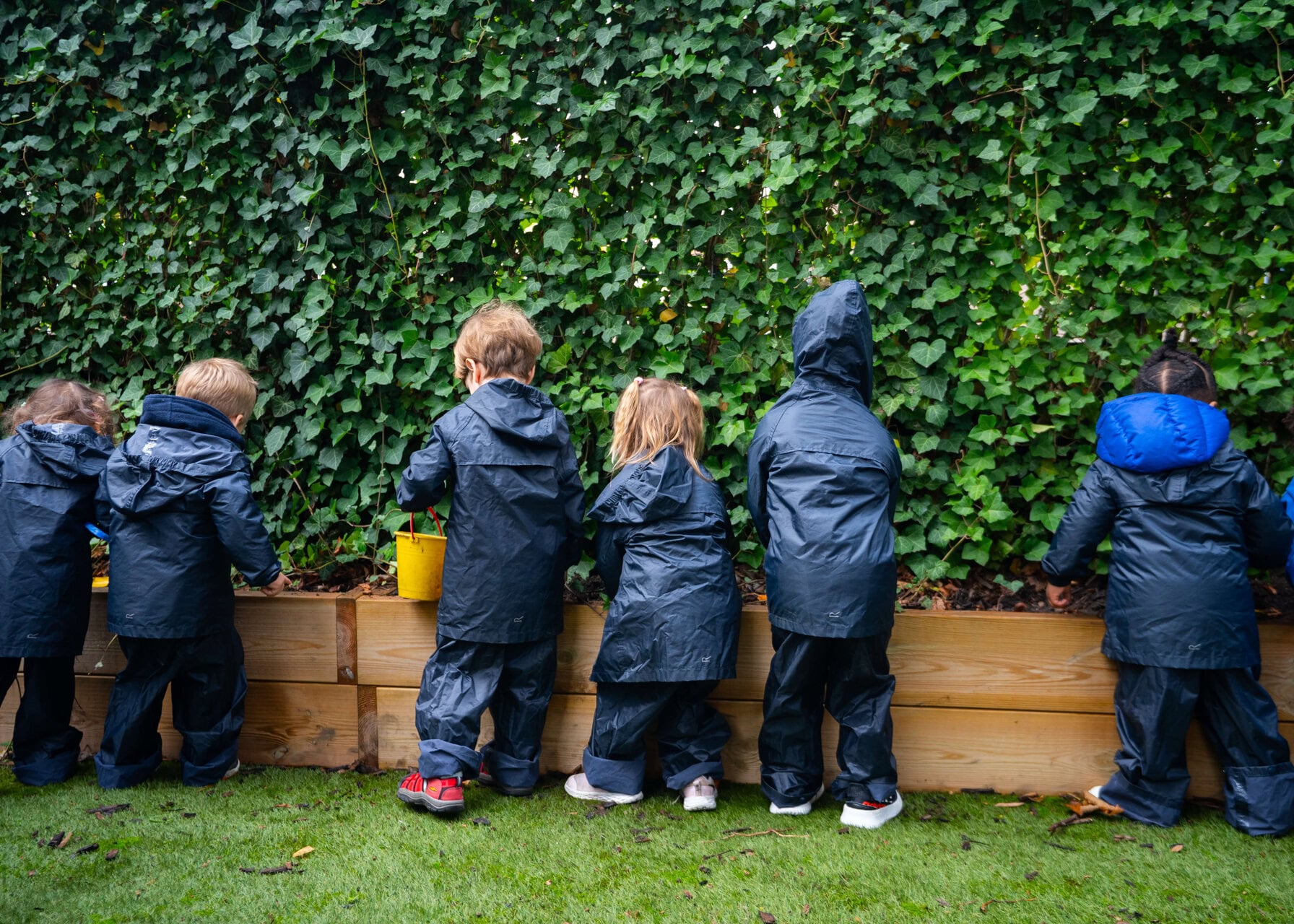
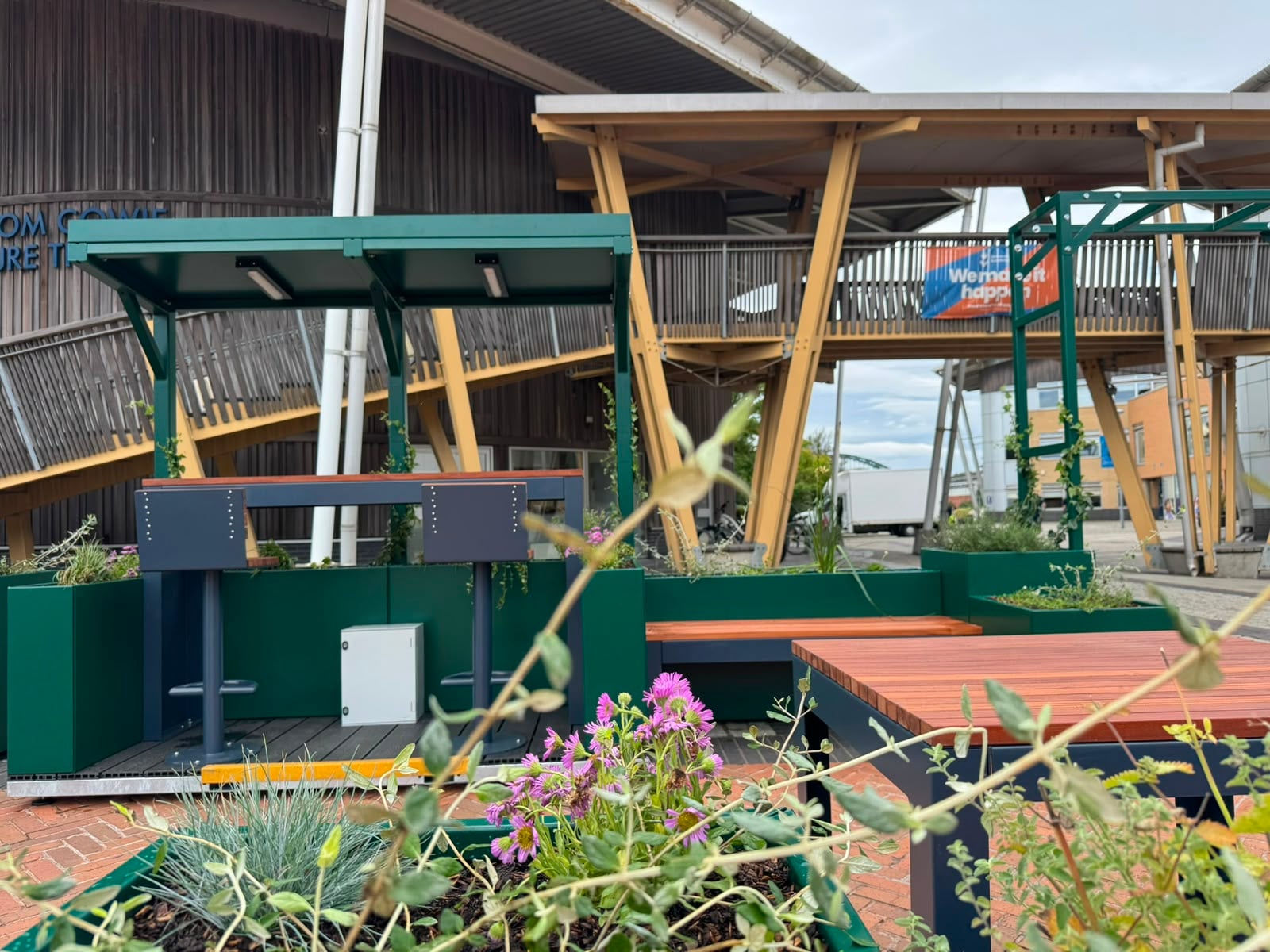
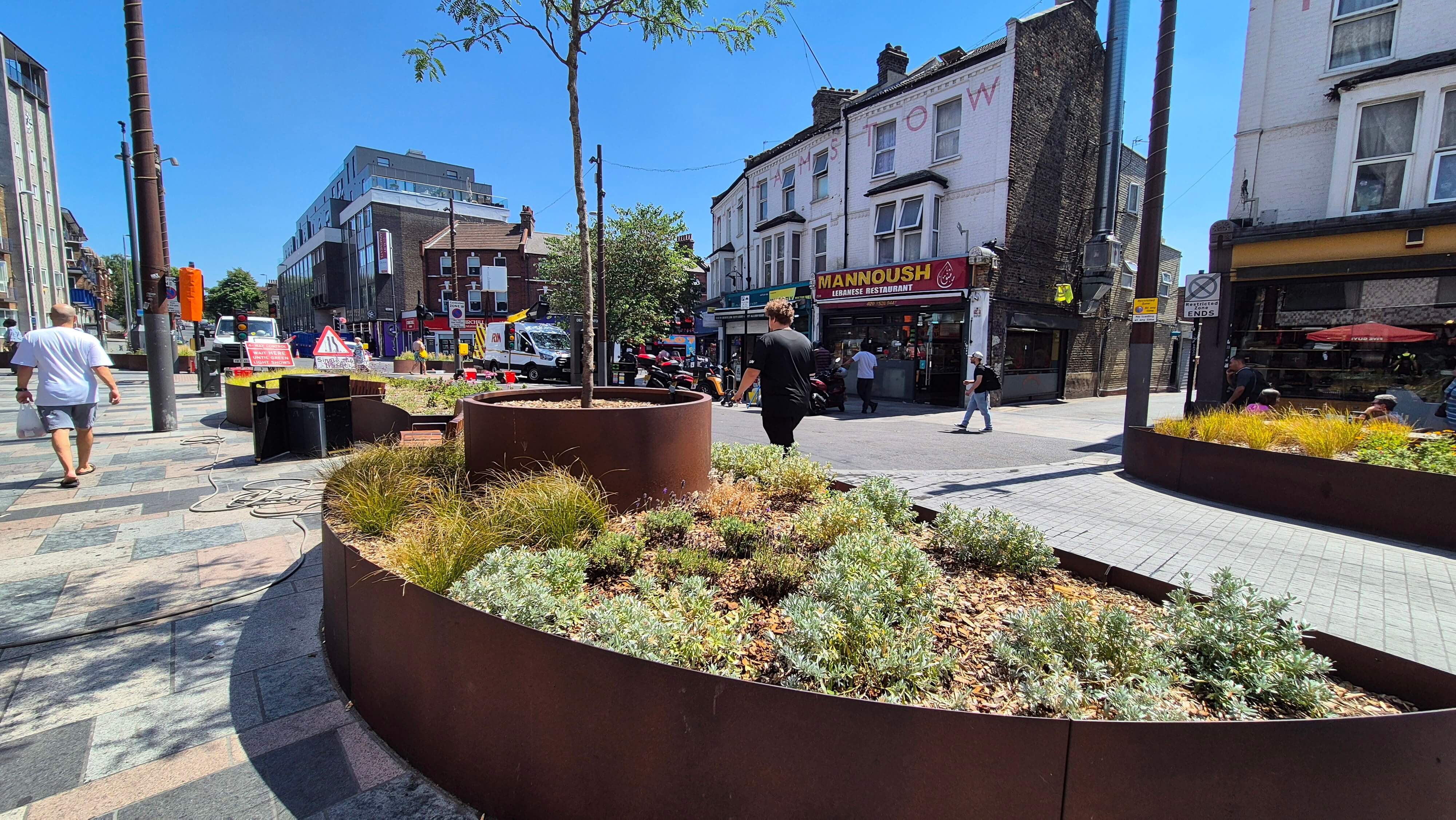
A versatile water management system, these planters can be installed in urban areas, commercial settings, school estates and residential properties to effectively reduce the risk of surface water flooding.
Do you need planning permission for a SuDS planter?
When you incorporate a SuDS system (or any other drainage system), it must be submitted to the local planning authority (LPA) for your project. Each authority publishes its flood risk policy as part of its local plan.
What kind of drainage system do SuDS planters have?
To help enhance water retention and absorption capabilities of the planters, attenuating aquifer medium base technology can be placed within the planters as a more sustainable solution to traditional shingle.
How do SuDS planters and rain gardens benefit local infrastructure?
SuDS planters and rain gardens help manage stormwater by capturing, filtering, and slowly releasing runoff, which prevents flooding and reduces pressure on local drainage systems. These solutions enhance resilience to heavy rain events and can be tailored to fit most urban environments.