
About us




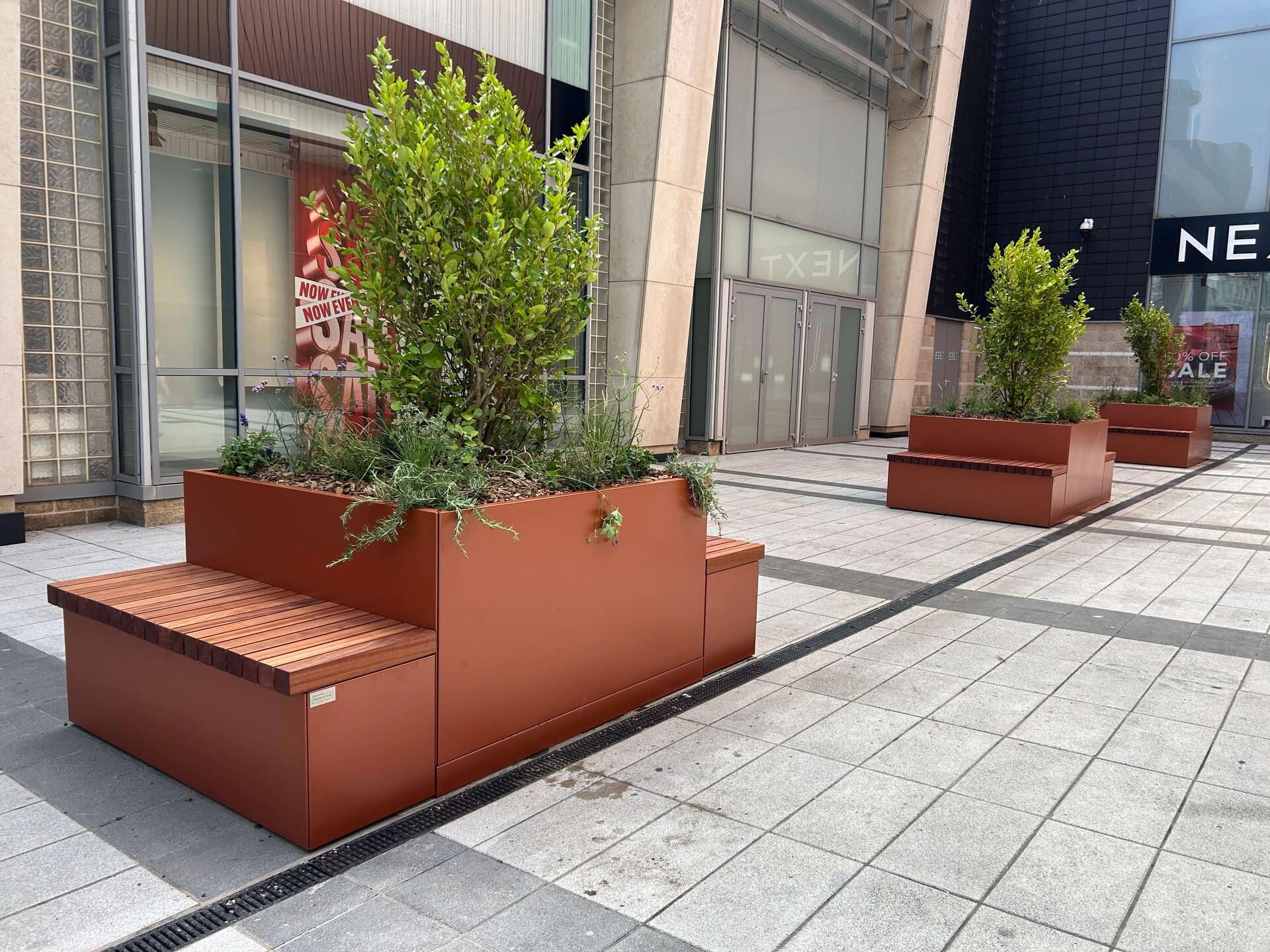
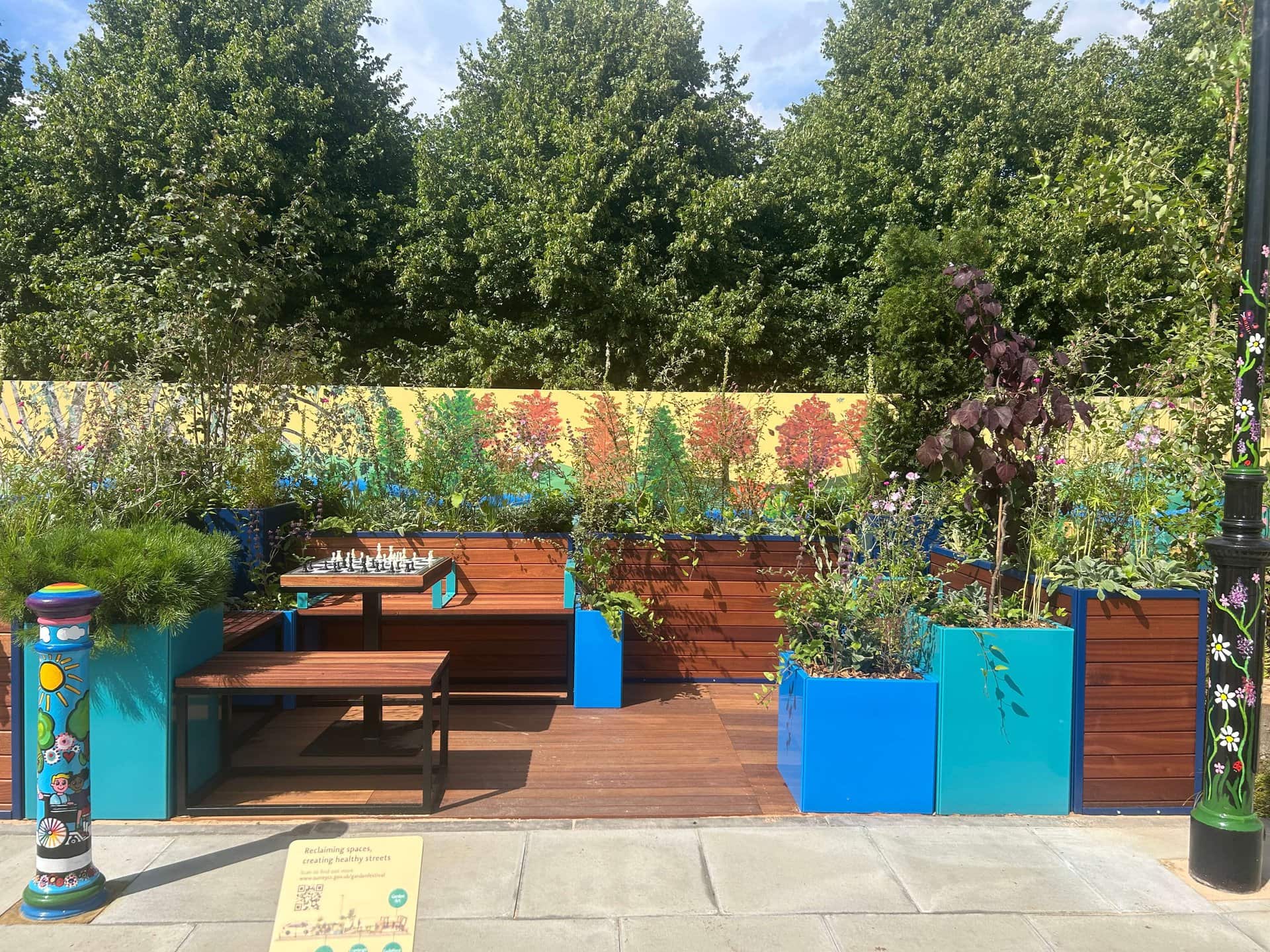




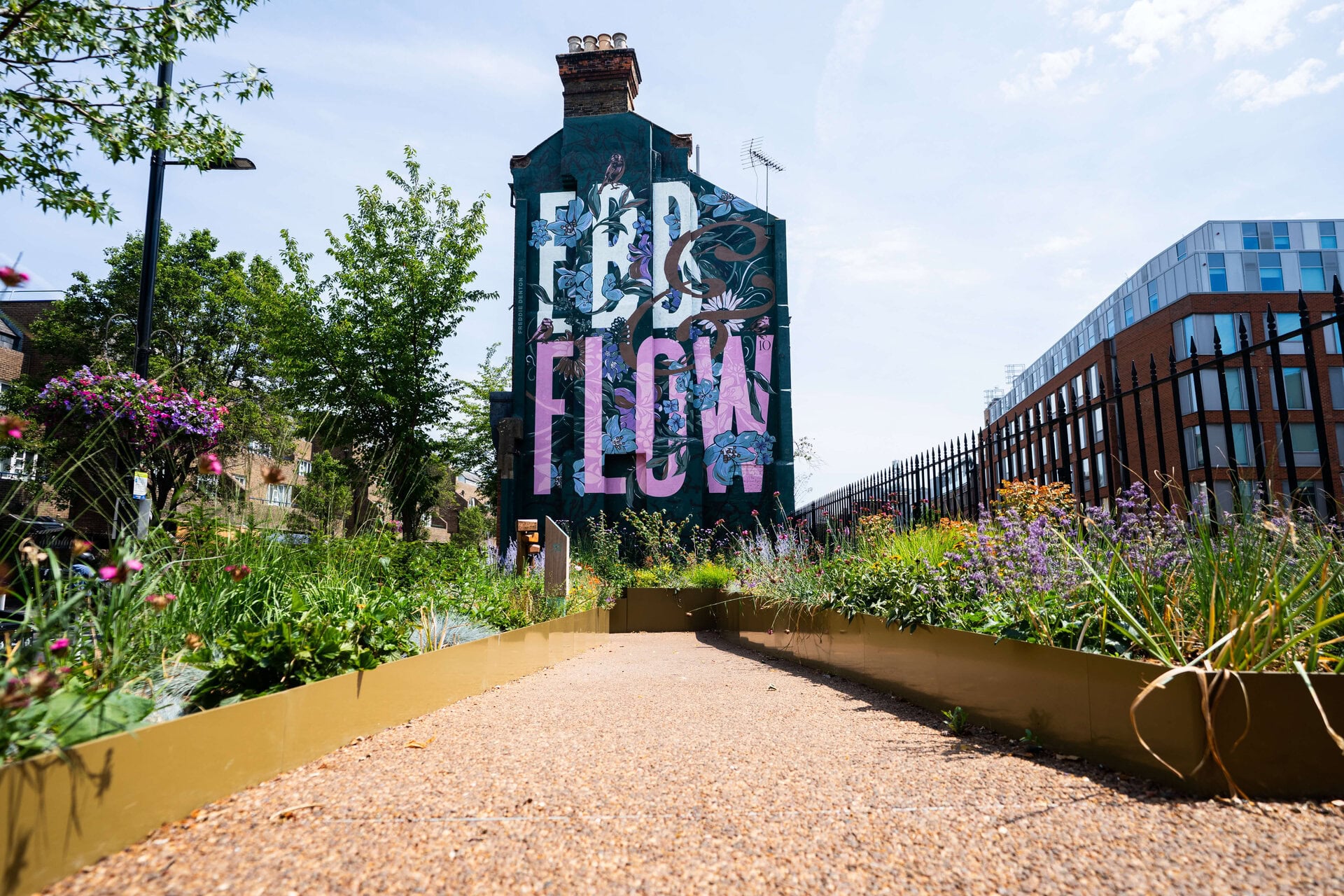


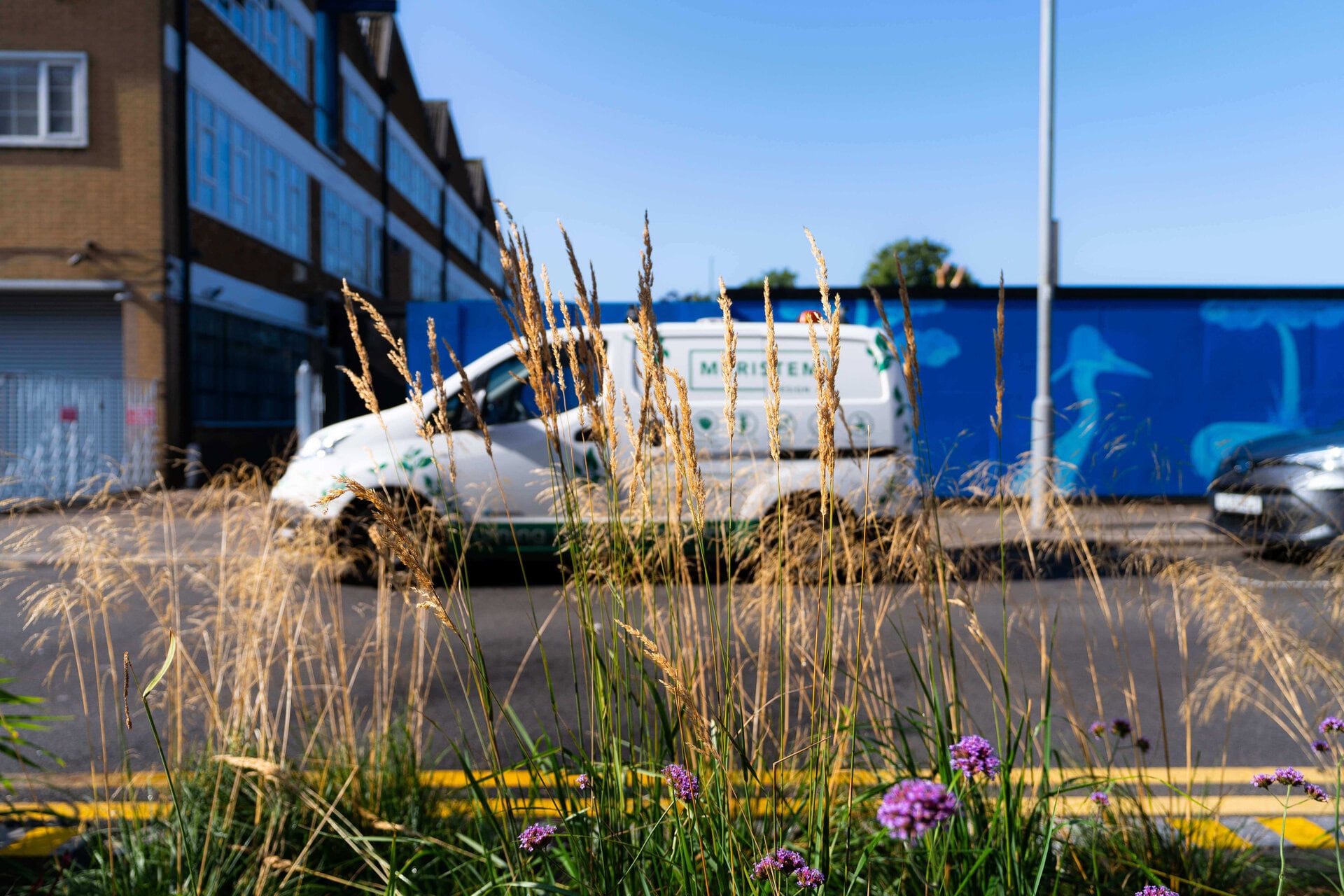

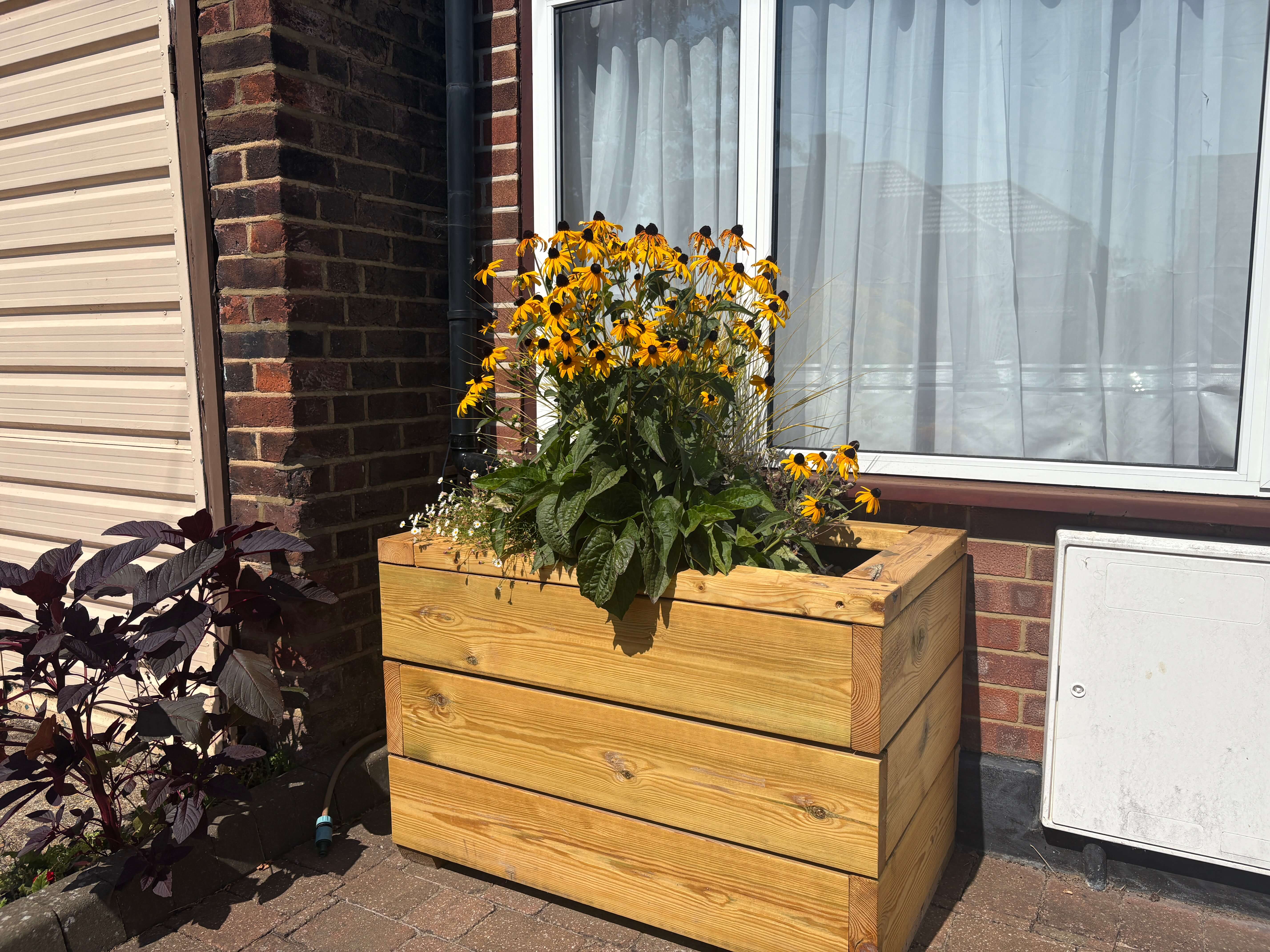
If a parklet gets damaged, who is responsible for the repairs?
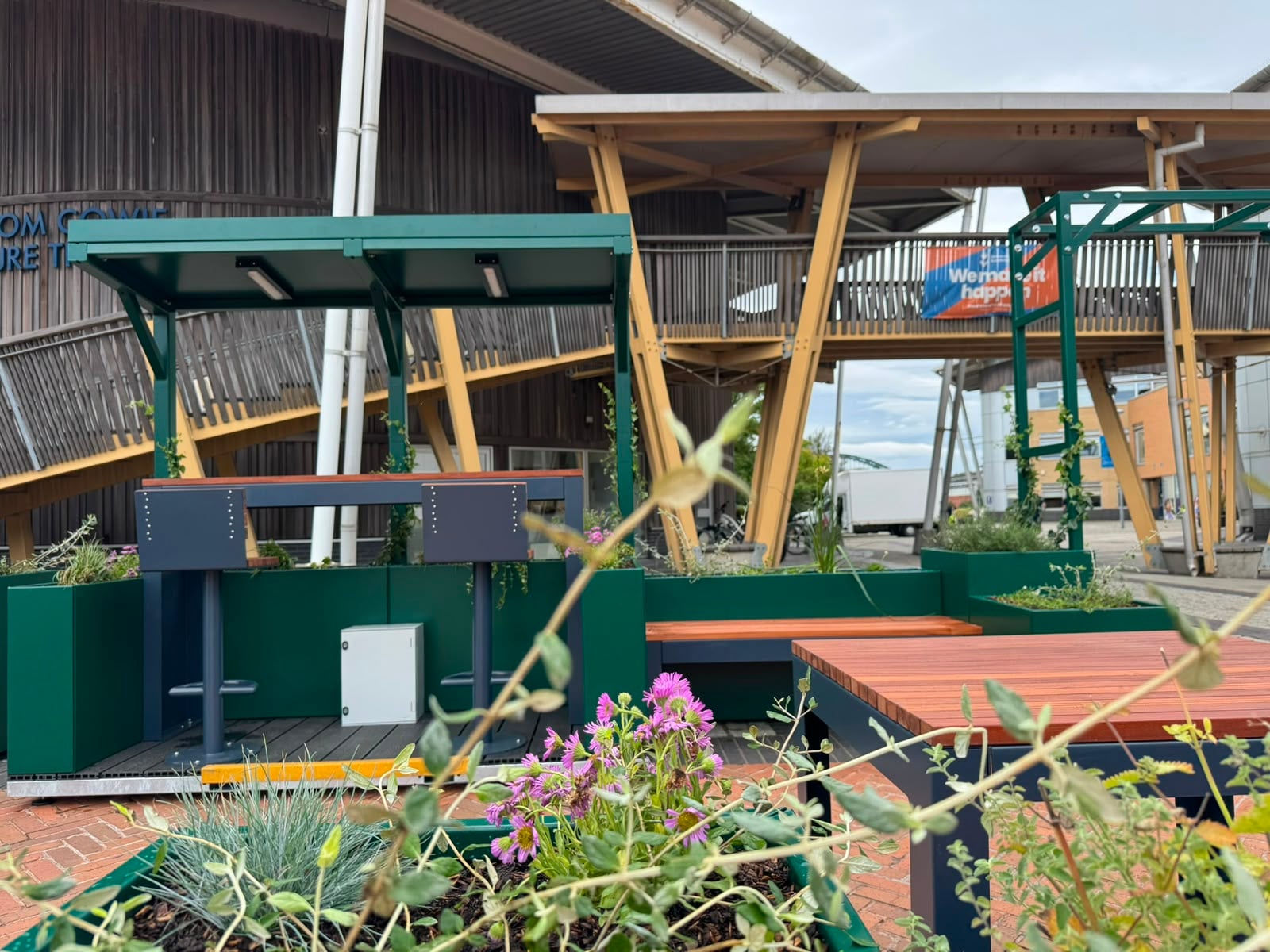
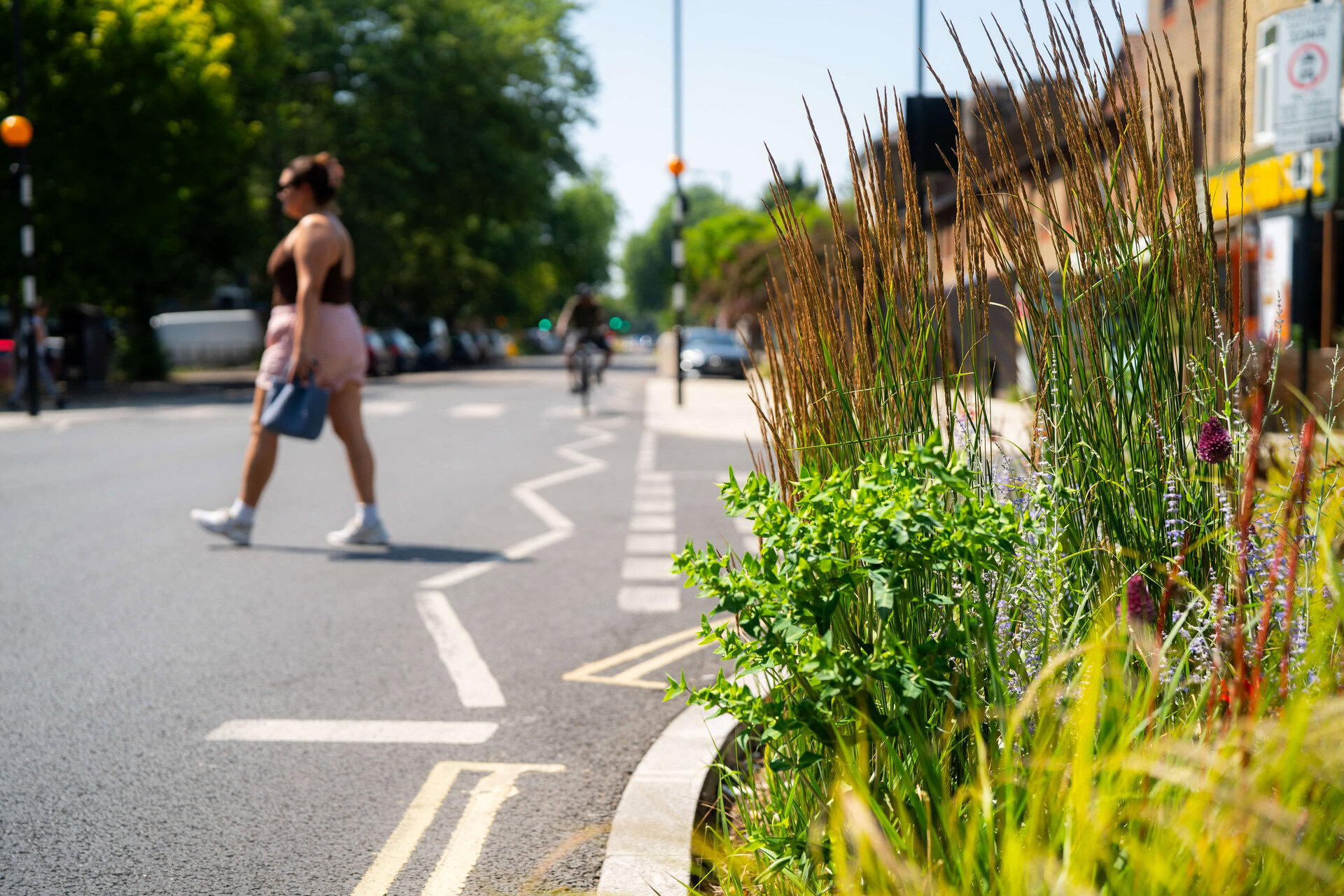
The business is responsible for the parklet repairs which can be carried out by the owners own contractors or the original supplier, Meristem Design.
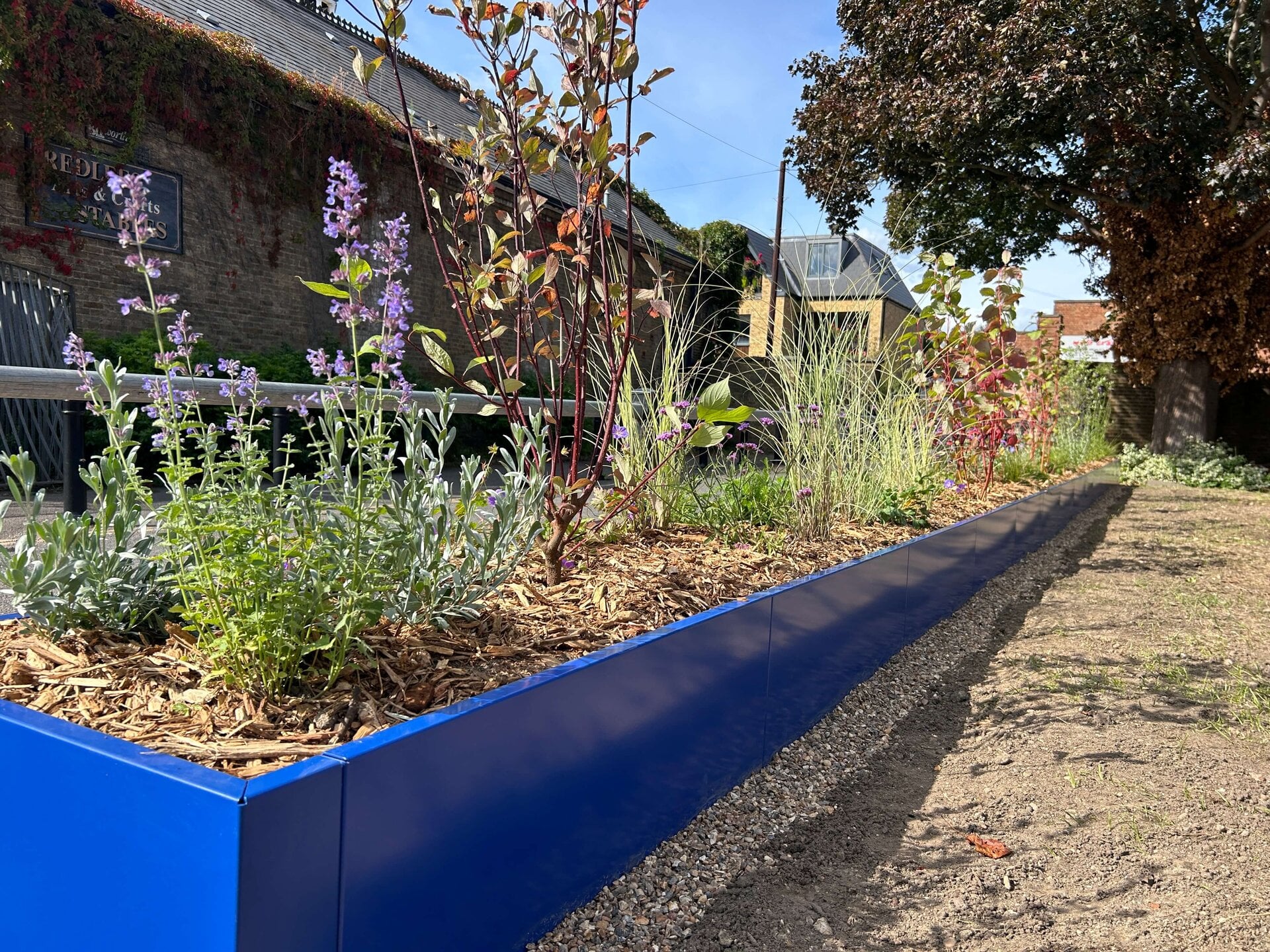
Is there anything to prevent customers walking into the road when using a parklet?
Yes there is planters or a steel balustrade on the roadside of the parklet.
Can parklets be removed if required and what is the notice period?
Yes, Meristem can remove parklets with 8 weeks notice.
Do nature gardens help with climate resilience?
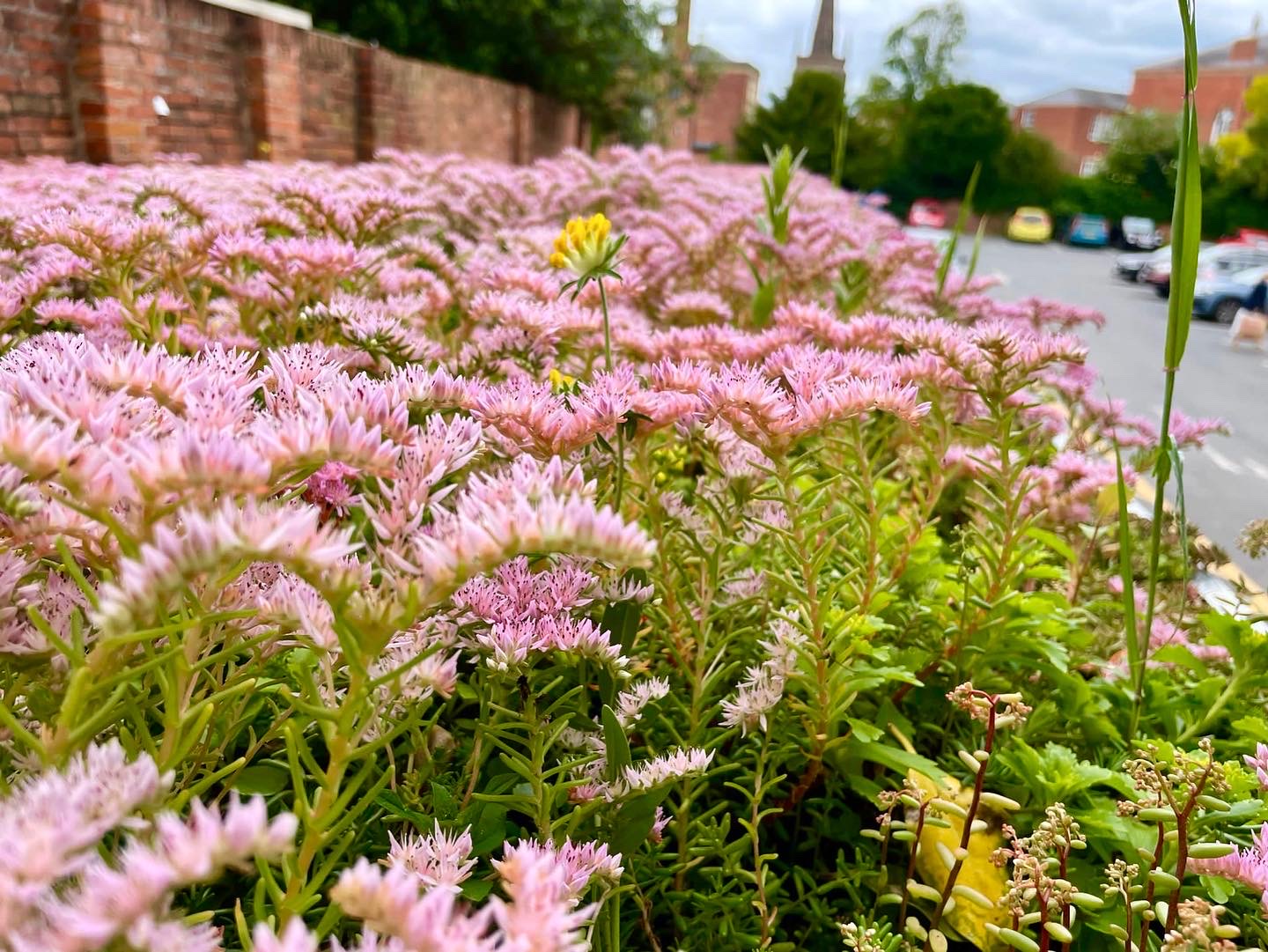
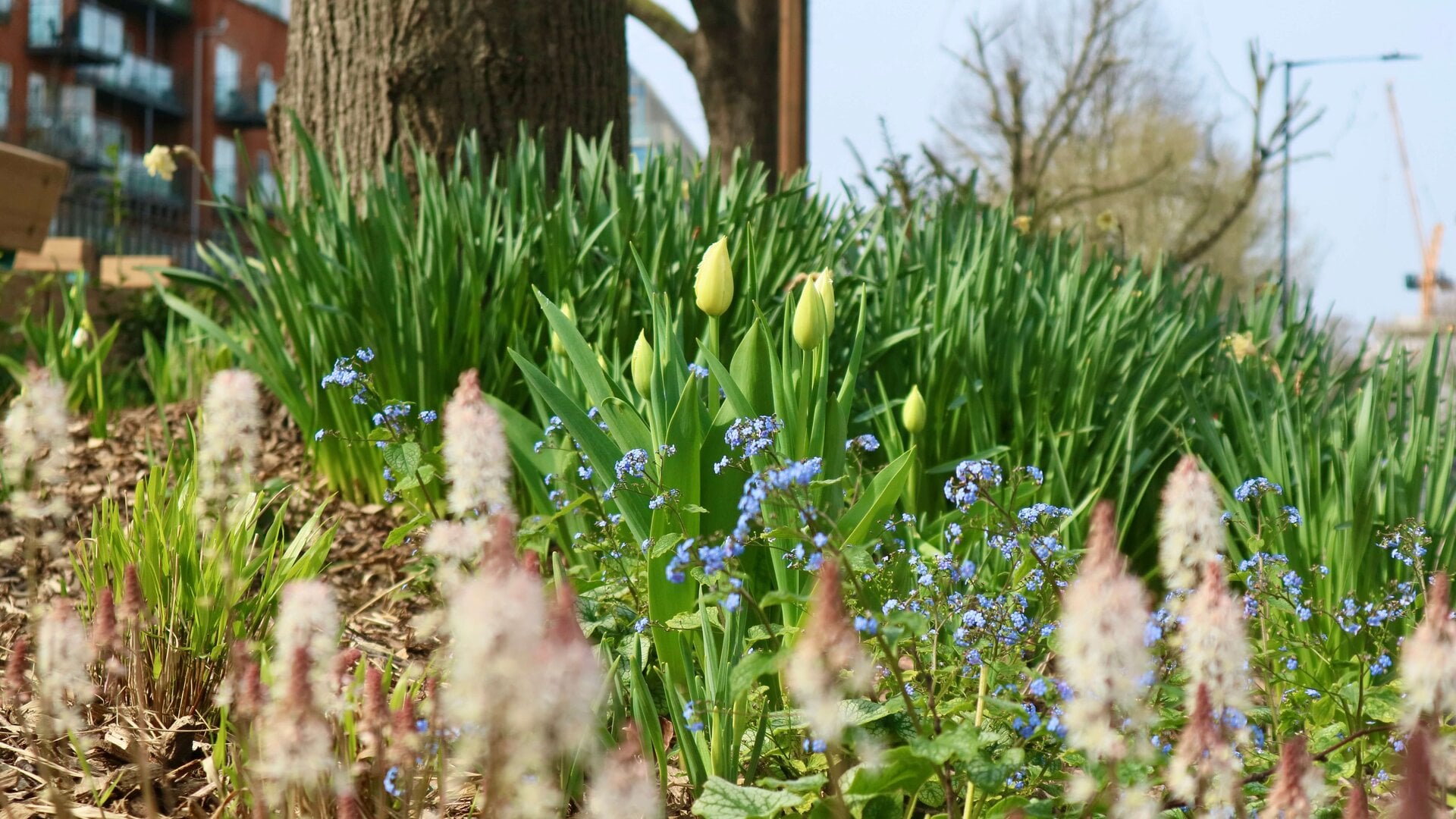
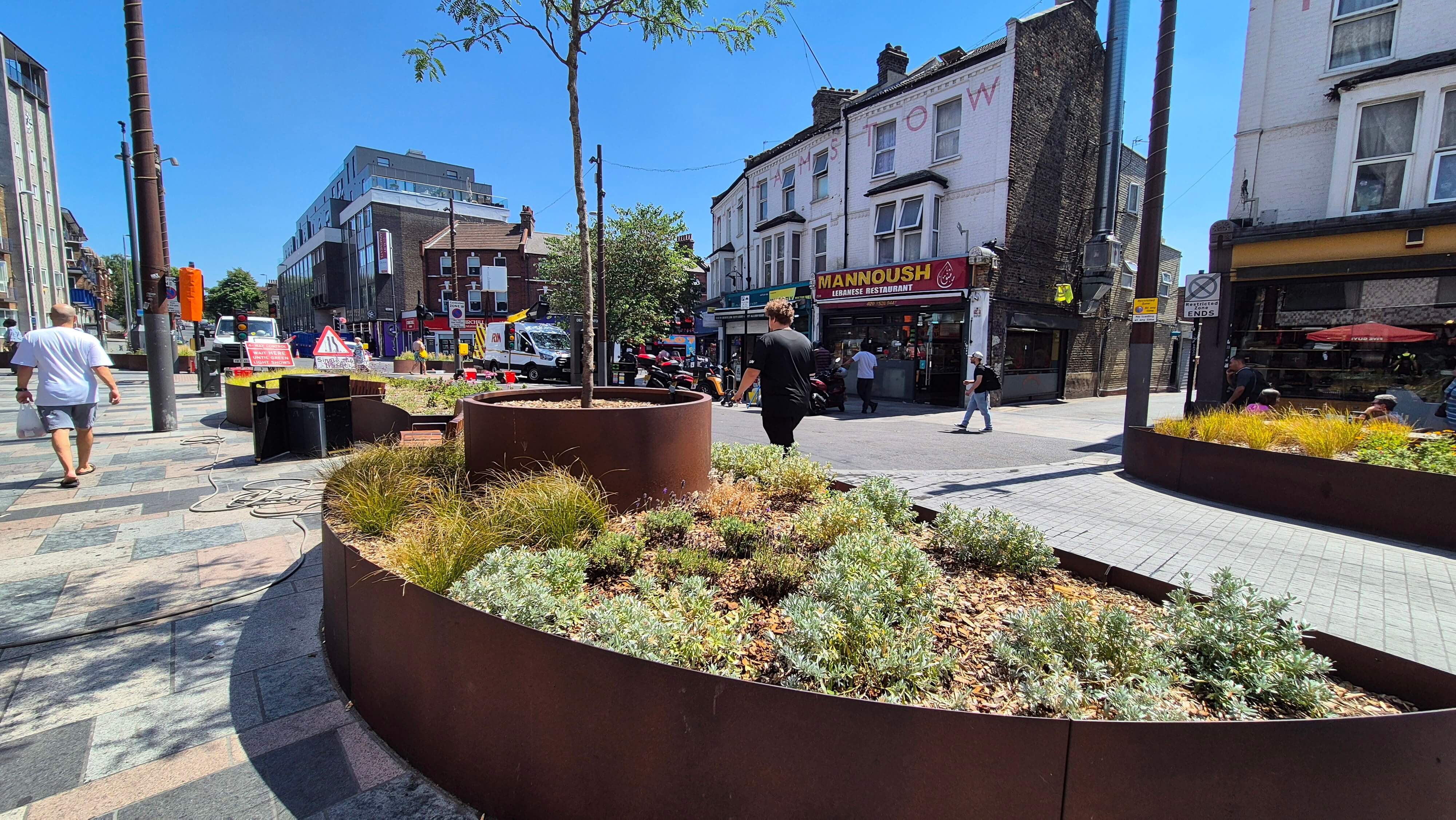
Yes, they improve biodiversity, support pollinators, cool the urban environment and manage rainfall - all key elements of local climate resilience strategies.
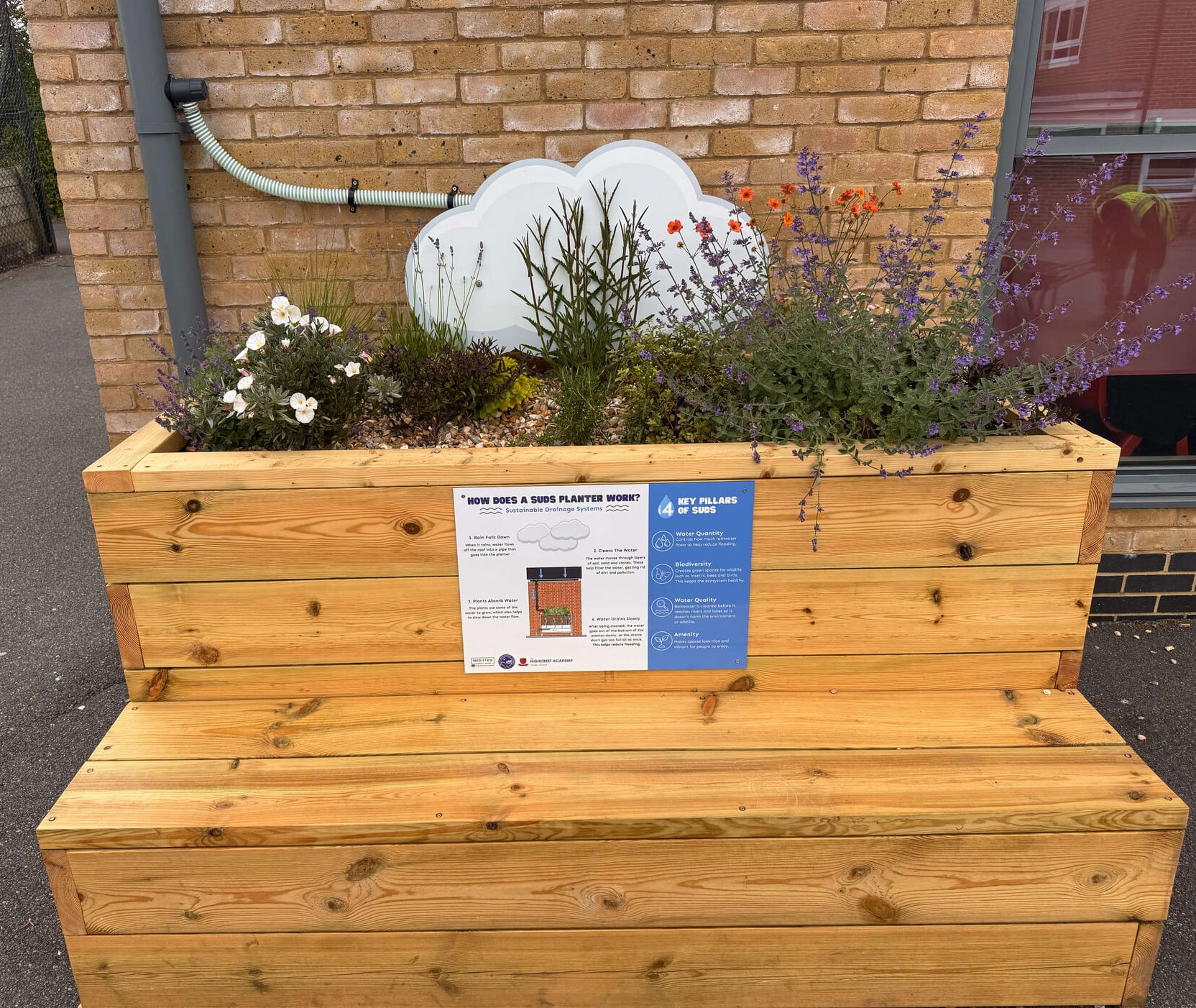
Can SuDS (Sustainable Drainage Systems) be integrated into a nature garden?
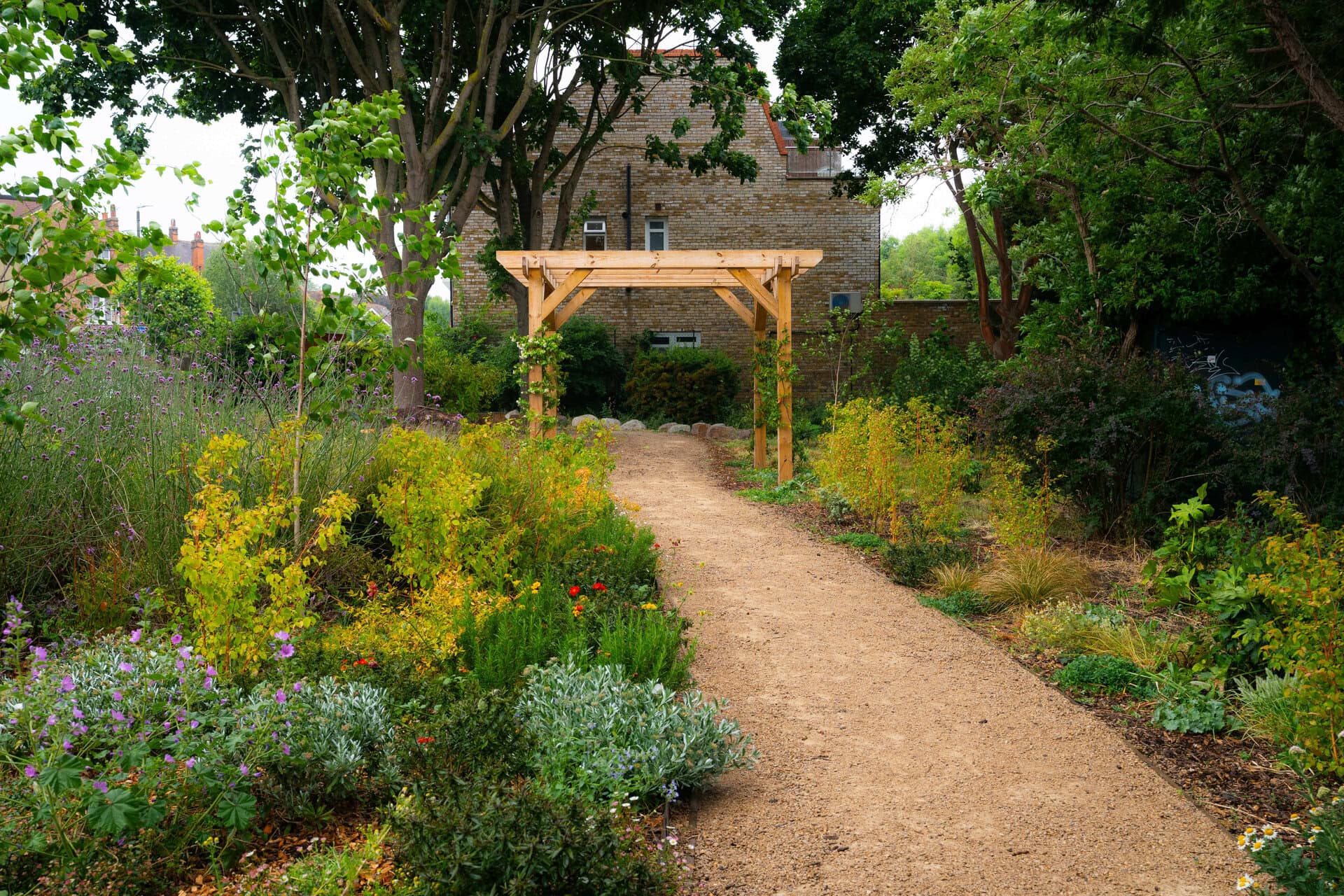
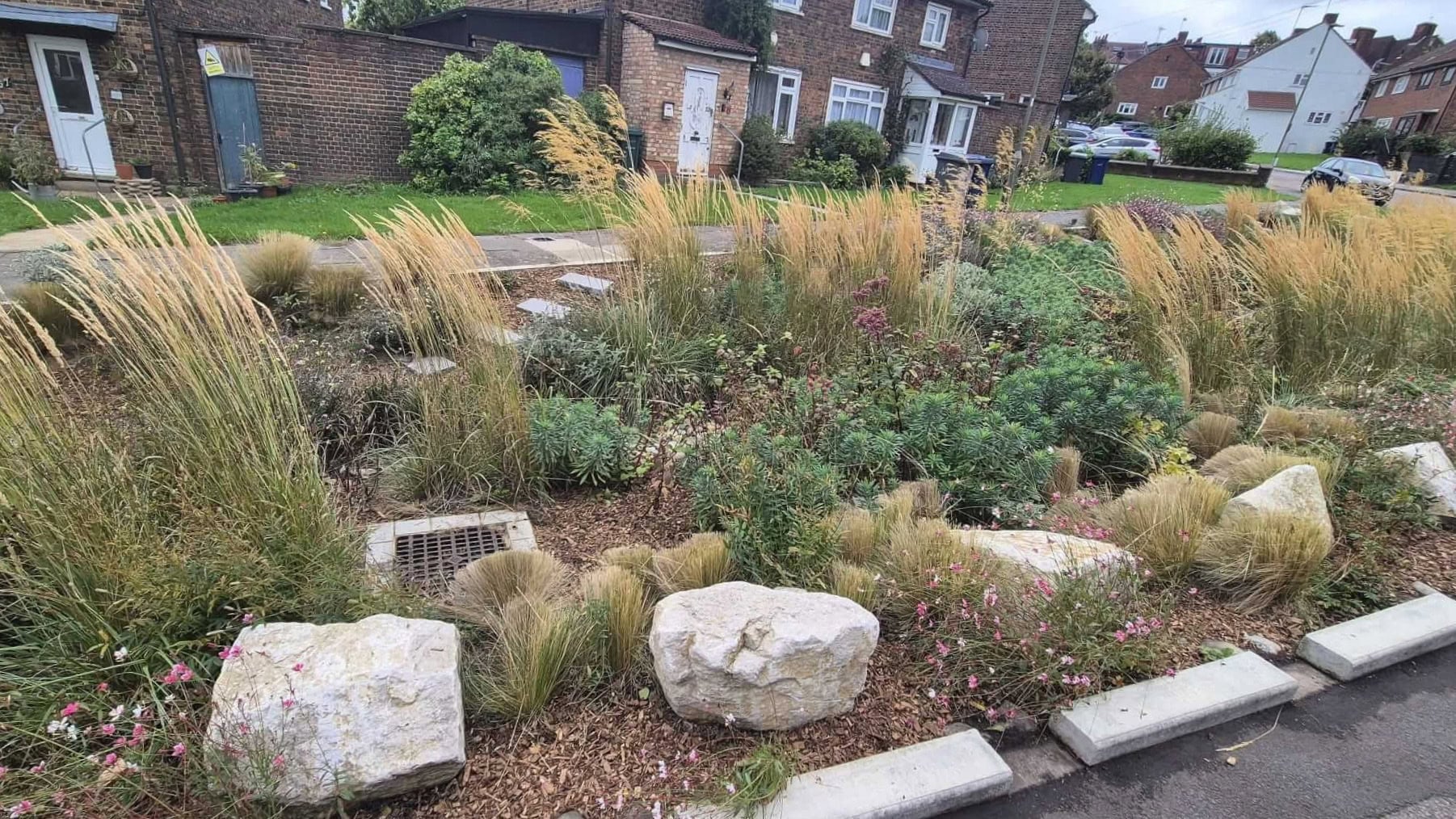
Yes – many of our nature gardens include rain gardens or permeable areas to manage runoff and reduce local flood risk.
Can nature gardens be used for education?
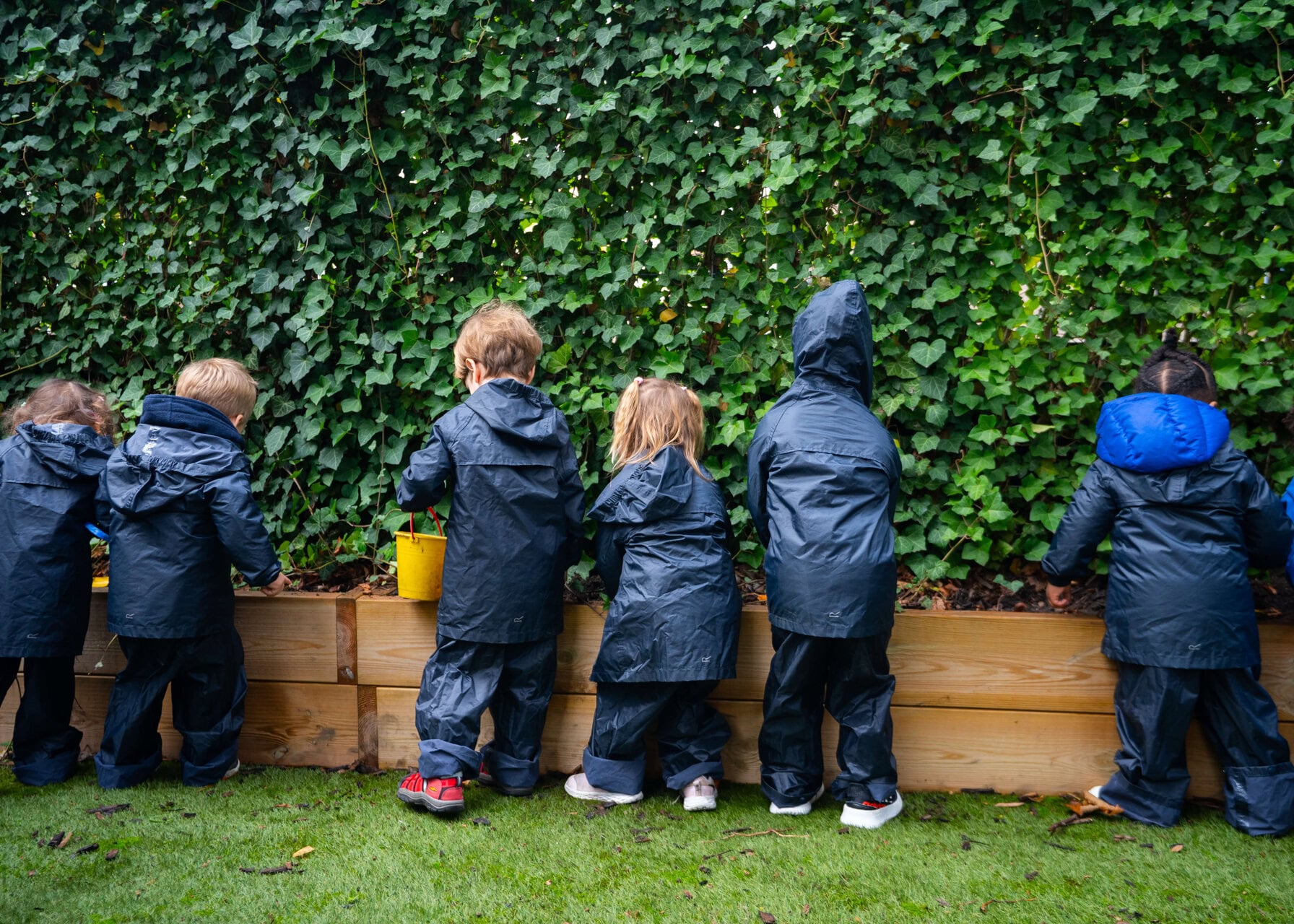
Absolutely. Schools use them to teach about ecosystems, climate resilience and sustainability, while providing pupils with hands-on and engaging experiences in a natural setting.
Who uses mobility hubs?
They are designed for a wide range of users including commuters, residents, students and visitors - encouraging walking, cycling and public transport use.
Can pocket parks help reduce antisocial behaviour?
Yes – by activating previously neglected spaces, pocket parks deter fly-tipping and antisocial use while fostering a sense of local pride and community ownership.
How does urban greening contribute to combatting climate change?
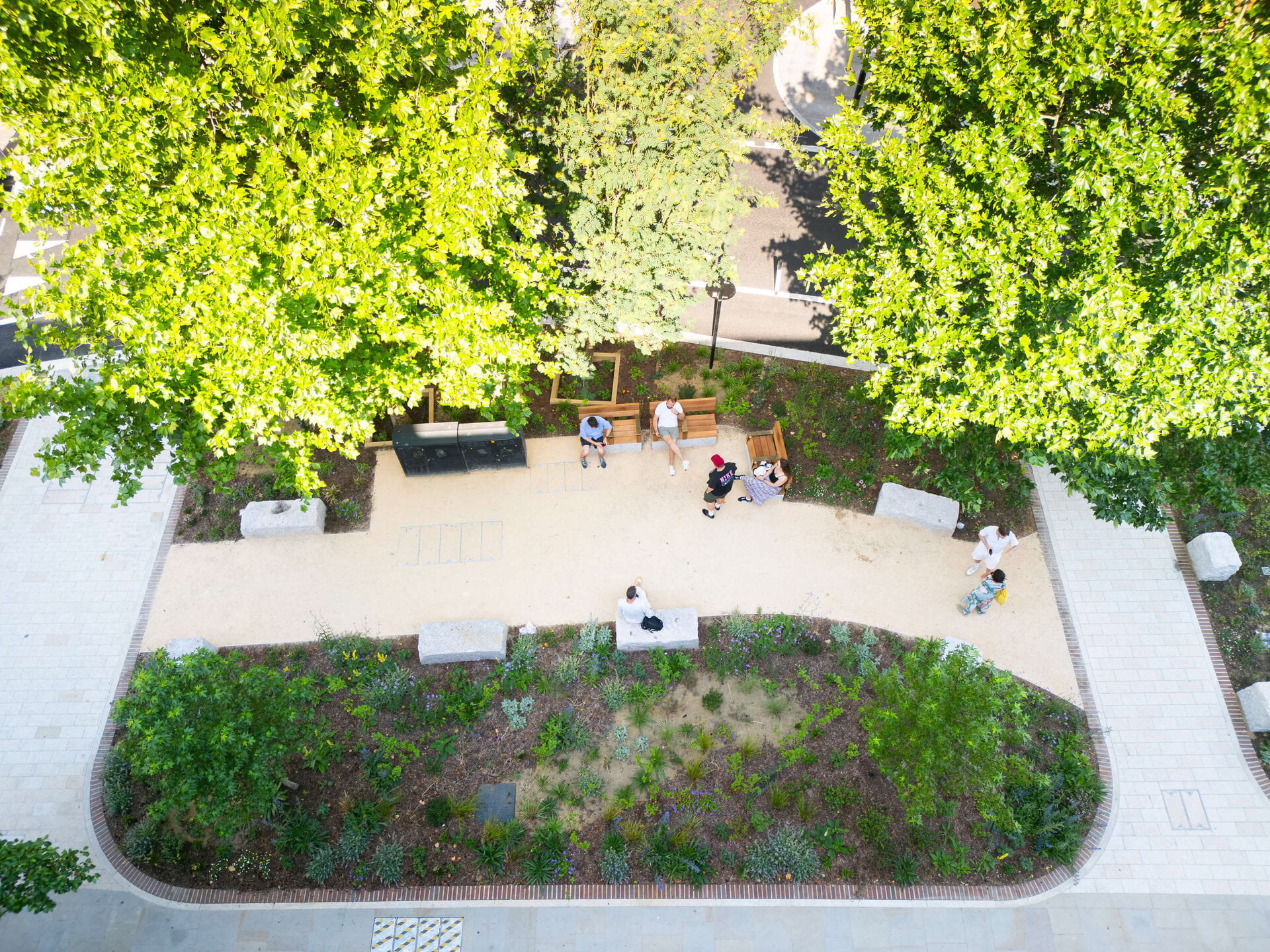
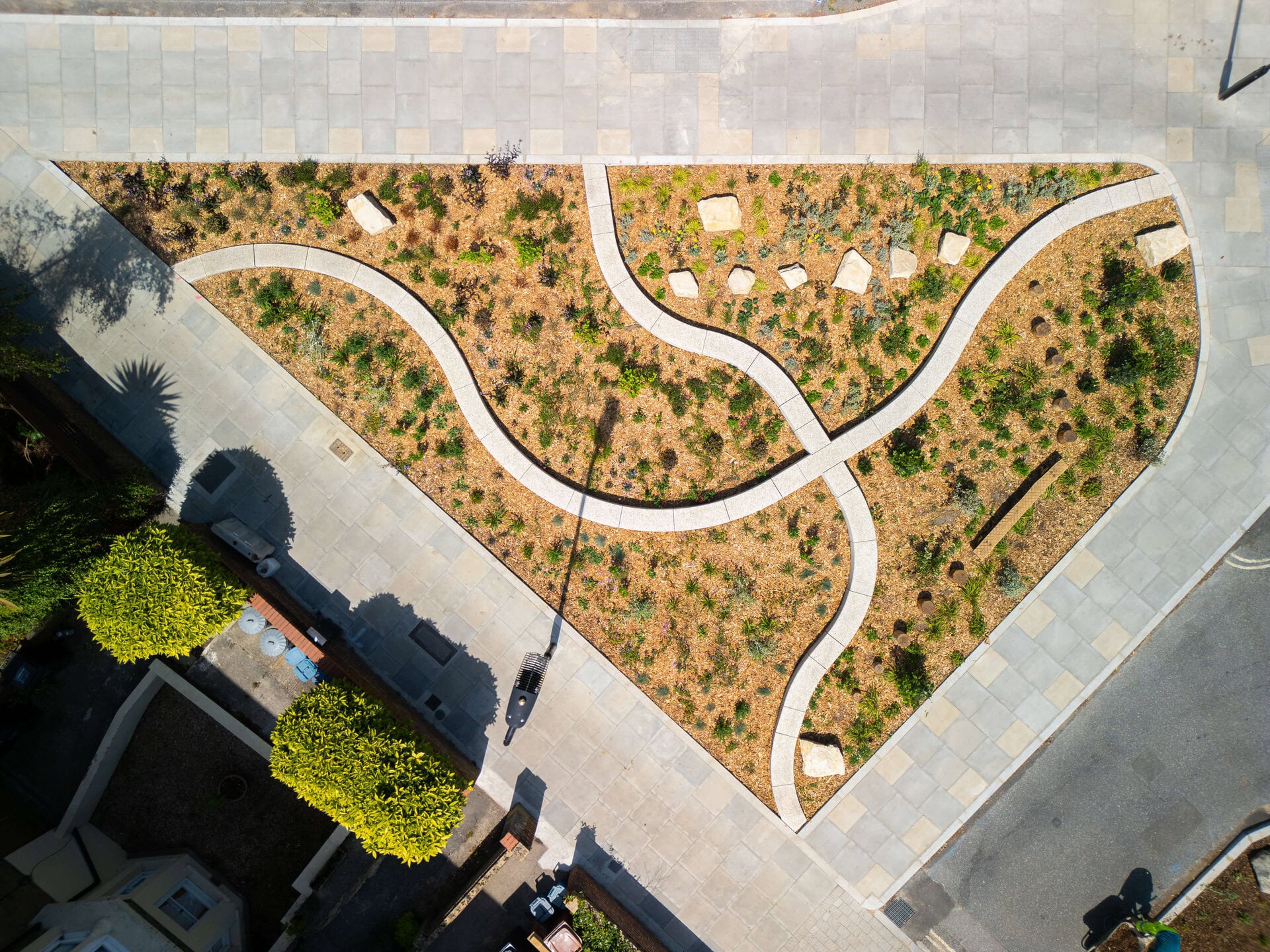
Urban greening is a potent weapon against the escalating threats of climate change. Green spaces, including trees and vegetation, act as carbon sinks, absorbing and storing harmful CO2 emissions. They also combat the urban heat island effect by providing shade and cooling through evapotranspiration. Moreover, green spaces play a role in filtering air pollutants and improving overall air quality. These combined benefits not only make cities more liveable but also contribute to global efforts to mitigate the adverse effects of climate change. Projects like Richmond Road Pocket Park showcase the transformative power of urban greening, highlighting its crucial role in creating sustainable and resilient urban environments.
How can biophilic design transform disused school areas?
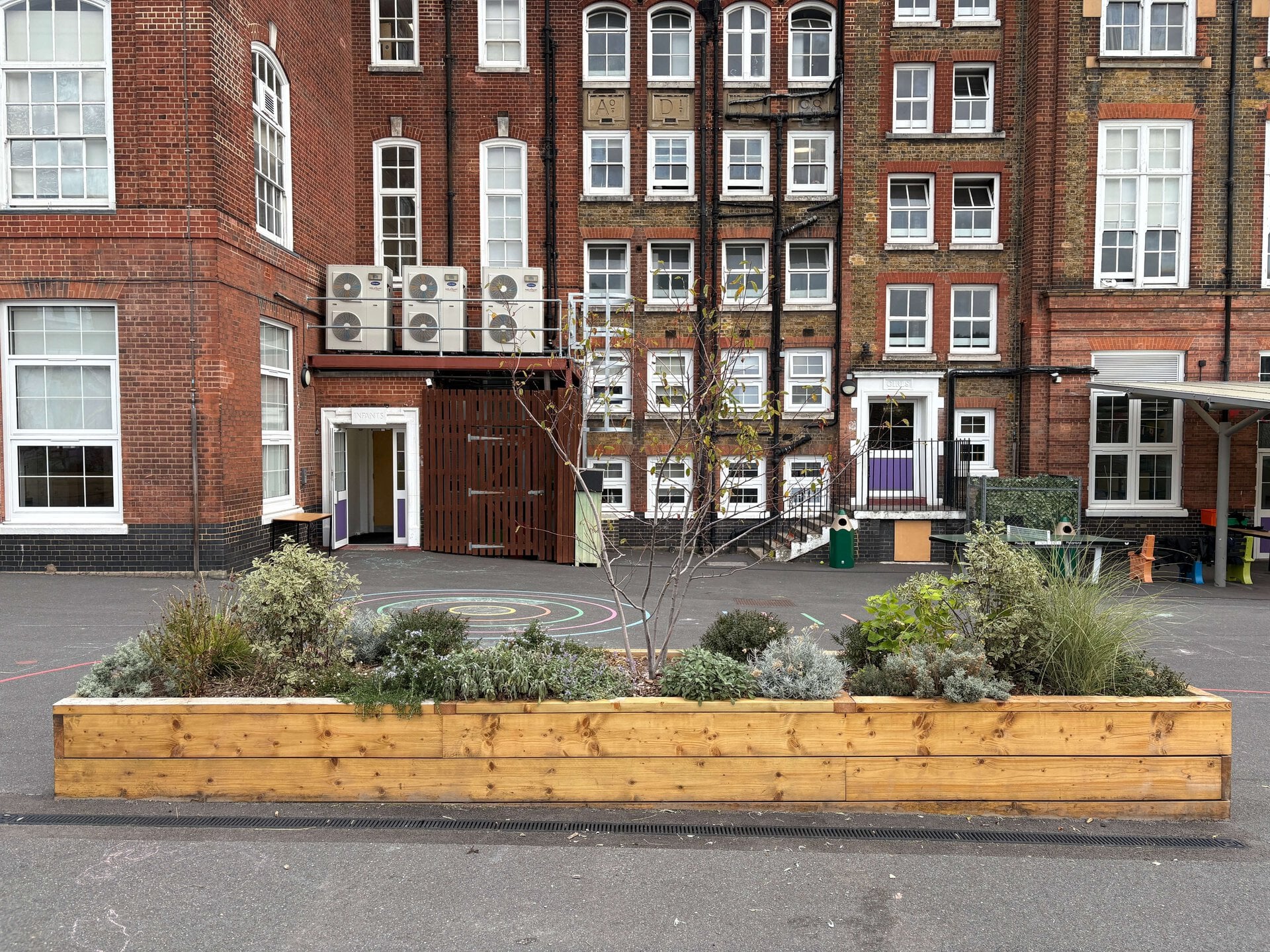
Biophilic design has the power to rejuvenate neglected or underutilised spaces. By integrating natural elements, what might have been an ignored corner can become a thriving hub for learning and relaxation. The transformation of such areas into green spaces, reading nooks, or sensory gardens can provide students with additional zones for exploration, relaxation, and learning outside the confines of a traditional classroom.
What role does urban greening play in educational spaces?
Urban greening is a key component of biophilic design, especially in densely populated city environments. It involves introducing elements of nature, such as plants, trees, and even water features, into urban settings. For educational institutions, urban greening can transform concrete playgrounds into lush, green oases, providing students with an opportunity to connect with nature even in the heart of a city. Such spaces offer not only aesthetic benefits but also promote physical activity, hands-on environmental education, and mental well-being.
How does biophilic design benefit learning spaces?
In educational settings, biophilic design offers many benefits. Spaces infused with natural elements can lead to improved concentration, reduced stress, and heightened creativity among learners. Natural light, plant life, and organic materials can create an atmosphere that is both calming and stimulating, fostering an optimal environment for both teaching and learning. The sensory stimulation from these natural elements aids cognitive function, enhancing the retention of knowledge and encouraging collaborative learning.
How do green screens compare to traditional fencing solutions?
Green screens and traditional fencing solutions serve different purposes but can overlap in functionality. While traditional fences are primarily designed for privacy and security, green screens also offer these features but add aesthetic value, environmental benefits like improved air quality, and support for local biodiversity. Green screens are visually pleasing, creating a softer, more natural boundary compared to the often stark appearance of traditional fencing.
How do SuDS help connect students with nature?
SuDS create engaging and natural learning environments that students are able to interact with on a daily basis. Features like gardens, pollinator habitats, and outdoor learning areas can inspire curiosity about the environment and enhance play.
How do you maintain a school green space?
Maintaining SuDS solutions at schools and universities involves regular checks and cleaning of features to ensure optimal performance. Scheduled maintenance helps preserve water quality and encourages biodiversity, while also providing valuable learning opportunities for students.
What are the benefits of incorporating green spaces in schools and universities?
Incorporating green spaces in educational institutions promotes student wellbeing, improving air quality, and creating a connection with nature. These environments enhance learning experiences, support mental health, and encourage physical activity, ultimately contributing to a healthier and more engaged culture.