
About us












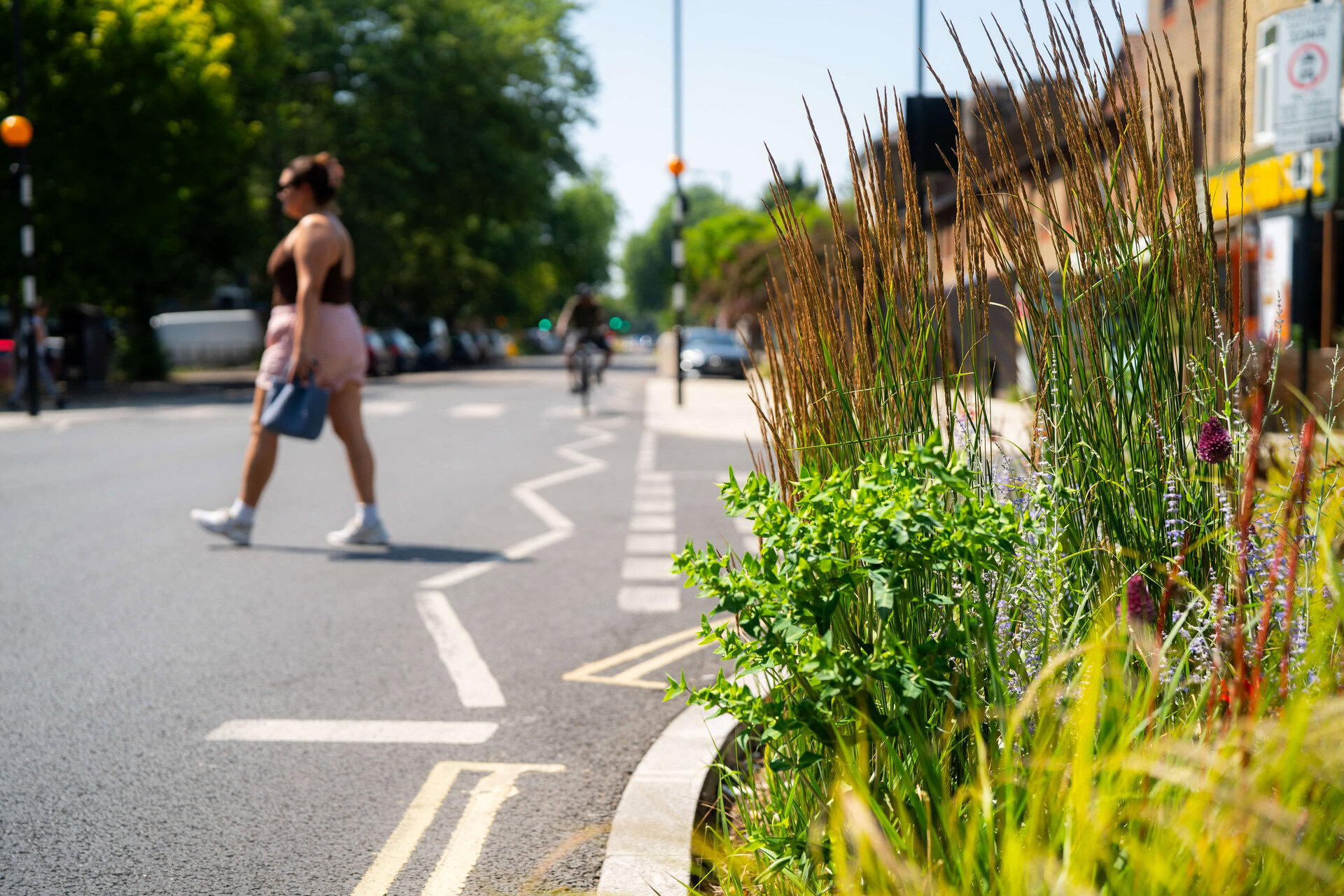
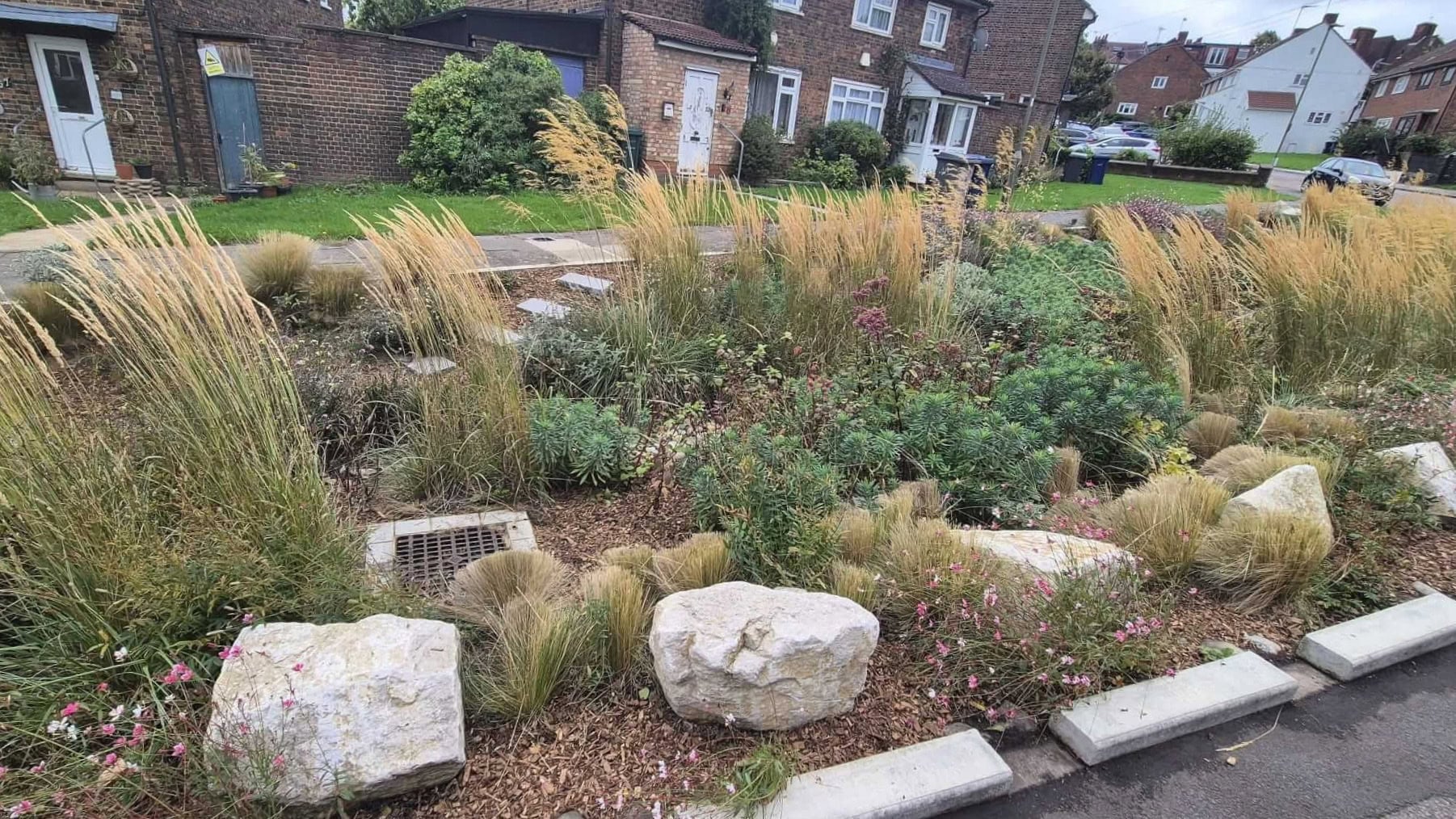
What are the benefits of parklets for businesses?
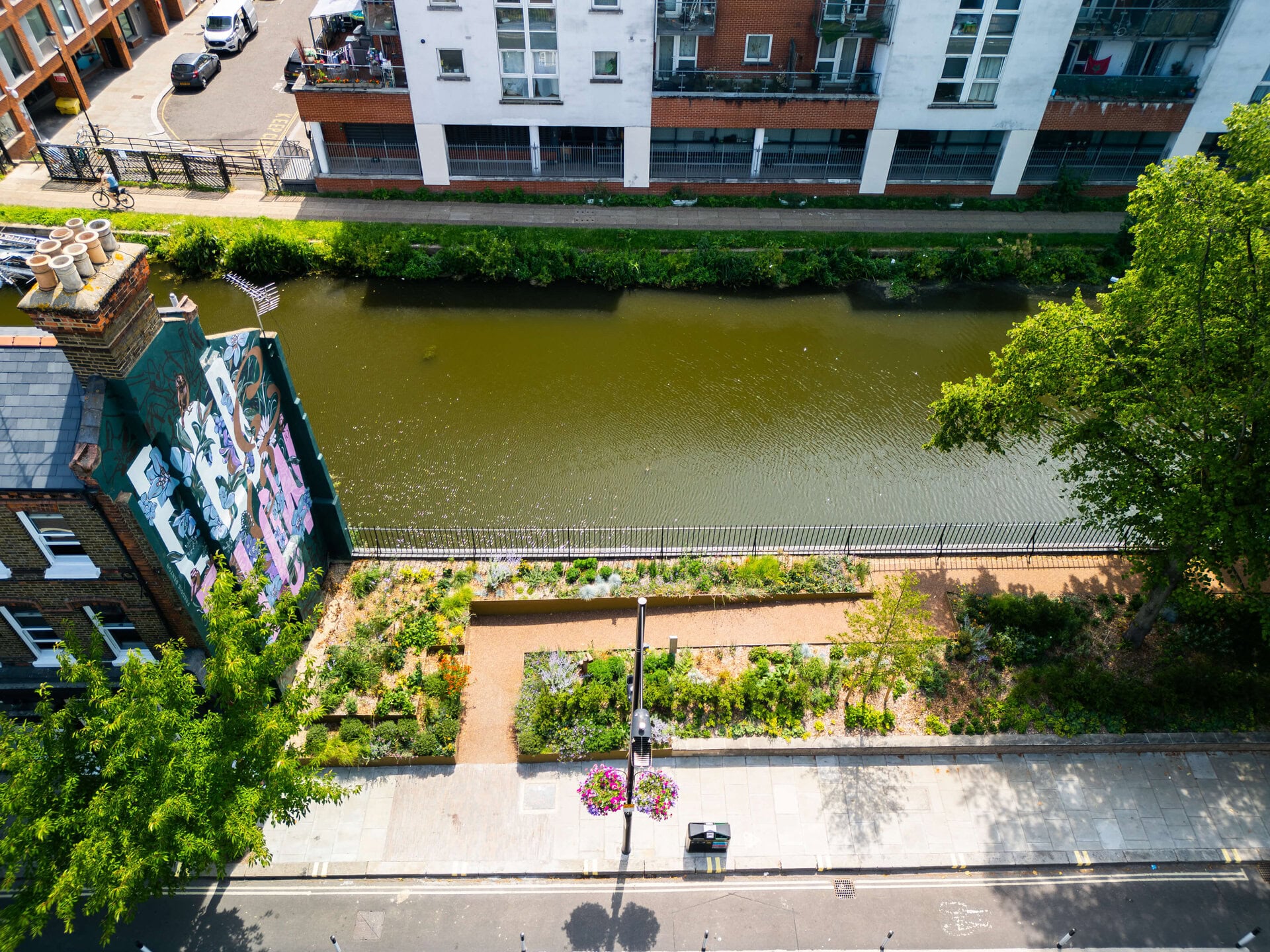
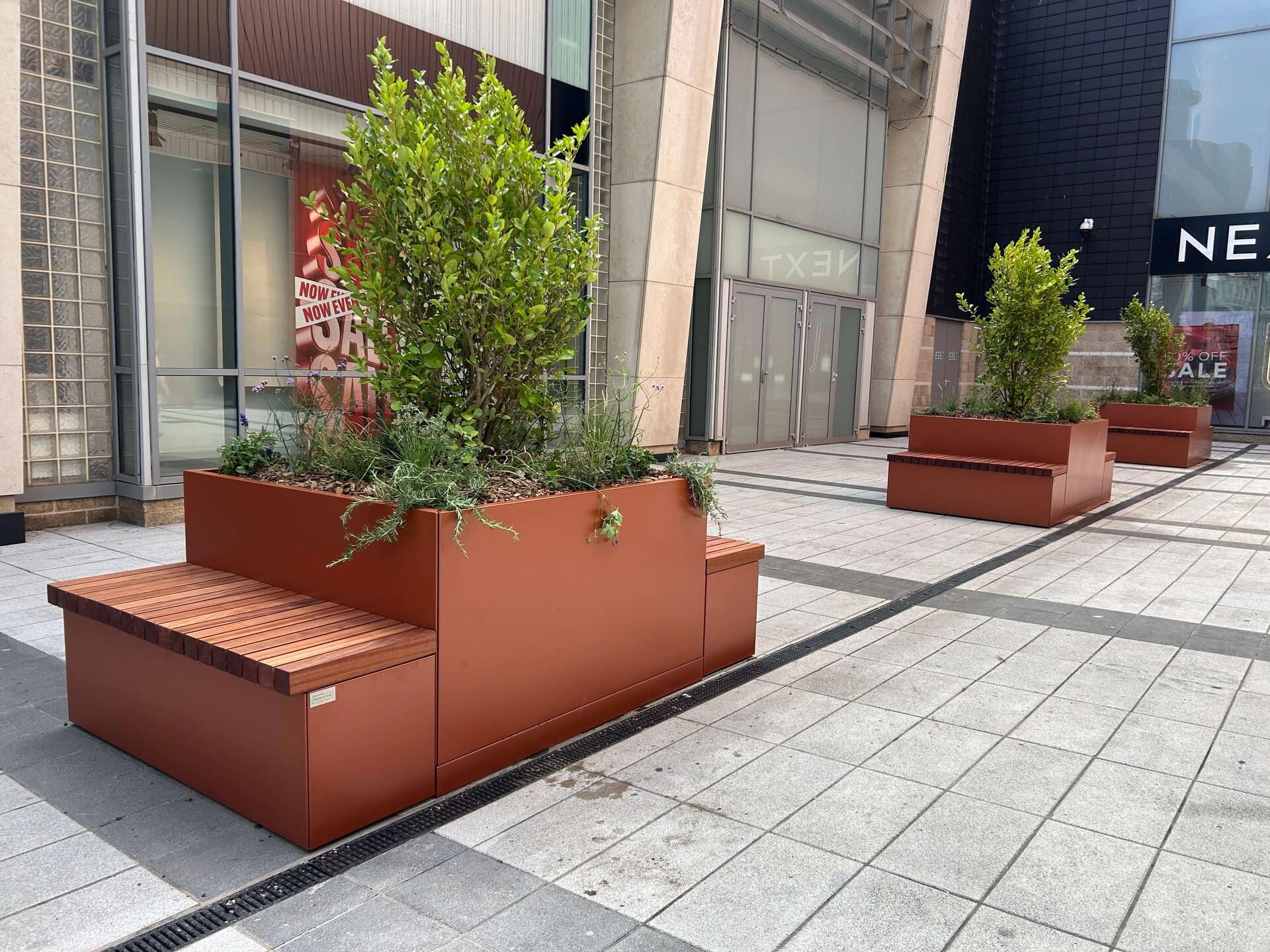
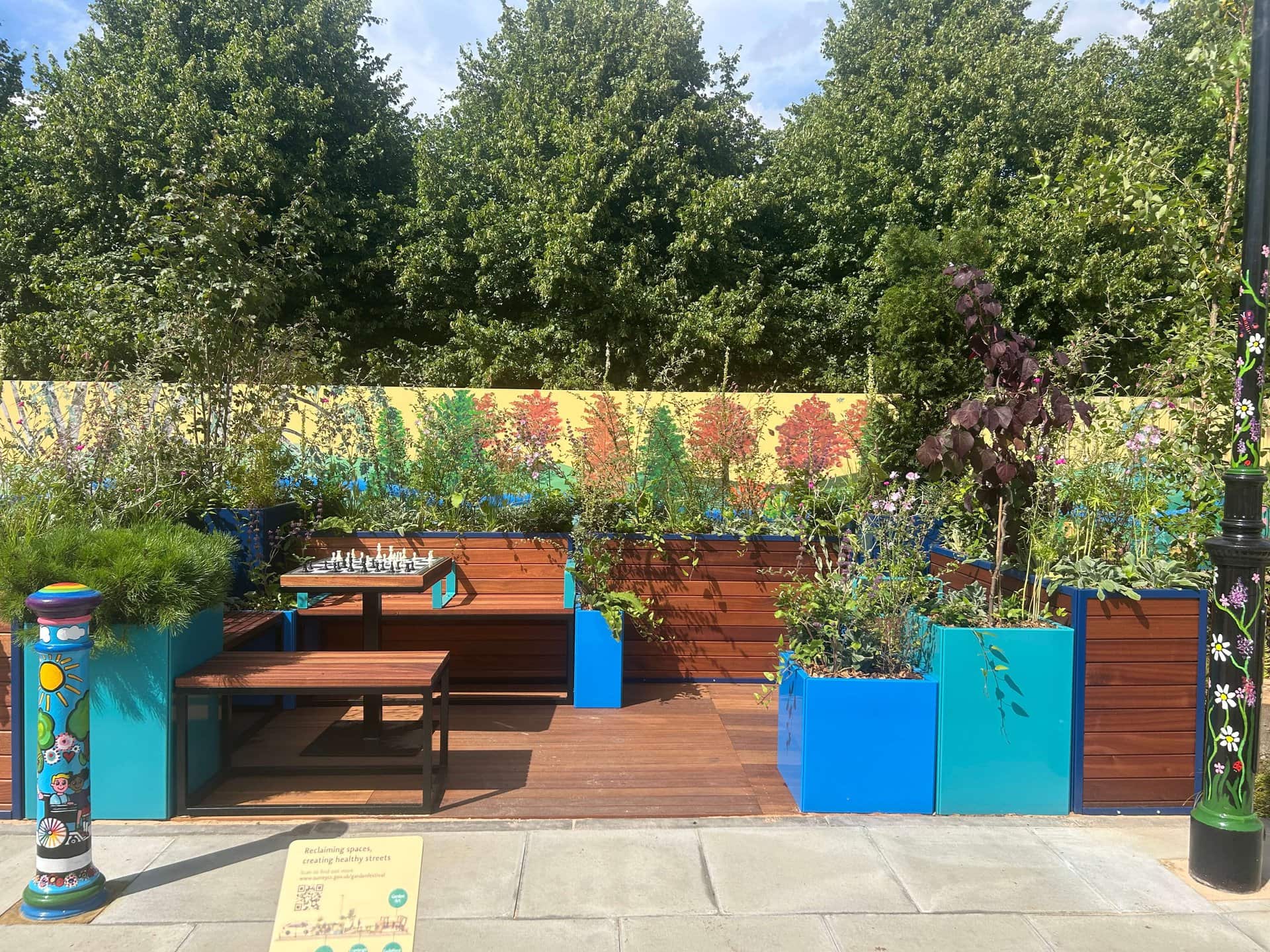
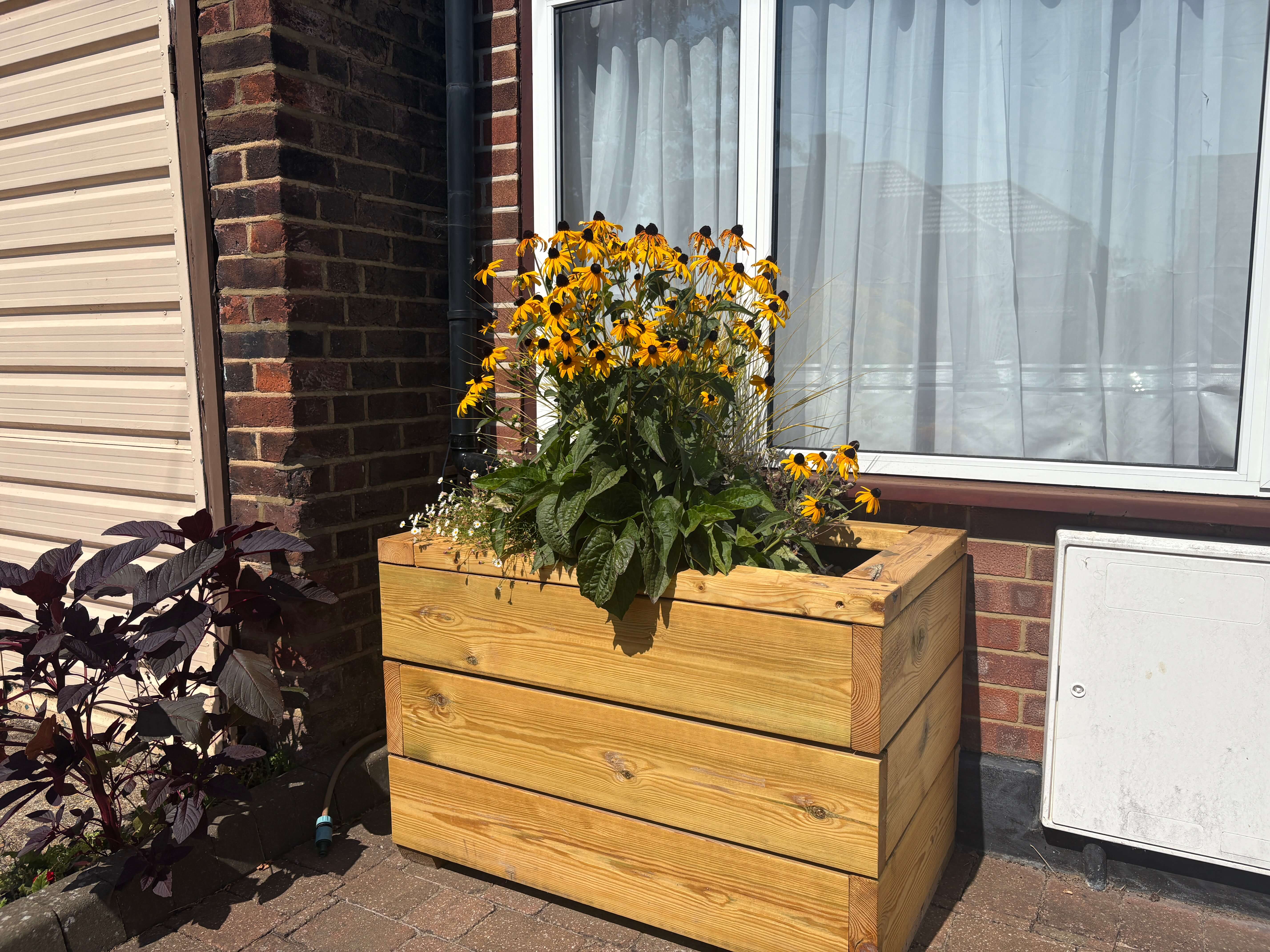
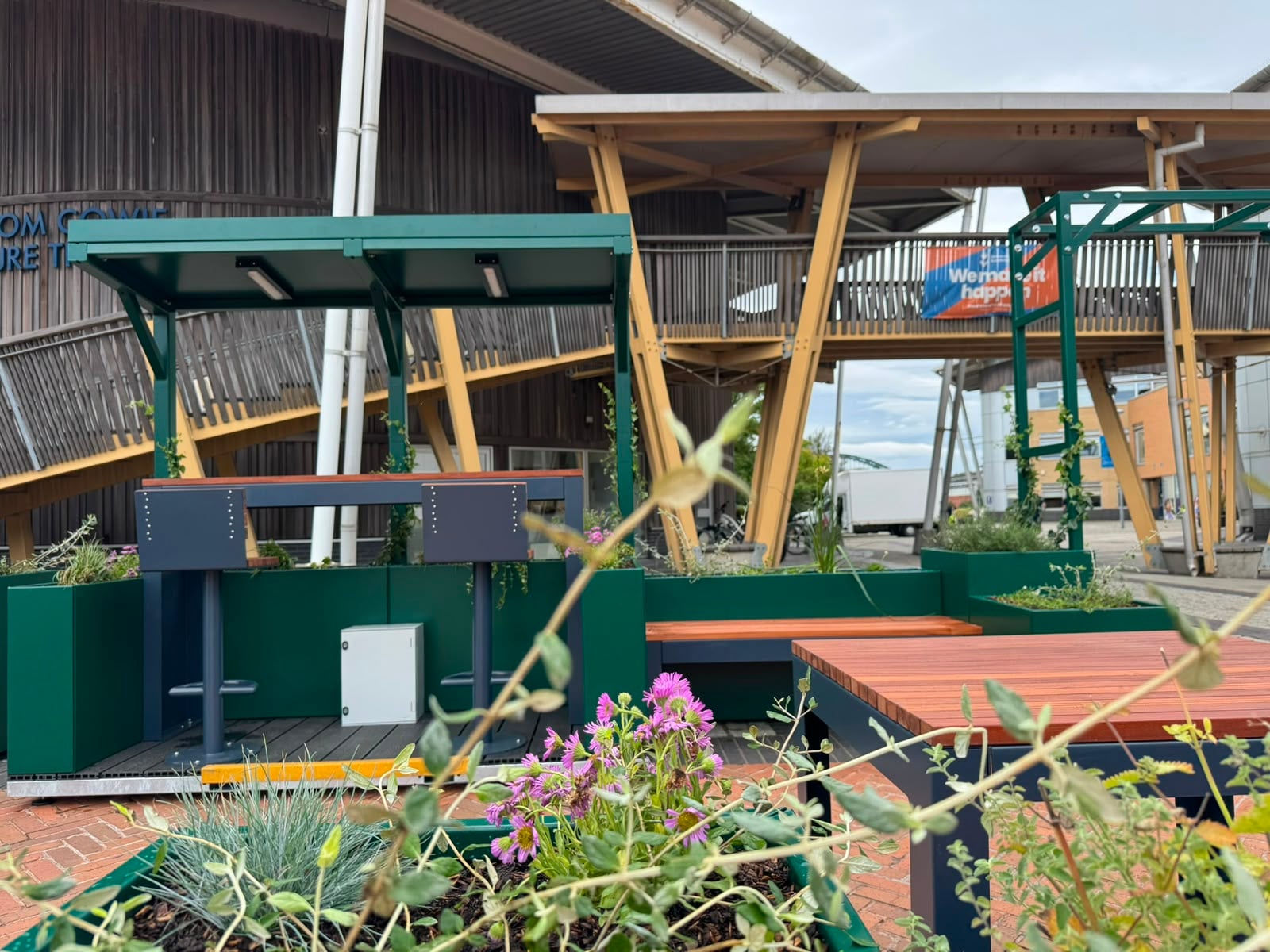
Parklets offer several advantages for businesses located in the vicinity. By creating attractive and inviting public spaces, parklets draw foot traffic, thereby increasing the visibility of local businesses. The presence of parklets can enhance the overall atmosphere of the high streets, making them more appealing to potential customers. Additionally, the provision of seating and tables in the parklets encourages people to spend more time in the area, leading to higher customer engagement and potential sales. Parklets also contribute to a sense of community, fostering a positive relationship between businesses and local residents.
How does urban greening contribute to combatting climate change?
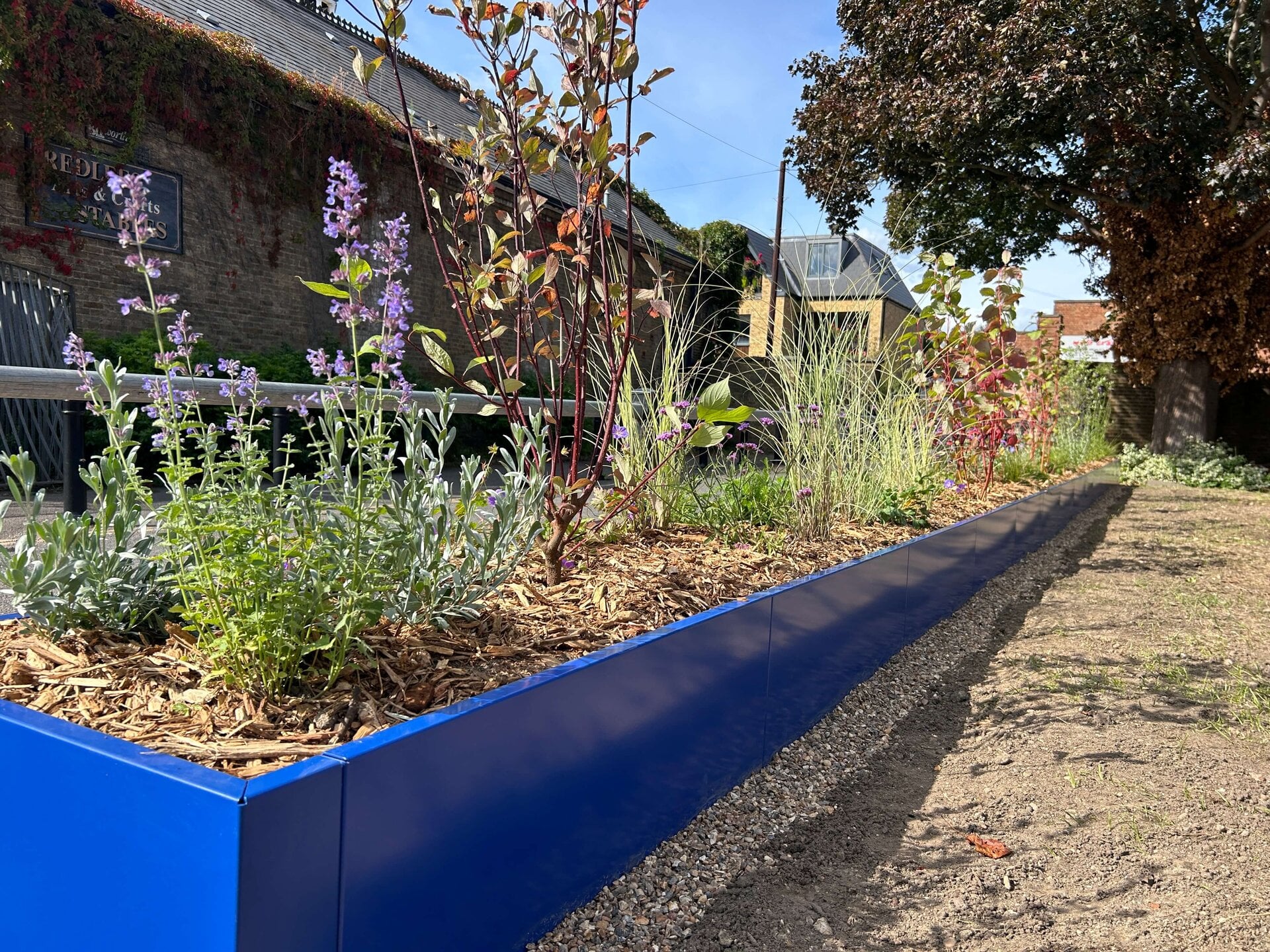
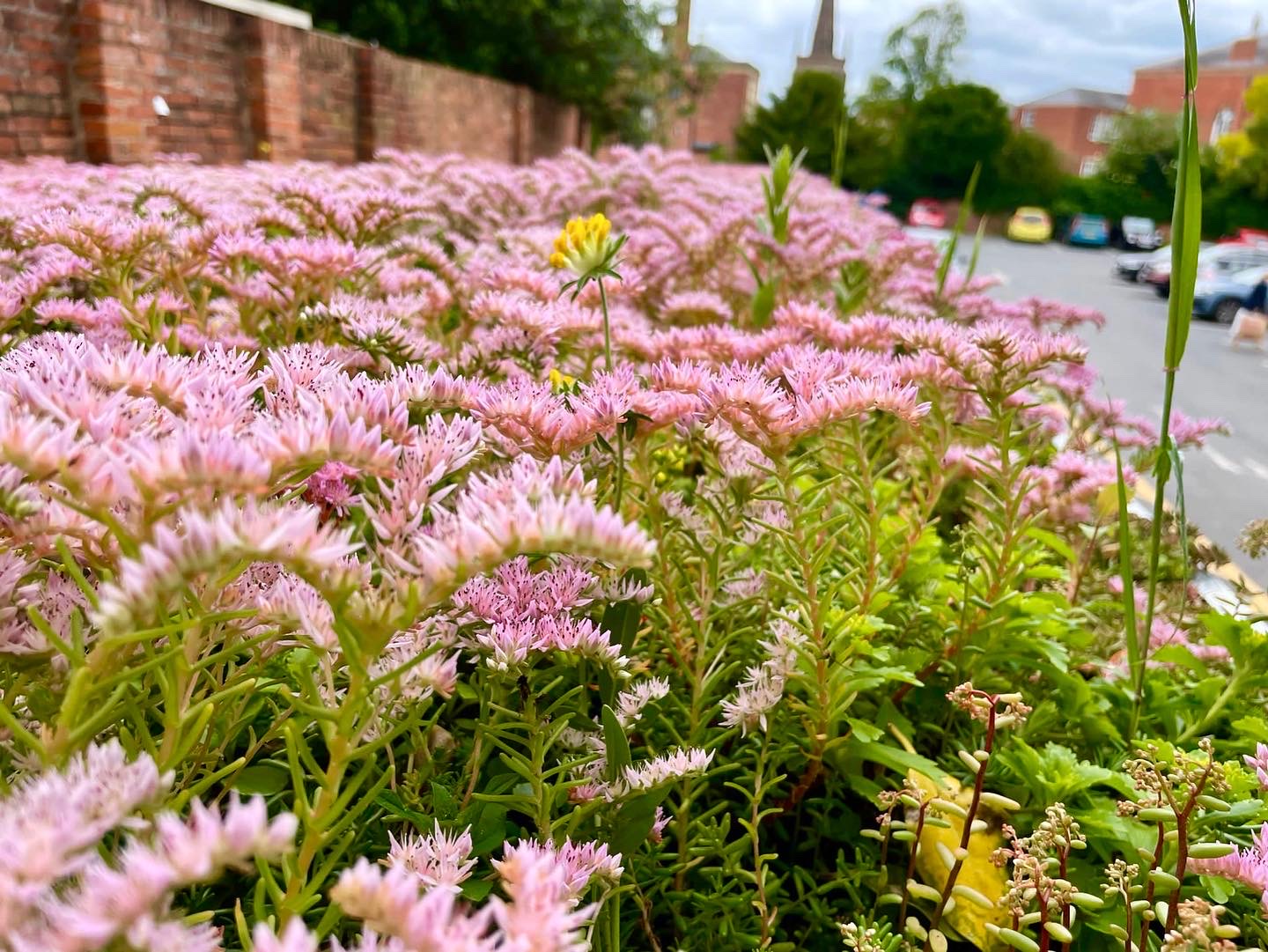
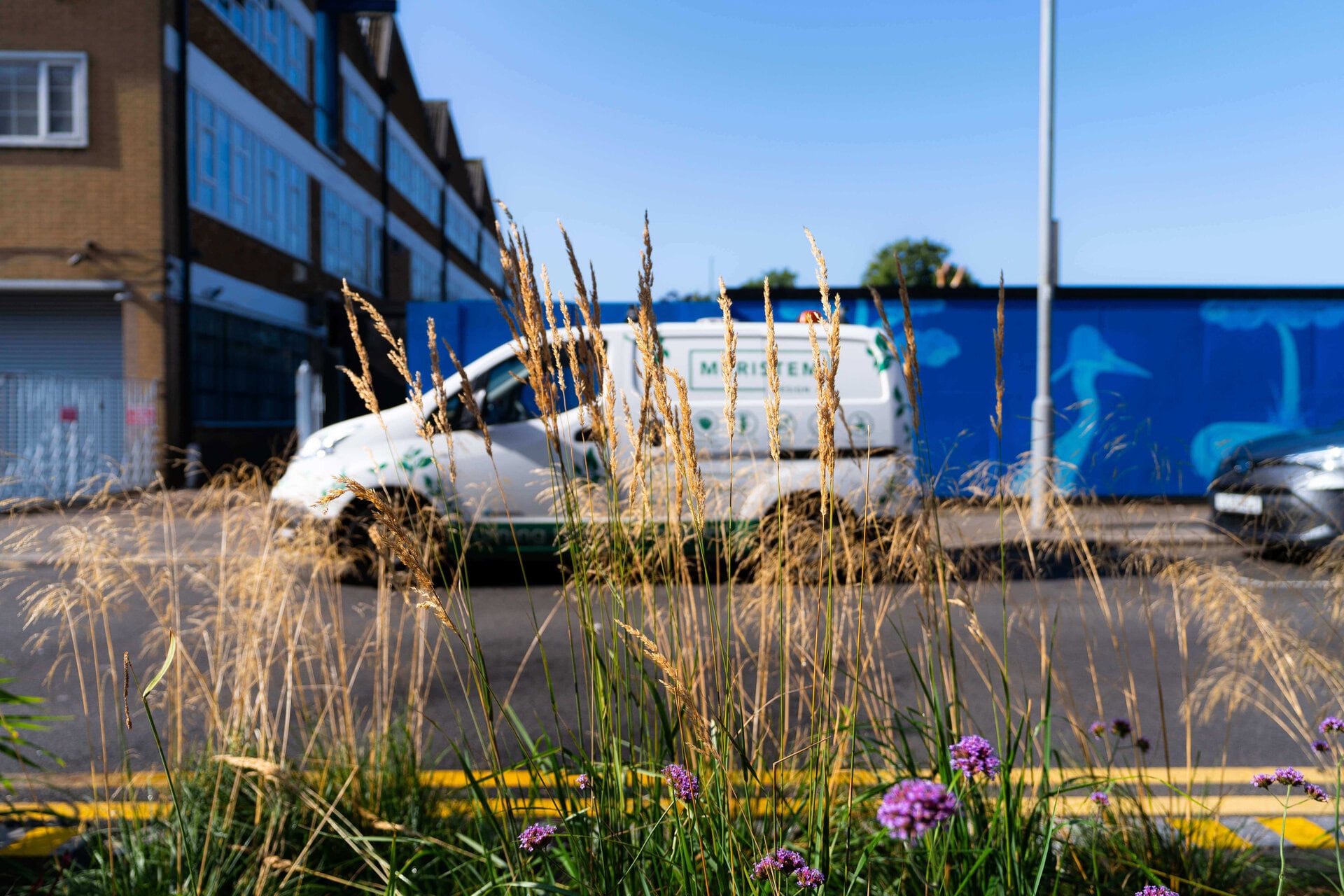
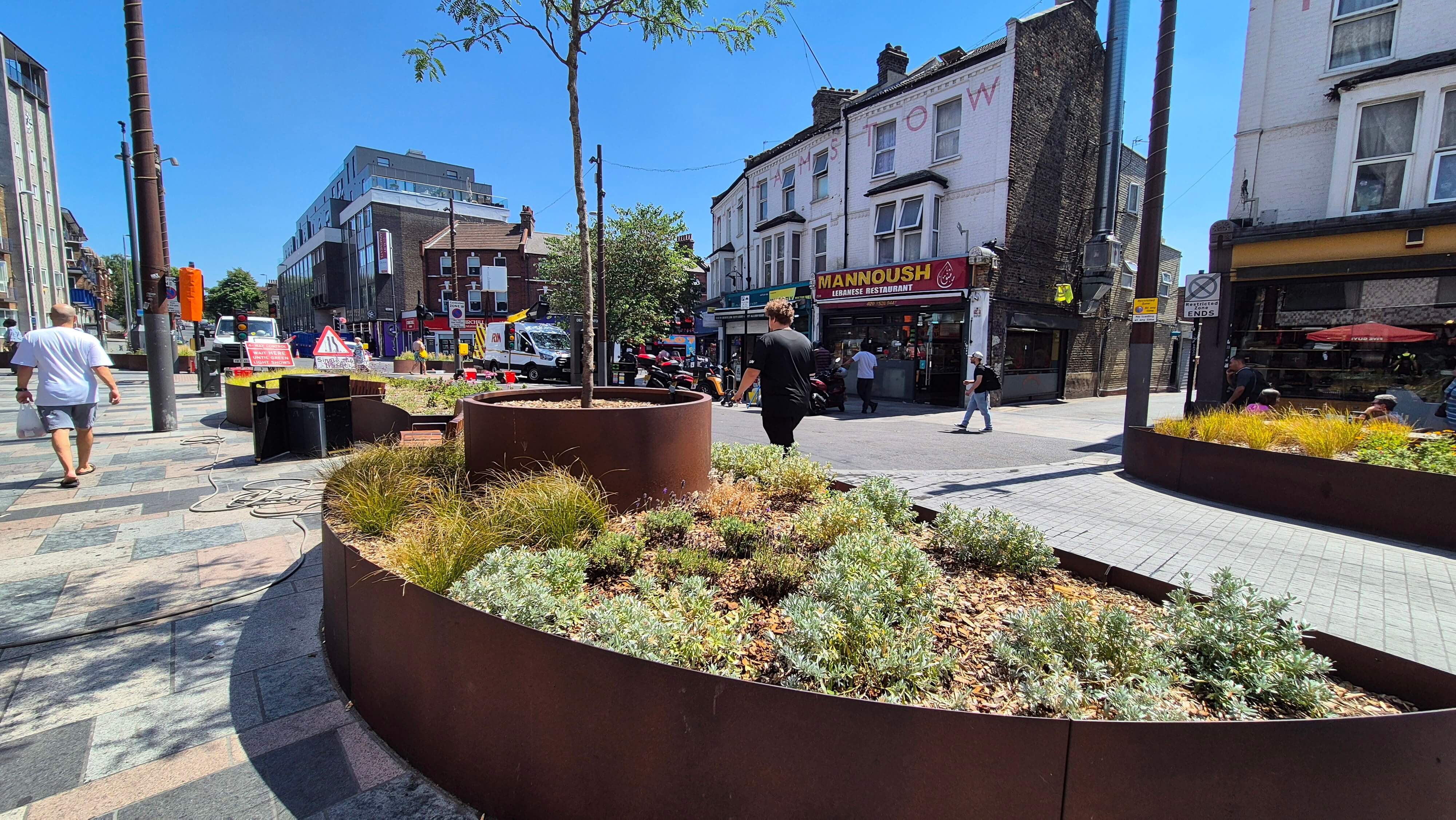
Urban greening is a potent weapon against the escalating threats of climate change. Green spaces, including trees and vegetation, act as carbon sinks, absorbing and storing harmful CO2 emissions. They also combat the urban heat island effect by providing shade and cooling through evapotranspiration. Moreover, green spaces play a role in filtering air pollutants and improving overall air quality. These combined benefits not only make cities more liveable but also contribute to global efforts to mitigate the adverse effects of climate change. Projects like Richmond Road Pocket Park showcase the transformative power of urban greening, highlighting its crucial role in creating sustainable and resilient urban environments.
What are the benefits of community planting?
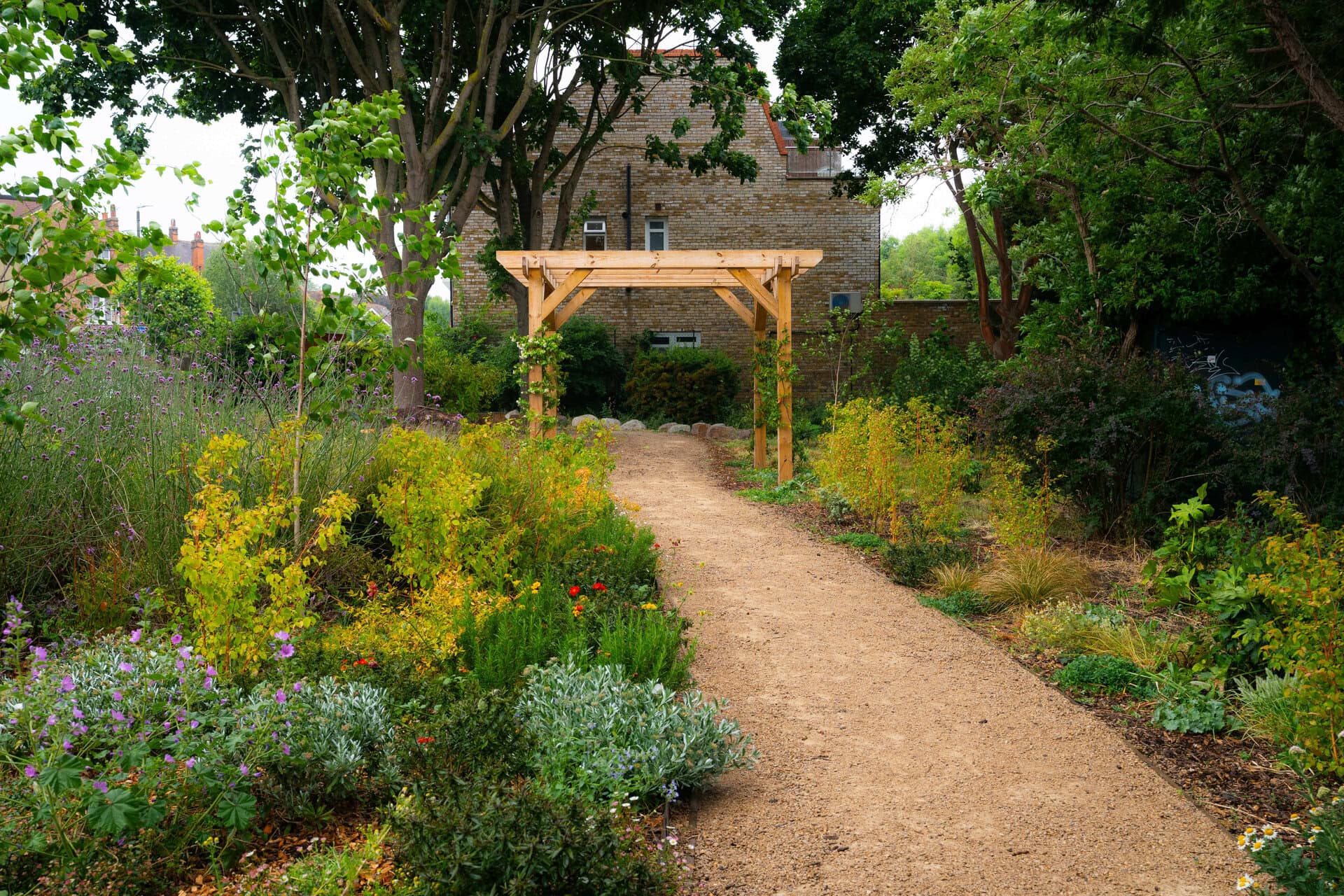
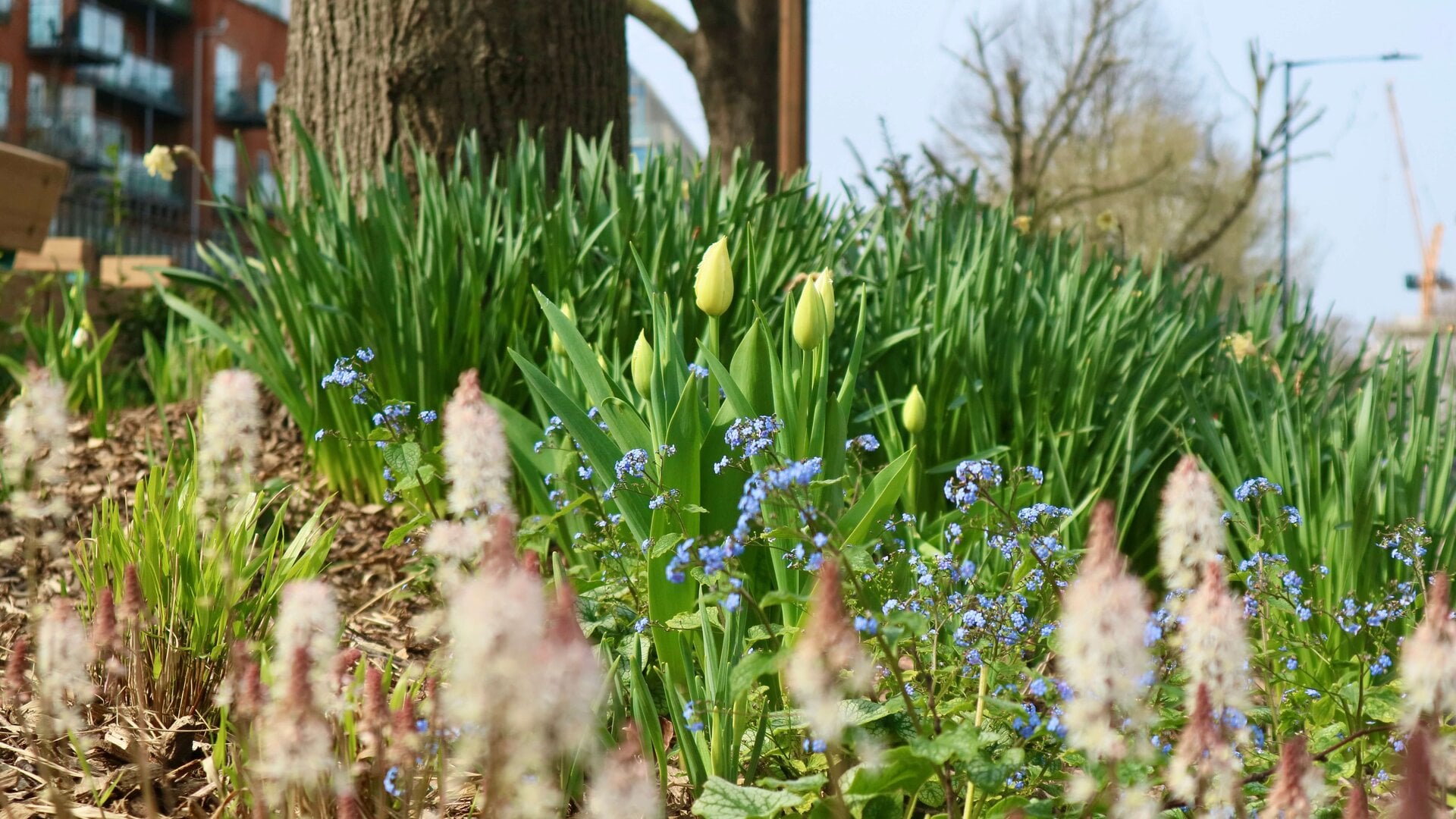
Community planting is more than just greening an area: it's about uniting people for a common cause. When communities come together to plant, they create shared spaces that foster a sense of pride and collective ownership. This not only enhances the beauty and biodiversity of the area but also promotes community bonding and cooperation. Additionally, community planting events are educational, allowing participants to learn more about local flora, sustainable practices, and the importance of urban ecology. Richmond Road Pocket Park exemplifies these benefits, where resident involvement has been instrumental in shaping its success.
Why are pocket parks essential for urban spaces?
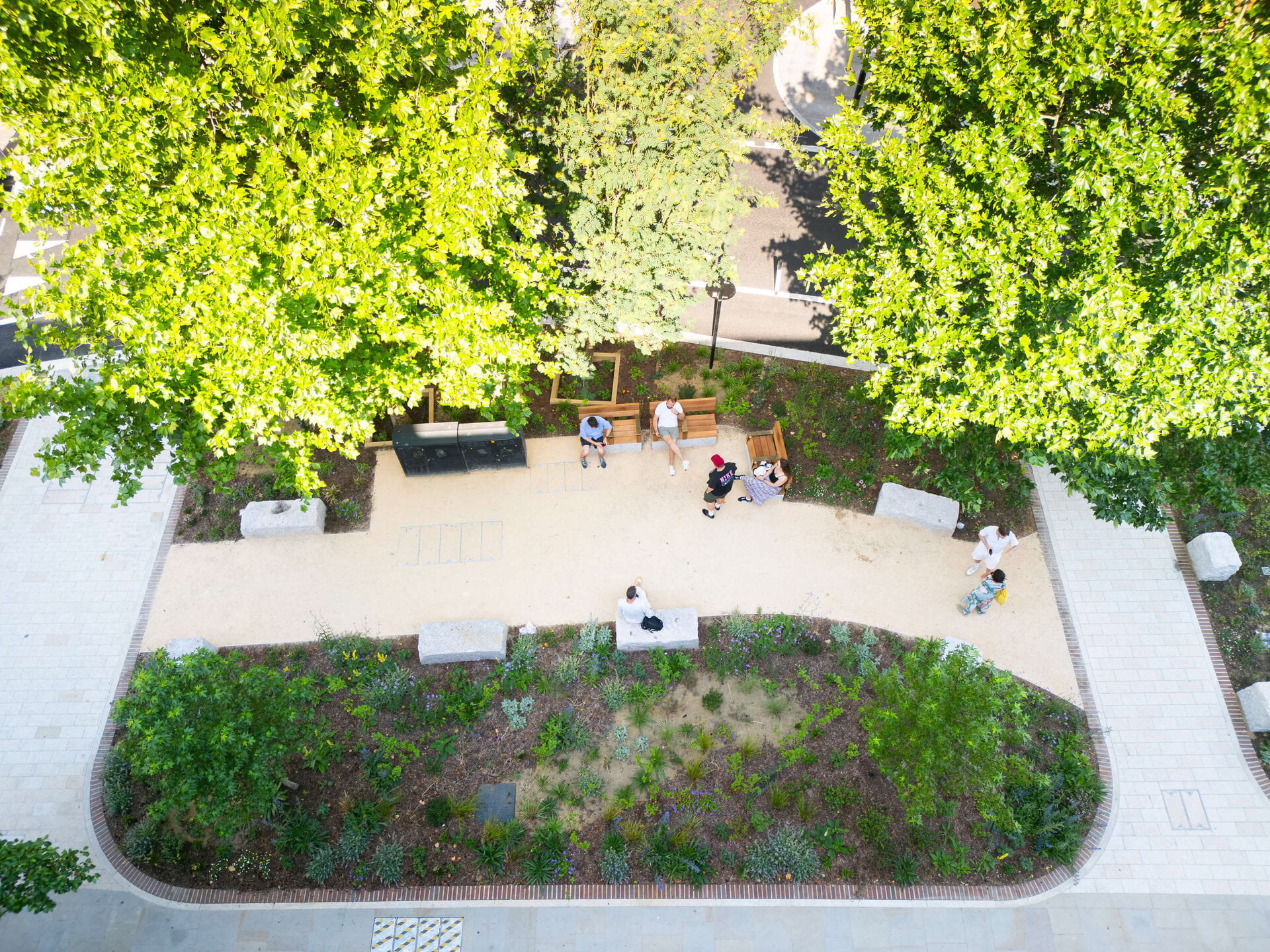
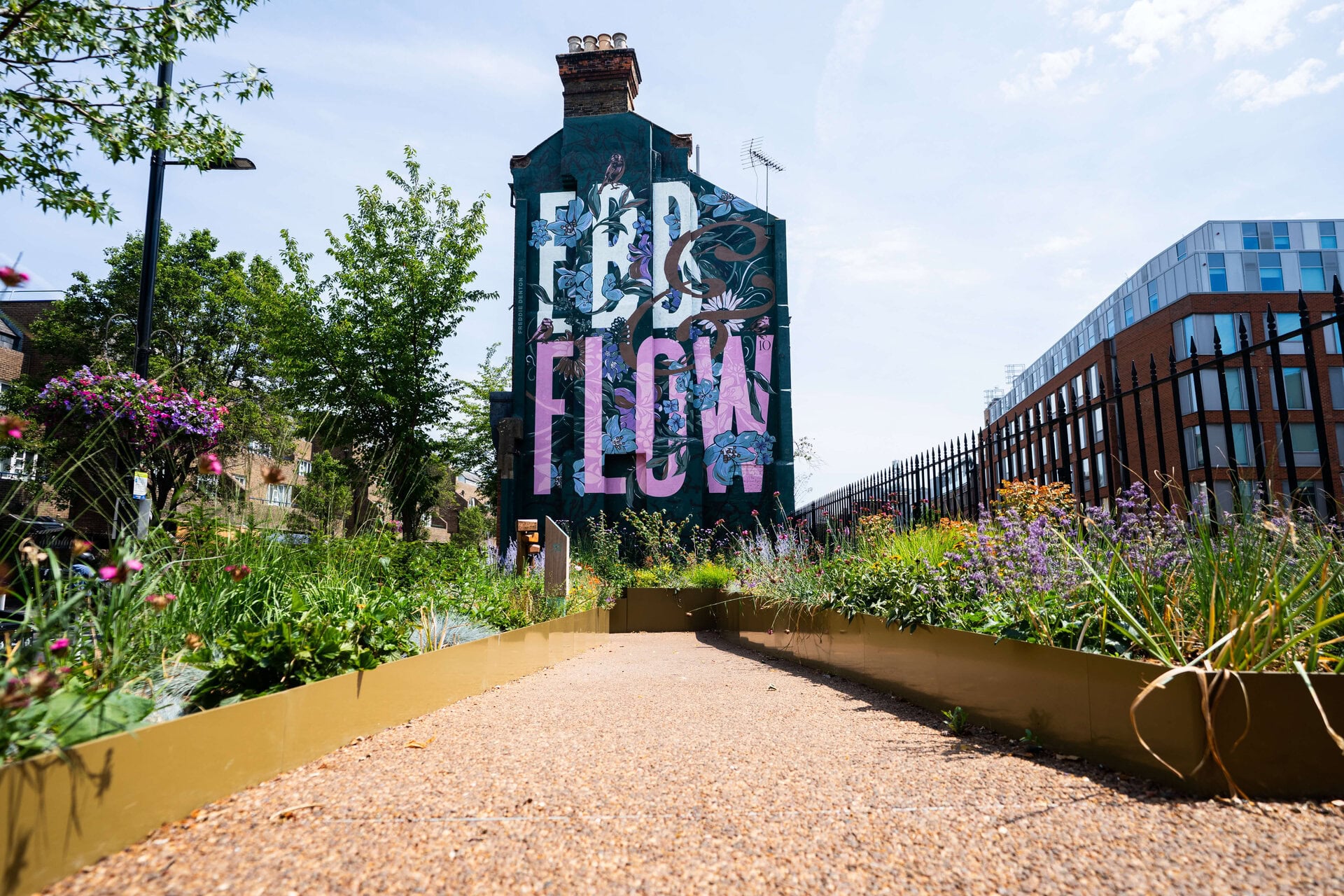
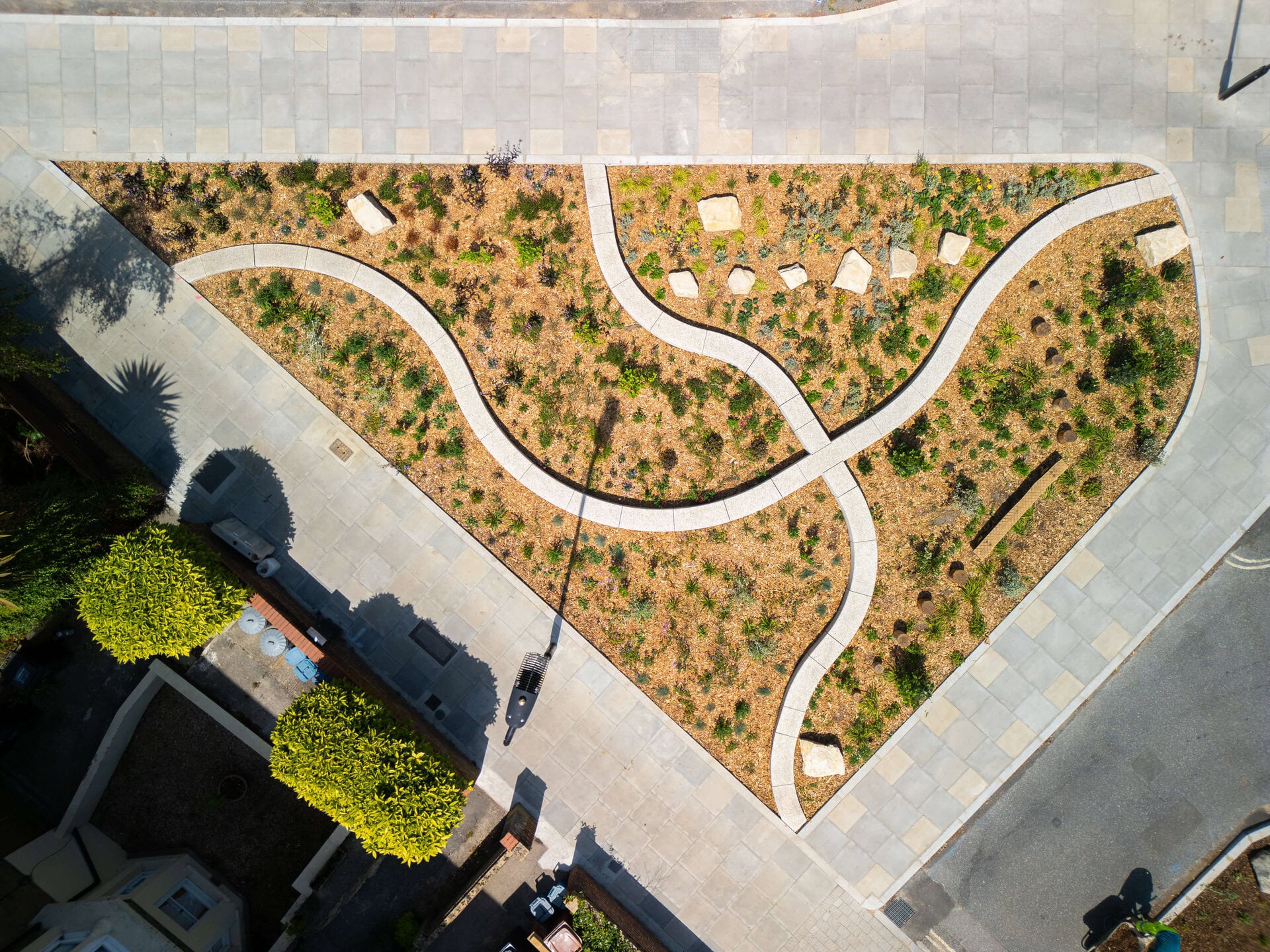
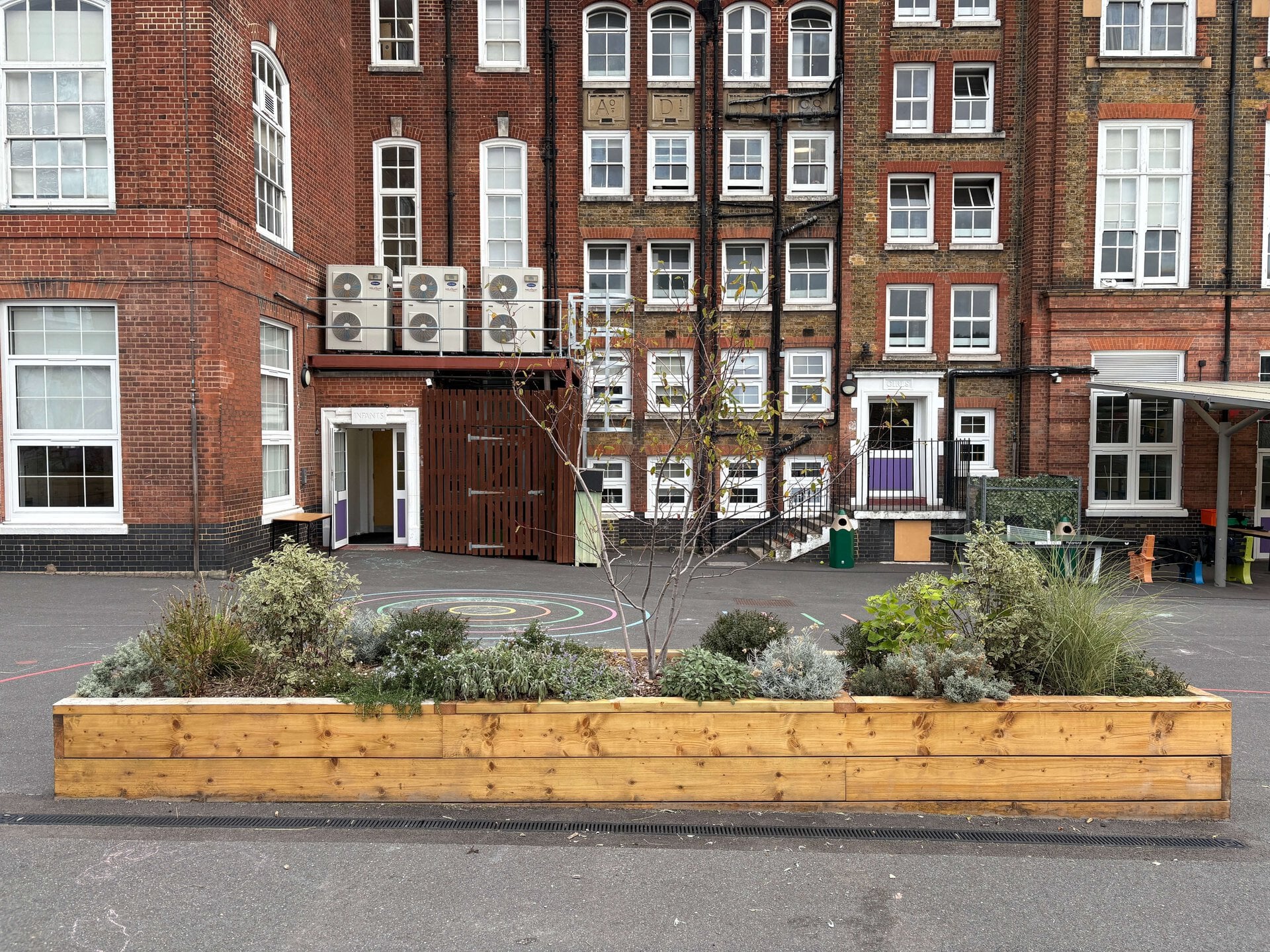
In the midst of concrete jungles, pocket parks emerge as vital green oases. They offer urban inhabitants a respite from the hustle and bustle, providing a peaceful space to reconnect with nature. Besides aesthetic appeal, pocket parks are instrumental in combating the adverse effects of urbanisation, like air pollution and heat islands. They also serve as community hubs, fostering social interactions and community events. Richmond Road Pocket Park, for instance, stands out as a brilliant illustration of how these compact green spaces can rejuvenate an urban setting, turning once-neglected spaces into community assets.
How do green screens compare to traditional fencing solutions?
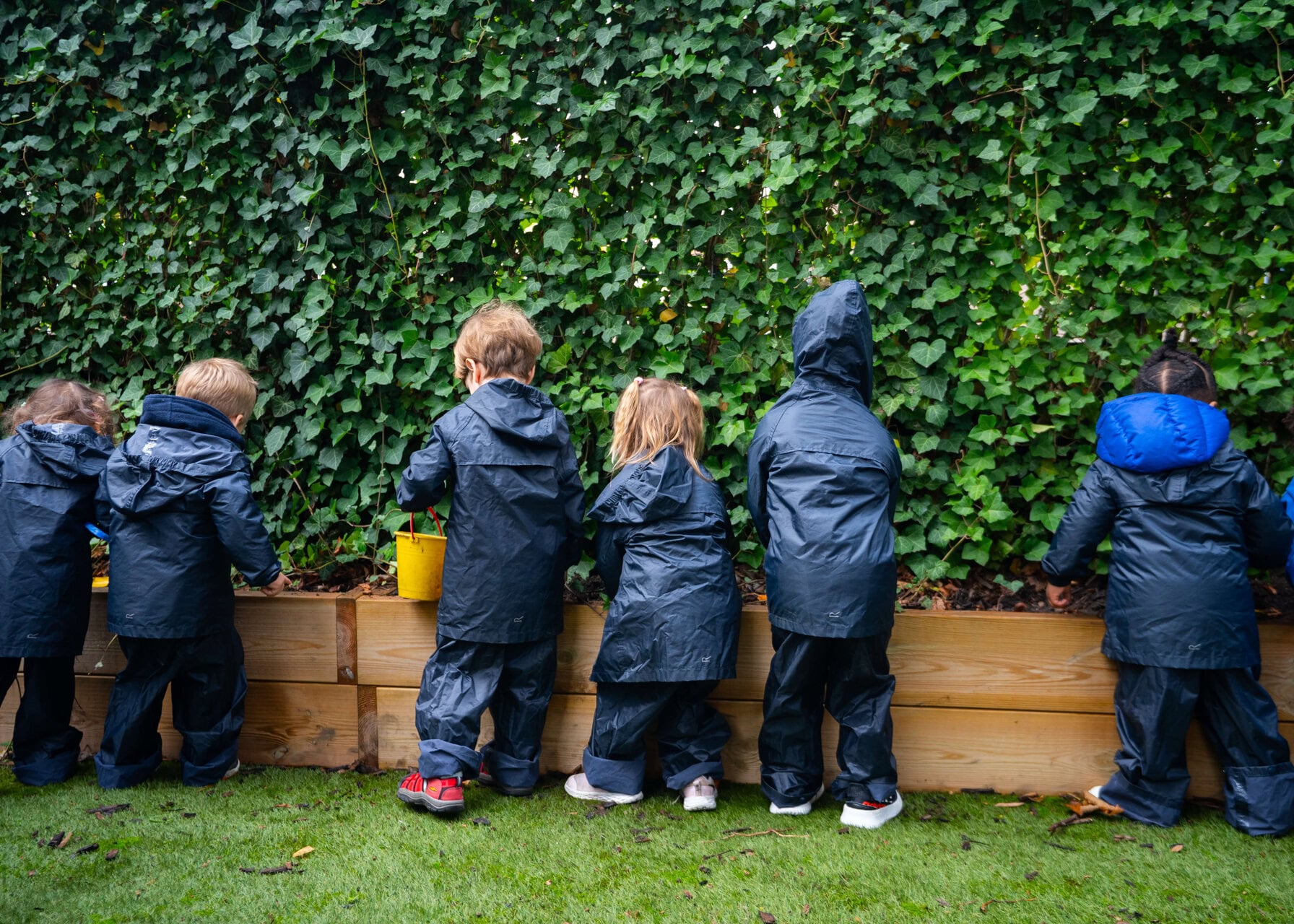
Green screens and traditional fencing solutions serve different purposes but can overlap in functionality. While traditional fences are primarily designed for privacy and security, green screens also offer these features but add aesthetic value, environmental benefits like improved air quality, and support for local biodiversity. Green screens are visually pleasing, creating a softer, more natural boundary compared to the often stark appearance of traditional fencing.
Can urban greening help reduce energy costs?
Yes, plants can provide insulation that help keep buildings cooler in summer and warmer in winter, potentially reducing heating and cooling costs.
How can green spaces improve community engagement?
Green spaces can help bring communities together. This is especially the case if the community is involved in the design or ongoing maintenance of a space. It's essential to connect with communities meaningfully, allowing them to express their needs and view changes as opportunities.