
About us











How do I get started on a residential garden or planting project?
Get in touch with our team, or view our brochure for further inspiration.
Will my garden or planting scheme be tailored to my personal style?
Yes. Every project is designed to reflect your individual vision and feel genuinely personal to you and your home.
Can residential planting support local wildlife and biodiversity?
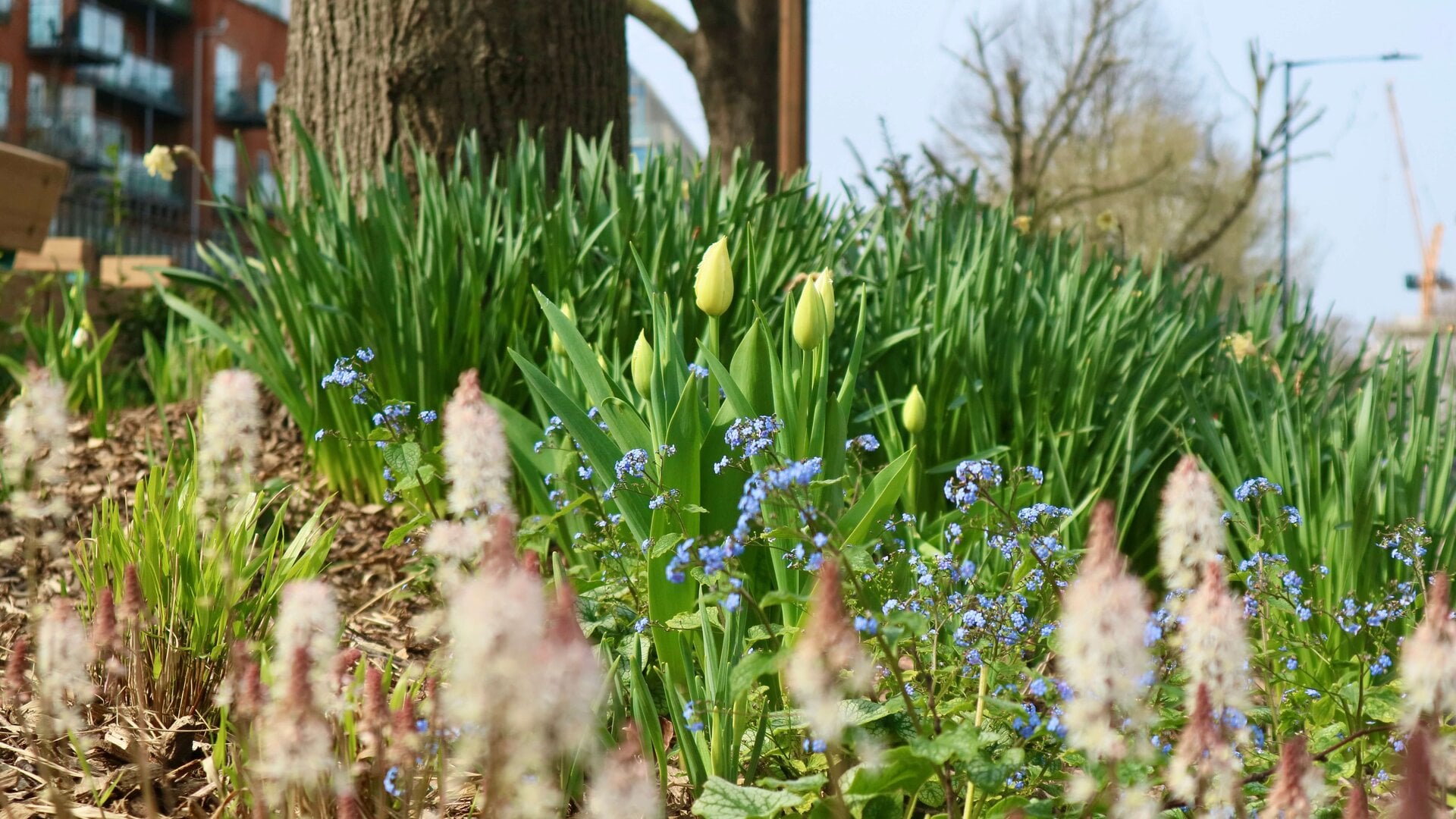
Yes. Plants provide habitats for wildlife, including birds, insects and beneficial pollinators, contributing to a healthier local ecosystem.
Do plants really improve air quality at home?
Yes. Plants naturally filter pollutants, absorb carbon dioxide and release oxygen, enhancing indoor air quality.
How does bringing plants into my home benefit my wellbeing?
Surrounding yourself with plants can transform your space into a calming retreat, helping ground you in the tranquillity of nature.
Can you help with rooftop gardens?
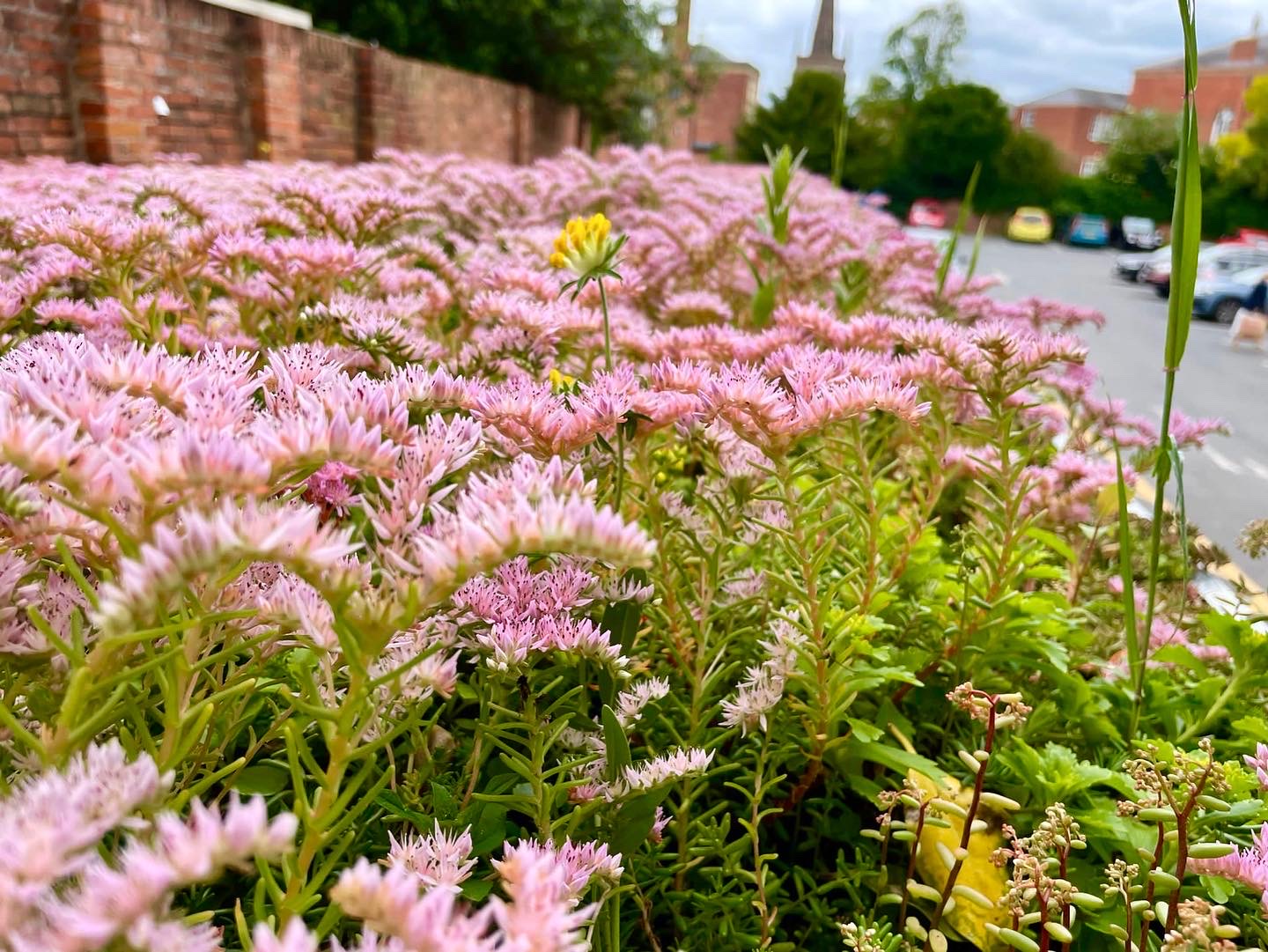
Yes. Rooftop gardens are one of our core residential services, bringing greenery to spaces that might otherwise go unused.
What is a bespoke garden design service?
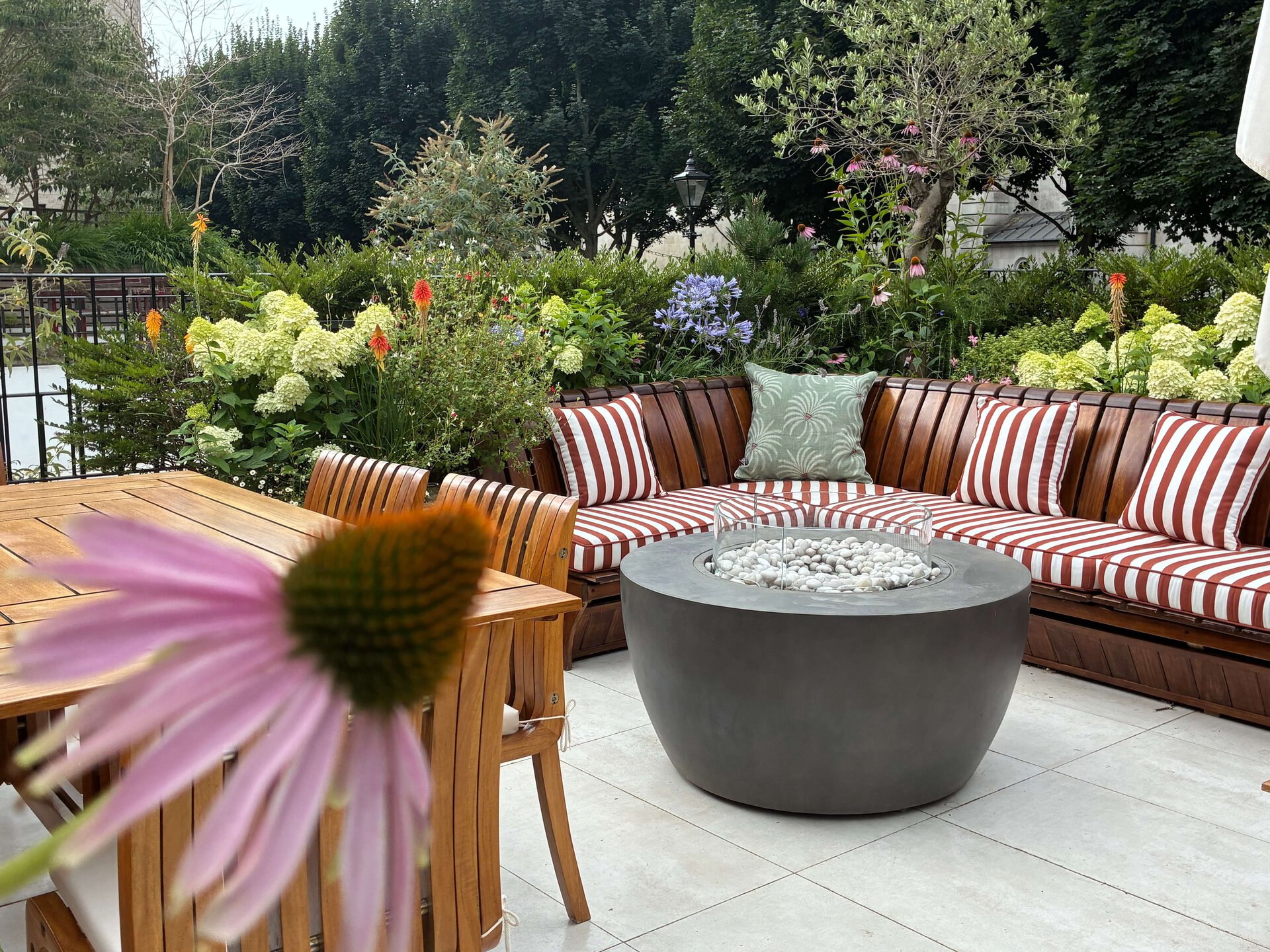
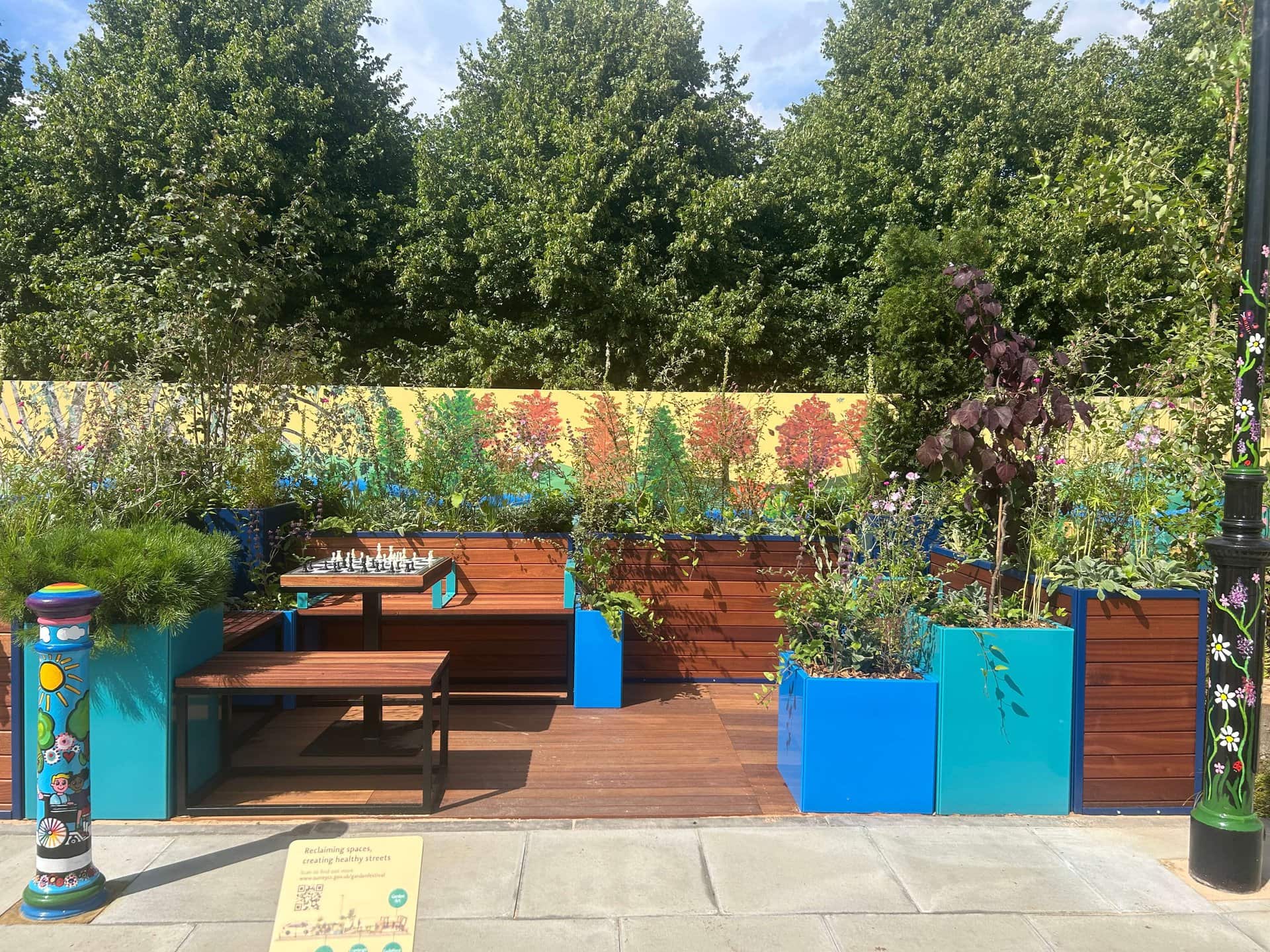
It's about transforming your outdoor space into a personal retreat, tailored to your unique style - beautiful and functional, and designed as a true extension of your home.
Do you design both indoor and outdoor spaces?
Yes. Whether you're bringing greenery indoors, redesigning a garden, installing a living wall, creating a rooftop garden or refreshing an entrance, our designers work with you at every stage.
What residential services does Meristem Design offer?
We work with homeowners on both indoor and outdoor garden design, including bespoke gardens, living walls, rooftop gardens, entrance planting and indoor plant schemes, tailoring each project to reflect your vision and space.
What is a living wall?
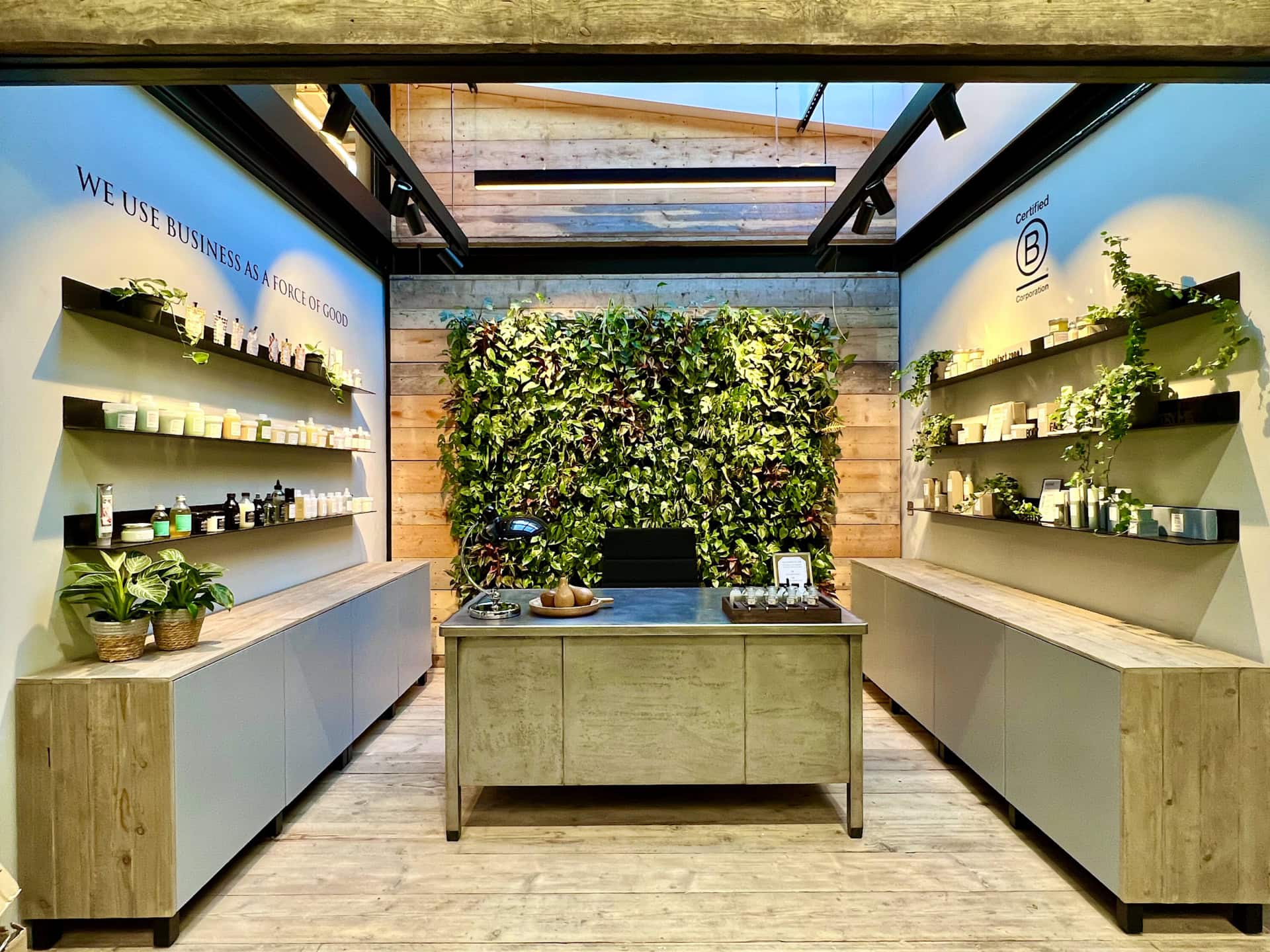
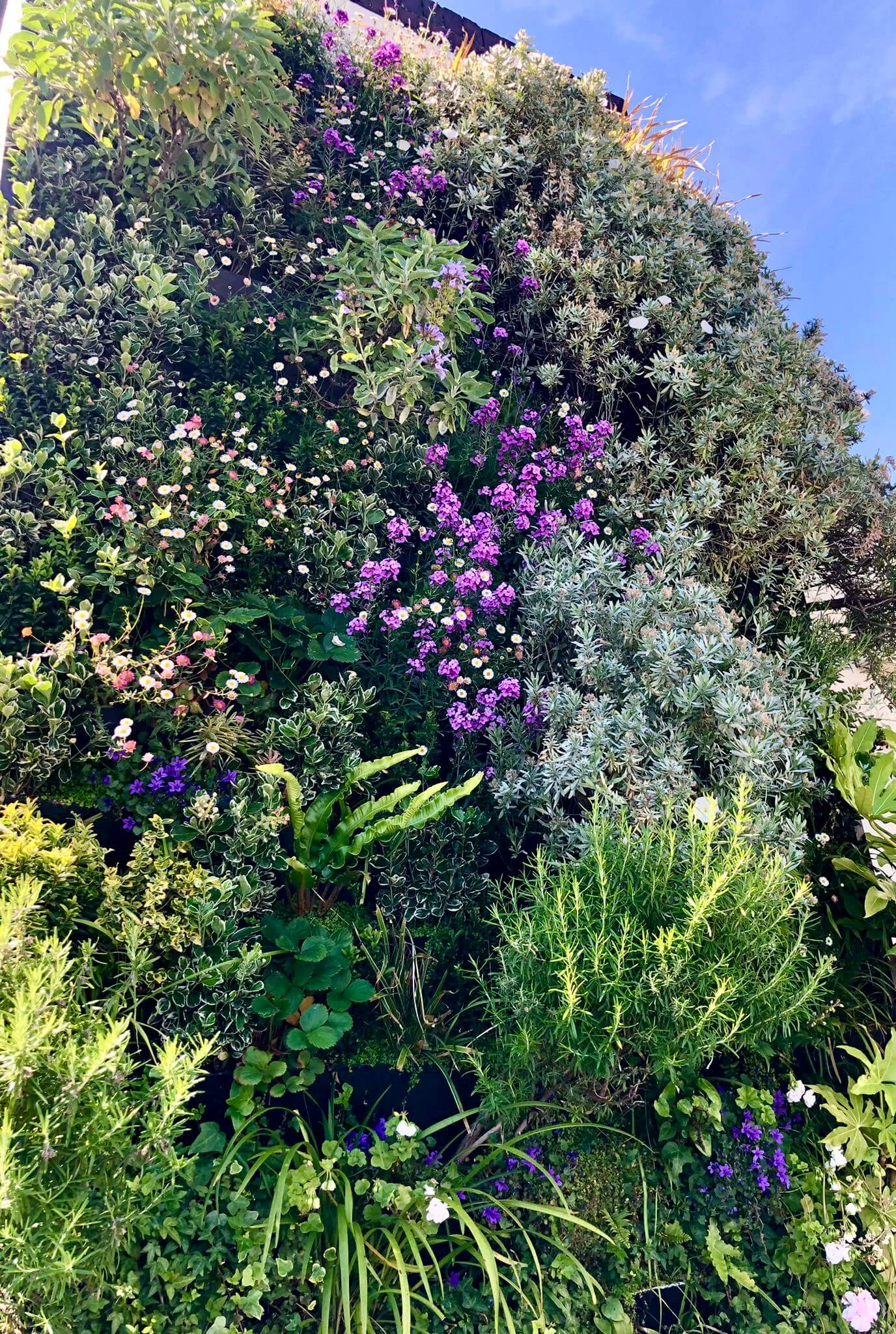
A living wall – also called a green wall, plant wall, or vertical garden – is a vertical structure covered with living plants, providing a sustainable and creative way to bring nature into urban spaces.
Can you help with both landscape design and installation?
Yes, we can work with existing designs, collaborate with your team, or offer a full service tailored to your space.
What type of landscaping projects do you work on?
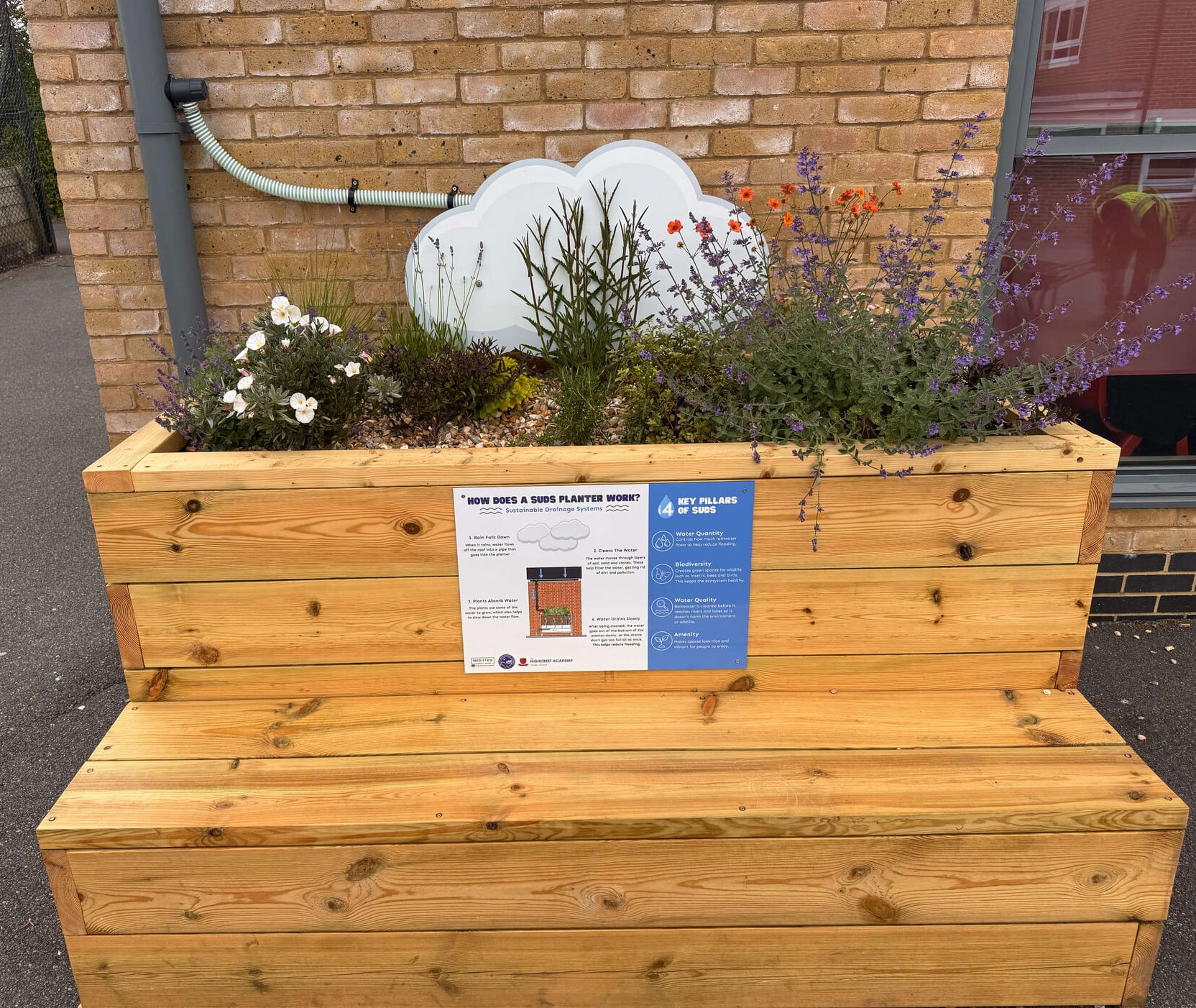
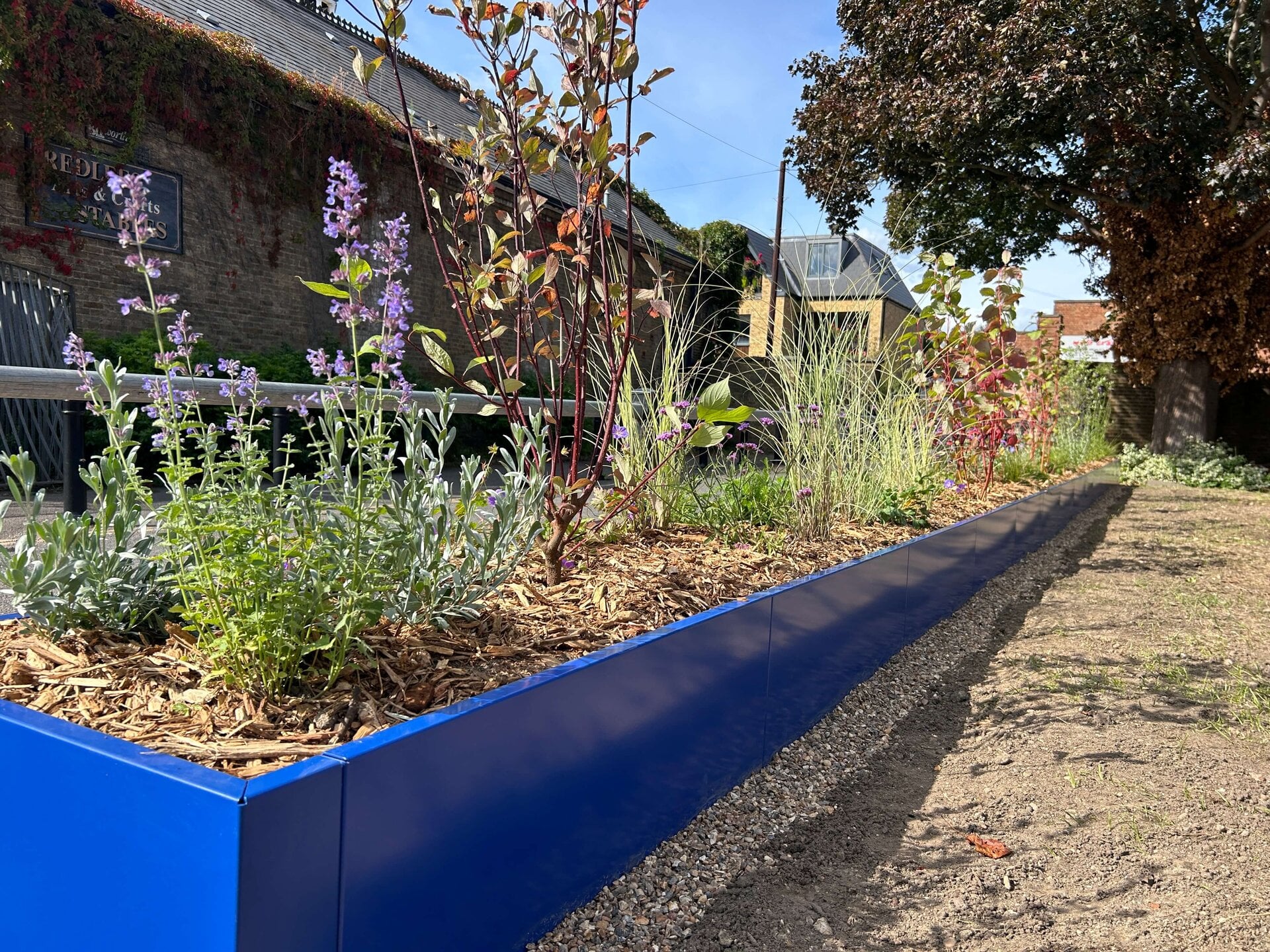
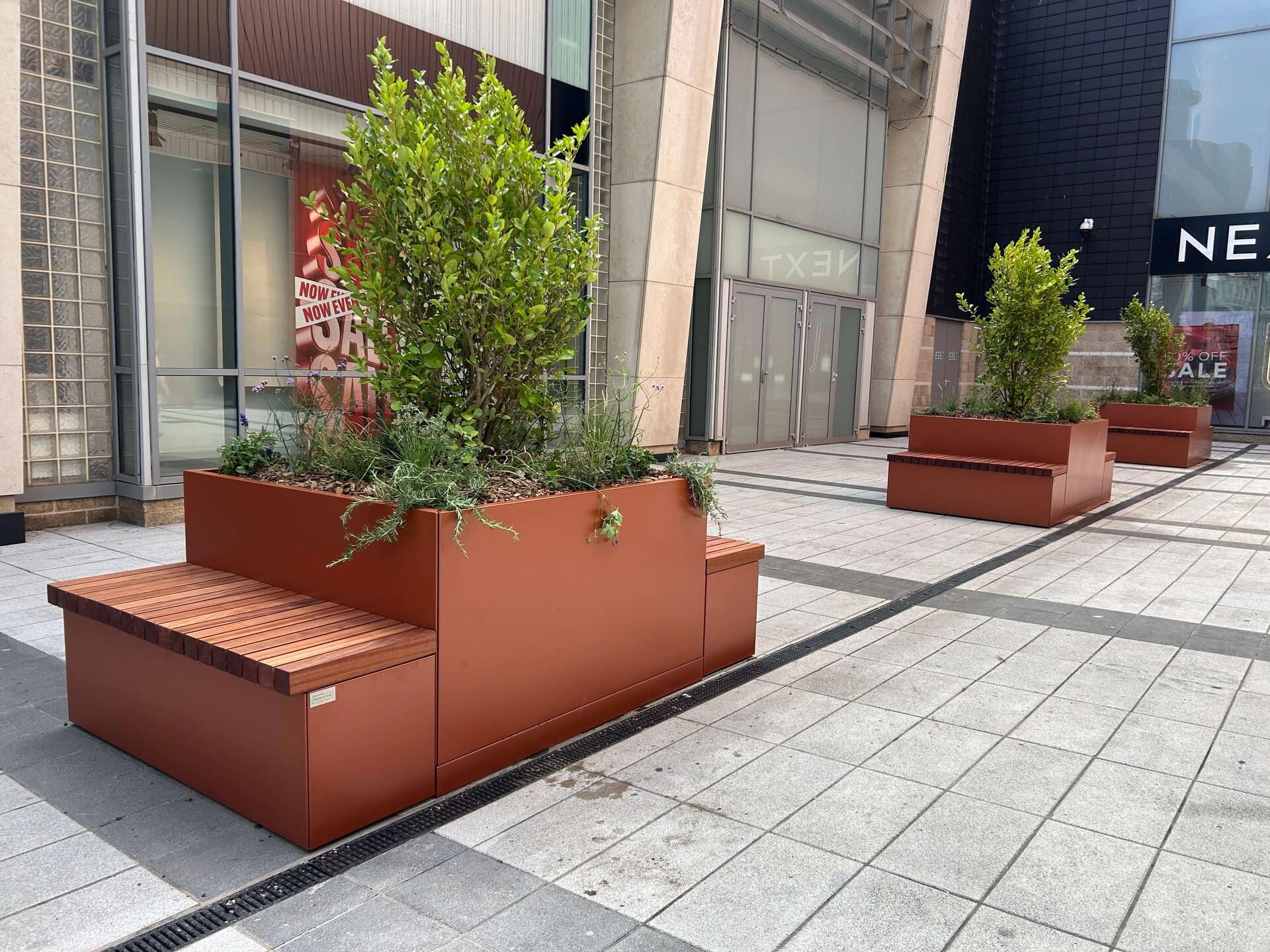
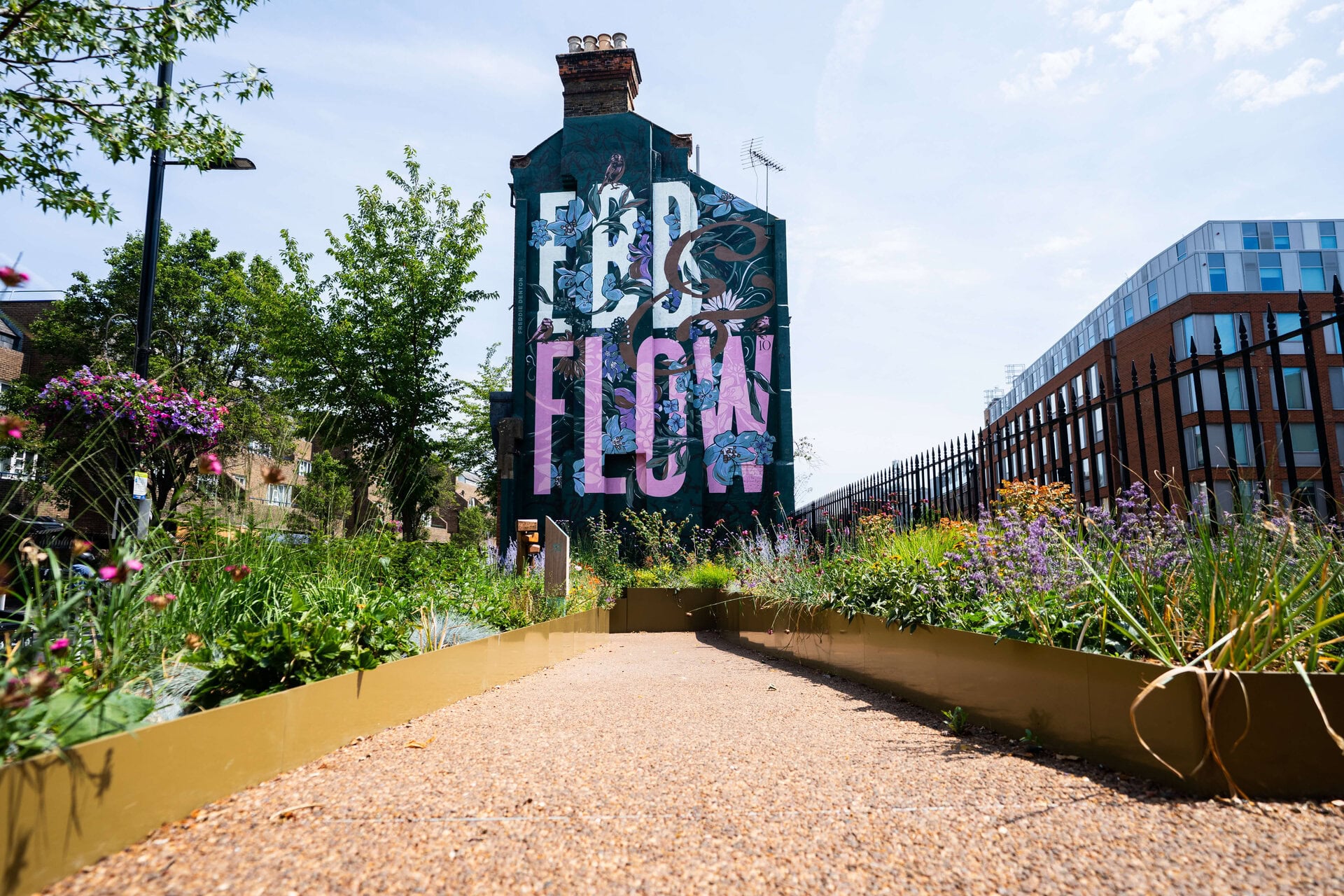
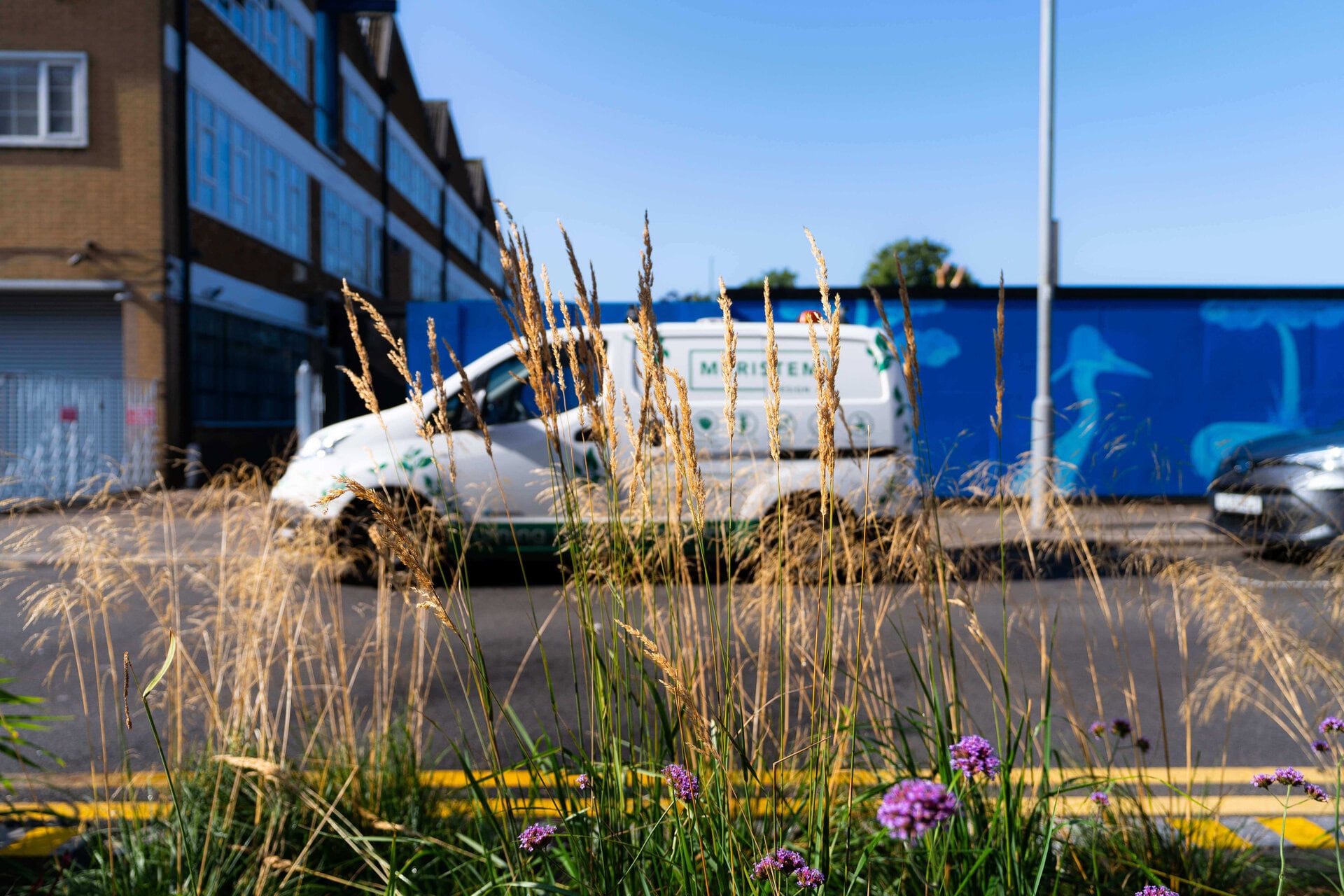
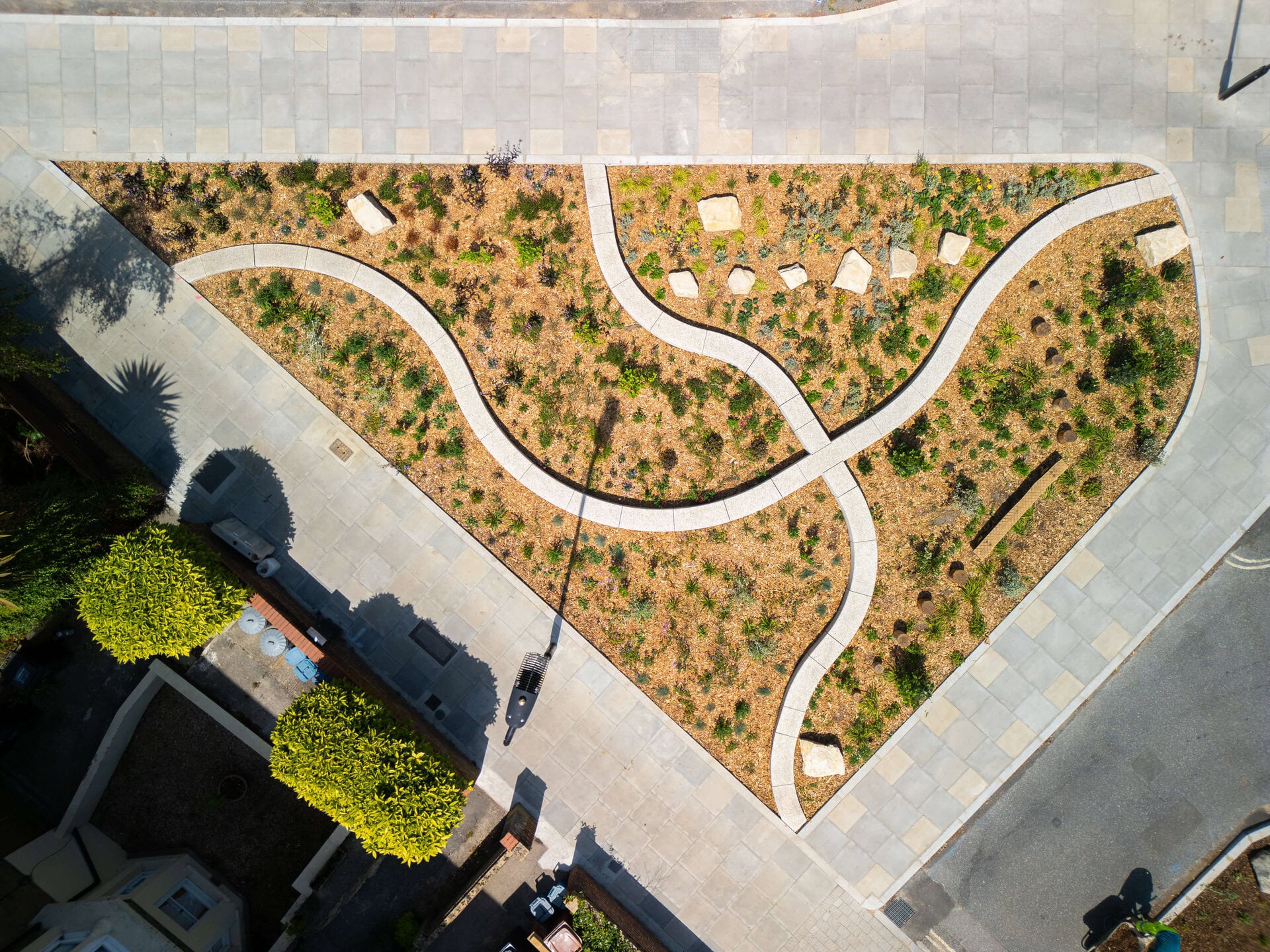
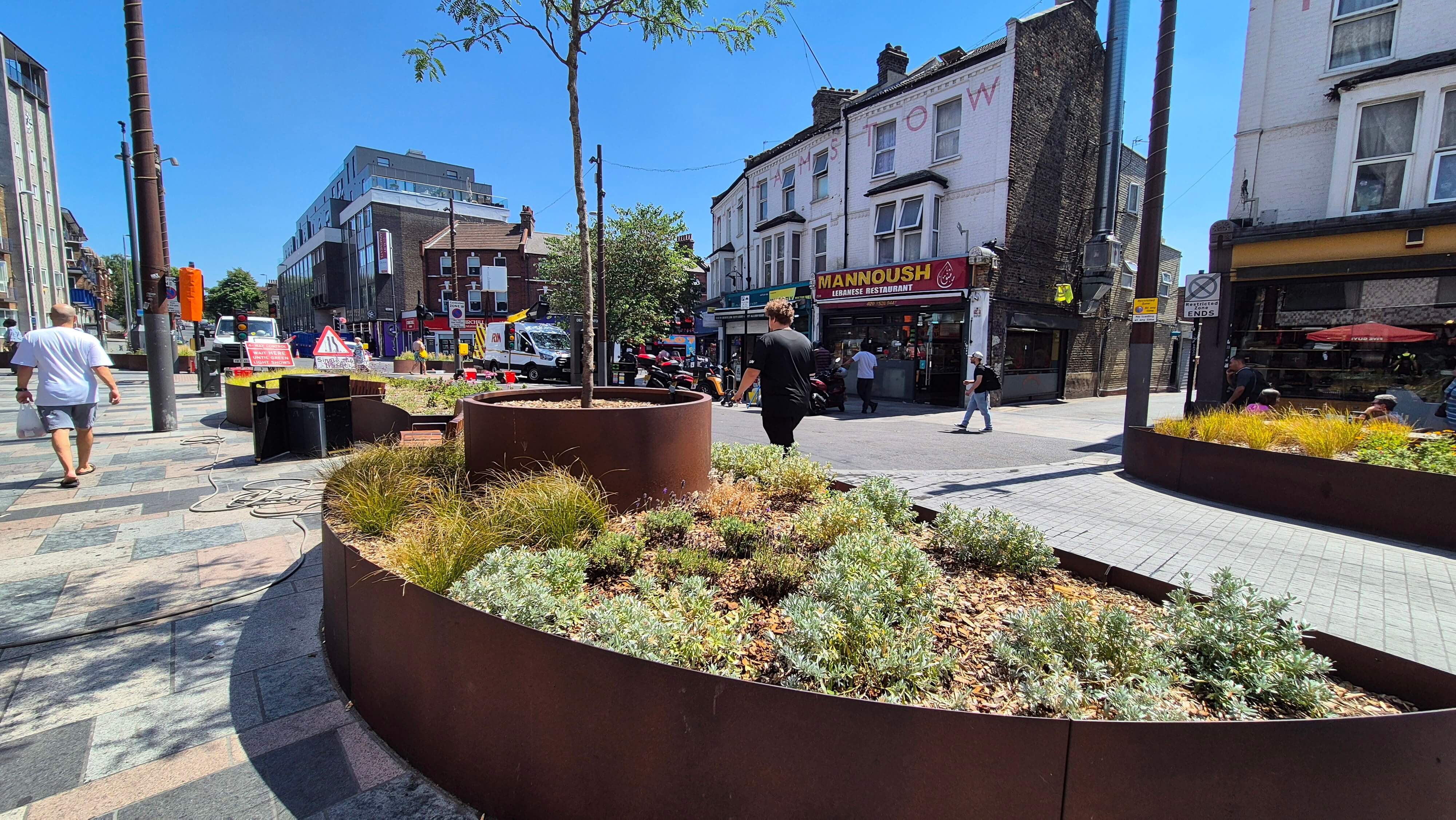
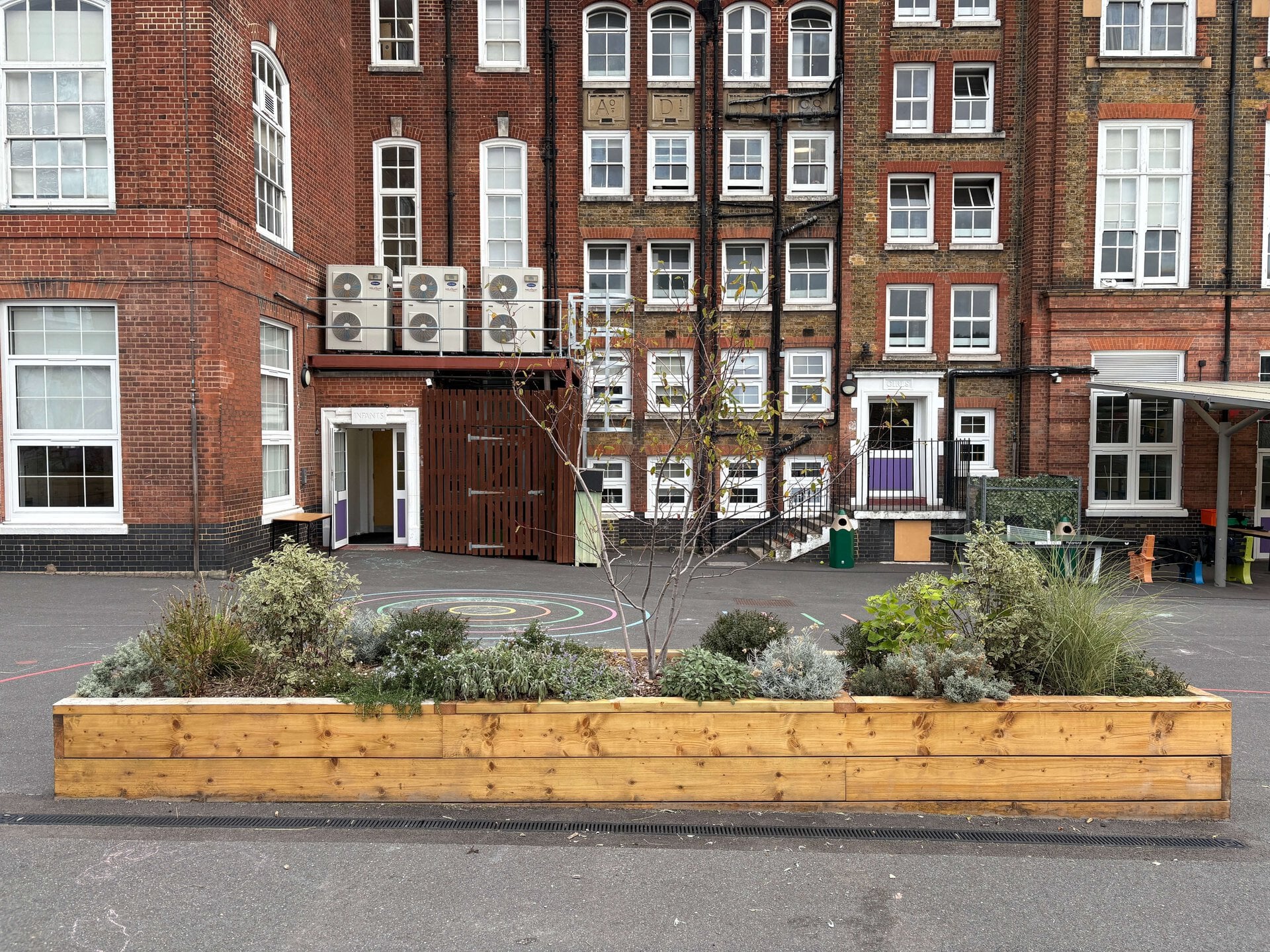
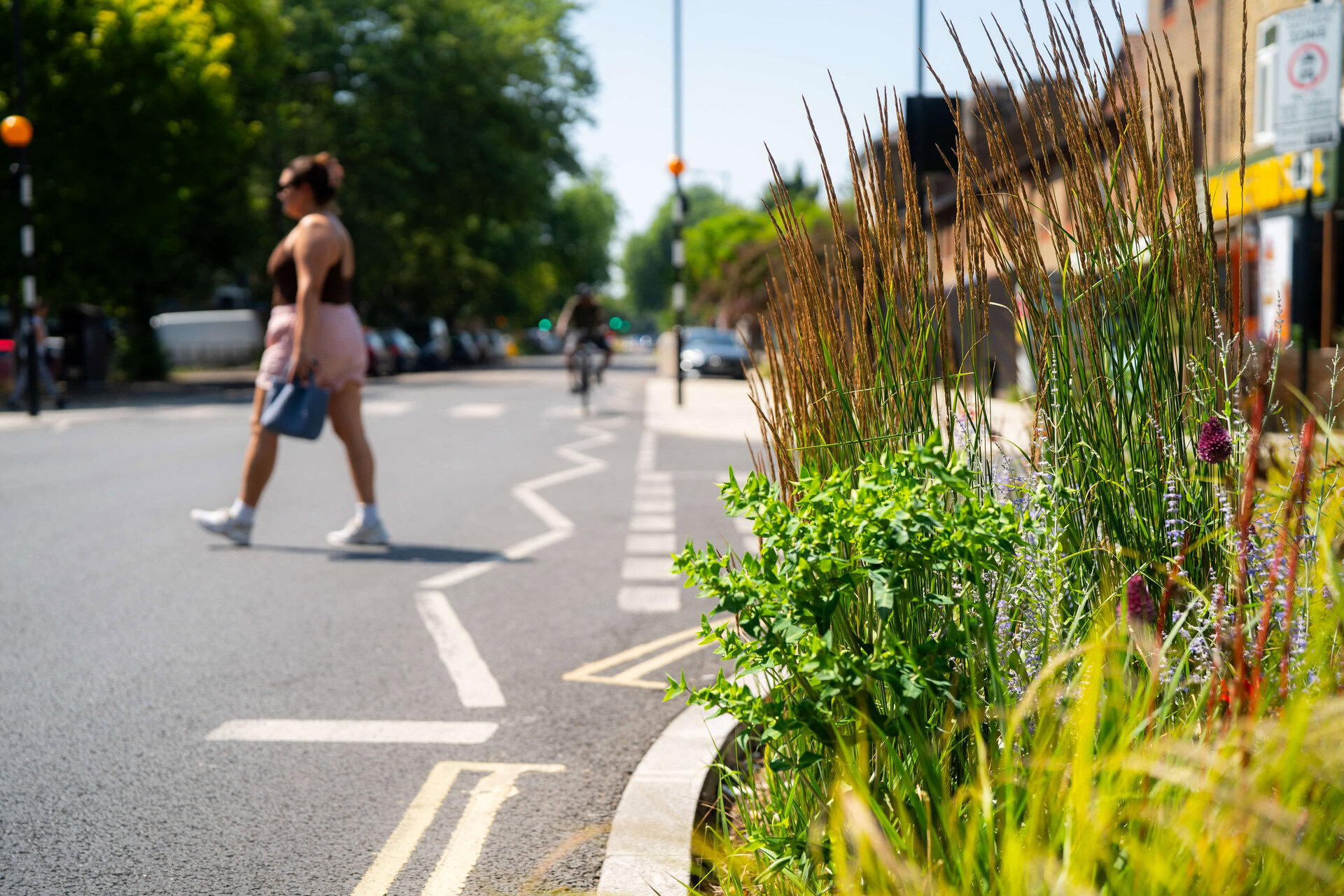
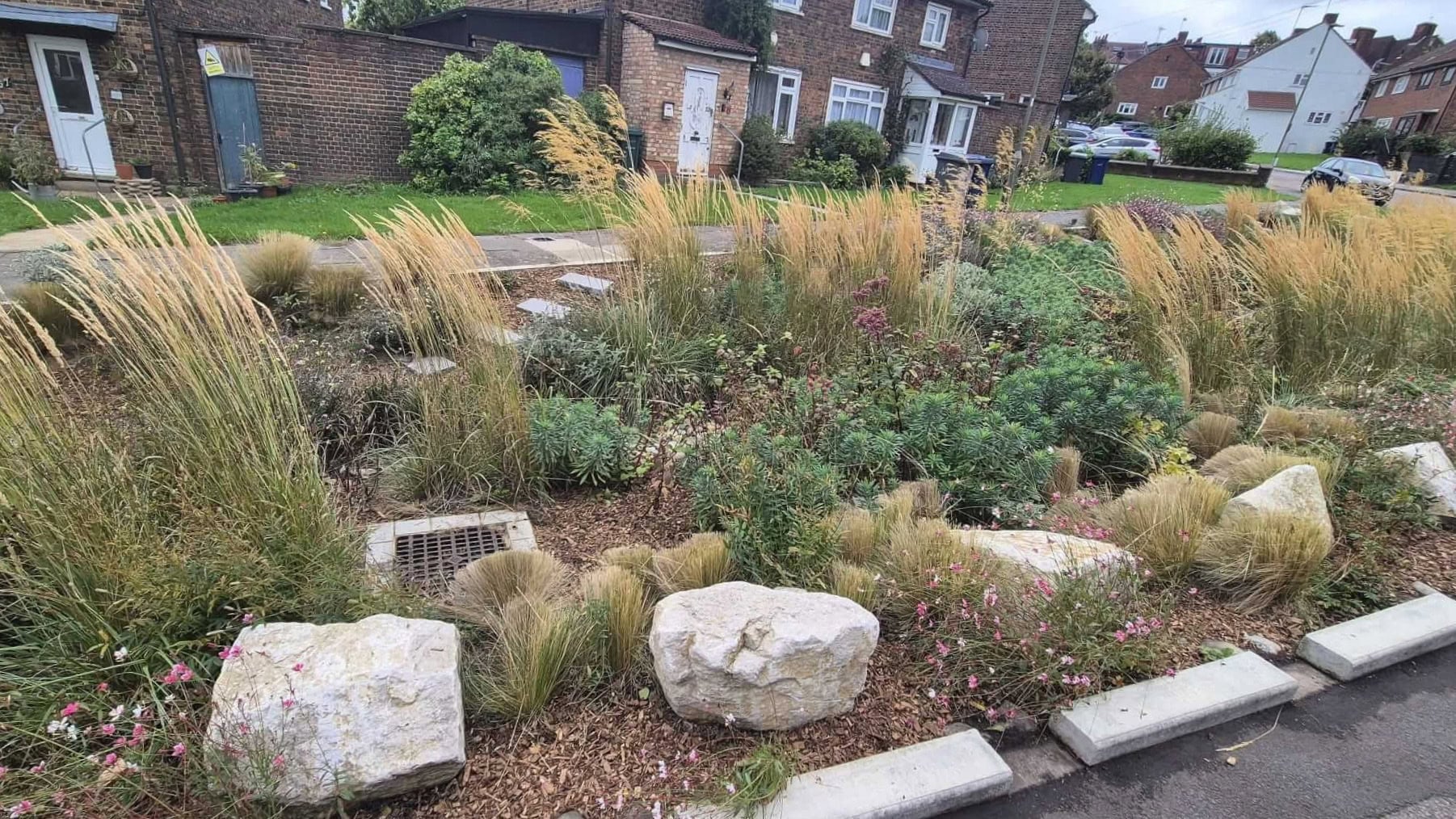
We work across public realm, commercial and community spaces, including streetsides, schools and green infrastructure projects.
How do I choose the right plants for my space?
We consider soil type, sunlight, maintenance needs and biodiversity goals when selecting plants to ensure visual appeal and long-term success.
What are the benefits of landscaping in urban spaces?
Landscaping can increase biodiversity, reduce surface water runoff, improve air quality and create spaces that are more attractive, welcoming and usable for people.
What’s the difference between hard and soft landscaping?
Soft landscaping focuses on living elements like planting, trees and turf. Hard landscaping includes structural features such as paving, edging and decking.
Can we install living walls or planters in small spaces?
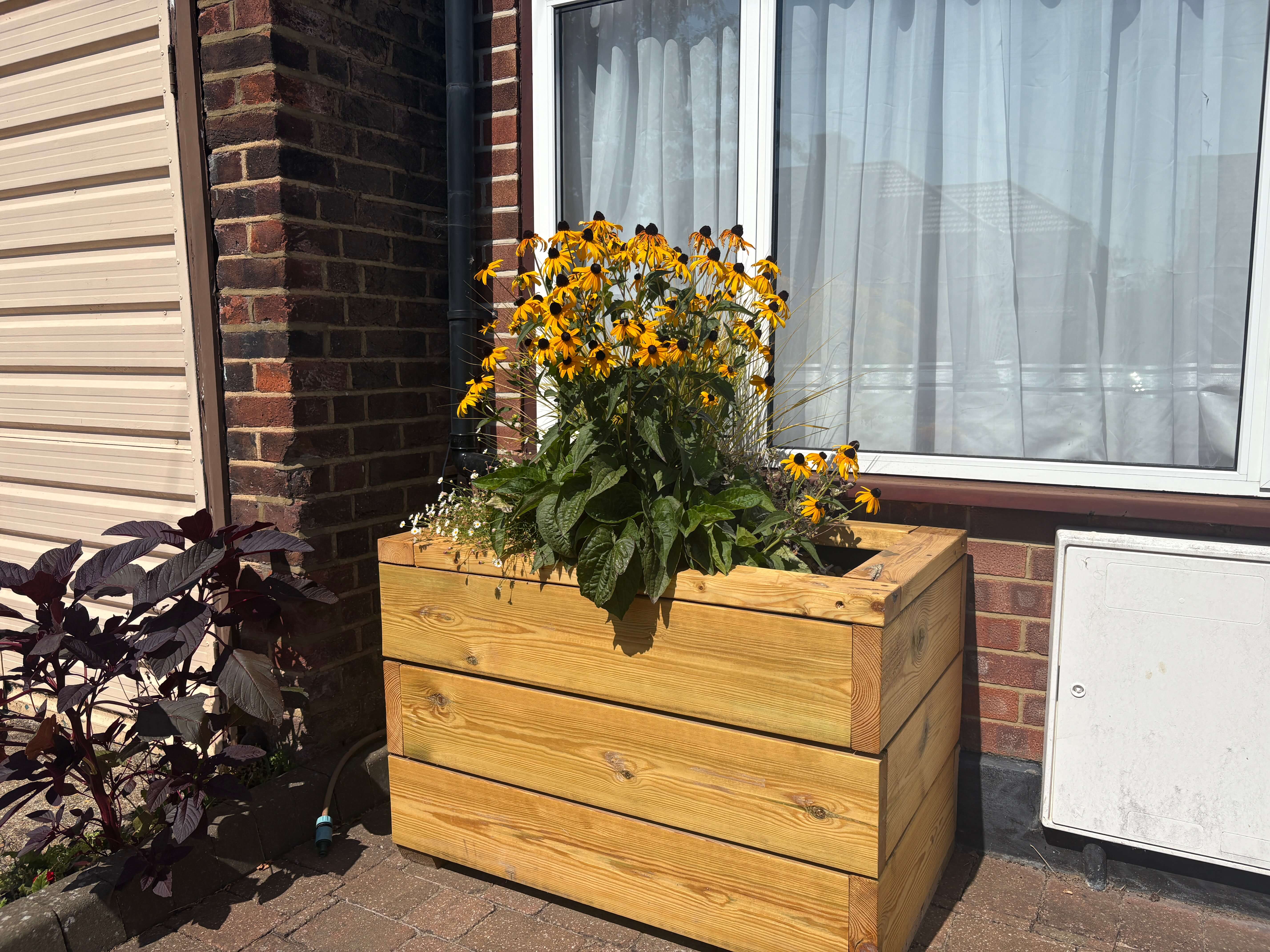
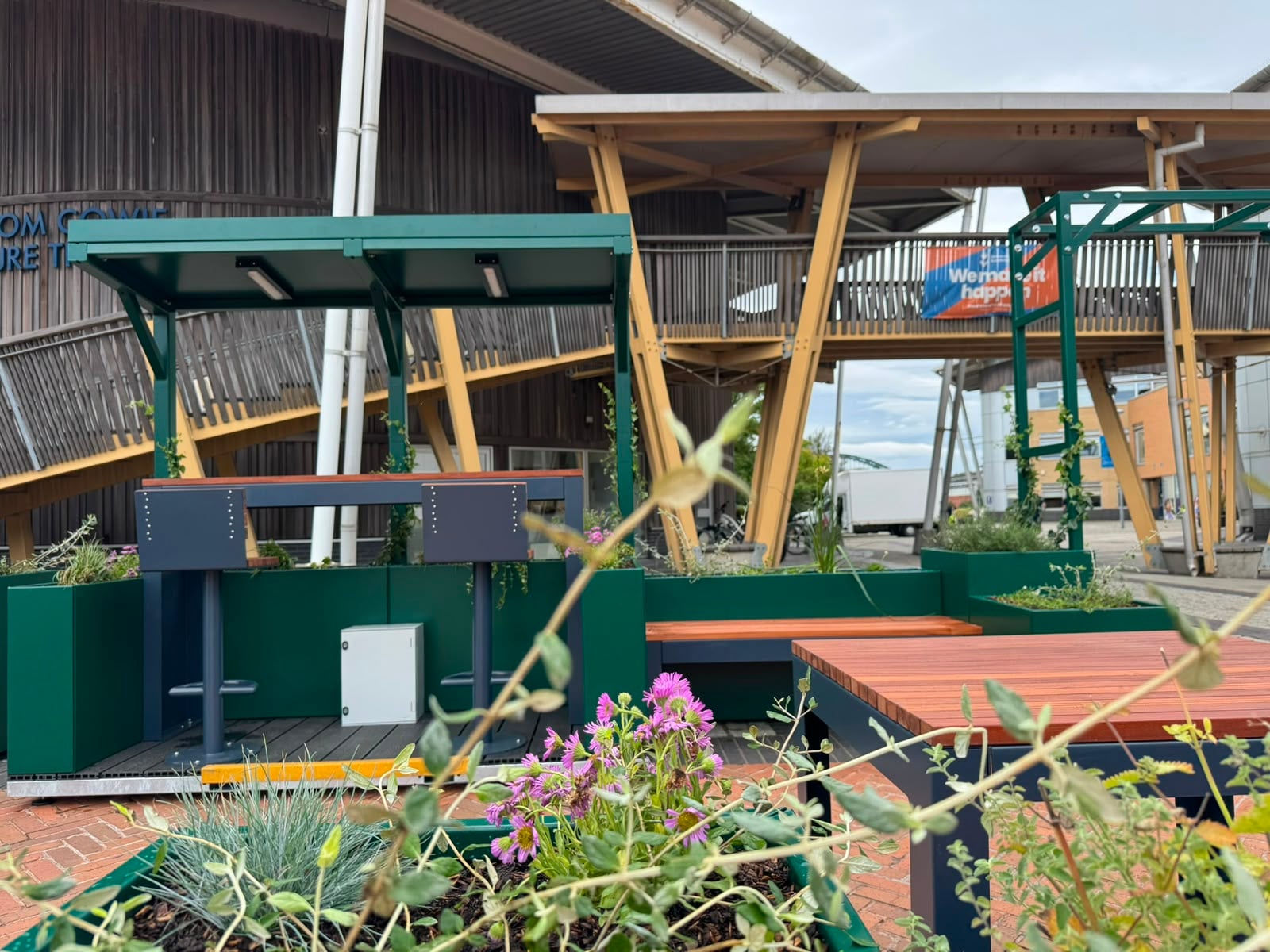
Yes! We offer compact and vertical greening options like living walls and slimline planters that fit perfectly in small spaces, bringing greenery to balconies, patios, and even interior spaces.
How to select plants for residential spaces?
Our design team selects resilient, low-maintenance plant species that suit each project’s light, space, and care requirements. Our experience ensures the right plants are in the right place, creating a stunning and resilient space for you.
Can residential urban greening help soundproof homes?
Absolutely. Green walls for example help absorb sounds and reduce noise levels, making them an ideal choice for creating a quieter indoor or outdoor space in residential properties.
Can urban greening help reduce energy costs?
Yes, plants can provide insulation that help keep buildings cooler in summer and warmer in winter, potentially reducing heating and cooling costs.