
About us













Can nature workshops be tailored to our school's specific goals?
Yes. We work with schools to align workshops and green infrastructure with specific enrichment, curriculum or sustainability goals, so the sessions and installations reflect what matters most to your pupils and setting.
What wellbeing benefits do these green spaces and workshops offer students?
Green spaces and hands-on nature sessions give students a calm, mindful environment to spend time in, alongside opportunities to build responsibility and confidence through caring for plants. This combination supports both mental wellbeing and a stronger, lasting connection to the natural environment.
Do children get to plant and grow things themselves?
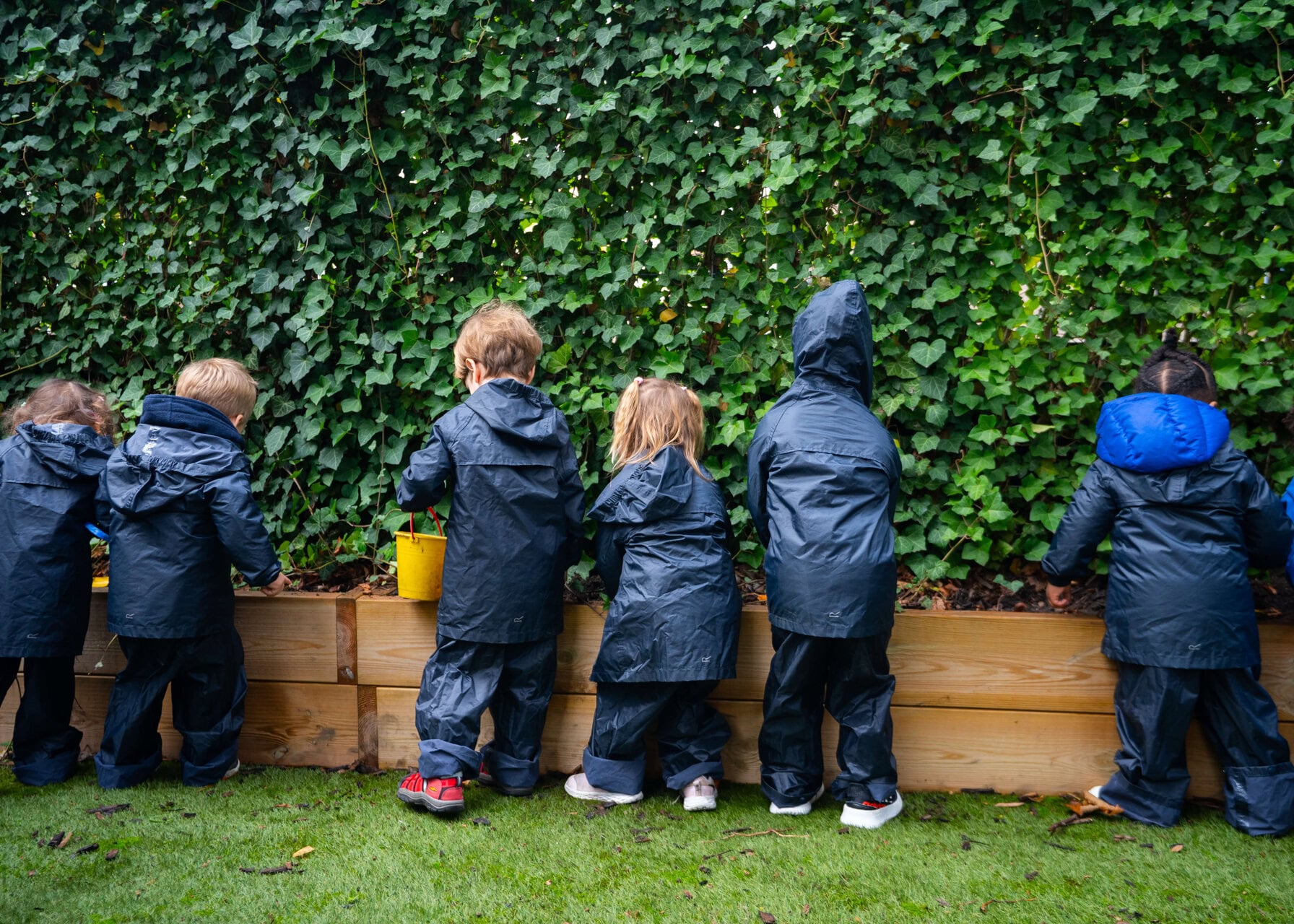
Yes. Students personally select and plant their own seeds and plants during the sessions, giving them ownership over the process and the chance to be active participants in nurturing something from planting through to growth, rather than simply observing.
How do these programmes support the wider school curriculum?
The workshops complement subjects like science and geography by bringing topics such as ecosystems, growth cycles and sustainability to life outside the classroom. They also support broader school enrichment goals, giving children a memorable, hands-on experience that reinforces classroom learning through direct engagement with nature.
What do children actually learn from the nature workshops?
Children learn about the roles soil, seeds and plants play in everyday life, including pollinator-friendly planting, growing edible plants, and how greenery can make grey, urban spaces more climate resilient. The focus is on practical, sensory learning rather than theory, so children come away with a real understanding of how things grow.
How do the nature workshops help reconnect children with nature?
Many children today have limited everyday contact with soil, plants and growing things. Our sessions give them the chance to touch, plant and care for something themselves - sowing seeds, exploring soil, and observing how plants grow over time. This hands-on involvement helps rebuild a personal, sensory connection to nature that can be difficult to get from a classroom alone.
Do you need to have a SuDS installation to receive a nature workshop?
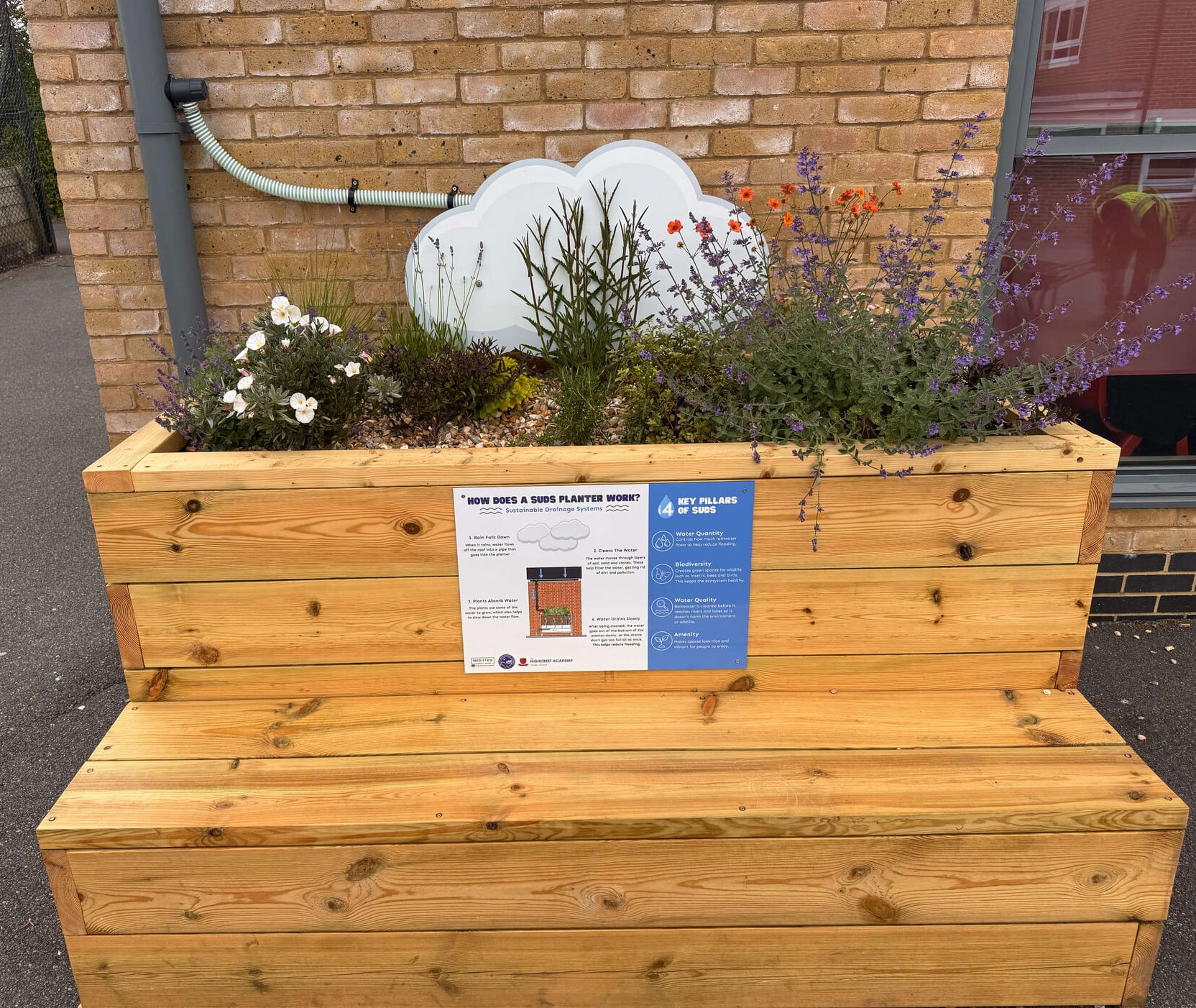
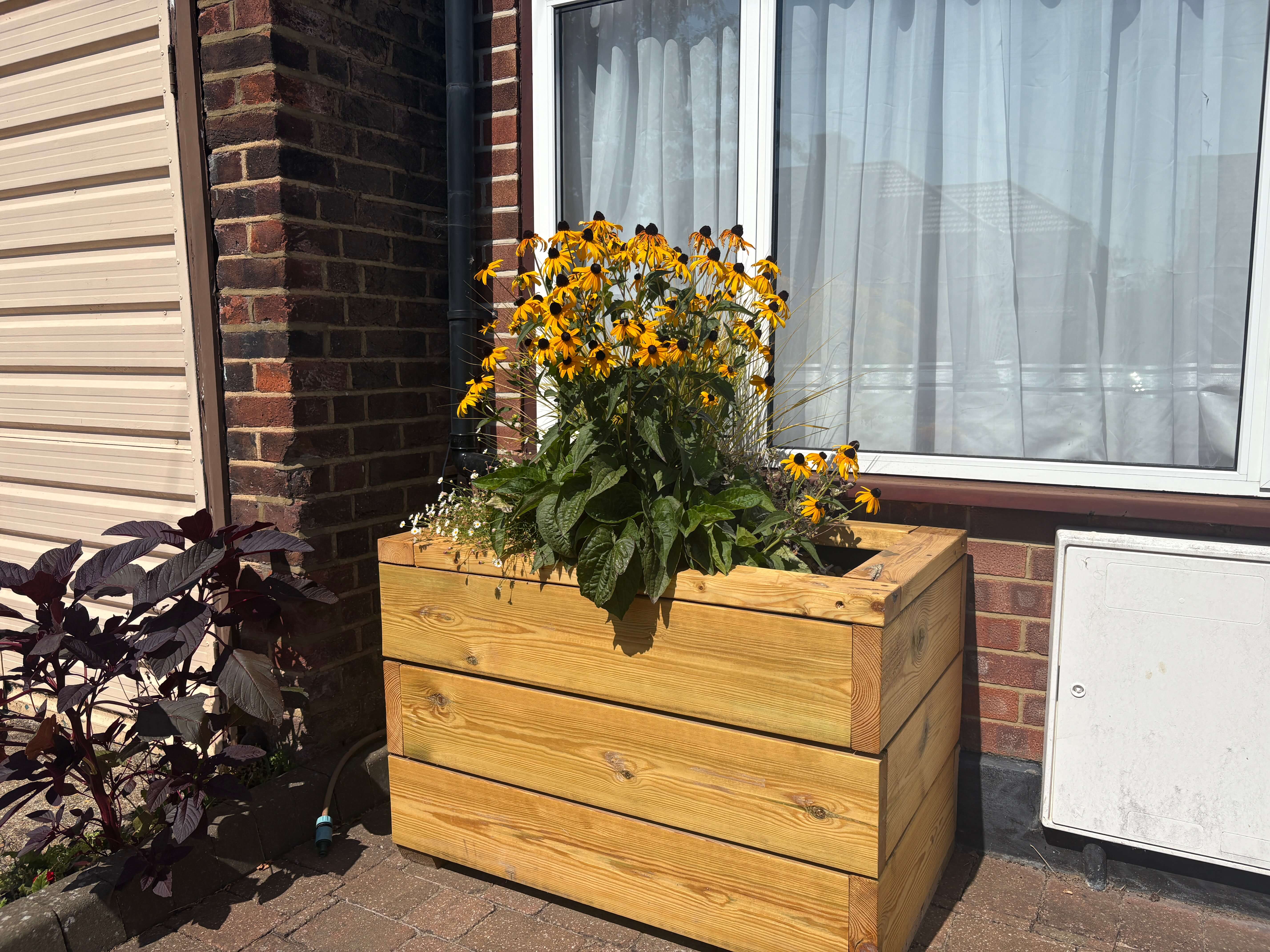
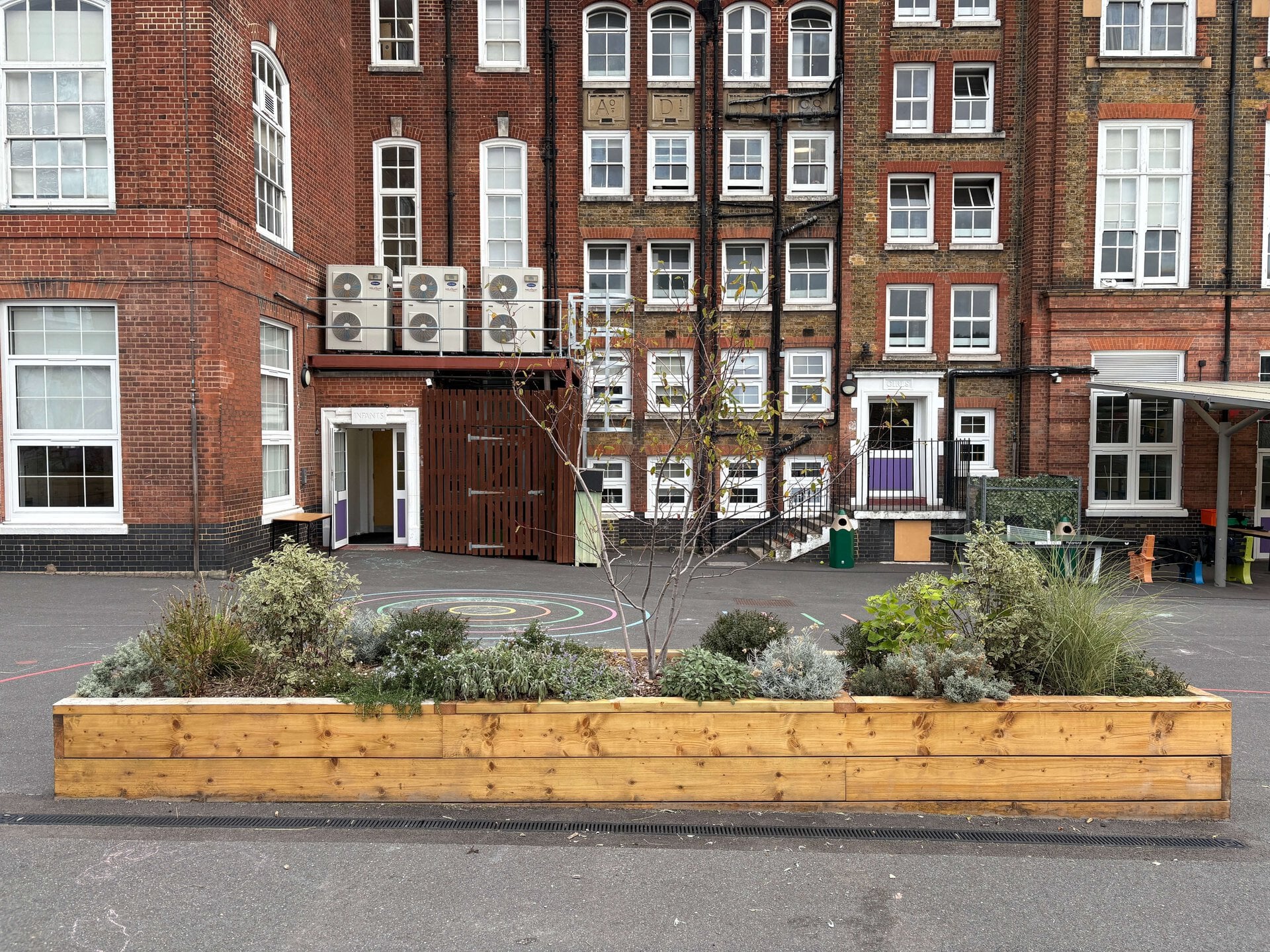
We typically deliver nature workshops at schools in which we have carried out an installation of any planting space such as planters, rain gardens, SuDS planters etc. However we also carry out seed and bulb planting nature workshops for other green spaces in school estates.
Do you provide all the materials and plants needed for a nature workshop?
Yes, we provide trowels, gardening gloves, plants and worksheets for the school nature workshops.
What do children learn in a nature workshop?
Our nature workshops aim to teach children the function of SuDS in their school as well as practical planting skills and the importance of biodiversity.
How many children can participate in the workshops?
We can run an hourly workshop session for up to a maximum of 30 children. We usually have a minimum of 2 staff on hand to assist with the workshops.
What age groups are your nature workshops suitable for?
Our workshops are suitable for school children aged between 5 and 12 years old. We tailor our worksheets, delivery and planting equipment towards the age category of the group.
How long does a nature workshop last?
Our nature workshops last approximately 1 hour.
What do nature workshops involve?
Our nature workshops feature both practical and educational elements. We begin with a 10 minute introduction to SuDS and practical planting skills, followed by a 30 minute hands-on planting workshop where children get stuck in. To end the session, we provide engaging worksheets to help children reflect on what they have learnt.
What are nature workshops?
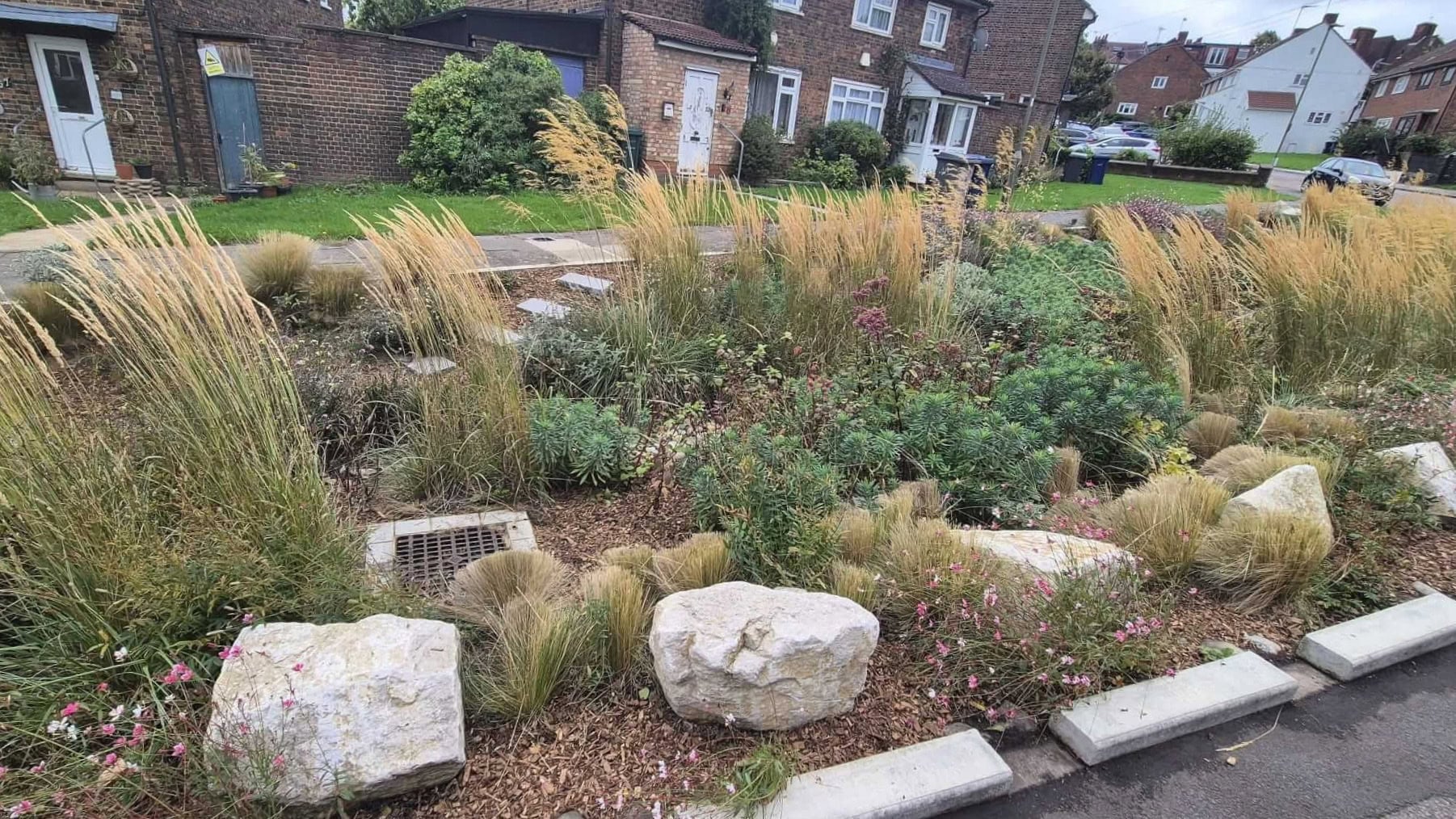
A nature workshop is an opportunity for schools to get involved in planting up SuDS features like rain gardens and SuDS planters.
How do SuDS help connect students with nature?
SuDS create engaging and natural learning environments that students are able to interact with on a daily basis. Features like gardens, pollinator habitats, and outdoor learning areas can inspire curiosity about the environment and enhance play.