What are the benefits of Rain Gardens?
Rain gardens are becoming a key part of how urban streets are designed and retrofitted.
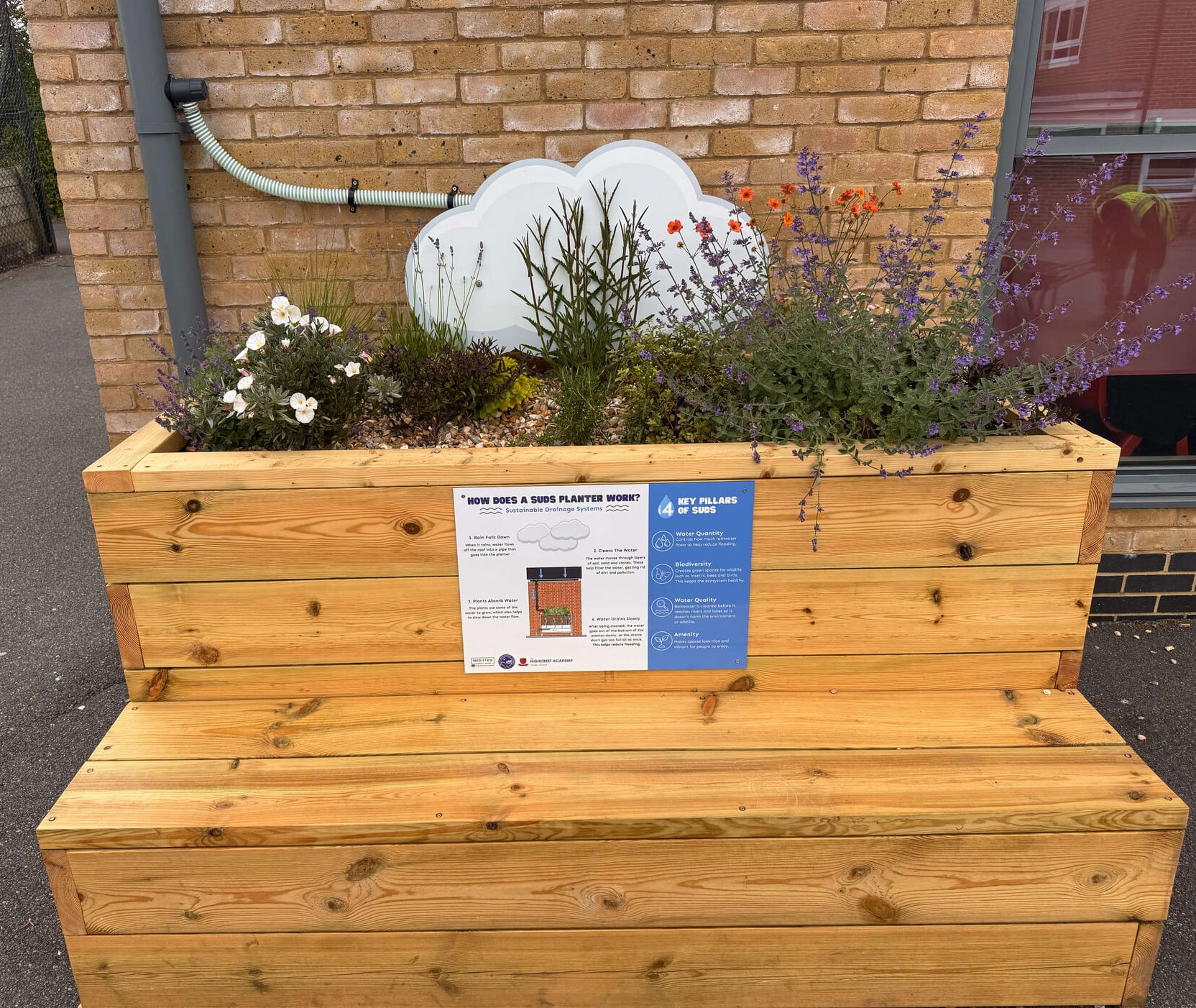
At their core, they are simple: planted systems that capture and manage rainwater where it falls. But their impact goes far beyond drainage.
When integrated into streets, rain gardens deliver a combination of environmental, social, and long-term infrastructure benefits that traditional systems can’t.
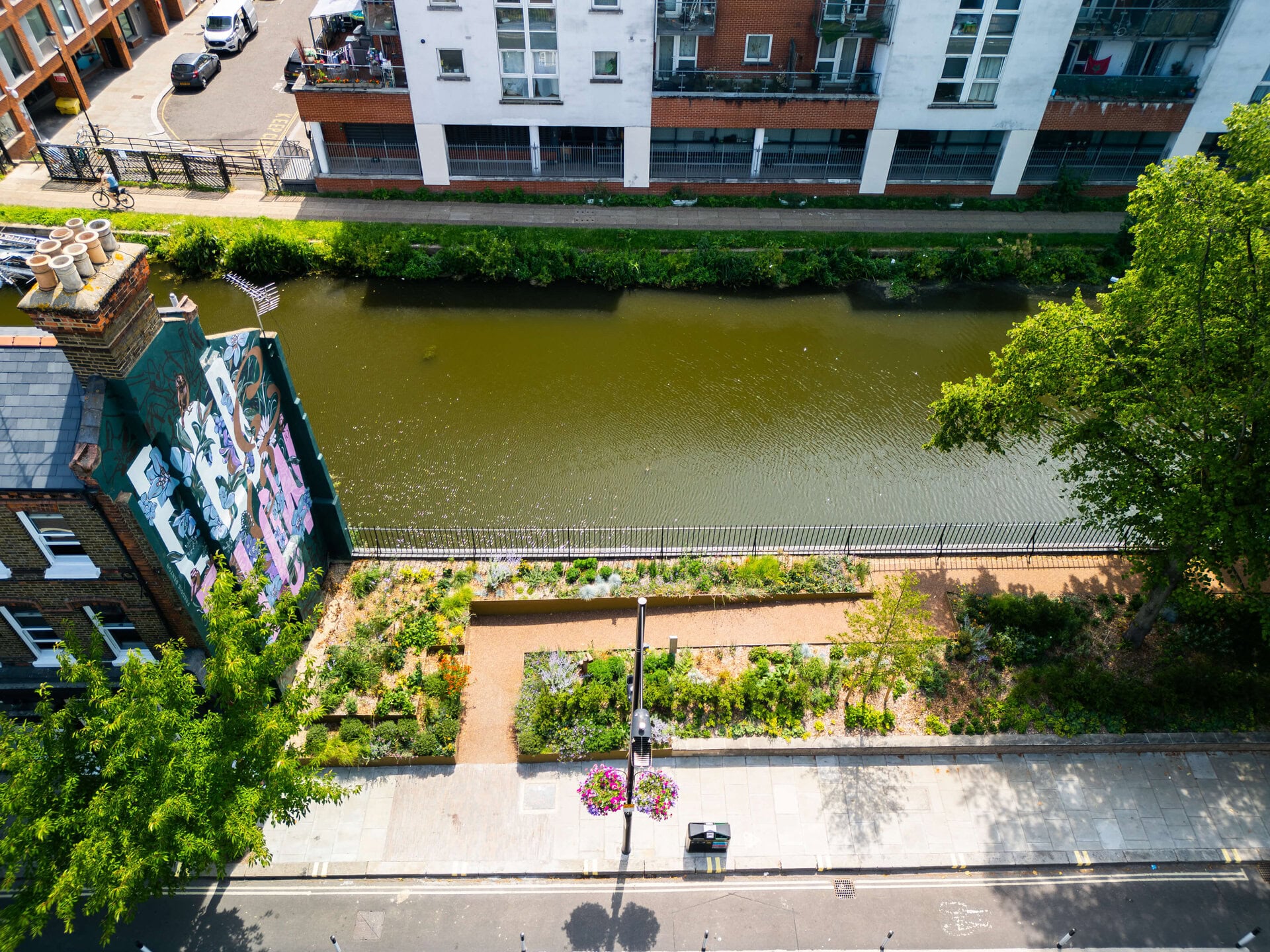
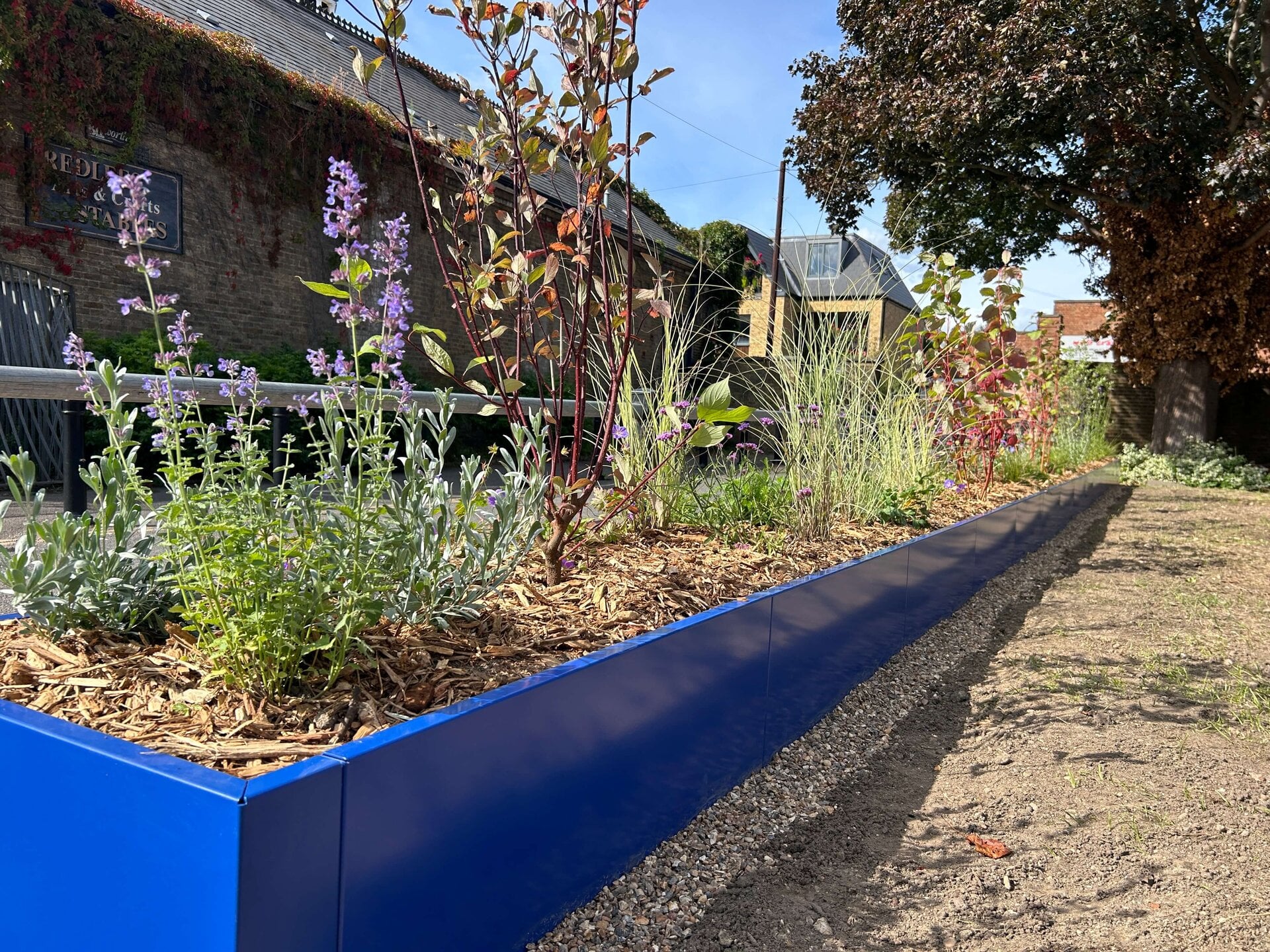
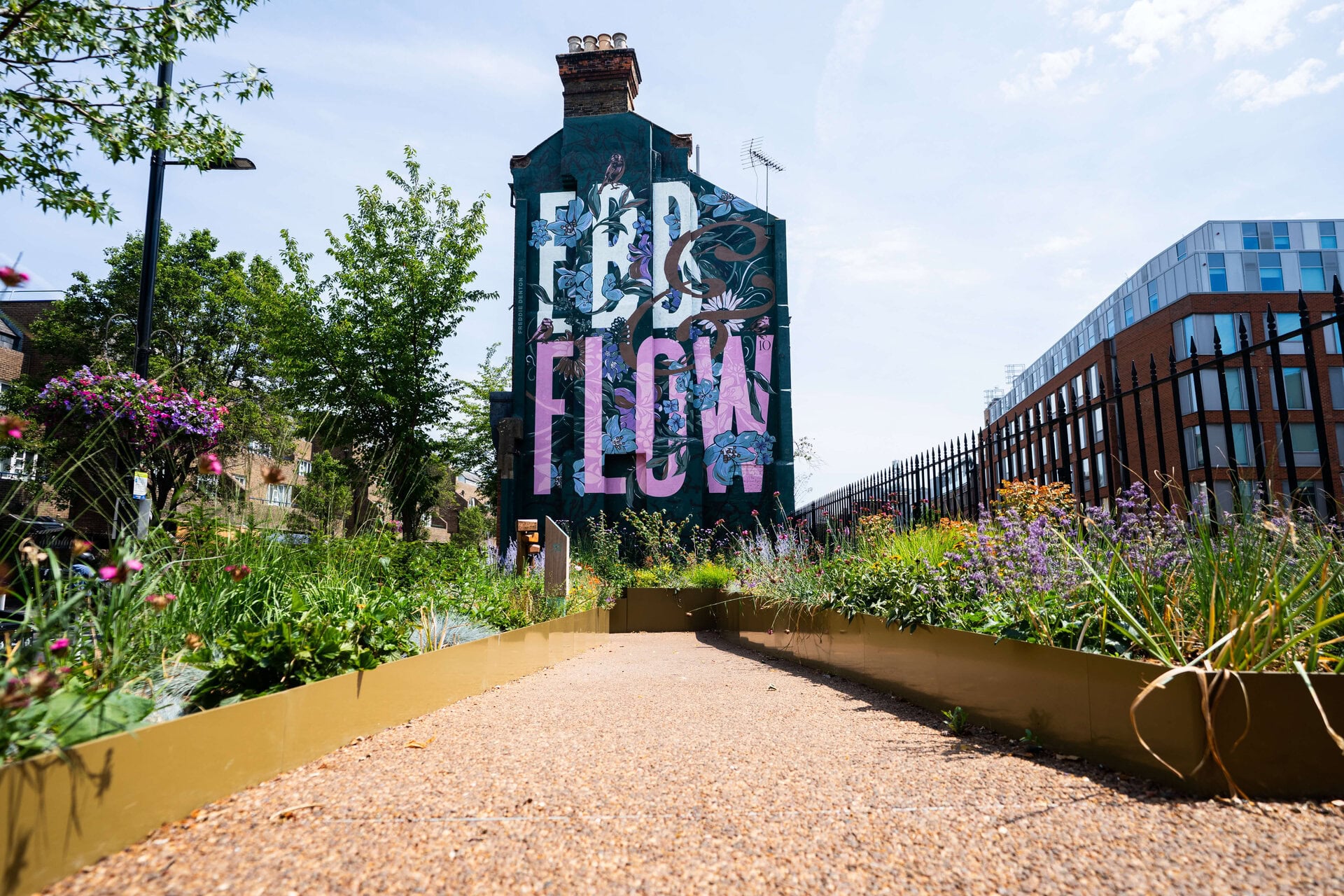
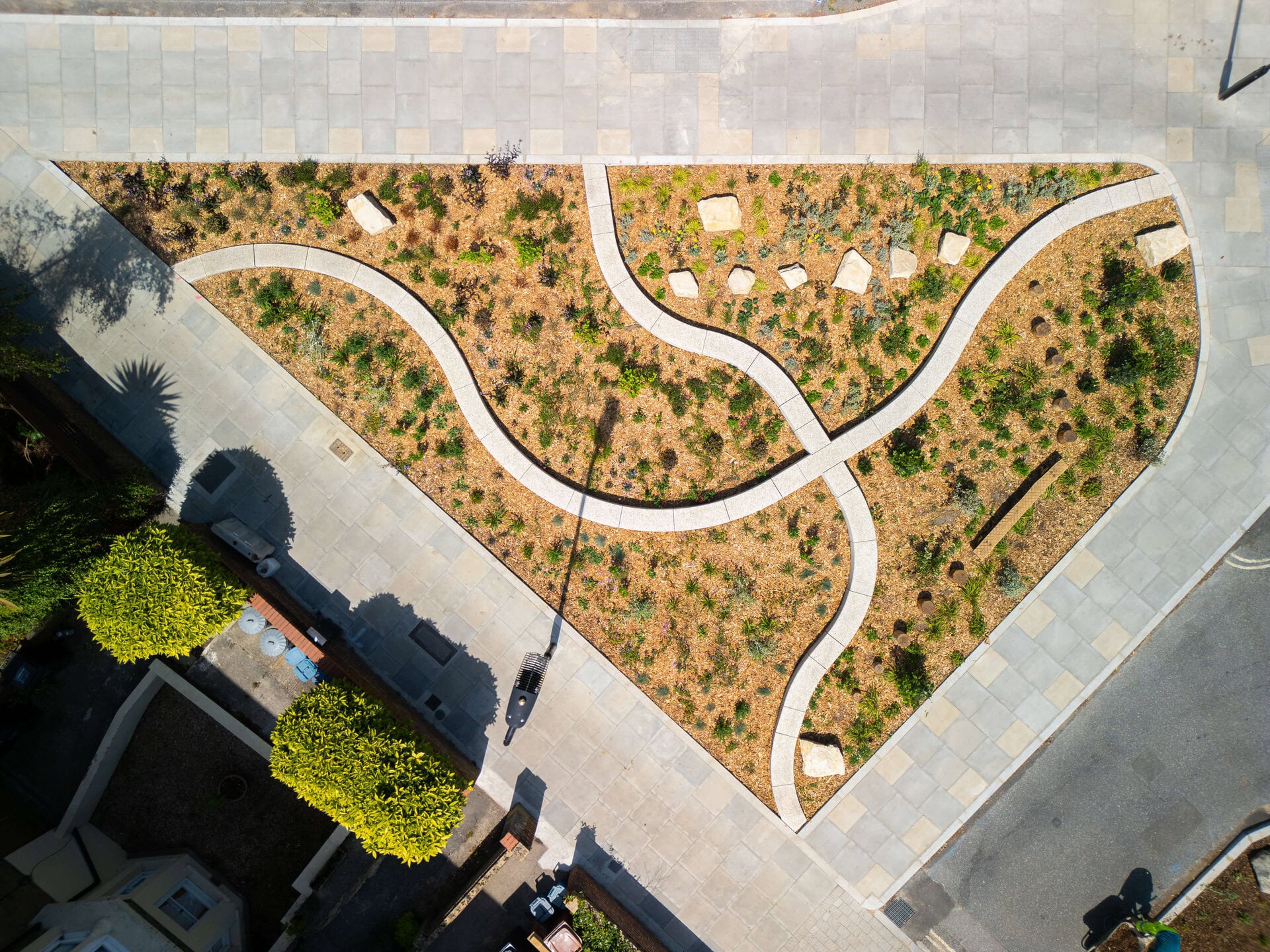
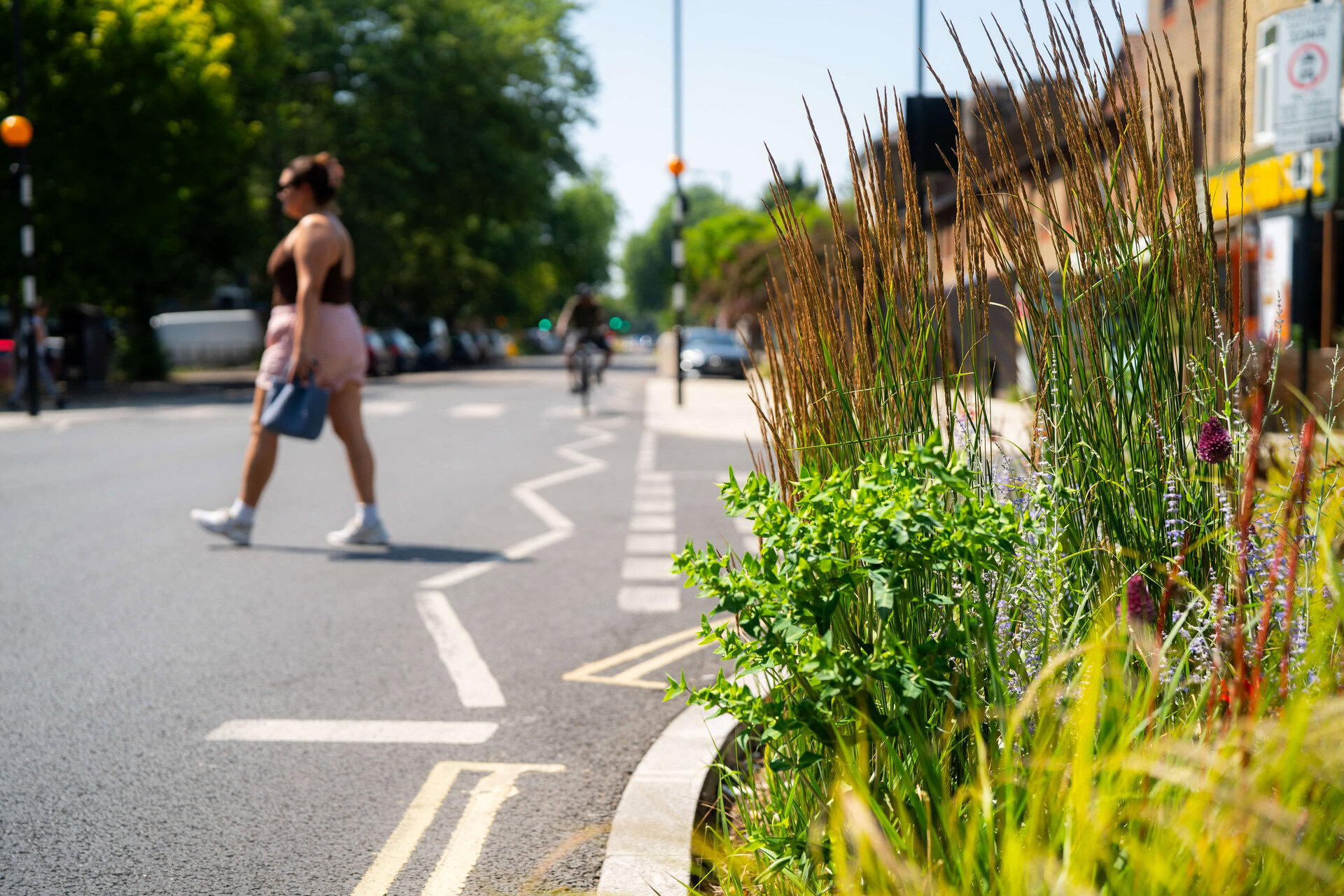
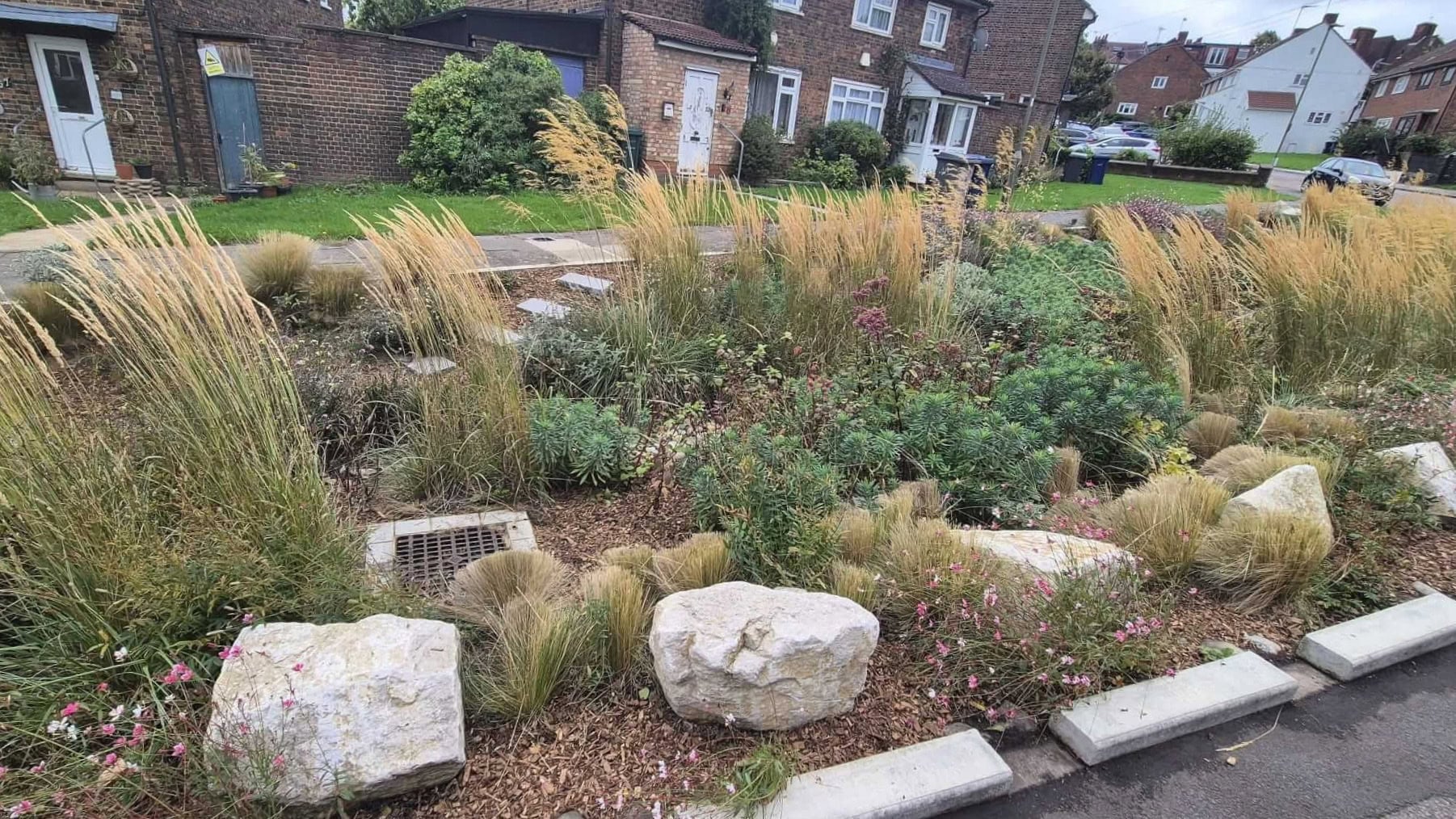
 Downham Road, London Borough of Hackney
Managing surface water sustainably
One of the primary benefits of rain gardens is their ability to manage runoff directly at street level.
Instead of rainwater flowing immediately into drains, it is:
- Captured within the rain garden
- Slowed down to reduce peak flow
- Stored and gradually infiltrated into the ground
This helps reduce pressure on drainage networks, particularly during heavy rainfall, and plays a key role in flood alleviation.
Improving water quality naturally
Urban runoff often carries pollutants - oils, metals, and debris - from roads and pavements. Rain gardens filter this water through soil and planting, removing contaminants before they reach the drainage system.
This creates a natural and sustainable treatment process without the need for additional infrastructure, improving the quality of water before it enters our streams and rivers.
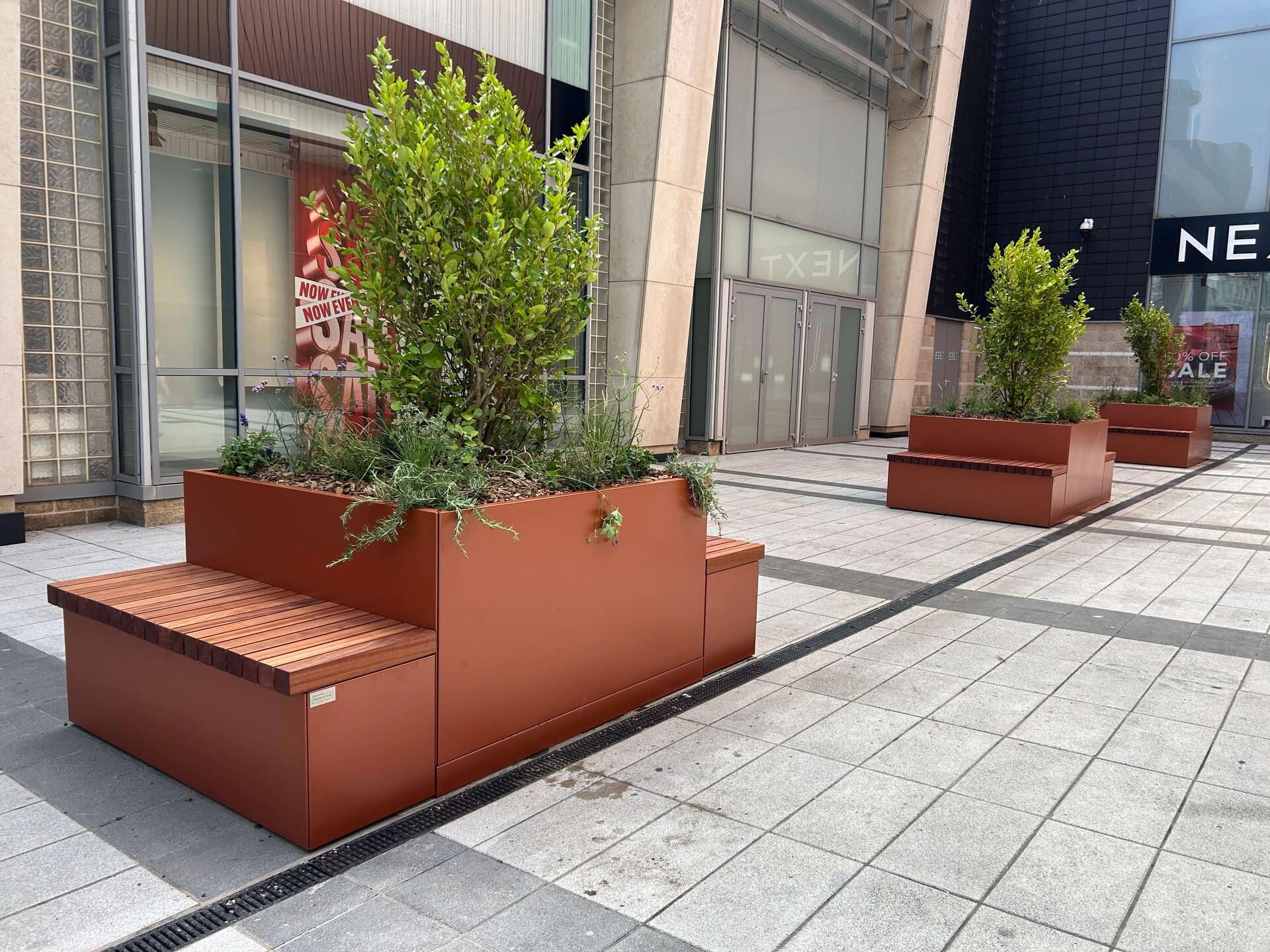
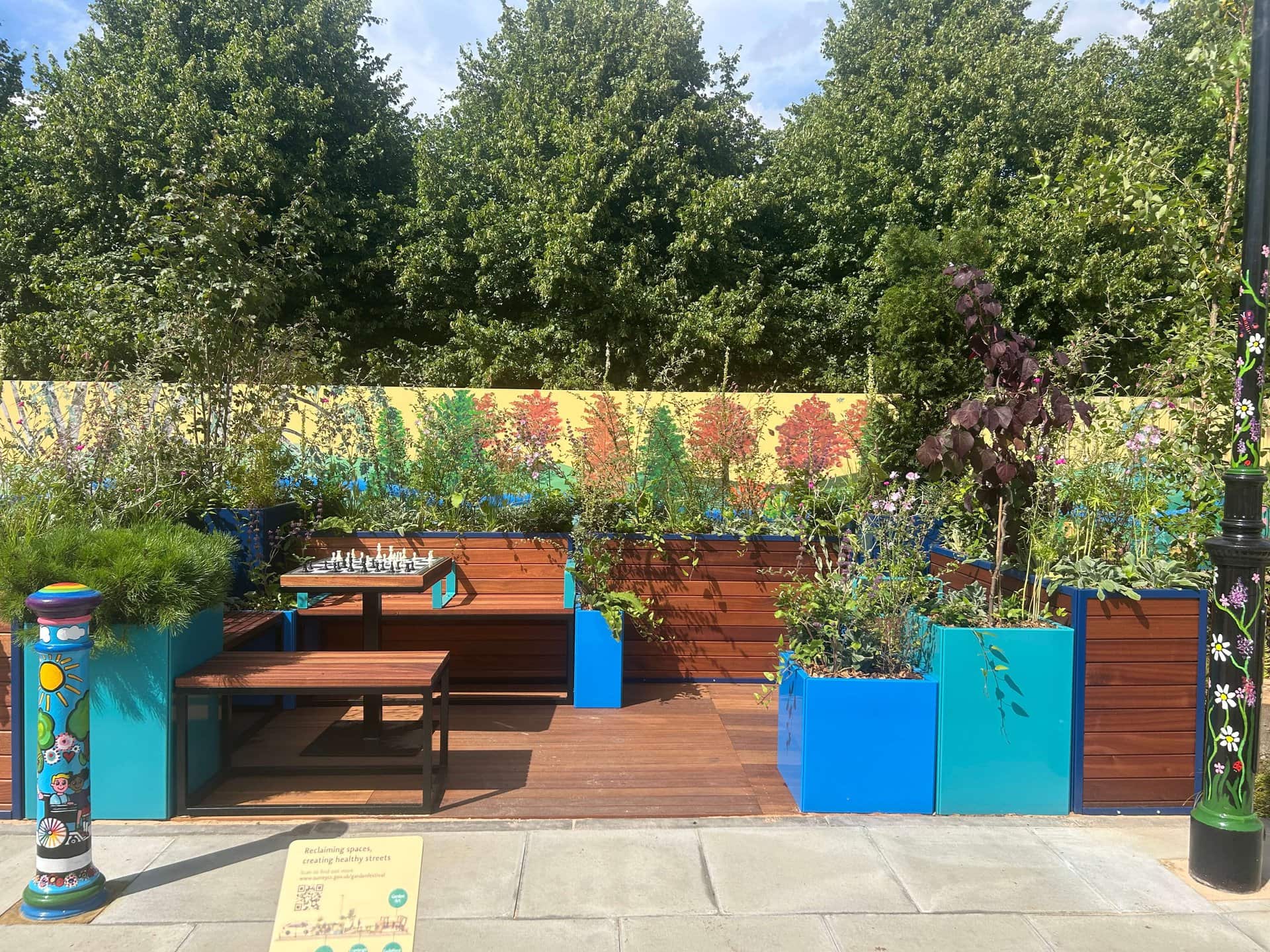
Creating greener, healthier streets
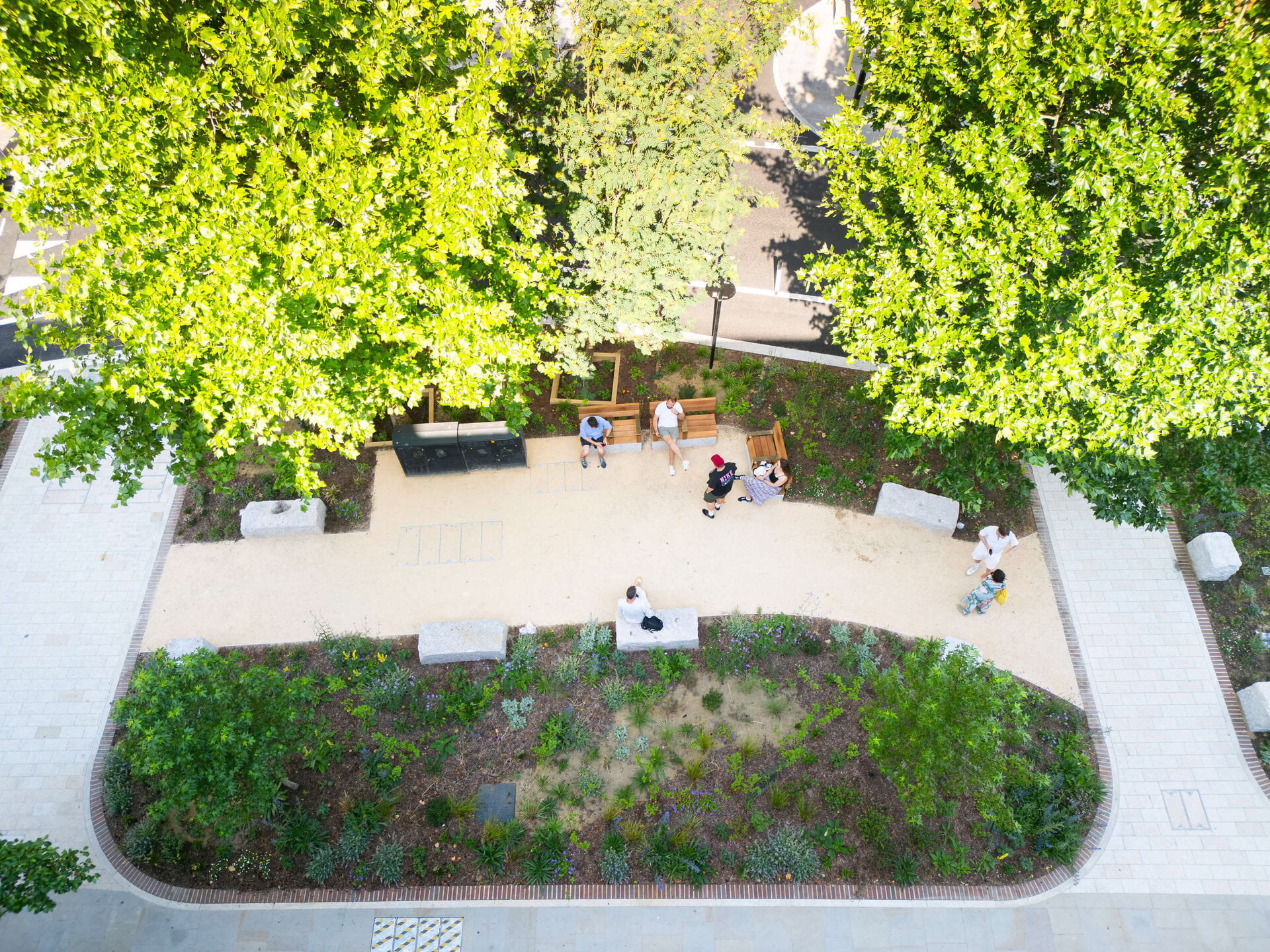
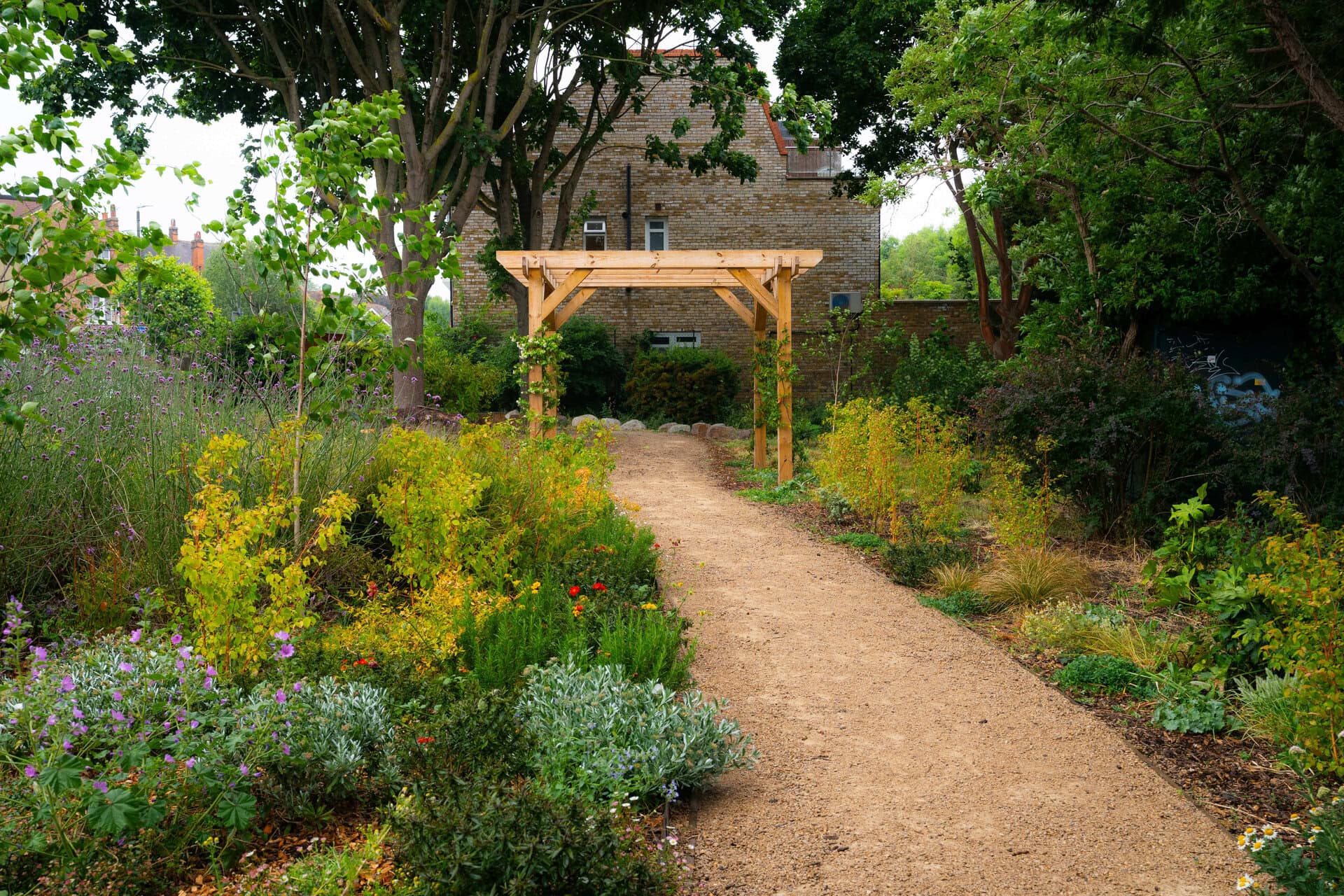
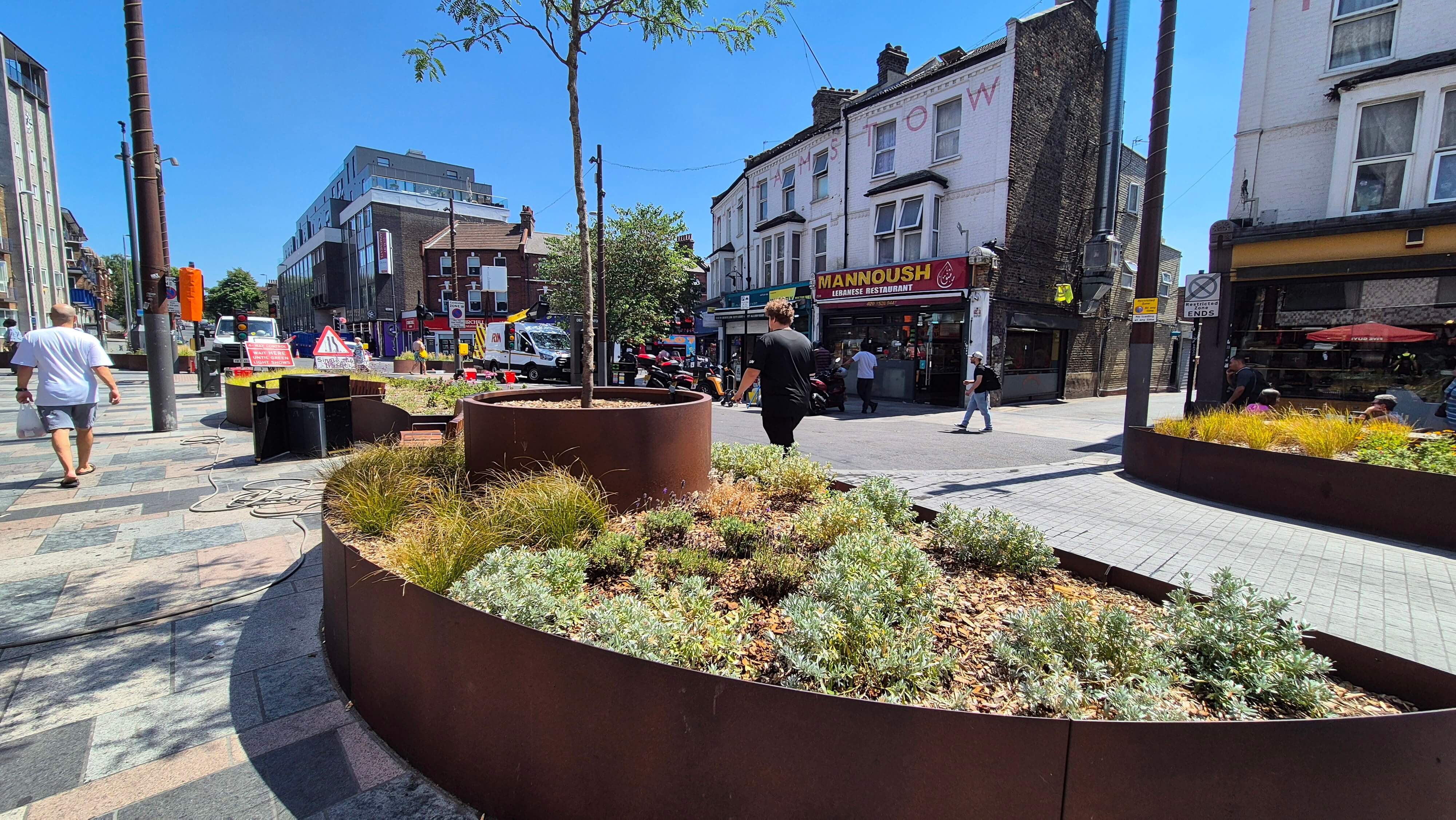
Beyond performance, rain gardens significantly improve the look and feel of a street.
They introduce:
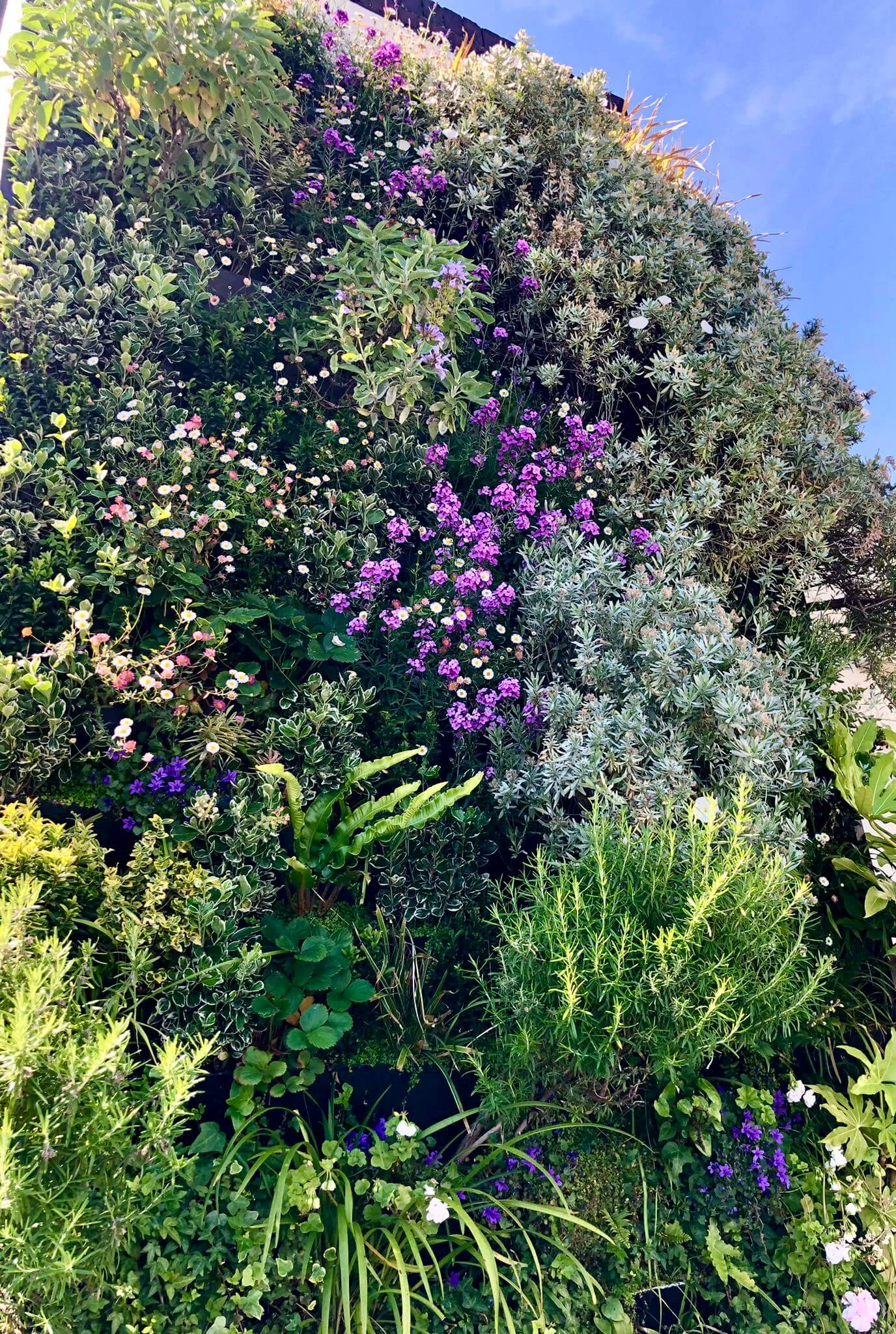
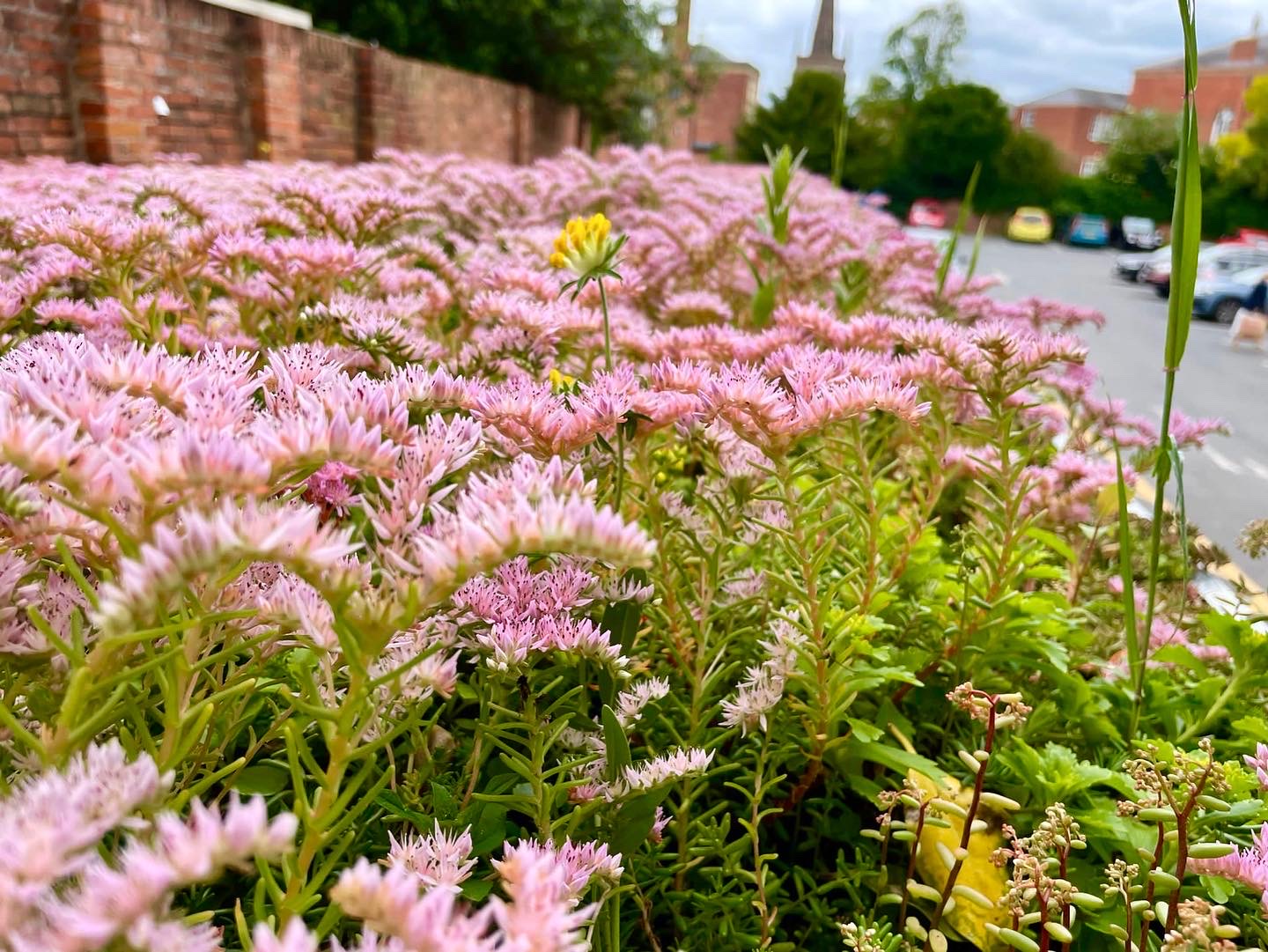
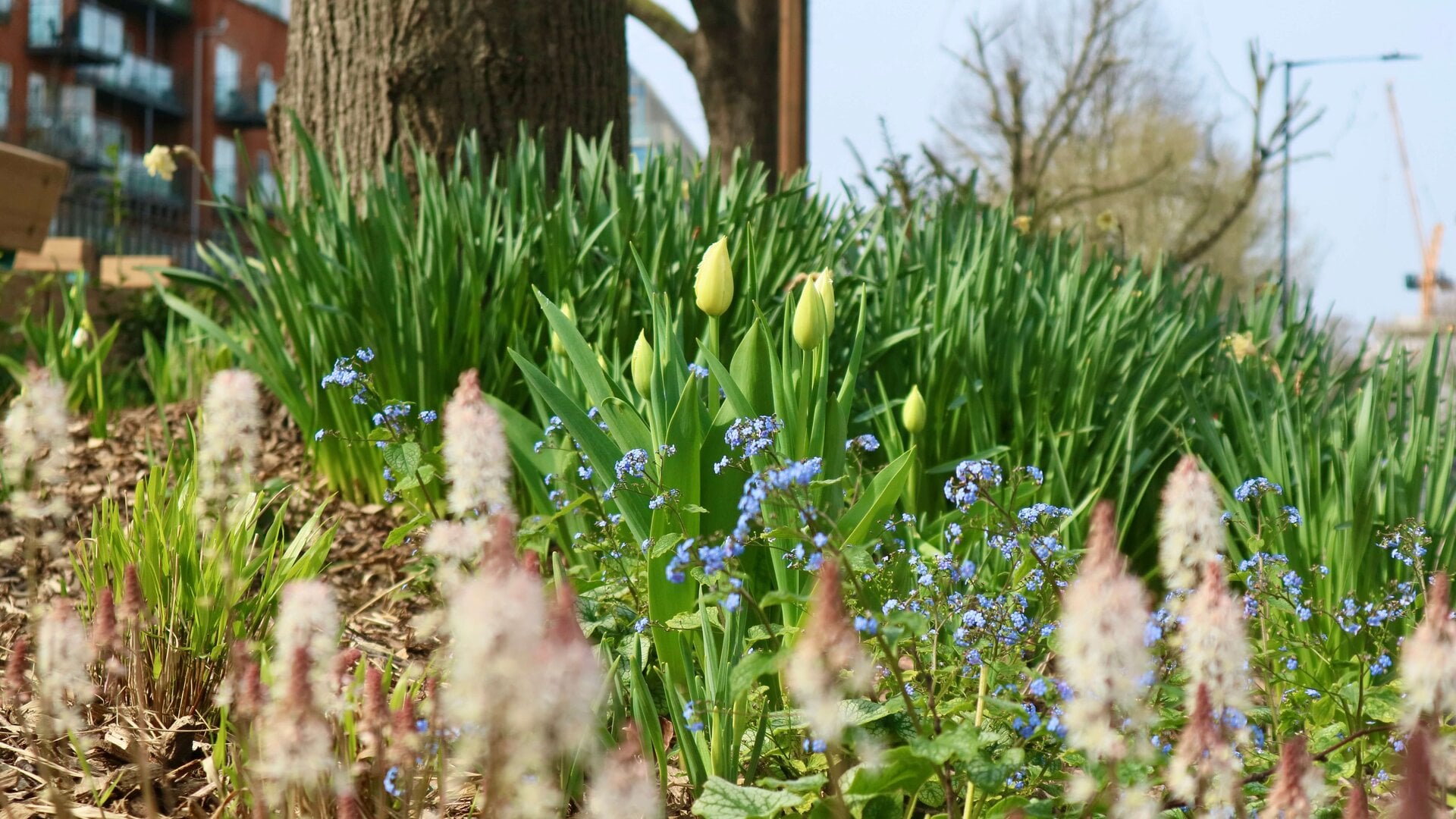
- Layered planting and seasonal interest
- Increased biodiversity
- A softer and more vibrant streetscape.
Greener environments are consistently linked to improved wellbeing, making streets more pleasant places to walk, live, and spend time.
Supporting climate resilience
Rain gardens help streets respond to both extremes of the urban climate:
During heavy rainfall:
They store and slow water, reducing flood risk.
During dry periods:
They retain moisture within the soil, supporting planting and reducing stress.
This dual function makes them particularly effective in adapting streets to changing weather patterns and seasons throughout the year.
Enhancing safety and street design
Integrating rain gardens into the roadside can also improve how streets function.
They can:
- Help calm traffic through visual narrowing
- Define pedestrian space more clearly
- Improve visibility and spatial awareness
This contributes to safer streets.
Rain Gardens in action: Downham Road, Hackney
On Downham Road in Hackney, rain gardens were introduced as part of a wider streetscape improvement scheme.
The project demonstrates how these systems can be integrated into existing streets to deliver multiple benefits at once.
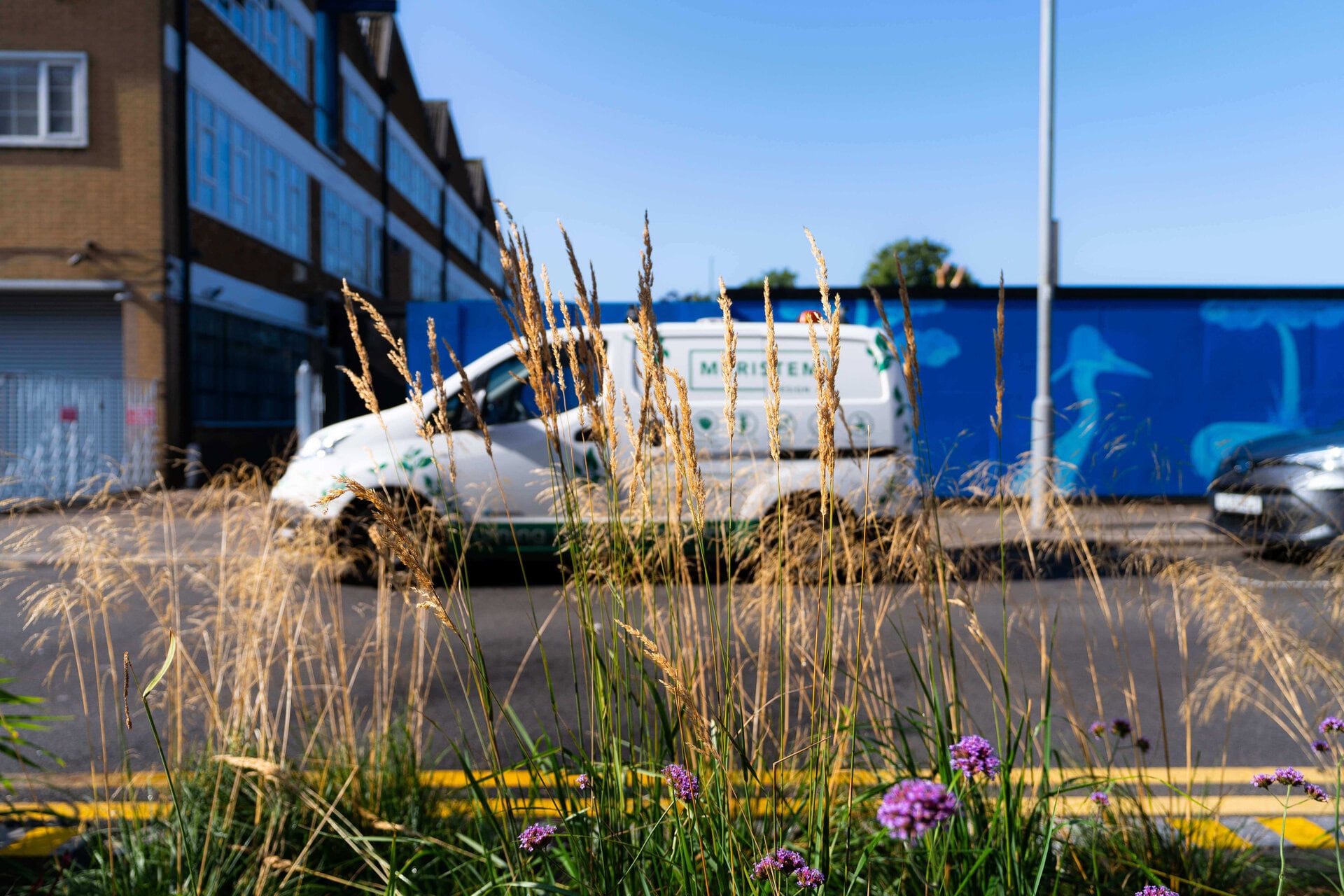
Rain gardens along the street now:
- Intercept runoff directly from the carriageway
- Provide natural filtration through planting and soil
- Introduce greenery into a previously hard landscape
While the functional benefits are immediate, the visual and ecological value continues to grow as the planting establishes.

Long-term value for urban infrastructure
Unlike traditional grey infrastructure, rain gardens are designed to evolve.
Over time:
- Root systems improve infiltration and soil health
- Planting becomes more established and diverse
- The overall performance of the system increases
This makes rain gardens a long-term investment - not just in drainage, but in the quality and resilience of urban spaces.
A practical solution for urban streets
Rain gardens don’t require a complete redesign of the street. They can be integrated into existing layouts, making them a practical solution for retrofitting urban areas. Projects like Downham Road show how these interventions can deliver wide-ranging benefits - from flood management to an improved public realm.