Pedestrianisation can transform how people experience a high street, but taking vehicles away is only one solution to a much bigger equation. Once the space has been given back to people, the next challenge is making it useful, attractive and somewhere people want to spend time.
This is where Business Improvement Districts (BIDs) can play an important role. BIDs work closely with local businesses and councils, investing directly into high street improvements. BIDs have invested more than £1 billion into UK high streets, with more than £150 million invested each year. Research has also found that 95% of London BIDs agree that a safe and attractive walking environment is good for business.
We've worked with BIDs across the UK to introduce planting, parklets, seating and other public realm improvements that make high streets more pedestrian-friendly
How can BIDs support high street pedestrianiation?
There isn't one single solution to creating a successful pedestrian environment. Multiple interventions can work together to make our streets safer, more comfortable and more engaging for people.
Reducing vehicle dominance to support high street pedestrianisation
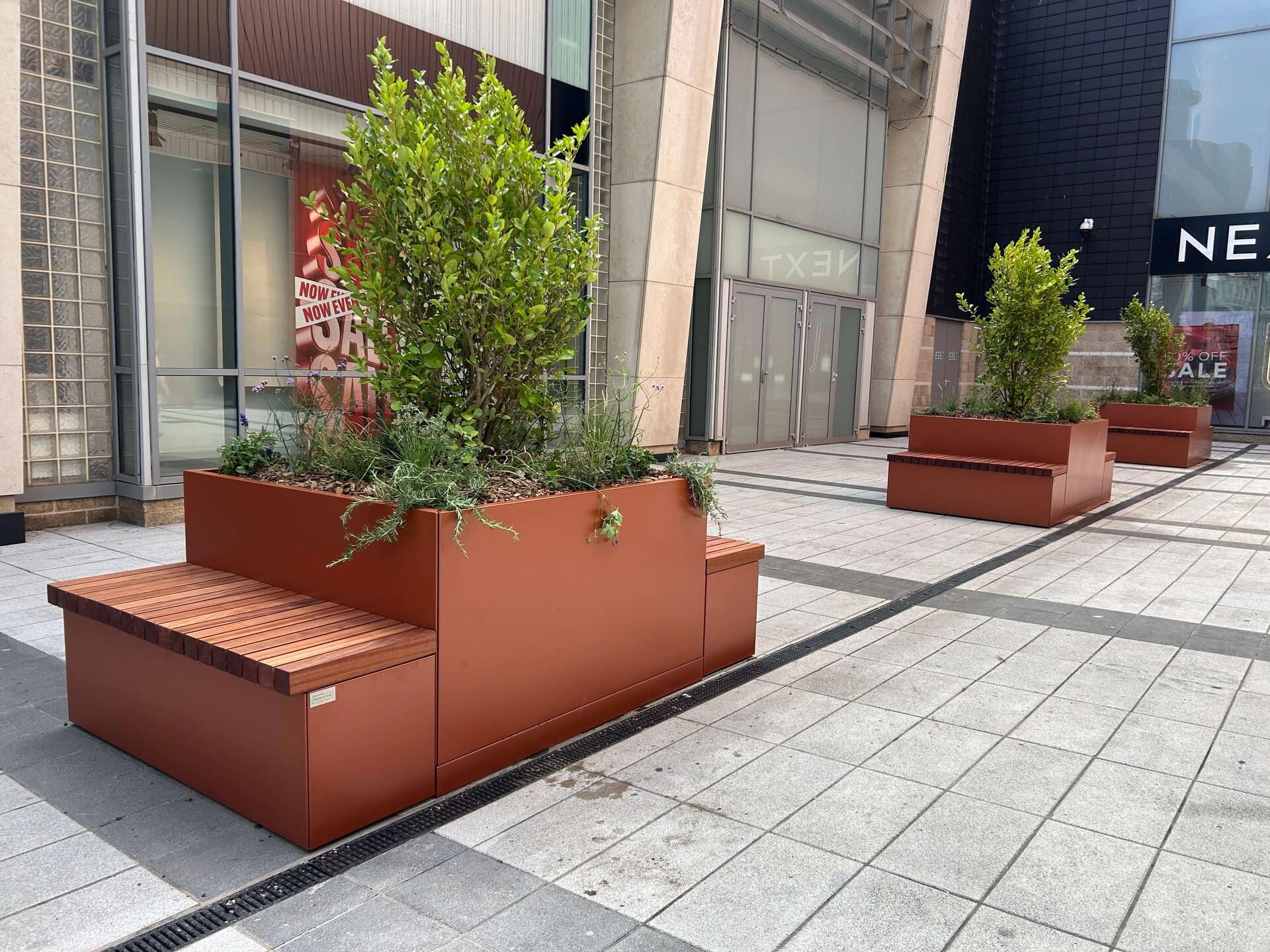
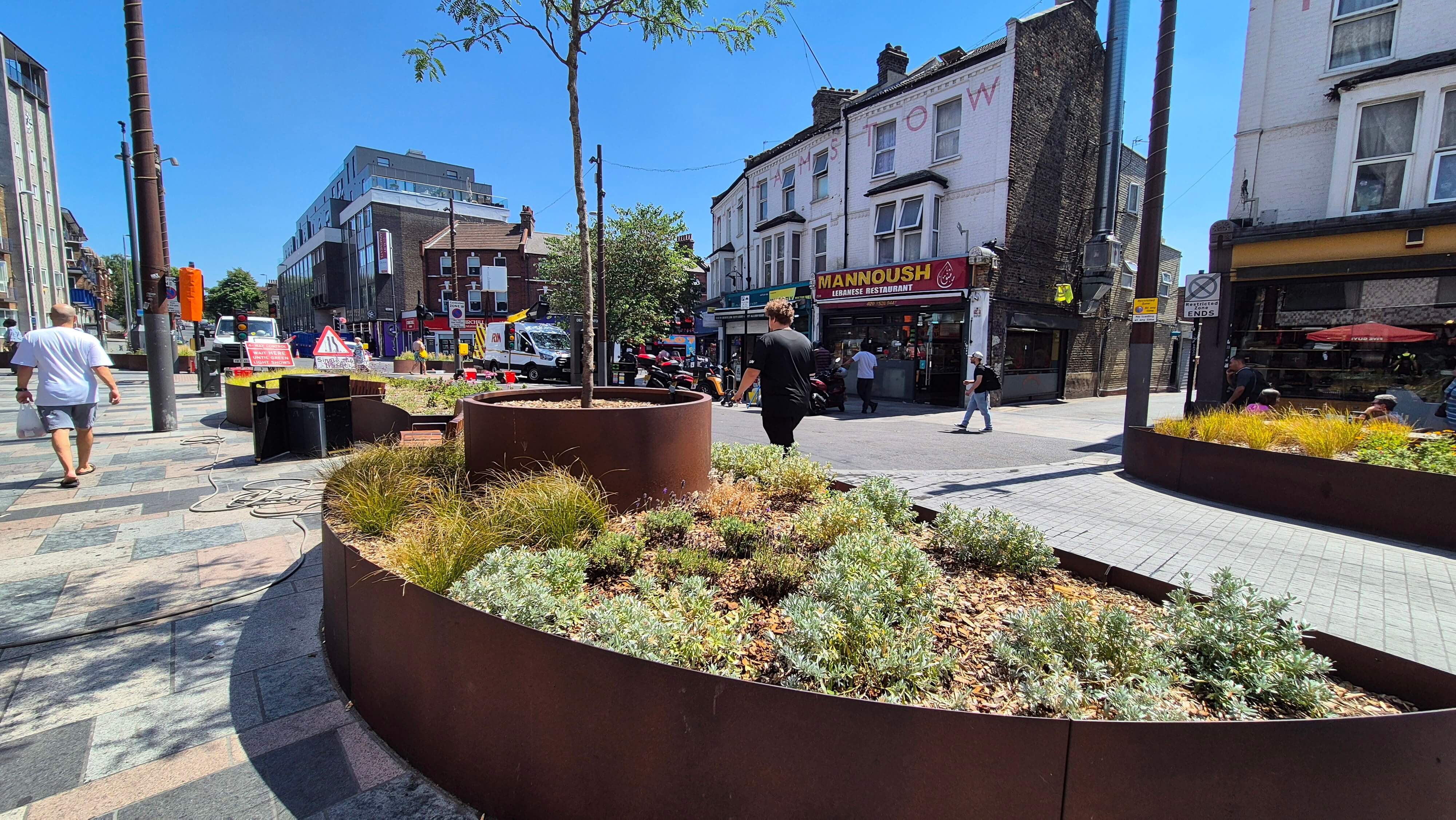
Planters and street furniture can help to define pedestrian spaces while also encouraging vehicle restrictions. At Walton-on-Thames, we worked with Walton BID to designed a series of custom planters and street furniture along a pedestrian shopping and dining path.
The components were arranged in clusters and placed strategically along the high street approximately a car's length apart. This was implemented to prevent vehicles from parking between them while providing shade and places to sit. Overall, the intervention makes the high street more attractive for people to visit which can boost local businesses.


Creating places to stop to boost high street pedestrianisation
Dedicated places for seating and shelter can help characterise high streets and support people during leisure activities, encouraging them to stop and spend longer in an area.
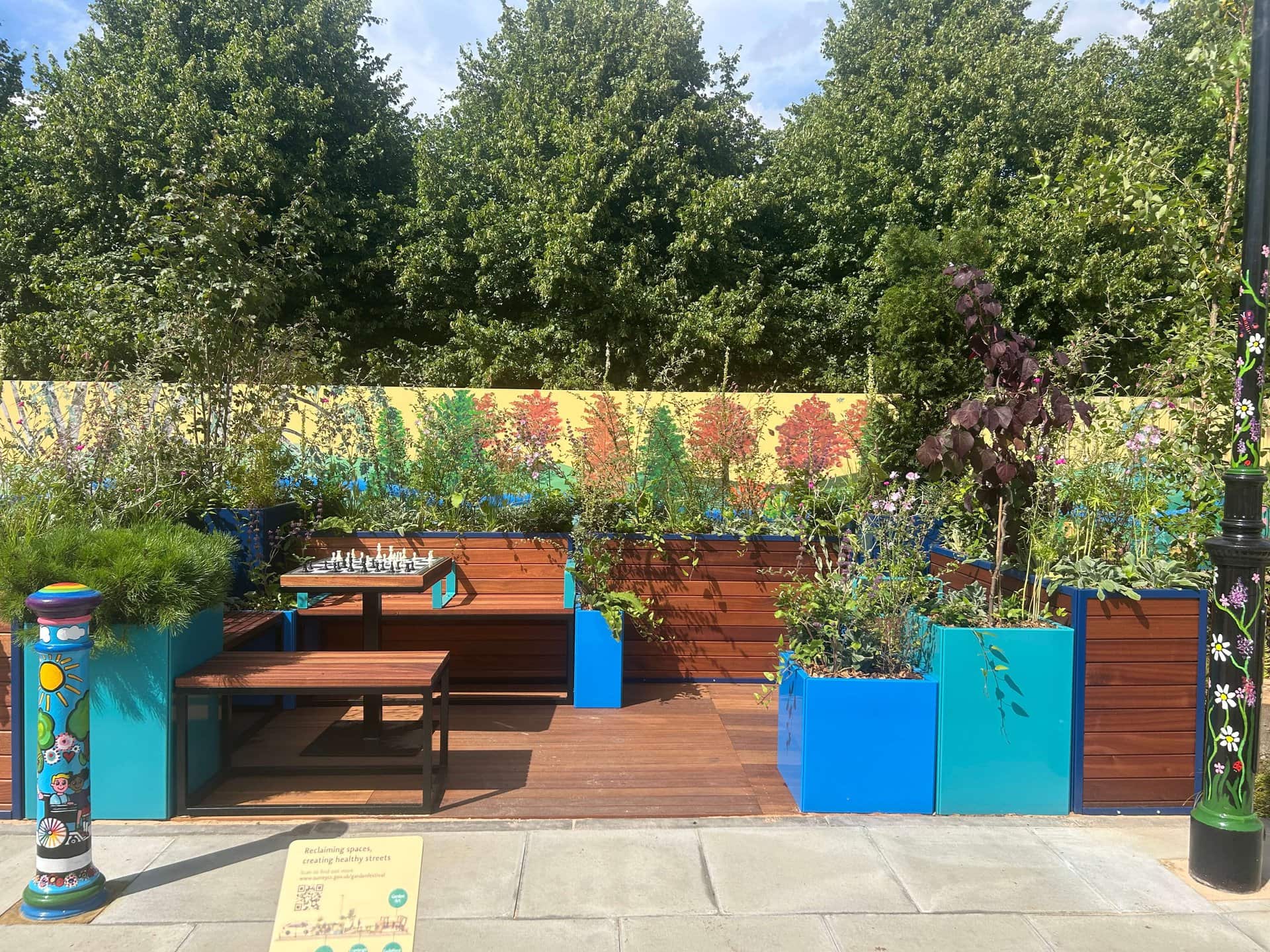
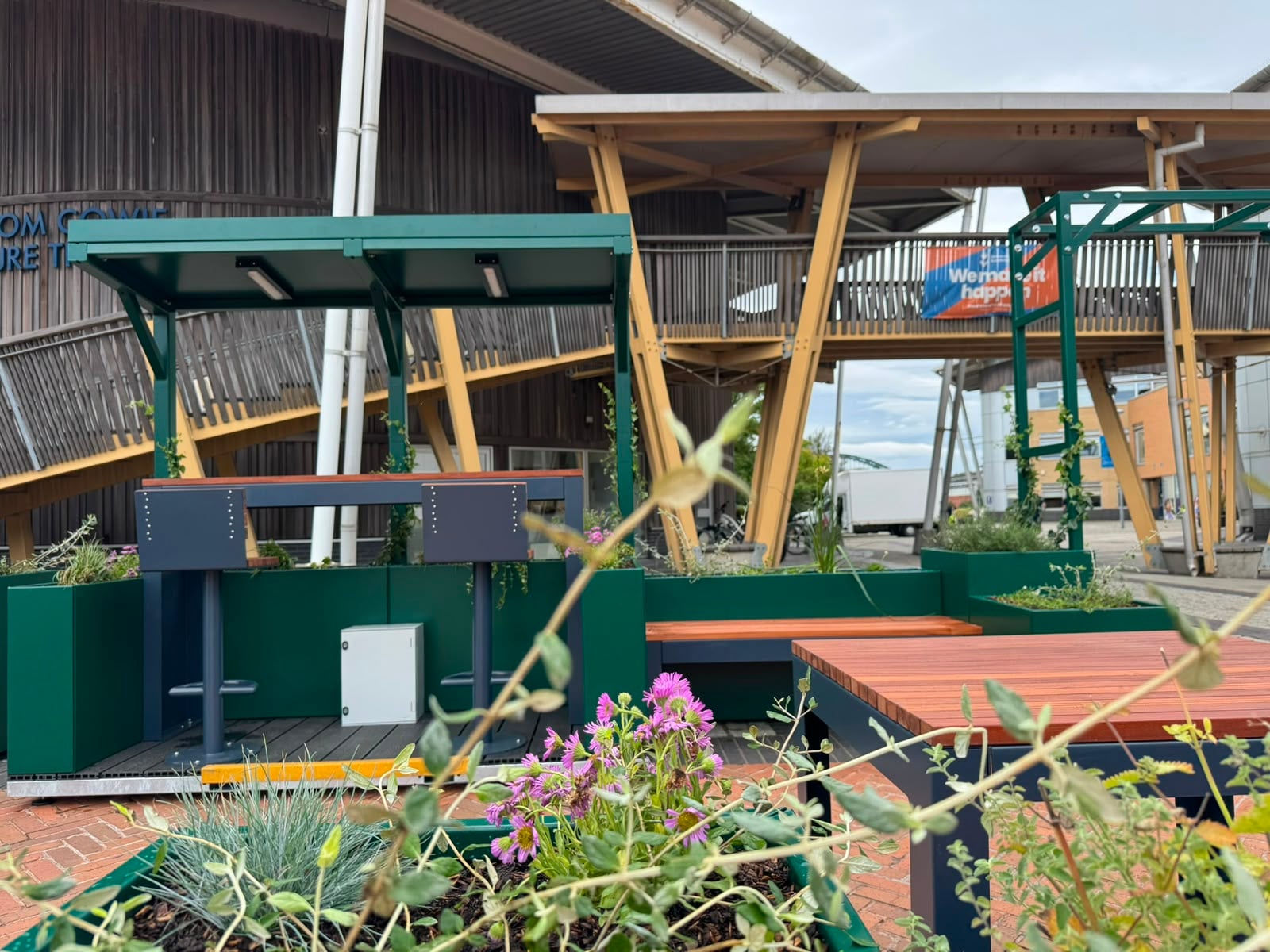
In Dudley, the high street was already pedestrianised when we worked with Halesowen BID to introduce a series of parklets. The parklets provided opportunities for pause and rest, helping transform the high street from somewhere that people would typically just pass through into somewhere they can spend time. Spending more time in and around the high street can encourage shoppers to spend more time in the space and support surrounding businesses.
Using custom planters to enhance high street pedestrianisation
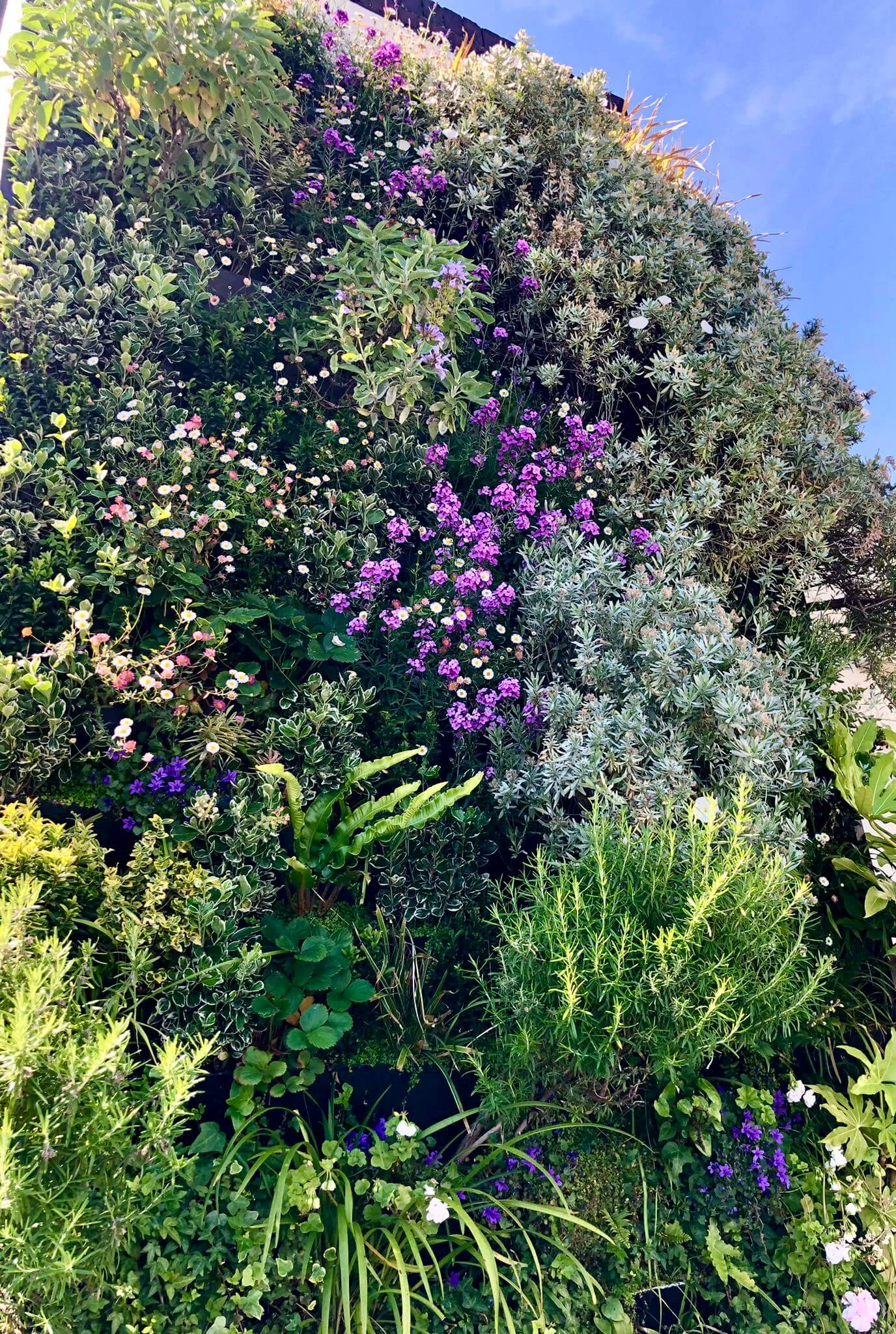
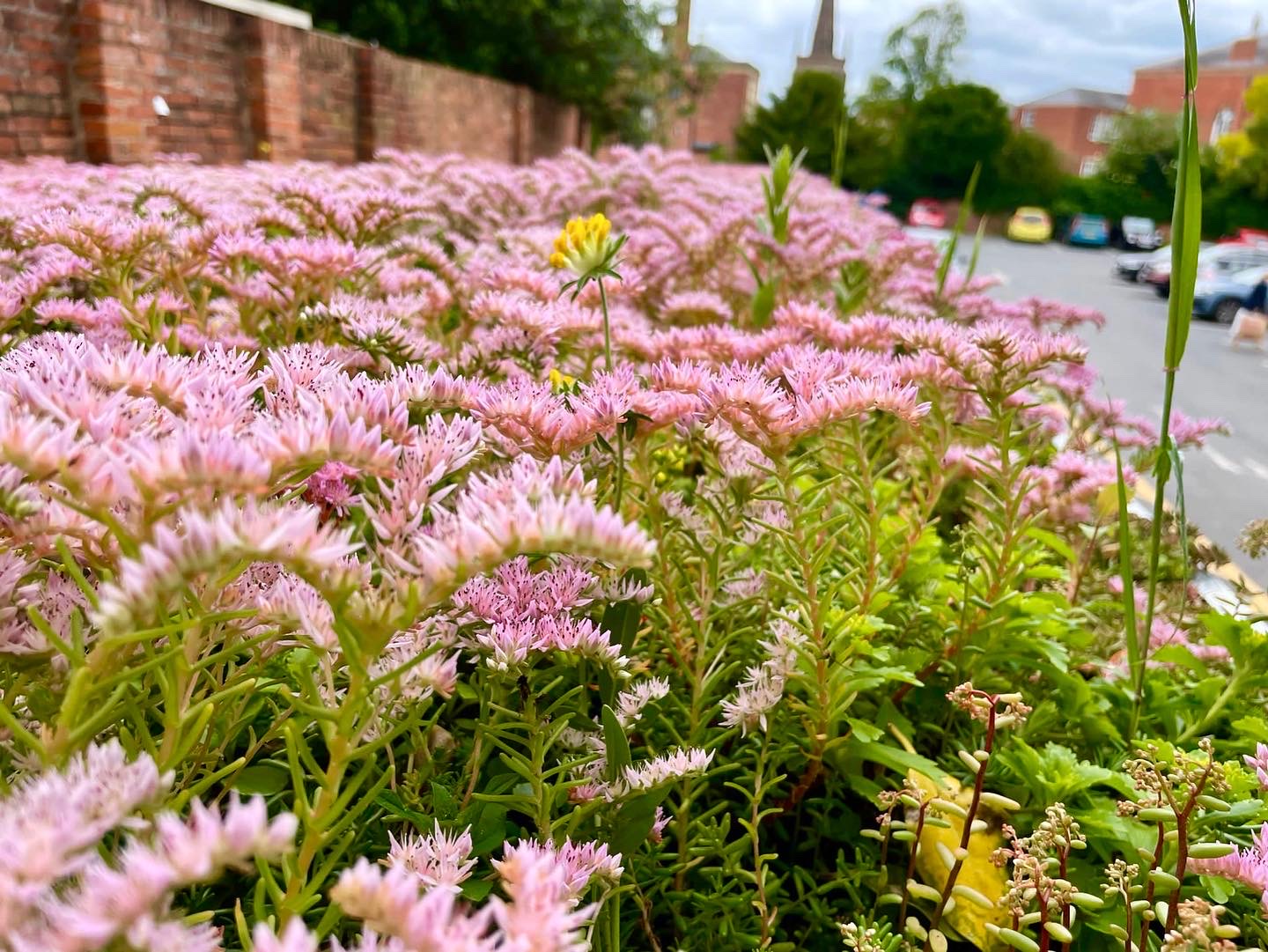
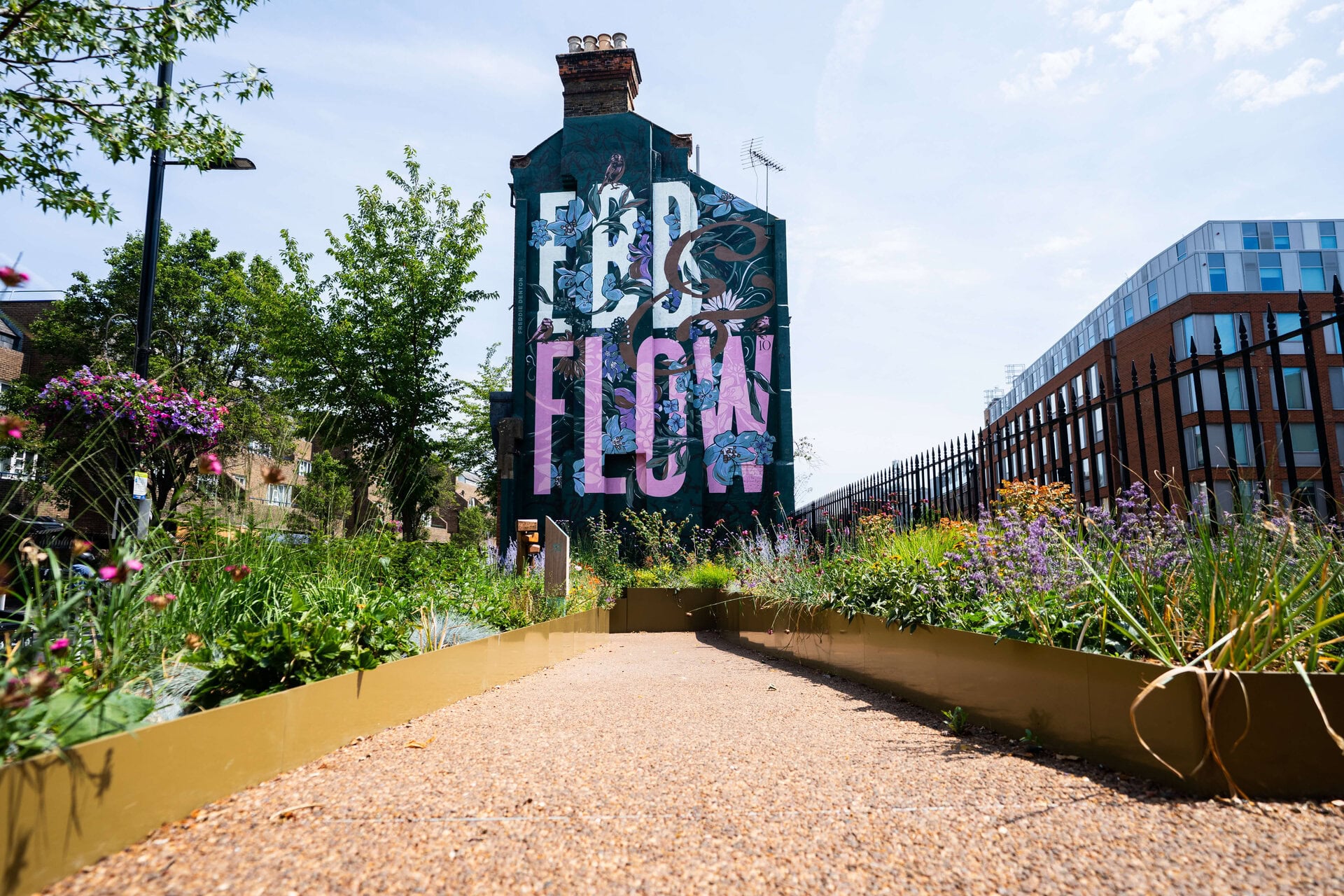
Pedestrian spaces need to feel like destinations rather than just places to pass through. Planting and custom design can complement the surrounding streetscape and give an area a heightened look and feel.
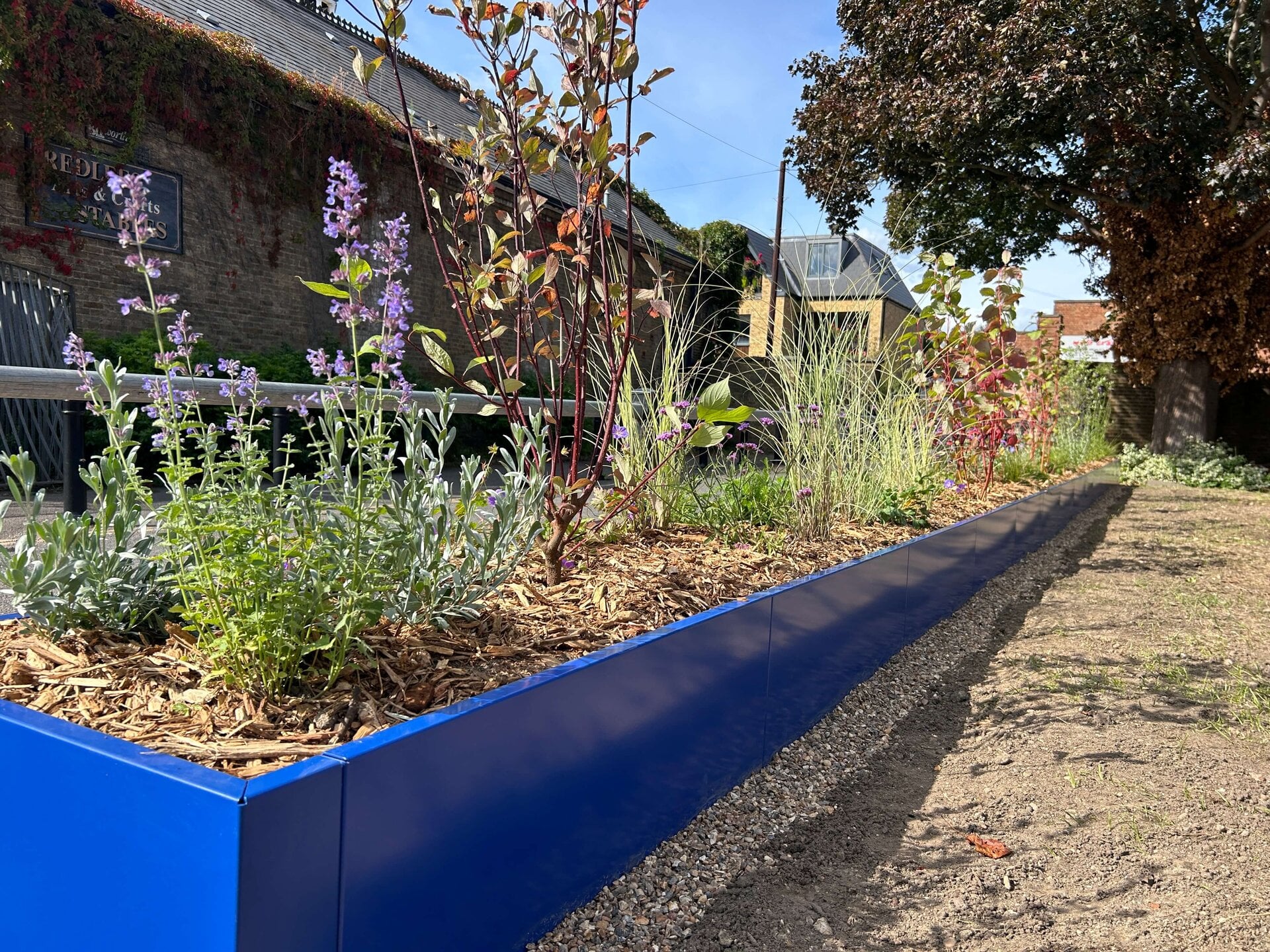
Though already dense with pedestrians, New Oxford Street was lacking distinct visual character so we designed and planted up 17 custom powder-coated steel planters to create a green corridor along the high street. Working with the Central District Alliance BID, we devised this scheme to add colour, texture and character to the space, making it even more attractive for pedestrians and shoppers.


Creating larger dining capacity to amplify high street pedestrianisation
Pedestrianised spaces can also create opportunities for businesses to extend their activity into the street which can result in even higher levels of pedestrians.
On Charlotte Street in Camden, we worked with the Fitzrovia Partnership to introduce pavement-side parklets that converted parking spaces into outdoor seating for local cafes and restaurants. The additional alfresco dining space brings more activity onto the street and gives businesses greater capacity to serve customers.


Building community connection to support high street pedestrianisation
Physical improvements can change how a high street looks, but involving people in the project can create stronger connections to the space which can result in higher footfall and visitor rates.
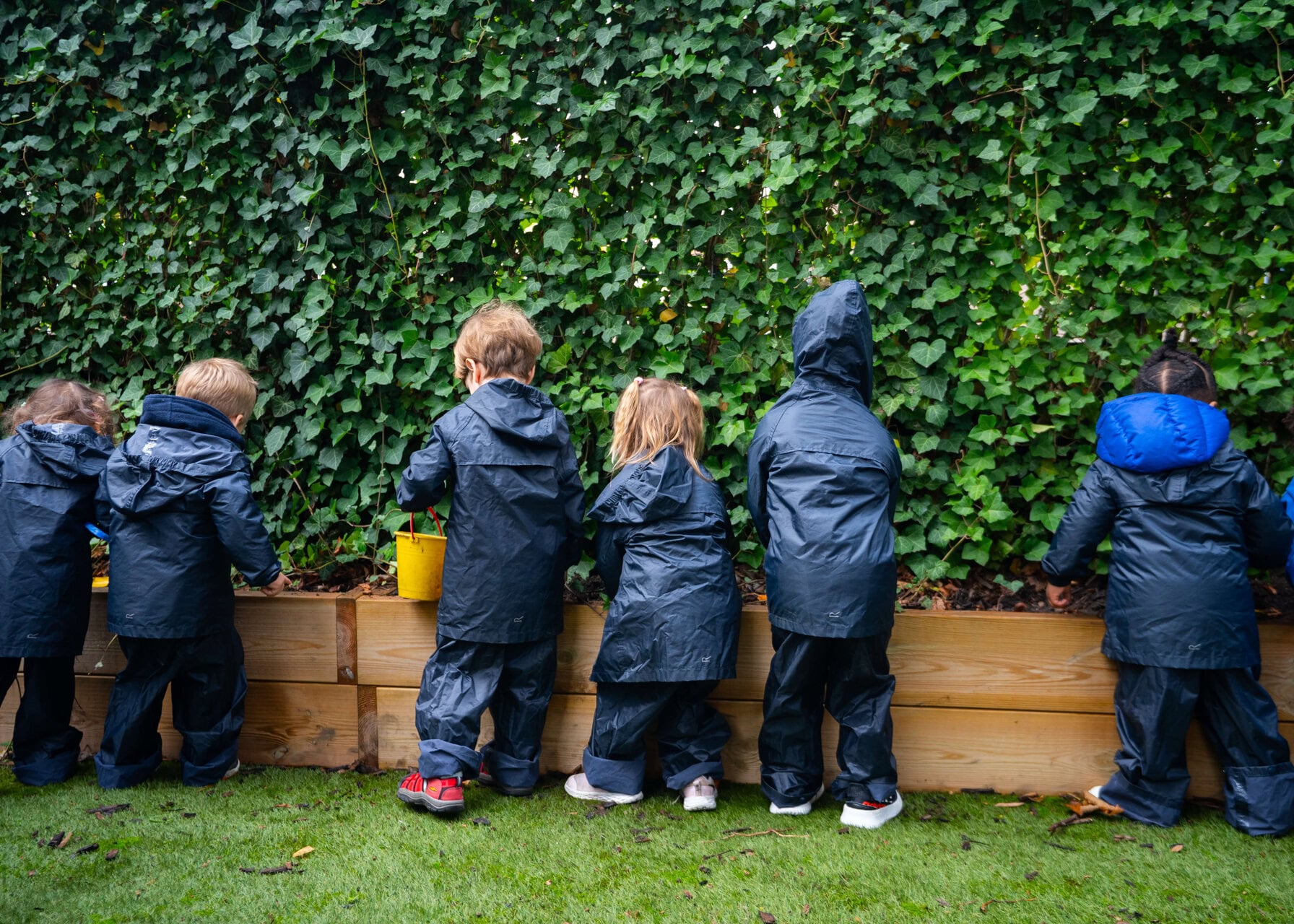
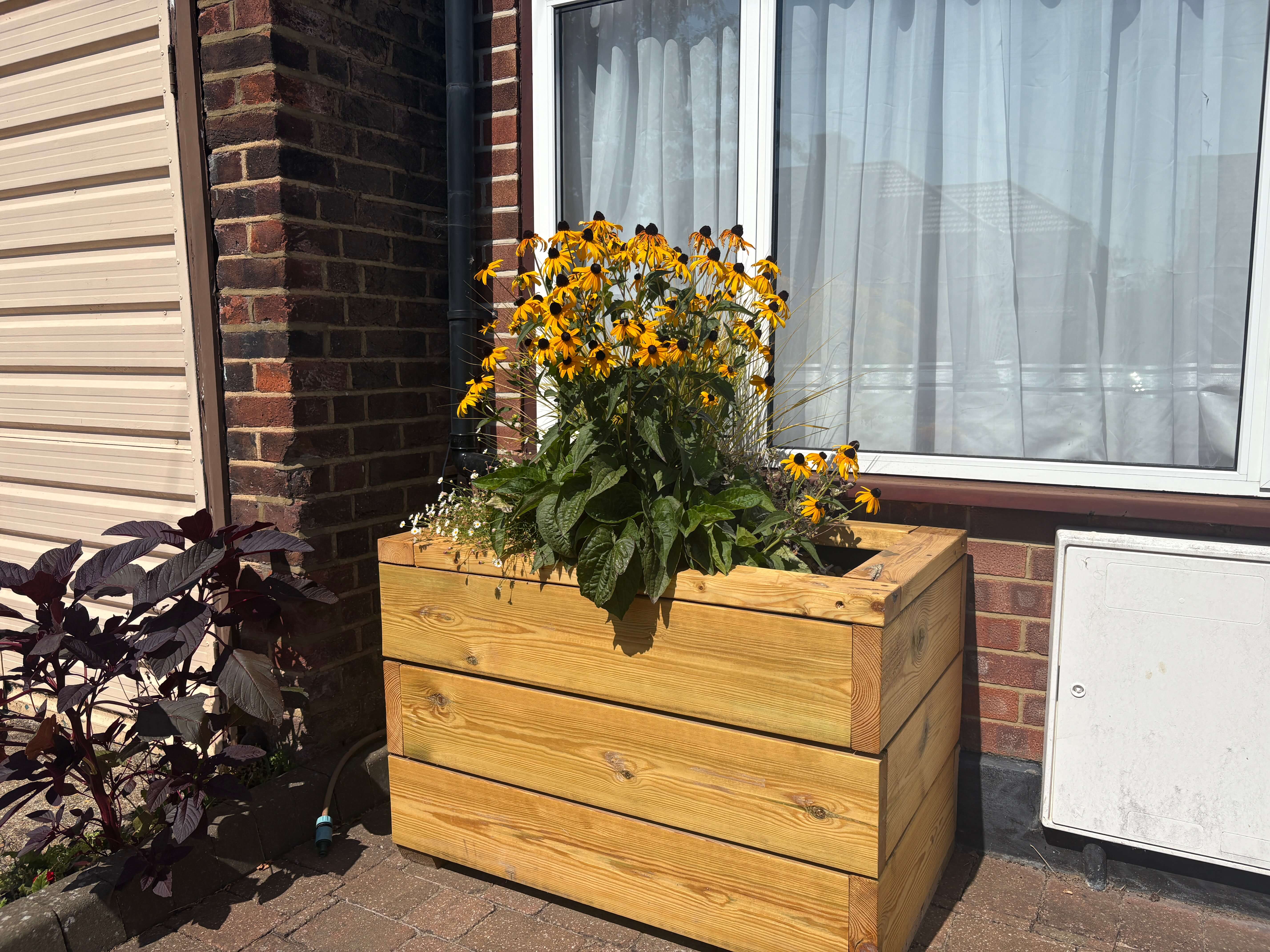
Working with Culture Mile BID, we brought local volunteers together to plant up new planters and public realm features. Giving the local community an active role in improving their surroundings can encourage a greater sense of ownership and pride in the spaces they use every day, encouraging them to revisit.
Making high street pedestrianisation work
Through our work with BIDs over the years, we've seen how planting, parklets, street furniture and community involvement can work together to make high streets greener, more welcoming and more active. By improving the spaces that experience heavy footfall, you encourage people to make repeat visits and spend more time there, which in turn boosts local businesses and feeds positively back into the community.