
About us










News
Why SuDS matter in our cities: The facts behind resilience
5th November 2025
Read time 2 min
Categories
Blogs
Sectors
BIDs
Commercial
Education
Local authorities
Residential
Products & Services
Public Realm
Hybrid SuDS Planters
Bio Habitat SuDS Planter
Nature Gardens
Pocket Parks
Living Walls
Rain Gardens
SuDS Planters
Contents
[h2_index]
Latest blogs
30th September 2026
Blogs
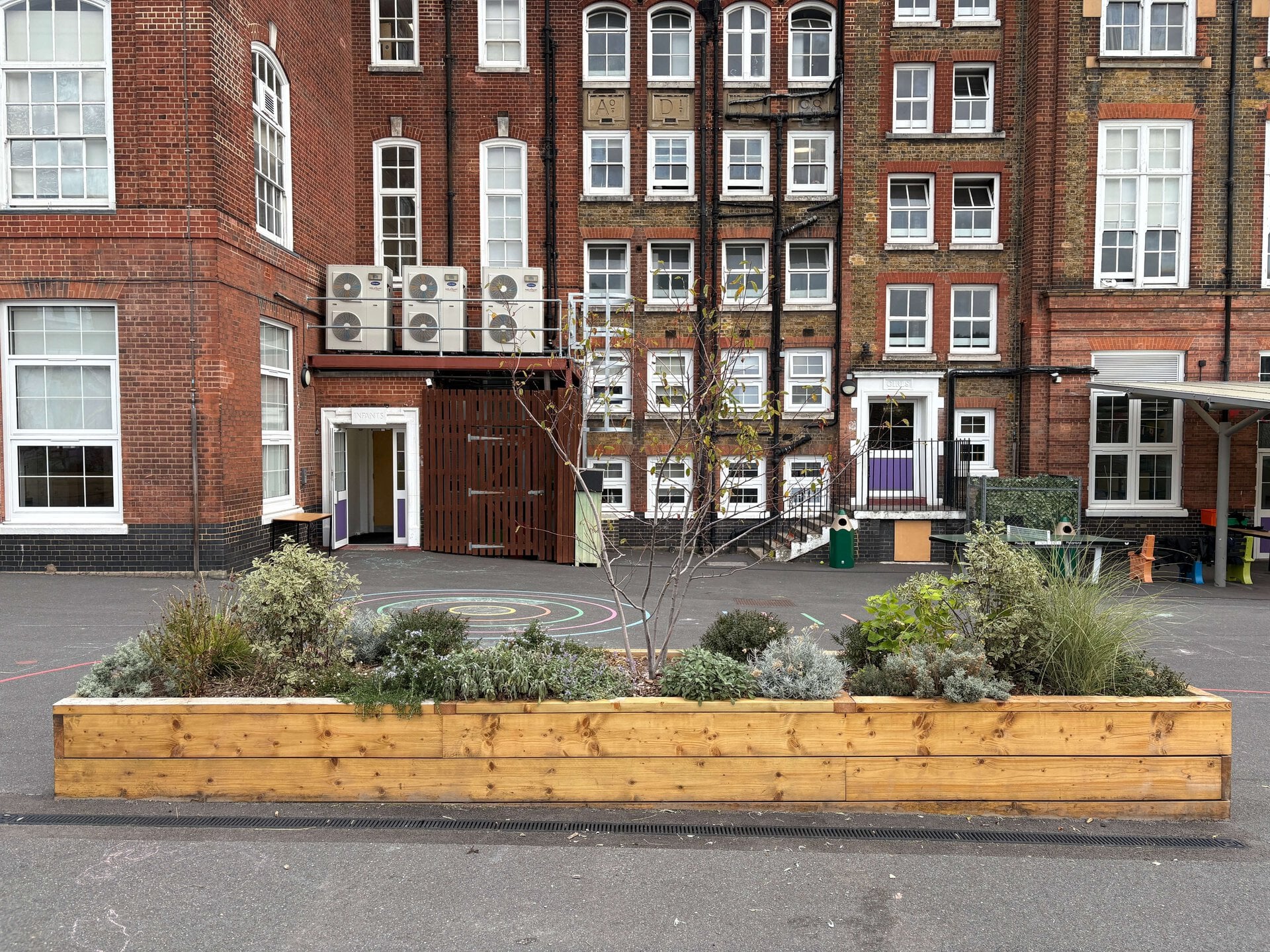
Using Hybrid SuDS Planters in schools to manage surface water
Hybrid SuDS planters offer an innovative way of managing surface water and provide a solution to excavation limitations. Read how integrating this method into schools can make them more climate resilient and flood ready....
28th September 2026
Blogs
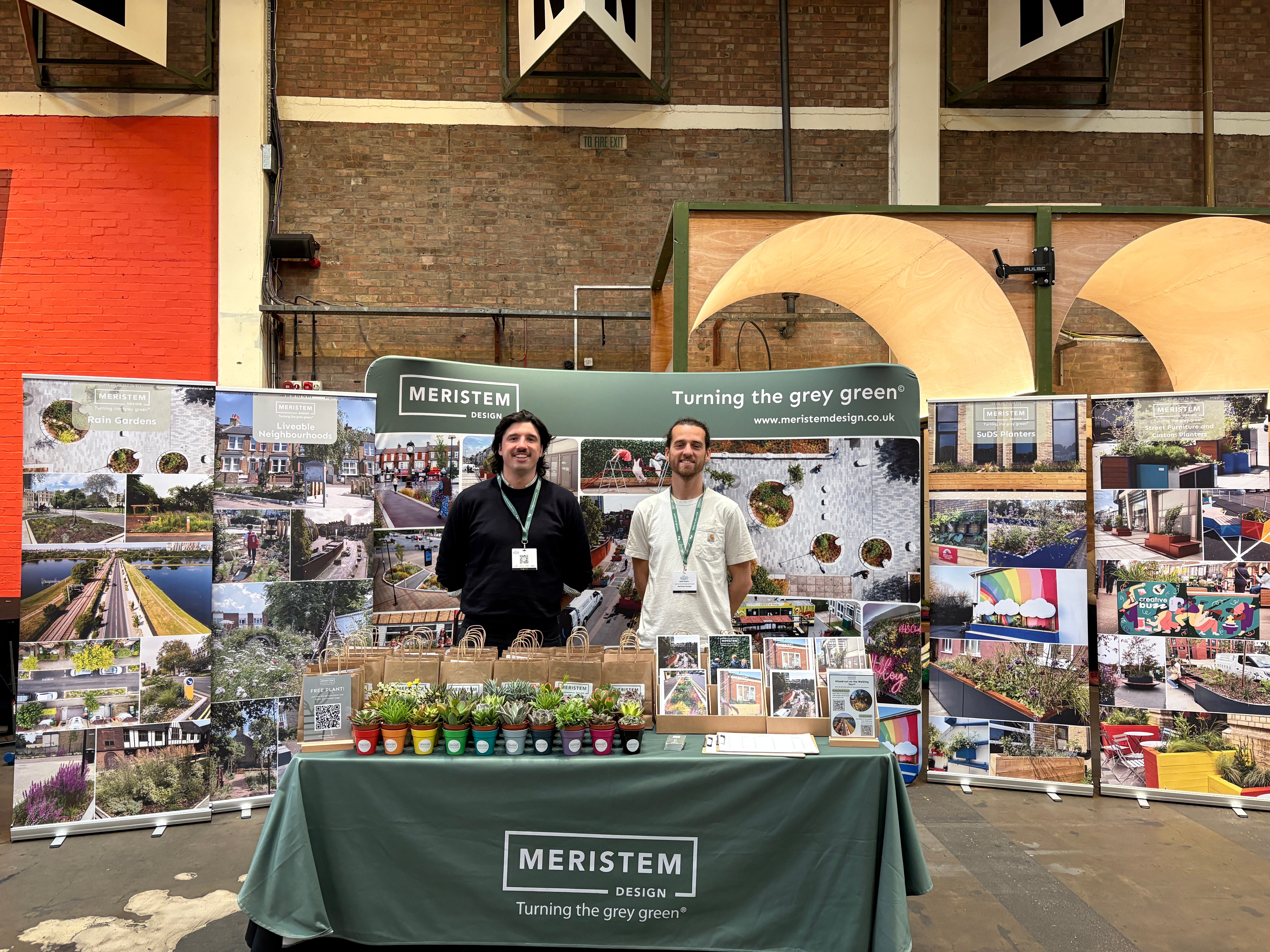
We're heading back to Liveable Neighbourhoods 2026
We're back at this year's Liveable Neighbourhoods conference. See who will be speaking and check out the event details....
23rd September 2026
Blogs
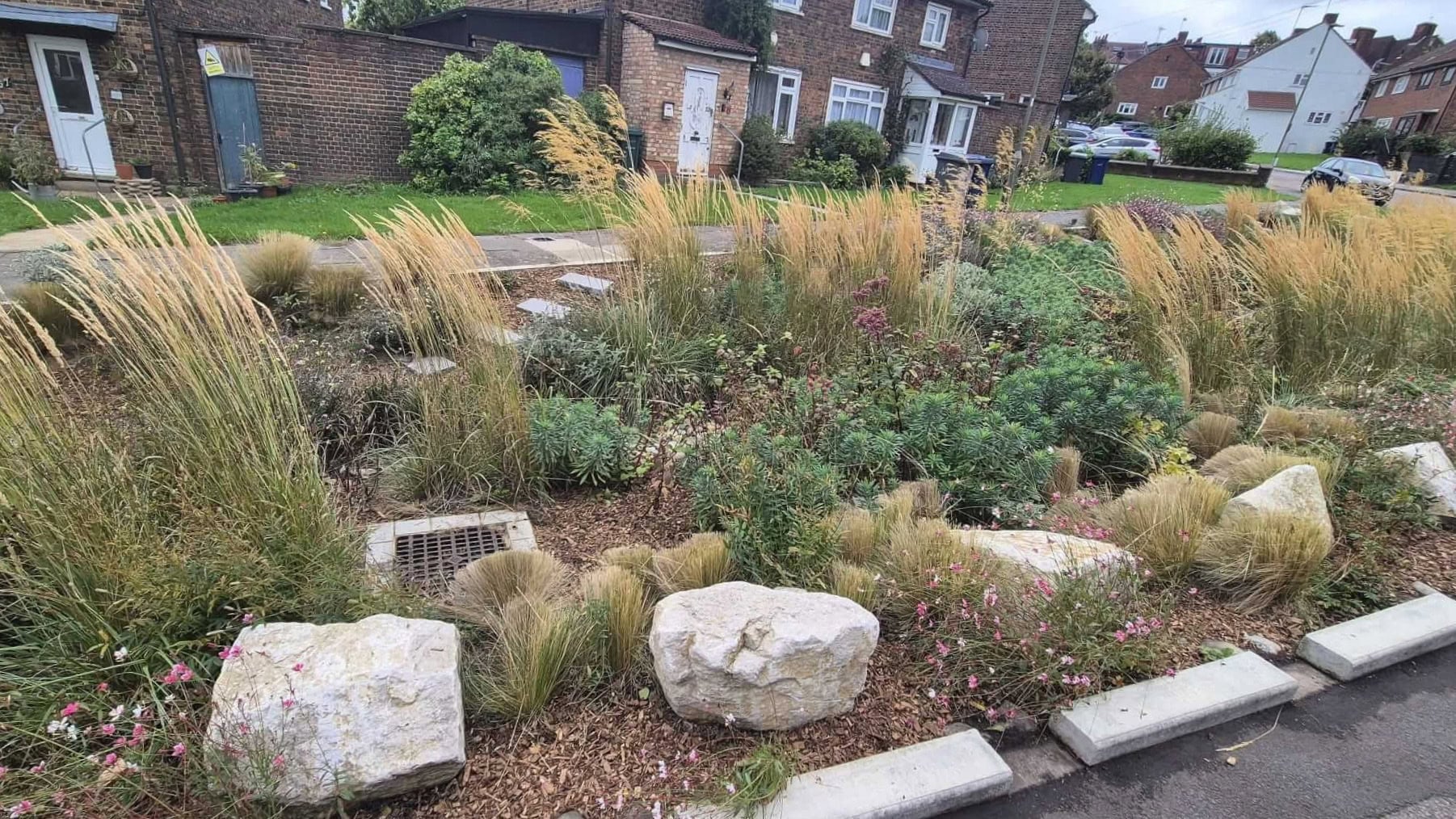
What changes can you expect from rain gardens in autumn?
As the seasons change, so does the weather and so does the function of rain gardens! Read about what you can expect from your rain garden in autumn and how to keep it functioning....