Why Rain Garden maintenance matters
Rain gardens are often described as “low maintenance” - but that doesn’t mean no maintenance.
They are living, dynamic systems that continue to evolve and establish. Their performance depends on how well they are looked after over time. Without regular care, rain gardens can lose their ability to:
- Drain effectively
- Support healthy planting
- Deliver long-term environmental benefits
With the right maintenance, they do the opposite - becoming more resilient, more established, and more valuable year on year.
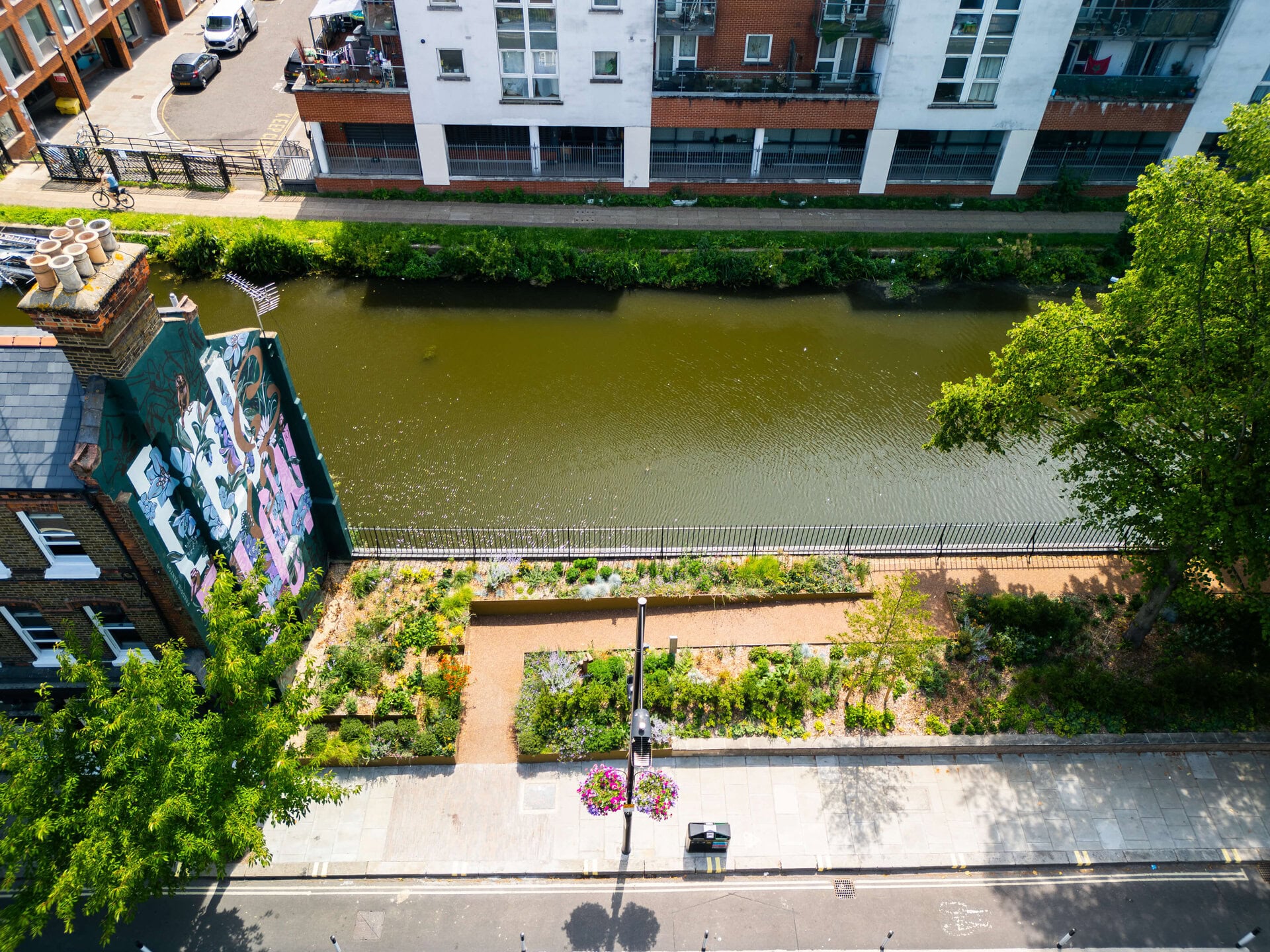
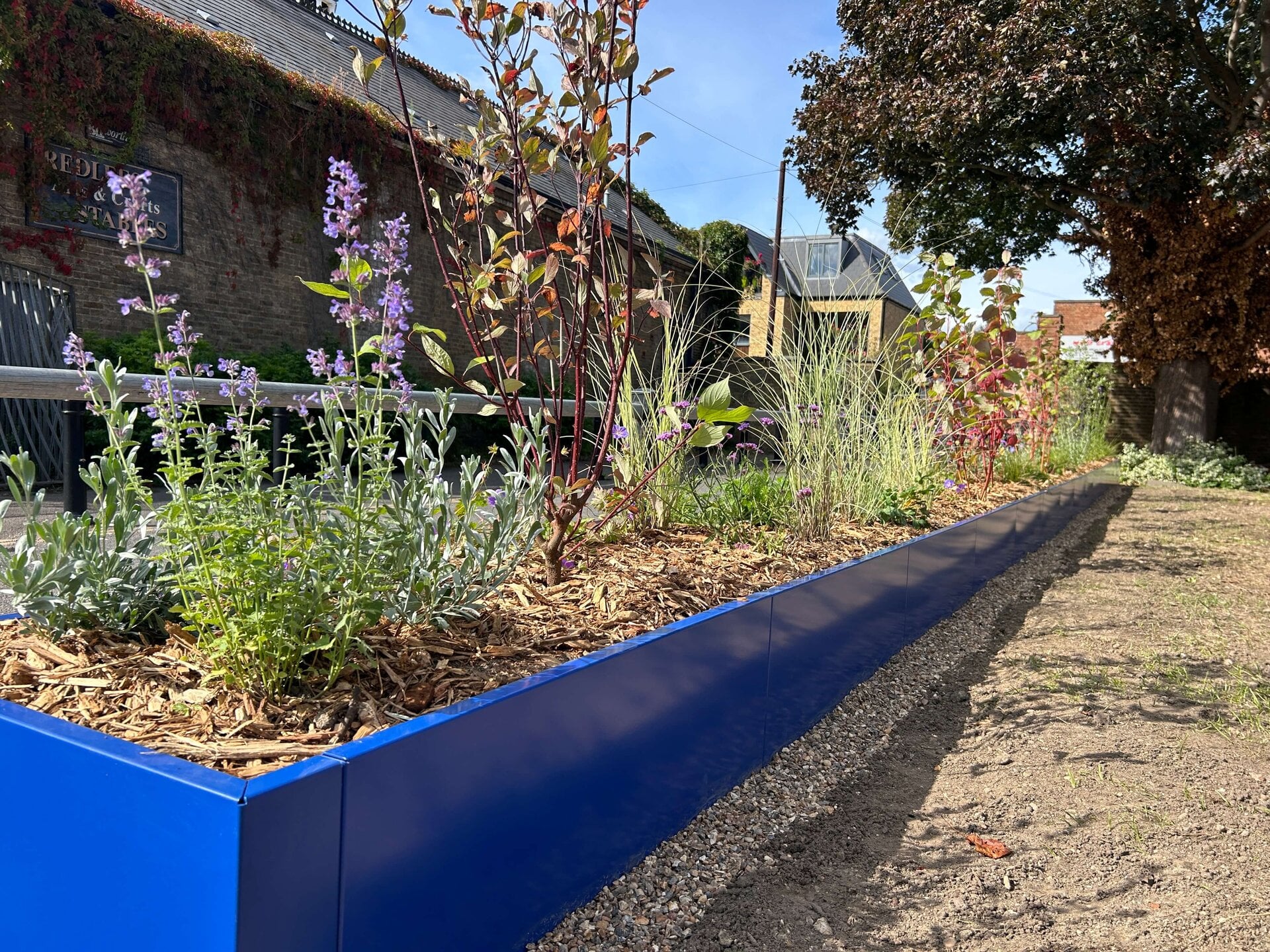
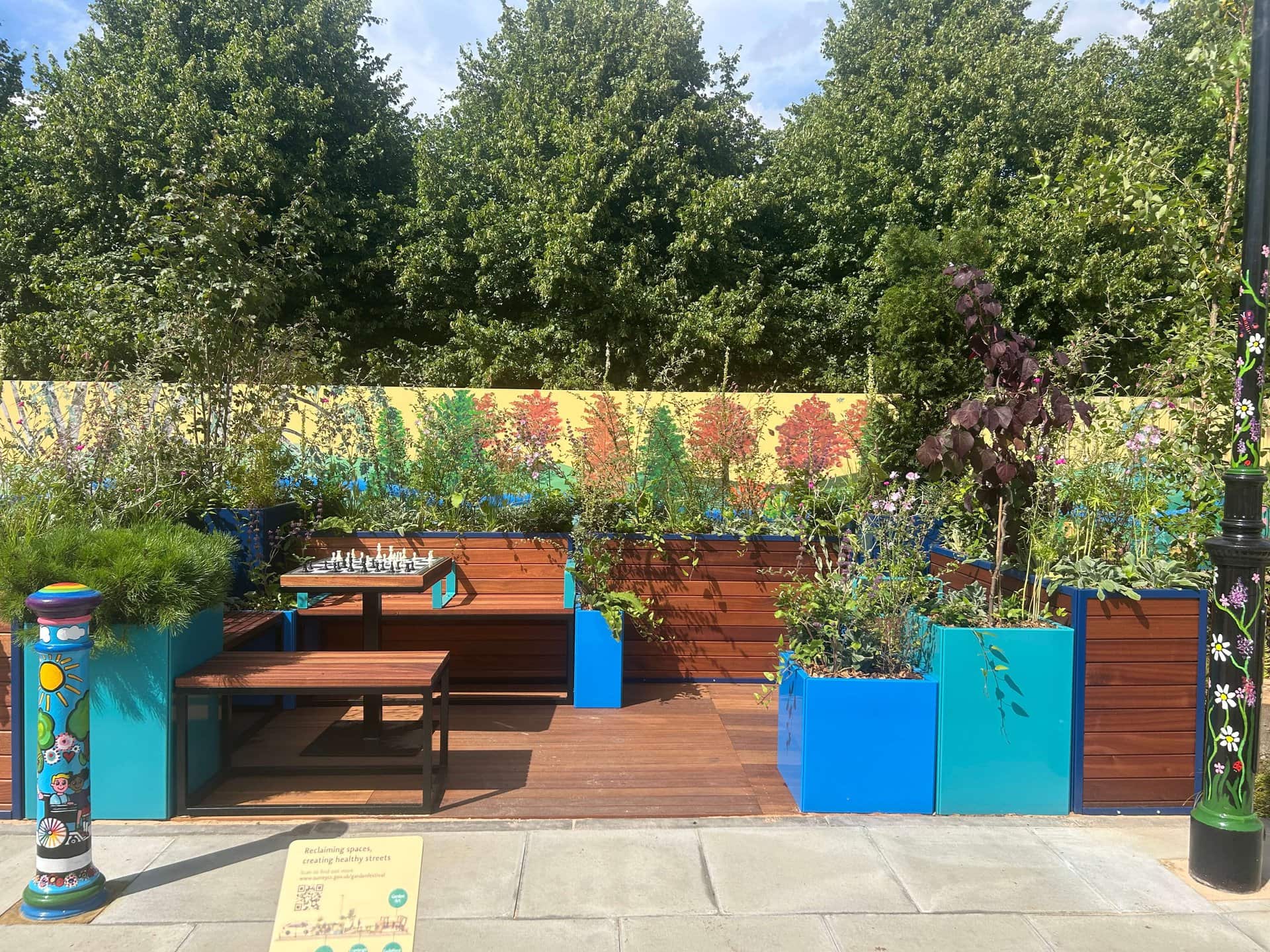
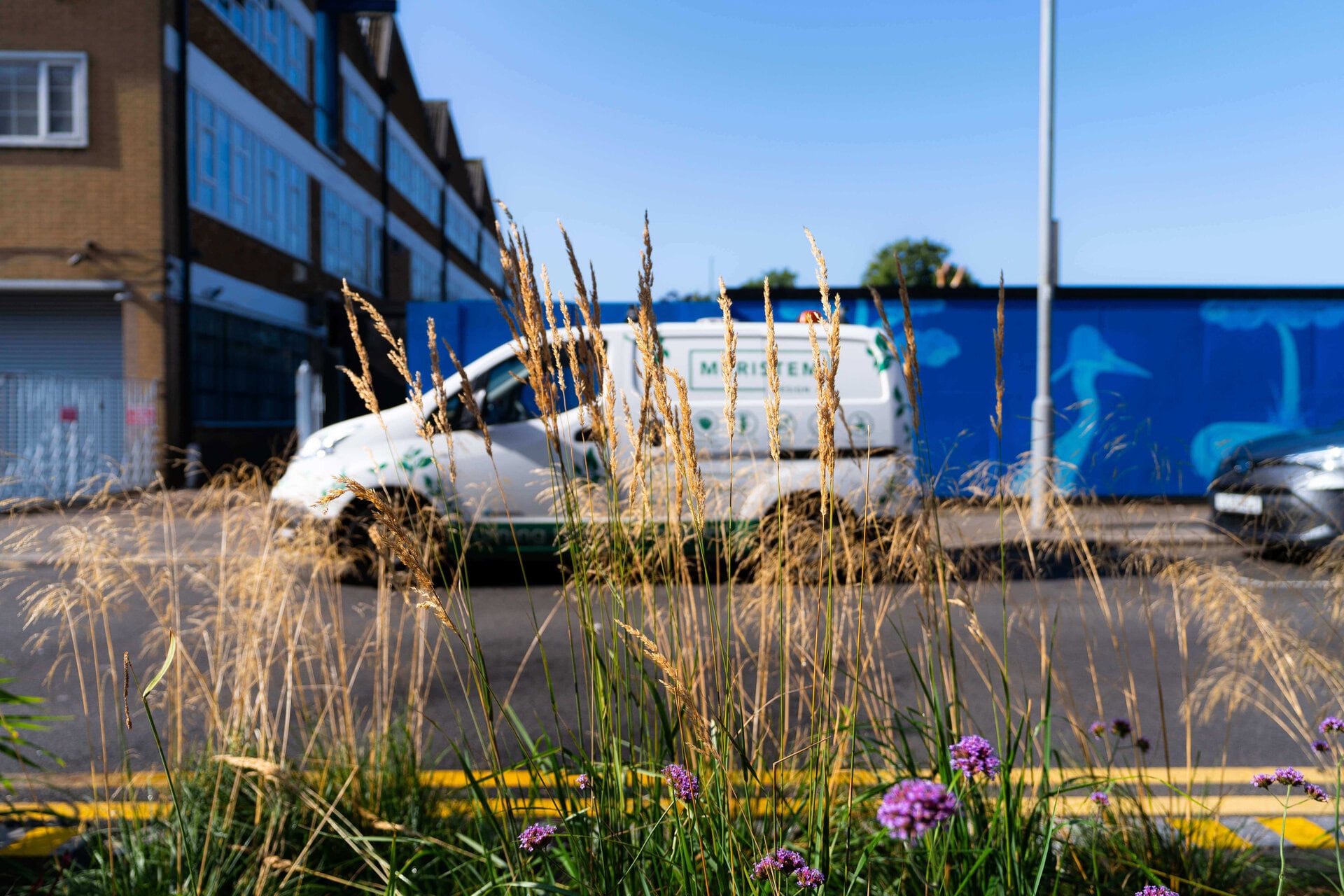
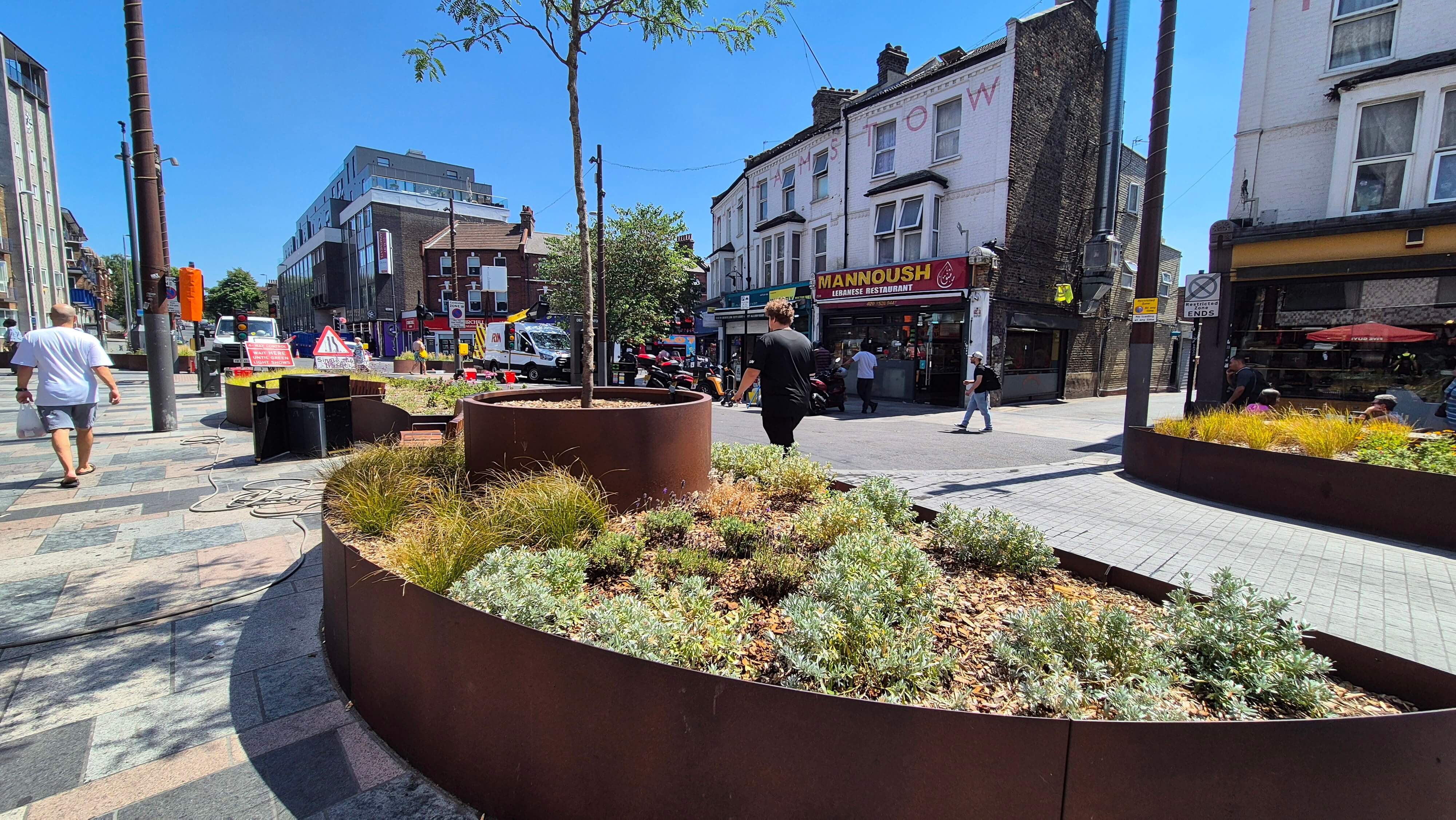
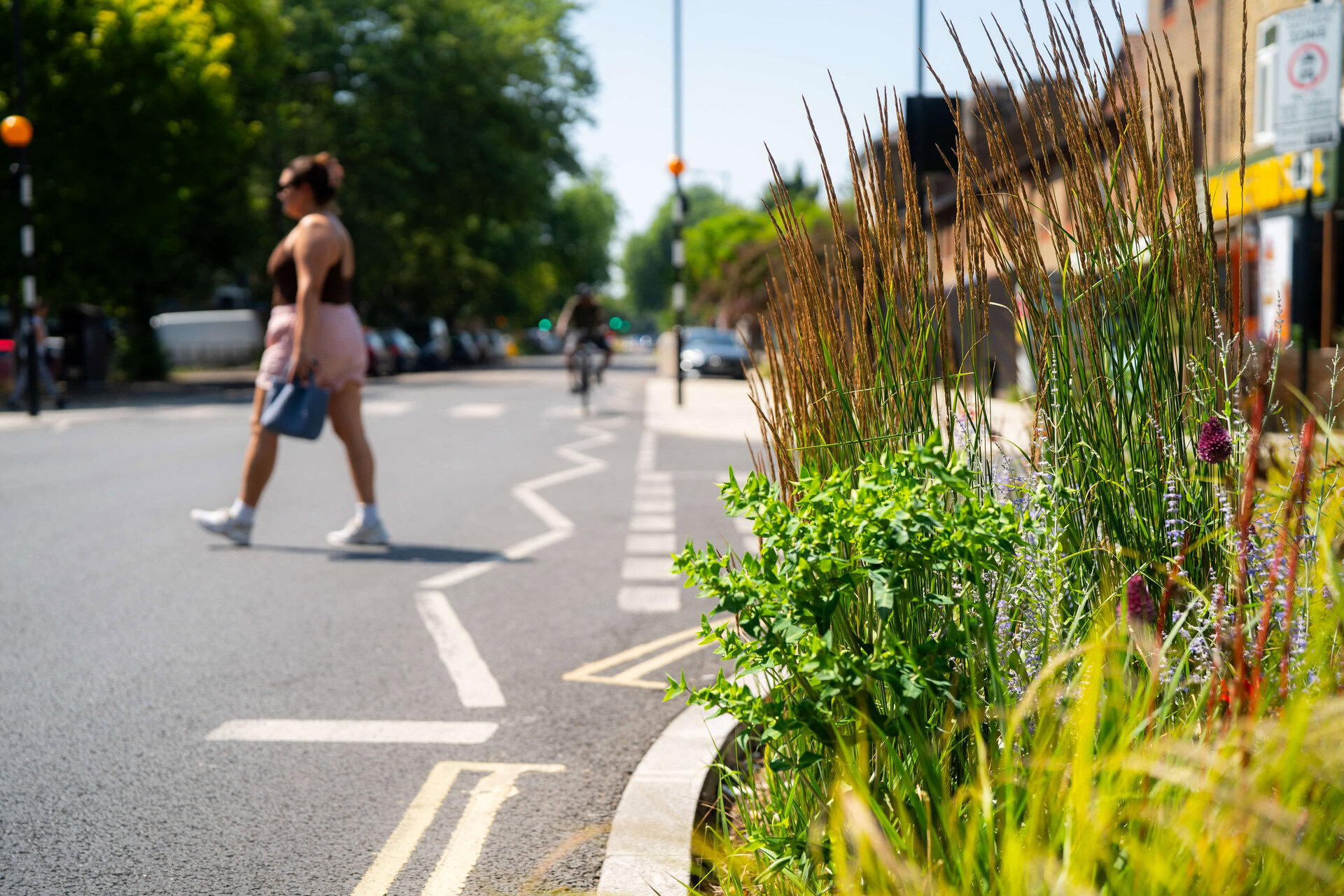
 Upper Walthamstow Road, Waltham Forest
What is a Rain Garden?
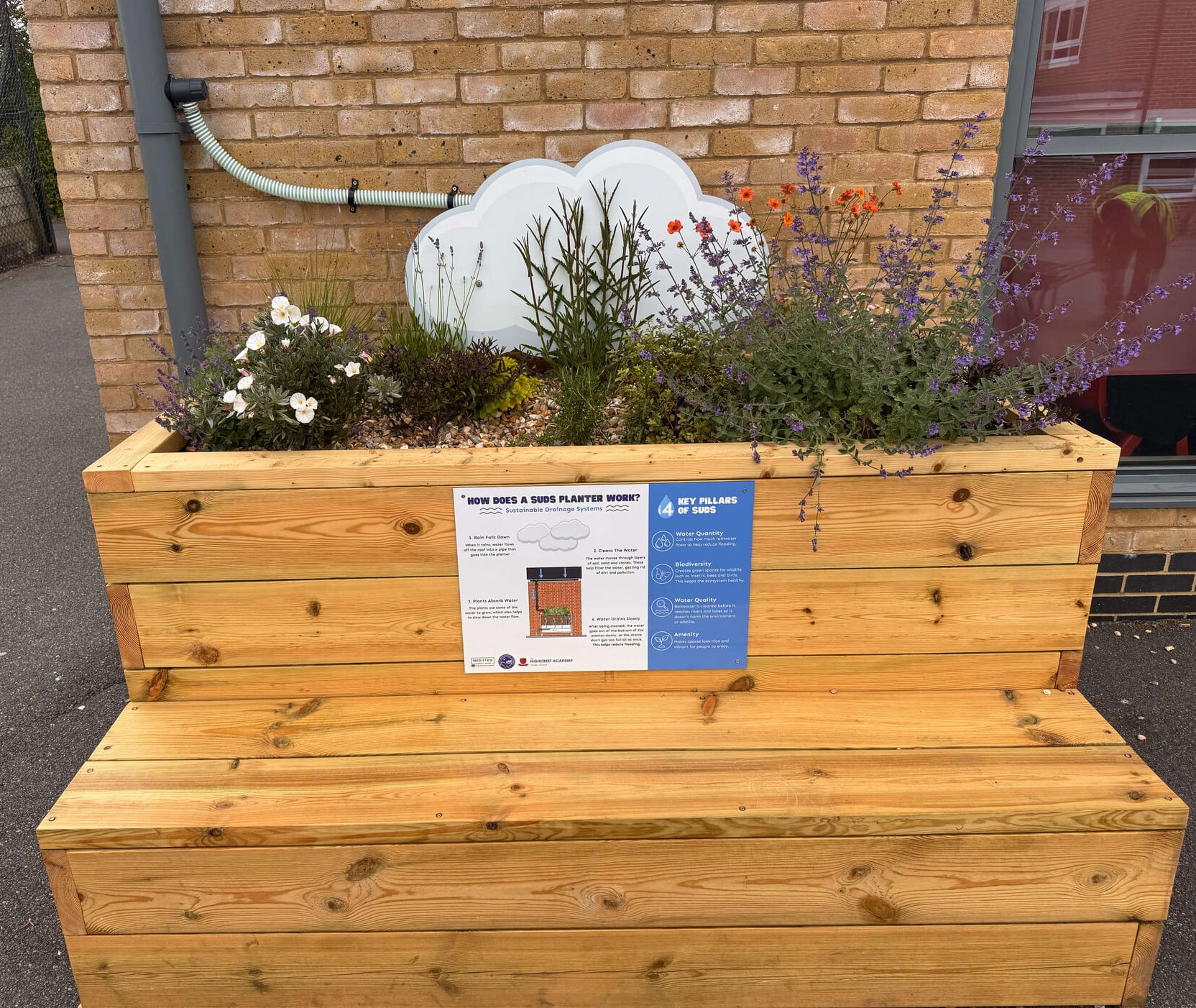
Rain gardens are a form of Sustainable Drainage System (SuDS) designed to capture rainfall before it enters the piped network. They:
- Slow down surface water runoff
- Allow infiltration into the ground
- Filter pollutants through soil and planting
This makes them a key tool in managing urban flooding while improving the public realm.
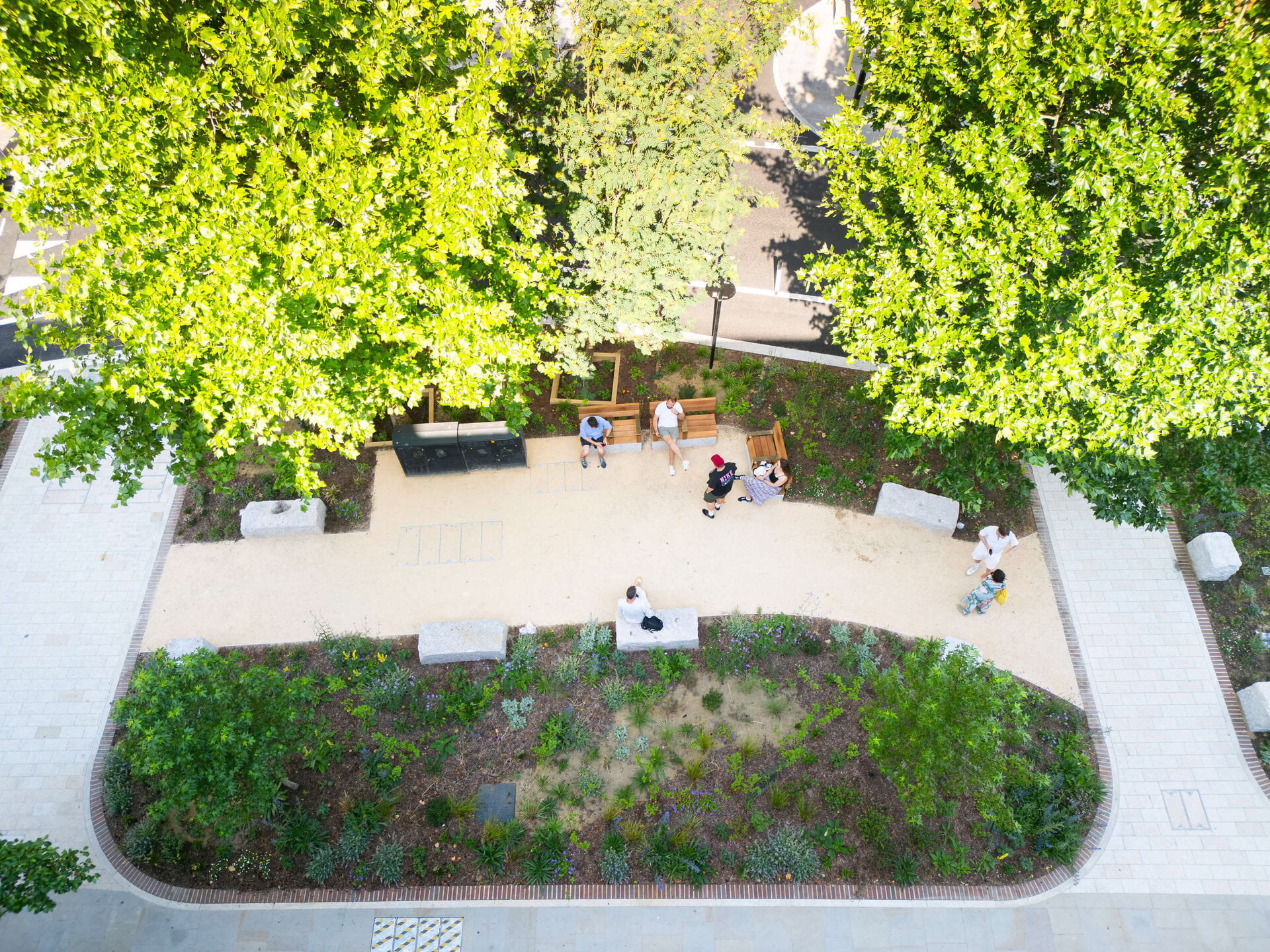
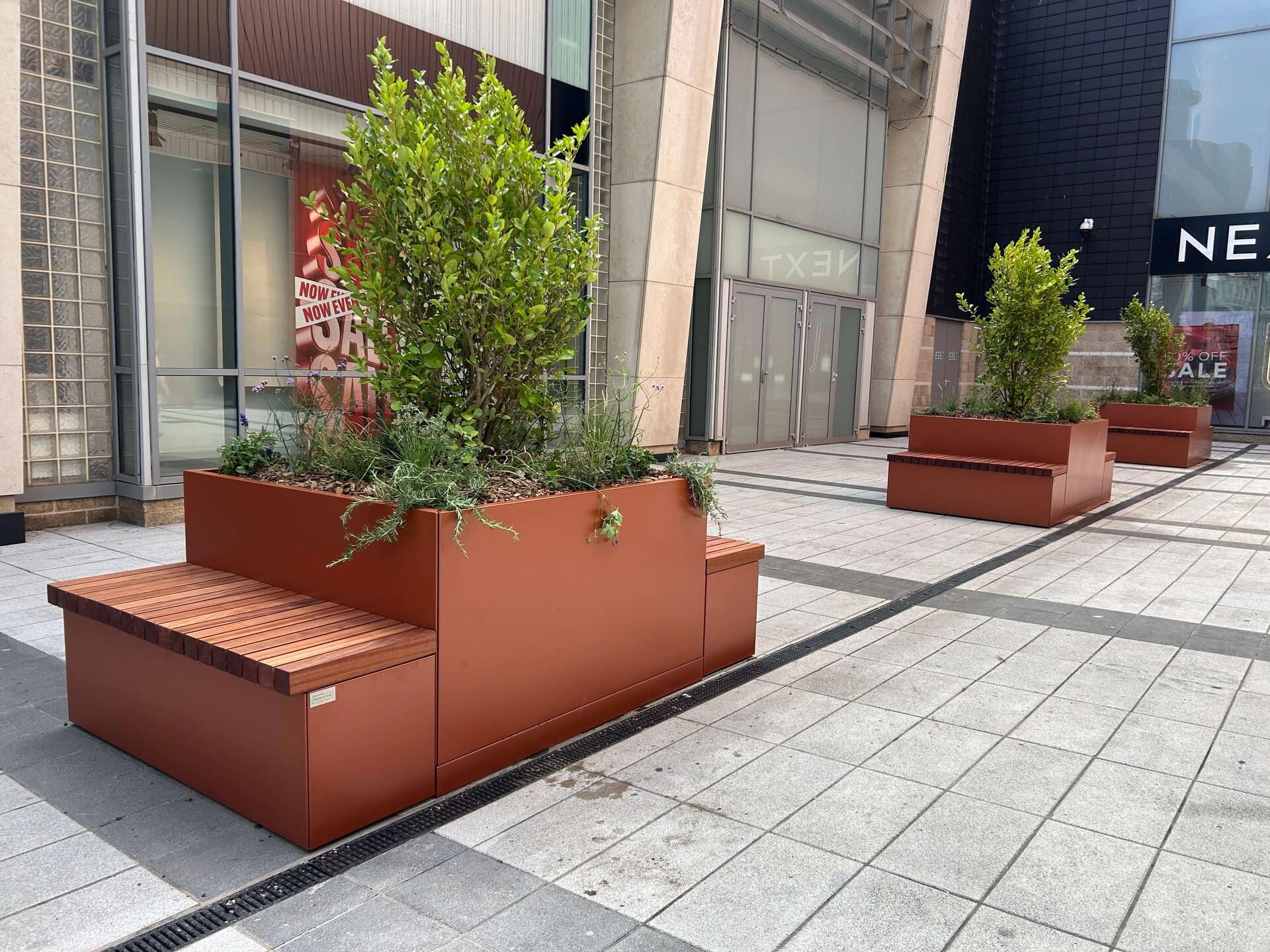
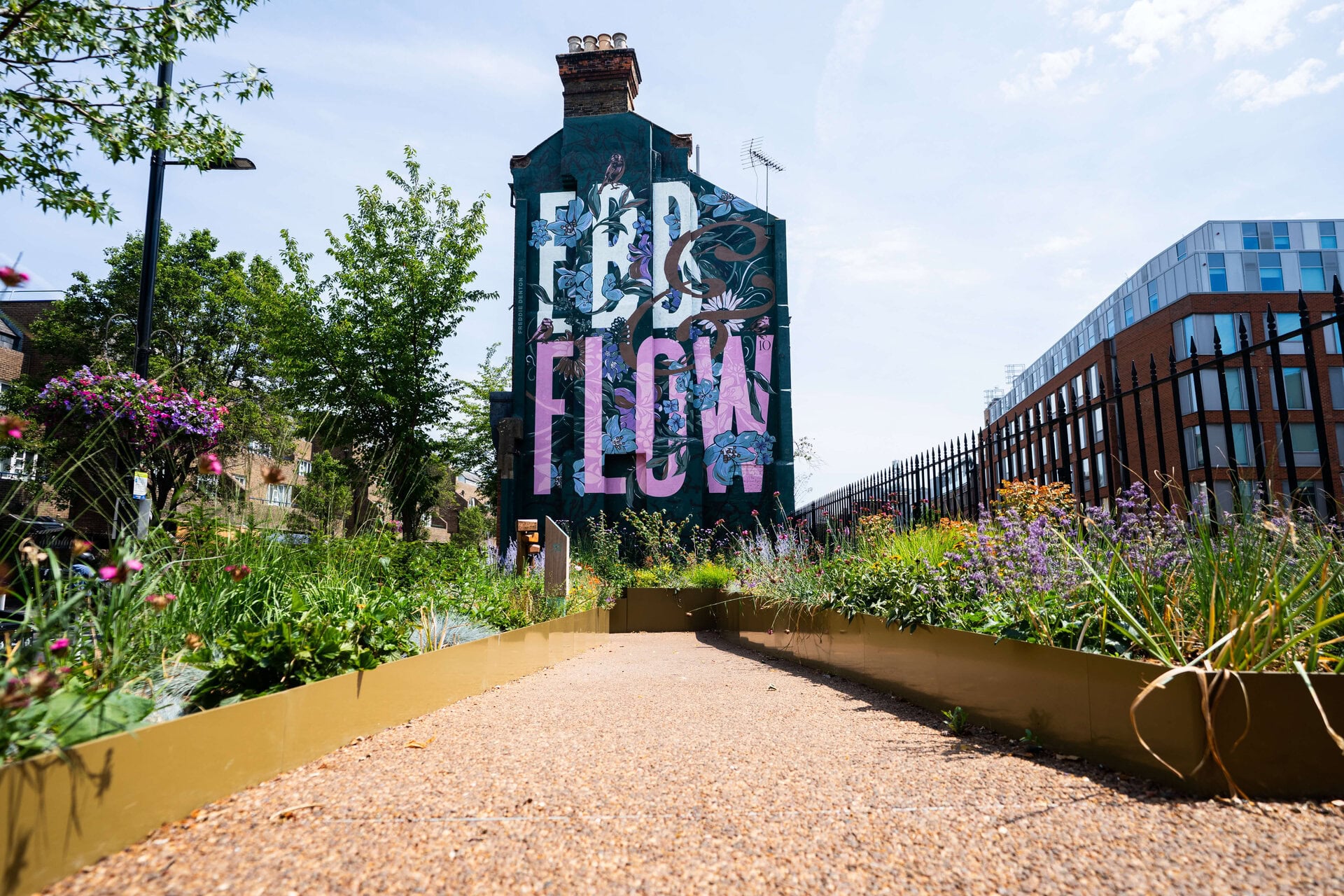
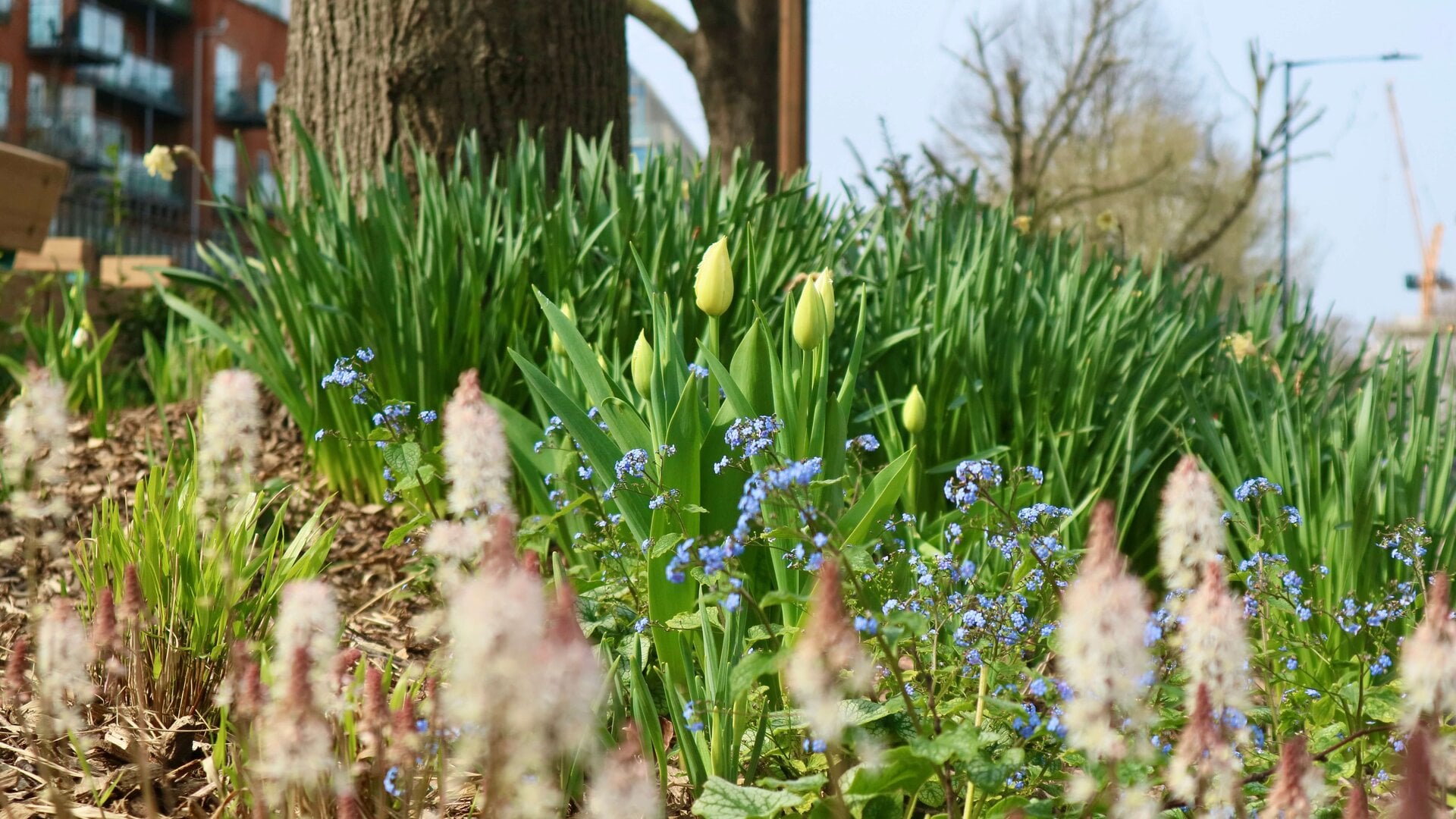
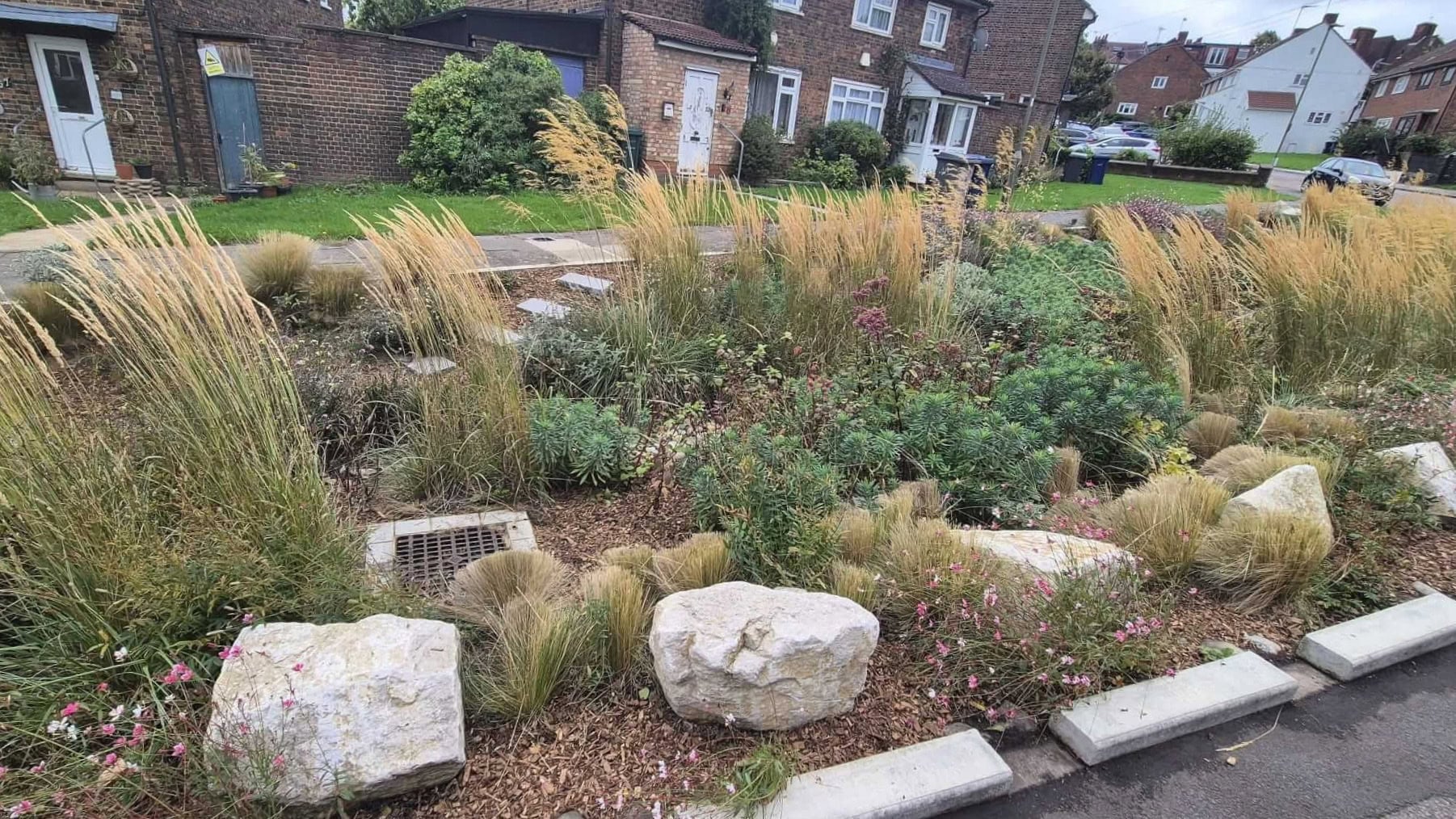
 Marvin Street Pocket Park and Rain Garden, Hackney
Why Rain Gardens can fail without maintenance
Even well-designed systems can struggle if they aren’t maintained properly. Common issues with unmaintained rain gardens include:
Blocked inlets
Leaves, litter, and debris can prevent water from entering the system.
Plant failing
Some species may not establish well and need to be replaced.
Dry stress in early stages
New planting requires watering during establishment, particularly in dry periods.
Heavy leaf build-up
Especially in gardens located beneath trees, which can smother planting.
Poor water flow
If inlets sit above the water line or become obstructed, the system won’t function as intended.
What’s involved in Rain Garden maintenance?
Effective maintenance is practical and manageable when done regularly.
Regular inspection
Checking how the system performs after rainfall is key to ensure the water is draining.
Weeding and mulching
Removing invasive weeds and then maintaining mulch levels helps retain moisture and suppress new weeds.
Plant care
Pruning, cutting back, and deadheading plants keeps the scheme healthy and visually strong.
Managing grasses
Cutting back grasses prevents them from collapsing and smothering surrounding planting.
Watering during the establishment period
Young plants need additional support before they become self-sustaining.
Clearing inlets
Keeping entry points free from debris ensures water can flow into the system.
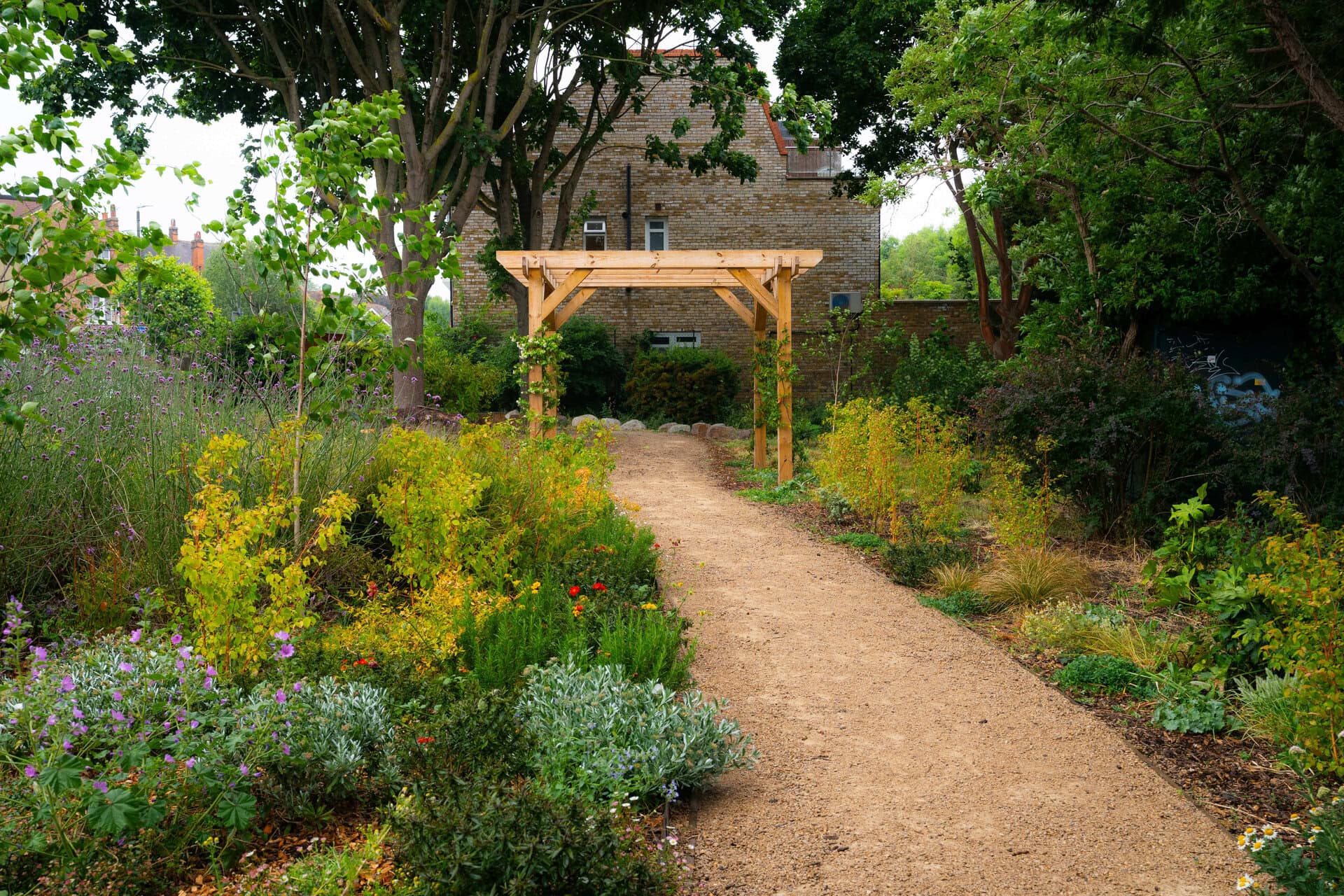
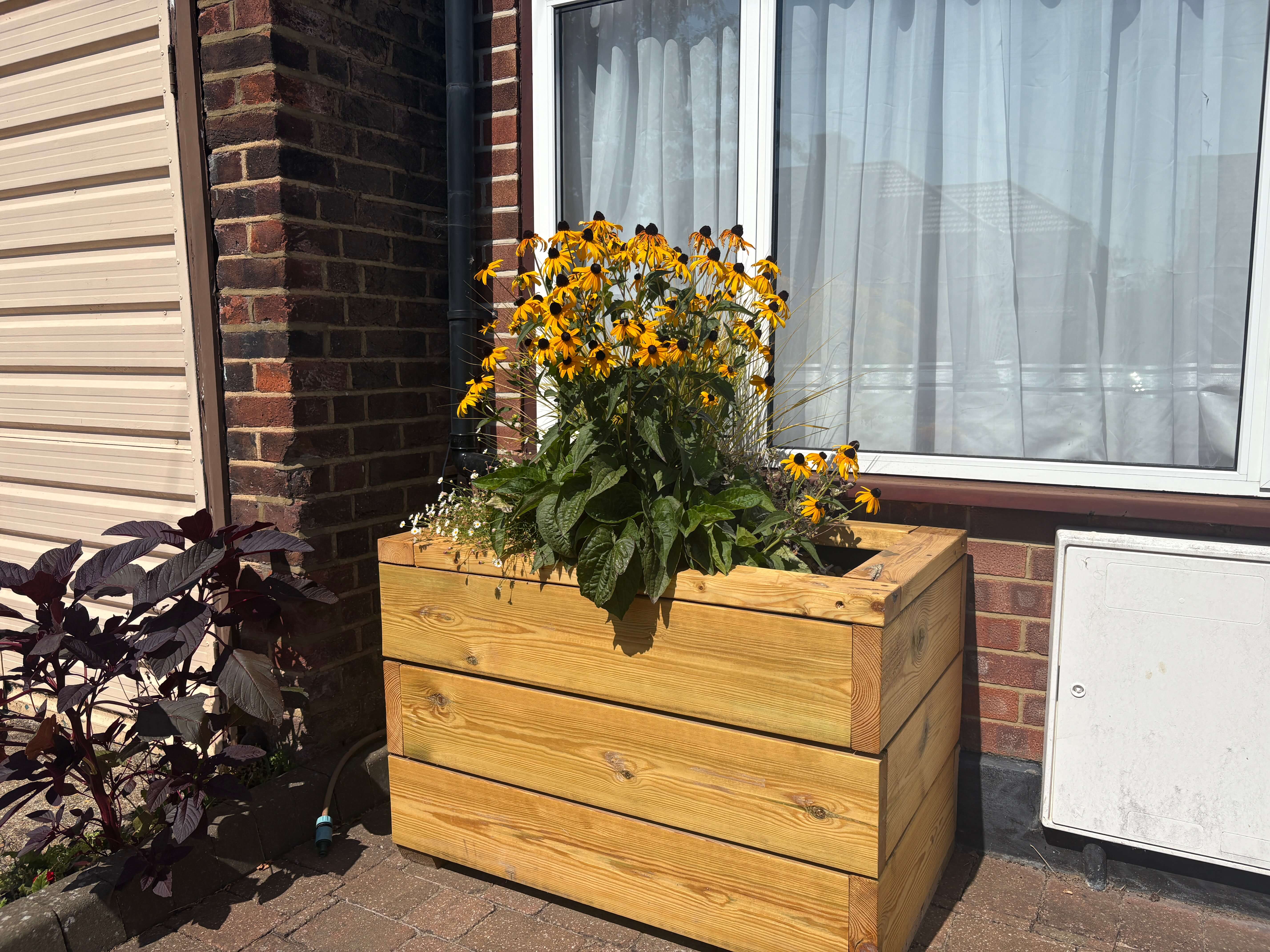
 Brooke Road Rain Gardens, Waltham Forest
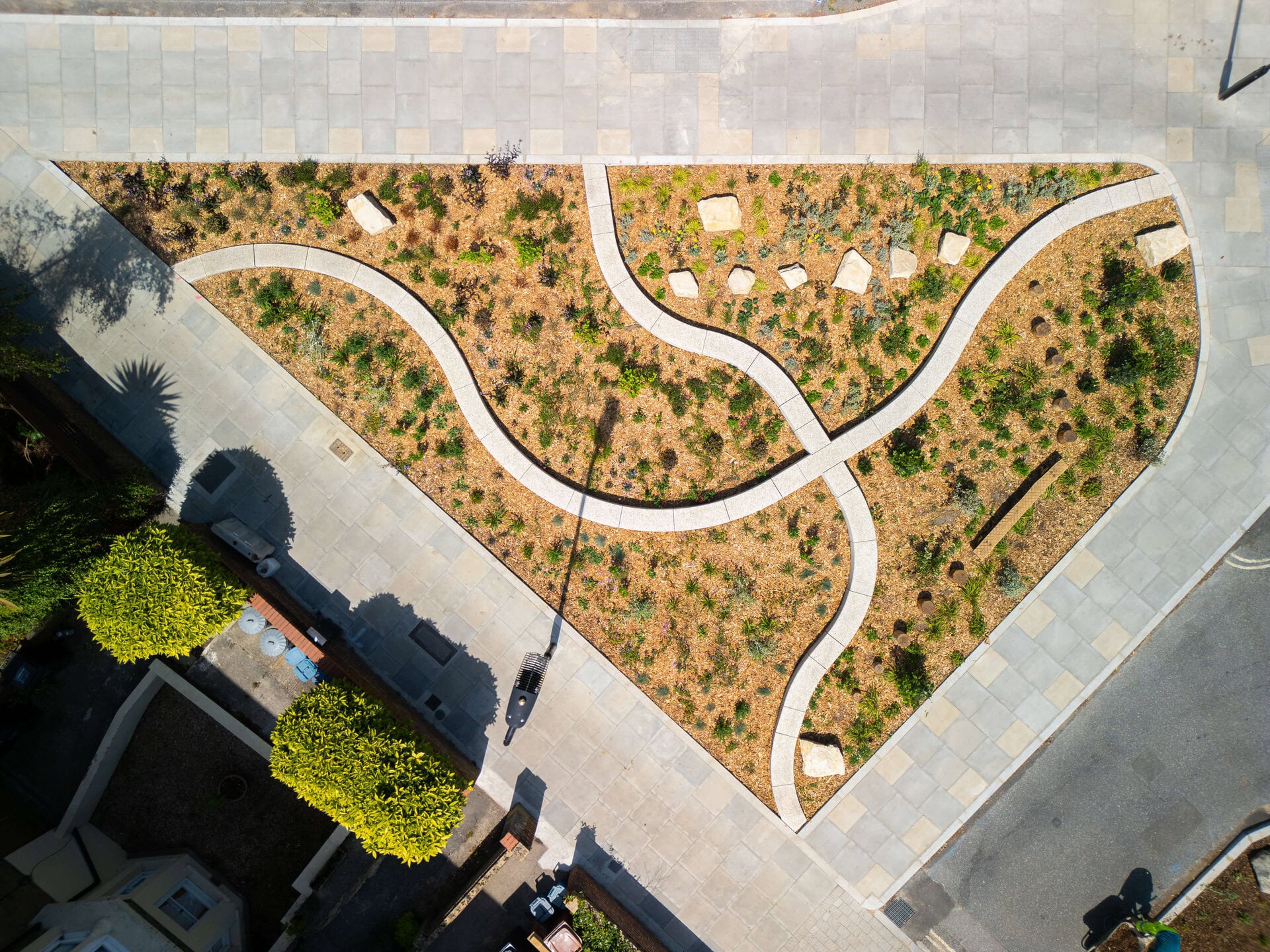
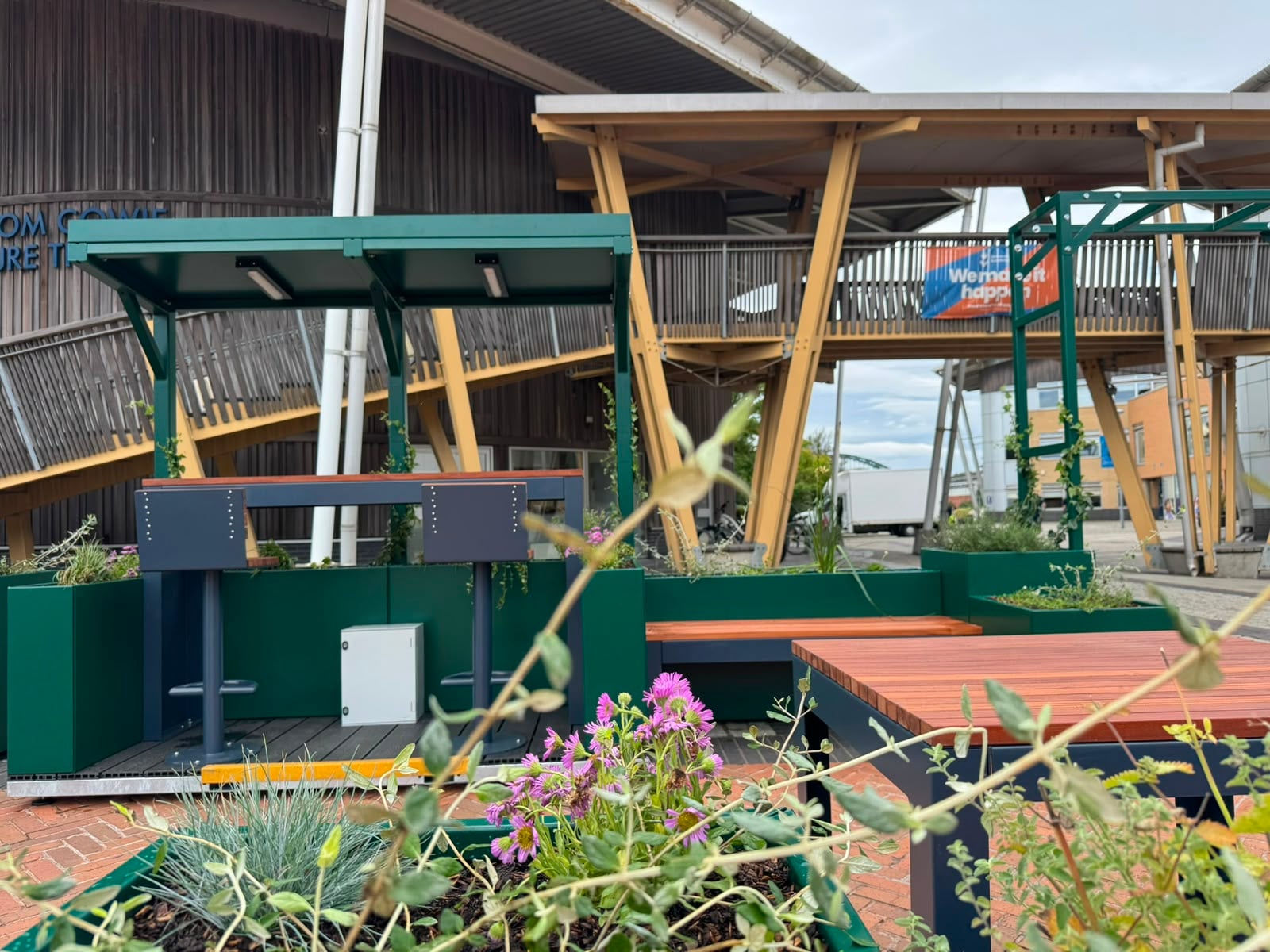
 Kenilworth Green Rain Gardens and Nature Garden, Merton
The benefits of ongoing maintenance
Maintaining rain gardens isn’t just about avoiding failure - it actively improves performance.
Reliable drainage function
Well-maintained systems continue to absorb and manage water effectively.
Stronger biodiversity
Healthy planting supports pollinators and urban wildlife.
Better plant establishment
Over time, planting becomes more robust and self-sustaining.
Improved visual impact
Maintained rain gardens remain attractive, helping build public support for SuDS.
Long-term value
Regular care protects the initial investment and ensures the system delivers over the long term.
Rain garden maintenance in action: Wessex Gardens Primary School, Barnet
At Wessex Gardens Primary School, a 72-metre linear rain garden was installed in 2025 as part of a wider commitment to climate resilience. The scheme included:
- Over 500 native hedge plants
- A mix of shrubs and herbaceous perennials
- Five trees to provide structure and shade
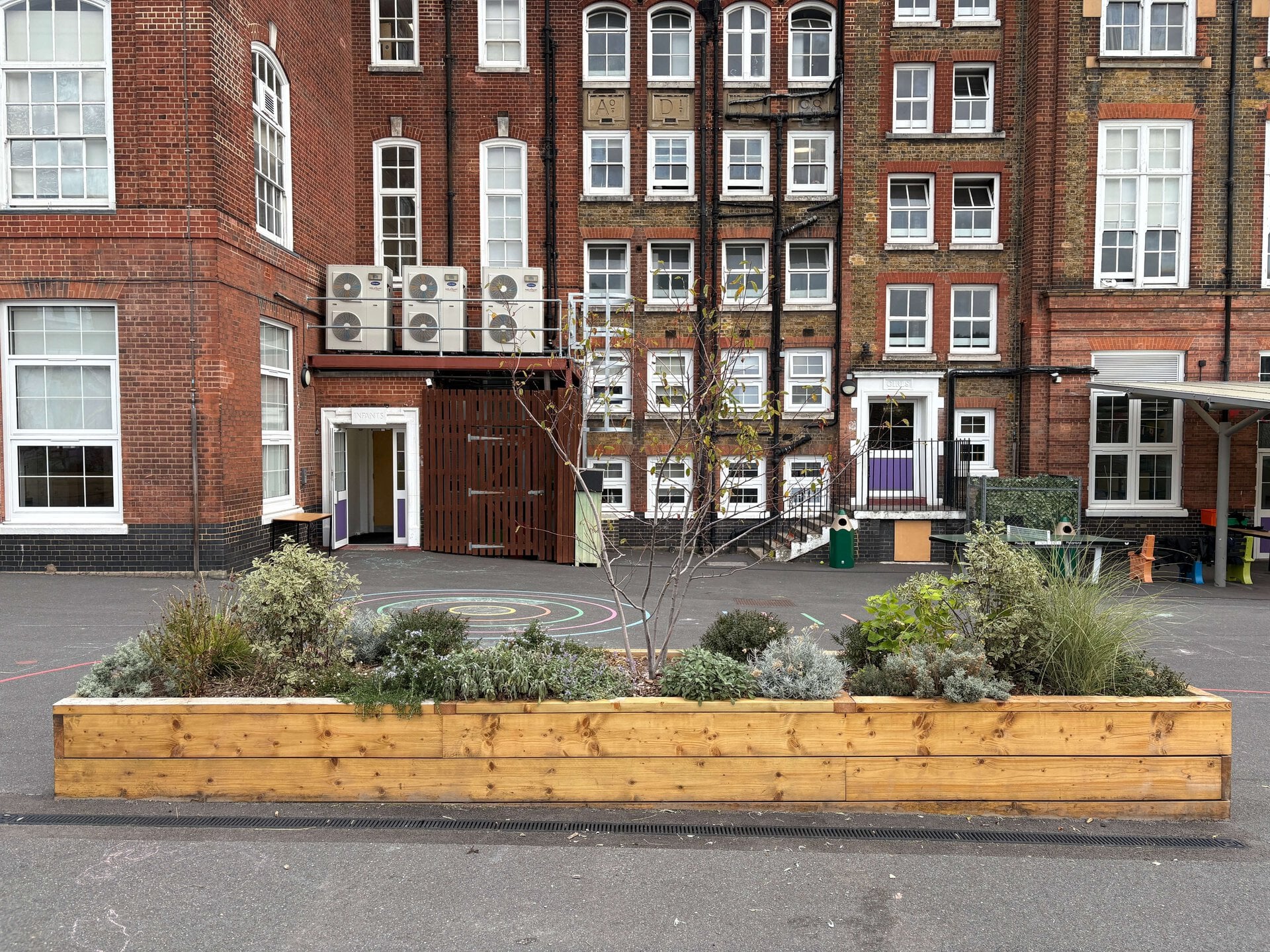
 Barnet rain gardens
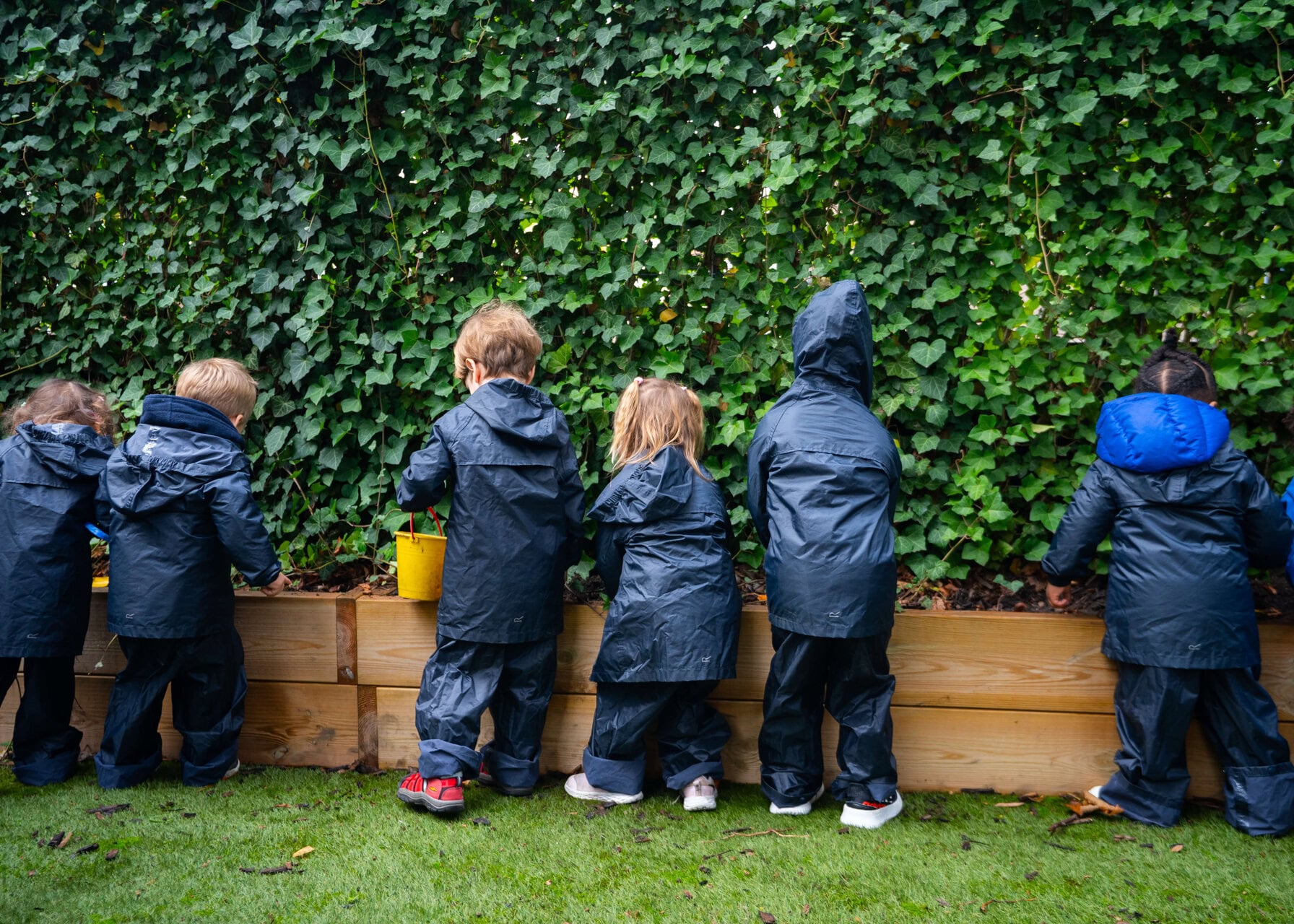
Designed to intercept runoff and support biodiversity, the rain garden also plays an important educational and engaging role within the school environment. Some of the young pupils who are part of the school's eco club joined us for a planting day and nature workshop - giving them the opportunity to learn, get their hands dirty and have fun!
Wessex Gardens Primary School Rain Garden planting day, London borough of Barnet
Maintenance in practice
For a project like Wessex Gardens, maintenance ensures the rain garden continues to:
- Capture and manage surface water effectively
- Support pollinators and local wildlife
- Provide a safe and engaging space for pupils
Ongoing care also reinforces the value of the scheme as a learning resource - showing how nature-based solutions function in real time.
Supporting communities through maintenance
Rain gardens can also play an important role in community engagement. In schools and public spaces, involving local people helps:
- Reduce litter and misuse
- Build a sense of ownership
- Encourage long-term stewardship
Coppermill Community Rain Gardens, Waltham Forest
A long-term approach to SuDS
Rain gardens are not a one-off intervention. They are part of long-term urban infrastructure - and like any infrastructure, they require ongoing care to perform.
At Meristem Design, we provide maintenance services across all out sites including:
- Public realm streets
- Schools and educational spaces
- Commercial and residential developments
Ensuring rain gardens continue to function, establish, and improve over time.
Keeping Rain Gardens working and thriving
A well-maintained rain garden doesn’t just manage water. It becomes:
- A stronger ecological system
- A more established landscape
- A more valuable part of the street or site
Maintenance is what unlocks that long-term potential.