What are the benefits of roadside Rain Gardens?
Many urban streets are designed to move water away as quickly as possible.
Rainfall hits hard surfaces, flows into drains, and puts pressure on already stretched drainage systems - often contributing to localised flooding. But it doesn’t have to work like that.
Roadside rain gardens offer a simple shift in approach: instead of pushing water away, they manage it where it falls.

A different approach to SuDS street design
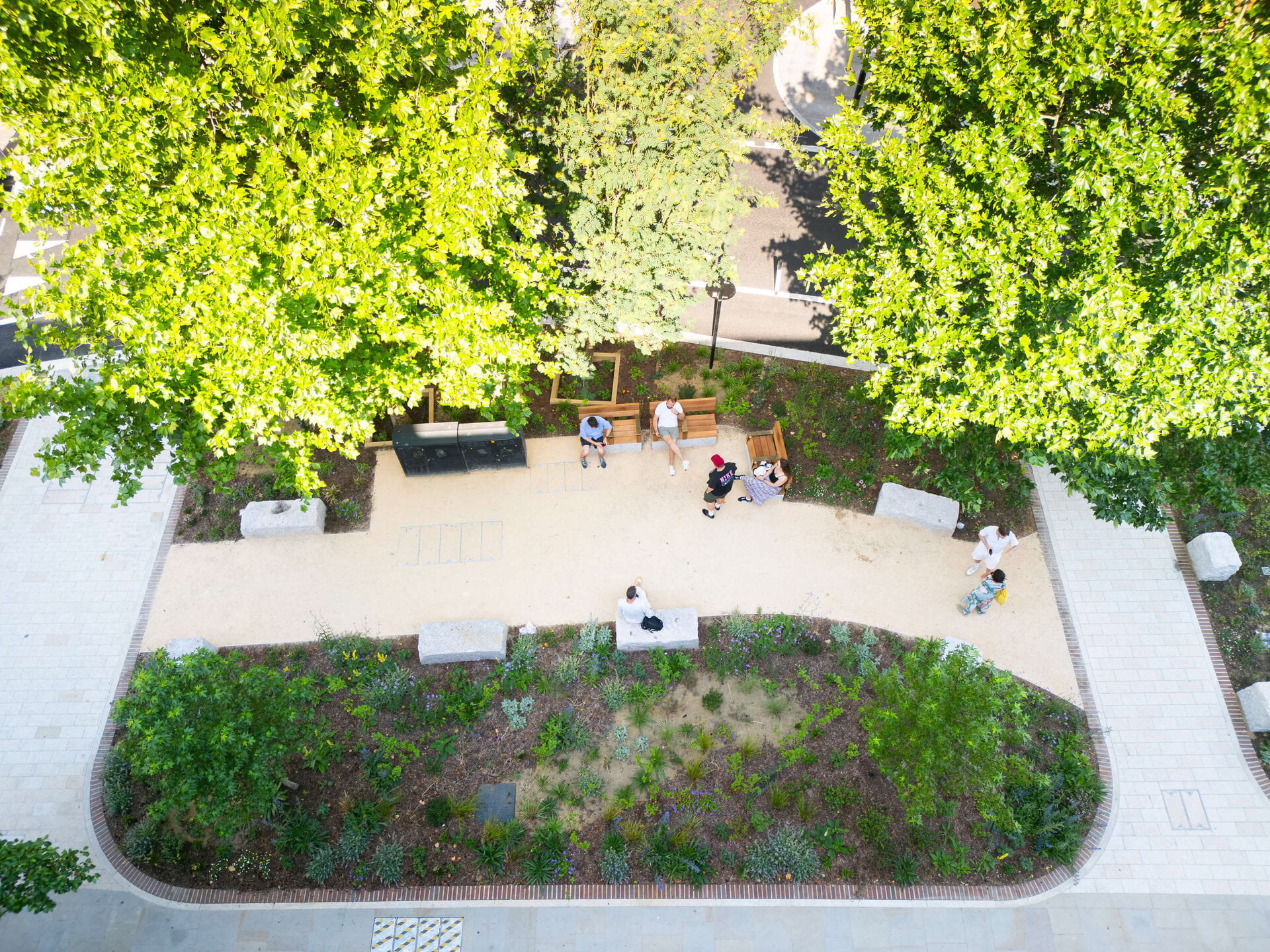
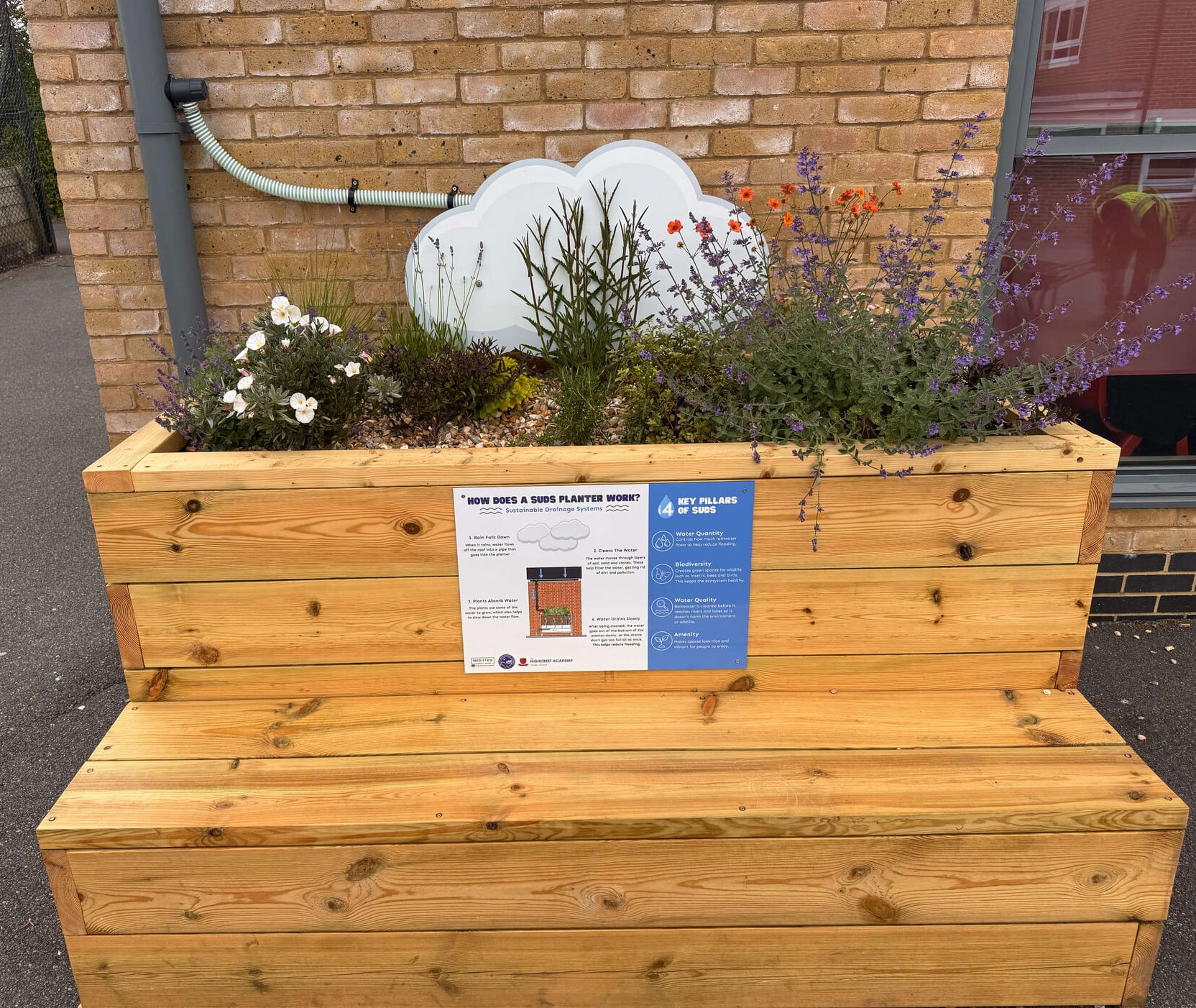
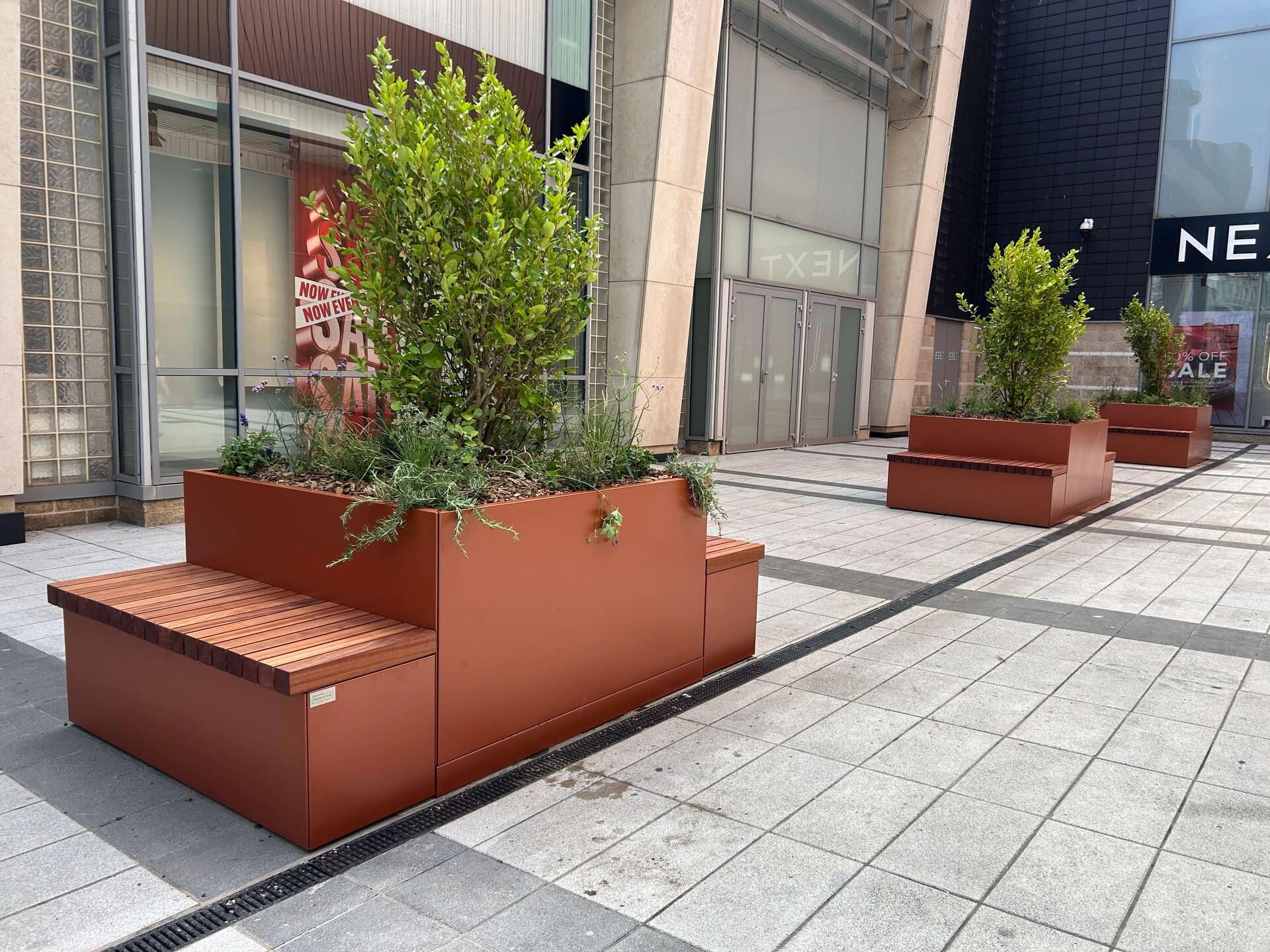
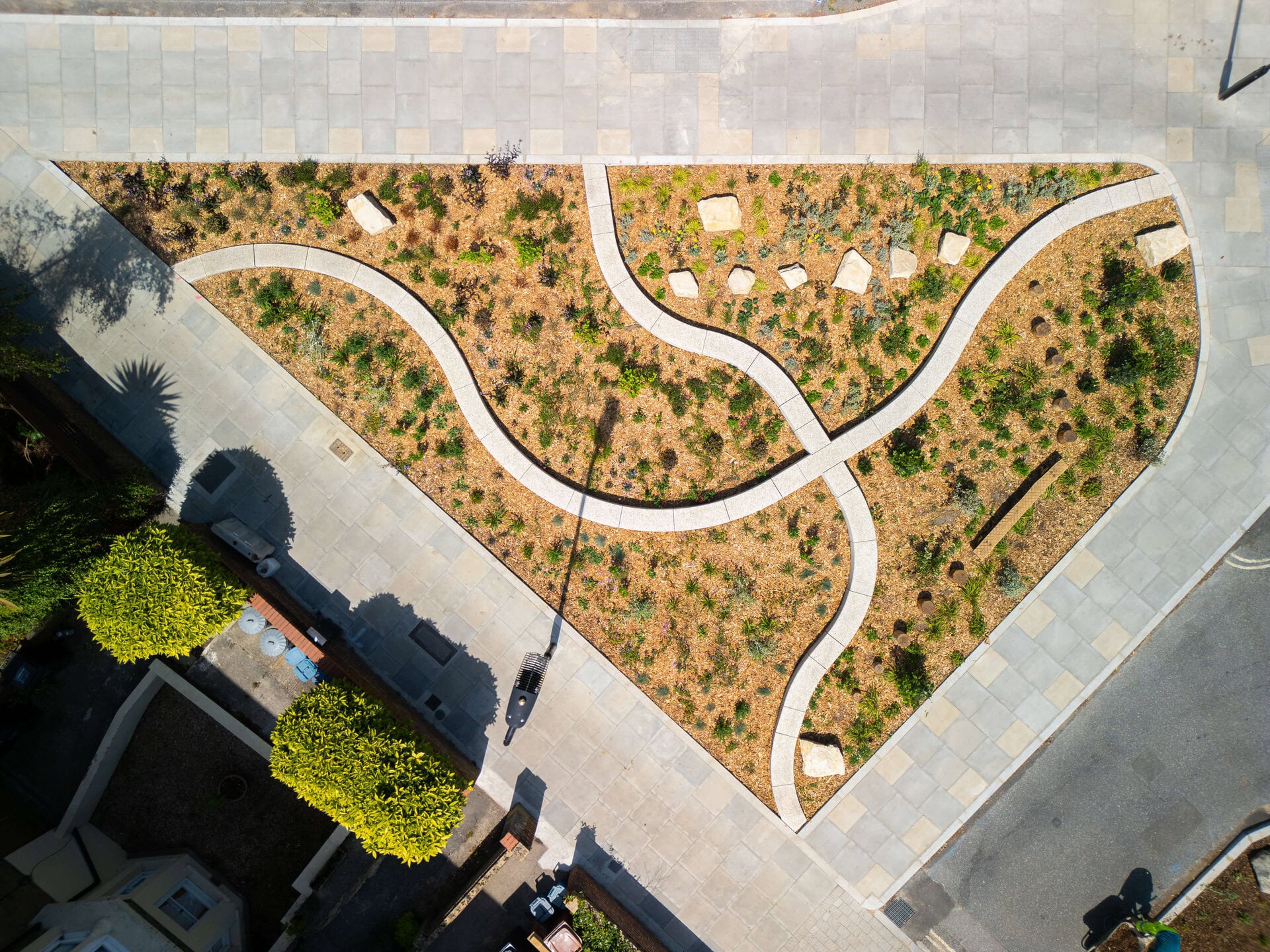
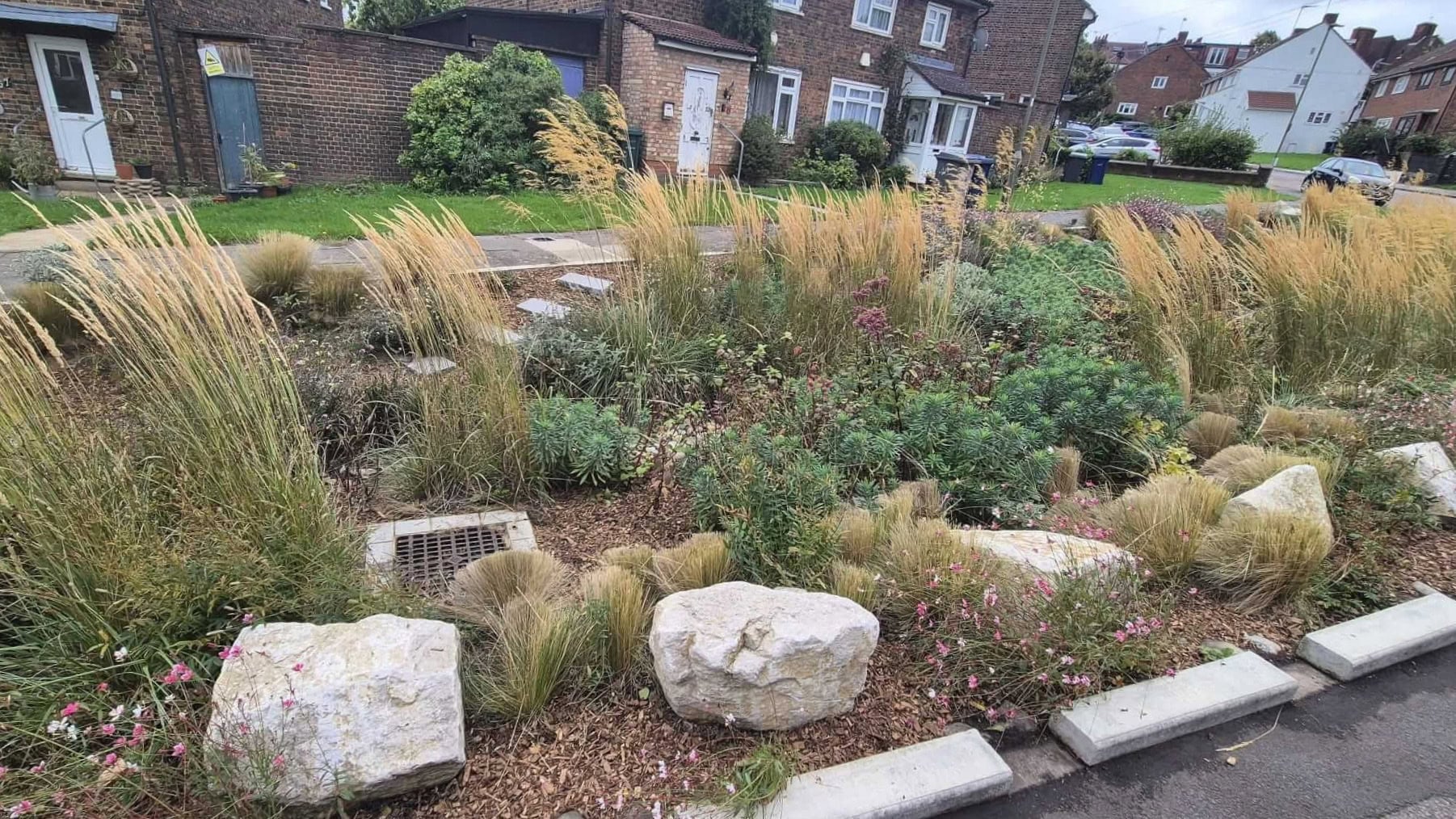
Rain gardens are planted sustainable drainage systems integrated onto streets and on the edges of roads. They are designed to capture runoff from roads and pavements, holding and filtering water before it enters the drainage network.
This slows the flow, cleans the water, reduces pressure on drains, and improves how streets perform during heavy rainfall.
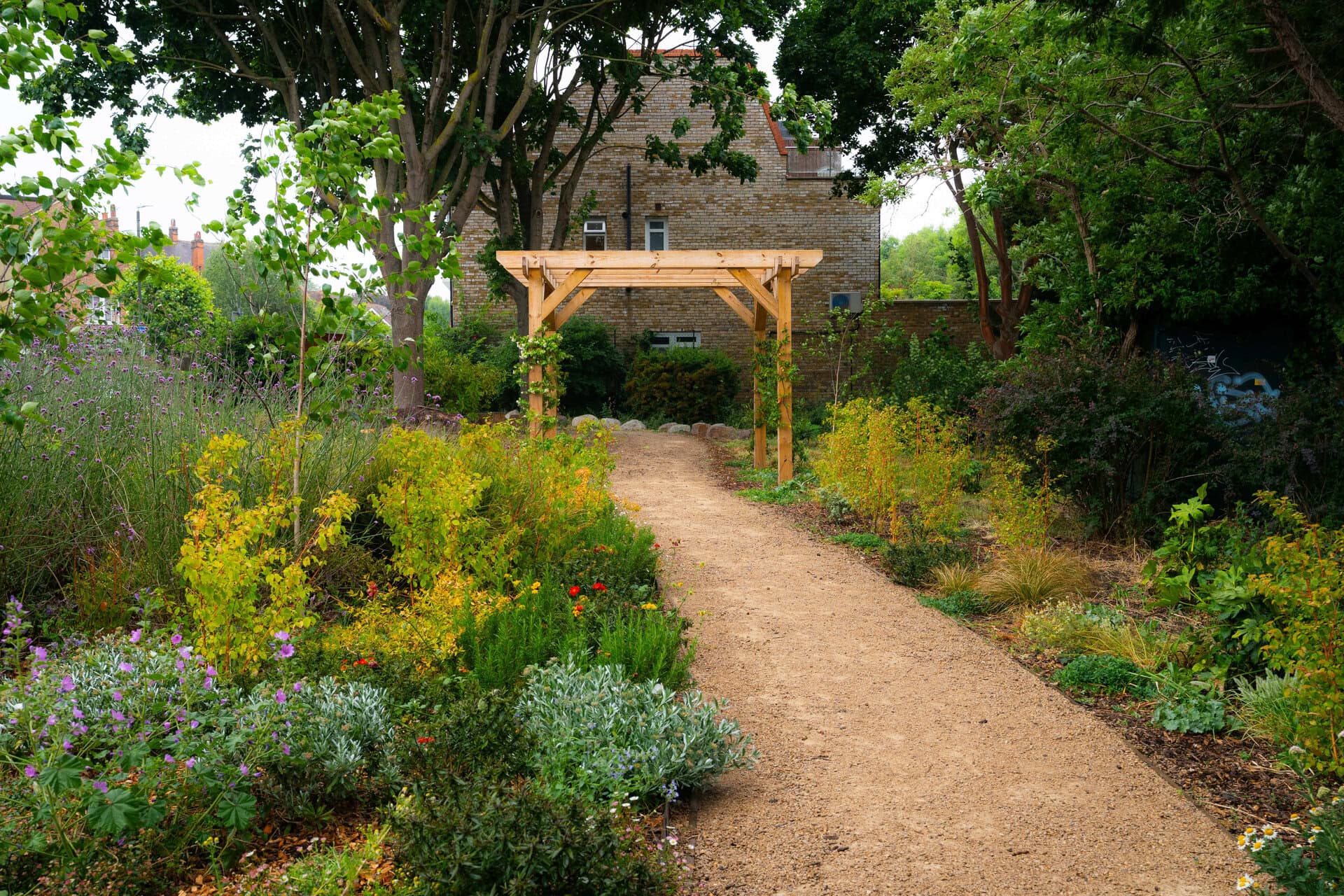
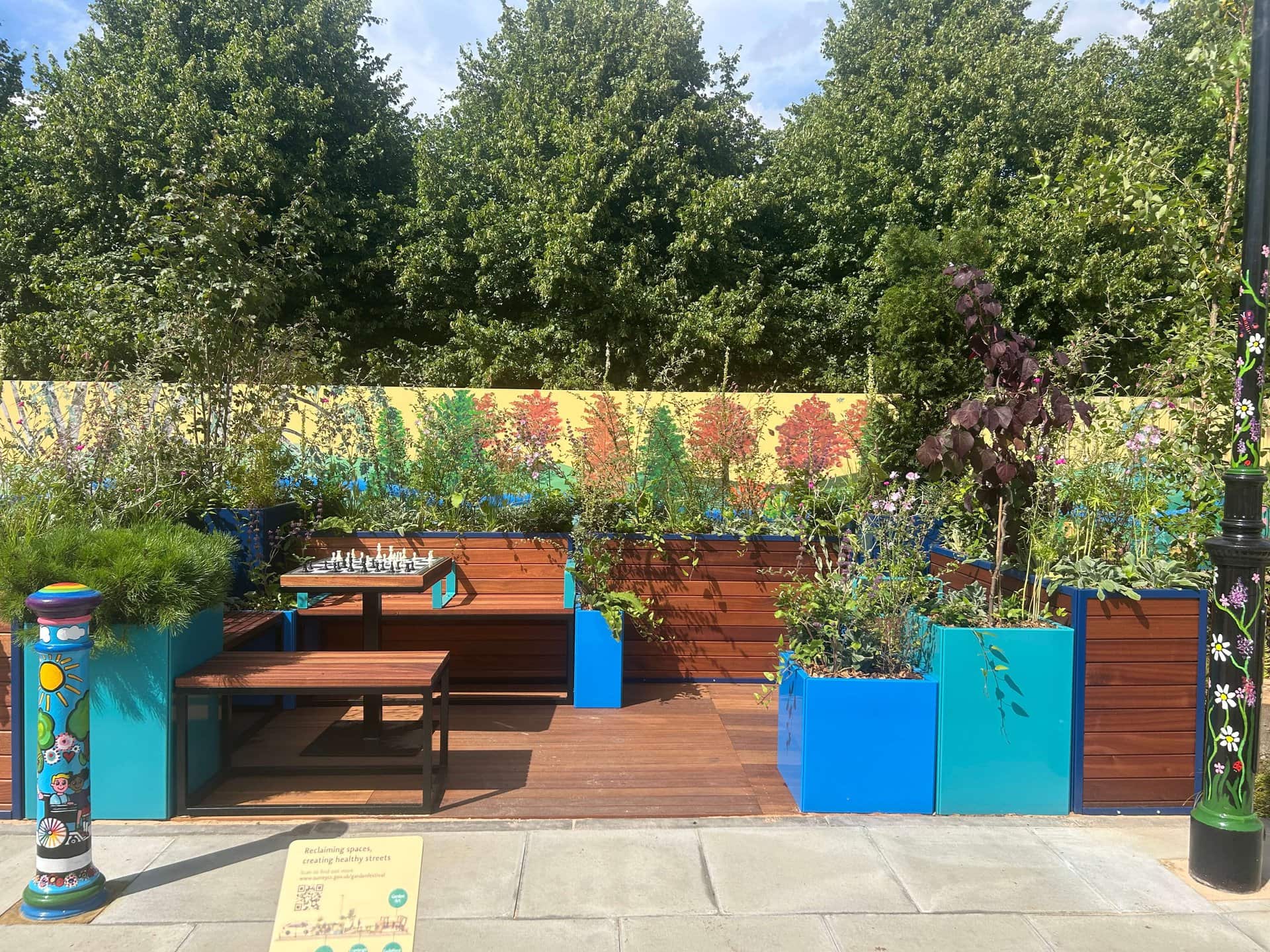
At the same time, they introduce planting and soil back into grey urban environments - creating streets that are not just functional, but visibly greener and more effective.
Case Study: Crowndale Road, Somers Town
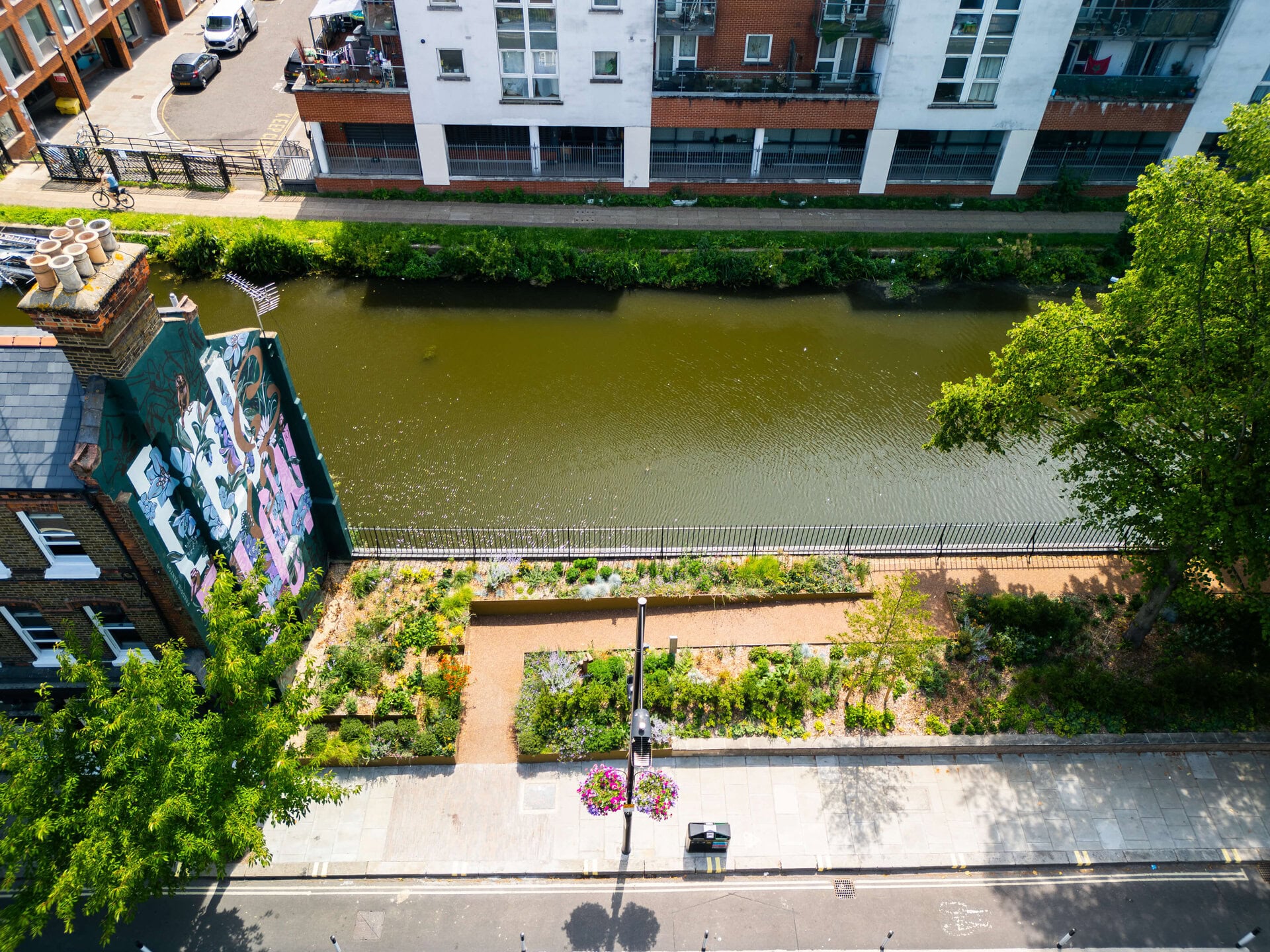
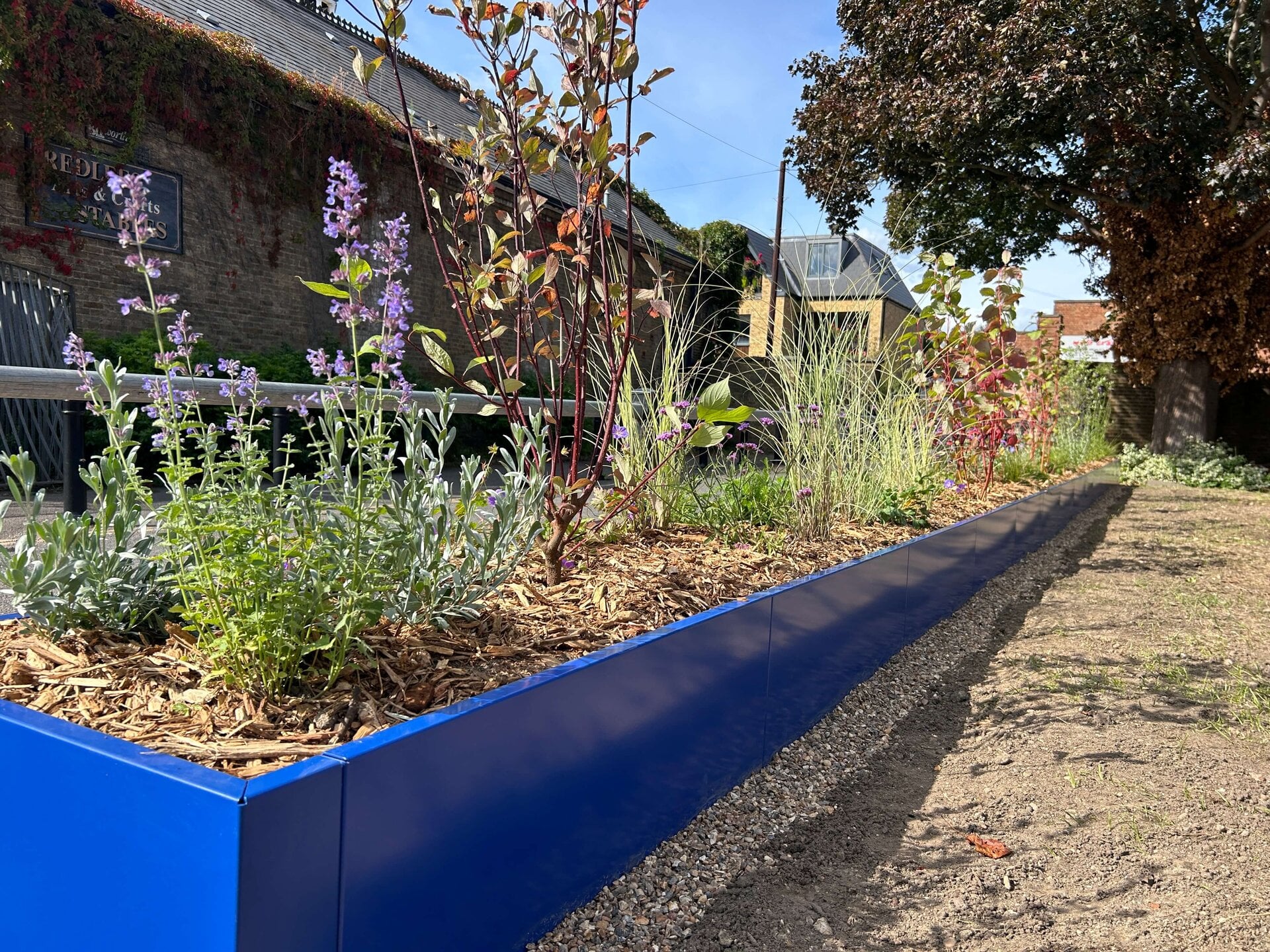
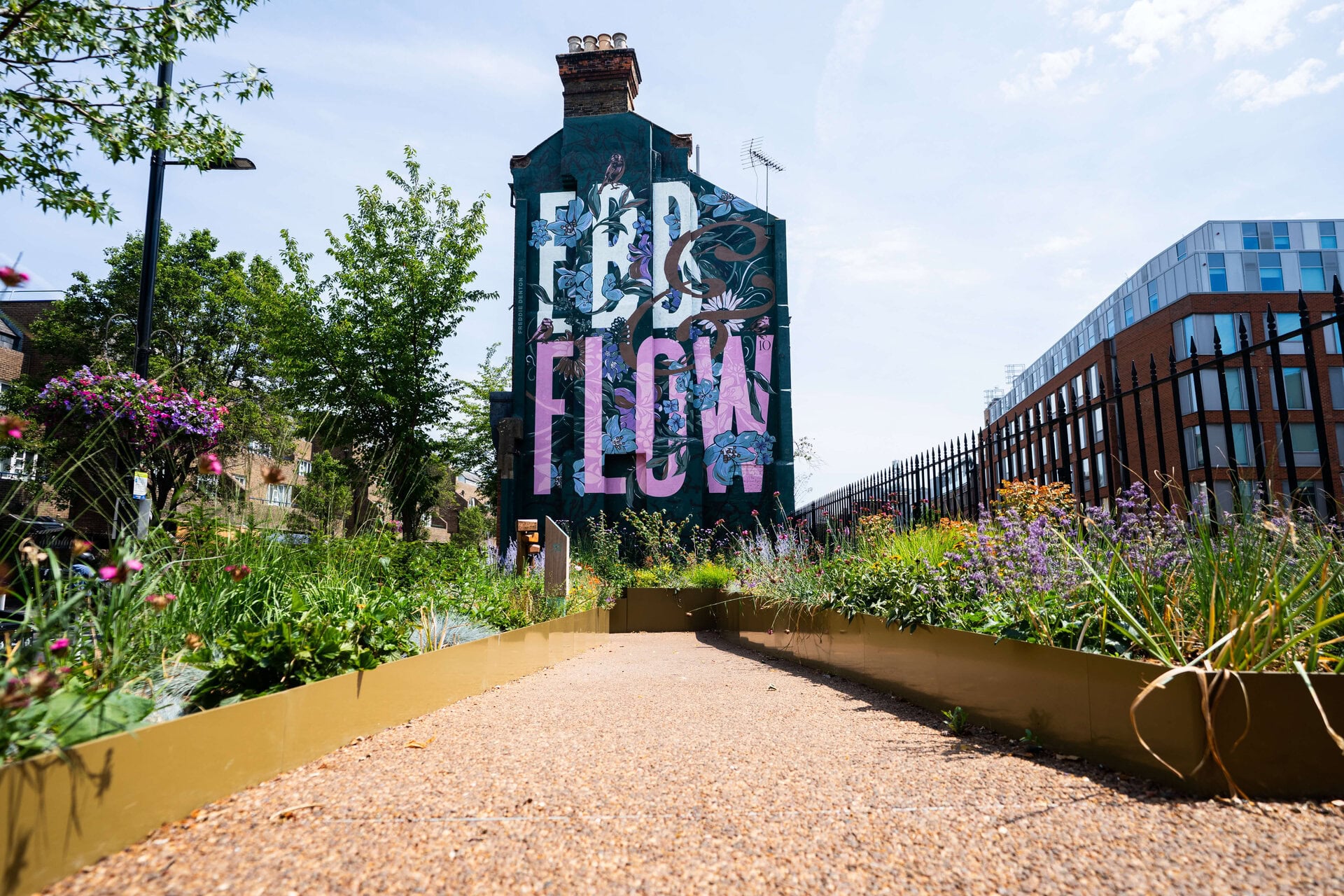
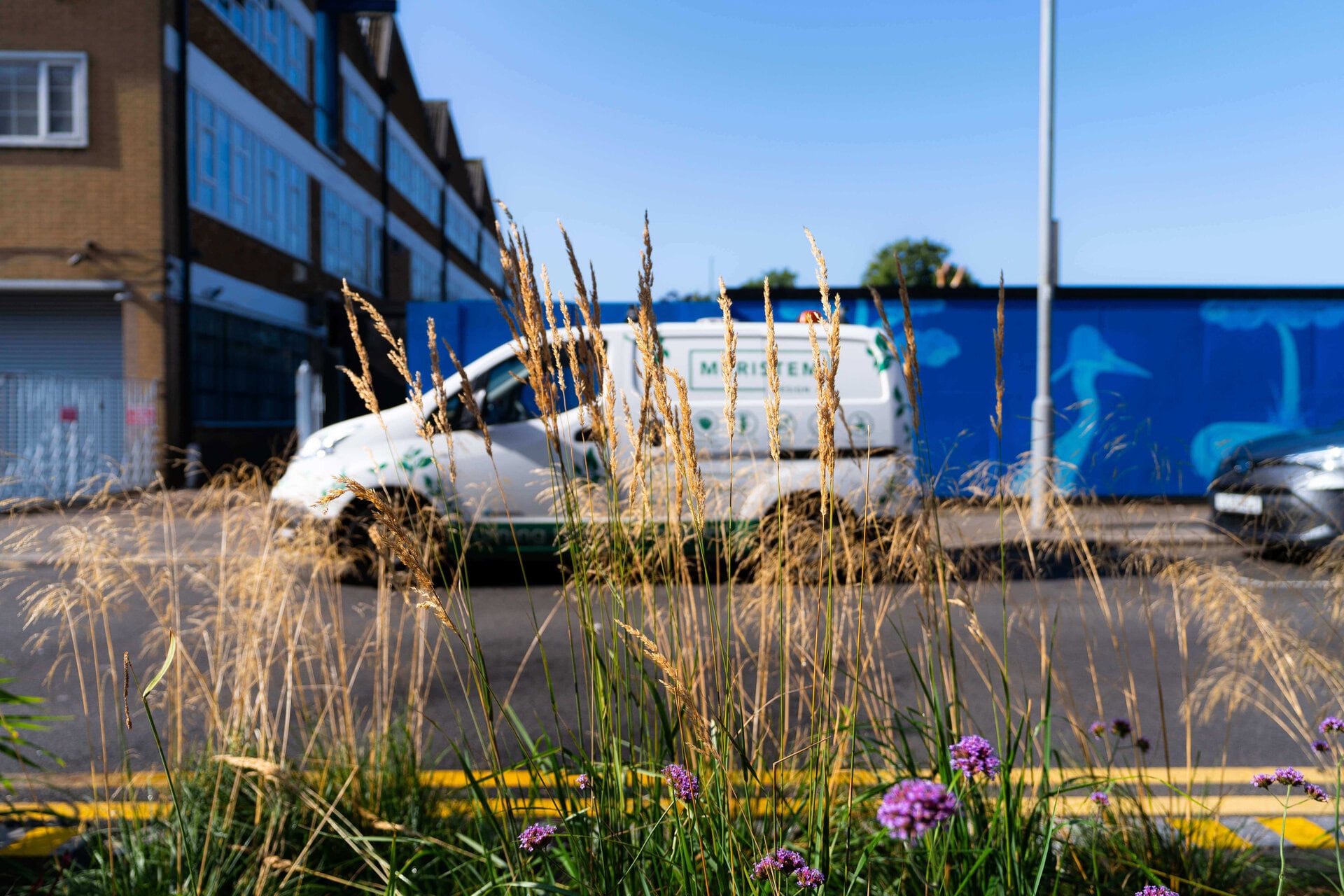
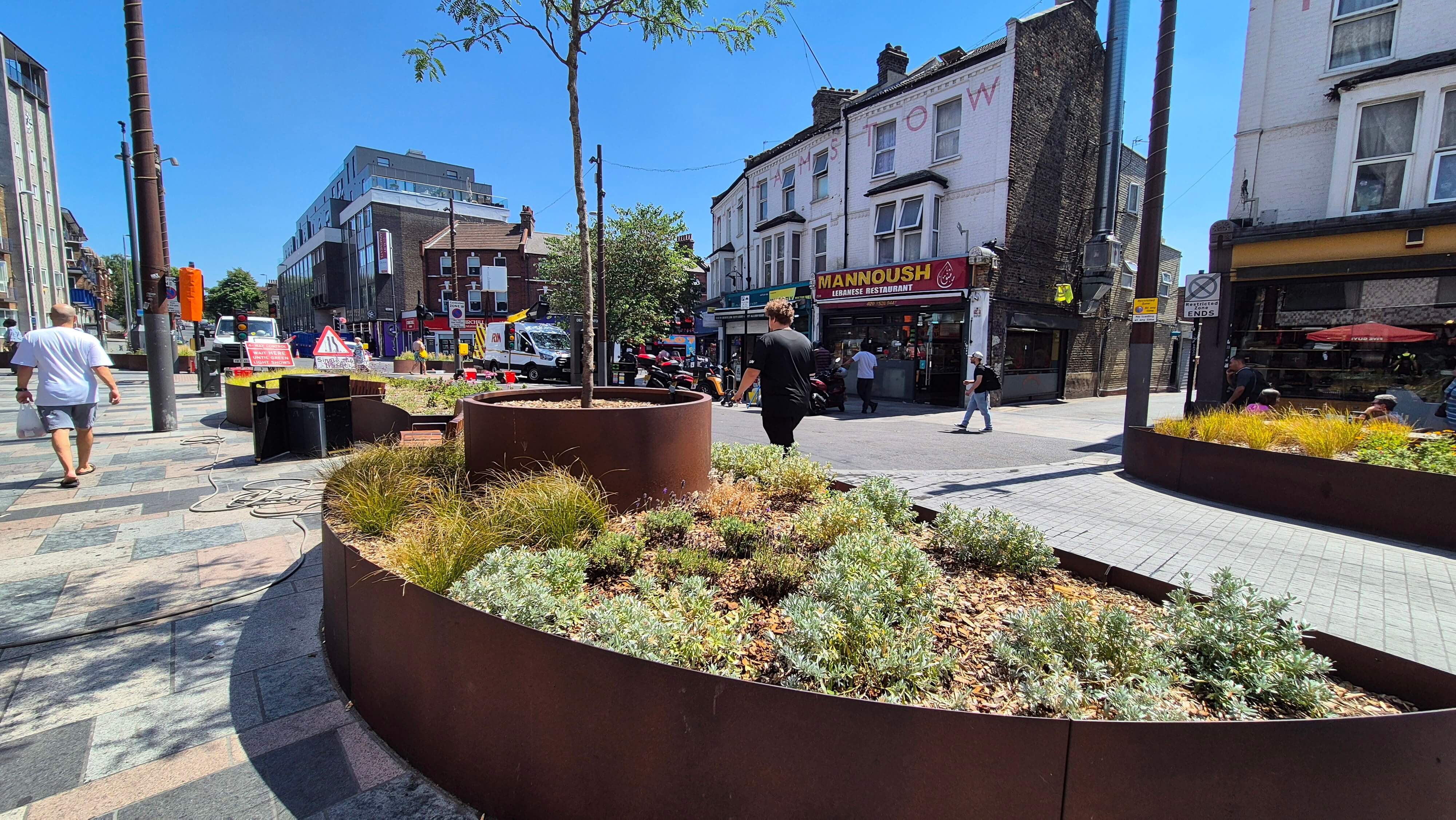
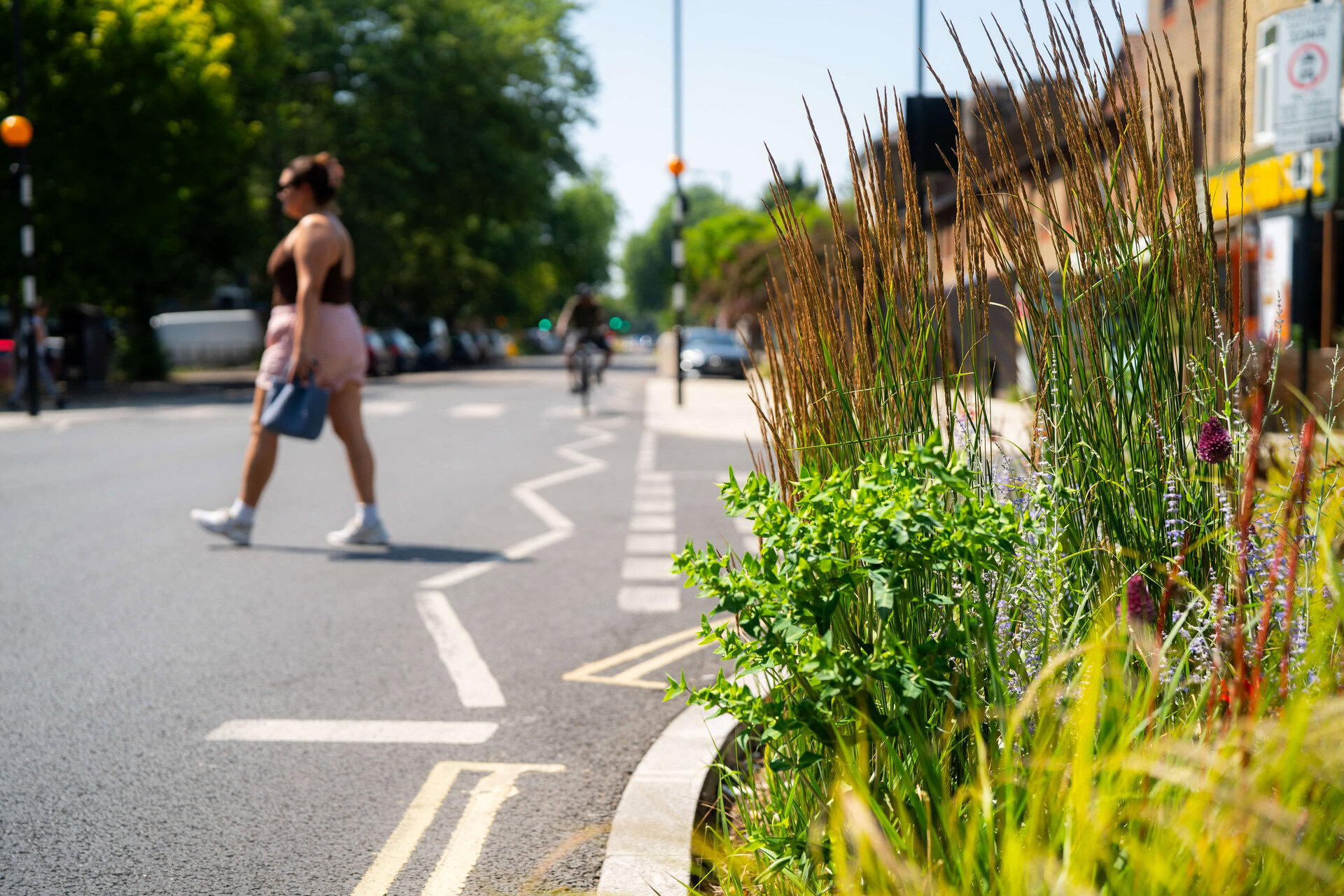
On Crowndale Road in Somers Town, working with the London Borough of Camden, a series of roadside rain gardens were installed to transform the street.
These gardens now:
- Intercept runoff directly from the carriageway
- Provide natural filtration through planting and soil
- Introduce greenery into a previously hard landscape
The impact is immediate - but it will also improve over time as the planting establishes and matures.

The key benefits of roadside Rain Gardens
Managing Surface Water
Rain gardens capture and slow runoff at source, helping to reduce flood risk and relieve pressure on drainage systems.
Improving Water Quality
As water passes through soil and vegetation, pollutants are filtered out naturally before reaching drains and waterways.
Creating Safer Streets
Introducing planting along the roadside can help calm traffic, improve visibility, and create a more pedestrian-friendly environment.
Enhancing the Public Realm
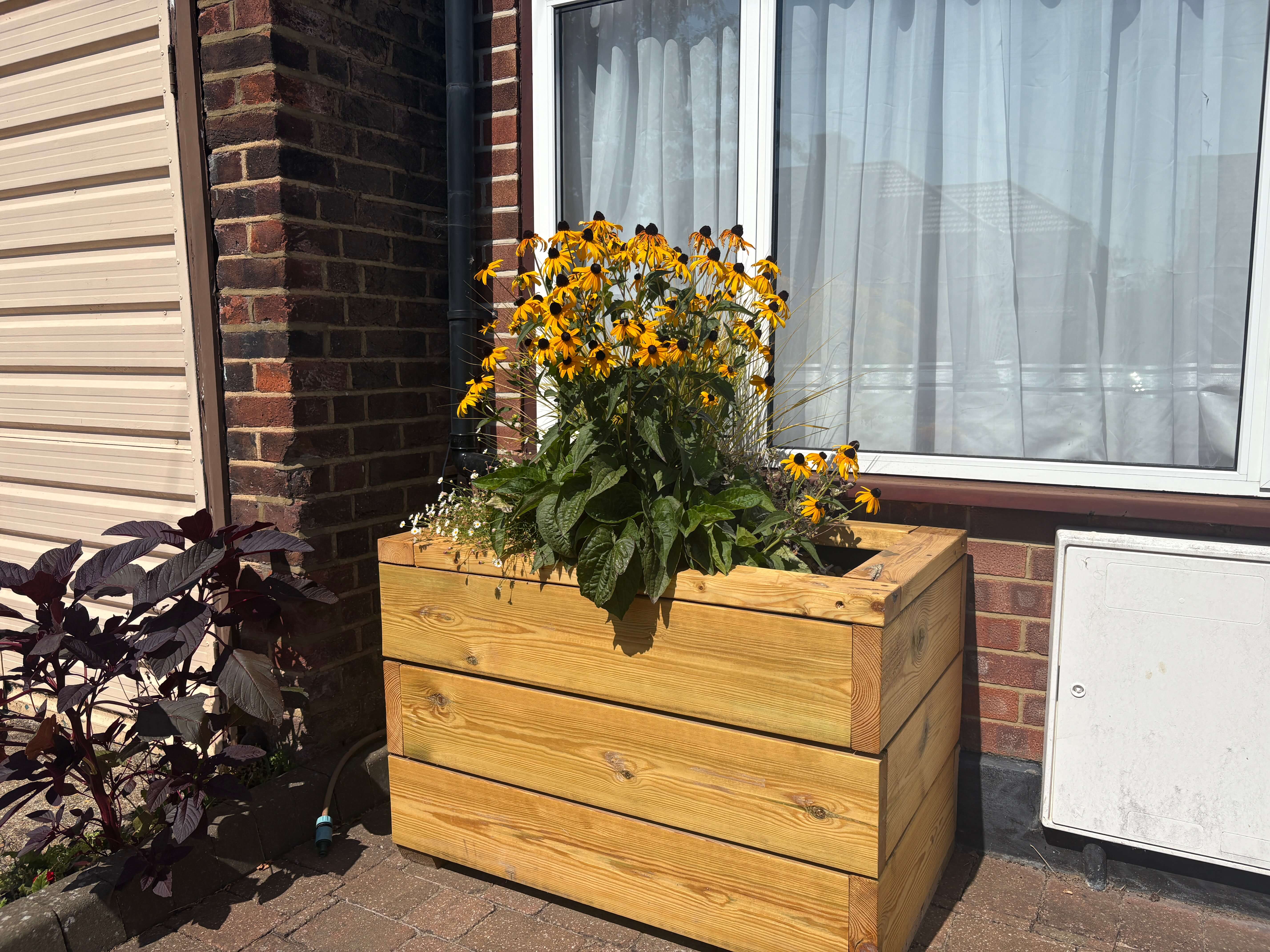
Beyond performance, rain gardens make streets more attractive and enjoyable - supporting wellbeing and encouraging people to spend more time in these spaces.
SuDS performance that improves over time
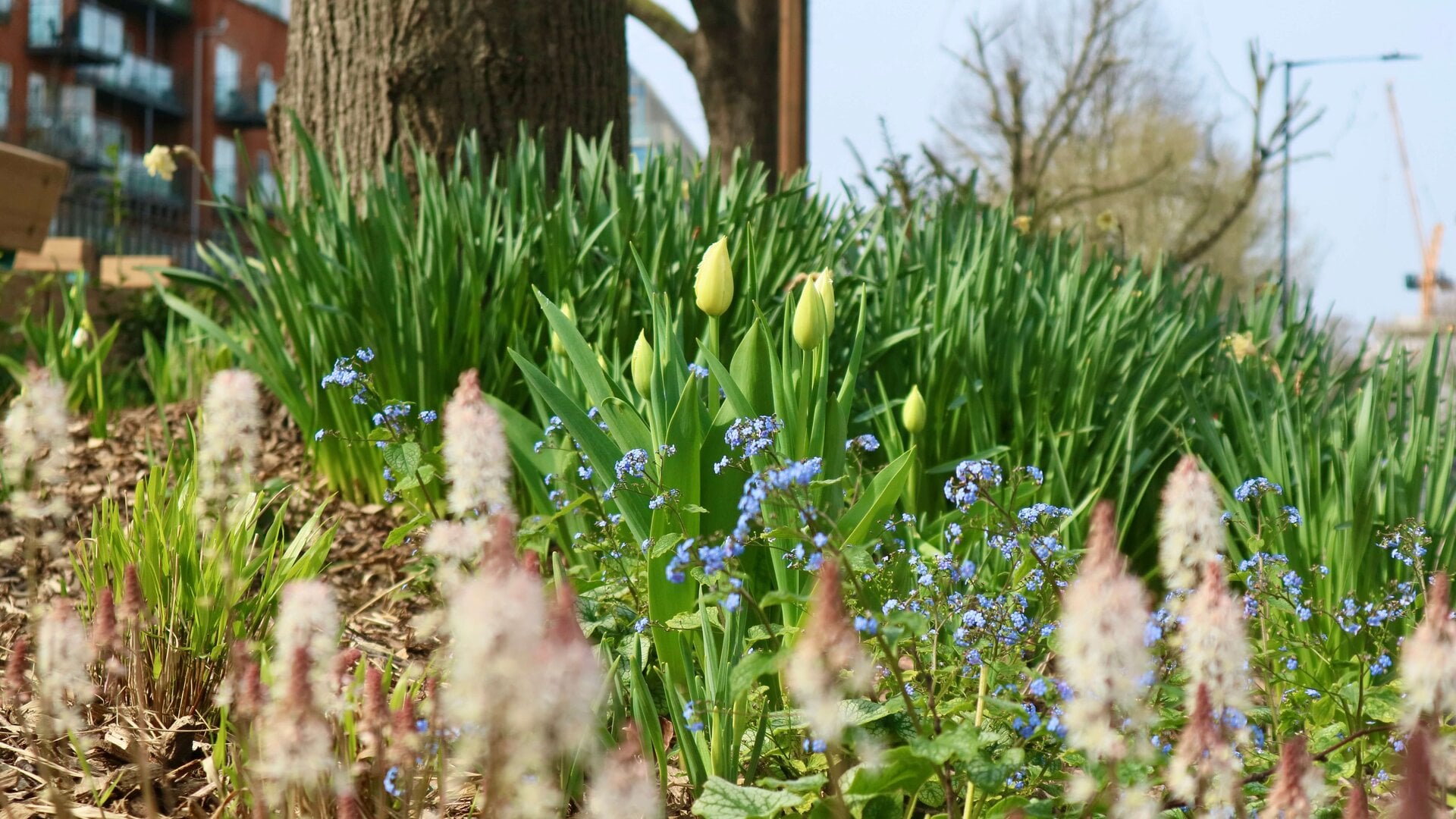
One of the key advantages of rain gardens is that they don’t just function from day one - they evolve.
As plants establish:
- Root systems improve infiltration
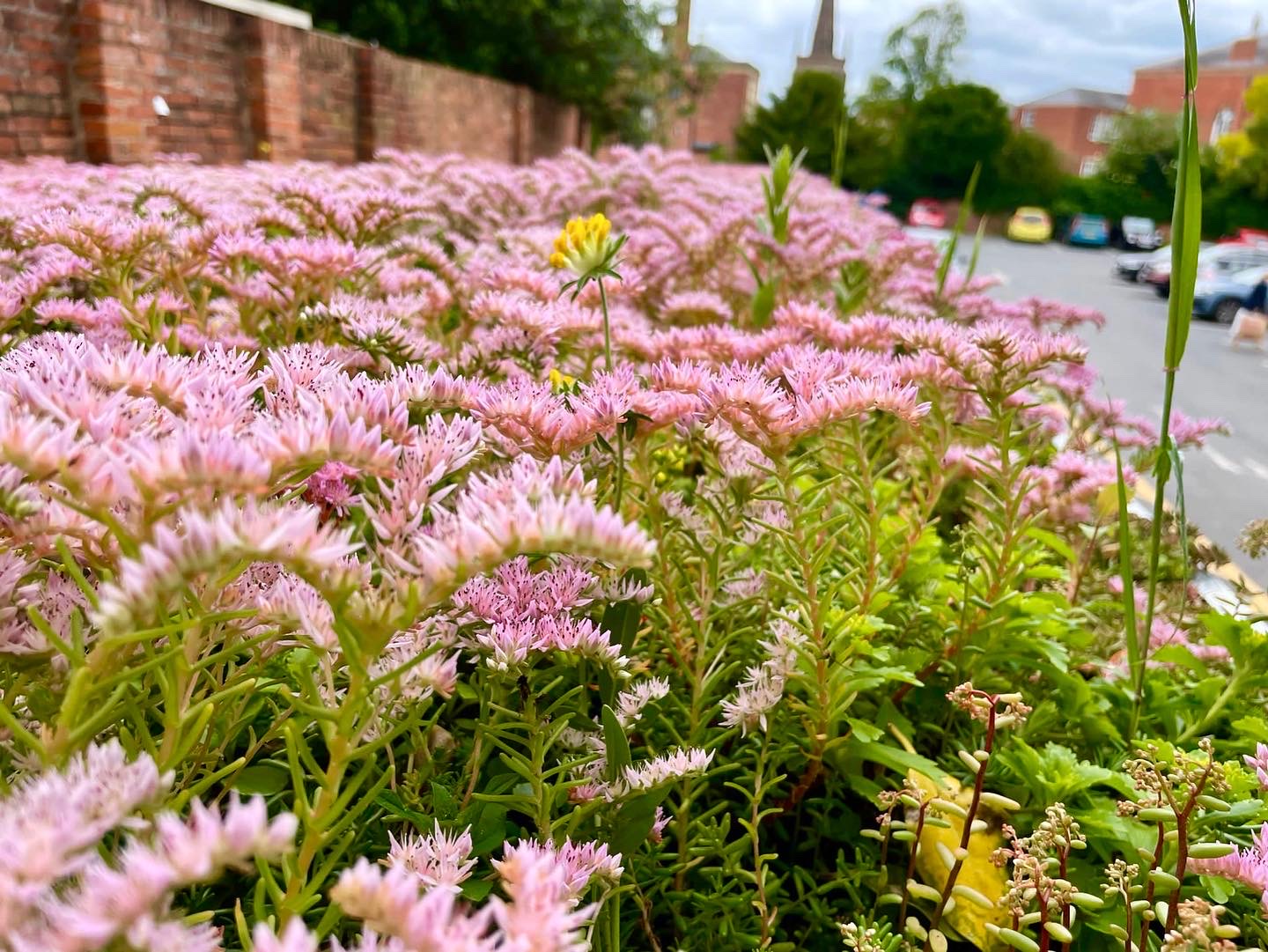
- Biodiversity increases
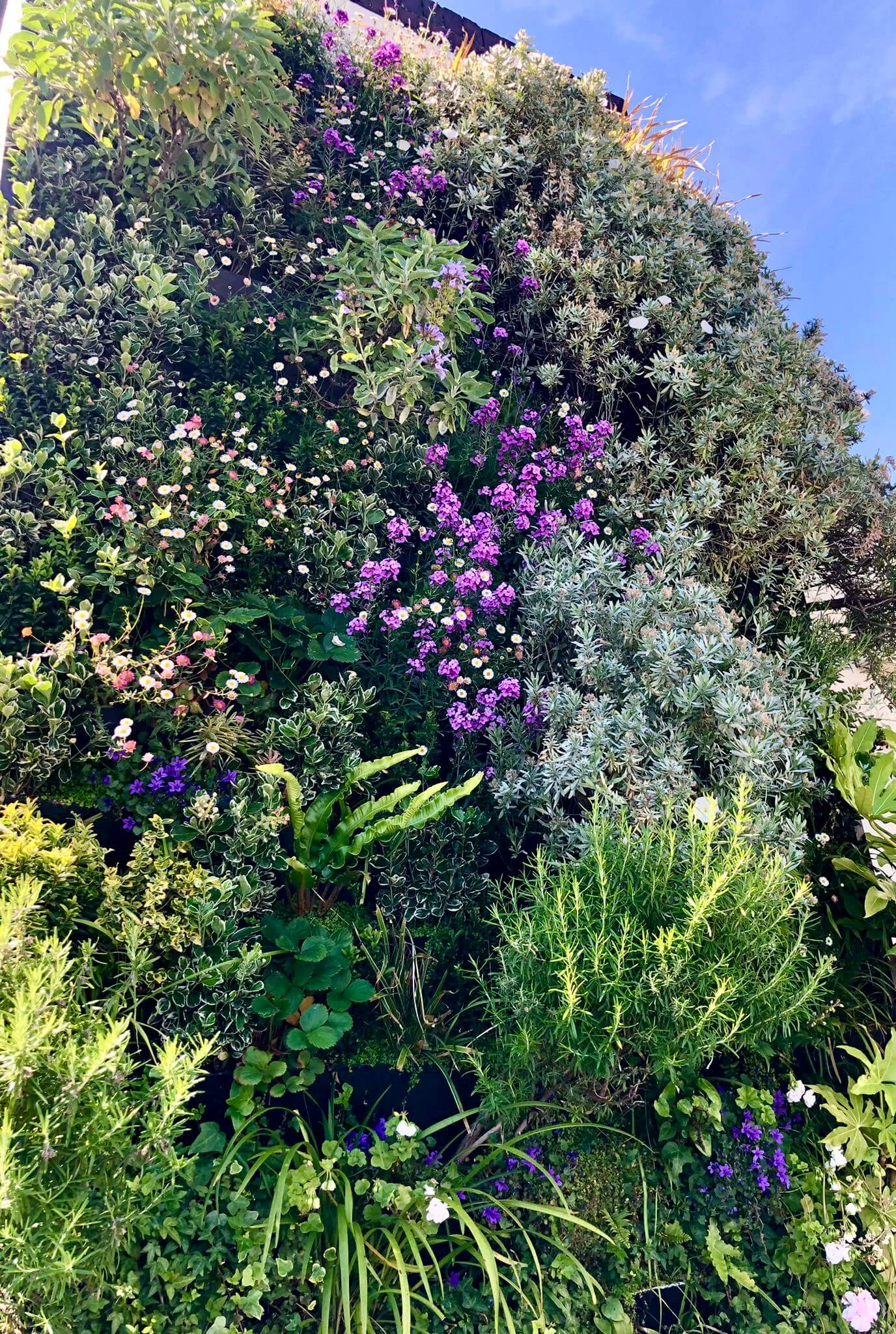
- Visual impact becomes richer and more layered
This makes them a long-term investment in both infrastructure and place.

Rethinking the role of streets
Streets don’t have to be part of the flooding problem. With the right design, they can become part of the solution - managing water, supporting biodiversity, and creating healthier urban environments.
Projects like Crowndale Road show how roadside rain gardens can turn everyday streets into working landscapes.