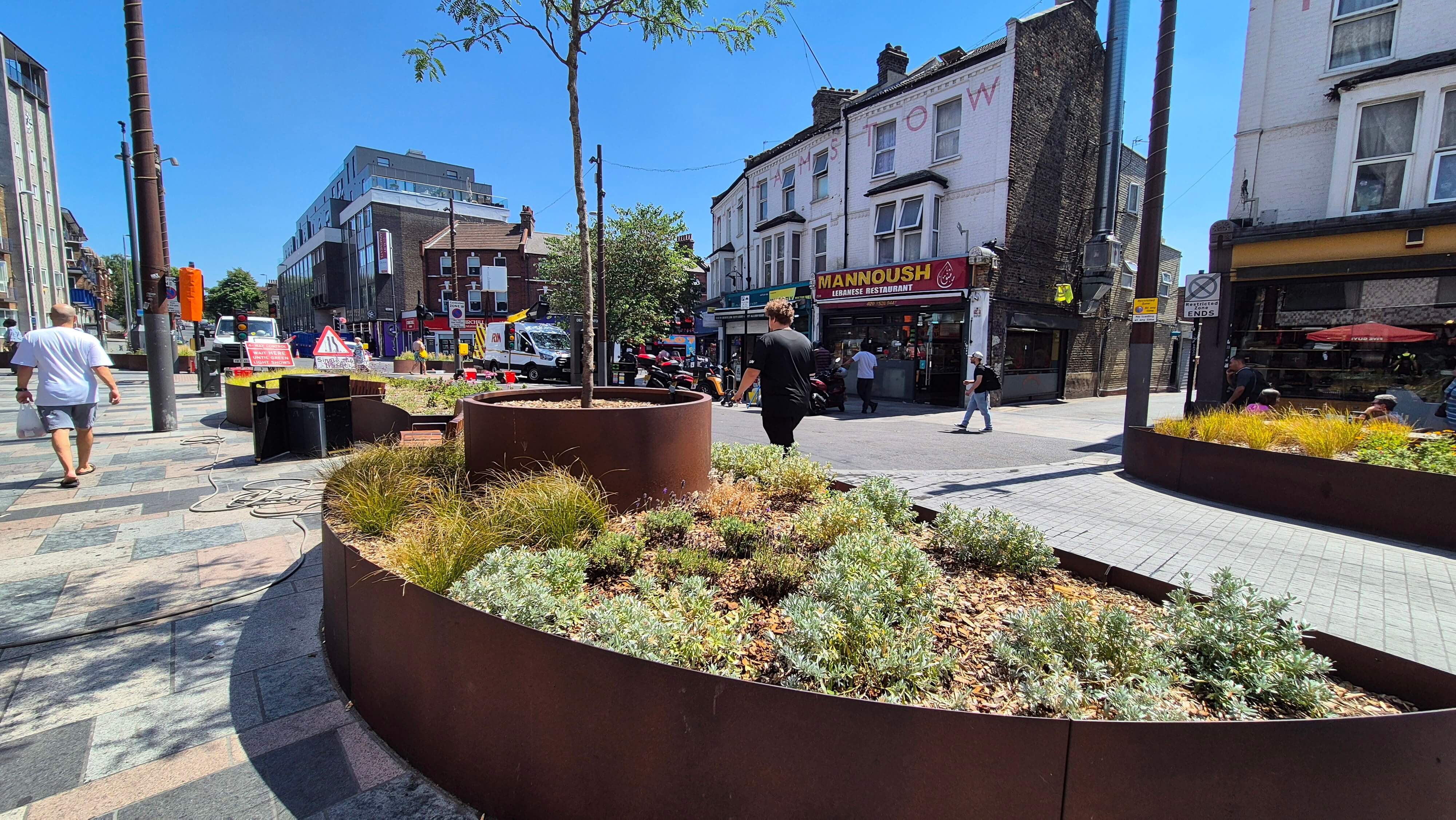
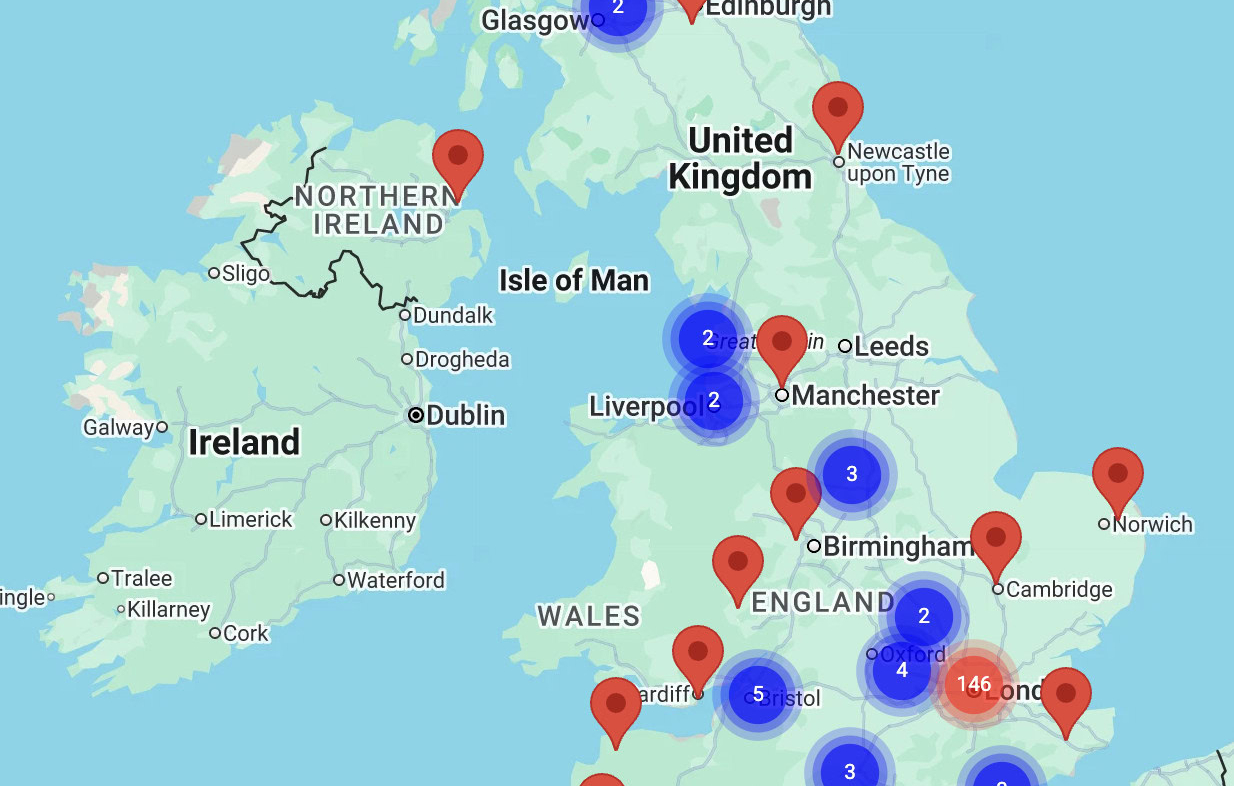
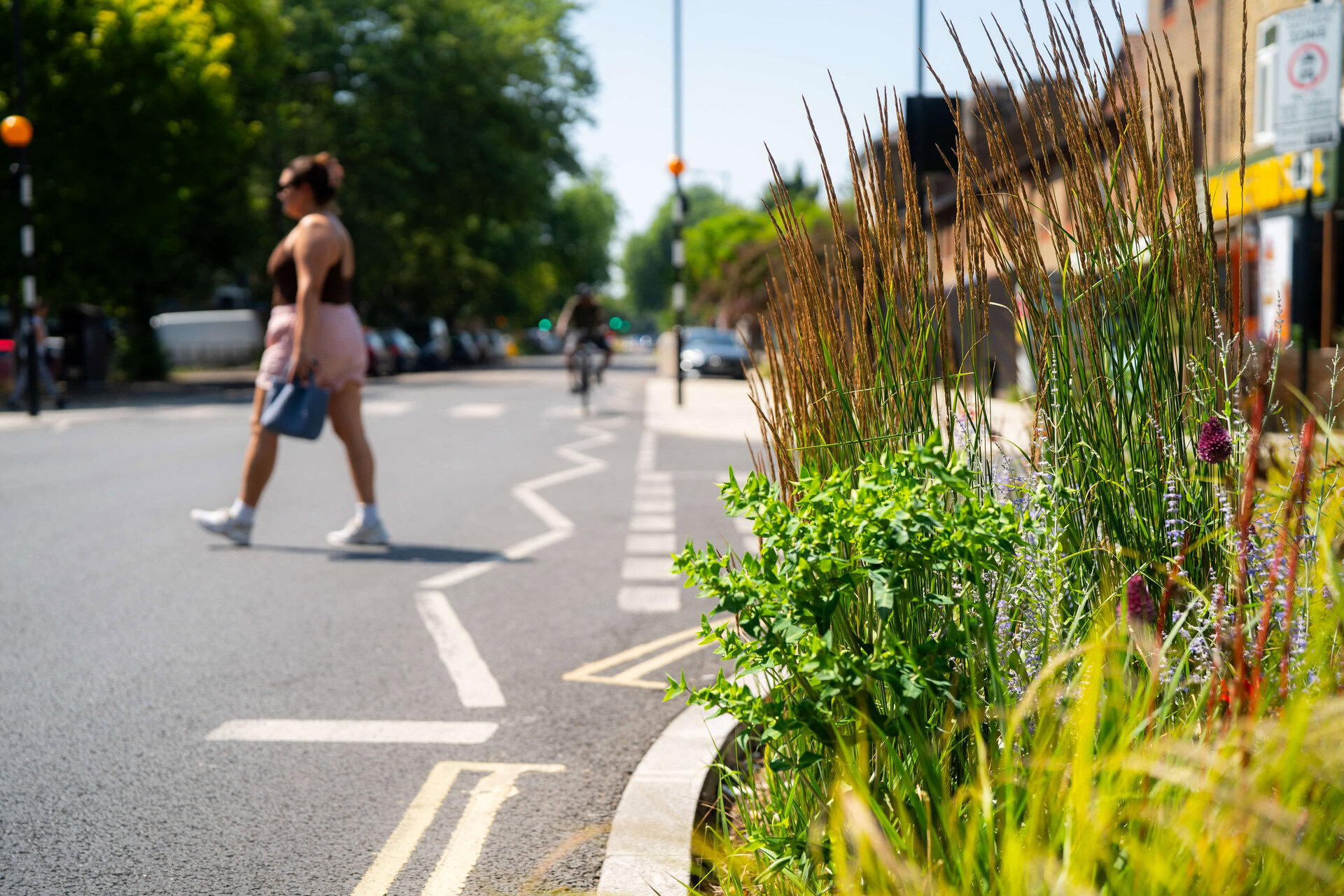
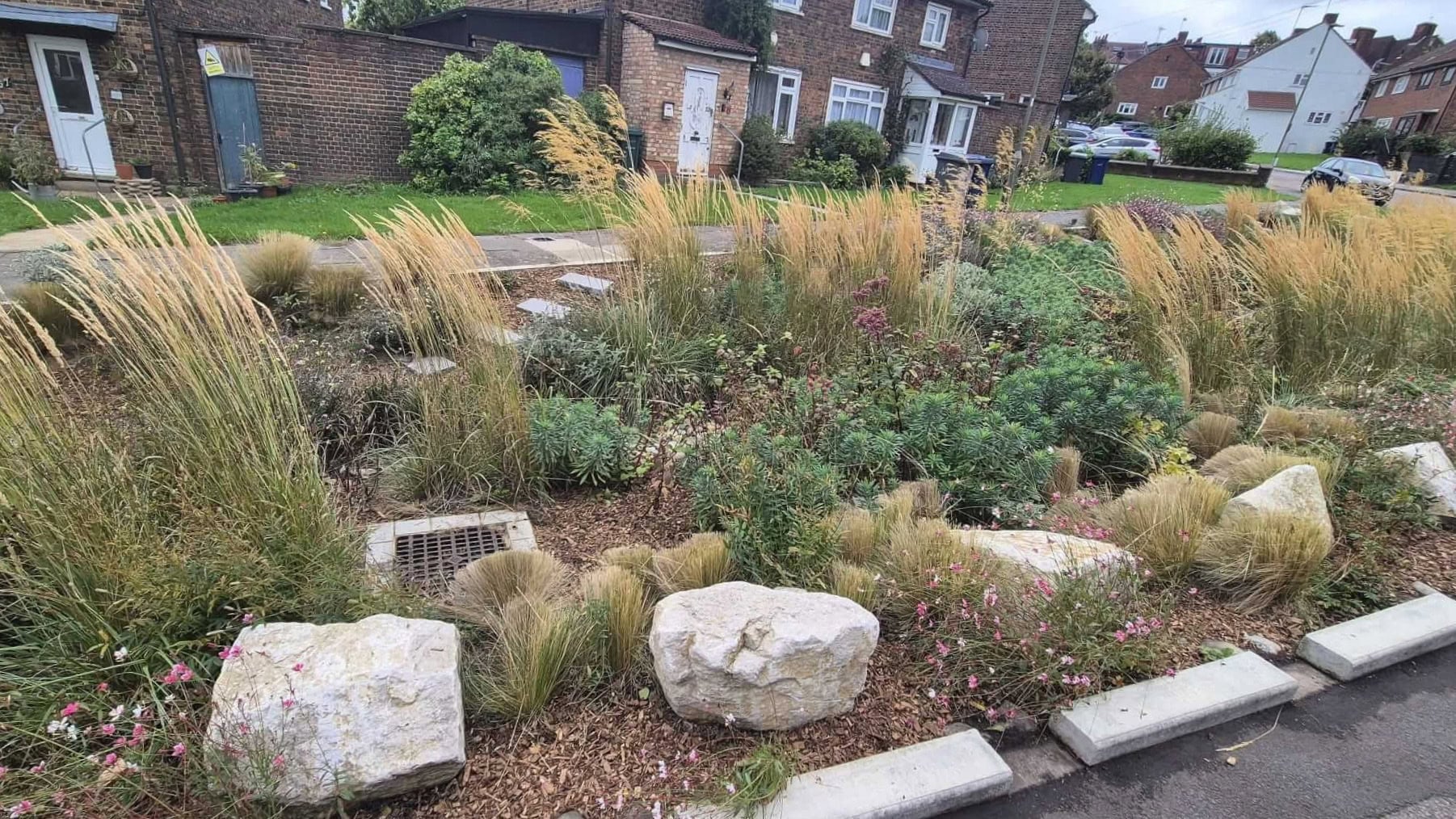
What if every time we dug up a London street, we made it greener too?
That's the core idea behind Dig Once, Green Twice, a new technical guide published by the Greater London Authority (GLA) - and one we're proud to have collaborated on - that sets out how sustainable drainage systems (SuDS) and trees can be delivered alongside planned streetworks, turning necessary excavations into lasting environmental improvements.
Meristem Design collaborated with CIVIC, Stockholm Tree Pits and Bradley-Hole Schoenaich Landscape to deliver a GLA guide to retrofitting green infrastructure in utility constrained streets.
What does the guide cover?
Dig Once, Green Twice encourages better coordination between streetworks, tree planting and sustainable drainage (SuDS). Each year, approximately 196,000 utility repairs and upgrades require the excavation of urban surfaces in London. Digging up the city’s streets can be used as an opportunity to add green infrastructure instead of reinstating impermeable materials.
This approach aligns planting with planned streetworks while integrating designs that are compatible with existing underground services. The aim of this guidance is to provide the necessary tools to deliver greener, cooler and more flood‑resilient streets, even in highly constrained locations.
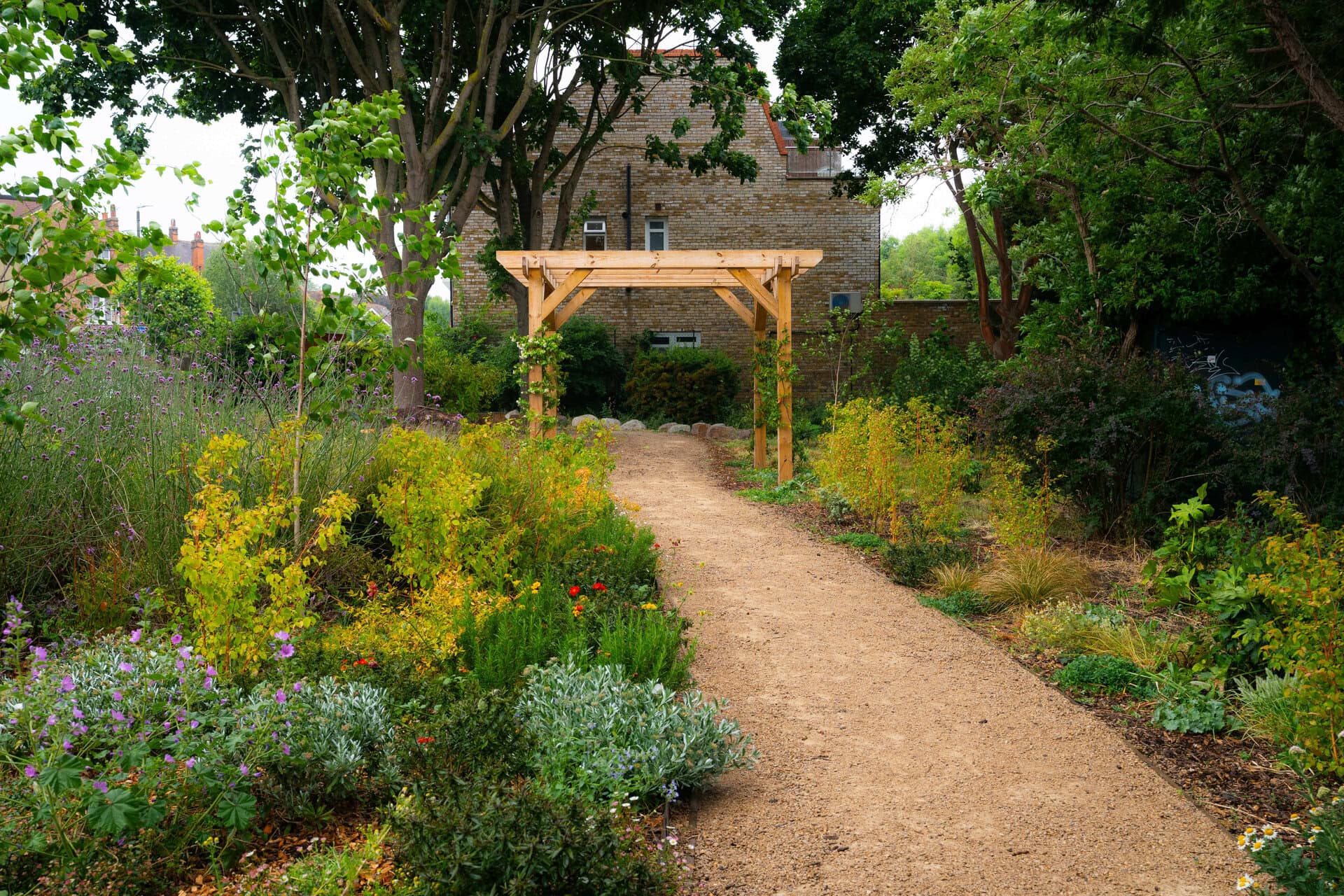
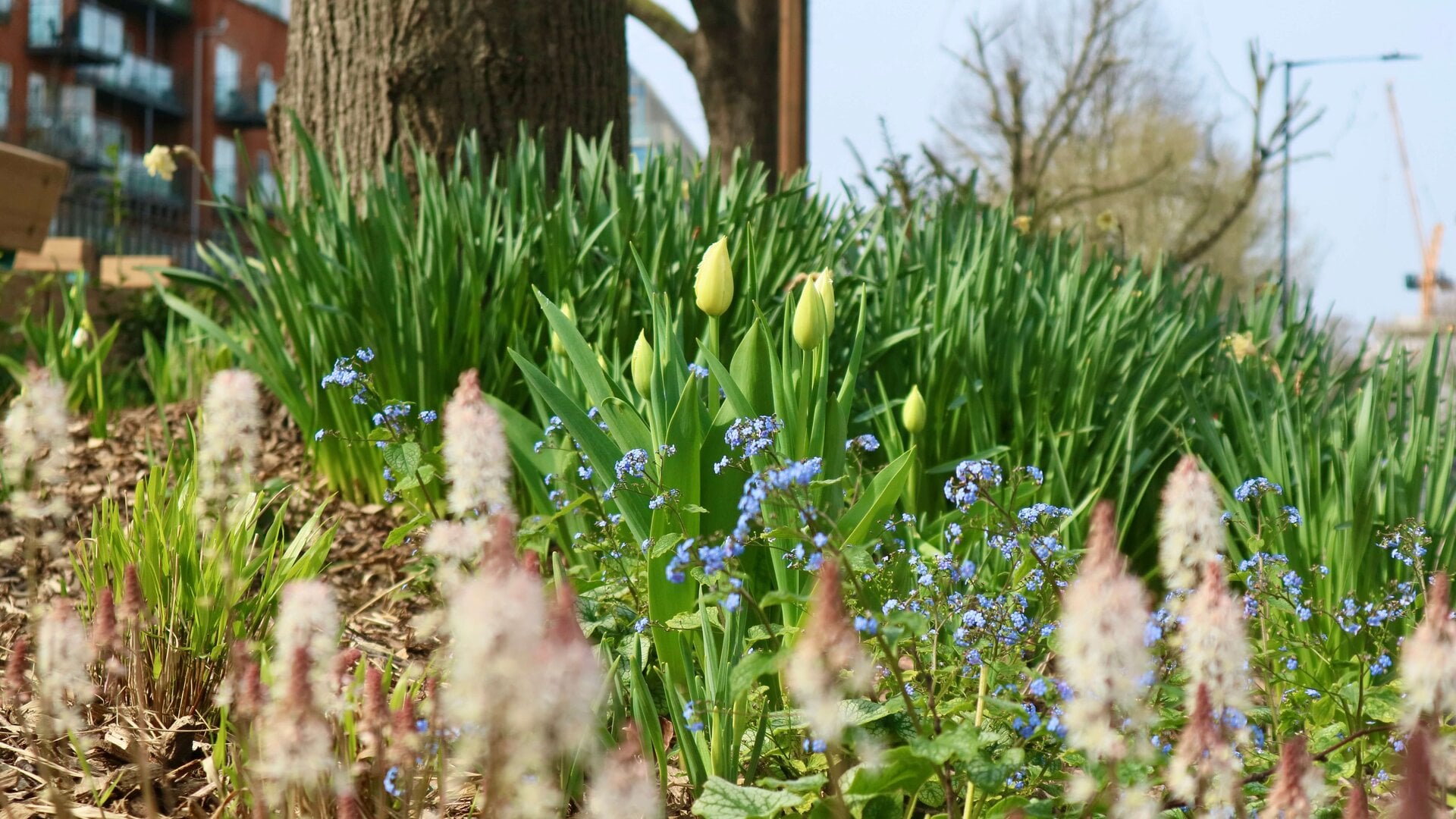
 Lower Green West site - before
Lower Green West site - after
Lower Green West site - before
Lower Green West site - after
Read the case study here
Developed with input from local authorities, utility companies, designers and green infrastructure specialists, the guidance provides practical support across the full project journey - from identifying suitable sites and engaging utility providers early, tree planting and SuDS integration, to design solutions that work within tight underground constraints and approaches to long-term maintenance.
Key themes include:
- Site selection: How to identify streets where utility works present a viable opportunity for green infrastructure delivery
- Integrated design: Approaches that accommodate underground constraints without compromising the function or longevity of SuDS and trees
- Early engagement: Working with utility undertakers and highways authorities to align timescales and avoid conflicts
- Adaptable solutions: Design approaches that can flex to suit variable site conditions
The guidance is intended for highways authorities, local authority officers, designers, utility undertakers and their delivery partners - anyone involved in the planning and delivery of streetworks or green infrastructure across London.
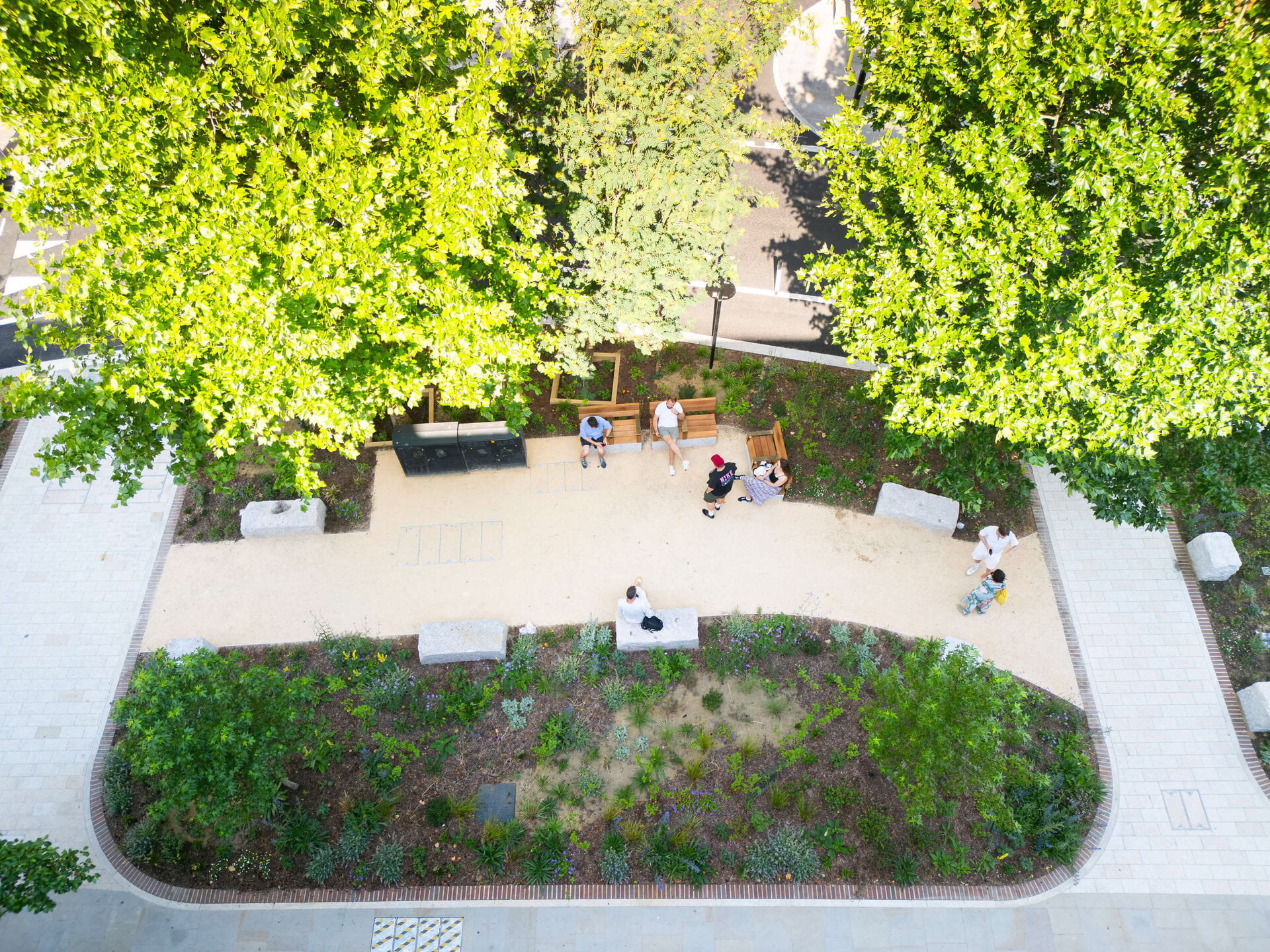
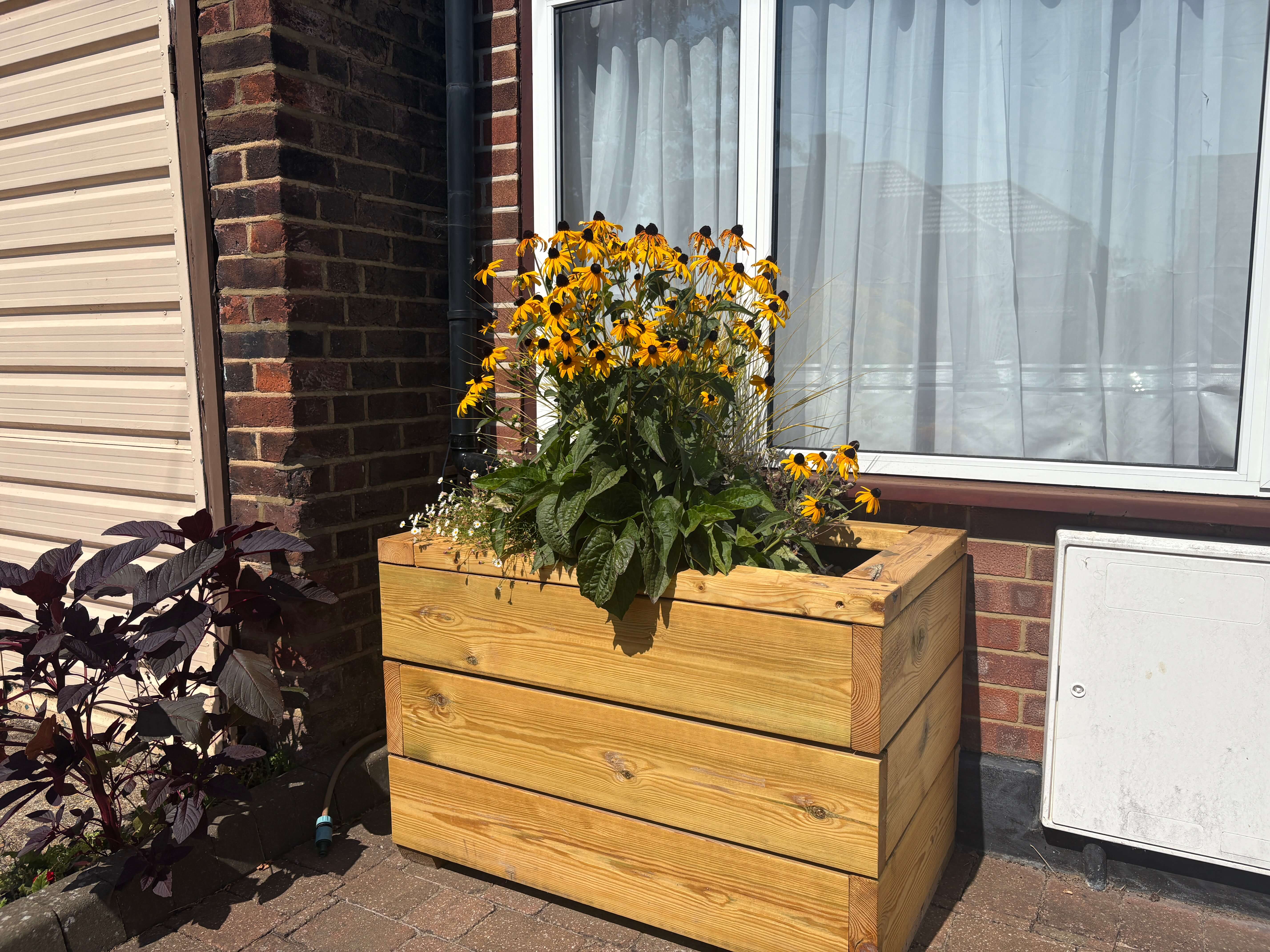
 Markhouse Corner site - before
Markhouse Corner site - after
Markhouse Corner site - before
Markhouse Corner site - after
Read the case study here
Why is this guide important?
Retrofitting green infrastructure into existing streets is notoriously difficult. London's roads are crammed with underground utilities - gas, water, electricity, telecommunications - leaving little room to introduce the tree pits, rain gardens and drainage features that make streets more resilient and liveable. Historically, this complexity has meant that even well-intentioned green infrastructure projects stall at the design stage, or simply never get started.
The Dig Once, Green Twice guide tackles this head on. By coordinating green infrastructure delivery with planned utility works, it's possible to reduce costs, minimise street disruption and unlock sites that might otherwise feel too constrained to attempt.
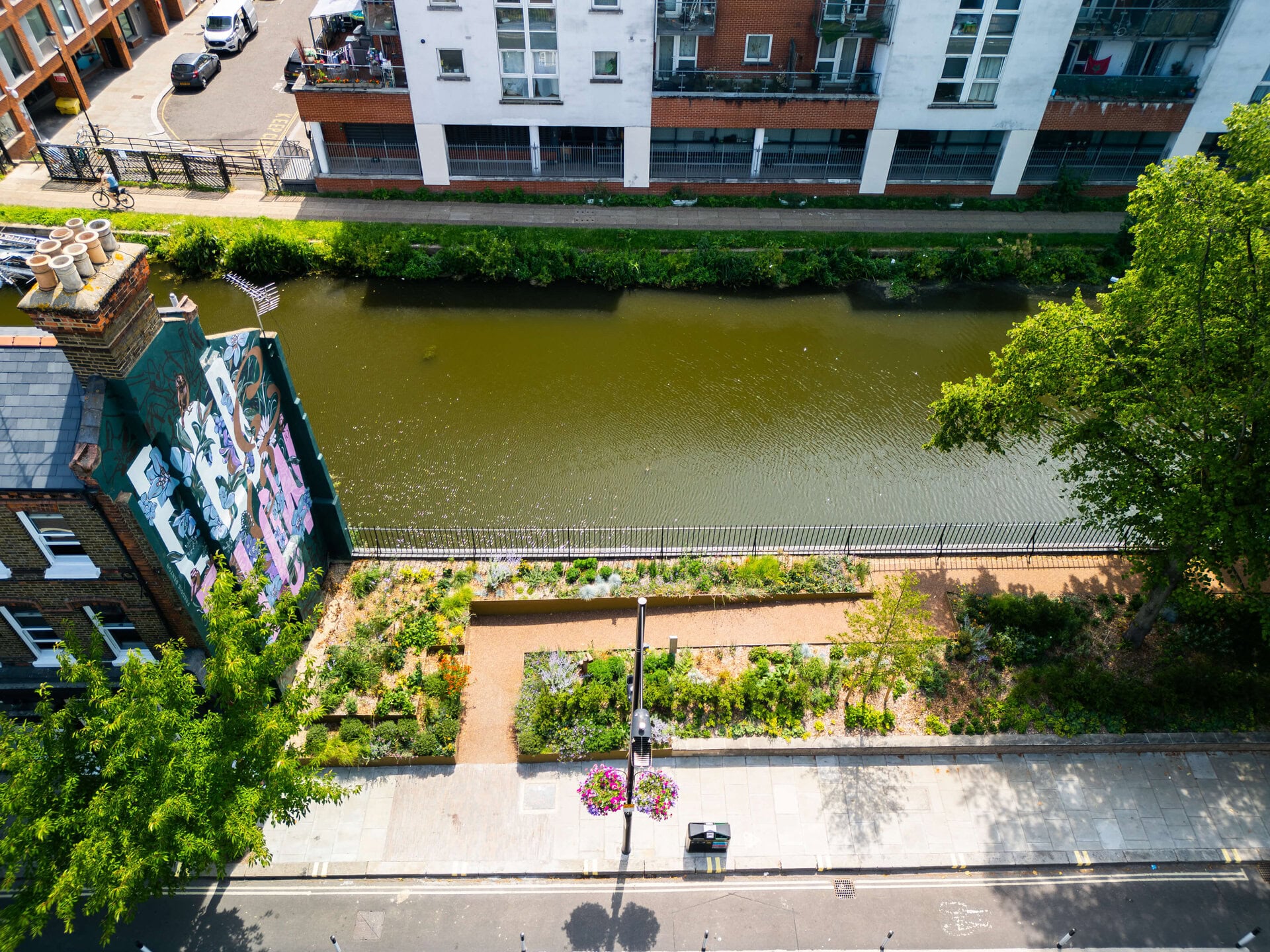
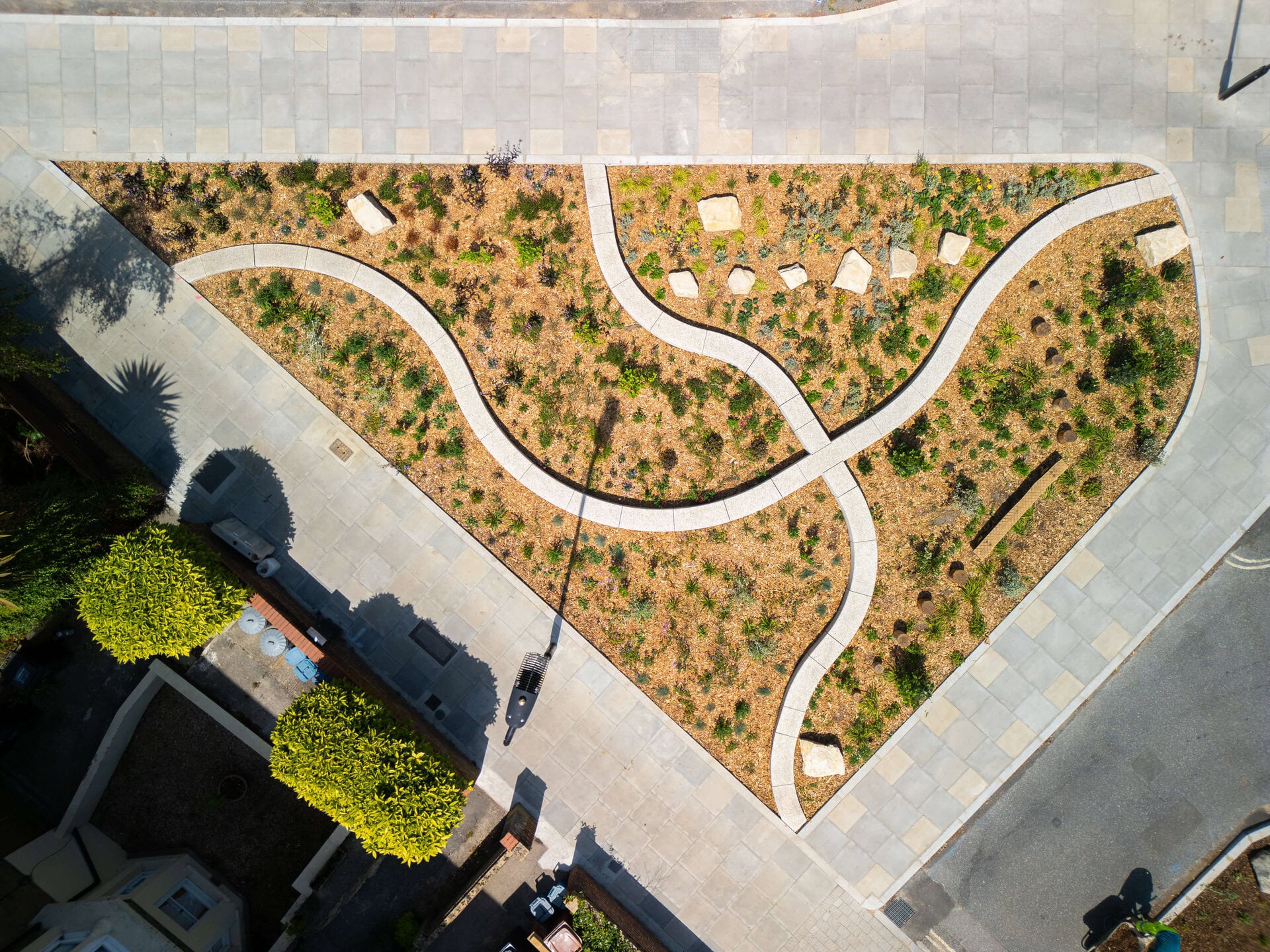
 St John Street site - before
St John Street site - after
St John Street site - before
St John Street site - after
Read the case study here
With increasing pressure on cities to manage surface water flooding, improve air quality and support urban biodiversity, guidance like this plays an important role in translating policy ambition into delivery on the ground.
If you have any questions, get in touch with us!